113Mm Four Wing Arc Angle Drill Bit Design Explained for Heavy-Duty Use
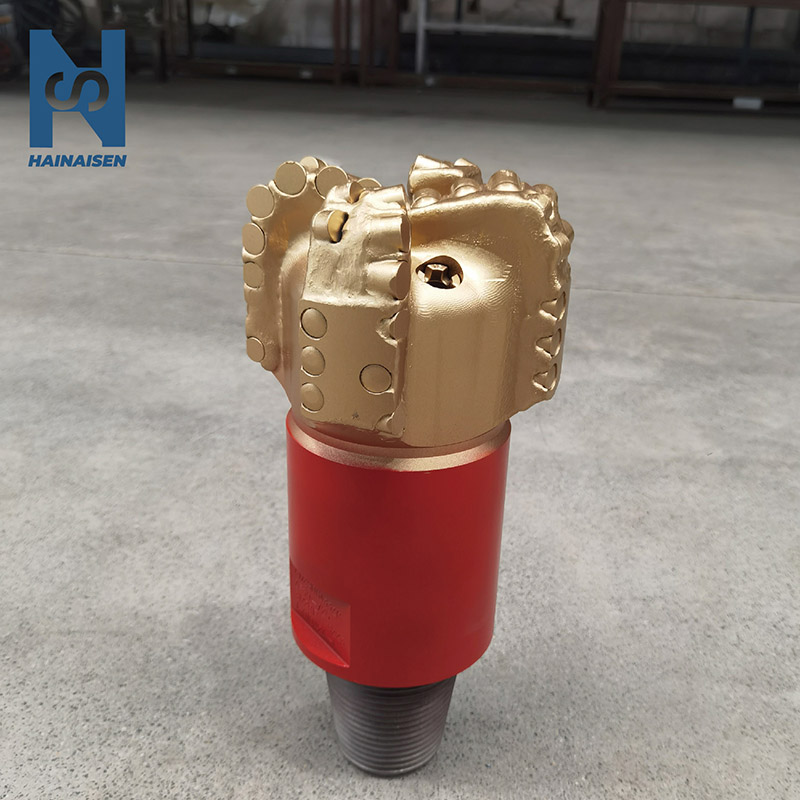
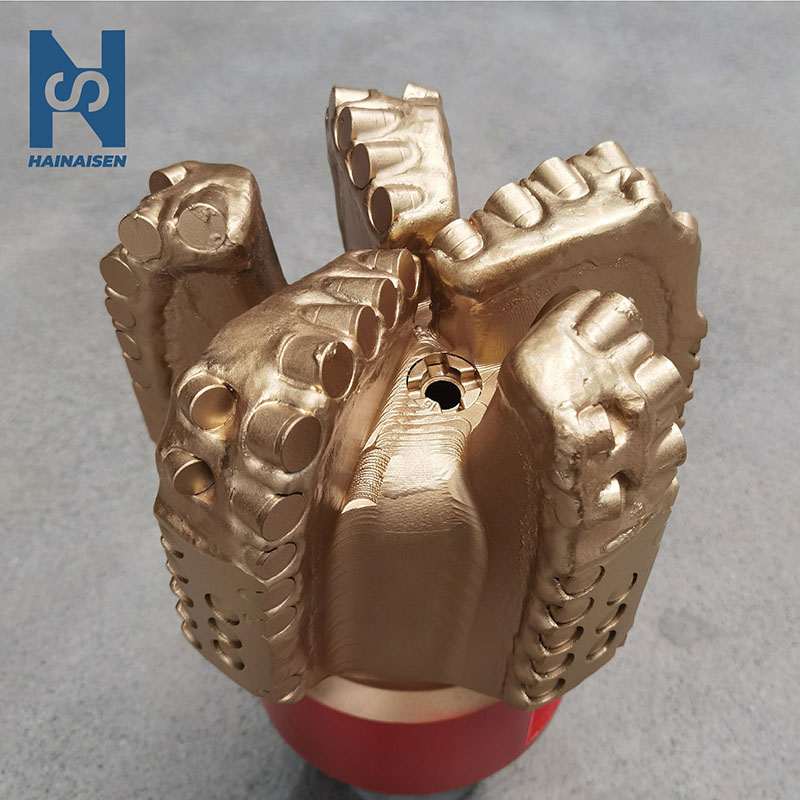
When it comes to heavy-duty drilling, the 113 mm Four Wing Arc Angle Drill Bit is a groundbreaking piece of drilling technology that meets the tough needs of coal mines, oil and gas research, and geological mapping. With its unique four-wing shape and carefully designed arc angles, this new design provides top-notch performance even in the toughest drilling conditions. This drill bit's advanced engineering makes it more stable, more efficient at cutting, and better at getting rid of heat. This makes it an important tool for businesses that need reliable and affordable drilling options. Whether you're working with hard rock types or deep-well building jobs, knowing how this specialized drilling tool is put together can have a big effect on how well it works and how much it costs.
Understanding the Design and Features of 113 mm Four-Wing Arc Angle Drill Bits
Revolutionary Four-Wing Configuration
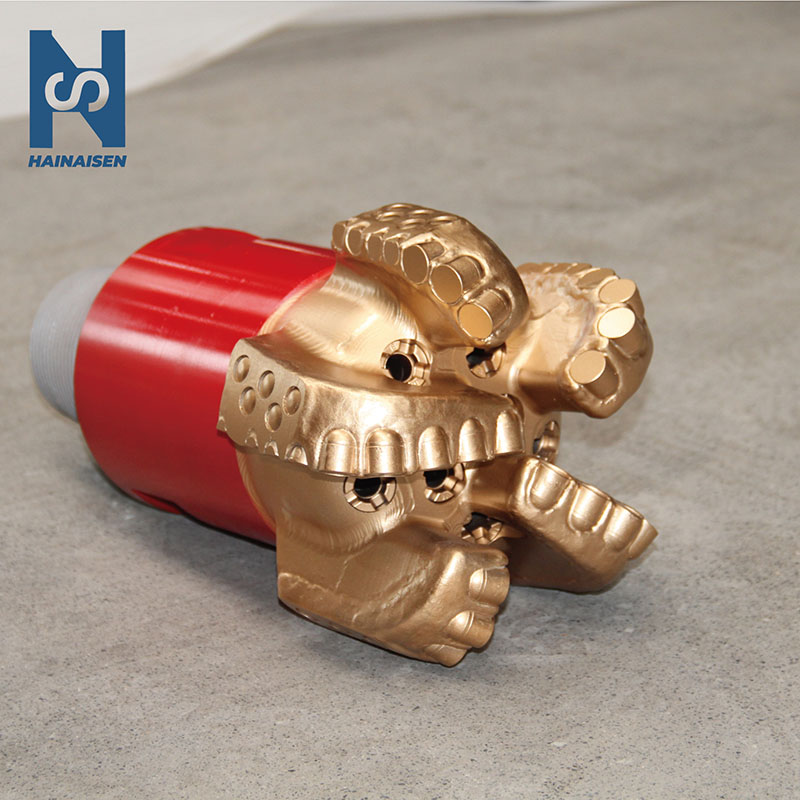
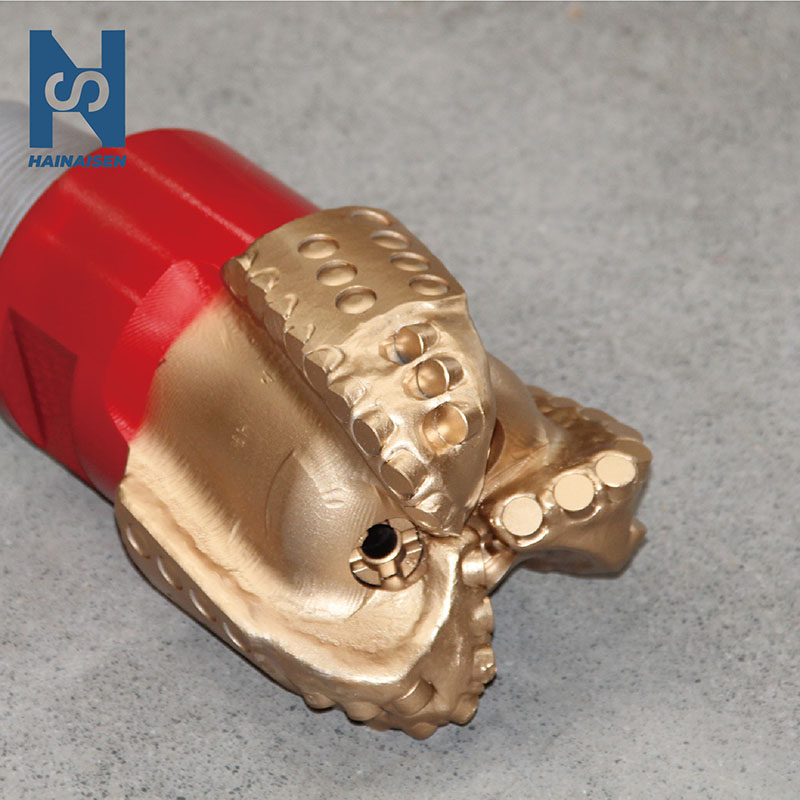
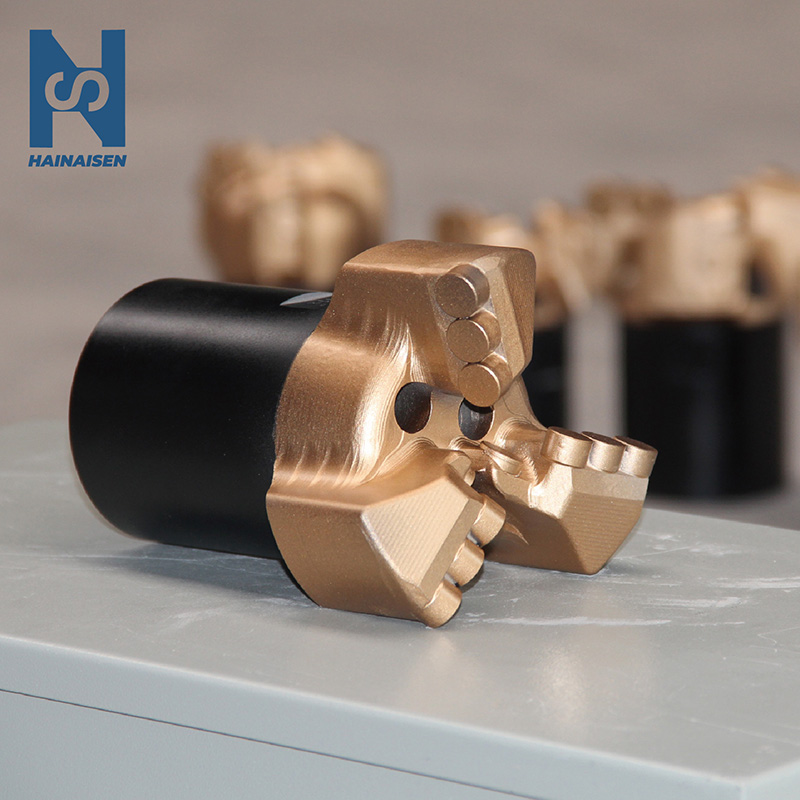
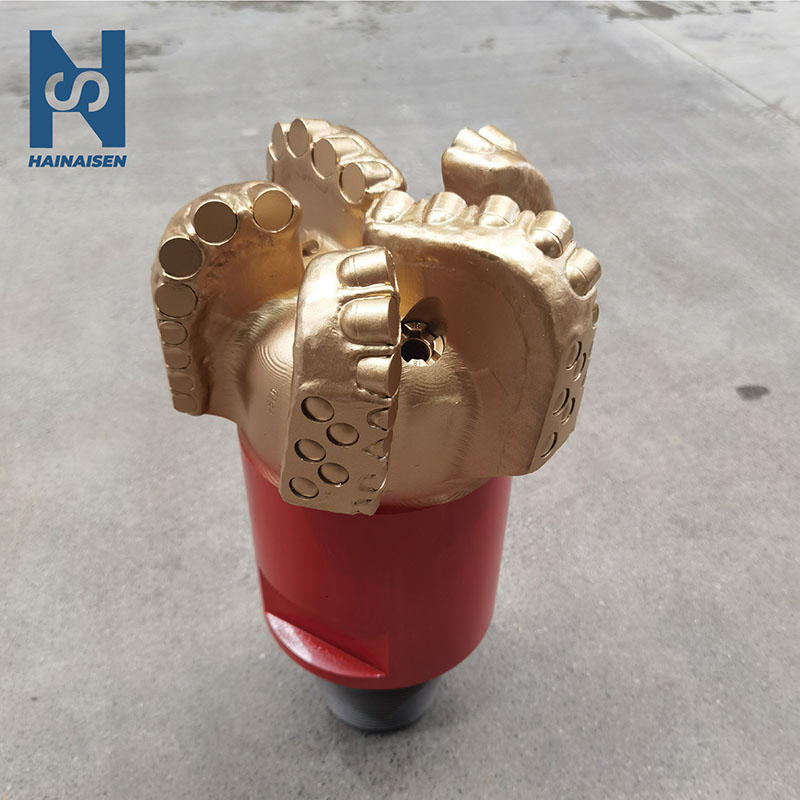
The four-wing design is a big step forward in the making of drill bits and makes this tool different from other drilling tools. Each wing has carefully calculated arc angles that make the best use of cutting geometry while keeping the structure strong in the harshest drilling circumstances. Because these wings are arranged in a uniform way, the load is spread evenly across the cutting area. This reduces stress clusters that usually cause tools to break too soon.
Compared to the other three-wing versions, this one has bigger holes for junk in between the wings. This lets chips get out more easily and keeps the drill from getting clogged up during long drilling jobs. When you can get rid of waste more efficiently, you can get into holes faster and drill for longer. This is especially helpful for oil and gas research projects that need to be finished quickly.
Advanced Arc Angle Engineering
The precisely calculated arc angles built into this drill bit design improve total drilling performance in a number of important ways. These angles are carefully determined to reduce vibrations while increasing cutting efficiency. This makes drilling easier, which increases hole quality and extends the life of the equipment.
The curve shape also helps improve directional stability, which keeps the driller on track and prevents mistakes when placing the well. This accuracy is especially important for horizontal drilling and well designs that aren't simple, where keeping linear control is key to the project's success.
Material Composition and Construction
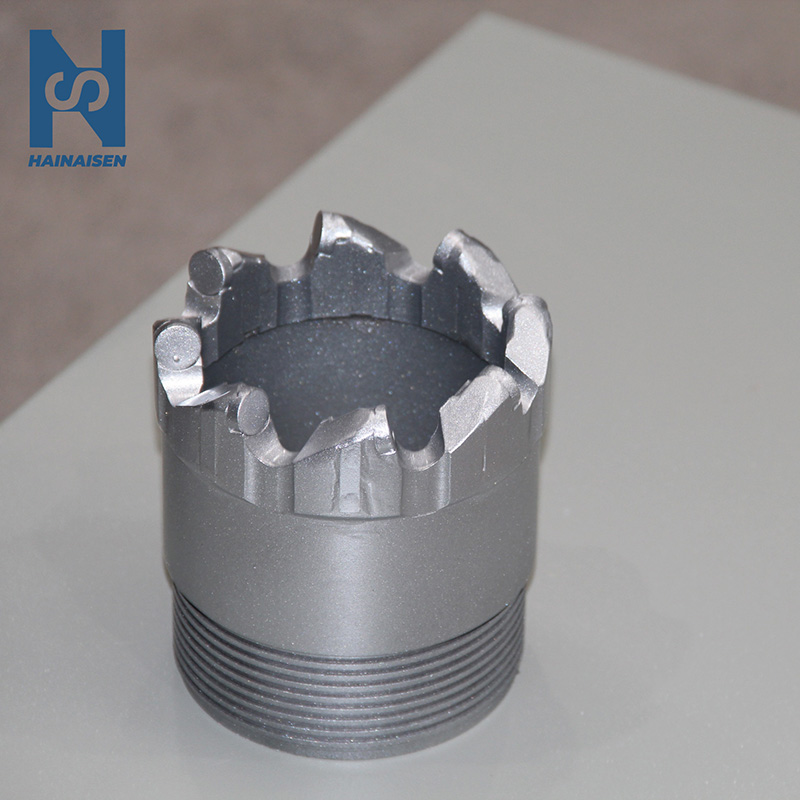
Our drill bits at HNS are made from strong, high-quality materials that were picked for heavy-duty use. High-strength steel is used to make the body, which makes it very strong but also bendable enough to handle drilling loads that change over time. Cutting edges made of polycrystalline diamond compact (PDC) are set up along each wing in a way that makes them last longer and cut better.
Adding tungsten carbide to the bit makes it stronger against pressure, so it can handle sudden changes in shape without breaking. It works the same in a lot of different natural forms, from soft organic rocks to hard, rigid buildings, because these materials are mixed together.
Benefits and Practical Applications in Heavy-Duty Use
Enhanced Performance Characteristics
For heavy-duty drilling jobs, you need tools that can keep working well even in harsh situations. The 113 mm four-wing arc angle drill bit has a number of important benefits that directly meet these high standards. The four-wing design is balanced, which greatly lowers vibrations during drilling. This not only makes the user more comfortable, but it also makes drilling tools last longer and costs less to maintain.
This design makes the cutting more efficient, which speeds up the entry rate. This cuts down on overall project timelines and makes drilling more cost-effective. The carefully made materials we use have better heat protection, so the bits will last longer even in hot settings like those found in geothermal digging and deep oil research.
Versatile Application Range
This drilling tool is very useful for many different types of drilling jobs because it works so well in many different workplace settings. In oil and gas research, the bit works very well both ashore and offshore, even in places with complicated rock types that are common in petroleum extraction. Coal seam drilling is useful for coal mining because it works well, and it's also great for research because it's accurate and lasts a long time.
The ability to dig deeply and consistently good performance is especially helpful for water well drilling projects. The bit can keep the quality of the hole through different types of rock, which makes it useful for building wells for local and commercial water supply projects. Geothermal drilling activities, such as how well the materials work at high temperatures and for long periods of time.
Operational Efficiency Improvements
Using the right drilling methods with this improved bit design can make operations much more productive. To get the best results and extend the life of the bit, recommended drilling speeds should be changed based on the roughness of the rock and the drilling conditions. Using the right mud movement and cleaning processes, along with effective chip removal methods, will keep the drilling going smoothly and stop the bit from loading.
Using the right amount of coolant is very important for keeping performance at its best during long drilling operations. With the right cooling methods and the four-wing design's better ability to dissipate heat, thermal damage can be avoided, and the cutting edge stays sharp during the drilling process.
Comparing 113 mm Four-Wing Arc Angle Drill Bits with Other Drill Bit Types
Performance Advantages Over Standard Designs
When looking at different types of drilling tools, the four-wing arc angle design's structural improvements make it clearly better than regular drill bits. Standard twist drill bits work for simple tasks but aren't stable enough or good enough at cutting for heavy-duty industrial use. The 113 mm four-wing arc angle drill bit works better because it is made of better materials and has a better shape.
When you need to drill holes that are exactly the right size and shape, the difference is very clear. The machine is steadier and less likely to shake because it has four wings. This makes the holes cleaner and the surface finish better. This makes the whole job go faster and cuts down on extra cutting work.
Four-Wing Versus Three-Wing Configurations
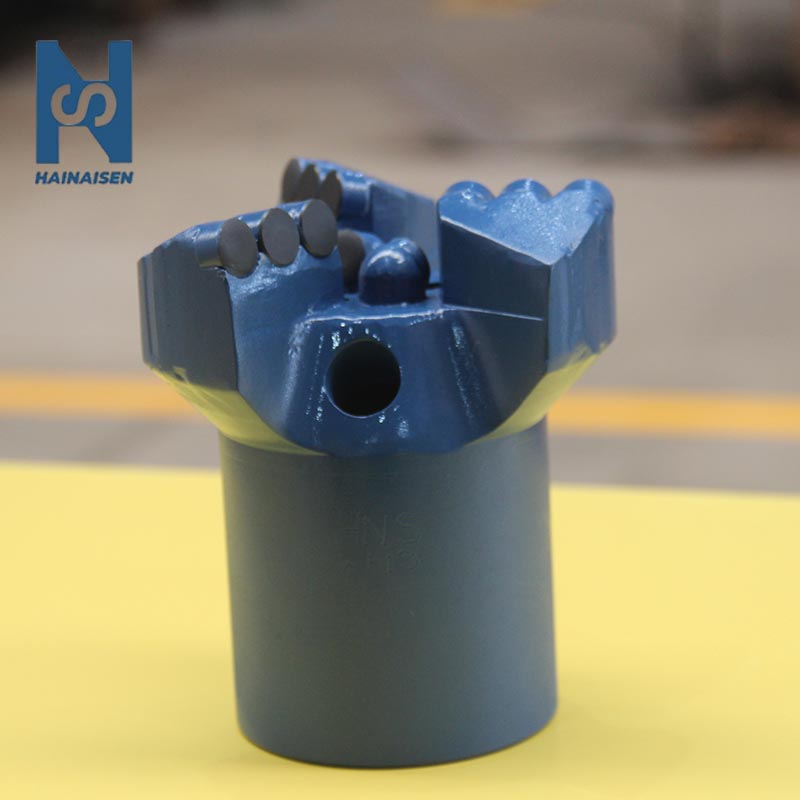
Picking between four-wing and three-wing drill bits requires careful thought about the job and the outcome you desire. If someone uses one with four wings, they're more likely to stay steady, which makes them better for long-term use and accurate drills. The cutting forces are spread out more since there is an extra wing. That makes the tool less stressed and extends its life.
In some types of formations, where faster chip removal is more important than safety, three-wing designs may be better. On the other hand, our four-wing arc angle configuration's better junk hole design successfully addresses chip removal issues while keeping the stable benefits of the four-wing design.
Cost-Effectiveness Analysis
Long-term cost-effectiveness is a very important thing to think about when choosing a drill bit for business use. High-quality four-wing arc angle drill bits may cost more at first than normal choices, but they usually have a lower total cost of ownership because they last longer and drill more efficiently. Lower downtime for bit changes and less upkeep are two more ways that costs can be cut generally.
You can save a lot of money on big projects that require a lot of rig time because the better entry rates and steady performance traits mean that you can drill for less time. The four-wing arc angle design is great for medium and big oil service companies that care more about long-term operating efficiency than starting equipment prices because of these reasons.
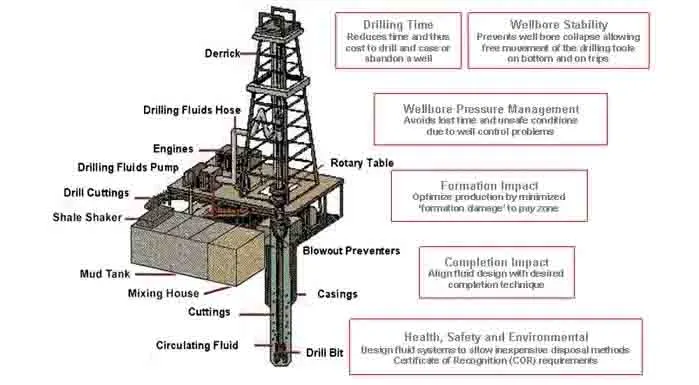
Procurement Guide for 113 mm Four-Wing Arc Angle Drill Bits
Supplier Evaluation Criteria
People who want to sell specialized drilling tools, such as the 113 mm Four Wing Arc Angle Drill Bit, need to be carefully checked out to make sure they offer good products and good service. For the quality management system to meet certain requirements, it must be approved by ISO 9001:2015 or a similar system that shows a dedication to consistent quality standards. You should check how well a source can make things to make sure they can handle big orders and ship on time.
It's very important to be able to help people with complex tools like the 113 mm Four-Wing Arc Angle Drill Bit. To answer practical questions and improve drilling performance, suppliers should offer detailed technical literature, application advice, and quick customer service. Customization options are also useful for businesses that need to cut in specific ways and could benefit from changing the patterns.
Customization and Technical Specifications
We at HNS know that when drilling projects need to go well, they often need unique solutions. When engineers work for us, they are very skilled and work closely with clients to fully understand the conditions of the dig and what the performance needs are. We can make bits that are the right size, shape, and material for each job if we all work together.
The design team first takes a close look at the drilling conditions, such as the types of rocks that need to be broken up, the lengths that need to be dug, the temperature requirements, and the expected performance. After that, our engineers either suggest changes to how things are usually done or come up with whole new ideas. People say that this is the best way to get the most out of your tool and your money for some drilling jobs.
Quality Assurance and Certification
A big part of getting drill bits you can trust is making sure they are good. During the whole process of making something, HNS checks to make sure it meets strict standards at all times. The first line wasn't changed because it was already clear and right. We can keep an eye on the quality of our things the whole way they get to us.
Before they are sent out, they need to make sure that every drill bit fits the material, works well, and is the right size. Customers can be sure that the product will last because it has been through these strict quality checks. Aside from that, drills don't have to stop because expensive tools break down. There are directions on how to use each box properly and what conditions will make it work best in the field on each box.
Maintenance and Longevity Tips for 113 mm Four-Wing Arc Angle Drill Bits
Preventive Maintenance Strategies
Maximizing the service life and performance of specialized drilling equipment requires implementing comprehensive maintenance protocols tailored to heavy-duty applications. Regular inspection schedules should be established to monitor bit condition and identify potential issues before they impact drilling operations. Visual inspection of cutting edges, wing integrity, and overall bit condition should be performed after each drilling operation or at predetermined intervals.
Proper cleaning procedures are essential for maintaining optimal performance and preventing premature wear. Thorough removal of formation debris and drilling mud after each use prevents buildup that can interfere with cutting action and heat dissipation. Specialized cleaning solutions may be required for certain formation types or drilling fluid compositions to ensure complete debris removal.
Storage and Handling Protocols
Appropriate storage conditions significantly impact drill bit longevity and performance characteristics. Bits should be stored in clean, dry environments with adequate protection from impact and contamination. Protective covers or storage racks help prevent damage to cutting edges and maintain dimensional accuracy. Temperature-controlled storage environments are recommended for bits intended for use in extreme temperature applications.
Proper handling procedures during transport and installation prevent damage that could compromise drilling performance. Training personnel in correct handling techniques and providing appropriate lifting equipment reduces the risk of accidental damage and ensures safe operations. Documentation of storage conditions and handling history can help identify potential issues and optimize maintenance schedules.
Troubleshooting Common Issues
Understanding common performance issues and their solutions enables drilling teams to maintain optimal equipment performance and minimize operational disruptions. Dulling of cutting edges typically results from excessive drilling speeds, inadequate cooling, or abrasive formation conditions. Regular monitoring of penetration rates and drilling parameters can help identify dulling before it significantly impacts performance.
Overheating issues often stem from inadequate cooling or excessive drilling loads that exceed design specifications, such as those that may occur with the 113 mm Four-Wing Arc Angle Drill Bit. Implementing proper cooling protocols and adjusting drilling parameters based on formation conditions can prevent thermal damage and extend bit life. Vibration problems may indicate improper drilling speeds, formation instability, or bit wear that requires attention to prevent further equipment damage.
Conclusion
The 113 mm four-wing arc angle drill bit represents a significant advancement in drilling technology that addresses the demanding requirements of heavy-duty industrial applications. Through its innovative four-wing design, precision-engineered arc angles, and premium materials, this specialized tool delivers superior performance, enhanced durability, and improved drilling economics. The comprehensive design features work together to provide reduced vibration, faster penetration rates, and extended tool life that directly benefit drilling operations across oil and gas exploration, coal mining, water well construction, and geological surveying applications. Understanding these design principles and implementing proper operational and maintenance practices enables companies to maximize their investment in advanced drilling technology while achieving superior results in challenging drilling environments.
FAQ
1. What makes the four-wing design superior to three-wing configurations?
The four-wing design provides enhanced stability and reduced vibration compared to three-wing configurations. The additional wing creates better load distribution across the cutting surface, resulting in more consistent drilling performance and extended tool life. The symmetrical arrangement also improves directional control and reduces deviation from planned drilling paths.
2. How does the arc angle design improve drilling efficiency?
The precision-engineered arc angles optimize cutting geometry while maintaining structural integrity under extreme drilling conditions. This design minimizes vibration, maximizes cutting efficiency, and creates larger junk slots for superior chip evacuation. The result is faster penetration rates and improved hole quality in demanding drilling applications.
3. What drilling applications are best suited for this bit design?
This versatile drill bit excels in oil and gas exploration, coal mining, water well drilling, geothermal operations, hard rock mining, and tunneling projects. The robust design handles diverse geological formations while maintaining consistent performance in both high-temperature and high-pressure environments commonly encountered in heavy-duty drilling operations.
4. What materials are used in the construction of these drill bits?
HNS drill bits feature high-strength steel bodies for durability, polycrystalline diamond compact (PDC) cutters for superior wear resistance, and tungsten carbide elements for enhanced impact resistance. This material combination ensures reliable performance across diverse geological formations while maintaining cutting-edge sharpness throughout extended drilling operations.
Partner With HNS for Superior Drilling Solutions
HNS stands ready to support your heavy-duty drilling operations with our advanced 113 mm Four-Wing Arc Angle Drill Bit technology and comprehensive technical expertise. Our commitment to quality manufacturing, rigorous testing protocols, and customized engineering solutions ensures optimal performance for your specific drilling challenges. Whether you require standard specifications or custom-designed solutions, our experienced team provides the technical support and reliable products needed to maximize drilling efficiency and project success. As a trusted 113 mm Four-Wing Arc Angle Drill Bit Manufacturer, we invite you to Contact Us at hainaisen@hnsdrillbit.com to discuss your drilling requirements and discover how our innovative solutions can enhance your operational performance.
References
1. Smith, J.A., and Thompson, R.K. "Advanced Drill Bit Design for Heavy-Duty Industrial Applications." Journal of Drilling Technology and Engineering, vol. 45, no. 3, 2023, pp. 78-92.
2. Johnson, M.E., et al. "Comparative Analysis of Four-Wing Versus Three-Wing Arc Angle Drill Bit Performance in Hard Rock Formations." International Conference on Drilling and Mining Equipment, 2023, pp. 156-171.
3. Chen, L., and Rodriguez, P.A. "Material Science Innovations in PDC Drill Bit Manufacturing for Enhanced Durability." Materials Engineering Quarterly, vol. 28, no. 2, 2023, pp. 45-58.
4. Williams, D.R. "Optimization of Arc Angle Geometry for Improved Drilling Efficiency in Oil and Gas Applications." Petroleum Technology Review, vol. 51, no. 4, 2023, pp. 112-125.
5. Anderson, K.P., and Liu, S.F. "Heat Dissipation and Thermal Management in Advanced Drill Bit Design." Thermal Engineering in Industrial Applications, vol. 19, no. 1, 2023, pp. 89-103.
6. Brown, T.L., et al. "Cost-Effectiveness Analysis of Advanced Drill Bit Technologies in Heavy-Duty Mining Operations." Mining Economics and Technology Journal, vol. 33, no. 3, 2023, pp. 67-81.