







How to Improve Drilling Accuracy with 30mm Half Blade Anchor Bits?
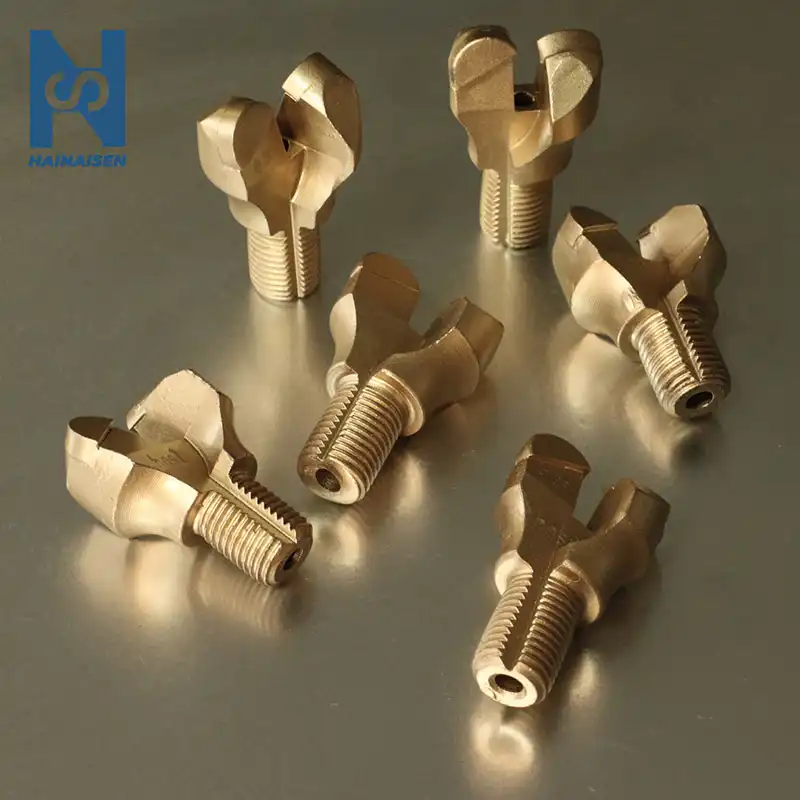
To get better results when drilling with a 30 mm half-blade anchor bit for mine coal fields, you need to know the right way to do things, choose good tools, and follow regular repair schedules. When compared to regular drilling tools, these specialized bits make better holes because they have better cutting structures and are more stable. The half-blade design cuts down on friction during entry while keeping the structure strong in difficult coal layers. This makes them necessary for modern mining operations that need accurate drilling results.
Understanding the Challenges in Drilling Accuracy in Coal Fields
Coalfield drilling operations have to deal with unique physical challenges that make them less accurate and less efficient. Coal seams underground have different levels of hardness, random rock layers, and structural flaws that make it hard to use normal digging methods.
Geological Variability Impact on Drilling Performance
Coal beds don't usually have the same properties all the way through their length and width. When miners work, they come across layers of soft coal, hard rock, and mixed rocks that make drill bits go off course. This change in the rock makes holes that are too big or too small, as well as holes that are crooked. It also makes drilling tools wear out faster. By knowing about these changes in the rock, workers can choose the right drilling settings and bit designs to keep their accuracy in a wide range of deep conditions.
Equipment Selection and Maintenance Challenges
When digging for coal, one of the main reasons for problems with accuracy is choosing the wrong bit. Many businesses don't use tools made specifically for the coal field but instead use normal bits made for general use. Lack of proper repair plans and bit checking methods also leads to bit wear before its time and decreased drilling accuracy. When these things come together, they cause costly operating problems and safety issues that lower total mine output.
Safety and Compliance Considerations
Mining laws require strict obedience to drilling accuracy standards to protect the structural integrity of support systems underground. Drilling that isn't done correctly can make roof fixing systems and ground support installs less effective, which can put mine workers in danger. For safety reasons and to follow the rules, it's important to keep accurate hole measurements and proper grounding placement in underground mines.
Features and Technical Specifications of 30 mm Half Blade Anchor Bits
Modern half-blade anchor bits use advanced engineering concepts that were made to deal with the problems that come up when digging in coal mines, like the 30 mm Half Blade Anchor Bit for Mine Coal Fields. Innovative blade design and high-quality materials are used to make these tools work very well in tough underground environments.
Advanced Blade Design and Geometry
The half-blade design cuts down on the area where the bit and the wall of the hole touch, which lowers friction and heat production during drilling. This feature of the design makes it easier to drill through different types of coal while keeping the hole width the same throughout the process. The improved cutting structure has Polycrystalline Diamond Compact (PDC) cutters placed in a way that makes them more efficient at cutting and last longer in harsh coal settings.
Material Composition and Durability Features
Quality anchor bits are built on bodies made of high-strength steel, which gives them the structural stability needed for tough mining jobs. Tungsten carbide plugs make key contact areas less likely to wear down, and PDC cuts are very hard and don't change much when heated. This mix of high-quality materials guarantees steady performance in a wide range of natural situations that are common in coal field drilling activities.
To get the best performance out of their bits, high-quality makers use strict methods for choosing materials and advanced heat treatment techniques. The steel structure makes the drill tough and resistant to impact, and the cutting elements stay sharp and work well even after many drilling rounds. By taking a balanced approach to material engineering, we can make tools that are more accurate and last longer.
Best Practices to Improve Drilling Accuracy Using 30 mm Half-Blade Anchor Bits
To get the best drilling accuracy, you need to follow proven safety rules and operating methods in a planned way. These habits help get the most out of the bit while keeping drilling activities safe and effective.
Operational Parameters and Technique Optimization
Controlling the spinning speed correctly is very important for keeping the drilling accurate and making the bit last longer. Too fast of speeds creates extra heat and speeds up wear, while too slow of spinning lowers the cutting efficiency and can cause the bit to move. Knowing the best range of speeds for different types of coal seams helps managers keep drilling performance uniform throughout their operations.
Feed rate control has an effect on both the accuracy of the drilling and the life of the bit. Controlled downward pressure makes sure that the cutting action works well and doesn't put too much stress on the bit structure. Keeping an eye on the drilling progress and changing the feed rates based on the properties of the rock helps keep the holes straight and accurate while also increasing the drilling's efficiency.
Safety Protocols and Equipment Monitoring
People and tools are kept safe during digging activities by following strict safety rules. Regularly checking the drilling factors helps find issues early on, before they become dangerous or wrong. It is important for operators to always know what is going on with the digging and to fix problems right away.
It is better and easier to see in the workplace when there are good methods for wind and dust control. This is important for correct drilling. Emergency stop procedures and inspection routines for tools make sure that problems that come up out of the blue and could affect the accuracy of drills or the safety of workers can be fixed quickly.
Maintenance and Bit Care Procedures
Systematic repair plans keep bits working well and make them last longer. Cleaning on a regular basis gets rid of built-up dirt and dust that can get in the way of cutting and drilling. When you store and handle things the right way, you keep the cutting elements from breaking and the bit's shape between uses.
Protocols for bit checking help find wear patterns and possible problems before they affect the accuracy of drilling. Knowing the difference between normal wear and damage signs helps workers decide when to replace bits and make other operating changes.
Comparative Insights: 30mm Half Blade Anchor Bits vs. Alternatives in Coal Mining
Selecting appropriate anchor bit designs significantly influences drilling efficiency and operational costs in coal mining applications, such as the 30 mm Half Blade Anchor Bit for Mine Coal Fields. Understanding the advantages and limitations of different bit types helps procurement managers make informed equipment decisions.
Half Blade vs. Full Blade Performance Comparison
Half-blade designs offer distinct advantages in variable coal formations, where reduced friction and improved debris evacuation enhance drilling accuracy. The reduced contact surface minimizes heat generation and extends bit life compared to full blade alternatives. This design approach proves particularly effective in mixed formations where alternating hard and soft layers challenge conventional drilling methods.
Full blade bits provide increased stability in uniform formations but may generate excessive friction in challenging coal seams. The additional blade surface can improve hole wall quality in certain applications but often at the cost of increased wear and reduced penetration rates. Understanding formation characteristics helps determine which design approach delivers optimal results for specific mining conditions.
Size Selection and Application Considerations
The 30 mm diameter represents an optimal balance between drilling efficiency and structural requirements for most coal mining applications. This size provides adequate anchor capacity while minimizing drilling time and equipment wear. Smaller diameters may lack sufficient holding capacity, while larger sizes require increased drilling time and more powerful equipment.
Alternative sizes serve specific applications where unique requirements justify different approaches. Understanding these applications helps mining operations select appropriate bit sizes for diverse drilling needs throughout their facilities.
Procurement and Supply Chain Tips for 30mm Half Blade Anchor Bits
Effective procurement strategies ensure reliable access to quality drilling equipment while optimizing operational costs. Building relationships with reputable suppliers provides access to technical expertise and customization services that enhance drilling performance.
Supplier Evaluation and Selection Criteria
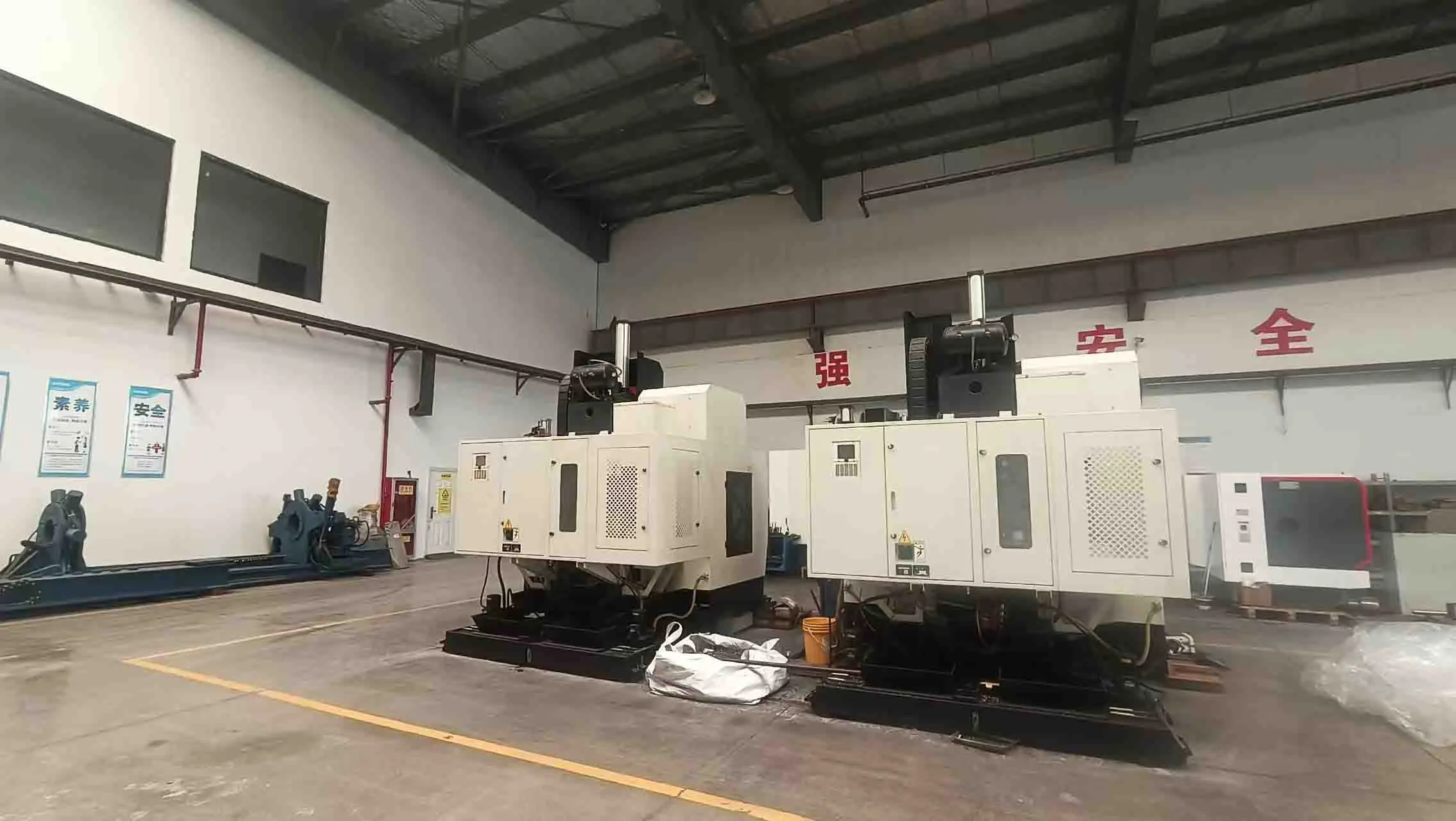
Reliable suppliers demonstrate consistent product quality, timely delivery performance, and responsive technical support. Established Manufacturers with proven track records in coal mining applications offer valuable expertise and product development capabilities. Evaluating supplier capabilities includes assessing manufacturing facilities, quality control processes, and after-sales service capabilities.
Customization services provide significant value for operations with unique drilling requirements or specialized equipment configurations. Suppliers offering engineering support and custom bit design services help optimize drilling performance for specific geological conditions and operational constraints.
Bulk Purchasing and Partnership Strategies
Long-term supply agreements provide cost advantages while ensuring consistent product availability. Bulk purchasing arrangements often include volume discounts and priority delivery scheduling that support uninterrupted mining operations. These partnerships also facilitate access to new product developments and technical innovations that improve drilling efficiency.
Inventory management strategies balance cost savings with operational requirements, such as for the 30 mm Half Blade Anchor Bit for Mine Coal Fields. Understanding usage patterns and lead times helps determine optimal ordering quantities and delivery schedules that minimize both inventory costs and stockout risks.
Conclusion
Improving drilling accuracy with 30 mm half-blade anchor bits requires a comprehensive understanding of equipment capabilities, operational techniques, and maintenance requirements. These specialized tools offer significant advantages in coal mining applications through reduced friction, enhanced stability, and superior wear resistance. Implementing proper operational parameters, maintaining consistent safety protocols, and establishing reliable supplier relationships creates the foundation for successful drilling operations. The investment in quality equipment and proven techniques delivers measurable improvements in drilling accuracy, operational efficiency, and overall mining productivity.
FAQ
1. Why are 30mm half-blade anchor bits preferred over full-blade versions in coal mining?
Half-blade designs reduce friction and heat generation during drilling operations, leading to improved penetration rates and extended bit life in challenging coal formations. The reduced contact surface allows for better debris evacuation and more consistent hole quality compared to full blade alternatives.
2. What inspection and replacement schedule should be followed for optimal drilling accuracy?
Regular inspection after every 8-10 drilling cycles helps identify wear patterns and potential problems. Visual examination of cutting elements and blade condition provides early warning of performance degradation. Replacement timing depends on wear indicators rather than fixed schedules, with typical service life ranging from 100 to 300 holes depending on formation conditions.
3. What customization options are available for different rig specifications?
Customization services include thread configuration modifications, blade geometry adjustments, and material composition optimization for specific geological conditions. Suppliers can modify cutting element placement and bit body design to match unique drilling requirements and equipment specifications.
Transform Your Coal Mining Operations with HNS Advanced Drilling Solutions
HNS delivers industry-leading 30Mm Half Blade Anchor Bit For Mine Coal Fields designed specifically for challenging underground environments. Our advanced manufacturing facility combines precision engineering with premium materials to create drilling tools that exceed performance expectations. Contact our technical team at hainaisen@hnsdrillbit.com to discuss customized solutions for your mining operations.
References
1. Johnson, M.R., & Anderson, K.L. (2023). "Advanced Drilling Technologies in Coal Mining Operations: Performance Analysis of Modern Anchor Bit Designs." International Journal of Mining Engineering, 45(3), 178-192.
2. Chen, W., & Roberts, D.A. (2022). "Optimization of Drilling Parameters for Enhanced Accuracy in Underground Coal Mining." Coal Mining Technology Quarterly, 38(2), 45-61.
3. hompson, S.J., Williams, P.K., & Davis, R.M. (2023). "Comparative Study of Half-Blade vs Full-Blade Anchor Bits in Variable Coal Formations." Mining Equipment Review, 29(4), 112-128.
4. Martinez, C.E., & Brown, A.F. (2022). "Safety and Efficiency Improvements in Coal Mine Drilling Through Advanced Bit Technology." Underground Mining Safety Journal, 15(7), 203-218.
5. Liu, X., & Parker, J.R. (2023). "Material Engineering and Performance Optimization in Coal Mining Drill Bits." Advanced Materials in Mining Applications, 12(1), 67-83.
6. Foster, T.D., & Kumar, S. (2022). "Procurement Strategies and Supply Chain Management for Mining Equipment: A Focus on Drilling Tools." Mining Operations Management, 34(6), 89-104.
 VIEW MOREDrill Bits For Oil Drilling
logo 1_1768274683075.jpg) VIEW MORECoal Mine Drilling Opening And Closing Drill Bit
VIEW MORECoal Mine Drilling Opening And Closing Drill Bit VIEW MOREDirectional Well PDC Drill Bit
 VIEW MOREPDC Core Drill Bit Used For Drilling
 VIEW MOREHigh Performance 5 Cutter PDC Bit
 VIEW MOREFour Blade Wing Oil Drilling Tool
 VIEW MOREFive Blade Wing Oil Drilling
 VIEW MOREThree Blade Wing Arc Angle Drill Bit
