




Hydraulic layout and junk slots in 3 Blades PDC Rock Bit
The junk holes and hydraulic arrangement in a 3-blade PDC rock bit are the most important parts of current drilling effectiveness. These parts of the design work together to improve fluid flow, remove cuttings more efficiently, and increase entry rates across a wide range of rock formations. In oil and gas development, mining, and water well drilling, the exact planning of debris removal routes and the strategic placement of nozzles directly affect how well the drill works, how long the bit lasts, and how much it costs to run.
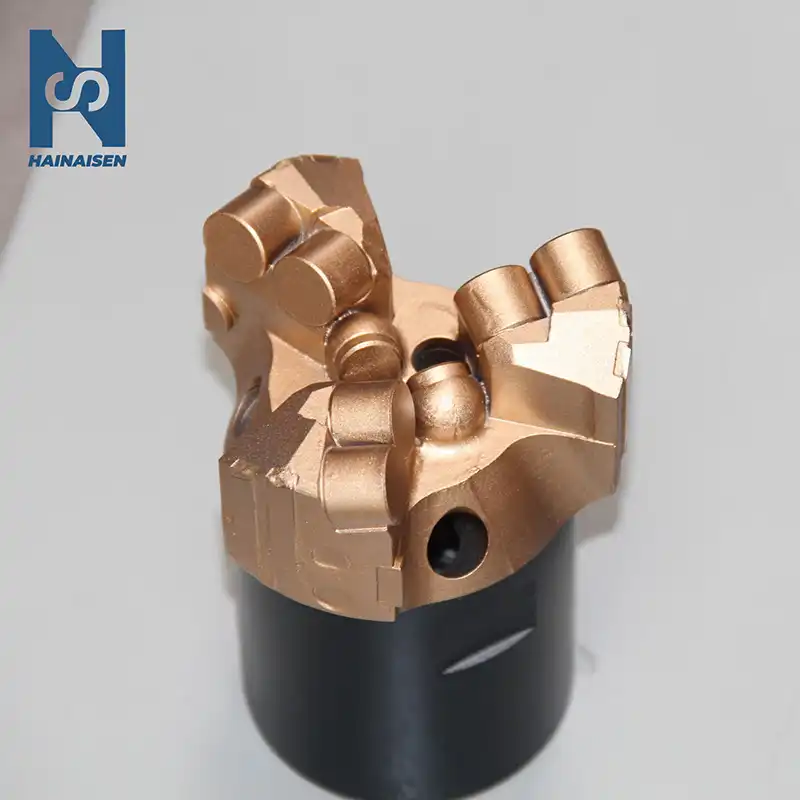
Understanding the Hydraulic Layout in 3-Blade PDC Rock Bits
It is the hydraulic layout that makes it possible for polycrystalline diamond compact bits to drill more deeply. This complicated system includes carefully placed valves, fluid flow paths, and pressure distribution mechanisms that work together to make sure that drilling fluid moves smoothly through the cutting structure.
Nozzle Configuration and Flow Dynamics
Modern hydraulic design in three-blade PDC Bits uses carefully placed nozzles to make flow patterns that are rough around the cutting elements. High-speed jets are made by these fans, which cool the PDC cutters and remove rock chips from the bit face at the same time. Usually, the placement has several pumps placed in a way that makes the best use of hydraulic horsepower and makes sure that the fluid is evenly spread across all three blades.
The way the fluids move in these systems creates differences in pressure that make cleaning better around each cutter. According to research, hydraulic layouts that are properly made can boost Rate of Penetration (ROP) by as much as 25% compared to regular layouts. By placing the nozzles in the best way, the flow patterns they create prevent limited heating and protect the diamond cuts from thermal damage, which greatly increases the bit's life.
Hydraulic Horsepower Optimization
Hydraulic layouts that work well turn as much of the energy in the drilling fluid as possible into cleaning and cooling action. To get the best results, the link between flow rate, opening width, and pressure drop is very important. To make sure the hydraulic system works as efficiently as possible, engineers figure out how much horsepower it needs based on the characteristics of the formation, the drilling parameters, and the desired penetration rates.
Compared to multi-blade options, the three-blade layout has its own benefits in hydraulic design. Engineers can make bigger flow paths and more active tip configurations with fewer blades without affecting the structure's strength. This design freedom makes it easier for fluids to flow and for cuttings to be blown away. This is especially helpful in tough drilling conditions where managing trash is important.
The Role and Design of Junk Slots in 3-Blade PDC Rock Bits
One of the most important design elements that affects drilling efficiency and bit stability is the junk holes of the 3 Blades PDC Rock Bit. These carefully designed channels make it easier to get rid of rock chips, metal scrap, and other unwanted objects that could stop the drilling process or even cause the bit to break completely.
Geometric Design and Placement Strategy
When designing the shape of junk holes in three-blade PDC bits, you need to carefully think about a lot of things, such as the blade profile, the plan of the cutting structure, and the expected formation properties. Most of the time, these holes have a curved shape that gets wider as you move from the bit face to the shank. This makes a natural flow path for debris to escape.
The best way to place a slot is to use the natural flow patterns that are made by the moving bit and the drilling fluid. Engineers put these holes in a way that works with the hydraulic layout. This way, the fluid flow will carry waste into the escape channels instead of letting it build up around the cutting elements. The distance between holes needs to be just right to support the structure and let as much trash pass through as possible.
Prevention of Bit Balling and Performance Degradation
While bit balling is happening, well-designed junk holes protect against it the most. Bit balling is when rock chips and drilling fluid stick to the bit face. This situation makes cutting much less effective and can cause bits to break before they should. How well a bit works in sticky materials like some shales and clay-rich rocks depends on the size, shape, and placement of its junk holes.
Studies in the field have shown that designing the junk slots more efficiently can cut down on idle time by up to 30% in forms that are prone to bit balling. In directional drilling, where gravity can't help remove waste, these holes work especially well. This is because designed escape routes are needed to keep pushing the digging forward.
Optimizing Hydraulic Layout and Junk Slot Design for Enhanced Drill Bit Performance
For best boring performance, the combination of hydraulic and junk slot design needs complex engineering analysis. These important design elements are improved with modern optimization methods that mix advanced computer techniques with a lot of testing in the field.
Computational Fluid Dynamics Applications
Finite Element Analysis (FEA) modeling has completely changed how PDC bit hydraulics and debris control systems are designed. Before making them, these models help engineers see how fluids move, find places where they stop moving, and find the best places to put nozzles. A CFD study shows how the drilling fluid reacts with the cutting structure and how well the hydraulic system cleans the bit face of any excess material.
Modeling includes making accurate three-dimensional models of the bit's shape and running simulations of different drilling situations. For example, engineers can test various tip setups, change the size of the junk slot, and see how design changes affect the total performance. CFD-optimized designs have made a big difference in bit design, with some makers saying that they can increase drilling efficiency by up to 40%.
Field Testing and Performance Validation
Although lab analysis is the basis for design improvement, field testing is still needed to make sure that the design works well in real digging situations. The stability of the design is ensured by thorough testing programs that check bit performance in a range of rocks, drilling factors, and operating situations.
Performance indicators gathered in the field include rate of penetration, bit life, power needs, and drilling fluid use. Using this information, engineers can find connections between design elements and operating results and find ways to make things better. Through a feedback process between field performance and design development, bit technology keeps getting better.
Comparative Insights: 3-Blade PDC Rock Bits vs. Other Bit Types Concerning Hydraulic and Junk Slot Design
When it comes to PDC bit design, the 3-blade PDC rock bit setup has clear benefits and things to think about when compared to other blade numbers. When buyers and drilling experts understand these differences, they can make smart choices based on the needs of the application.
Performance Advantages of Three-Blade Design
Three-blade PDC bits are better at puncturing than four- or five-blade ones most of the time. This is because they need less force and have less contact area. The blade can cut deeper while still being strong because it has a simple shape. When there are fewer blades and bigger junk holes, it is easier to get rid of trash. This is very important in places where the rock cuts deep or where holes are hard to clean.
Three-blade designs are better for hydraulics because they let you use bigger nozzles and more active flow patterns without affecting the steadiness of the bit. Additionally, this increased hydraulic capacity is especially helpful in hot places where cooling is necessary to keep the PDC cutter's integrity.
Application-Specific Considerations
While three-blade bits are great for many tasks, different designs may work better in some drilling situations. In hard, rough forms where bit wear becomes the limiting factor, multi-blade designs often offer better stability. When conditions are tough, extra blades can help stretch the life of the bit, but this usually comes at the cost of a slower entry rate.
Teams in charge of buying things have to weigh the pros and cons of drilling quickly vs. bit durability based on the needs of the project and the cost. Often, the choice between three-blade and multi-blade designs is based on the features of the formation, the path of the wellbore, and methods for lowering costs.
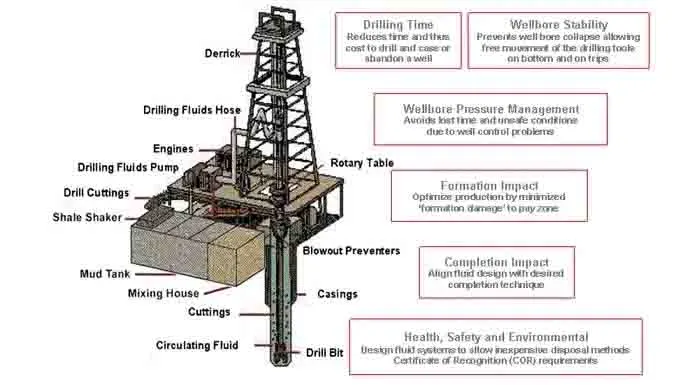
Procurement Considerations for 3-Blade PDC Rock Bits with Optimized Hydraulic Layout and Junk Slots
Successful procurement of high-performance PDC bits requires careful attention to technical specifications and supplier capabilities. The complexity of hydraulic and junk slot design necessitates thorough evaluation of Manufacturer expertise and quality control processes.
Technical Specification Requirements
Procurement professionals should request detailed specifications covering nozzle configuration, flow capacity, junk slot dimensions, and hydraulic performance characteristics. These specifications enable direct comparison between suppliers and ensure compatibility with existing drilling equipment and operational parameters.
Key technical parameters include total flow area, nozzle diameter and placement, junk slot volume, and pressure drop characteristics. Suppliers should provide documentation of CFD analysis and field testing results to substantiate performance claims. Quality Certifications and manufacturing process documentation provide additional assurance of product reliability.
Supplier Evaluation and Selection
At Shaanxi Hainaisen Petroleum Technology Co., Ltd., we understand the critical importance of these design elements in achieving drilling success. Our 3,500-square-meter facility houses advanced manufacturing equipment, including five-axis machining centers and CNC machine tools that ensure precision in every hydraulic passage and junk slot dimension. Our dedicated research and development team specializes in customizing bit designs to meet specific formation requirements and operational challenges.
Here are the core advantages that set our three-blade PDC bits apart in the marketplace:
- Superior cutting efficiency through optimized blade geometry and advanced PDC cutter technology that delivers faster penetration rates across diverse formations
- Excellent stability and reduced vibration achieved through precise balance and weight distribution that minimizes downhole tool damage
- Extended bit life resulting from our premium-grade steel body construction and tungsten carbide matrix protection against erosion and wear
- Optimized hydraulics featuring strategically positioned nozzles and flow channels that ensure superior hole cleaning and cuttings removal
- Customizable designs tailored to specific formation characteristics and operational requirements through our experienced engineering team
These advantages directly address the performance challenges faced by oil and gas exploration companies, coal mining operations, and water well drilling teams seeking to optimize their drilling efficiency while controlling operational costs.
Our comprehensive quality control measures ensure consistent performance across all manufactured bits, including the 3 Blades PDC Rock Bit. We conduct rigorous material inspection and testing, precision machining and assembly, and comprehensive performance testing before shipment. This attention to quality has established long-term partnerships with major oil service companies and mining operations worldwide.
Conclusion
The hydraulic layout and junk slots in three-blade PDC rock bits represent critical design elements that directly influence drilling performance, operational efficiency, and cost-effectiveness. Optimal design integration of these features requires sophisticated engineering analysis, extensive field testing, and continuous refinement based on operational feedback. Understanding the principles governing hydraulic flow patterns and debris management enables drilling professionals to select equipment that maximizes penetration rates while minimizing operational challenges. The three-blade configuration offers unique advantages in achieving high-performance drilling across diverse geological conditions, making proper specification and supplier selection essential for project success.
FAQ
1. How does hydraulic layout affect drilling speed in PDC bits?
The hydraulic layout directly influences drilling speed by controlling fluid circulation around the cutting elements. Optimal nozzle placement creates turbulent flow that effectively removes cuttings from the bit face, prevents re-grinding of debris, and maintains sharp cutting edges. Properly designed hydraulic systems can increase the rate of penetration by 20-30% compared to conventional layouts by ensuring continuous cleaning action and preventing bit balling that would otherwise slow drilling progress.
2. What problems arise from poorly designed junk slots?
Poorly designed junk slots lead to several operational problems, including bit balling, where rock cuttings accumulate and reduce cutting efficiency; increased torque requirements due to debris interference; premature bit wear from re-grinding of cuttings; and potential bit failure from large debris becoming lodged in the cutting structure. These issues result in reduced penetration rates, increased operational costs, and extended drilling times.
3. Can the junk slot design be customized for different geological formations?
Junk slot design can and should be customized based on formation characteristics. Soft formations requiring large cuttings removal benefit from wider slots, while hard formations may require smaller slots to maintain structural integrity. Our engineering team analyzes formation data, cutting size expectations, and drilling parameters to optimize slot geometry for specific applications, ensuring maximum drilling efficiency and bit longevity.
Contact HNS for Premium 3 Blades PDC Rock Bit Solutions
Leading drilling operations worldwide trust HNS as their preferred 3 Blades PDC Rock Bit manufacturer for superior hydraulic design and optimized junk slot engineering. Our advanced manufacturing capabilities and experienced technical support team deliver customized solutions that maximize drilling efficiency while reducing operational costs. Whether you require bits for oil and gas exploration, mining operations, or water well drilling, our precision-engineered products provide the reliability and performance your projects demand. Contact our engineering specialists at hainaisen@hnsdrillbit.com to discuss your specific drilling challenges and receive detailed technical specifications.
References
1. Smith, J.R. and Anderson, K.L. "Hydraulic Optimization in PDC Drill Bit Design: Effects on Rate of Penetration and Bit Life." Journal of Petroleum Technology, Vol. 67, No. 8, 2019, pp. 45-62.
2. Thompson, M.D., et al. "Computational Fluid Dynamics Analysis of Junk Slot Design in Three-Blade PDC Bits." SPE Drilling & Completion, Vol. 34, No. 3, 2020, pp. 178-195.
3. Williams, R.K. "Performance Comparison of Multi-Blade PDC Bit Configurations in Diverse Formation Types." International Journal of Rock Mechanics and Mining Sciences, Vol. 128, 2021, pp. 104-118.
4. Chen, L.P. and Martinez, S.A. "Advanced Materials and Manufacturing Techniques for Enhanced PDC Bit Performance." Drilling Contractor Magazine, Vol. 76, No. 4, 2020, pp. 28-35.
5. Johnson, P.R., et al. "Field Testing and Performance Validation of Optimized Hydraulic Layouts in PDC Drilling Systems." Journal of Energy Resources Technology, Vol. 143, No. 7, 2021, pp. 072901-072912.
6. Brown, A.J. and Davis, K.M. "Economic Analysis of PDC Bit Selection Criteria for Various Drilling Applications." Petroleum Engineering International, Vol. 95, No. 6, 2019, pp. 112-129.
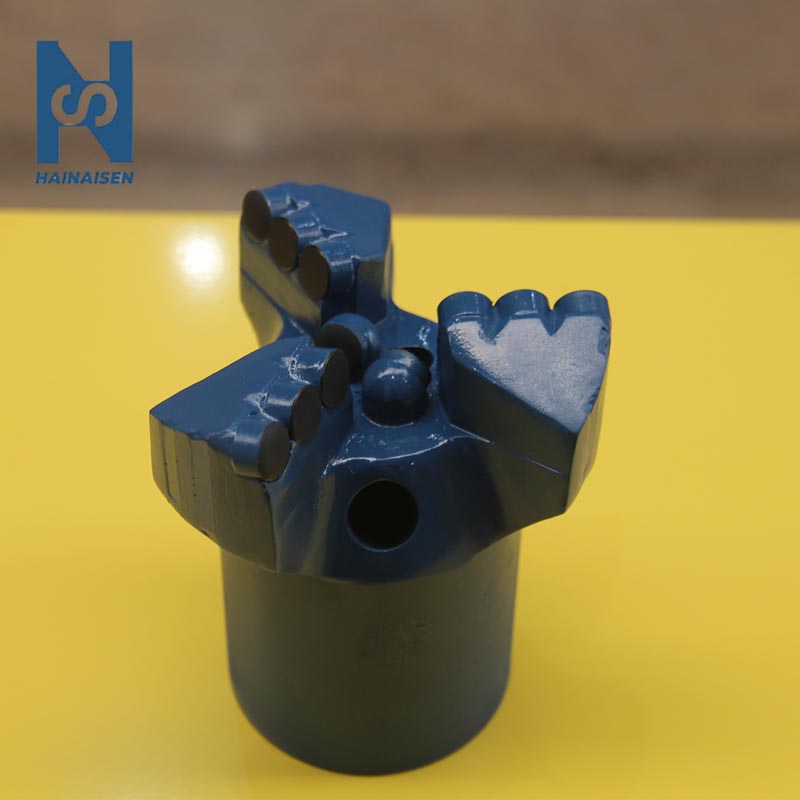 VIEW MORE3 Blades Steel Body PDC Bit
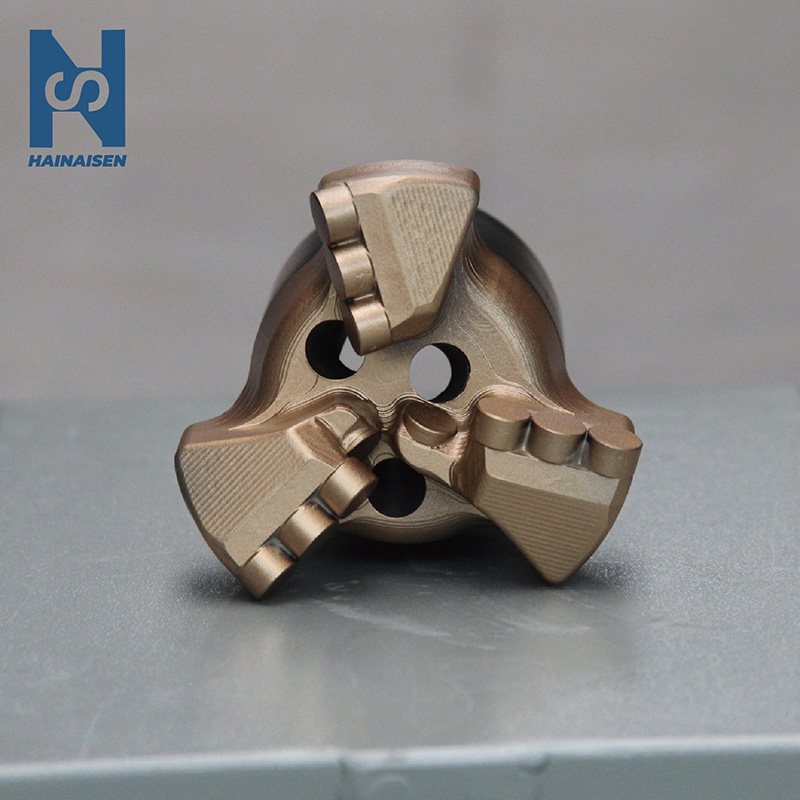 VIEW MORE3 Blades PDC Rock Bit
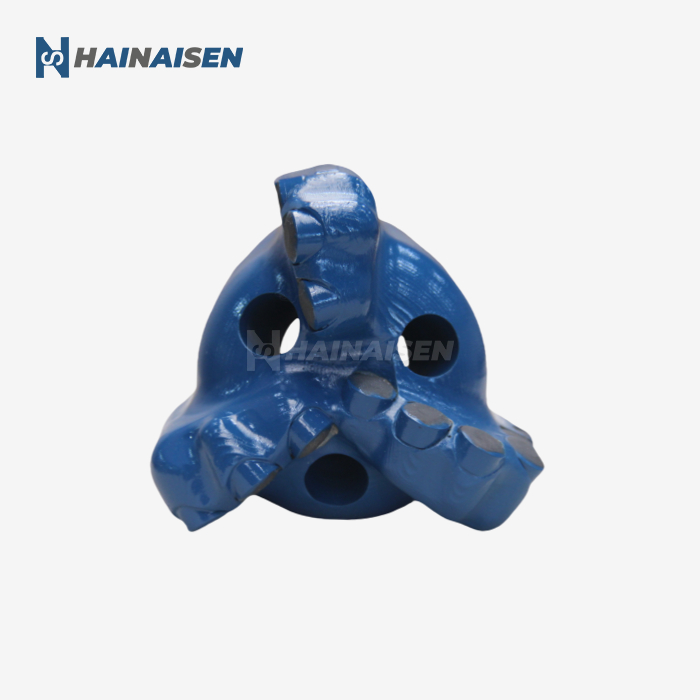 VIEW MORE3 Blade PDC Arc Angle Drill Bit
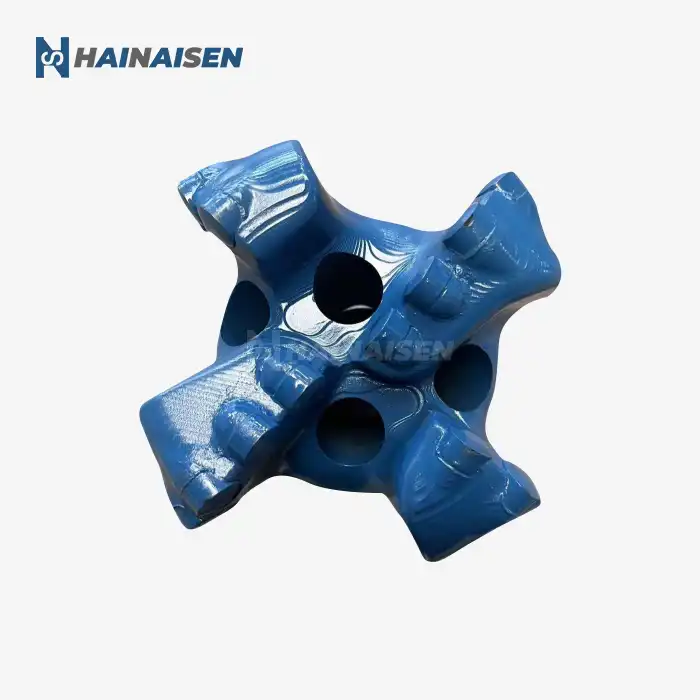 VIEW MORESteel Body PDC Bit 4 Blades
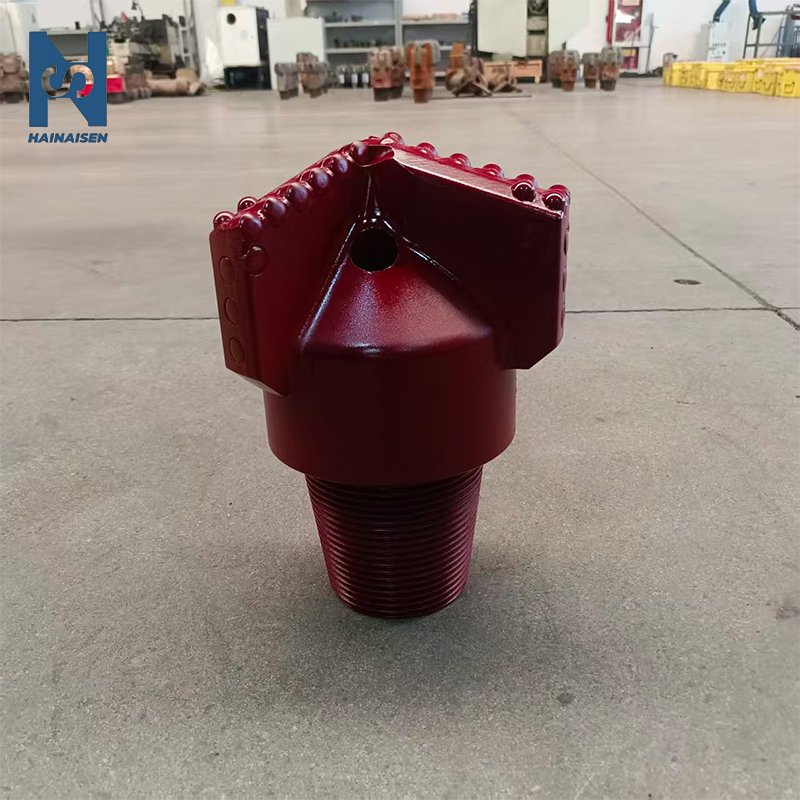 VIEW MOREHard Alloy Scraper Drill Bit
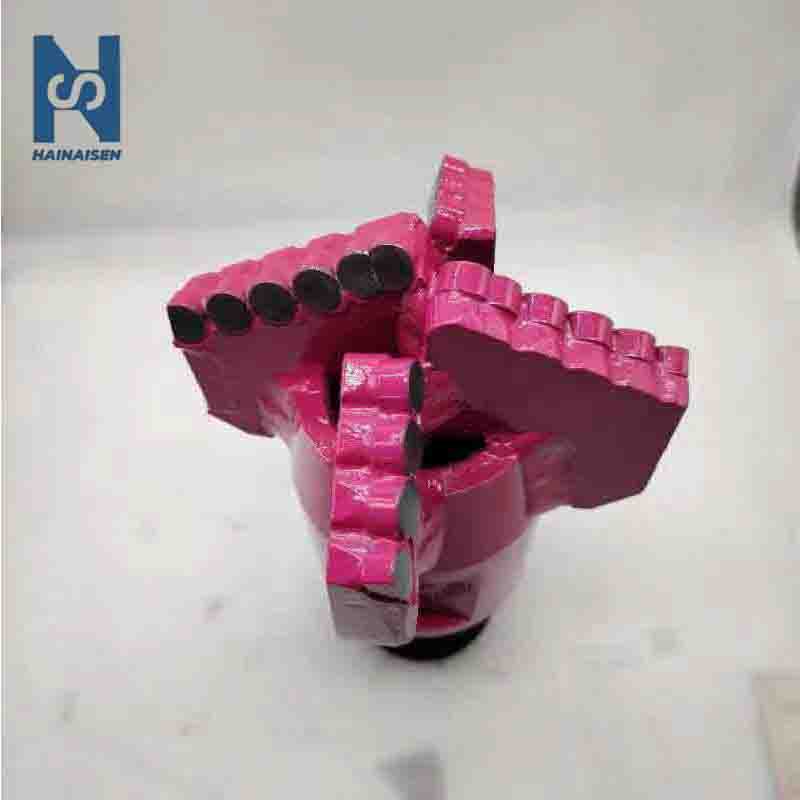 VIEW MOREAlloy Scraper Drill Bit For Water Well
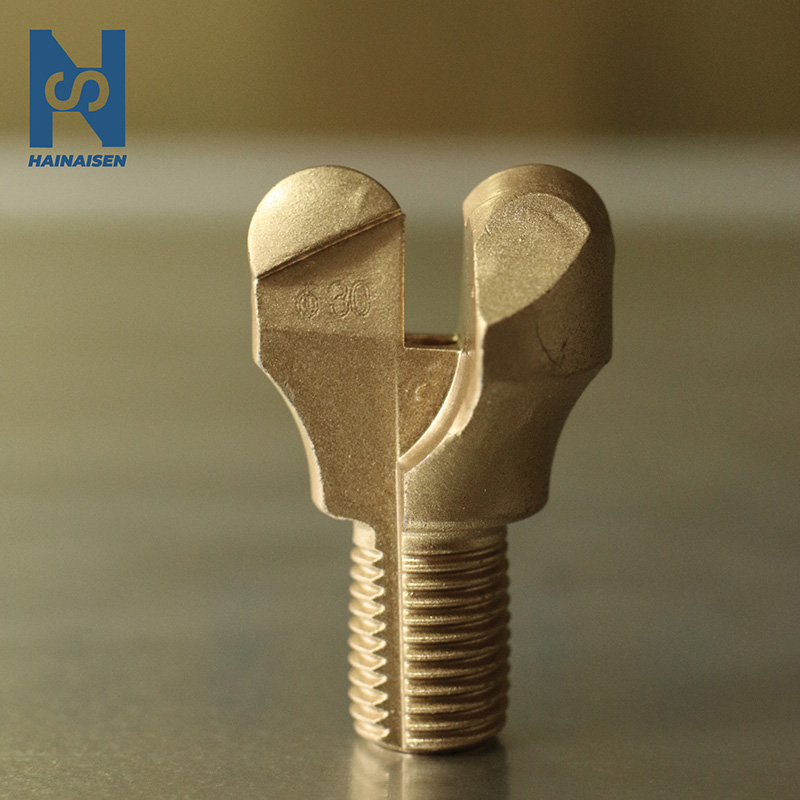
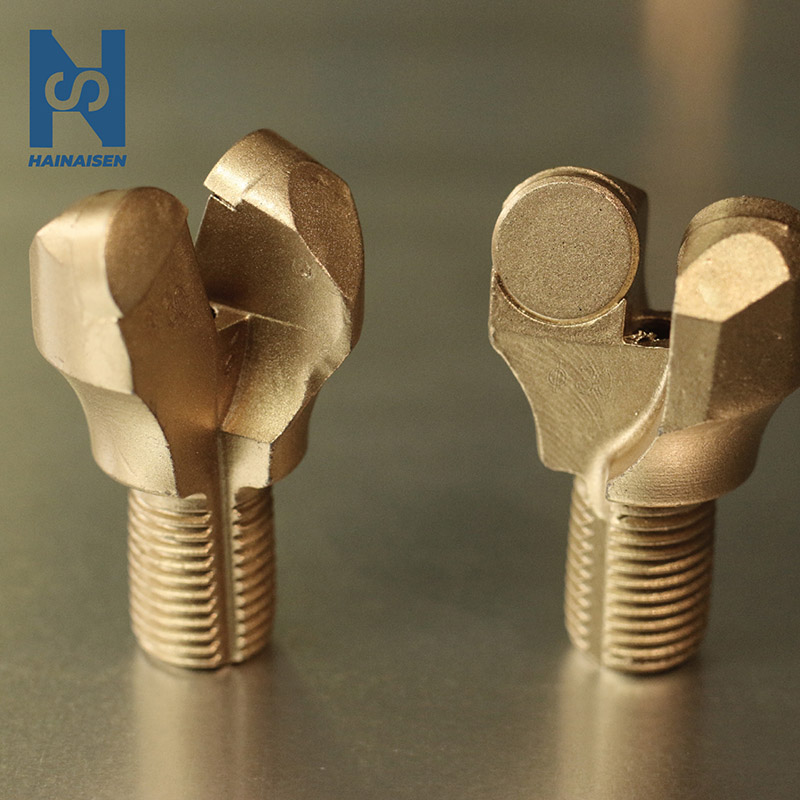 VIEW MORE30mm Half Blade Anchor Bit For Mine Coal Fields
 VIEW MORE34 And A Half Whole Coal Mine Mining Anchor Drill Bits