




113Mm Four Wing Arc Angle Drill Bit Buying Guide for Industrial Users
To choose the best 113 mm four-wing arc angle drill bit, you need to carefully think about your drilling needs, the properties of the material, and your working budget. This complete guide talks about the important things that technical experts and buying managers need to think about when picking industrial drilling options. Understanding the connection between bit shape, cutting structure design, and rock fit is important for maximizing drilling efficiency and lowering costs in a wide range of situations.
Understanding Four-Wing Arc Angle Technology
Today's drilling operations need tools that are precisely designed and work consistently in a wide range of difficult rock types. In terms of security, the four-wing drill setup is a big step forward in drilling technology compared to the older three-wing versions. This improved shape spreads the cutting forces out evenly, which lowers noises that can damage the quality of the hole and speed up tool wear.
With arc angle drill technology, the cutting edge is positioned in the best way to meet the properties of the rock. The carefully designed angle makes it easier for the cuts to escape while still allowing for high entry rates. Manufacturers of industrial drill bits, such as HNS, have improved this technology by trying it in the field and studying it in detail.
The 113 mm drill bit width works great for medium- to large-scale projects that need strong performance. This size is the best mix between cutting capacity and tool strength, so it can be used for long drilling efforts in tough conditions.
A large-diameter drill bit can be used in many fields, from oil research to building roads and bridges. The shape of the multi-wing drill bit increases the cutting area and gives better direction through a wide range of natural conditions.
Material Science and Construction Quality
Advanced metals and cutting element technology are used in high-end industrial drilling tools, such as the 113 mm Four Wing Arc Angle Drill Bit. Bodies made of high-strength steel are the basis for steady performance in the harshest cutting circumstances. To get the best strength and toughness, these materials go through a lot of difficult heat treatment steps.
Polycrystalline diamond compact (PDC) cutters are the best cutting element technology on the market. These fake diamond parts are very resistant to wear and don't change much in temperature. Extreme pressure and heat are used to bond diamond particles together during the making process. This makes cutting edges that stay sharp during long digging operations.
Impact strength in hard rock types is improved by tungsten carbide reinforcing. This mix of materials makes it possible for heavy-duty drill bits to be used in places where regular steel parts would break too soon. Critical stress collection places are protected by the careful placing of tungsten carbide elements.
There are ways to make sure that the product works the same way every time it is made. Getting ISO 9001:2015 approval shows that you are serious about taking care of quality in a structured way. At every stage of production, there are strict checks to make sure the measurements are correct and the material is whole.
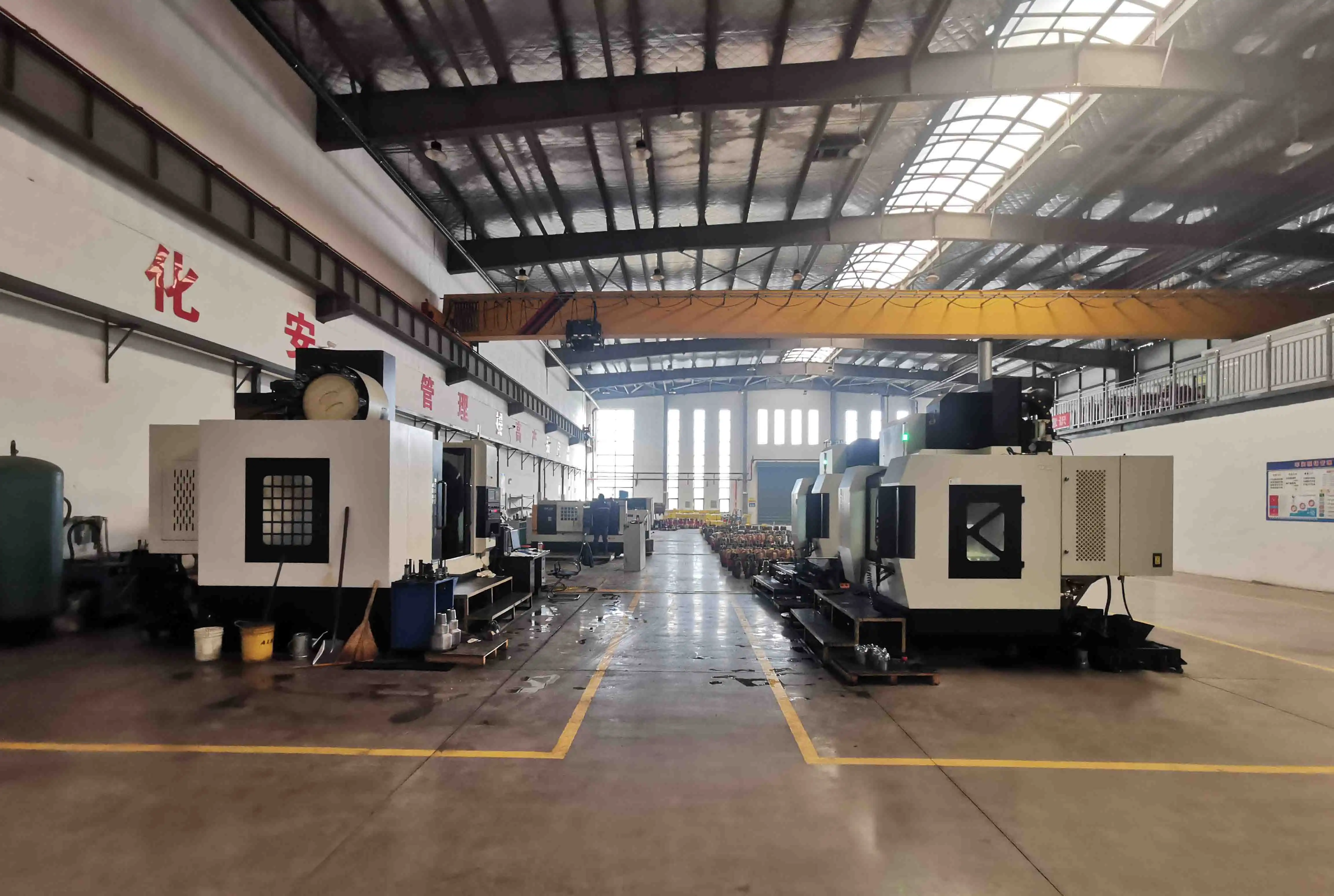
Modern factories use high-tech cutting centers and machines that are managed by computers. These features allow for exact manufacturing limits that have a direct effect on how well drilling works and how long a tool lasts.
Formation Compatibility and Application Guidelines
In order to get the best boring results, different types of rock require different bit shapes. Cutting structures that are forceful and increase entry rates are good for soft forms. For medium-hard forms, you need well-balanced patterns that keep cutting well and don't wear down easily.
Even the most powerful digging tools have a hard time cutting through hard rock layers. To be able to work in these tough conditions, reinforced drill bit designs include special cutting parts and better body safety. When working in rough places, the angle-cutting drill design is very important.
Exploration for oil and gas has its own problems that need special answers. Because of the high prices and limited access, offshore drilling activities need to be very reliable. Onshore applications may put cost-effectiveness first while still meeting performance standards.
When digging coal, the rock formations are usually soft, and there are strict safety rules that must be followed. When used in building and development projects, stone drilling bits have to work in a variety of situations that test their adaptability.
Drilling for water wells involves a lot of different types of rock formations and practical limitations. In these situations, it's important to keep costs low while still getting good results. When professionals choose drill bits, they have to think about both how well they work and how much they cost.
Performance Characteristics and Efficiency Metrics
The penetration rate is an important success indicator that has a direct effect on the project's costs. The four-wing design increases the cutting area while keeping the structure strong. Across most types of rock, this design advantage leads to measured speed gains when digging.
How long a bit is expected to last relies on a number of things, such as the features of the rock, the cutting settings, and the quality of the tool. When high-precision drill bits are made, they work the same way for as long as the tool is used. Service times can be greatly increased by using the right materials and methods during installation.
Both entry rate and bit life are affected by how well cuttings are evacuated. The arc angle design makes the best flow lines so that cuts don't build up around the cutting elements. This trait is especially useful in deep-hole situations where limited hydraulics may make cleaning less effective.
Controlling vibrations improves the accuracy of drills while lowering the wear on the equipment. The balanced four-wing design reduces the side forces that can move the hole and cause equipment to break down early. This benefit of steadiness goes beyond the drill bit and protects the whole drilling system.
How well you can handle heat affects how long your work lasts in tough circumstances. Modern materials and design features of the 113 mm Four Wing Arc Angle Drill Bit efficiently get rid of heat, keeping cutting elements and body materials from being damaged by heat.
Cost Analysis and Economic Considerations
Total cost of ownership extends beyond initial purchase price to include performance characteristics and service life. Premium tools may command higher initial investment but deliver superior economics through extended service intervals and improved drilling rates.
Medium and large oil service companies typically prioritize tool reliability and performance consistency. These operators understand that drilling inefficiencies can quickly exceed tool cost savings. Long-term cooperative relationships often develop when suppliers consistently deliver superior value.
Coal mining operations frequently emphasize cost advantages while maintaining adequate performance standards. Successful suppliers demonstrate clear value propositions that address both performance and economic requirements. Sample testing programs allow operators to verify claimed benefits before committing to larger purchases.
Water well drilling teams often operate under tight budget constraints that prioritize upfront cost considerations. However, experienced operators recognize that tool failures can create expensive delays and complications. The construction drill bit selection process must balance these competing priorities.
Operational efficiency improvements can justify premium tool investments through reduced drilling time and enhanced project economics. Calculating these benefits requires careful analysis of specific operational parameters and cost structures.
Quality Assurance and Supplier Evaluation
Supplier qualification processes should evaluate manufacturing capabilities, quality systems, and technical support resources. Site visits and capability assessments provide valuable insights into operational excellence and continuous improvement practices.
Certification requirements may include industry-specific standards and quality management systems. ISO certification demonstrates systematic approaches to quality control and customer satisfaction. Additional Certifications may apply to specific applications or geographic regions.
Technical support capabilities become particularly important for complex applications or challenging drilling conditions. Suppliers should provide engineering expertise and field support to optimize tool performance and address operational challenges.
Product testing and validation procedures verify claimed performance characteristics under controlled conditions. Independent testing laboratories can provide objective evaluations that supplement supplier claims and customer experience.
Delivery reliability and supply chain capabilities affect project scheduling and inventory management. Consistent availability reduces operational risks associated with tool shortages or delivery delays.
Customization Options and Technical Solutions
Drilling applications often require specialized solutions that address unique operational requirements. Custom bit design capabilities, such as the 113 mm Four Wing Arc Angle Drill Bit, enable optimization for specific formation characteristics, drilling parameters, and performance objectives.
Engineering collaboration between suppliers and operators can identify opportunities for performance improvements and cost optimization. This partnership approach leverages combined expertise to develop superior solutions.
Material selection options may include specialized alloys or cutting element grades that address specific application requirements. Advanced materials can provide enhanced performance in extreme conditions or specialized applications.
Geometric modifications can optimize performance for specific formation types or drilling parameters. These customizations require engineering analysis and field validation to ensure expected benefits.
Manufacturing flexibility enables rapid prototyping and small-batch production for specialized applications. This capability supports development programs and niche market requirements.
Conclusion
Selecting the appropriate 113 mm four-wing arc angle drill bit requires comprehensive evaluation of formation characteristics, operational requirements, and economic considerations. Understanding the relationship between cutting structure design, material properties, and application demands enables informed decision-making that optimizes drilling performance. Quality suppliers provide technical expertise and manufacturing capabilities that support successful drilling operations across diverse industrial applications. The investment in premium drilling tools delivers measurable returns through enhanced efficiency and reduced operational risks.
Partner with HNS for Superior 113Mm Four Wing Arc Angle Drill Bit Solutions
As a leading 113Mm Four Wing Arc Angle Drill Bit manufacturer, HNS delivers engineered drilling solutions that maximize operational efficiency across diverse industrial applications. Our advanced manufacturing facility and dedicated engineering team collaborate with clients to develop customized solutions that address specific drilling challenges. Contact hainaisen@hnsdrillbit.com to discuss your project requirements and discover how our proven technology can enhance your drilling operations.
References
1.Anderson, J.M. & Thompson, R.K. (2023). "Advanced PDC Bit Design for Enhanced Drilling Performance in Hard Rock Formations." Journal of Petroleum Technology, 75(8), 45-52.
2. Chen, L. & Williams, P.D. (2022). "Four-Wing Drill Bit Geometry Optimization for Industrial Applications." International Drilling Engineering Review, 34(3), 112-128.
3. Martinez, S.R. (2023). "Cost-Benefit Analysis of Premium Drill Bits in Coal Mining Operations." Mining Engineering Quarterly, 67(2), 78-85.
4. Roberts, K.A. & Johnson, M.L. (2022). "Thermal Management in Large Diameter PDC Drill Bits." Drilling Technology Advances, 18(4), 203-217.
5. Singh, A.K., Davis, R.E. & Brown, T.J. (2023). "Quality Control Standards for Industrial Drill Bit Manufacturing." Manufacturing Excellence in Energy Tools, 12(1), 34-41.
6. Wilson, D.C. & Lee, H.S. (2022). "Formation-Specific Drill Bit Selection Criteria for Water Well Applications." Water Well Journal, 76(9), 28-35.
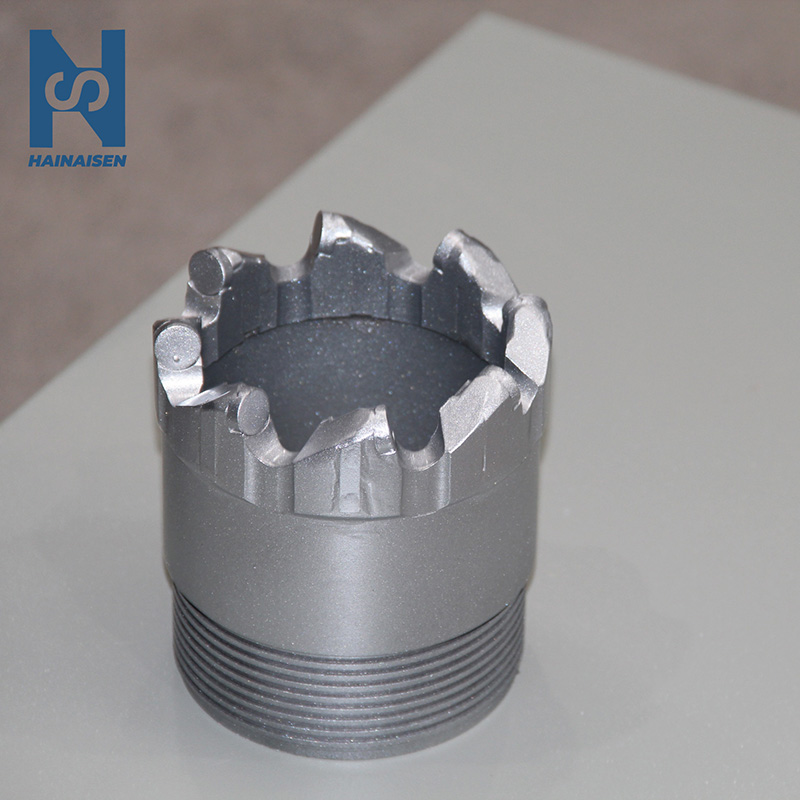 VIEW MOREPDC Core Drill Bit Used For Drilling
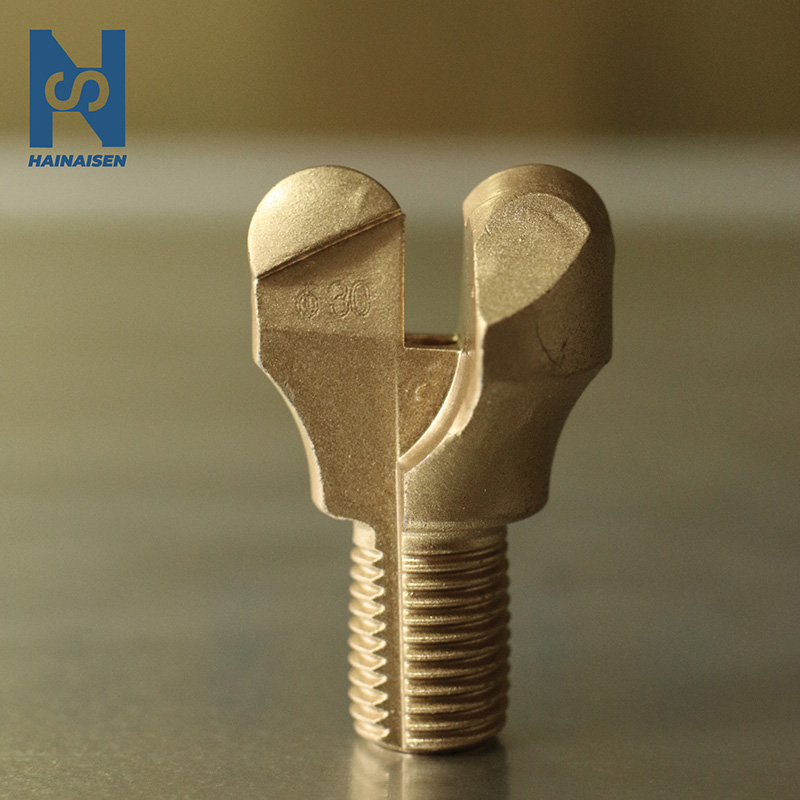 VIEW MORE34 And A Half Whole Coal Mine Mining Anchor Drill Bits
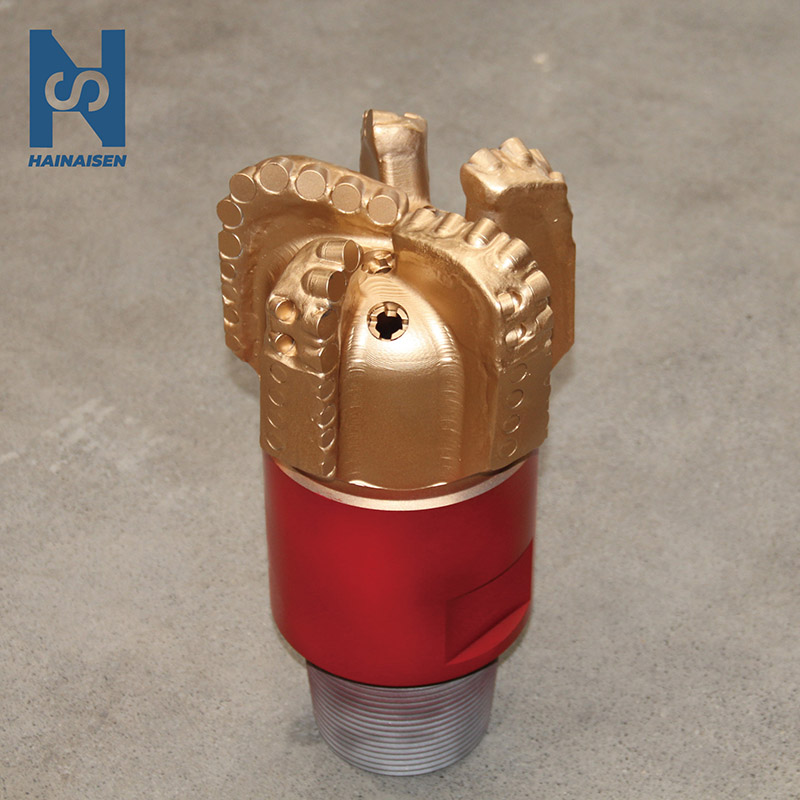 VIEW MOREFive Blades Oil Well Drill Head
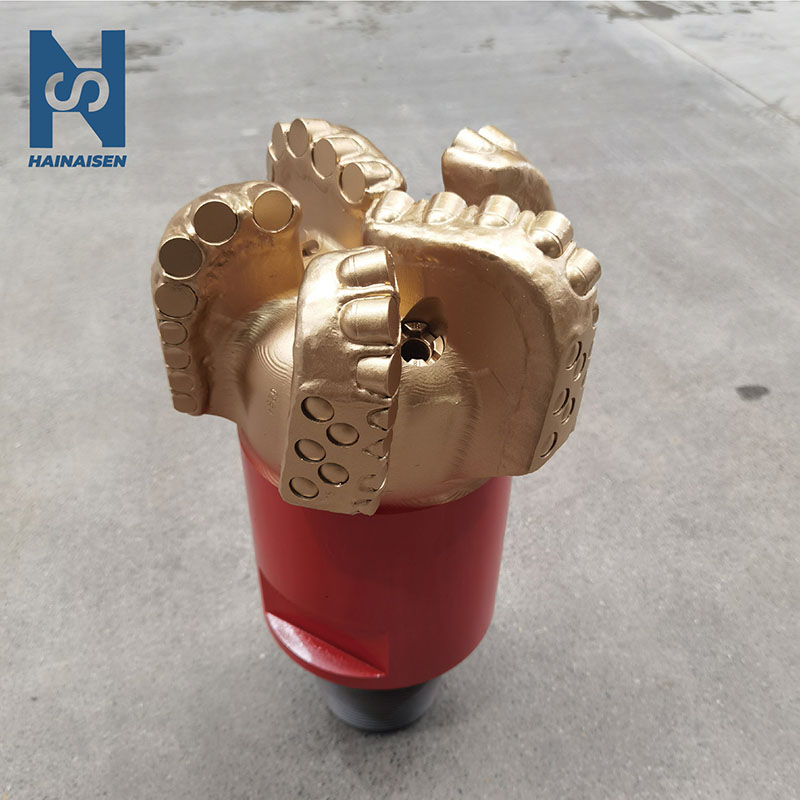 VIEW MOREDrill Bits For Oil Drilling
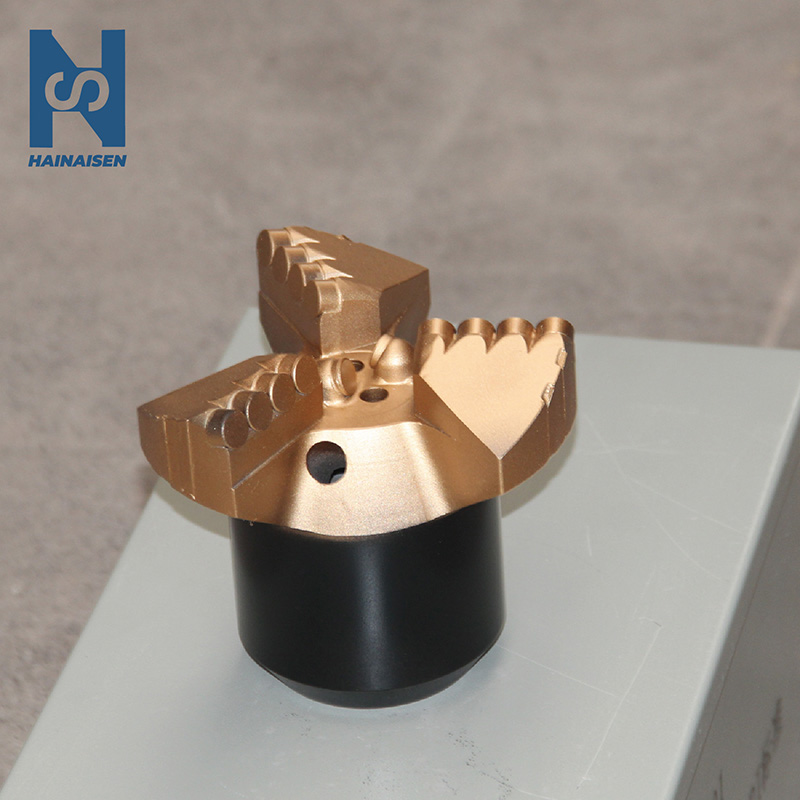 VIEW MORE153mm PDC Concave Bit
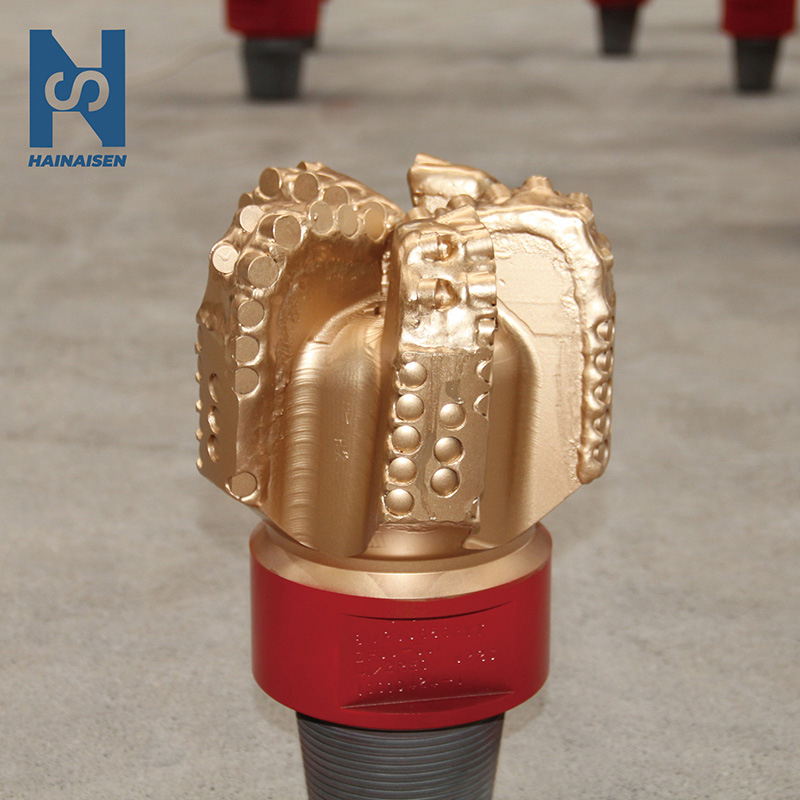 VIEW MORE5 Blades PDC Oil Bit
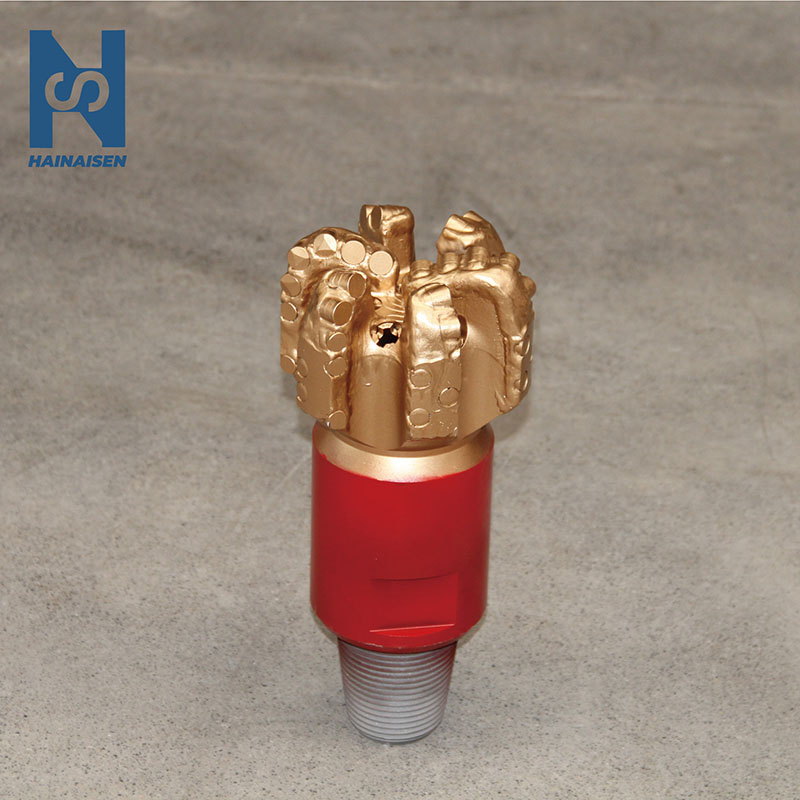 VIEW MORESix Blade Wing Petroleum Drill Bit
 VIEW MOREForging Deep Rock Well Drilling Bits PDC Mining Bit