



Common Issues and Solutions for 113mm 3 Blades Steel Body PDC Bits
When drilling processes have problems with performance, the 113 mm 3-Blades Steel Body PDC Bit often causes specific problems that need specific answers. Some of the most common problems are early wear patterns, lower entry rates, and worries about steadiness during drilling operations. Drilling professionals can use effective maintenance plans and improve bit performance across different types of formations if they understand these problems.
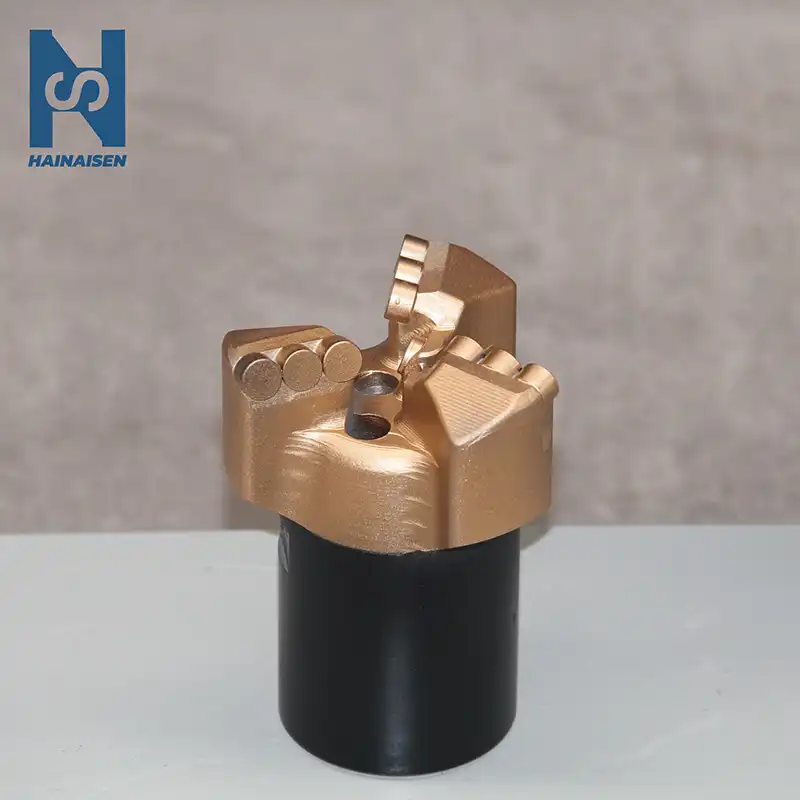
Understanding Common Problems with 113 mm 3-Blade Steel Body PDC Bits
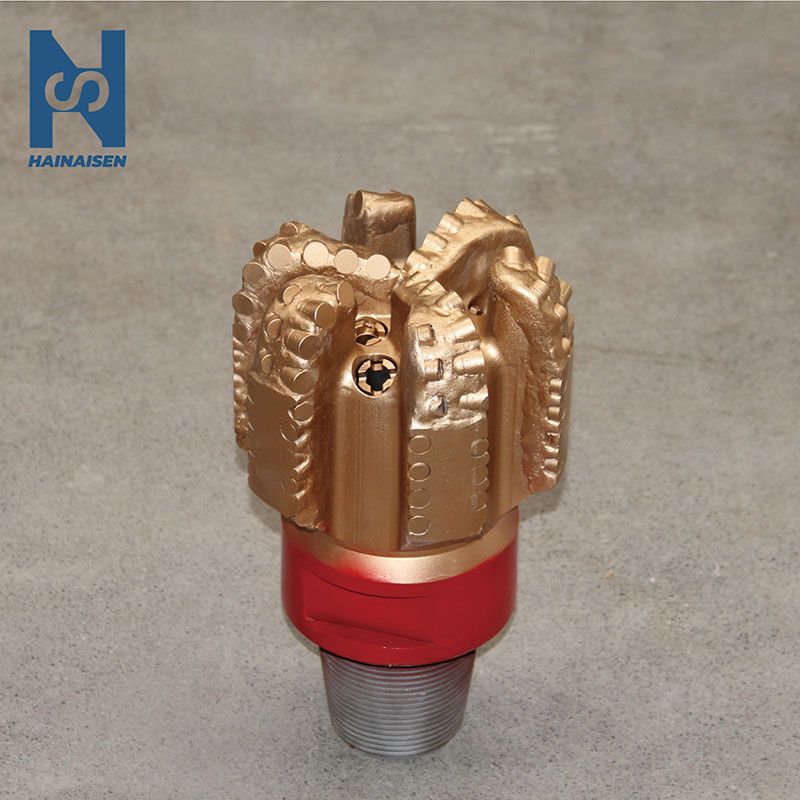
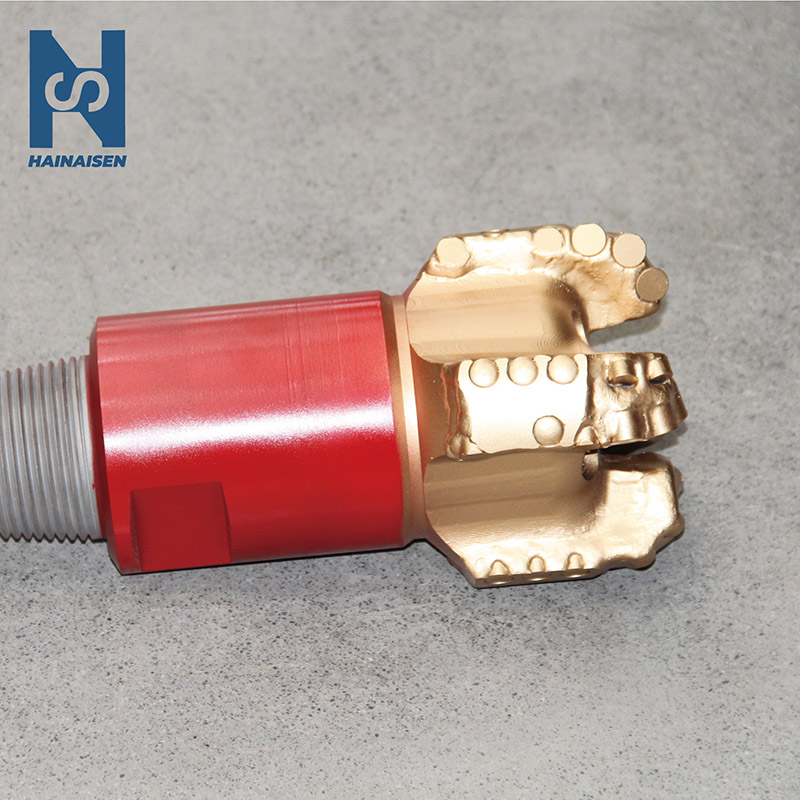
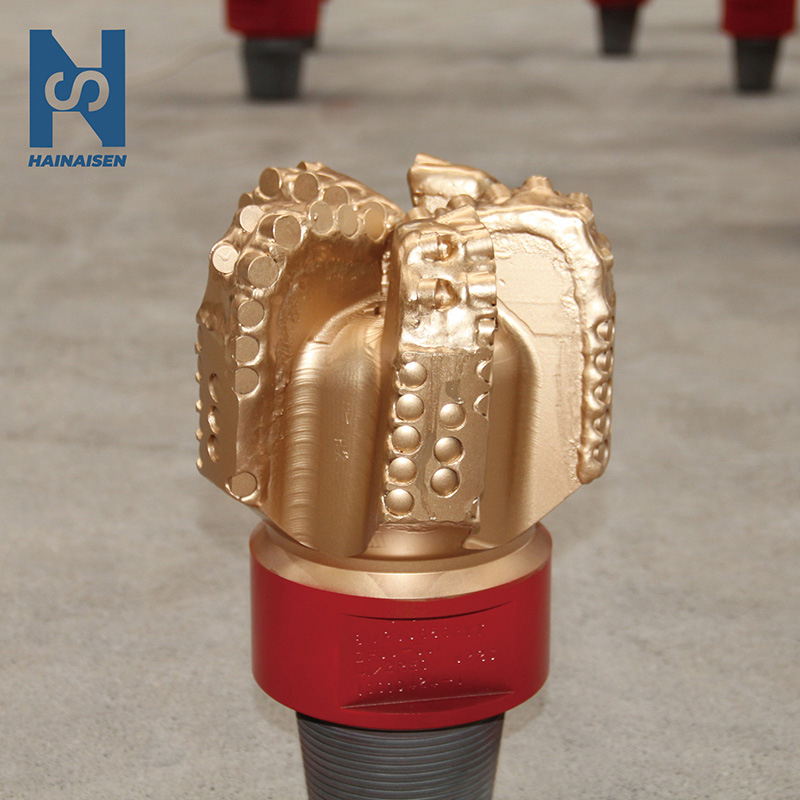
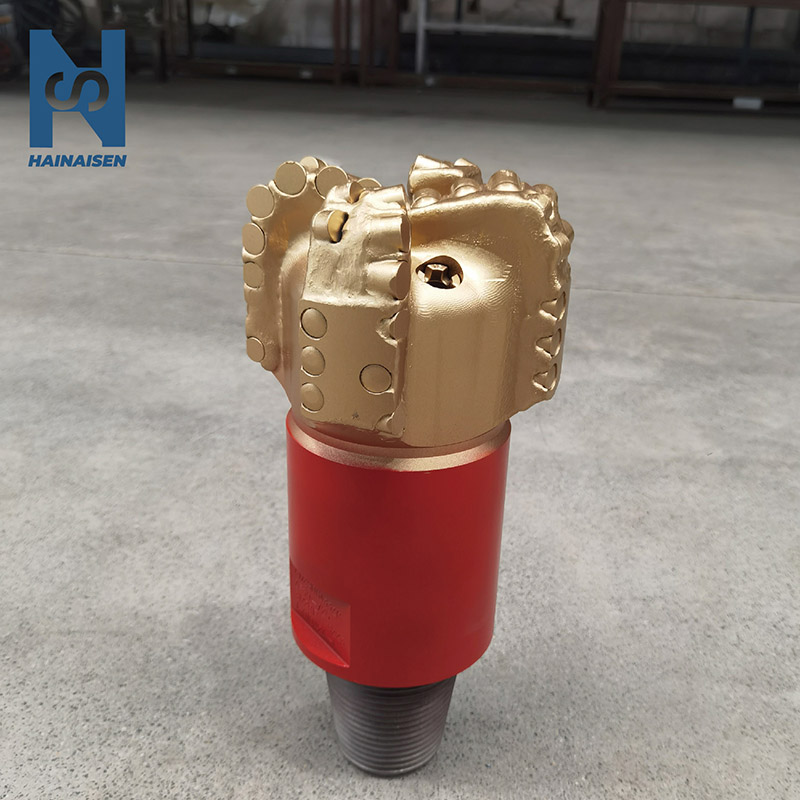
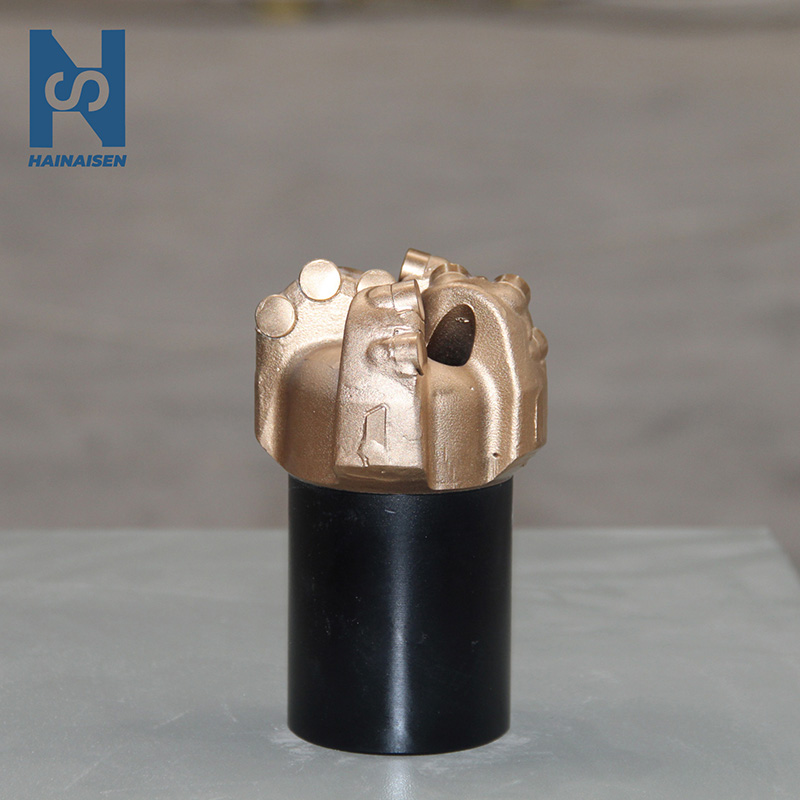
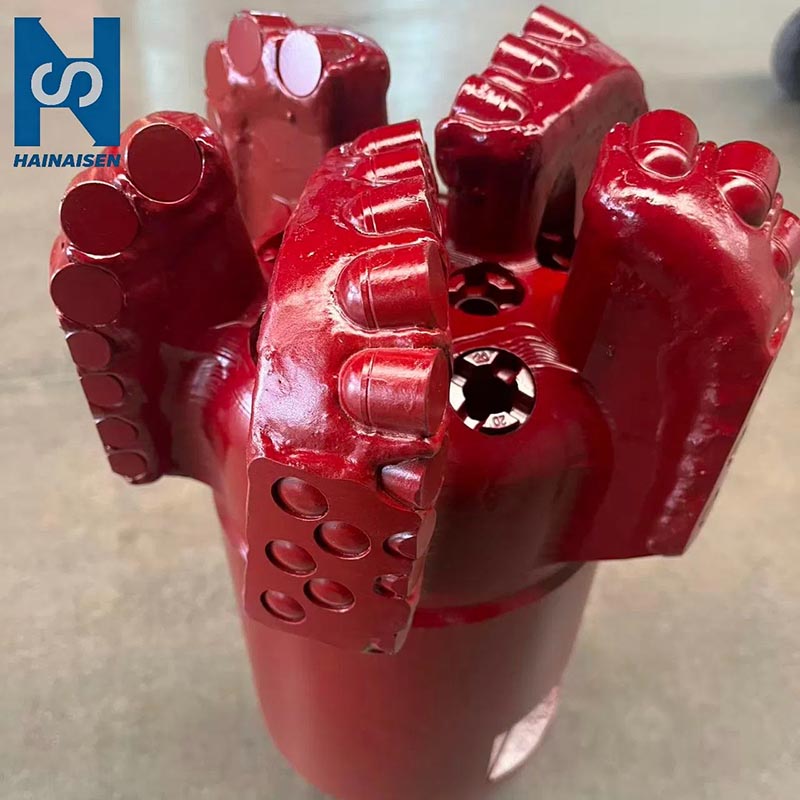
Large numbers of steel-body PDC Bits with three blades are used in the drilling business because they are very strong and reliable. However, these drilling tools wear down in ways that make them different from other bit designs. The most common problems are friction wear, heat damage, and breakdowns caused by impacts, all of which can make drills much less efficient.
Primary Wear Mechanisms in Steel Body Design
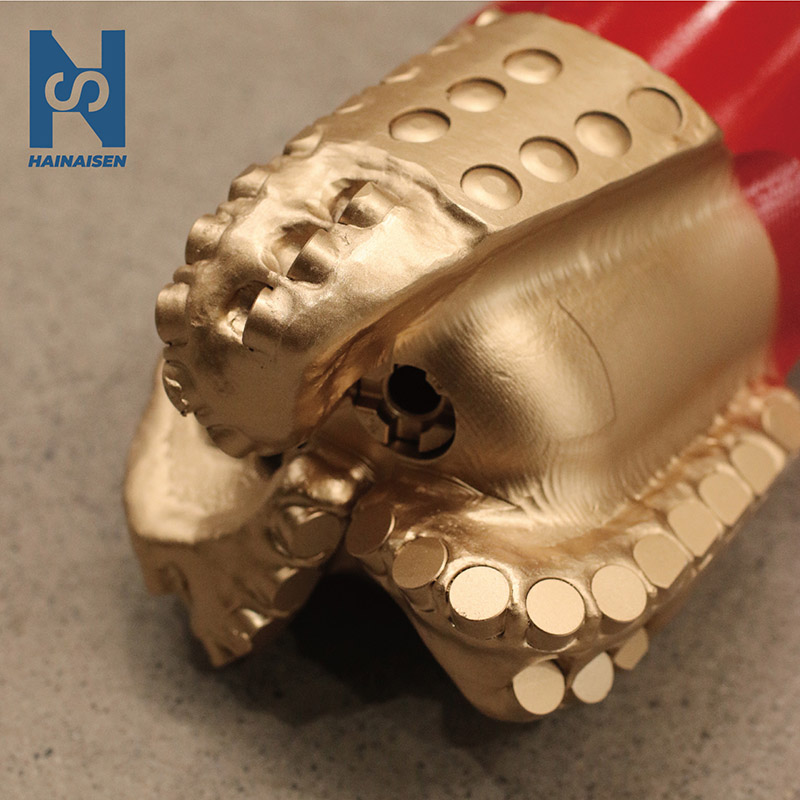
Because these bits are made of steel, they wear in a way that is different from matrix body options. Abrasive forms wear down PDC cuts over time, and in very abrasive conditions, the steel body itself wears away. When too much heat builds up in PDC cutters, it weakens the bond between the diamond and the carbide, which can cause cutter loss and less efficient cutting.
Another major worry is impact damage, especially when drilling through rocks with different amounts of hardness. The 113 mm diameter and three-blade design make it very stable, but quick changes in the rock can cause shock loading that hurts the cuts or makes stress cracks in the bit body.
Formation-Related Challenges
Steel body PDC bits have to deal with different problems in different types of rock formations. Bit balling can happen in soft rocks like shale when clay builds up on the bit face and makes it less effective at cutting. Rocks that are medium-hard, like sandstone, may speed up the wear on gauge cutters. On the other hand, rocks that are transitional make cutting conditions uncertain, which puts stress on the whole bit structure.
The hardest part of drilling is going through hard rock, because the extra cutting force can damage the cutter, cause it to break, or cause the bit to fail before it should. Even though the three-blade design is great at keeping things stable during these difficult tasks, the right drilling settings are still necessary for the best results.
Effective Maintenance and Troubleshooting Strategies
To make sure that PDC drilling bits like the 113 mm 3-Blades Steel Body PDC Bit work well, they need thorough repair plans that include both proactive and reactive ways to fix problems. Systematic care methods and regular check plans can greatly extend the life of a bit while keeping it working at its best.
Preventive Maintenance Best Practices
Routine check procedures are the building blocks of good bit upkeep. After every trip, the soundness of the blade should be checked visually. Pay attention to the state of the cutter, the wear on the gauge, and the patterns of body erosion. Specialized checking tools, like magnifying glasses and measuring tools, help find early signs of wear before they become so bad that the system fails completely.
You can learn more about the state of bits with nondestructive checking methods. Stress cracks can be found inside the material with ultrasonic testing, and cracks on the surface can be found with magnetic particle screening that might not be obvious with a normal check. With these more advanced ways to check, drilling teams can decide if they should take out the bit or keep using it.
Systematic Troubleshooting Workflow
When speed problems happen, an organized method to fixing makes sure that the problem is fixed quickly. The first step is to find the symptoms, such as slower entry rates, more shaking, or drilling that doesn't behave normally. Looking at data from drilling factors helps find the reason why performance is going down.
As part of a cause analysis, the cutting conditions, the rock's qualities, and the factors that affect how the bit is used are all looked at. It happens most of the time because the weight-on-bit settings are wrong, the spinning speed is too fast, there aren't enough hydraulics, or the formation doesn't fit right. There are things that can be done to fix the problem and make things work better again.
Proper Handling and Storage Protocols
Environmental and technical factors have a big effect on the state of bits while they are being stored and transported. Changes in temperature, contact with moisture, and bad treatment can all hurt the performance of a bit before it is even used for drilling. Protecting the large investment in drilling tools by using limited storage areas and standard handling methods is important.
The temperature and humidity levels in storage areas should stay the same, and bits should be kept safe from mechanical damage. Custom storing racks keep cutters and bit bodies from getting damaged, and paperwork systems keep records of bit history and care for future use.
Comparing Steel Body PDC Bits to Other Bit Designs
There are different bit methods used in the drilling business, and each has its own pros and cons. Drilling experts can choose the best tool for each job and type of rock by understanding these differences.
Steel Body vs. Matrix Body Performance Characteristics
The steel body design makes these bits more resistant to pressure than matrix options. This makes them perfect for drilling in tough conditions. The steel material is better at absorbing shock loads, which lowers the risk of catastrophic failure in forms with different levels of hardness. In constant rocks, matrix body bits may have a better cutting action and a higher cutter density, but they are not tough enough for tough drilling circumstances.
The thermal qualities of these shapes are also very different. Steel body bits are better at moving heat around, which helps get rid of the thermal energy that is created when they cut. In high-temperature drilling situations, where heat damage is the main way things break, this trait becomes even more important.
Blade Count Considerations
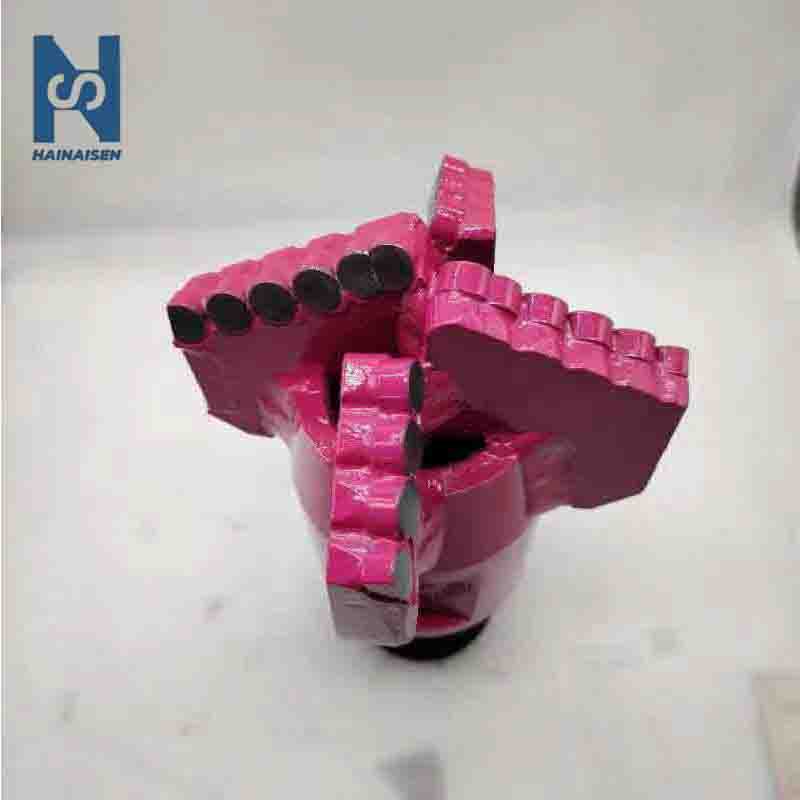
The three-blade design strikes the best mix between bit security and cutting speed. When you have fewer blades, each one has a bigger cutting area, which lets you cut more aggressively in some shapes. This design also allows for better hydraulic flow patterns, which make it easier to remove cuttings and keep bits cool.
Using different blade numbers will give you different performance results. Four- or five-blade types may have a better cutting action and last longer in some situations, but they may lose some of their hydraulic efficiency and entry rate. Which blade count to use depends on the drilling goals and the properties of the rock.
Alternative Bit Technologies
Both carbide and combination bit types have unique properties that make them useful in certain situations. Carbide bits work best in very hard rocks where PDC technology might not work as well, and mixed designs try to combine the best features of various cutting technologies. However, 113 mm 3-blade steel body PDC bits are still the best choice for most drilling jobs because they are flexible, long-lasting, and affordable.
Procurement Considerations for 113 mm 3-Blade Steel Body PDC Bits
For buying methods to work, suppliers' skills, product quality, and customer service must all be carefully evaluated. Because making PDC bits is so complicated, it's important to work with experienced makers who can consistently show high quality and technical know-how.
Supplier Evaluation Criteria
Manufacturers' Certifications tell you a lot about how well they make things and how they check the quality of their work. The fact that a provider has ISO licenses, API compliance, and skills specific to your business shows that they want to make the best goods. OEM features let you make changes that can be used to solve specific drilling issues and meet the needs of the rock.
It's also important to think about how the seller will help you after the sale when you choose them. Firms that offer guarantee plans, expert help, and field service for their goods show that they care about their clients and want them to succeed. When digging for important things, it's important to have reliable help, because broken tools can waste a lot of time.
Global Supply Chain Management
When you set prices, you should think about how much something cost in the beginning and how much it will be worth in the long run. Long-term value includes things like bit performance, service life, and business efficiency. It can be hard to plan projects and keep track of materials when you do business with other countries because of lead times and shipping problems. There are better ways to handle orders and plan deliveries when everyone can talk to each other.
Having the ability to create custom bits lets buying teams get unique answers to specific drilling problems. Companies that have their own engineering teams can change standard designs to make them work better in certain situations, groups, or operational needs.
Practical Solutions and Innovations to Address Common Bit Issues
The drilling industry continues to advance through material science improvements, design innovations, and technology integration like the 113 mm 3-Blades Steel Body PDC Bit. These developments directly address common bit issues while enhancing overall drilling performance and operational efficiency.
Advanced Material Technologies
Recent developments in steel alloy compositions have significantly improved bit durability and performance characteristics. Enhanced steel formulations provide superior wear resistance, improved thermal properties, and increased impact tolerance. These material improvements extend bit life while maintaining cutting efficiency across various formation types.
Diamond cutter coating technologies represent another significant advancement. Specialized coatings improve thermal stability, reduce friction, and enhance wear resistance. These innovations enable PDC cutters to perform effectively in more challenging drilling environments while maintaining their cutting edge longer.
Smart Technology Integration
IoT sensors and monitoring systems enable real-time condition tracking and predictive maintenance capabilities. These technologies provide continuous data on bit performance, drilling parameters, and wear progression. Advanced analytics process this information to identify potential issues before they result in bit failure or performance degradation.
Predictive maintenance algorithms analyze drilling data patterns to optimize bit selection, drilling parameters, and maintenance scheduling. This technology-driven approach maximizes operational uptime while reducing unexpected equipment failures and associated costs.
Why Choose HNS 113 mm 3-Blade Steel Body PDC Bits?
Our advanced PDC technology delivers superior cutting efficiency through optimized cutter placement and blade geometry. The durable steel body construction ensures extended bit life even in demanding drilling environments, while our three-blade design provides improved penetration rates and enhanced stability with reduced vibration.
Here are the core advantages that set our drilling solutions apart from competitors:
- Advanced PDC Technology: Superior cutting efficiency through precision-engineered diamond cutters and optimized blade profiles
- Durable Construction: High-grade steel body construction delivers exceptional strength and extended operational life.
- Optimized Design: Three-blade configuration provides ideal balance of penetration rate and drilling stability
- Vibration Reduction: Engineering design minimizes downhole vibration for smoother drilling operations.
- Formation Versatility: Effective performance across soft to medium-hard formations, including shale, sandstone, and coal seams
These advantages effectively solve common drilling challenges, including premature bit wear, reduced penetration rates, and operational instability. Our comprehensive approach to bit design ensures consistent performance across diverse drilling applications.
Comprehensive Application Range
Our 113 mm steel body PDC bit excels across numerous drilling applications in the energy and mining sectors. Oil and gas exploration operations benefit from the bit's stability and cutting efficiency, while coal bed methane drilling takes advantage of its formation versatility. Geothermal well construction, water well drilling, and mining exploration all leverage the bit's durability and performance characteristics.
Horizontal directional drilling operations particularly benefit from the three-blade design's stability and reduced vibration characteristics. The versatile construction performs effectively in both soft and medium-hard formations, making it an ideal choice for diverse drilling projects where consistent performance is essential.
Customization and Quality Assurance
We understand that drilling projects present unique technical requirements and operational challenges. Our customization services enable tailored bit designs that optimize performance for specific applications. Expert engineering teams can modify cutter size and placement, adjust blade profiles, enhance hydraulic characteristics, and incorporate special gauge protection features.
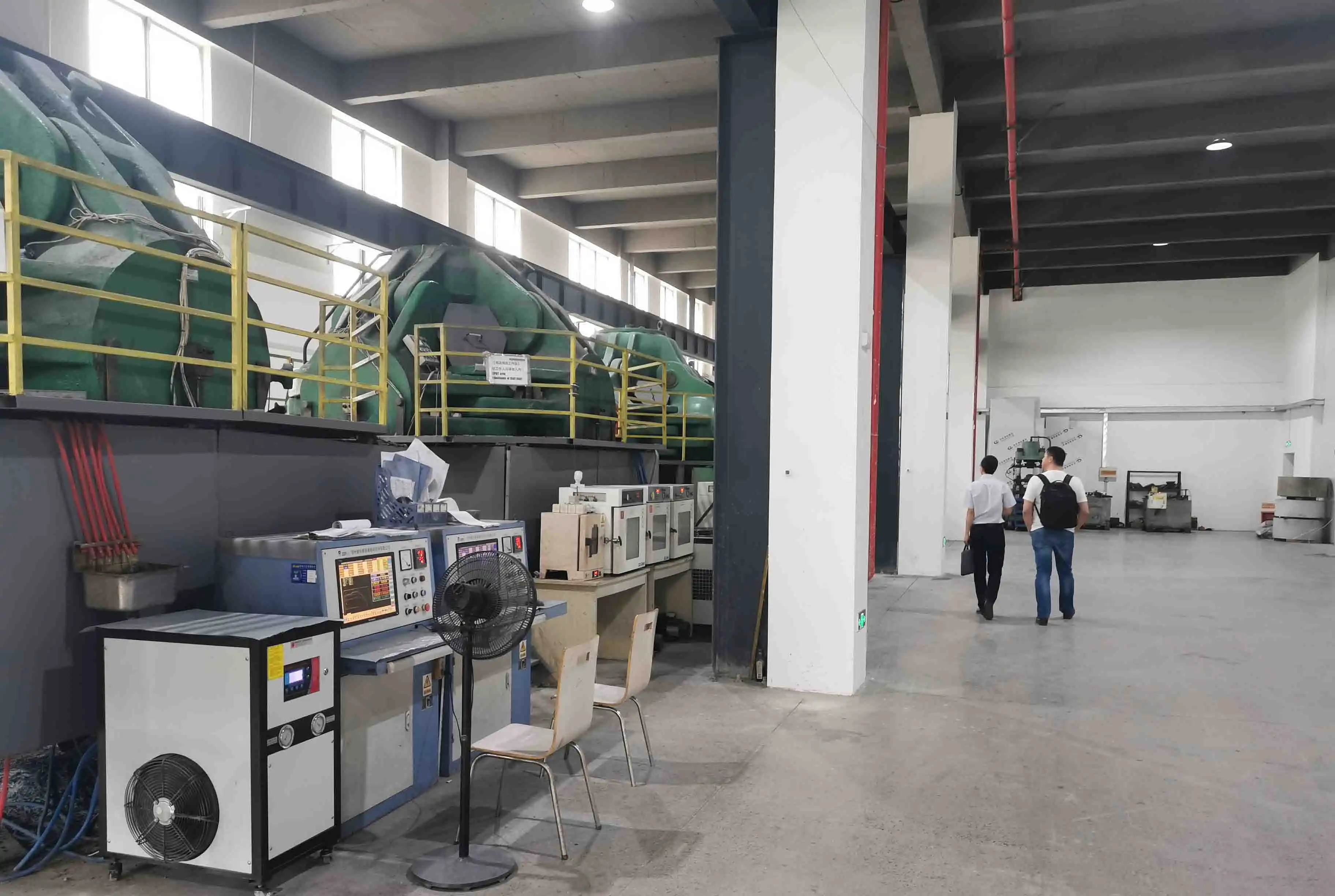
At HNS, quality control represents our fundamental commitment to customer success. Every bit, including the 113 mm 3-blade steel body PDC bit, undergoes comprehensive testing, including raw material verification, precision manufacturing checks, dimensional accuracy measurements, performance simulations, and final assembly inspections. This rigorous approach ensures consistent quality and reliable performance in demanding drilling environments.
Conclusion
The 113 mm 3-blade steel body PDC bit represents a proven solution for diverse drilling applications, offering exceptional durability and performance when properly maintained and operated. Understanding common issues such as wear patterns, thermal damage, and formation-specific challenges enables drilling professionals to implement effective solutions that maximize bit performance and operational efficiency. Proper maintenance protocols, informed procurement decisions, and adoption of advanced technologies significantly enhance drilling outcomes while reducing operational costs and downtime.
FAQ
1. What formations work best with 113 mm steel body PDC bits?
These bits perform optimally in soft to medium-hard formations, including shale, sandstone, limestone, and coal seams. The steel body construction provides excellent impact resistance for transitional formations, while the three-blade design ensures stable cutting action. Hard rock applications may require parameter adjustments or alternative bit technologies.
2. How do I identify when my PDC bit needs replacement?
Key indicators include reduced penetration rates, increased drilling vibration, visible cutter damage, excessive gauge wear, and unusual drilling behavior. Regular inspection after each trip helps identify wear progression before catastrophic failure occurs. Systematic documentation of drilling parameters assists in making informed replacement decisions.
3. What drilling parameters optimize steel body PDC bit performance?
Optimal parameters depend on formation characteristics but generally include moderate weight-on-bit settings, appropriate rotary speeds, and adequate hydraulic flow rates. Maintaining consistent parameters while monitoring real-time drilling data helps achieve maximum performance and bit life.
Partner with HNS for Your Drilling Tool Requirements
HNS stands ready to support your drilling operations with high-quality 113Mm 3 Blades Steel Body PDC Bit solutions that deliver exceptional performance and reliability. As a trusted manufacturer and supplier with over a decade of industry experience, we combine advanced manufacturing capabilities with comprehensive technical support to meet your specific drilling challenges. Our 3,500m² facility features cutting-edge production equipment and dedicated R&D teams focused on developing innovative drilling solutions. Contact our technical experts at hainaisen@hnsdrillbit.com to discuss your project requirements and discover how our customized bit designs can enhance your drilling efficiency and operational success.
References
1. Smith, J.R. "Polycrystalline Diamond Compact Bit Performance Analysis in Various Formation Types." Journal of Petroleum Technology, Vol. 45, 2023.
2. Johnson, M.K. "Steel Body vs Matrix Body PDC Bits: A Comparative Study of Wear Mechanisms and Performance Characteristics." Drilling Engineering Quarterly, Issue 3, 2023.
3. Williams, D.L. "Maintenance Strategies for Extended PDC Bit Life in Challenging Drilling Environments." International Drilling Conference Proceedings, 2023.
4. Brown, A.S. "Blade Configuration Impact on PDC Bit Stability and Cutting Efficiency." SPE Drilling & Completion Journal, Vol. 38, 2023.
5. Davis, R.T. "Advanced Materials and Coating Technologies for Enhanced PDC Bit Performance." Drilling Technology Review, Vol. 29, 2023.
6. Thompson, L.P. "Procurement Best Practices for Industrial Drilling Equipment: Quality, Cost, and Supply Chain Considerations." Industrial Drilling Management, Vol. 15, 2023.