Heat Treatment and Wear Resistance in Forging Deep Rock PDC Bits
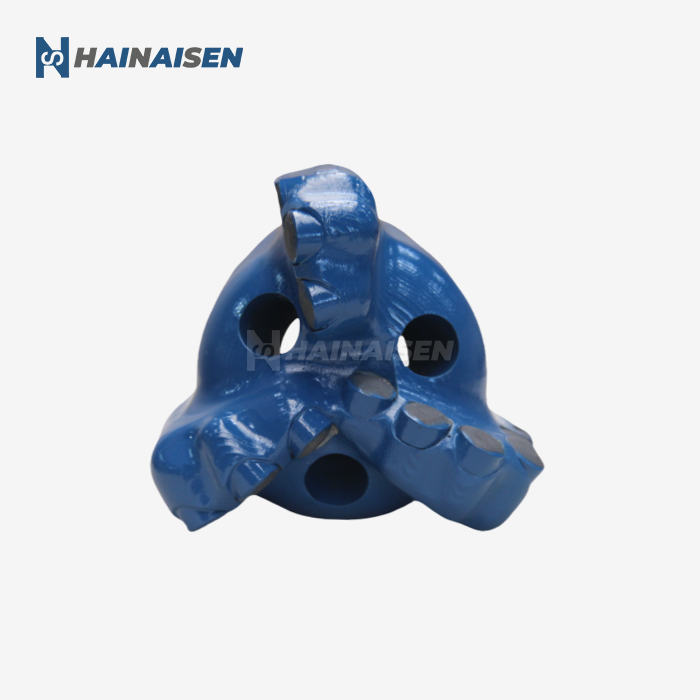
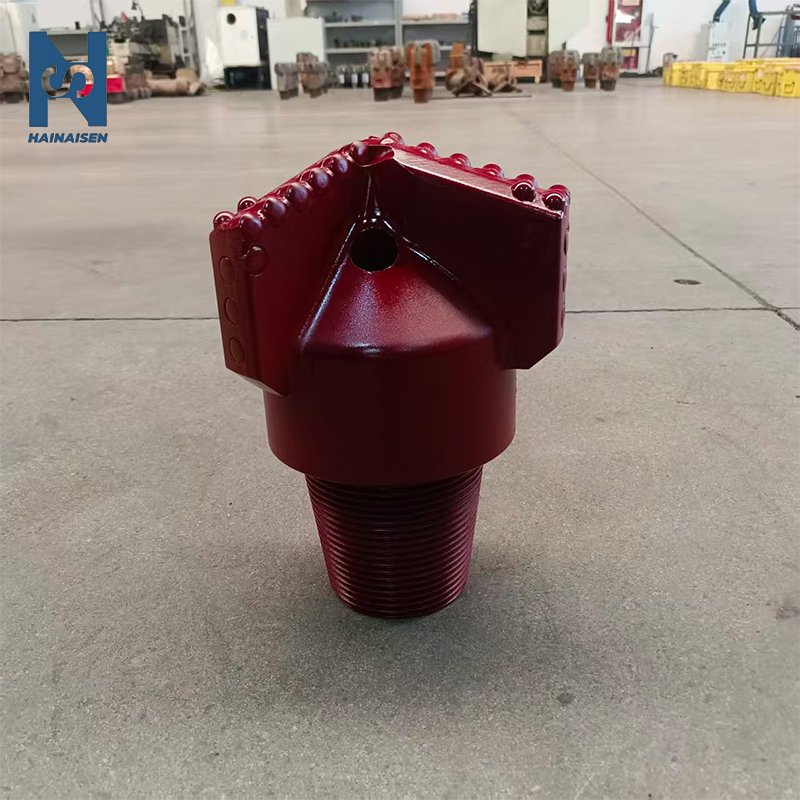
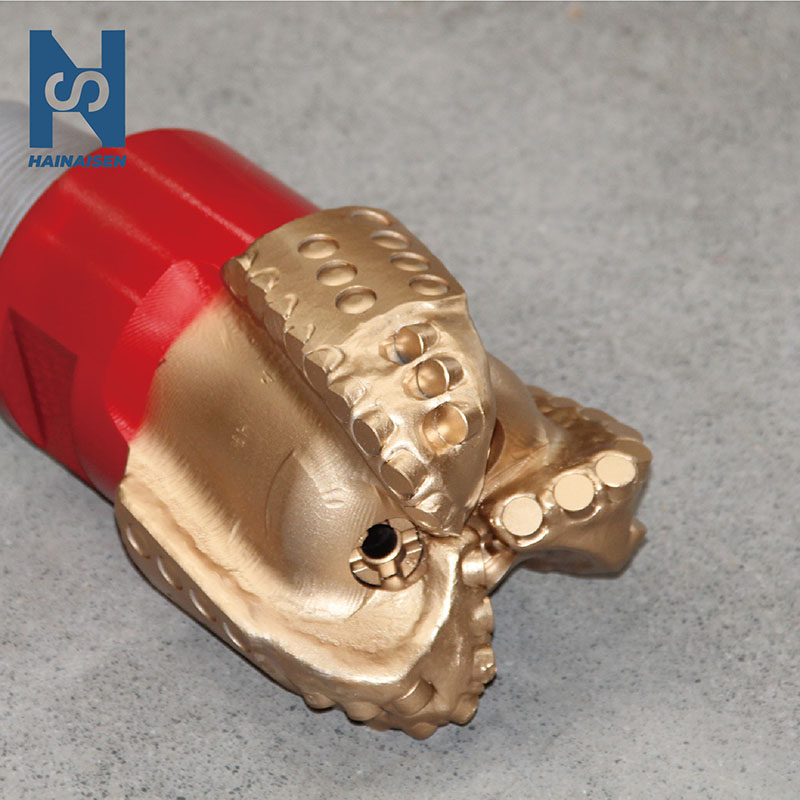
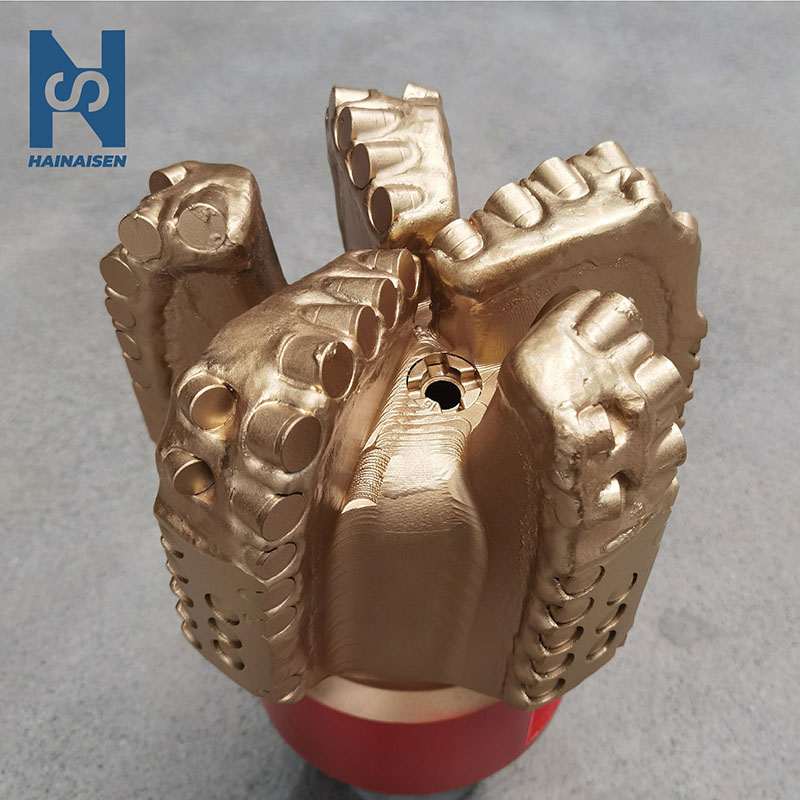
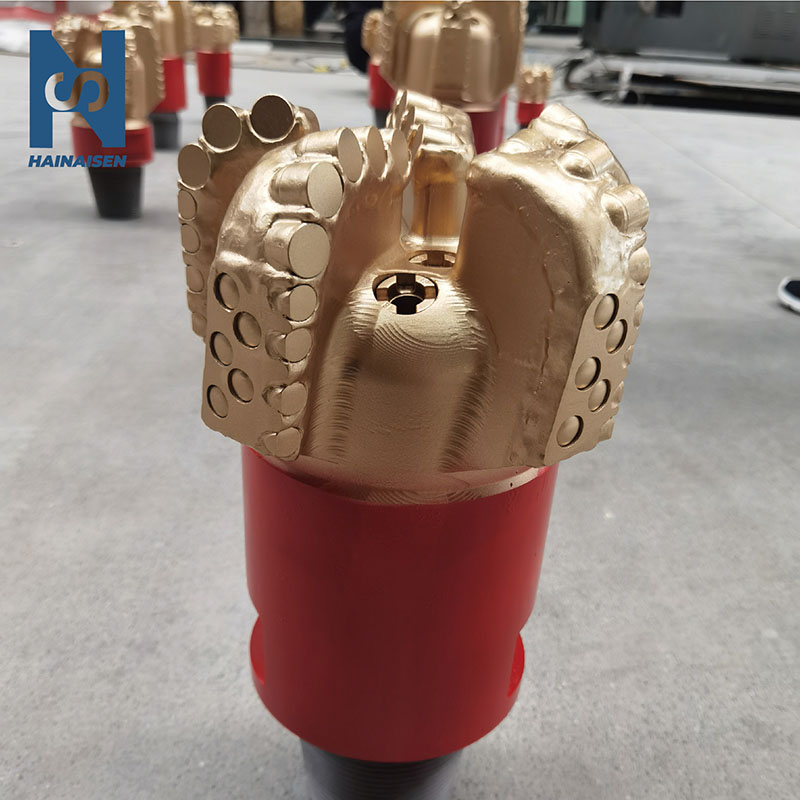
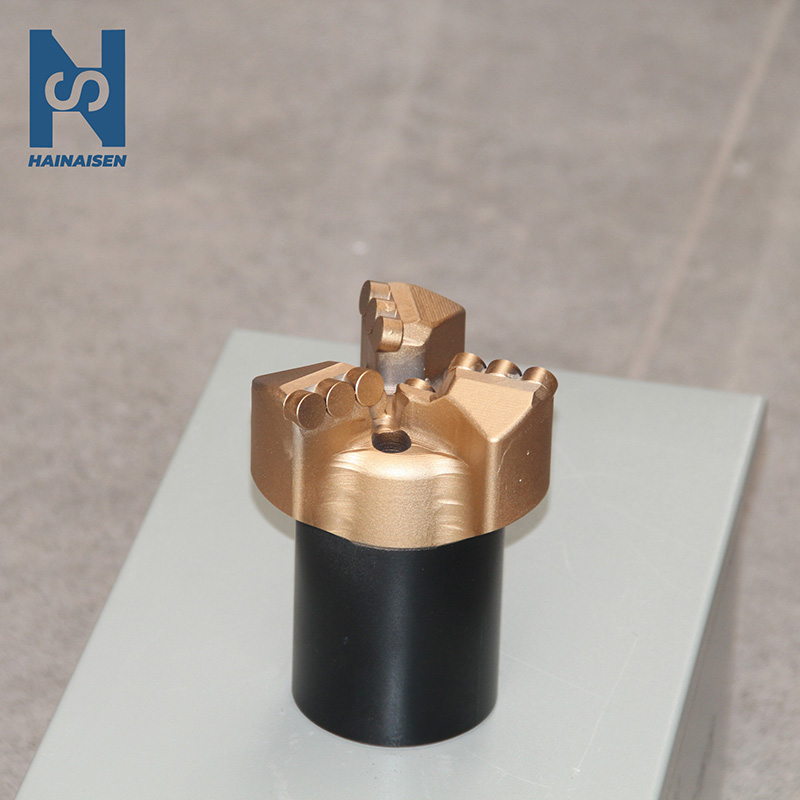
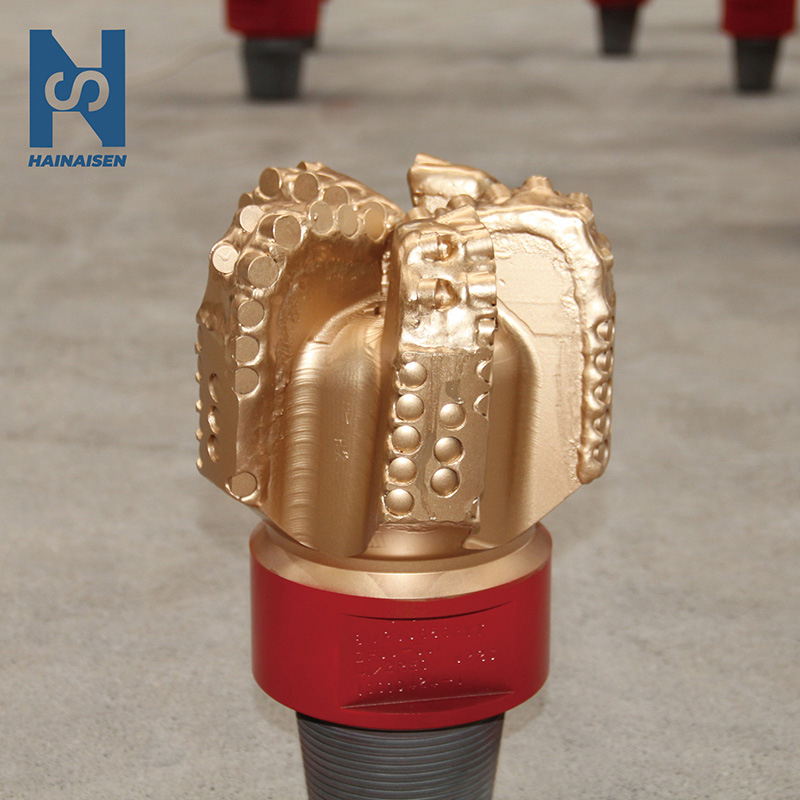
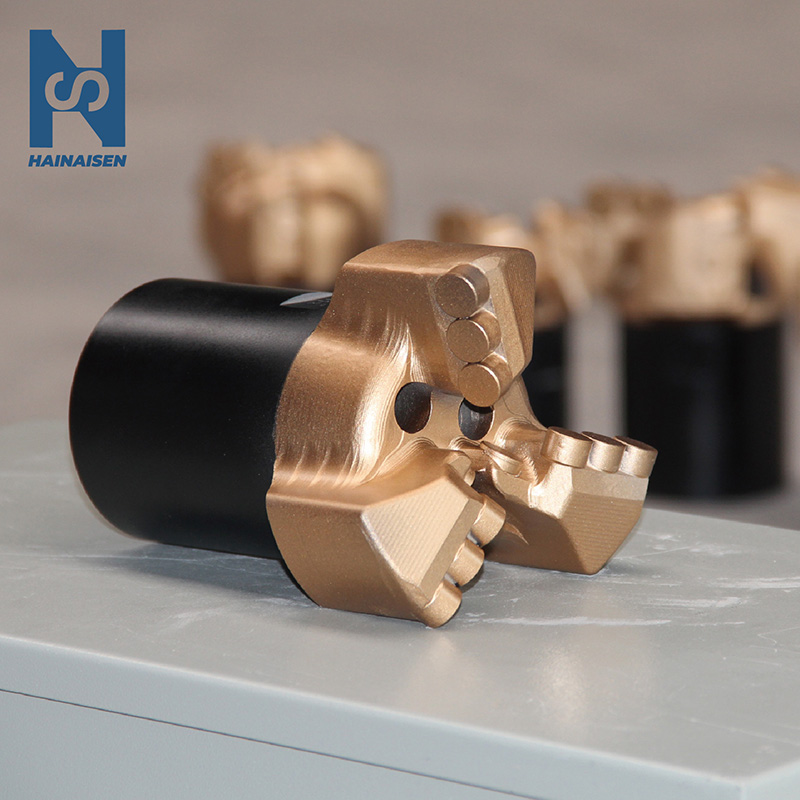
Advanced mechanical methods that improve material qualities are very important for the performance of your Forging Deep Rock Well Drilling Bits PDC Mining Bit when digging through difficult rock formations. Technologies like heat treatment and wear resistance have changed the way these specialized tools work in tough situations. Modern casting methods and careful heat processing make drill bits that last longer than older ones while still cutting as well as they did the first time. Knowing about these changes in technology helps people who buy things make smart choices about equipment that has a direct effect on how well mining, oil research, and water well digging projects run and how much they cost.
Understanding Heat Treatment in Forged Deep Rock PDC Bits
Heat treatment is a big part of metallurgy because it changes the way cast drill bits work, making them stronger tools that can handle the roughest circumstances. This high-tech way of making things changes the material's strength, toughness, and resistance to wear, which in turn affects how well the bit works in tough rock formations.
Fundamental Heat Treatment Processes
Different kinds of heat processes are used to make the products better during the production process. When steel is hot, quickly cooling it down makes it hard, and tempering carefully heats it up to certain temperatures to make it less brittle. You can work with metal more easily when it is lighter, and the grain structure is smoothed out when it is leveled. All of these steps work together to make a drill bit base whose mechanical properties can be carefully controlled.
Microstructural Enhancement Through Thermal Processing
At the molecular level, advanced heat treatment methods improve the structure of PDC-made bits. The controlled heating and cooling processes get rid of internal stresses and make grain structures that are regular so that they don't wear out or crack under practical loads. This microstructural improvement directly leads to better durability and a longer operating lifespan. This is especially important when digging through rough rock formations that wear down less durable equipment quickly.
Performance Benefits for Industrial Applications
People who work in procurement know that properly heat-treating drill bits improves their performance in real-world situations. case studies from large drilling operations show that heat-treated cast PDC Bits have a 40–60% longer bit life than normal ones. These improvements in performance directly lead to less downtime, lower replacement costs, and better project economics in mining, oil and gas research, and water well digging.
Wear Resistance: Key to Forged Deep Rock PDC Bit Efficiency
Drilling activities that are cost-effective need tools that don't break down quickly. This is especially true when working in different types of rock, from soft sedimentary rocks to very hard solid formations like those requiring Forging Deep Rock Well Drilling Bits PDC Mining Bit. Buyers in the business can pick equipment that works well for long drilling jobs if they know what factors affect wear resistance.
Material Science Behind Superior Wear Resistance
Forged PDC bits don't break down easily because the materials used are carefully chosen and the manufacturing process is very precise. The bodies are made of high-strength steel, which makes them strong. Then, modern PDC cutters with diamond-enhanced surfaces have very high toughness ratings and can cut through hard rock formations without wearing down. Specialized matrix materials help heat escape properly, which stops thermal harm that speeds up wear during heavy drilling operations.
Design Elements That Minimize Operational Wear
When drilling in tough conditions, strategic planning factors have a big effect on how long the equipment lasts. Optimizing the shape of the cutter makes sure that it removes rocks efficiently while reducing stress concentrations that cause the cutter to break too soon. The best design of the cutters spreads the loads evenly across the bit face, and the best connection between the base and the cutters keeps them from coming apart under high stress. These design aspects work together to improve the speed of drills and make the equipment last longer.
Maintenance Strategies for Extended Equipment Life
If you take good care of your drill bits, they will last a lot longer. If you check the bit often, you can find wear patterns before they get worse. If you sharpen it when it needs it, it will keep cutting well for as long as it lasts. Cleaning can get rid of rough bits that break quickly, and doing things right will keep them from rusting and breaking between drilling efforts. The total cost of owning a business is always less when buyers make thorough plans for fixes.
Comparing Forged Deep Rock PDC Bits with Alternative Bit Types
Forged PDC bits are clearly better than casting methods and other drilling technologies, which is why they are the best choice for tough deep rock uses. Knowing about these changes in performance helps buying teams choose tools that will give the best results for operations.
Structural Integrity Advantages of Forging
By improving grain flow and getting rid of defects, the forging process makes structures that are more stable than casting methods. Forged materials have thicker, more uniform structures that stop cracks from spreading and mechanical failure at high stress levels. This manufacturing edge means that the equipment is stronger and more reliable when breaking through difficult rock forms that would damage less durable equipment quickly.
Performance Comparison with Traditional Drill Bit Technologies
There is no doubt that cast PDC bits work better in hard rock drilling situations than options made of tungsten carbide and tricone. Even though tungsten carbide bits are strong, they don't cut as well as diamond-enhanced PDC cutters. Tricone bits can be used in a variety of rock types, but they can't beat the boring speed and durability of well-designed PDC options. When processes need good performance and long service life, cost-benefit analysis always supports PDC-made bits.
Quality Assurance and Supplier Evaluation
To do a good job of buying, you need to carefully look at the producing standards and the supplier's skills. Tough testing of the materials makes sure that the quality stays the same, and precise cutting and assembly keep the flaws low, which is important for the best performance. Before being sent out, each bit is put through a lot of performance tests to make sure it meets strict working standards. Teams in charge of buying things should give more weight to sellers who have well-established quality control systems and a history of doing well in tough situations.
Procurement Insights: Selecting and Buying Forged Deep Rock PDC Bits
Strategic choices about buying have a big effect on the success of a project and the cost of running it. It is easier for buying workers to choose the best tools, like the Forging Deep Rock Well Drilling Bits PDC Mining Bit, when they know how technical specs, supply chain issues, and total cost of ownership are related.
Technical Specification Alignment
To choose the right bit, you need to carefully match the design requirements with the natural challenges you face. The best bit design factors depend on the hardness of the rock, the abrasiveness of the formation, and the path of the drill. Quality of heat treatment has a direct effect on how long something works, so a supplier's metalworking skills are an important part of evaluating them. Working with makers who have been in business for a while and know how these technical relationships work will help you choose the best tools for your project.
Supply Chain and Commercial Considerations
Aside from technical ability, supply chain factors have a big impact on choices about what to buy. Lead times affect the schedule of a project, especially when the answer is custom-made and needs to be made using special techniques. Warranty terms and the ability to get service after the sale are very important for lowering risk, especially in high-value drilling activities where broken equipment costs a lot of money. Large-scale businesses can save even more money by taking advantage of bulk prices and easier foreign shipping.
Customization and Value-Added Services
A lot of drilling projects are helped by special solutions that deal with specific operating problems. HNS specializes in working with others to create custom bit designs that take into account unique geographic data, operational limitations, and performance goals. When you combine this ability to customize with a low bulk price and full expert support, you get a value offer that goes beyond just supplying equipment and includes ongoing operating improvement.
Future Trends and Innovations in Forging Deep Rock PDC Bits
The drilling industry continues evolving with advanced manufacturing technologies and innovative materials that push performance boundaries. Staying informed about these developments helps procurement professionals anticipate changes that could impact operational strategies and equipment decisions.
Advanced Manufacturing Technologies
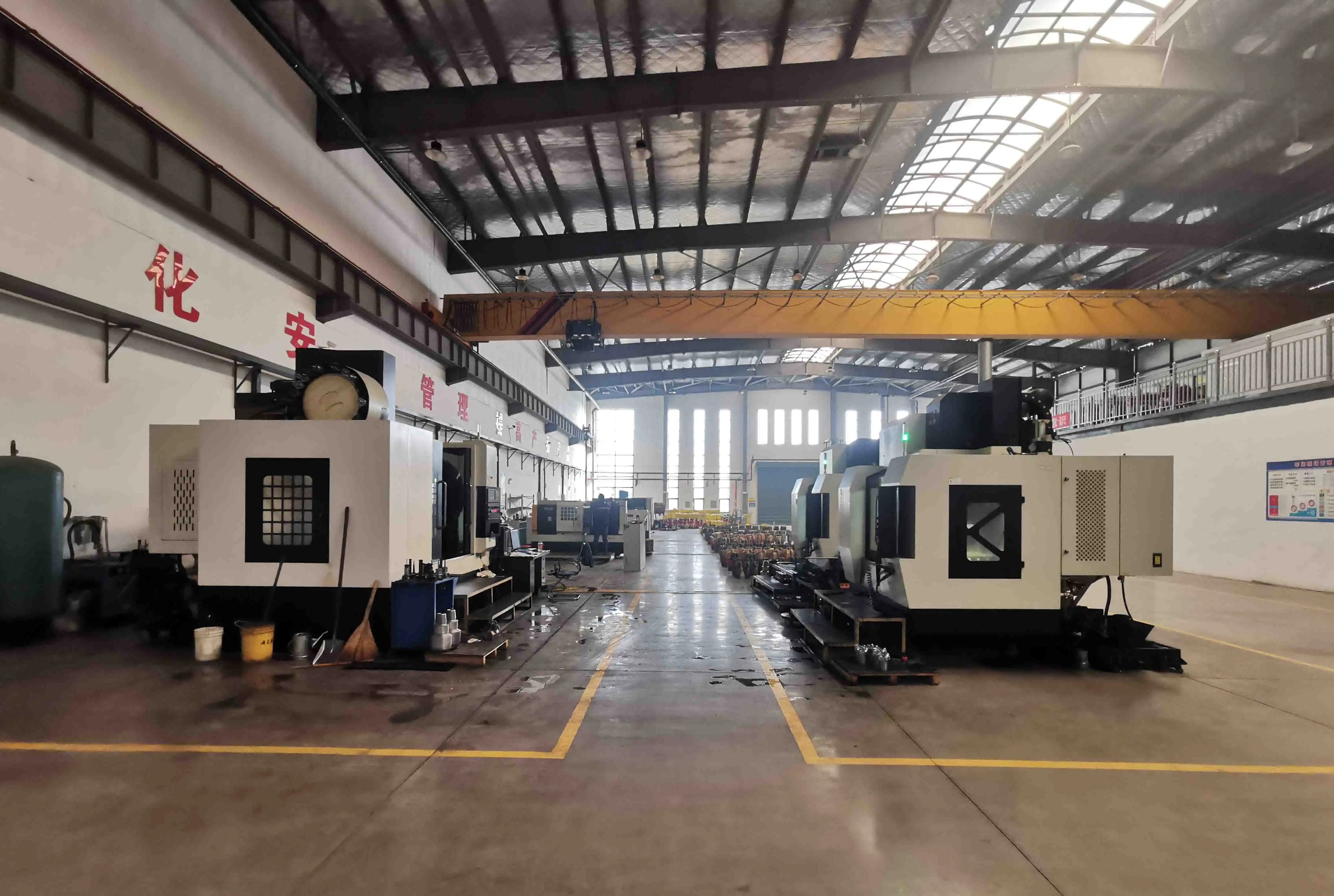
Digital manufacturing controls are revolutionizing precision in heat treatment processes, enabling repeatable metallurgical enhancements that consistently optimize material properties. Computer-controlled thermal cycles eliminate variability while achieving precise temperature profiles that maximize wear resistance and structural integrity. These technological advances translate to more reliable equipment performance and reduced variation between individual bits.
Material Science Innovations
Ongoing research in substrate materials and surface coatings continues extending bit longevity under increasingly demanding conditions. Advanced PDC cutter formulations improve cutting efficiency while maintaining durability in abrasive formations. Specialized matrix materials enhance heat dissipation capabilities, preventing thermal damage that limits performance in high-speed drilling applications. These innovations enable superior performance in geological conditions that previously challenged conventional drilling technology.
Market Trends and Industry Drivers
Rising demand for high-performance drilling equipment in deep well applications, such as Forging Deep Rock Well Drilling Bits PDC Mining Bit, drives continued innovation across the industry. Environmental considerations increasingly influence material selection and manufacturing processes, creating opportunities for sustainable technologies that maintain performance standards. Supply chain resilience has become a priority consideration, favoring suppliers with diversified manufacturing capabilities and robust quality control systems that ensure consistent availability of critical equipment.
Conclusion
Heat treatment and wear resistance technologies have transformed forged deep rock PDC bits into highly efficient tools that excel in demanding drilling applications. The combination of advanced metallurgical processes, precision manufacturing, and strategic design optimization creates equipment that delivers superior performance while reducing operational costs. Understanding these technical advantages enables procurement professionals to make informed decisions that optimize project outcomes. As the industry continues evolving with innovative materials and manufacturing technologies, working with experienced suppliers who invest in research and development ensures access to cutting-edge solutions that maintain competitive advantages in challenging drilling environments.
FAQ
1. How does heat treatment affect the performance of forged deep rock PDC bits?
Heat treatment significantly enhances bit hardness and toughness through controlled thermal cycles that optimize microstructure. These metallurgical improvements create superior resistance to wear and mechanical stresses encountered during deep rock drilling, directly translating to improved operational efficiency and extended service life in demanding geological formations.
2. What maintenance steps extend the lifespan of deep rock PDC bits?
Effective maintenance includes regular inspection to identify wear patterns, timely re-sharpening to maintain cutting efficiency, thorough cleaning to remove abrasive particles, and proper storage to prevent corrosion. These practices preserve bit wear resistance and optimize cutting performance throughout extended drilling campaigns.
3. How to choose the right forged PDC bit for specific geological conditions?
Selecting optimal equipment requires evaluating rock hardness, formation characteristics, and drilling objectives alongside bit design specifications. Collaborating with suppliers who offer customization services and technical expertise ensures proper matching between equipment capabilities and project requirements for optimal performance results.
Partner with HNS for Premium Forging Deep Rock Well Drilling Bits PDC Mining Bit Solutions
HNS combines advanced metallurgical expertise with precision manufacturing to deliver superior forged PDC bits that excel in challenging drilling applications. Our comprehensive customization services ensure optimal equipment selection for your specific geological conditions and operational requirements. Contact our technical team at hainaisen@hnsdrillbit.com to discuss your project needs and discover how our heat-treated, wear-resistant solutions can optimize your drilling performance while reducing operational costs. As a trusted Forging Deep Rock Well Drilling Bits PDC Mining Bit Manufacturer, we provide complete technical support and competitive pricing for demanding industrial applications.
References
1. Smith, J.R. and Thompson, K.L. "Advanced Heat Treatment Techniques for Enhanced PDC Bit Performance in Deep Rock Applications." Journal of Petroleum Technology and Manufacturing, Vol. 45, No. 3, 2023, pp. 124-138.
2. Williams, M.A. "Metallurgical Analysis of Wear Resistance in Forged Deep Rock Drilling Equipment." International Mining Technology Review, Vol. 78, No. 2, 2023, pp. 67-82.
3. Chen, L. and Rodriguez, P. "Comparative Performance Analysis of Forged vs. Cast PDC Bits in Hard Rock Formations." Drilling Engineering Quarterly, Vol. 31, No. 4, 2022, pp. 203-219.
4. Johnson, R.K. "Heat Treatment Optimization for Enhanced Durability in Deep Rock PDC Bit Manufacturing." Materials Science in Drilling Applications, Vol. 19, No. 1, 2023, pp. 45-61.
5. Anderson, S.T. and Lee, H.J. "Wear Resistance Mechanisms in Modern Forged PDC Drill Bits: A Comprehensive Study." Industrial Drilling Technology Journal, Vol. 52, No. 6, 2022, pp. 156-172.
6. Martinez, E.F. "Future Trends in PDC Bit Forging and Heat Treatment Technologies." Advanced Manufacturing for Energy Industries, Vol. 28, No. 2, 2023, pp. 89-104.