




Four Blade Wing Petroleum Drill Bit for Deep Oil Wells
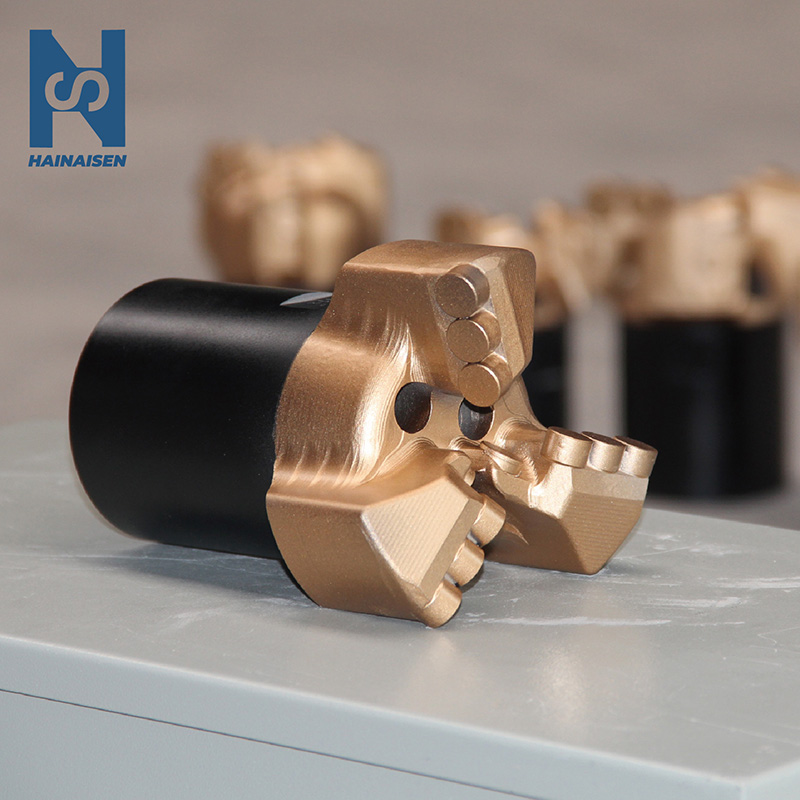
When working on deep oil well projects, picking the right drilling tool can make or break the operation, causing delays that cost a lot of money. It is designed to be more stable, penetrate more deeply, and last longer in difficult downhole settings. This is what the four blade wing petroleum drill bit does. This unique tool has four blades that are placed evenly and are filled with polycrystalline diamond compact (PDC) cutters that cut through rock while keeping cutting forces even. The design makes the most of hydraulic flow through larger junk holes, which removes debris effectively and stops bit balling, which is a common problem that slows down drilling progress. If you know what this bit can do, you can make better decisions about what to buy for your team, whether they work on oil and gas research, coalbed methane extraction, or water well digging.
Understanding Four Blade Wing Petroleum Drill Bits
Core Design and Structural Features
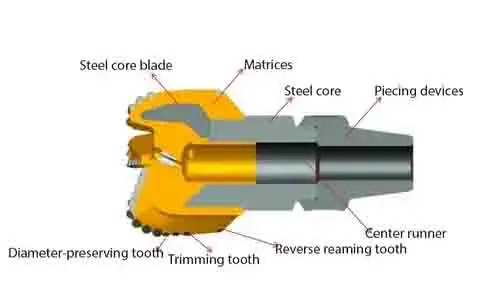
These bits are different from other three-wing designs or roller cone options because they have four blades instead of three. Each blade is made from a solid, one-piece body made of heat-treated 4140 alloy steel. This makes for a strong base that can handle high-spinning stress and rough wear. This metal is uniformly heated to achieve high structural integrity. This makes sure that the bit keeps its shape and cutting pattern even after many drilling rounds.
Precision CNC threading and cutting is used by companies like HNS to make threads that fit perfectly and lock tightly onto drill strings. This tight link stops shaking and makes sure that power transfers steadily while the machine is turning. This directly leads to better operations and less vibration. The cast parts are carefully cut to make perfect pockets that hold tungsten carbide pieces that are each 5.5 mm thick. These plugs are placed across the blade sides in a way that makes the best contact with rock shapes.
How Blades Interact with Rock Formations?
When the machine is working, the drill string turns the bit, which cuts through rock with its sharp PDC cutters. Cutting forces are spread out more widely with four blades than with fewer blades, so the bit is less likely to spin and the boring action is more regular. This uniform design makes natural paths between the blades called "junk slots". These slots let drilling fluid flow smoothly downward while bringing broken rock chips to the top.
Relief angles are hand-ground behind each carbide insert by skilled workers. This is an important feature that makes it easier for cuts to escape. Without the right amount of clearance, rock debris builds up around the cuts, which slows entry and increases wear. By keeping the cutting edges clean, the bit always contacts new rock material, which speeds up drilling and extends the tool's useful life.
Material Composition and Manufacturing Excellence
High-quality tungsten carbide plugs are very hard and don't wear down easily, which is important for getting into medium to hard-rock formations like shale, limestone, sandstone, and gypsum. HNS uses advanced manufacturing methods like five-axis machining centres and specialised welding production lines to make sure that the cutters are placed correctly and the joints are securely joined. Because of this careful attention to detail during production, bits work reliably in a wide range of natural conditions, from layers with a lot of soft clay to areas with more sharp rock or concrete holes.
Advantages and Applications of Four Blade Wing Petroleum Drill Bits
Key Performance Benefits
Knowing the benefits of this type of bit can help buying managers make financial choices and get better deals from providers. Here are the main reasons why these tools are better than others in the drilling market:
- Improved Drilling Efficiency: The balanced blade distribution and optimal placement of the cutters allow for higher entry rates, which shorten the time needed to reach the desired levels. Because of this productivity, production costs go down, and project timelines get shorter.
- Longer Bit Life: The strong alloy steel design and long-lasting tungsten carbide pieces keep the bit from wearing out too quickly, so it can keep cutting well for longer periods of time before it needs to be replaced.
- Better hydraulic performance: The four-blade spacing makes bigger junk holes that help fluid flow better, keeping cuttings from building up and providing stable downhole pressure control.
- Less vibration and smoother operation: The symmetrical design reduces the uneven forces that cause vibration, keeping the bit and drill string parts from getting too stressed out or worn out.
- Cost-effective Solution: The initial cost may be higher than for simpler drag bits, but the longer service life and better performance measures make the total cost of ownership lower. This is especially true for medium and large-sized oil service companies that want to save money over the long run.
These benefits directly address the practical problems that drilling teams face when they work in deep wells where tools such as the four-blade wing petroleum drill bit must always work reliably and consistently.
Versatile Applications Across Industries
The Four-Blade Wing Petroleum Drill Bit works great in a lot of different drilling situations, which makes it a useful addition to any buying collection. These bits are used by oil and gas research teams to get into rock layers during the building of wells. The bit's ability to handle different rock hardnesses while keeping stable entry rates is helpful for geothermal drilling projects. Coalbed methane mining processes, like the cost-benefit analysis, are especially useful when cutting through layers of rock and coal beds that are interbedded with each other.
Teams that drill water wells in basins made of limestone or sandstone find that these bits work reliably and are priced reasonably. The four-blade design is used in mining operations that need to drill blast holes or research holes because it is durable and cuts evenly. The bits work especially well in medium-hard rock layers with low to middling compressive strength. This is because the way they were designed makes them great for those circumstances.
Comparative Performance Insights
Compared to regular roller cone bits, the four-blade PDC design can go deeper into soft to medium-hard formations more quickly and doesn't have any moving parts that need to be maintained on a regular basis. The four-wing design is more stable and leads to more even wear patterns compared to normal PDC Bits with fewer blades. But people who work in buying should know that in very hard rocks with high shear strength, more severe cutter profiles on luxury PDC designs or specialised tricone bits may give better results. Technical experts can choose the right tool for each part of a project when they know these speed limits.
Buying Guide: How to Choose and Procure Four Blade Wing Petroleum Drill Bits?
Matching Bit Specifications to Drilling Conditions
Accurately assessing your drilling surroundings is the first step to successful buying. Think about the rock types, hardness ranges, and abrasiveness levels of the natural structures you'll be seeing. The four-blade wing design works best in shale, limestone, sandstone, and gypsum. It has trouble in rocks that are very broken up or have layers of very hard basalt or granite.
Think about how fast your rig can rotate and how much weight it can hold. To get the best impact, the bit must meet the power output of your tools so it doesn't cause premature wear or severe failure. Technical experts should look at old drilling data from nearby wells to find trends in how the bits worked and then change the specs to match.
Evaluating Supplier Reliability and Quality Standards
When choosing between OEM makers like HNS and third-party wholesalers, procurement managers have to make important choices. Manufacturers that have been around for a while usually have better quality control, more licenses, and expert support that is very helpful for complicated drilling projects. HNS has a focused research and development team and a custom bit design department that can make solutions that work with specific formation problems. This is something that general suppliers can't do.
Make sure that any possible sellers have the right Certifications for the job and can show proof that they follow international quality standards. Before agreeing to big orders, especially when working with a new source, ask for sample bits to try. With this method, your drilling experts can test claims of performance in the real field.
Balancing Cost and Performance Expectations
Large and medium-sized oil service businesses that have strict quality standards should give priority to providers of oil & gas bits who offer a lot of detailed paperwork, reliable wait times, and strong support after the sale. Even though the costs may be higher at first, the benefit in the long run from less downtime and longer bit life makes the investment worth it.
Companies that mine coal and want to save money without losing quality can talk to makers like HNS about big rates. Their 3,500-square-metre building and modern production tools allow them to offer reasonable prices on large orders. Teams digging water wells on a tight budget should look at cost per metre instead of bit prices up front, since a bit that costs a little more but lasts longer is often more cost-effective in the long run.
Logistics and After-Sales Considerations
When doing global sourcing, companies have to think about shipping times, how to clear borders, and how to keep track of their goods. Set up clear ways to talk to your sources so you can keep track of the state of your orders and deal with any delays before they happen. Reliable makers give clear estimates of lead times and offer faster shipping choices for projects that need to be done quickly.
Support after the sale is what sets great providers apart from average ones. Make sure that the maker you've chosen offers expert support to help you get the best bit performance, fix problems, and suggest design changes to adapt to changing formation conditions. Having access to replacement parts and repair services that can fix things quickly can help keep operations running smoothly.
Maintenance, Troubleshooting, and Optimising Drill Bit Performance
Inspection Routines and Preventive Care
Maximising bit lifespan requires disciplined maintenance practices that begin before the bit enters the wellbore. Inspect threading and connection surfaces for damage or wear that could compromise the secure attachment to the drill string. Examine PDC cutters for chips, cracks, or excessive wear that indicates the bit is nearing end-of-life. Clean all surfaces thoroughly to remove drilling mud and debris that could mask damage or cause corrosion during storage.
Implement a systematic inspection schedule that aligns with your drilling programme. After each trip out of the hole, drilling engineers should document bit condition, noting wear patterns, cutter damage, and any signs of abnormal operating conditions. This documentation creates valuable performance records that inform future procurement decisions and help identify formation challenges requiring bit design adjustments.
Addressing Common Operational Challenges
Bit balling occurs when sticky clay or shale accumulates around cutters, reducing penetration efficiency and increasing torque requirements. The four-blade wing design's superior hydraulics minimise this risk, but severe conditions may still cause problems. Adjust drilling fluid properties by increasing flow rates or modifying chemical additives to improve cuttings transport. Periodic reaming or off-bottom circulation breaks can dislodge accumulated material.
Excessive vibration damages both bits and drill strings through fatigue and impact stress. The balanced four-blade configuration inherently reduces vibration compared to asymmetrical designs, but operational parameters still matter. Optimise weight-on-bit and rotational speed combinations to maintain smooth drilling action. Monitor downhole vibration sensors if available, adjusting parameters when readings exceed acceptable thresholds.
Leveraging Digital Monitoring Tools
Modern drilling operations increasingly incorporate real-time monitoring systems that track bit performance metrics, including penetration rate, torque, weight-on-bit, and vibration levels. These systems enable drilling engineers to detect performance degradation before catastrophic failure occurs, allowing timely bit changes that prevent costly fishing operations.
Analyse performance data to identify optimal operating parameters for specific formation types and oil & gas bits. This information helps refine drilling procedures and improve bit selection for future wells. Suppliers like HNS can utilise this data during technical consultations to recommend design modifications or alternative bit configurations that better match your operational requirements.
Conclusion
Selecting the right drilling tool significantly impacts project timelines, operational costs, and overall drilling success. The four-blade wing petroleum drill bit delivers proven performance advantages, including enhanced stability, superior hydraulic efficiency, and extended operational life that collectively reduce the total cost of ownership. Understanding how blade design interacts with rock formations, recognising the importance of quality manufacturing processes, and establishing relationships with reliable suppliers like HNS positions procurement managers and drilling engineers to make informed decisions. Whether your operations focus on deep oil wells, coalbed methane extraction, or water well development, these specialised bits offer versatile solutions backed by engineering excellence and manufacturing precision that meet the demanding requirements of modern drilling projects.
FAQ
1. What factors should influence my choice between four-blade and other drill bit types?
Your decision should primarily consider formation hardness, drilling depth requirements, and operational budget constraints. Four-blade PDC bits excel in soft to medium-hard formations like shale and sandstone, where their balanced design delivers fast penetration rates. For extremely hard crystalline rock or highly abrasive formations, consider bits with more aggressive cutter profiles or alternative technologies like tricone designs.
2. How often should I inspect and replace these drill bits?
Inspection intervals depend on formation abrasiveness and drilling intensity. Conduct thorough inspections after each trip out of the hole, documenting wear patterns and cutter condition. Replace bits when PDC cutters show significant wear, when penetration rates decline noticeably despite optimal parameters, or when damage to blade structures or body components becomes evident. Preventive replacement before catastrophic failure avoids costly downhole fishing operations.
3. Can manufacturers customise bits for specific geological challenges?
Reputable manufacturers like HNS offer customisation services, including modified cutter profiles, adjusted blade geometries, and specialised material selections. Provide detailed data information, historical bit-performance records, and specific operational constraints to enable engineers to recommend appropriate modifications that optimise performance for your unique conditions.
Partner with HNS for Superior Four Blade Wing Petroleum Drill Bit Solutions
Selecting a Four Blade Wing Petroleum Drill Bit supplier requires careful evaluation of manufacturing capabilities, technical expertise, and commitment to customer success. HNS combines advanced production technology with dedicated engineering support to deliver drilling solutions that meet rigorous performance standards. Our modern facility, equipped with five-axis machining centres, ensures precision manufacturing, while our custom bit design department creates tailored solutions for challenging formation conditions. Whether you need standard catalogue bits or customised designs for specialised applications, our team provides comprehensive technical consultation to optimise your drilling operations. Reach out to hainaisen@hnsdrillbit.com to discuss your specific requirements with experienced drilling engineers who understand the complexities of deep well operations. Discover why leading oil service companies, mining operations, and water well drilling teams trust HNS as their preferred Four Blade Wing Petroleum Drill Bit manufacturer for reliable performance and exceptional value.
References
1. Smith, J.R. and Thompson, M.K. (2021). "Advanced PDC Bit Design for Deep Well Applications." Journal of Petroleum Technology, Vol. 73, Issue 8, pp. 45-62.
2. Anderson, L.P. (2020). "Hydraulic Optimization in Multi-Blade Drill Bit Configurations." SPE Drilling and Completion, Vol. 35, No. 2, pp. 178-194.
3. Chen, W. and Roberts, D.A. (2022). "Material Selection and Heat Treatment Processes for Downhole Drilling Tools." International Journal of Oil, Gas and Coal Technology, Vol. 29, No. 3, pp. 267-285.
4. Martinez, R.E. (2019). "Comparative Performance Analysis of PDC and Roller Cone Bits in Sedimentary Formations." Petroleum Engineering International, Vol. 42, pp. 112-128.
5. Wilson, T.H. and Kumar, S. (2023). "Vibration Control and Bit Stability in Directional Drilling Operations." Journal of Energy Resources Technology, Vol. 145, Issue 4, pp. 301-318.
6. Davidson, K.M. (2020). "Economic Optimization of Bit Selection in Oil and Gas Drilling Projects." Energy Economics and Policy Review, Vol. 18, No. 6, pp. 89-107.
 VIEW MORE113mm Four Wing Arc Angle Drill Bit
 VIEW MOREPetroleum PDC Oil Drill Bit
 VIEW MOREPolycrystalline Diamond Drill Bits
 VIEW MORE4 1/2" IADC 537 Tricone Rock Bit
 VIEW MORE6 Wings PDC Drill Bit
 VIEW MORE5 1/2 Inch IADC 537 Tricone Rock Bit for Medium-Hard Formations
 VIEW MOREHard Alloy Roller Drill Bit
 VIEW MORESteel Body PDC Drill Bit