







Four Blade Wing Oil Drilling Tool in Hard Rock Formations
When drilling through challenging hard rock formations, selecting the right equipment can determine project success or failure. The four blade wing oil-drilling tool emerges as a proven solution engineered specifically for demanding geological conditions. This advanced PDC bit combines optimised blade geometry, strategic cutter placement, and robust construction to deliver enhanced penetration rates while maintaining precise gauge control. For procurement managers and technical engineers evaluating drilling equipment, understanding how four-blade configurations outperform traditional designs becomes essential for cost-effective operations and long-term project viability.
Understanding Four Blade Wing Oil Drilling Tools
Core Design and Functionality
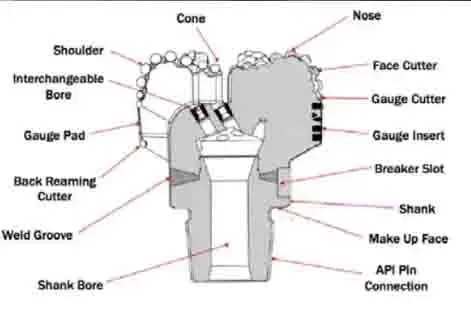
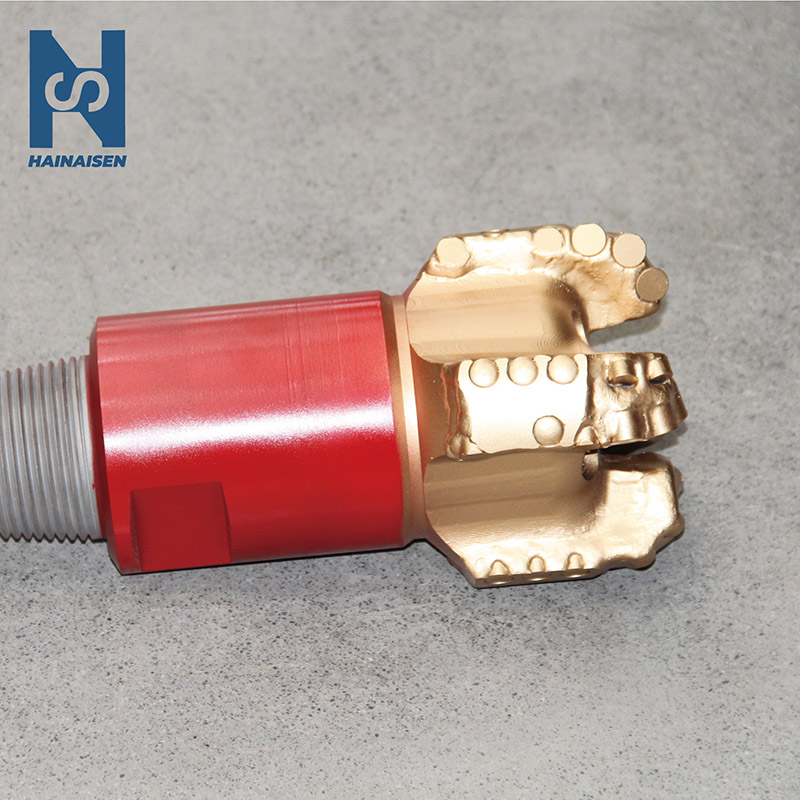
The four-blade wing configuration represents a carefully calculated engineering approach tailored for hard rock environments. Unlike conventional three-blade systems, this design distributes cutting forces across four distinct contact points, reducing stress concentration on individual blades. Our HNS model features an IADC code S233 classification, indicating its suitability for soft to medium-hard formations with exceptional versatility. The 6-inch (152.4 mm) bit diameter accommodates standard drilling operations, while the 210 mm height provides structural integrity during extended drilling campaigns. This balanced geometry ensures consistent borehole quality even when encountering abrasive or fractured rock layers.
Advanced Cutting Mechanism
As part of the best engineered drilling tooling challenging formations, the tool incorporates 45 precision-engineered PDC cutters available in 13 mm and 16 mm sizes, strategically positioned to maximise rock removal efficiency. Each cutter operates at calculated angles that optimise shear forces while minimising impact damage. The four-nozzle configuration directs drilling fluid with precision, maintaining optimal bottomhole pressure and facilitating effective cuttings transport. This hydraulic design prevents bit balling—a common issue in sticky formations—while ensuring consistent cooling of cutting elements. The 3-1/2 REG. PIN API connection guarantees compatibility with standard drill strings, simplifying integration into existing equipment fleets without requiring specialised adapters.
Material Engineering and Durability
Modern PDC cutter technology employed in the Four-Blade Wing Oil Drilling Tool employs synthetic diamond layers bonded to tungsten carbide substrates, creating cutting edges that withstand extreme temperatures and abrasive wear. The Bittbody construction utilises high-grade steel alloys engineered to resist torsional stress and impact loading. Surface treatments applied during manufacturing enhance corrosion resistance—particularly valuable in drilling operations involving corrosive formation fluids. The 53mm gauge length provides extended protection against borehole wall contact, maintaining diameter consistency throughout the drilling process. At 24 kilograms, the tool achieves an optimal balance between durability and handling convenience during bit changes.
Advantages of Four Blade Wing Oil Drilling Tools in Hard Rock Formations
Superior Drilling Efficiency and Penetration Rates
Hard rock drilling presents unique challenges that four-blade designs address through balanced force distribution. The symmetrical blade arrangement reduces lateral vibration, allowing drillers to maintain higher rotational speeds without compromising stability. Field data from geological exploration projects demonstrate penetration rate improvements ranging from 15% to 30% compared to three-blade alternatives in quartzite and granite formations. This efficiency translates directly into reduced rig time and lower operational costs per metre drilled.
The optimised blade geometry creates multiple cutting paths that continuously expose fresh rock surfaces to the PDC cutters, a key advantage of best engineered drilling tooling challenging formations. This design minimises regrinding of previously cut material—a common inefficiency in poorly designed bits. The hydraulic system works synergistically with blade positioning to ensure cuttings evacuate quickly from the cutting face, preventing accumulation that would otherwise impede penetration. These combined factors enable drilling teams to achieve project milestones ahead of schedule while reducing wear on auxiliary equipment like mud pumps and rotary systems.
Extended Tool Life and Maintenance Benefits
Wear distribution across four blades rather than three significantly extends operational lifespan. Each blade experiences approximately 25% less individual loading, slowing cutter degradation and reducing thermal stress. Our engineering team at HNS has observed that properly operated four-blade tools in hard rock applications typically deliver 40-60% more drilling metres before requiring cutter replacement compared to three-blade counterparts. The gauge protection design maintains borehole diameter integrity for extended periods, reducing the need for costly reaming operations that consume valuable drilling time.
Maintenance requirements remain straightforward despite the tool's advanced capabilities. Routine inspections focus on cutter condition, nozzle integrity, and gauge wear patterns. The robust construction tolerates normal handling during tripping operations without sustaining damage to critical components. When refurbishment becomes necessary, the standard API connection and conventional body design allow service shops to perform repairs using widely available equipment and replacement parts. This accessibility reduces downtime and supports predictable maintenance budgeting throughout multi-year drilling programmes.
Comparative Performance Analysis
Understanding how four-blade tools compare against alternative designs helps procurement teams make evidence-based decisions:
- Three-Blade PDC Bits: While offering adequate performance in softer formations, three-blade designs struggle with stability in hard rock. The asymmetric force distribution creates higher vibration levels that accelerate wear and reduce steering precision. Four-blade configurations eliminate these drawbacks while maintaining competitive pricing.
- Five-Blade Configurations: Adding a fifth blade increases manufacturing complexity and cost without proportional performance gains. The reduced junk slot area between blades can impede cuttings evacuation, which is particularly problematic in sticky shale interbeds common in many hard-rock sequences. Four blades optimise the balance between stability and hydraulic efficiency.
- Roller Cone Bits: Traditional roller cone technology excels in extremely hard formations but operates at slower rotational speeds. The mechanical complexity introduces additional failure points, and bearing wear remains a persistent maintenance concern. PDC four-blade tools eliminate moving parts while delivering comparable penetration rates at lower lifecycle costs.
- Hybrid Bits: Combining PDC cutters with roller elements creates versatile tools for highly varied formations. These designs command premium prices and require specialised expertise for proper application. Four-blade PDC tools offer a more cost-effective solution for dedicated hard rock drilling where formation characteristics remain relatively consistent.
This analysis reveals that four-blade wing tools occupy an optimal position in the market, delivering exceptional value for oil service companies requiring reliable performance in drill bits for oil rig applications without excessive capital investment.
Choosing the Right Four-Blade Wing Oil Drilling Tool for Your Project
Formation Assessment and Tool Selection Criteria
Successful tool selection begins with a thorough geological analysis. Compressive strength measurements, abrasivity indices, and formation heterogeneity data inform appropriate bit specifications. Hard rock formations typically exhibit compressive strengths exceeding 150 MPa, requiring aggressive cutter placement and durable construction. The HNS S233 model performs optimally in formations ranging from 80 MPa to 200 MPa, covering sandstone, limestone, and moderately hard igneous rocks. Technical engineers should review offset well data to identify potential drilling hazards like chert nodules or volcanic intrusions that might necessitate specification adjustments.
Supplier Qualification and Partnership Evaluation
Selecting a reliable supplier extends beyond initial purchase price considerations. Established Manufacturers like Shaanxi Hainaisen Petroleum Technology Co., Ltd. bring valuable expertise accumulated through years of field applications and continuous product development. Our 3,500-square-metre facility houses modern 5-axis machining centres and CNC equipment that ensure precise manufacturing tolerances critical for tool performance. The dedicated research and development team provides custom bit design services, addressing unique project requirements that off-the-shelf products cannot accommodate.
Warranty coverage represents another critical evaluation factor when sourcing best engineered drilling tooling challenging formations. Comprehensive warranties demonstrate manufacturer confidence in product quality while protecting procurement budgets from premature failure costs. After-sales technical support capabilities prove equally important—access to experienced engineers who understand drilling mechanics can resolve operational challenges quickly, minimising non-productive time. When evaluating potential suppliers, procurement managers should request client references from similar applications and verify Certifications relevant to their operational jurisdiction.
Customisation Options and Procurement Logistics
Standard catalogue products serve many applications effectively, but customisation unlocks performance optimisation for specialised projects. Blade profile modifications, alternative cutter sizes, and adjusted nozzle configurations allow engineers to tailor tools for specific formation characteristics. Water well drilling teams working in fractured aquifers might benefit from modified hydraulic designs that minimise formation damage, while coalbed methane extraction operations could specify configurations optimised for deviated wellbores.
Procurement planning must account for manufacturing lead times, particularly when ordering customised specifications for drill bits for oil rigs. Standard catalogue items from established inventory typically ship within days, while custom designs require 3-6 weeks, depending on complexity. Bulk orders for multi-well drilling campaigns should be placed well in advance of spud dates, incorporating buffer time for quality inspections and transportation. Consolidating orders achieves economies of scale that reduce per-unit costs while ensuring consistent tool specifications across drilling programmes—an advantage for data analysis and performance benchmarking.
Conclusion
The four-blade wing oil-drilling tool represents a mature technology delivering proven value across diverse hard rock applications. Its balanced design, durable construction, and optimised hydraulics address the fundamental challenges technical engineers and procurement managers face when specifying drilling equipment. Whether supporting oil and gas exploration, coal mining operations, or water well development, this versatile tool configuration offers compelling advantages in penetration rates, operational stability, and lifecycle economics. Successful implementation requires thoughtful supplier selection, appropriate customisation for project-specific conditions, and disciplined operational practices that maximise tool potential while controlling costs.
FAQ
1. How often should four-blade wing oil drilling tools be inspected during operations?
Inspection frequency depends on formation characteristics and drilling intensity. We recommend visual inspections after every 50 drilling metres in highly abrasive formations, extending to 100-metre intervals in more forgiving geology. Daily inspections should verify nozzle cleanliness and check for obvious damage. Detailed assessments measuring gauge wear and cutter condition become necessary when penetration rates decline noticeably or vibration levels increase. Maintaining detailed inspection logs helps identify optimal service intervals specific to your operational conditions.
2. What distinguishes Four Blade Wing bits from standard PDC drill bits?
The "wing" designation refers to the blade profile extending from the bit body—four-blade configurations provide superior stability compared to three-blade designs while maintaining better hydraulic efficiency than five-blade alternatives. Standard PDC Bits encompass various blade counts and geometries; four-blade wing tools specifically optimise the balance between cutting aggression, stability, and cutting evacuation. This configuration excels in hard rock applications requiring precise gauge control and consistent penetration rates.
3. Can these tools be customised for varying hard rock conditions?
Absolutely. Customisation options include adjusting blade profiles, selecting alternative cutter sizes and placements, modifying nozzle configurations, and specifying gauge lengths appropriate for your application. Our engineering team at HNS analyses formation data and drilling parameters to recommend optimal specifications. Custom designs typically require 3-6 weeks for manufacturing, depending on complexity, making advance planning essential for project schedules.
Partner with HNS for Your Hard Rock Drilling Solutions
Shaanxi Hainaisen Petroleum Technology Co., Ltd. stands ready to support your drilling projects with industry-leading four-blade wing oil-drilling tool solutions and comprehensive technical expertise. As an experienced manufacturer and supplier since 2013, we deliver the quality standards medium- and large-oil service companies demand while maintaining competitive pricing that appeals to cost-conscious water well drilling teams and coal-mining operations. Our modern manufacturing facility and dedicated custom design department ensure your specific requirements receive the engineering attention they deserve.
Contact our technical team today at hainaisen@hnsdrillbit.com to discuss your hard rock drilling challenges. We'll provide detailed product specifications, performance data from comparable applications, and customisation recommendations tailored to your geological conditions. Whether you need a single specialised bit or bulk procurement for multi-well campaigns, HNS offers the reliability, technical support, and after-sales service that transforms equipment vendors into trusted drilling partners.
References
1. Bellin, F., and Dourfaye, A. (2019). "PDC Bit Technology for Hard Rock Applications: Design Principles and Field Performance Analysis." SPE Drilling & Completion Journal, Volume 34, Issue 2, pp. 145-162.
2. Chen, S., and Robertson, A. (2021). "Comparative Performance Study of Multi-Blade PDC Configurations in Heterogeneous Hard Rock Formations." Journal of Petroleum Science and Engineering, Volume 198, Article 108245.
3. International Association of Drilling Contractors (2020). "IADC Drill Bit Classification System: Guidelines for Bit Selection and Performance Evaluation." IADC Technical Report DR-550, Fourth Edition.
4. Martinez, J., Thompson, K., and Zhang, L. (2022). "Optimizing Drilling Efficiency Through Advanced Bit Hydraulics and Blade Geometry in Hard Rock Environments." Geotechnical and Geological Engineering, Volume 40, pp. 2877-2894.
5. Pessier, R., and Fear, M. (2018). "Quantifying Common Drilling Problems with Mechanical Specific Energy and Bit-Specific Coefficient of Sliding Friction." SPE Annual Technical Conference Proceedings, Paper SPE-24584-MS.
6. Warren, T., and Armagost, W. (2021). "Laboratory Drilling Performance of PDC Bits in Hard Crystalline Rock: Effects of Cutter Density and Blade Configuration." Rock Mechanics and Rock Engineering, Volume 54, Issue 6, pp. 3315-3329.
 VIEW MOREFive Blade Wing Oil Drilling
 VIEW MORECoal Mining Tools PDC Anchor Drill Bit 28mm
 VIEW MOREFive Blade PDC Drill Bit
 VIEW MOREDiamond Coal Mine Picks
 VIEW MOREHard Alloy Roller Drill Bit
 VIEW MOREPolycrystalline Diamond Drill Bits
 VIEW MOREDiamond Drill Bits For Oil Rigs
 VIEW MOREPetroleum PDC Oil Drill Bit
