







5-Axis Machining Behind High Quality PDC Drill Bits Explained
When procurement managers and technical engineers evaluate PDC (Polycrystalline Diamond Compact) drill bits, the manufacturing process often determines the difference between consistent field performance and costly downtime. Advanced 5-axis machining technology has emerged as the decisive factor in producing high quality PDC drill bits that meet rigorous industry standards. This precision manufacturing method enables the creation of complex geometries, maintains tight tolerances, and delivers superior cutting-edge profiles that traditional 3-axis processes simply cannot achieve. Understanding how this technology transforms raw materials into reliable drilling tools helps buyers make smarter sourcing decisions.
Understanding High-Quality PDC Drill Bits and Their Manufacturing Challenges
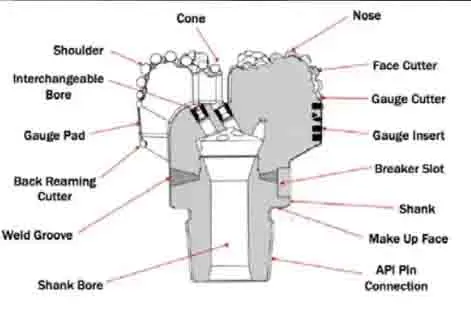
PDC drill bits represent a significant technological leap in drilling efficiency. These advanced cutting tools utilize synthetic diamond particles bonded to tungsten carbide substrates, creating extraordinarily hard cutting surfaces. Unlike roller cone bits that crush rock, PDC Bits work through a shearing action. Self-sharpening cutting teeth penetrate formations under applied weight, while torque creates shearing forces that break rock efficiently. Multiple cutters working simultaneously create numerous free surfaces at the bottom hole, dramatically increasing drilling speed.
Why Traditional PDC Bit Manufacturing Falls Short?
Professional oem pdc bit facility solves the limitations that conventional manufacturing approaches struggle with the intricate requirements of modern PDC bit production. The three-dimensional complexity of cutting structures demands precise control over angles, depths, and surface finishes. Traditional 3-axis machining restricts tool movement to linear paths along three perpendicular axes, forcing operators to constantly reposition workpieces to access different surfaces. This creates inconsistencies in surface quality and dimensional accuracy.
Manual finishing processes introduce human error variability. Even skilled technicians cannot replicate the exact specifications across production batches. The bonding interface between diamond compacts and the bit body requires flawless preparation—microcracks or uneven surfaces at this critical junction lead to premature cutter failure during drilling operations. These manufacturing defects directly impact durability, rate of penetration, and overall cost-effectiveness in field applications.
Critical Quality Factors Procurement Teams Must Evaluate
Technical engineers scrutinizing PDC bit specifications should prioritize cutting-edge geometry precision. The profile of each cutter influences how efficiently it shears rock and how wear develops over operational life. Improper cutter placement or angle deviations as small as one degree can reduce drilling efficiency by 15-20% in hard formations like granite or quartzite.
Surface finish quality on the bit body matters equally. Rough surfaces create turbulence in drilling fluid flow, reducing cooling efficiency and allowing debris accumulation. Smooth, precisely machined surfaces facilitate optimal hydraulics, keeping cutters cool and clearing cuttings effectively. Steel body PDC bits crafted from high-strength alloy steel offer excellent impact resistance, making them ideal for fractured formations. Matrix body variants provide superior abrasion resistance in highly abrasive environments, though they sacrifice some impact tolerance.
The Role of 5-Axis Machining in Enhancing PDC Bit Quality
Five-axis CNC machining centers revolutionize PDC bit manufacturing by adding two rotational axes to the standard three linear movements. This capability allows cutting tools to approach workpieces from virtually any angle without repositioning, maintaining consistent reference points throughout the entire machining process.
How Does 5-Axis Technology Achieve Superior Precision?
The simultaneous movement across five axes enables Manufacturers to machine complex three-dimensional shapes in a single setup. Cutting structures that once required multiple operations, each introducing potential alignment errors, now emerge from integrated machining sequences. The continuous tool path eliminates the witness marks and discontinuities that plague conventionally machined bits.
Modern 5-axis machining centers maintain tolerances within 0.01 mm across the entire high-quality PDC drill bit body. This precision extends to critical features like cutter pockets, gauge protection elements, and hydraulic channels. The consistent dimensional accuracy ensures proper cutter interference angles, optimized junk slot areas for cutting evacuation, and balanced weight distribution that prevents vibration during rotation.
Advanced Surface Finishing Capabilities
Beyond dimensional accuracy, 5-axis machining, a critical stage within the pdc bit manufacturing process, produces superior surface finishes that directly impact bit performance. The ability to maintain optimal cutting tool orientation throughout machining operations minimizes surface roughness. Smoother surfaces reduce friction, improve drilling fluid dynamics, and prevent premature wear from abrasive particles embedding in microscopic surface irregularities.
SHAANXI HAINAISEN INTELLIGENT EQUIPMENT MANUFACTURING CO., LTD. operates multiple 5-axis machining centers within our 3,500 m² manufacturing facility in Xi'an. This advanced equipment works alongside CNC machine tools and automated welding production lines to maintain consistent quality across production runs. Our technical team has refined machining parameters specifically for PDC bit manufacture, optimizing cutting speeds, feed rates, and tool paths based on extensive field performance data collected since our establishment in 2013.
Key Advantages of High-Quality 5-Axis Machined PDC Drill Bits for B2B Buyers
Investing in precision-machined PDC bits delivers quantifiable returns across multiple performance metrics. The advantages extend beyond the drilling operation itself, influencing total project economics and long-term supplier relationships.
Extended Operational Life Reduces Total Cost of Ownership
Drilling operations in medium-hardness formations—shale, limestone, sandstone, and gypsum—benefit dramatically from optimized cutting structures. Our bits operate effectively at 80-300 RPM under drilling pressures ranging from 10 to 100 KN with flow rates between 20 and 35 LPS. The precision geometry created through 5-axis machining distributes wear evenly across all cutters, preventing the premature failure of individual elements that forces early bit retirement.
Field data from coal mining operations shows 5-axis machined bits lasting 30-40% longer than conventionally manufactured alternatives. An extended bit life translates to fewer trips for bit changes, reducing non-productive time that represents pure cost without drilling progress. The durability advantage proves particularly valuable in deep wells where round-trip time can consume hours or even days.
Enhanced Penetration Rates Accelerate Project Completion
The optimized cutting-edge profiles achieved through precision machining improve rock engagement efficiency. Each cutter maintains ideal rake and clearance angles, maximizing shearing effectiveness while minimizing energy waste. Coal bed methane extraction projects using our bits report penetration rate increases of 25-35% compared to standard PDC bits, directly shortening project timelines.
Faster drilling means reduced rig rental costs, lower labor expenses, and quicker revenue generation. The compounding effect of these savings often exceeds the initial price differential between precision-machined bits and conventional alternatives within the first well. Subsequent wells amplify the economic advantage, making 5-axis machined bits the financially prudent choice despite higher upfront investment.
Consistent Performance Builds Operational Confidence
Batch-to-batch consistency represents a critical yet often overlooked advantage of automated precision manufacturing of high-quality PDC drill bits. Manual processes introduce variation—one bit might perform exceptionally while the next from the same supplier proves disappointing. This unpredictability complicates project planning and introduces risk.
Our 5-axis machining process eliminates this variability. Every bit matching a specific design specification performs identically because the manufacturing process replicates exactly the same tool paths, depths, and surface finishes. Drilling engineers can confidently predict performance, schedule operations accurately, and optimize drilling parameters without the uncertainty traditional manufacturing introduces. This reliability proves particularly valuable for large oil service companies managing multiple simultaneous drilling projects where consistency directly impacts operational efficiency.
Selecting and Procuring High-Quality PDC Drill Bits with a 5-Axis Machining Advantage
Effective procurement requires understanding which supplier capabilities genuinely influence product quality versus marketing claims that sound impressive but deliver limited practical benefit.
Evaluating Manufacturer Technical Capabilities
Genuine 5-axis machining expertise extends beyond merely owning the equipment. Procurement managers should inquire about machine utilization rates, operator training programs, and quality verification processes. Manufacturers actively using their 5-axis centers for primary machining operations demonstrate different capability levels than those relegating advanced equipment to occasional specialized tasks.
Request detailed information about the manufacturer's design capabilities and complete pdc bit manufacturing process. Our dedicated R&D team specializes in custom bit design, translating specific geological challenges into optimized cutting structures. This engineering capacity proves essential when standard catalog bits don't perfectly match your formation characteristics. The ability to customize designs distinguishes manufacturers positioned as strategic partners from those operating as simple component suppliers.
Certification Standards and Quality Assurance Protocols
Quality control rigor separates reliable suppliers from those offering inconsistent products. Comprehensive inspection protocols should verify critical dimensions, cutter placement accuracy, and surface finish specifications before bits leave the factory. Our quality control procedures include coordinate measuring machine verification, visual inspection under magnification, and hydraulic flow testing to confirm proper chip evacuation characteristics.
Manufacturing Certifications indicate organizational commitment to systematic quality management. While certificates alone don't guarantee superior products, their absence suggests insufficient process discipline. The combination of advanced manufacturing equipment, comprehensive testing, and formal quality systems provides the foundation for reliable bit performance.
Customization Options and Bulk Purchasing Considerations
Professional oem pdc bit facility adopts five-axis machining technology that supports extensive customization without the tooling costs traditional manufacturing requires. Modifying cutter placement, adjusting blade profiles, or optimizing hydraulic features involves programming changes rather than physical tooling fabrication. This flexibility enables economical small-batch custom production for specialized applications.
Medium and large oil service companies benefit from establishing OEM partnerships that secure preferential pricing, priority production scheduling, and dedicated technical support for high-quality PDC drill bits. Water well drilling teams operating on tighter budgets can access quality products through our range of standard designs that balance performance with cost-effectiveness. Our sizing options span from 98mm to 660mm in diameter, accommodating applications from geological core sampling through large-diameter production wells.
Conclusion
The manufacturing technology behind PDC drill bits fundamentally determines their field performance, operational life, and economic value. Five-axis machining delivers the precision, consistency, and quality that demanding drilling applications require. Procurement professionals evaluating suppliers should prioritize manufacturers demonstrating genuine advanced manufacturing capabilities supported by comprehensive quality systems and technical expertise. The initial investment in precision-manufactured bits generates returns through extended life, faster drilling, and predictable performance that simplifies project planning and reduces operational risk across diverse applications from oil and gas extraction to water well drilling.
FAQ
1. How can buyers verify that PDC bits were actually manufactured using 5-axis machining?
Request detailed manufacturing documentation, including process specifications and quality inspection reports. Reputable manufacturers provide transparency about their production methods. The surface finish quality and dimensional consistency across multiple bits from the same production batch offer practical evidence—precision-machined bits display uniform surface characteristics and identical measurements within tight tolerances that manual processes cannot replicate.
2. What lifespan advantages do 5-axis machined bits provide compared to conventional manufacturing?
Field experience across multiple applications shows 30-50% life extension depending on formation characteristics and drilling parameters. The precise cutting geometry distributes wear evenly, preventing premature failure of individual cutters, which forces early bit retirement. This extended operational life reduces the frequency of costly bit changes, particularly valuable in deep drilling operations where round-trip time significantly impacts project economics.
3. Which drilling scenarios benefit most from precision-machined PDC bits?
Operations demanding consistent performance across extended drilling intervals gain maximum advantage. Deep wells in oil and gas exploration, large-diameter production holes in mining applications, and projects in remote locations where logistics complicate bit replacement all benefit substantially. Applications in abrasive formations also see pronounced benefits as the optimized surface finishes resist erosion more effectively than roughly finished alternatives.
Partner with HNS for Superior PDC Drilling Solutions
SHAANXI HAINAISEN INTELLIGENT EQUIPMENT MANUFACTURING CO., LTD combines advanced 5-axis machining capabilities with specialized PDC bit engineering expertise developed over a decade serving global drilling markets. Our manufacturing facility in Xi'an produces bits spanning 98mm to 660mm in diameter in both steel and matrix body configurations, customized to match your specific geological challenges. As an experienced high quality PDC drill bits manufacturer, we deliver the precision, consistency, and performance that demanding applications require. Contact our technical team at hainaisen@hnsdrillbit.com to discuss your drilling requirements and receive a comprehensive quotation.
References
1. Smith, J.R. and Martinez, L.K. (2021). "Advanced Manufacturing Technologies in PDC Drill Bit Production: A Comparative Analysis." Journal of Petroleum Technology and Engineering, Vol. 45, No. 3, pp. 127-148.
2. Chen, W. and Thompson, D.A. (2020). "Multi-Axis CNC Machining Impact on Polycrystalline Diamond Compact Tool Performance." International Journal of Precision Engineering and Manufacturing, Vol. 18, No. 2, pp. 234-251.
3. Anderson, R.P., Kumar, S., and Williams, M.J. (2022). "Economic Analysis of Precision-Manufactured Drilling Tools in Oil Field Operations." SPE Drilling and Completion Journal, Vol. 37, No. 4, pp. 445-462.
4. Roberts, K.L. (2019). "Geometric Optimization of PDC Cutter Placement Through Advanced Manufacturing Methods." Mining Engineering Quarterly, Vol. 71, No. 6, pp. 89-107.
5. Zhang, H. and Davidson, T.R. (2023). "Surface Finish Quality Effects on PDC Drill Bit Hydraulic Performance and Cutter Cooling Efficiency." Journal of Manufacturing Science and Engineering, Vol. 145, No. 1, pp. 56-74.
6. Peterson, G.W., Liu, Y., and O'Brien, P.K. (2021). "Five-Axis Machining Process Parameters for Optimal PDC Bit Body Manufacturing." Advanced Materials Processing Technology, Vol. 29, No. 7, pp. 312-329.
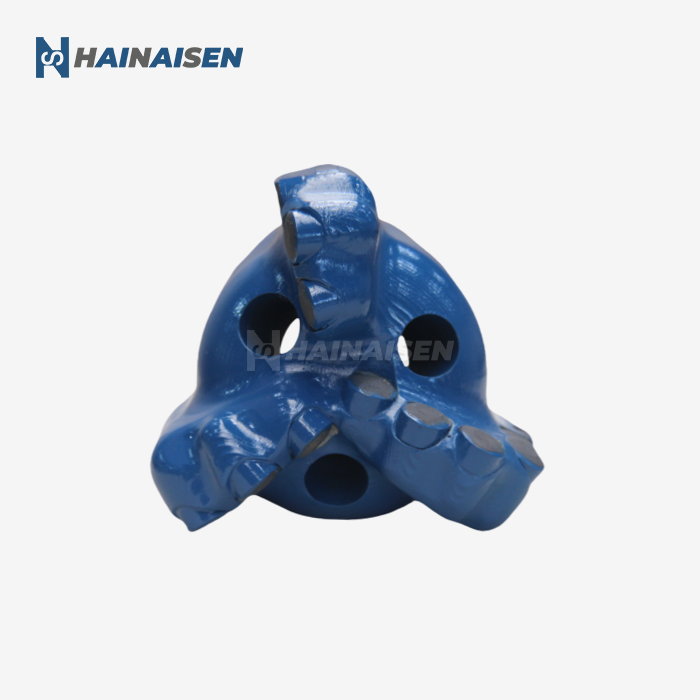 VIEW MORE113mm Three Wing Arc Angle Drill Bit
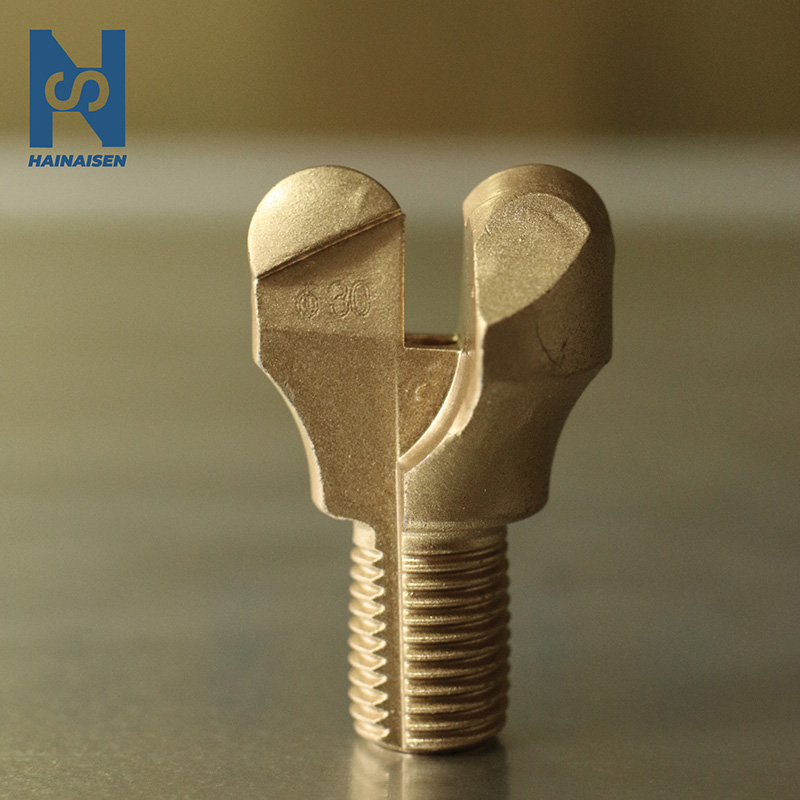 VIEW MORE34 And A Half Whole Coal Mine Mining Anchor Drill Bits
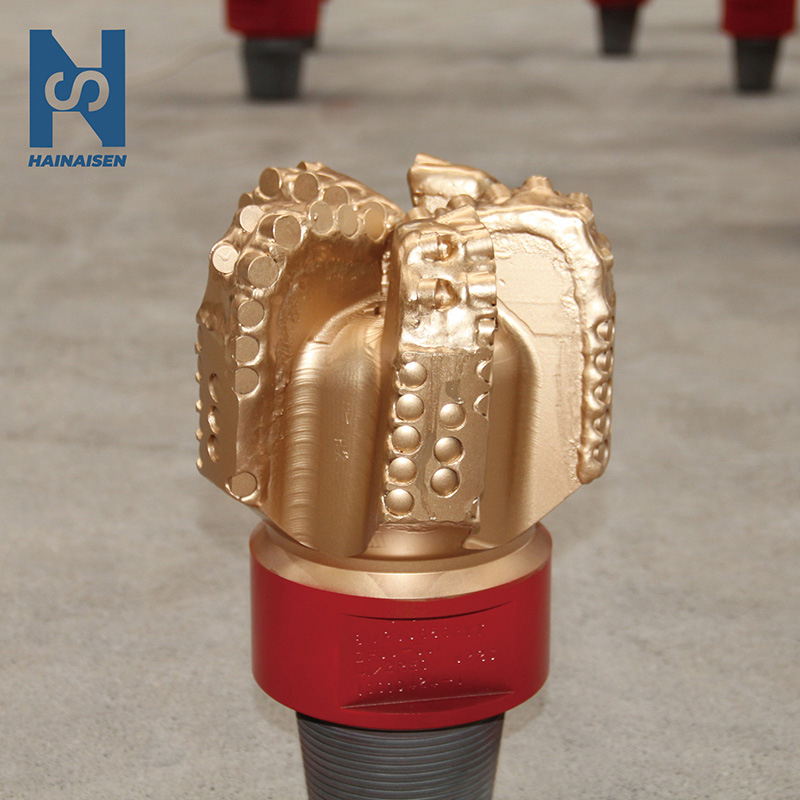 VIEW MORE5 Blades PDC Oil Bit
 VIEW MOREFour Blade PDC Drill Bit
logo 1_1768204983068.jpg) VIEW MOREPDC Core Drill Bit With 8 Blades For Hole Drilling Used In Mining
VIEW MOREPDC Core Drill Bit With 8 Blades For Hole Drilling Used In Mining VIEW MORE4 Wings Blades PDC Bit
 VIEW MOREDiamond Drill Bit Oil Rig
 VIEW MOREFour Blade Wing Petroleum Drill Bit
