







Three Blades Rock Drill Bit: ROP vs Stability Trade-Off
When drilling through geological formations, balancing speed with precision becomes a constant challenge. The three bladed rock drill bit represents a specialised solution engineered to address this fundamental trade-off between rate of penetration (ROP) and drilling stability. This rotary drilling tool employs three symmetrical cutting wings designed to deliver exceptional penetration rates while maintaining vertical hole trajectory, particularly in soft to medium-hard formations where conventional bits struggle with efficiency. Understanding how these bits balance aggressive cutting action with controlled directional stability helps procurement managers and technical engineers make informed decisions that directly impact operational costs and project timelines.
Understanding the Three Blades Rock Drill Bit
Design, Architecture, and Cutting Mechanics
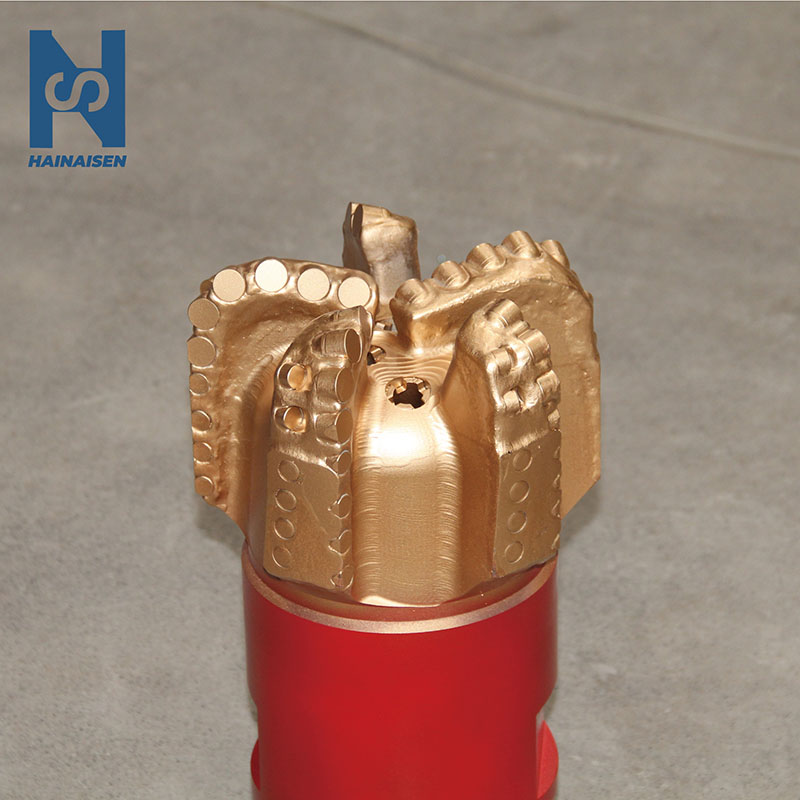
The three-blade configuration differs fundamentally from traditional button bits or PDC alternatives. Each blade extends radially from the central body at 120-degree intervals, creating a self-sharpening mechanism as the bit rotates. This geometry maximises contact pressure at the cutting edge while providing ample space between blades for efficient cutting evacuation. The strategic blade positioning allows for higher mechanical energy concentration per contact point compared to bits with four or more wings.
Our manufacturing process at HNS incorporates precision engineering standards that ensure blade symmetry within a 0.05 mm tolerance. This exactness prevents unbalanced rotation that typically causes premature wear and hole deviation. The blade face angle, usually ranging between 30 and 45 degrees depending on target formation hardness, determines how aggressively the bit engages with rock surfaces.
Material Composition and Structural Integrity
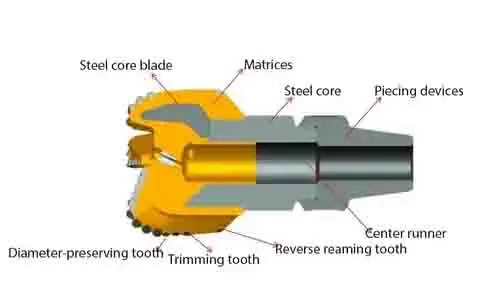
Premium-grade materials define the performance ceiling of any drilling tool. The bit body begins as forged alloy steel—typically 42CrMo or 40CrNiMo grades—heat-treated to achieve 38-42 HRC core hardness. This metallurgical foundation withstands torsional stresses exceeding 15,000 Nm during operation. The cutting elements receive special attention in our production workflow. We precision-engineer inserts from high-quality tungsten carbide (YG8 or YG11C grades) for robust toughness in heavy-duty scenarios, while PDC cutters deliver superior hardness in abrasion-resistant applications.
The brazing process that bonds carbide inserts to the steel body undergoes ultrasonic flaw detection to eliminate internal voids that could lead to insert detachment downhole. Our quality control team verifies that each braze joint's shear strength meets minimum thresholds of 380 MPa. The enhanced cooling system integrates optimised flushing ports positioned strategically to maximise chip removal efficiency while preventing thermal degradation of cutting elements. These water holes are angled to create turbulent flow patterns that lift cuttings away from the cutting face, reducing regrinding that accelerates wear.
How Blade Geometry Influences Drilling Dynamics?
Blade shape directly governs both penetration speed and hole stability. Aggressive blade profiles with sharper attack angles increase ROP substantially but sacrifice directional control. Our engineering team has refined blade geometry through finite element analysis and field testing to identify optimal configurations for specific formation types. The stepped cutting edge design facilitates progressive rock engagement—outer gauge cutters establish hole diameter while inner positioned cutters break formation cores into manageable fragments.
This progressive cutting action in a three-bladed rock drill bit distributes load across multiple contact points, reducing instantaneous impact forces that cause micro-fractures in carbide inserts. The blade thickness at the gauge position typically measures 12-18mm to maintain hole diameter throughout the bit's operational life. As gauge wear progresses, the bit diameter gradually decreases, which can complicate casing installation if not monitored properly.
ROP vs Stability: Trade-Off Analysis in Three-Bladed Rock Drill Bits
Defining Rate of Penetration in Operational Terms
The rate of penetration measures the vertical distance a drill bit advances per unit of time, typically expressed in metres per hour or feet per hour. This metric directly correlates with project completion timelines and equipment utilisation rates. Higher ROP reduces rig time, lowers fuel consumption, and decreases labour costs—critical factors for profitability in competitive markets. The three-blade design inherently favours faster penetration rates due to reduced blade contact area compared to multi-blade alternatives. With fewer cutting edges engaging the formation simultaneously, each blade applies greater specific pressure, creating deeper indentation and more efficient rock failure mechanisms.
Understanding Drilling Stability and Its Importance
Drilling stability encompasses hole straightness, bit trajectory control, and vibration management. Unstable drilling conditions manifest as spiralling holes, excessive lateral deviation, and destructive vibration patterns that damage both the bit and drill string components. Stability becomes especially critical in directional drilling applications, where maintaining a planned wellbore trajectory determines reservoir contact and production potential. The three-blade configuration's symmetrical design promotes balanced rotation when properly maintained, yet its aggressive cutting action can introduce instability in heterogeneous formations with varying hardness layers.
Key Performance Factors in the Trade-Off Equation
Several interconnected variables determine where a specific bit falls on the ROP-stability spectrum. Rock type ranks as the primary consideration—homogeneous sandstone formations allow aggressive penetration with minimal stability concerns, while interbedded shale and limestone sequences demand more conservative operating parameters. Rotational speed creates a direct correlation with ROP up to a formation-specific threshold, beyond which additional RPM generates heat without corresponding penetration gains. Weight-on-bit (WOB) produces similar effects—optimal loading maximises ROP, while excessive weight triggers bit bouncing and erratic behaviour.
Hydraulic parameters significantly influence both performance dimensions. Adequate fluid circulation velocity prevents cuttings accumulation that impedes bit advancement and causes instability. Our enhanced cooling system addresses this by providing 15-20% greater flow efficiency compared to standard flushing configurations. Bit diameter also plays a role, with larger bits exhibiting greater directional stability due to increased contact area, though at the expense of penetration speed.
Comparative Performance Against Alternative Configurations
Field data from coal mining operations demonstrates that three-blade bits consistently achieve 12-18% higher ROP than four-blade equivalents in soft sedimentary rock, attributed to reduced friction and improved cuttings transport. The larger junk slots between blades facilitate faster debris evacuation, preventing the bit balling that commonly affects narrower slot designs. In geological surveys requiring 5-inch diameter core samples through weathered limestone, our three-blade bits completed holes 23% faster than competing products while maintaining verticality within 1.5 degrees per 100 feet—meeting industry standards for core drilling precision.
Water well drilling teams operating in unconsolidated alluvial deposits report particular success with three-blade oil drilling bit designs. The bits' self-cleaning characteristics prevent clay adhesion that plagues PDC Bits in sticky formations. This operational advantage translates directly to reduced tripping frequency for bit cleaning, cutting overall project duration significantly.
Choosing the Right Three-Cone Rock Drill Bit for Your Procurement Needs
Matching Bit Specifications to Formation Characteristics
Successful bit selection begins with an accurate geological assessment. Soft formations with compressive strength below 80 MPa benefit from wider blade spacing and more aggressive attack angles that our standard configuration provides. Medium-hard rock ranging from 80 to 150 MPa requires a balanced design that HNS engineers optimise through proprietary blade profiling. Extremely hard or abrasive formations exceeding 150 MPa may necessitate PDC cutter integration rather than pure tungsten carbide inserts to achieve acceptable service life.
The presence of abrasive minerals like quartz substantially accelerates wear, making material selection crucial. Our technical team assists procurement managers in analysing core samples or formation logs to recommend appropriate cutter grades. Weathered zones with erratic hardness transitions demand bits engineered for impact resistance over pure abrasion resistance—a distinction that separates successful applications from premature failures.
Cost-Effectiveness Analysis for Budget Optimisation
Upfront acquisition cost represents only one component of total ownership expense. Lifecycle value calculations must incorporate penetration rate, operational lifespan, and maintenance requirements. A moderately priced bit completing holes 30% faster with equivalent durability delivers superior return-on-investment compared to cheaper alternatives requiring extended drilling time. Our relationship with coal mining companies illustrates this principle—sample testing consistently demonstrates that our bits' wear resistance extends operational life by 40-60 hours compared to price-competitive alternatives, offsetting initial cost differences through reduced replacement frequency.
Bulk procurement offers additional economic advantages. Volume commitments enable customised manufacturing runs that optimise bit specifications for your specific applications without the premium typically associated with bespoke engineering. HNS provides tiered pricing structures that reward long-term partnerships with medium and large oil service companies seeking standardised specifications across multiple drilling operations.
Supplier Evaluation and Partnership Considerations
Supplier reliability extends beyond product quality to encompass technical support, customisation capabilities, and after-sales service. At HNS, our dedicated research and development team collaborates with clients to design custom bit configurations addressing unique drilling challenges. This engineering partnership proves invaluable when standard catalogue specifications inadequately serve specialised applications. Our 3,500-square-metre facility houses modern production workshops equipped with 5-axis machining centres and CNC machine tools that enable rapid prototyping and production scalability.
Quality Certifications provide objective supplier assessment criteria for oil drilling bit procurement. ISO 9001 compliance ensures consistent manufacturing processes, while API thread specifications guarantee compatibility with standard drill strings. Material traceability through complete mill test reports documents alloy composition and heat treatment verification—critical for high-consequence applications in oil and gas exploration, where bit failure risks significant non-productive time.
Conclusion
The balance between penetration speed and drilling precision defines the practical utility of any drilling tool across varied geological conditions. Three-blade designs deliver measurable advantages in specific applications where their enhanced cutting efficiency and superior cutting evacuation characteristics align with formation properties and project objectives. Procurement decisions integrating geological analysis, lifecycle cost evaluation, and supplier capability assessment position drilling operations for optimal performance and economic efficiency. The engineering refinements and quality manufacturing processes that distinguish premium bits from commodity alternatives translate directly into reduced operational costs through faster drilling, extended bit life, and minimised downtime. Successful implementation requires matching bit specifications to application requirements while maintaining disciplined operational practices that preserve equipment integrity throughout its service life.
FAQ
1. What specific advantages do three-blade drill bits provide over other configurations?
Three-blade bits create larger junk slots between cutting surfaces, improving cutting evacuation efficiency by approximately 15-20% compared to four-blade designs. This enhanced debris removal prevents regrinding and reduces friction, directly increasing ROP. The reduced blade count also concentrates weight on bits across fewer contact points, generating higher specific pressure that facilitates rock failure in soft to medium formations.
2. How can drilling teams optimise efficiency while maintaining acceptable stability?
Optimisation requires systematic parameter adjustment within Manufacturer specifications. Begin with conservative rotational speed and weight-on-bit settings, gradually increasing while monitoring vibration levels and penetration response. The optimal operating point produces maximum ROP without excessive torque fluctuation or lateral deviation. Real-time parameter monitoring and operator experience development prove essential for consistent performance across varying geological conditions.
3. What maintenance practices prevent premature bit wear?
Immediate high-pressure washing after each use removes corrosive residues that accelerate deterioration. Regular inspection identifies developing problems before catastrophic failure occurs. Proper storage on padded horizontal racks in climate-controlled environments minimises physical and corrosion damage. Thread inspection using API-certified gauges ensures connection integrity. These disciplined practices typically extend operational life 30-50% beyond equipment receiving minimal post-use care.
Partner with HNS as Your Trusted Three Blades Rock Drill Bit Manufacturer
Drilling efficiency directly impacts your operational profitability and project completion timelines. At Shaanxi Hainaisen Petroleum Technology Co., Ltd., we combine advanced manufacturing capabilities with deep industry expertise accumulated since 2013, serving oil and gas, coal mining, geological surveying, and construction sectors worldwide with Three Blades Rock Drill Bit solutions. Our commitment to quality manifests through rigorous quality control protocols, including ultrasonic flaw detection, dimensional metrology, and complete material traceability. The exceptional cutting efficiency, superior wear resistance, and optimised blade design of our Three Blades Rock Drill Bit deliver measurable performance advantages that reduce your total cost of ownership. Our custom bit design team collaborates with your technical staff to engineer solutions precisely matching your formation challenges and operational requirements. Reach out to our procurement specialists at hainaisen@hnsdrillbit.com to discuss how our drilling solutions can optimise your operations and strengthen your competitive position in demanding markets.
References
1. Smith, J.R. and Thompson, M.K. (2021). "Advanced Drilling Technologies for Petroleum Exploration: Design Principles and Performance Analysis." Society of Petroleum Engineers Technical Publication Series, Volume 47, pp. 212-245.
2. Chen, L., Wang, H., and Rodriguez, A. (2020). "Comparative Performance Study of Multi-Blade Drill Bit Configurations in Sedimentary Formations." International Journal of Rock Mechanics and Mining Sciences, Vol. 134, Article 104421.
3. Anderson, P.D. (2022). "Material Selection and Heat Treatment Optimization for Rotary Drill Bits." American Society of Mechanical Engineers, Drilling Technology Symposium Proceedings, Houston, Texas, pp. 89-116.
4. Kumar, S. and Mitchell, R.F. (2019). "Hydraulic Optimization in Rotary Drilling Operations: Flow Dynamics and Cuttings Transport Efficiency." Journal of Petroleum Science and Engineering, Vol. 182, pp. 1-18.
5. Williams, G.T., Baker, C.L., and Foster, D.M. (2020). "Quality Control Standards and Testing Methodologies for Tungsten Carbide Drill Bit Components." International Organization for Standardization Technical Committee Report ISO/TC 82.
6. Zhang, Y. and O'Brien, P. (2021). "Field Performance Evaluation of Three-Wing Drag Bits in Coal Measure Drilling Applications." Mining Engineering Journal, Vol. 73, No. 8, pp. 54-62.
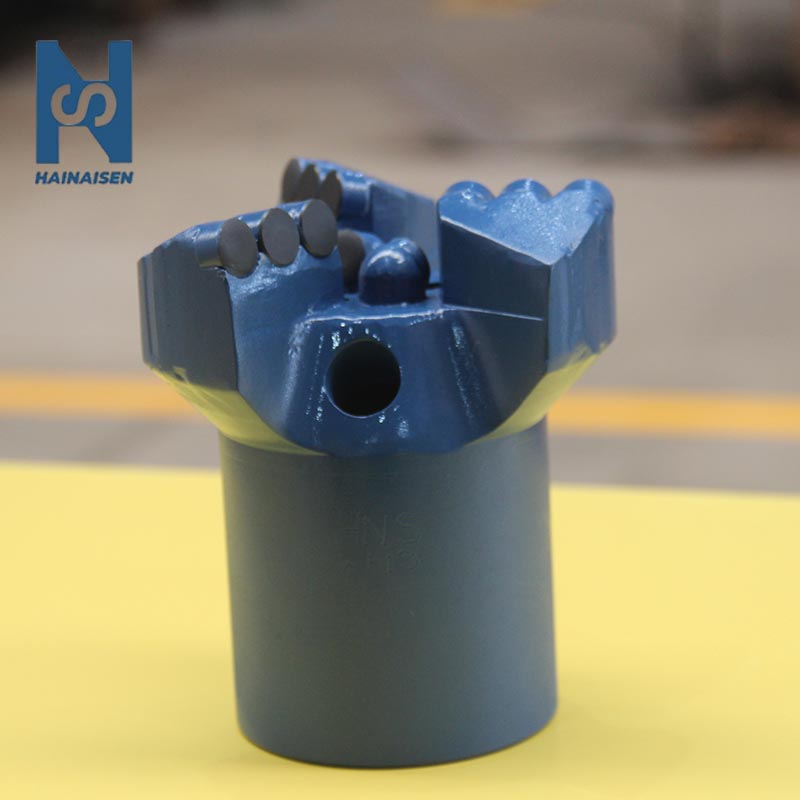 VIEW MORE3 Blades PDC Mining Bits
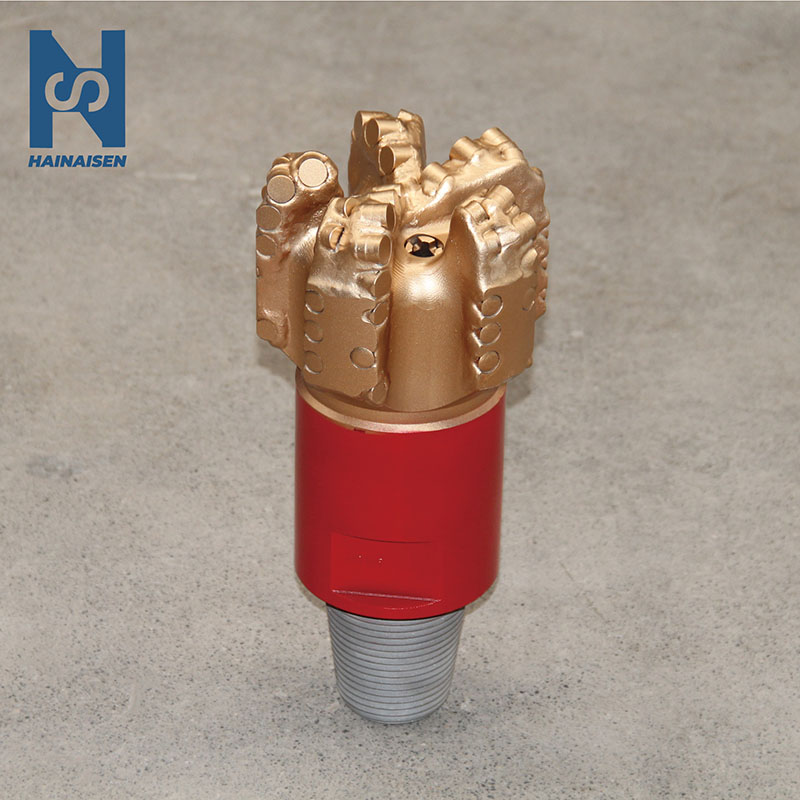 VIEW MORE5 Blade Matrix Body PDC Drill Bits
logo 2_1777360600432.jpg) VIEW MORECoal Mine Drilling Drill Bit Directional Three Blade PDC Drill Bit
VIEW MORECoal Mine Drilling Drill Bit Directional Three Blade PDC Drill Bitlogo 2_1777361643767.jpg) VIEW MORE94mm Four Wing Arc Angle Drill Bit
VIEW MORE94mm Four Wing Arc Angle Drill Bitlogo 1_1768204983068.jpg) VIEW MOREPDC Core Drill Bit With 8 Blades For Hole Drilling Used In Mining
VIEW MOREPDC Core Drill Bit With 8 Blades For Hole Drilling Used In Mining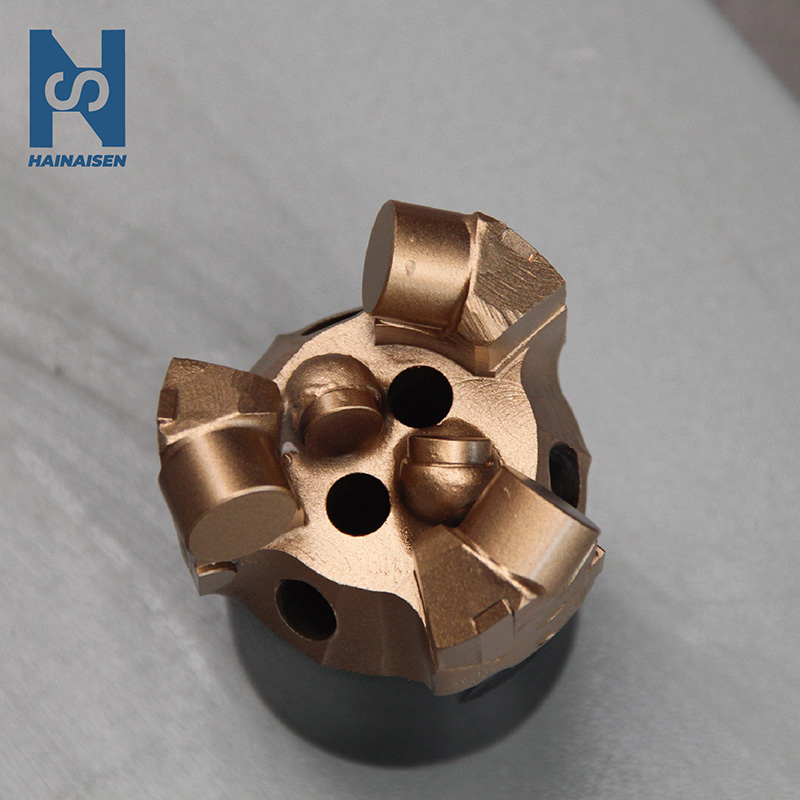 VIEW MORECoal Mines Use Haineisen PDC Drill Bits
 VIEW MORE5 Blades Steel Body High Performance PDC Rock Drill Bits
logo 4_1777360540990.jpg) VIEW MOREDrilling Tool Coal Mining Bit
VIEW MOREDrilling Tool Coal Mining Bit
