







Four Blade Wing Petroleum Drill Bit for Sandstone Formations
When digging through shale, picking the right tool is very important. If you don't, your job could be delayed, which will cost a lot of money. A four blade wing petroleum drill bit is a well-thought-out tool made to deal with the unique problems that come up with sandstone rock. The four symmetrical cutting blades on these bits are equipped with polycrystalline diamond compact (PDC) cutters or tungsten carbide inserts. This gives them more stability, better penetration rates, and longer service life in medium-hardness rocks where sandstone is common. Oil and gas companies, water well-digging teams, and mining companies that need solid performance in rough natural conditions can't do without this technology.
Understanding Four Blade Wing Petroleum Drill Bits and Their Role in Sandstone Drilling
These specialised bits are built differently from regular drilling tools because they were made with the roughness of sandstone in mind before they were made.
Basic Architecture and Material Composition
Our four-blade wing bits are made from a solid, one-piece body made of heat-treated 4140 alloy steel. This gives them great structural stability that can handle high temperatures and pressures downhole. This base gives the building the strength it needs to last for a long time in tough conditions. Tungsten carbide plates, which are usually 5.5 mm thick and perfectly placed, were chosen for their great toughness and resistance to wear. These pieces are put carefully inside carved holes in the cast parts. This makes sure that they are perfectly aligned and stay in place, which directly leads to better cutting and longer machine life.
Precision in manufacturing has a big effect on efficiency for wing bit drilling. We use CNC threaded cutting to make threads that fit drill strings perfectly and securely. This level of accuracy keeps the power transfer stable during drilling operations and reduces shaking. Skilled workers hand-grind specific relief angles behind each carbide insert. This makes it easier for cuts to escape and stops material buildup, which would otherwise make cutting less effective.
How Does a Four-Blade Design Improve Penetration and Stability?
There are clear benefits to using a four-blade setup over a three-blade design. More contact points with the borehole wall are made when the blades are spread out evenly. This makes the holes straighter and less likely to deviate, which is very important when drilling through stacked sandstone rocks where natural irregularities can cause bits to wander. The symmetrical design spreads cutting forces more evenly, which makes bit spin less likely and helps the drilling action stay steady. This stability directly leads to a better rate of penetration (ROP) and less shaking, which makes the bit last longer and the drilling tools that go with it last longer, too.
Evolution of Wing Bit Technology
Old-fashioned drag bits with two or three blades had trouble staying balanced and didn't have much cutting surface, limiting the stability and efficiency of wing bit drilling. As oil drilling moved into harder-to-reach layers, makers saw the need for more cutting efficiency and steadiness. As designs changed from two blades to four, improvements were made to the shape of the blades, which let engineers break up rocks more efficiently while wasting less energy. Breakthroughs in material science led to the creation of tougher carbide types and heat treatment methods that made them last a lot longer. Today's four-blade wing bits are the result of decades of improvement. They combine the best metalworking techniques with computer-aided design to make tools that work perfectly with sandstone's varying hardness and middling compression strength.
Performance Analysis and Benefits of Four Blade Wing Petroleum Drill Bits for Sandstone
Understanding how these bits perform in real-world conditions helps procurement professionals justify their investment and set realistic project expectations.
Rate of Penetration and Torque Management
Sandstone rocks usually have a medium toughness and a low to middling tensile strength. This makes them perfect for using PDC and carbide-insert bits. The four-blade design has a bigger cutting area than designs with fewer blades, so more cutters can work on the shape at the same time. This spread-out cutting movement makes ROP better and better controls the force. Large junk holes between the blades allow better hydraulic flow, which flushes the cuttings away from the bit face and stops the need for re-grinding, which costs energy and speeds up wear.
When used in the field, these four-blade-wing petroleum drill bit bits regularly show ROP gains of 15% to 30% compared to three-blade bits in the same sandstone circumstances. When drilling through interbedded sandstone and shale sequences, operators say the changes between layers are smoother, and there are fewer stick-slip noises, which can damage bits and other downhole equipment. The balanced shape reduces the side forces that wear out bearings too quickly in rotating systems. This makes it possible for longer runs between bit changes.
Durability and Cost-Effectiveness Analysis
When looking at the total cost of ownership, four-blade wing bits are clearly better. The tungsten carbide plates and wear-resistant PDC cutters keep cutting well for a lot longer than regular steel-tooth bits. When bits last longer, they don't have to be replaced as often, which is important because trips waste useful rig time and raise project costs. Less shaking saves not only the bit but also the whole drill string, which means that the whole system needs less upkeep.
A Wyoming coal miner said that using four-blade PDC Bits for sandstone overburden drilling increased bit life by 40% on average. This meant that fewer bit changes were needed to finish wells, which cut down on wasted time and lower per-foot drilling costs. Water well drilling teams like how cost-effective it is because the longer service life makes up for the higher initial investment. This is especially helpful for small businesses that are trying to stay within their budgets.
Comparative Advantages Over Alternative Bit Types
Wing bit drilling delivers outstanding performance when used with roller cone bits, four-blade wing designs get rid of the complicated bearing systems that often break in sandstone settings that are rough. PDC bits keep their cutting shape the same over time, but roller cone teeth wear down differently, which makes cutting less efficient because it's not balanced. Compared to three-blade bits, the extra blade makes the bit more balanced and offers redundancy—if one of the cutting structures gets damaged, the other three will still work until the bit can be changed at a convenient time, instead of having to be tripped right away.
These practical benefits add value in a number of different business areas. Large oil service companies are better able to compete because digging is more efficient and there is less downtime. Coal mining companies like that are better in both quality and price. The bits cost more at first, but they save money in the long run. Teams that drill water wells find that stability lowers the risks of the project. This is especially helpful when working in rural areas where broken equipment can cause long delays.
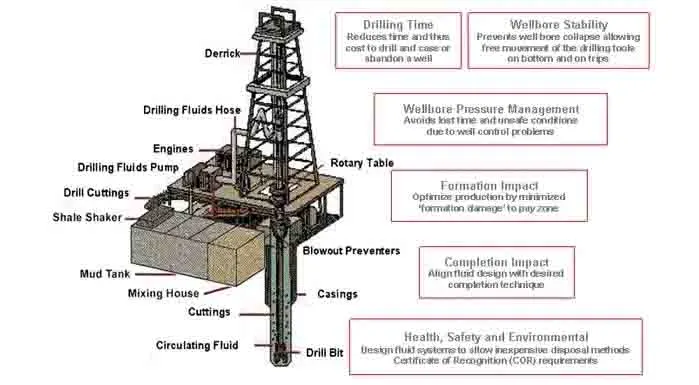
Selecting the Right Four-Blade Wing Petroleum Drill Bit for Your Sandstone Projects
Effective procurement begins with matching bit specifications to formation characteristics and project requirements.
Interpreting Geological Data for Bit Selection
Sandstone formations vary considerably in grain size, cementation, and embedded minerals. Fine-grained, well-cemented sandstones demand different cutting structures than loosely consolidated formations. Technical engineers should review geological surveys to identify hardness ranges, abrasiveness levels, and potential interbedded formations. Sandstone with high quartz content presents greater abrasiveness, requiring bits with enhanced wear protection. Formations containing clay layers may cause bit balling, necessitating aggressive hydraulic designs that prevent cuttings accumulation.
Bit sizing depends on the planned hole diameter and the capabilities of available drilling equipment. Standard sizes range from 3.5 inches for water well applications to 17.5 inches for large-diameter petroleum wells. Matching bit specifications to formation properties ensures optimal performance—undersized bits struggle with ROP, while oversized selections waste hydraulic energy and may exceed equipment torque capabilities.
Material Selection and Technological Features
The choice between PDC cutters and tungsten carbide inserts depends on formation characteristics and budget constraints. PDC bits excel in consistent sandstone formations, delivering superior ROP and extended life. Tungsten carbide insert bits cost less initially and handle variable formations with occasional hard stringers more forgivingly, though they typically wear faster in sustained operation. Enhanced wear resistance coatings—including diamond-like carbon films and titanium nitride treatments—extend cutter life in highly abrasive conditions.
Blade geometry significantly influences oil & gas bits' performance. Aggressive blade angles improve penetration in softer sandstone but may cause excessive vibration in harder formations. Manufacturers offer various profiles optimised for specific hardness ranges. Our dedicated research and development team at HNS can customise blade configurations, insert placement, and hydraulic features to match unique project requirements, providing tailored solutions that off-the-shelf products cannot deliver.
Sourcing from Reputable Manufacturers
Procurement professionals must evaluate suppliers based on manufacturing capabilities, quality assurance processes, and after-sales support. Established manufacturers maintain Certifications demonstrating adherence to industry standards. Our 3,500-square-metre facility in Xi'an features modern production workshops with 5-axis machining centres, CNC machine tools, and automated welding production lines that ensure consistent quality across production runs. This advanced equipment enables precision manufacturing that directly impacts bit performance and reliability.
Supplier reputation matters considerably in B2B procurement. Companies with proven track records in oil and gas, mining, and water-well sectors bring valuable application expertise that informs product recommendations. Technical support throughout the bit selection process helps match products to specific geological conditions, reducing the risk of performance disappointments. Warranty coverage and clear return policies provide additional assurance, particularly important for international buyers managing complex supply chains.
Procurement Strategies for Four Blade Wing Petroleum Drill Bits
Strategic sourcing practices optimise both product quality and total procurement costs for global B2B clients.
Identifying Optimal Procurement Channels
Direct manufacturer relationships typically offer the best value for medium and large-sized oil service companies with substantial ongoing requirements. Establishing partnerships with manufacturers enables customisation, volume discounts, and priority production scheduling. Online B2B platforms provide convenient access to multiple suppliers, facilitating price comparisons and specification reviews. These platforms work well for standard sizes and configurations when immediate availability matters more than customisation.
Bulk purchasing agreements deliver significant per-unit cost reductions while ensuring consistent supply for extended projects. Coal mining companies benefit particularly from negotiating volume contracts that balance quality requirements with price advantages. Custom orders through manufacturers accommodate unique specifications—specialised sizes, proprietary cutter configurations, or application-specific hydraulic designs that address challenging drilling conditions.
Negotiating Pricing and Managing Logistics
Effective negotiation requires understanding market dynamics and supplier cost structures. Tungsten carbide and diamond pricing fluctuates with commodity markets, influencing bit costs. Savvy procurement managers monitor these trends to time large purchases advantageously. Payment terms affect total costs—suppliers often offer discounts for advance payment or larger deposits, though buyers must balance savings against cash flow management.
International logistics demand careful planning to protect product integrity during transit. Bits require secure packaging that prevents damage to cutting structures and threads. Shipping methods balance cost against delivery speed—ocean freight suits large orders when timing allows, while air freight accommodates urgent requirements despite higher costs. Clear documentation regarding customs classifications and import duties prevents unexpected expenses and delays at borders.
Evaluating Supplier Quality and Reliability
Beyond product specifications, supplier evaluation should examine manufacturing certifications, client testimonials, and after-sales support capabilities. ISO certifications indicate quality management systems that promote consistent manufacturing outcomes. Client reviews from companies in similar industries provide insights into real-world performance and supplier responsiveness to issues.
After-sales support frameworks separate exceptional suppliers from adequate ones in the oil & gas bits industry. Technical assistance during bit selection, troubleshooting guidance when performance issues arise, and warranty claim responsiveness all contribute to total value. Companies like HNS, with over a decade of specialisation in drill bit manufacturing since our establishment in 2013, bring accumulated expertise that helps clients avoid common pitfalls and optimise drilling outcomes. Our integrated technical solutions approach addresses not just product supply but comprehensive drilling challenges.
Conclusion
Four-blade wing petroleum drill bits deliver measurable advantages in sandstone drilling applications across oil and gas, mining, and water-well sectors. Their balanced design provides superior stability, improved penetration rates, and extended service life compared to alternative technologies. Procurement professionals optimising drilling efficiency must evaluate formation characteristics carefully, select appropriate specifications, and partner with reputable manufacturers offering both quality products and technical expertise. Proper maintenance practices and attention to operational parameters maximise bit performance and project economics. As drilling challenges grow more complex and cost pressures intensify, these specialised tools represent proven solutions that deliver reliable results in demanding sandstone formations.
FAQ
1. What factors most significantly influence bit lifespan in abrasive sandstone?
Formation abrasiveness represents the primary wear factor—sandstone with high quartz content and angular grains accelerates cutter degradation. Operating parameters also matter considerably: excessive weight-on-bit causes premature cutter failure, while inadequate rotation speeds reduce cutting efficiency. Hydraulic effectiveness impacts lifespan by determining how efficiently cuttings are removed, preventing regrinding that wastes energy and accelerates wear.
2. How does the four-blade design specifically improve drilling efficiency?
The additional blade provides more cutting surface area, engaging the formation simultaneously, improving penetration rates. Balanced geometry distributes cutting forces uniformly, reducing vibration that causes premature wear and allowing higher operating parameters. Enhanced stability produces straighter holes with less deviation, particularly valuable in directional drilling applications where maintaining planned trajectories matters critically.
3. Can bits be customised for specific geological conditions?
Reputable manufacturers offer extensive customisation options. Blade angles, cutter placement, insert sizes, and hydraulic configurations can be tailored to formation characteristics. HNS maintains a dedicated custom bit design department that collaborates with clients to develop solutions addressing unique drilling challenges, from specialised formations to unusual hole sizes not covered by standard product lines.
Partner with HNS for Superior Sandstone Drilling Solutions.
Drilling success in sandstone formations demands more than adequate equipment—it requires partnership with a four-blade wing petroleum drill bit manufacturer committed to your operational excellence. Shaanxi Hainaisen Petroleum Technology Co., Ltd. brings over a decade of specialised expertise, modern manufacturing capabilities, and comprehensive technical support that transform drilling challenges into competitive advantages. Our advanced facility produces precision-engineered bits combining proven PDC and tungsten carbide technologies with customisable designs matching your specific geological conditions.
Whether you represent a major oil service company requiring rigorous quality standards, a coal mining operation balancing performance with budget constraints, or a water well drilling team seeking reliable, cost-effective solutions, our product range and custom design capabilities serve your requirements. We support bulk procurement with competitive pricing, manage international logistics efficiently, and provide after-sales technical assistance, ensuring optimal bit performance throughout service life. Contact our team at hainaisen@hnsdrillbit.com to discuss your sandstone drilling requirements and discover how our Four Blade Wing Petroleum Drill Bit solutions deliver measurable improvements in penetration rates, operational efficiency, and total project economics.
References
1. Bourgoyne, A.T., Millheim, K.K., Chenevert, M.E., and Young, F.S. (1991). Applied Drilling Engineering. Society of Petroleum Engineers Textbook Series, Volume 2.
2. Mitchell, R.F. and Miska, S.Z. (2011). Fundamentals of Drilling Engineering. Society of Petroleum Engineers.
3. Bellin, F., Dourfaye, A., King, W., and Thigpen, M. (2010). "The Current State of PDC Bit Technology." World Oil, 231(9), 41-46.
4. Clegg, J.M. (2007). "Petroleum Engineering Handbook: Drilling Engineering." Society of Petroleum Engineers, Volume II.
5. Warren, T.M. and Smith, M.B. (1985). "Bottomhole Stress Factors Affecting Drilling Rate at Depth." Journal of Petroleum Technology, 37(8), 1523-1533.
6. Winters, W.J., Warren, T.M., and Onyia, E.C. (1987). "Roller Bit Model with Rock Ductility and Cone Offset." SPE Annual Technical Conference and Exhibition, Paper SPE 16696.
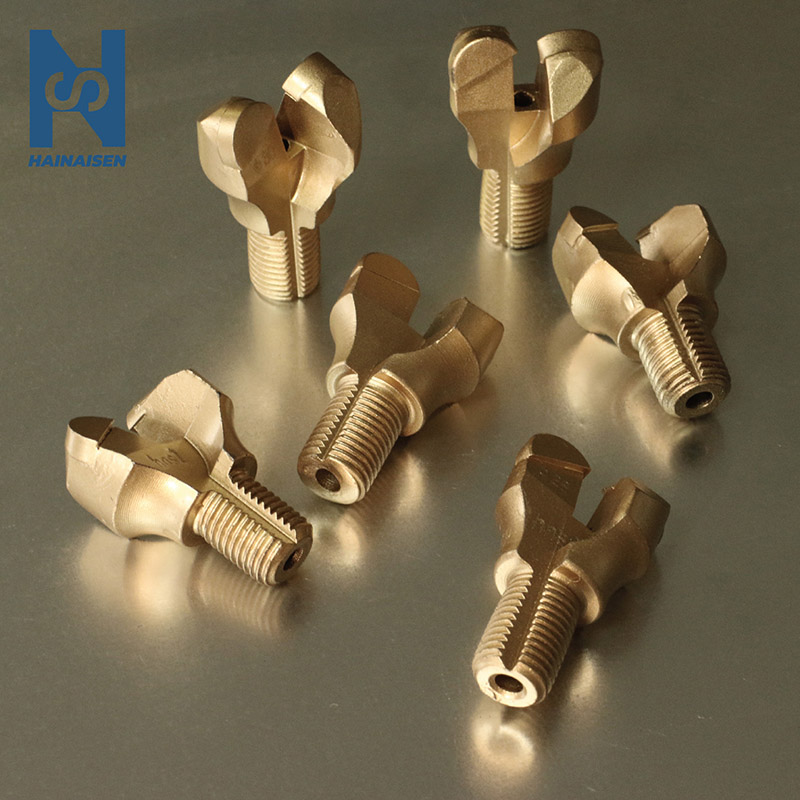 VIEW MORECoal Mining Tools PDC Anchor Drill Bit 28mm
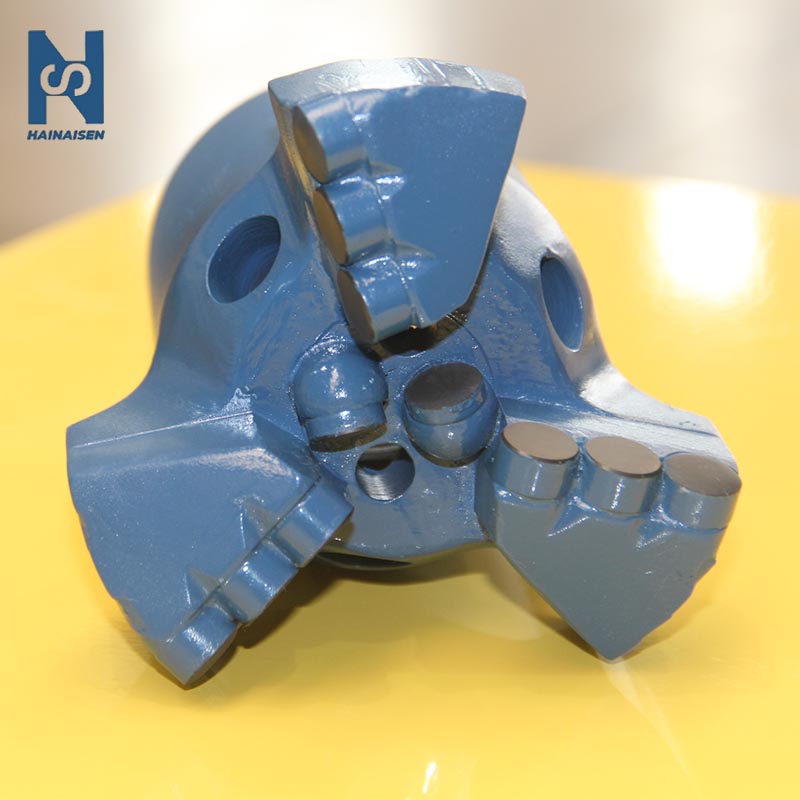 VIEW MOREBest Diamond Drill Bits
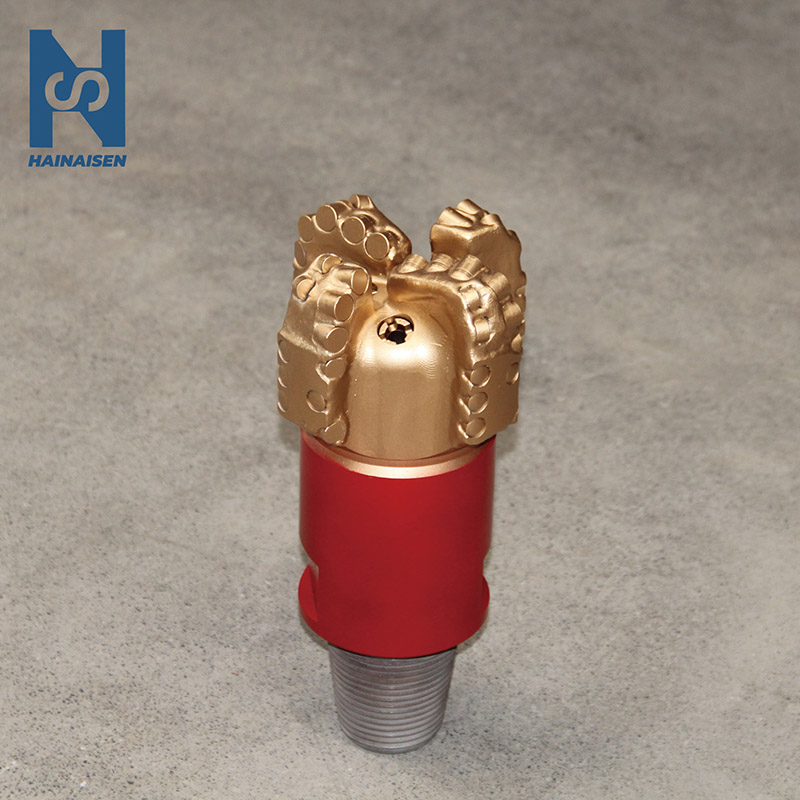 VIEW MOREFour Blade Wing Oil Drilling Tool
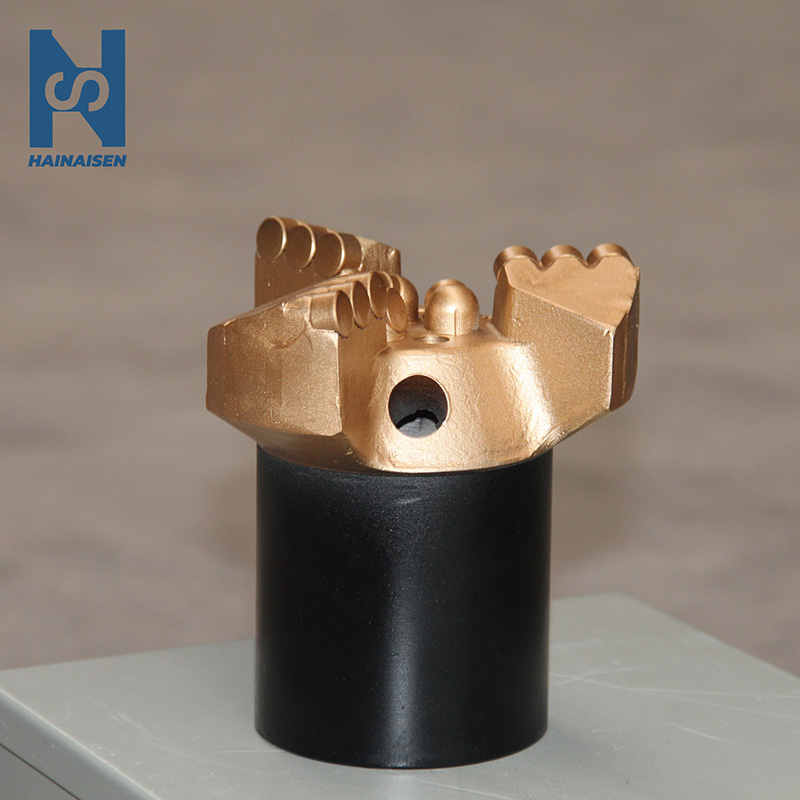 VIEW MORE113mm 3 Blades Steel Body PDC Bit
logo 1_1777361785830.jpg) VIEW MORE94mm PDC Flat Top Sintered Drill Bit
VIEW MORE94mm PDC Flat Top Sintered Drill Bit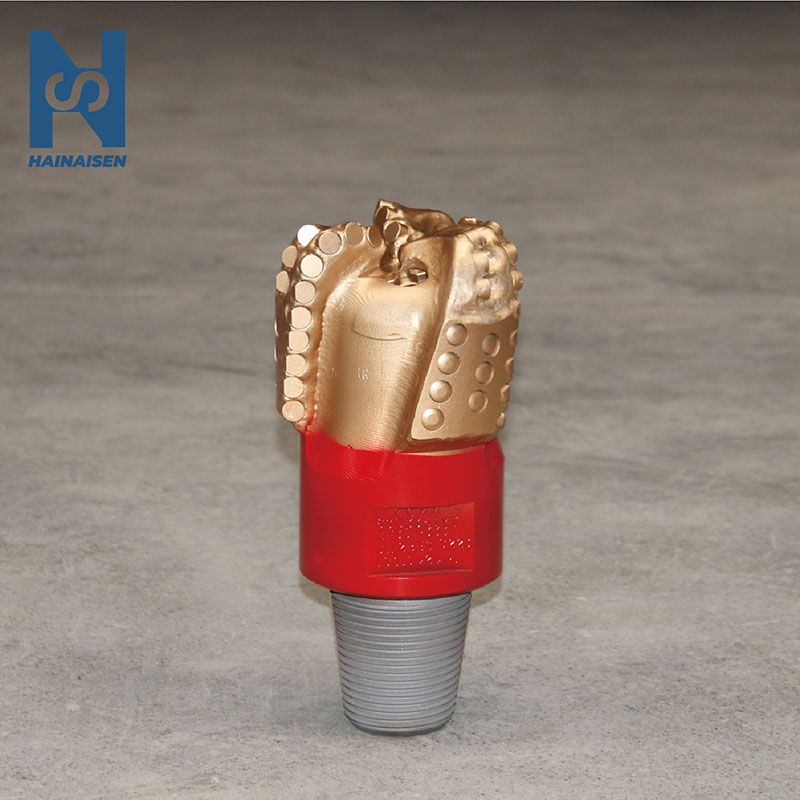 VIEW MOREThree Blade PDC Tricone Drill Bit
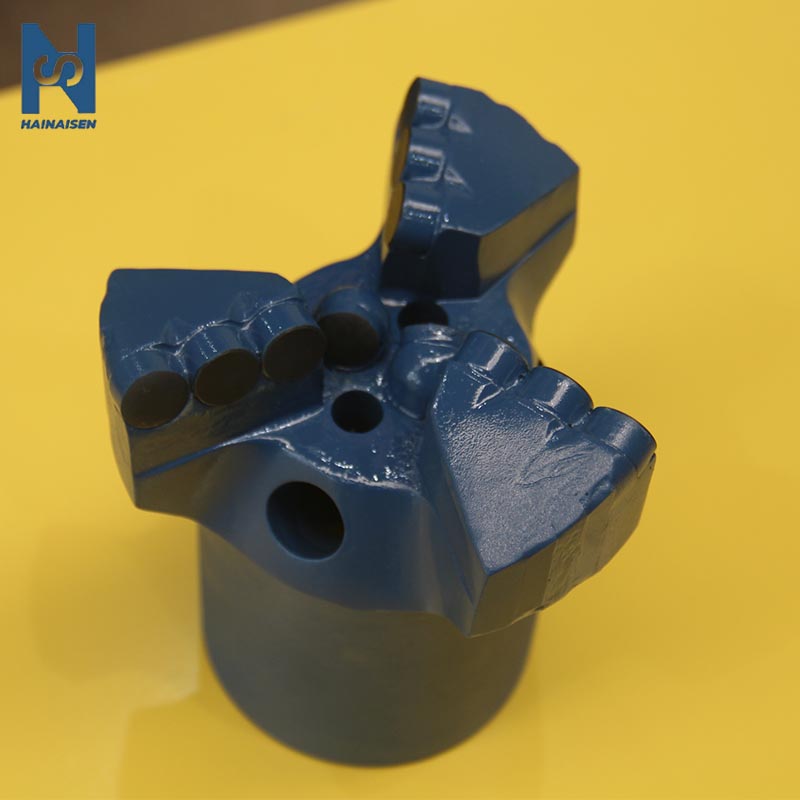 VIEW MOREPolycrystalline Diamond Drill Bits
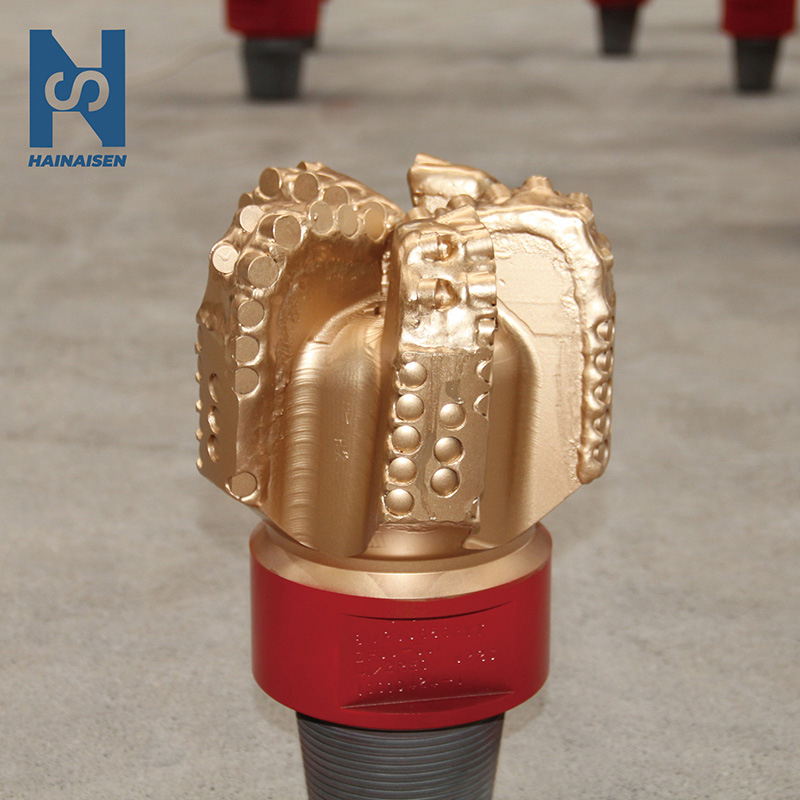 VIEW MORE5 Blades PDC Oil Bit
