







Four Blade Wing Oil Drilling Tool for Directional Wells
When it comes to directed drilling, accuracy and dependability are what make it work. The Four Blade Wing Oil Drilling Tool is a unique tool designed to deal with the problems that come up when wellbores aren't straight and underground paths are complicated. This cutting-edge drilling bit has a blade shape that is optimized and cutting-edge PDC (polycrystalline diamond compact) technology that makes it work very well for oil and gas research, geothermal projects, and mineral mining. Whether you're a buying manager looking at equipment or a technical engineer looking for reliable downhole tools, knowing what this technology can do and how it can help you can change the results of your digging and make your operations run more smoothly.
Understanding Four Blade Wing Oil Drilling Tools
What Defines a Four-Blade Wing Tool?
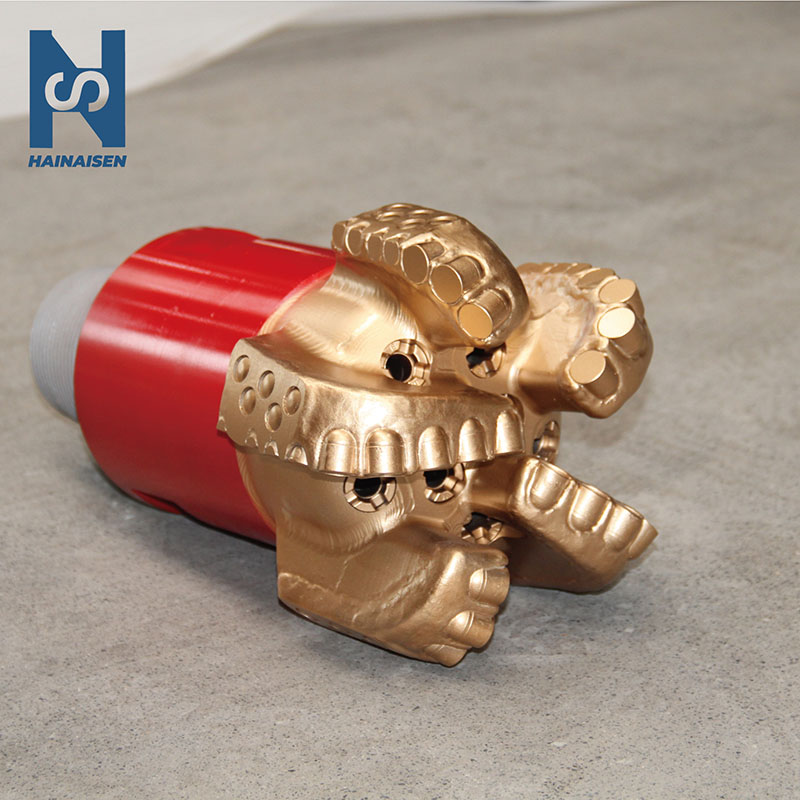
There is a type of drag bit called the Four-Blade Wing Oil Drilling Tool that is made for both directional and horizontal drilling. The tools in this set don't use roller cone bits to crush rock; instead, they use cutting action with PDC cutters placed in specific ways on four separate blades, or "wings." The IADC code S233 description shows that it can be used in soft to medium rocks, which means it can be used in a wide range of geological situations.
The width of our model is 6 Inches (152.4 mm), and it comes with 45 high-quality PDC cuts in 13mm and 16mm sizes. The cuts are made of fake diamond plates that are bound to tungsten carbide bases. This makes them very hard and stable at high temperatures. This design lets the bit keep its sharp cutting edges for a lot longer than with regular materials. This means that expensive bit trips happen less often, and there is less time when the machine isn't working.
Core Components and Engineering Principles
The careful planning that went into making this tool makes it work so well. The four blades spread the cutting forces evenly over many contact points, which lowers sound and side-to-side movement while drilling. Each blade goes from the bit body to the gauge section. This keeps the width of the hole the same while it is being drilled. The 53 mm gauge length makes a longer touch with the wellbore wall, which improves direction stability and stops spiral patterns that lower the quality of the hole.
Another important factor is hydraulic economy. The tool has four holes that are placed in a way that directs drilling fluid exactly where it needs to go. This improved flow pattern does two very important things: it cools the PDC cutters while they're working at high speed, and it gets rid of the rock chips that are in the cutting structure. The bit's 210 mm height and carefully designed junk holes make enough paths for cuts to move, which stops the bit from balling up and sticking in different places, even in shale rocks that are very sticky.
Typical Applications in Directional Drilling
When digging vertical wells, normal tools can't handle the unique problems that come up with directional wells. The four-blade wing oil-drilling tool is great at a number of specific tasks. The balanced force distribution stops doglegs and keeps the wellbore shape straight in horizontal oil and gas wells that need to stay on course through rich layers. The tool's ability to move through interbedded rocks with different amounts of stiffness makes it useful for coalbed methane production. The steady performance is appreciated by water well drilling teams in unconsolidated rocks where shaft stability is very important. When cutting for geothermal resources, rough volcanic rocks are common. PDC cuts are used to make tools last longer and lower project costs because they are better at resisting wear.
Performance and Benefits of Four Blade Wing Oil Drilling Tools
Enhanced Rate of Penetration and Operational Efficiency
Drilling speed has a direct effect on the cost of a job. The four-blade wing oil drilling tool has better entry rates than other options like roller cones or standard three-blade designs. The extra blade gives the cutter more surface area without lowering the hydraulic efficiency. This lets you use more weight on the bit while keeping the machine stable. Field data from oil service companies shows that ROP gains range from 15% to 30% in similar rocks. This cuts drilling time and costs like rig hire, staffing, and fuel use by a large amount.
The bit is only 24 kilograms, which makes it easier to handle during drilling operations. It also works with current drill string parts thanks to its standard 3-1/2 REG PIN connection. Because these adapters work with everything, they don't need to be specialized. This makes operations easier and makes it easier for buying teams to manage various drilling projects.
Superior Directional Stability and Borehole Quality
When directing drilling, the four-blade wing oil drilling tool wellbore route must be kept very accurate at all times. By spreading wear across more touch points, the four-blade design naturally improves gauge safety. This arrangement reduces the gauge wear that usually happens with three-blade designs, where heavy loads make diameter loss happen faster. Extended gauge retention means that the tool makes holes of the same size throughout its useful life. This makes it less likely that there will be tight spots that make installing and finishing the case more difficult.
Another important efficiency benefit is less shaking. Not only do torsional and lateral movements speed up bit wear, but they also damage downhole machinery and tools used for measuring while drilling. Four blades placed equally work together to cut evenly, reducing these damaging forces. This protects expensive downhole parts and makes the whole bottom-hole assembly last longer. When digging extended-reach wells, where getting the tools back takes a long time and costs a lot of money, technical experts really value this trait.
Extended Tool Life and Maintenance Considerations
The total cost of ownership is more than just the price of the car. The PDC cuts in the Four-Blade Wing Oil Drilling Tool are much better at resisting wear than steel or tungsten carbide inserts in other bit types. Usually, in the right shapes, they can last up to 500 to 800 meters before they need to be replaced, which is a lot longer than the 200 to 400 meters that cheaper bits usually last.
The best way to do maintenance is to carefully check the state of the cutter, the corrosion of the blades, and the wear on the gauges after each run. Purchasing managers should set up ways to keep track of bit performance measures, such as the amount of material drilled, the rate of entry, and the features of the formation. This information helps with choosing the best bits for different well parts and will be used to make future buying choices. Impact damage to the fragile PDC cutters can be avoided by handling them properly during storage and travel. This keeps their sharp cutting edges until they are needed.
How to Choose the Right Four-Blade Wing Oil Drilling Tool?
Matching Tool Specifications to Formation Characteristics
Selecting the appropriate drilling tool begins with thorough formation analysis. The S233 IADC code indicates suitability for soft to medium formations with compressive strengths typically below 3,000 psi. Geological formations such as sandstone, limestone, shale, and certain metamorphic rocks fall within this operational envelope. For harder formations, including granite or quartzite, alternative bit designs with more aggressive cutter configurations may prove more effective.
Well, complexity also influences selection. Shallow vertical wells with straightforward geology may not justify the premium pricing of specialized directional tools. However, deviated wells with inclination angles exceeding 30 degrees benefit significantly from the stability advantages that four-blade configurations provide. Extended-reach horizontal drilling through multiple geological layers particularly benefits from the versatile performance and consistent gauge control these tools deliver.
Comparative Analysis with Alternative Bit Types
Understanding when four-blade tools outperform alternatives helps optimize procurement decisions. Compared to three-blade wing bits, the additional blade provides superior stability and gauge retention, justifying the modest price premium for directional applications. Six-blade configurations offer even greater stability but sacrifice hydraulic efficiency and cuttings evacuation capacity, making them less suitable for formations prone to bit balling.
Roller cone bits, while effective in hard formations, generate significantly more vibration and typically exhibit shorter service life than drill bits for oil rigs with four-blade PDC designs in the soft to medium formations, where four-blade PDC tools excel. The initial cost advantage of roller cone bits often disappears when accounting for reduced penetration rates and more frequent bit changes. PDC Bits without optimized blade geometry may drill efficiently in ideal conditions but struggle with directional control and gauge maintenance in challenging wellbore trajectories.
Evaluating Suppliers and Customization Options
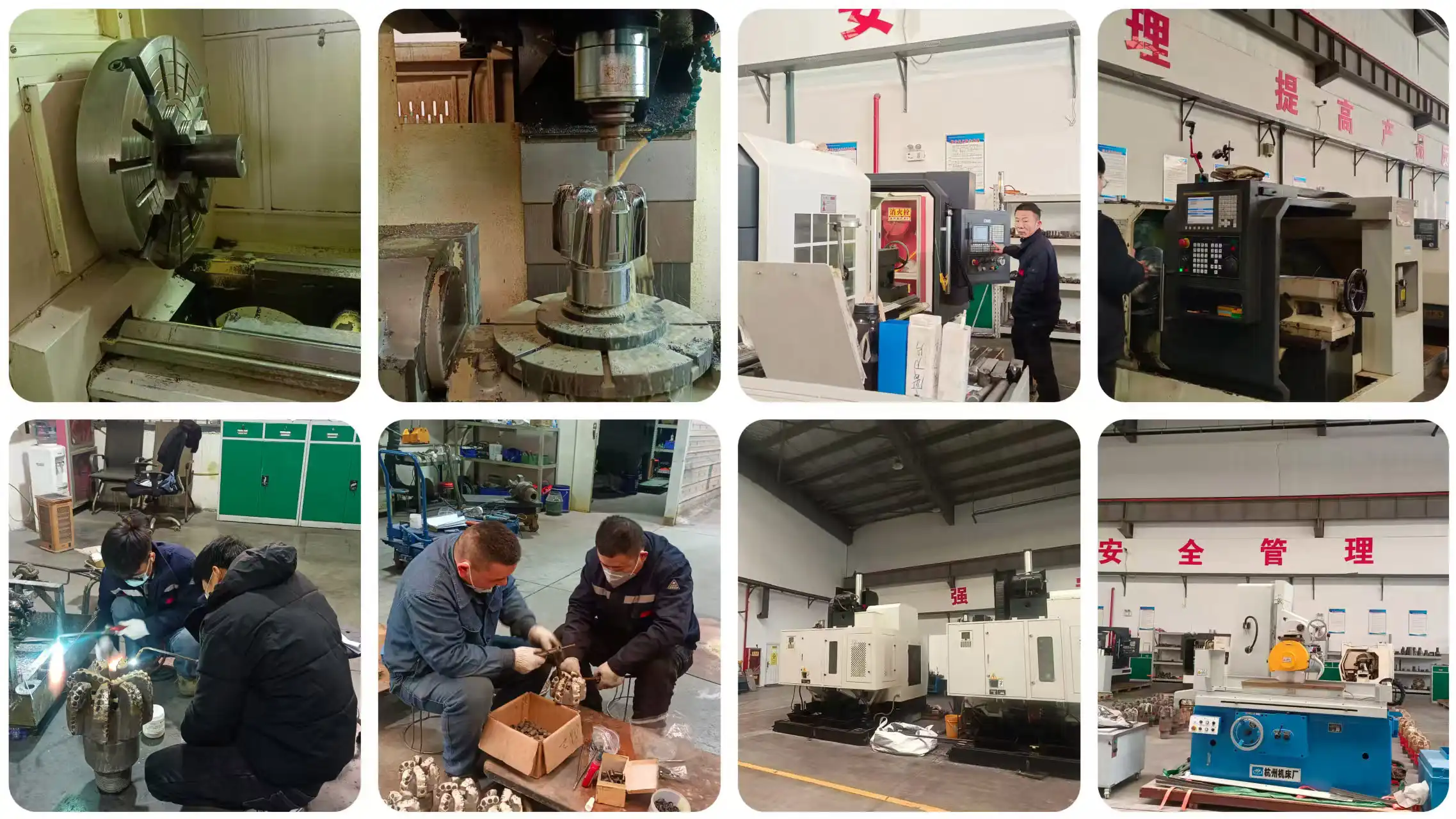
Supplier selection profoundly impacts long-term operational success. Quality standards should be rigorously evaluated, including manufacturing Certifications, material sourcing transparency, and performance testing protocols. Shaanxi Hainaisen Petroleum Technology, established in 2013, operates a 3,500-square-meter manufacturing facility equipped with 5-axis machining centers and CNC machine tools that ensure precision manufacturing to exacting tolerances.
Customization capabilities matter for specialized applications. Medium and large oil service companies often require tailored cutter layouts, modified hydraulic designs, or specific connection types to integrate with proprietary drilling systems. A dedicated research and development team capable of custom bit design addresses these unique requirements. Delivery lead times vary based on order complexity, with standard configurations typically available within two to four weeks, while custom designs may require six to eight weeks. After-sales support, including technical consultation, performance troubleshooting, and warranty coverage, provides additional value that purely transactional suppliers cannot match.
Procurement Guide: Buying Four Blade Wing Oil Drilling Tools
Direct Manufacturer Engagement Versus Distributor Networks
B2B procurement teams face strategic decisions about sourcing channels. Direct engagement with Manufacturers like HNS offers several advantages, including competitive pricing without distributor markups, direct communication with technical engineers for specification clarification, and flexibility for customization requests. This approach works particularly well for medium to large oil service companies establishing long-term supply relationships with substantial volume commitments.
Conversely, authorized distributor networks provide value through local inventory availability, reduced shipping times, and established regional service infrastructure. Small to medium water well drilling teams often prefer this channel for its convenience and immediate product access. Online B2B platforms offer transparency in pricing and specifications but may lack the technical support and customization capabilities that complex directional drilling projects require.
Pricing Structures and Contract Negotiations
Understanding pricing components helps procurement managers optimize budgets. Base pricing for standard four-blade wing oil drilling tools reflects raw material costs, manufacturing expenses, and quality control investments. Volume commitments typically unlock tiered pricing discounts ranging from 8% to 15% for orders exceeding 20 units. Long-term supply agreements with quarterly or annual purchase commitments provide additional leverage for favorable pricing and priority production scheduling.
Coal mining companies seeking price advantages should emphasize volume potential during negotiations while demonstrating technical capability to properly deploy and maintain the equipment. Sample testing programs allow performance validation before large-scale commitment, reducing perceived procurement risk. Payment terms ranging from letter of credit to net-30 or net-60 arrangements depend on relationship maturity and creditworthiness.
International Logistics and Lead Time Planning
Cross-border procurement introduces additional complexity. Shipping from Xi'an, China, to major United States ports typically requires 25 to 35 days for ocean freight, with expedited air freight reducing transit to 5 to 8 days at substantially higher cost. Customs clearance procedures, import duties, and documentation requirements demand careful coordination to prevent project delays.
Procurement managers should account for total lead time, including manufacturing, quality inspection, packaging, transportation, and customs processing when planning drill bits for oil rigs' procurement and drilling schedules. Maintaining a strategic inventory of critical drilling components mitigates supply chain disruptions, particularly for high-volume operations. Warranty coverage typically extends 12 months from the delivery date and addresses manufacturing defects, material failures, and premature wear under normal operating conditions.
Conclusion
The Four-Blade Wing Oil Drilling Tool delivers measurable performance advantages for directional drilling applications across diverse industries. Its balanced blade geometry, advanced PDC cutter technology, and optimized hydraulic design combine to enhance penetration rates, extend tool life, and improve borehole quality. Procurement decision-makers benefit from understanding formation compatibility, comparative advantages over alternative bit types, and supplier evaluation criteria, including customization capabilities and after-sales support. As drilling operations become increasingly complex and cost-conscious, selecting reliable equipment from experienced manufacturers proves essential for operational success and competitive advantage in demanding subsurface environments.
FAQ
1. What makes four-blade configurations superior to three-blade designs?
Four-blade wing bits distribute cutting forces across additional contact points, substantially reducing vibration and enhancing directional stability. This geometry provides superior gauge retention by minimizing wear concentration, resulting in consistent borehole diameter throughout the tool's operational life. The balanced design also allows higher weight-on-bit application without compromising control, improving penetration rates in appropriate formations.
2. How frequently should these tools undergo maintenance inspection?
Post-run inspection is essential after each deployment. Technical teams should examine the PDC cutter condition for chipping or wear, evaluate blade erosion patterns, measure gauge diameter retention, and assess overall bit body integrity. Documenting performance metrics, including footage drilled and formation characteristics, helps establish predictive maintenance schedules and informs future procurement decisions for optimal tool selection.
3. Can these tools be customized for specific applications?
Manufacturers with dedicated engineering capabilities offer extensive customization options. Modifications may include altered cutter size distribution, specialized hydraulic nozzle configurations, modified gauge lengths, or alternative API connection types. Custom designs typically require detailed formation data and operational parameter specifications, with lead times extending approximately four to six weeks beyond standard product availability for engineering and manufacturing.
Partner with HNS for superior four-blade wing oil-drilling tool solutions.
Shaanxi Hainaisen Petroleum Technology combines precision manufacturing with responsive technical support to deliver drilling tools that exceed performance expectations. Our four blade wing oil drilling tool for directional wells incorporates proven engineering principles backed by rigorous quality control at our advanced Xi'an facility. Whether you require standard specifications or custom designs for challenging formations, our experienced team provides the expertise and flexibility your projects demand.
As a trusted Four Blade Wing Oil Drilling Tool manufacturer serving oil service companies, coal mining operations, and water well drilling teams across North America, we understand the critical importance of equipment reliability and responsive service. Contact our technical specialists at hainaisen@hnsdrillbit.com to discuss your specific drilling requirements, request detailed specifications, or obtain competitive pricing for your next project.
References
1. Bellin, F. & Willis, R. (2019). "PDC Bit Design Optimization for Extended Reach Drilling Applications." Journal of Petroleum Technology, Vol. 71, Issue 8, pp. 45-52.
2. Chen, X., Gao, D. & Zhou, Y. (2021). "Performance Analysis of Multi-Blade PDC Bits in Directional Wells." Petroleum Exploration and Development, Vol. 48, No. 3, pp. 672-681.
3. International Association of Drilling Contractors. (2020). "IADC Fixed Cutter Bit Classification System: Technical Standards and Application Guidelines." IADC Technical Report Series.
4. Mitchell, R. & Miska, S. (2018). "Fundamentals of Drilling Engineering: Tools, Techniques, and Technologies." Society of Petroleum Engineers Textbook Series, 2nd Edition.
5. Raymond, D. & Peterson, L. (2022). "Comparative Study of Blade Configurations in Polycrystalline Diamond Compact Drill Bits." SPE Drilling & Completion Journal, Vol. 37, No. 2, pp. 118-129.
6. Warren, T. (2020). "Advanced PDC Bit Technology: Materials, Design, and Performance Optimization for Challenging Formations." Gulf Professional Publishing, Houston, Texas.
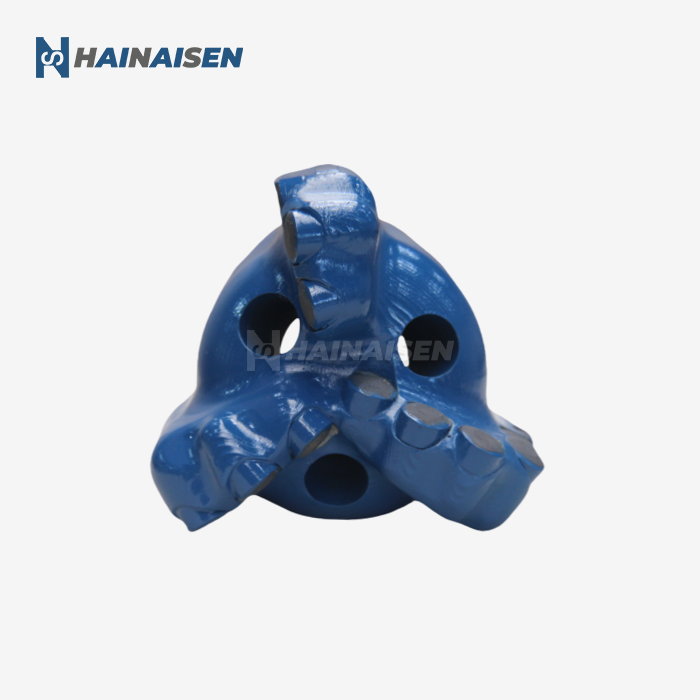 VIEW MORE113mm Three Wing Arc Angle Drill Bit
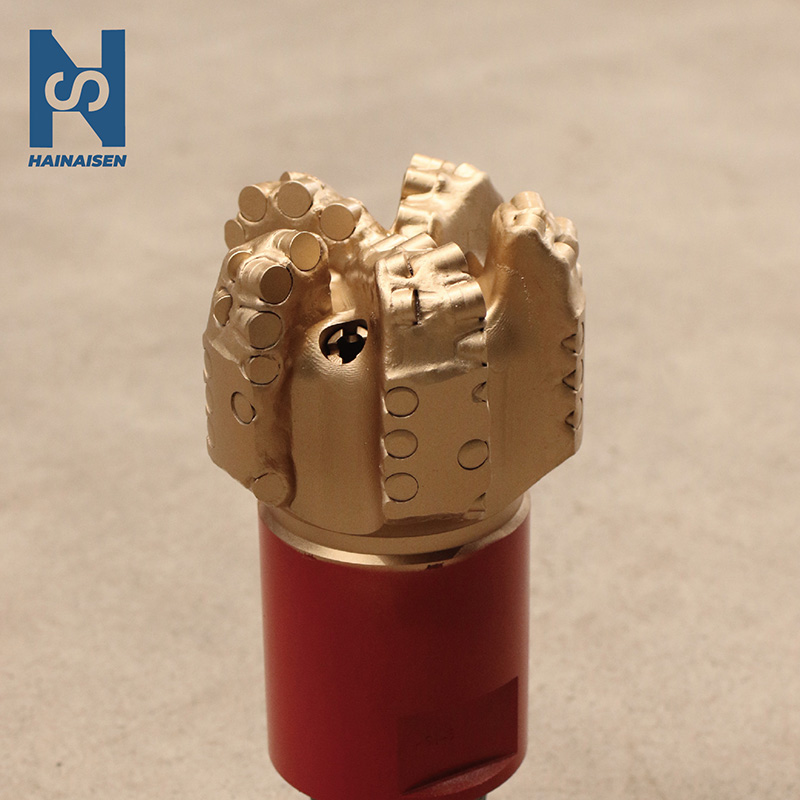 VIEW MOREPDC Petroleum Drill Bit
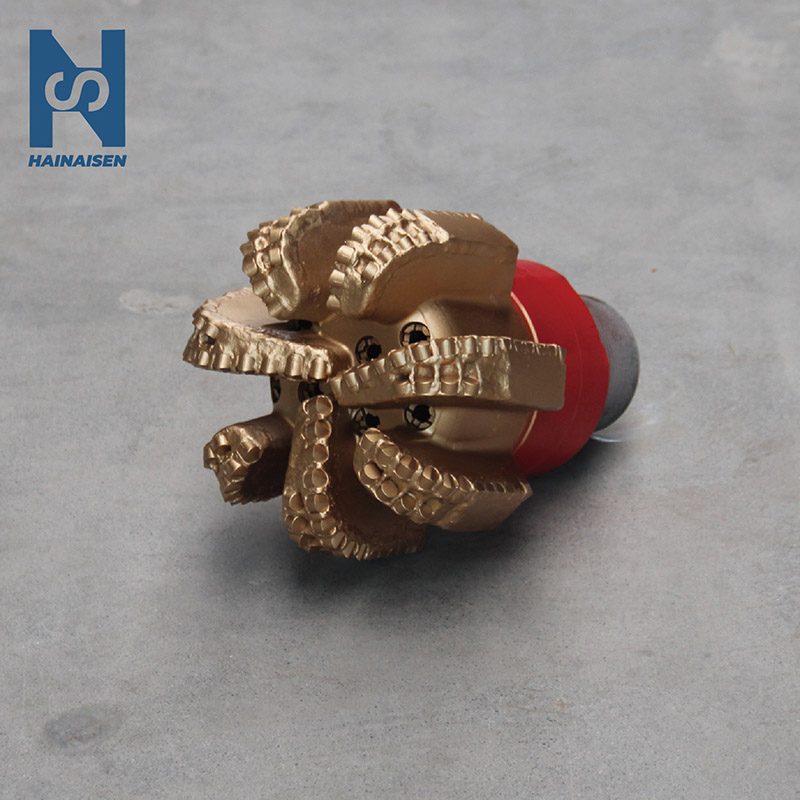 VIEW MORESeven Blade Wing Oil Drilling Drill Bit
logo 1_1777361260784.jpg) VIEW MOREFour Wing Arc Angle PDC Drill Bit
VIEW MOREFour Wing Arc Angle PDC Drill Bit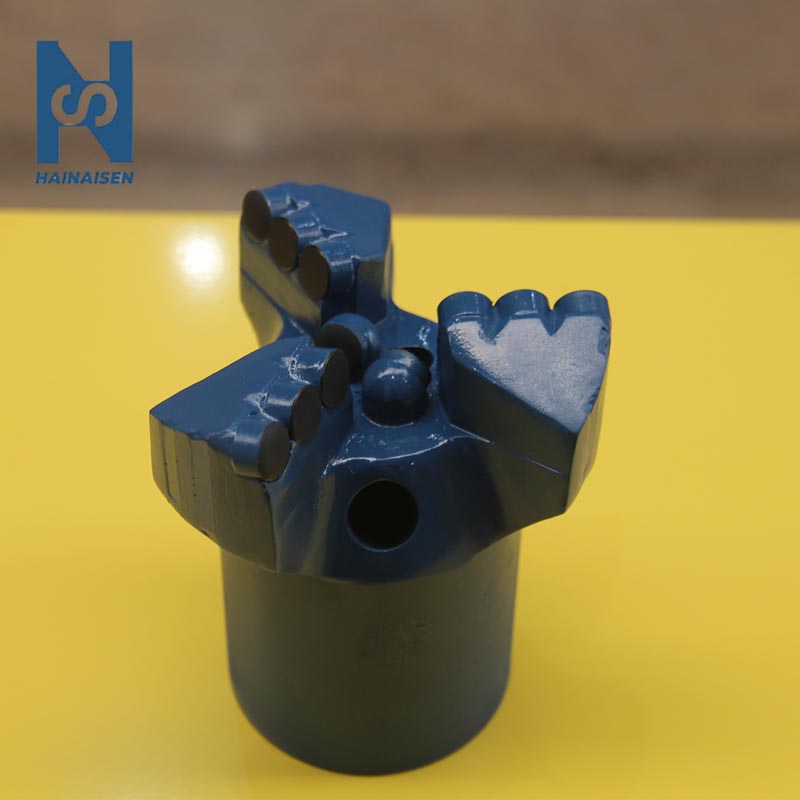 VIEW MORE3 Blades Steel Body PDC Bit
 VIEW MOREDiamond Drill Bits For Oil Rigs
 VIEW MORE113mm Three Wings PDC Arc Angle Drill Bit
 VIEW MOREPolycrystalline Diamond Compact Drill Bits
