







What Makes Petroleum Drilling Equipment PDC Fail Prematurely?
Premature Failure in Petroleum Drilling Equipment PDC typically stems from three interconnected factors: improper drilling parameter selection, mismatched bit design for specific geological formations, and compromised manufacturing quality. When polycrystalline diamond compact bits operate outside their optimal operational envelope—whether through excessive weight on bit, inappropriate rotational speeds, or deployment in unsuitable rock types—the synthetic diamond cutters experience accelerated degradation. Manufacturing inconsistencies in cutter brazing, hydraulic design flaws, and substandard material selection further compound these operational stresses, leading to unexpected downtime and increased drilling costs that directly impact project profitability for oil service companies and drilling contractors.
Introduction
In today's competitive energy sector, drilling efficiency directly translates to operational profitability. We've observed how polycrystalline diamond compact bits have transformed drilling operations over the past decade, offering superior penetration rates and extended run times compared to traditional roller cone technology. Yet procurement managers and technical engineers consistently face a costly challenge: PDC Bits failing before reaching their expected service life.
Understanding why these advanced drilling tools fail prematurely matters significantly for your bottom line. Each premature failure triggers expensive tripping operations, delays project timelines, and strains relationships between drilling contractors and operators. For medium to large oil service companies operating in the U.S. market, where quality standards remain uncompromising, identifying failure root causes becomes essential for maintaining competitive positioning and securing long-term contracts.
This guide addresses the technical realities behind premature PDC failures, offering actionable insights for procurement decisions that balance quality requirements with budgetary constraints. Whether you're evaluating suppliers for your next drilling campaign or investigating recent bit performance issues, the following analysis provides practical knowledge to optimise your equipment selection and operational protocols.
Understanding Premature Failure of PDC Drill Bits
How does PDC technology work in drilling operations?
Polycrystalline diamond compact bits operate fundamentally differently from traditional drilling tools. The synthetic diamond cutters—thin discs of industrial diamond bonded to tungsten carbide substrates—continuously shear rock formations rather than crushing them. This continuous cutting action generates higher penetration rates while producing smaller cuttings that evacuate more efficiently through the bit's hydraulic system.
The bit body, whether constructed from steel or matrix composite materials, positions these cutters at precise angles and locations. Steel body designs offer cost advantages and allow field reconditioning, making them popular for softer formations like shale and limestone. Matrix body bits, Manufactured from tungsten carbide powder bonded in a high-temperature process, provide superior erosion resistance in abrasive formations but come with higher initial investment costs.
Recognising Early Warning Signs of Bit Degradation
Experienced drilling engineers monitor specific indicators that signal approaching bit failure. Sudden drops in the rate of penetration without corresponding changes in drilling parameters often indicate cutter damage. Increased torque fluctuations suggest uneven wear patterns developing across the bit face. Vibration signatures detected through downhole measurement tools reveal cutter loss or imbalance conditions before catastrophic failure occurs.
Visual inspection during tripping operations reveals critical wear patterns. Flat spots on cutter surfaces indicate excessive impact loading. Heat checking—fine cracks across cutter faces—signals thermal degradation from inadequate cooling. Missing cutters leave obvious gaps in the blade profile. Gauge wear beyond specification limits compromises hole quality and increases friction along the borehole wall.
Critical Drilling Parameters Affecting Service Life
Rotational speed, weight on bit, and hydraulic flow rate form the operational triangle governing PDC performance. Excessive rotational speeds generate frictional heat that degrades the diamond-to-carbide bond, leading to cutter delamination. Insufficient weight on bits causes cutters to rub rather than cut, accelerating wear without productive drilling. Inadequate flow rates fail to cool cutters properly or clean the bit face, allowing cuttings to regrind under the cutters.
Formation characteristics (Petroleum Drilling Equipment PDC) impose additional constraints on these parameters. Interbedded formations with alternating hard and soft layers create impact loading that chips cutter edges. Abrasive sandstones accelerate wear rates even under optimal parameters. Fractured zones allow cutters to stall momentarily, generating damaging vibration harmonics throughout the drill string.
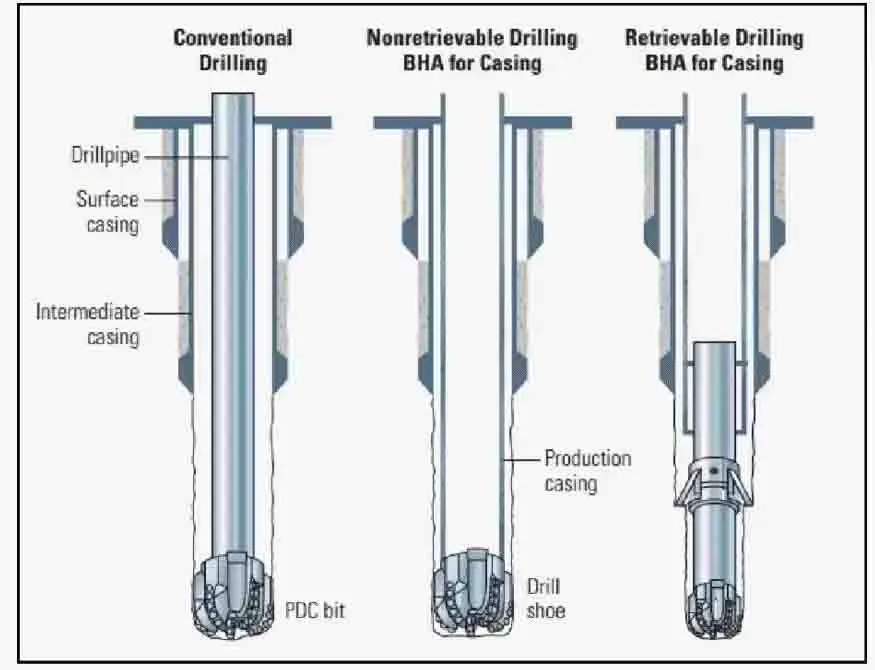
Root Causes of Premature PDC Drill Bit Failure
Manufacturing Quality Variations and Their Consequences
Manufacturing standards directly influence field performance, yet significant quality variations exist across suppliers. The brazing process that bonds diamond cutters to the bit body represents a critical manufacturing step. Inadequate brazing temperatures or contaminated surfaces create weak bonds that fail under drilling loads. We've examined failed bits where cutters separated cleanly from the body, revealing poor metallurgical bonding rather than wear-related failure.
Cutter quality itself varies substantially between manufacturers. Premium cutters feature consistent diamond particle distribution and controlled residual stresses from the high-pressure sintering process. Lower-grade cutters exhibit micro-cracks, non-uniform diamond concentration, and dimensional inconsistencies that compromise impact resistance and thermal stability. Laboratory testing reveals how these microscopic flaws propagate into field failures under operational stresses.
Hydraulic design mistakes create cleaning and cooling deficiencies. Improperly positioned nozzles fail to direct drilling fluid across all cutters, creating hot spots where thermal degradation accelerates. Junk slot restrictions impede cuttings evacuation, causing regrinding damage. Blade geometry errors concentrate stresses unevenly across the bit face, producing premature wear in localised zones while other areas remain underutilised.
Operational Mistakes That Accelerate Wear
Drilling parameter selection requires matching theoretical guidelines to actual formation responses. Operating outside the manufacturer's recommended envelope—whether through excessive weight application seeking faster penetration or insufficient rotational speed due to rig limitations—compromises bit longevity. Many premature failures trace back to aggressive drilling practices that prioritise short-term penetration rates over sustainable performance.
Formation transitions present particular challenges for drilling crews. Entering harder streaks without reducing parameters subjects cutters to sudden impact loads exceeding their fracture toughness. Drilling through lost circulation zones with reduced flow rates starves the bit of necessary cooling and cleaning. Rotating through connections allows stationary cutters to heat-check under sustained contact pressure.
Downhole vibration represents an insidious failure mechanism often overlooked until damage occurs. Lateral vibration causes cutters to impact the borehole wall repeatedly, chipping edges and creating flat spots. Torsional oscillation—stick-slip motion—generates cyclic stress reversals that fatigue cutter bonds. Axial vibration produces hammering impacts that fracture brittle diamond material. Modern drilling assemblies should incorporate vibration-damping tools, yet cost pressures sometimes eliminate these protective measures.
Design Limitations in Challenging Environments
No single PDC design performs optimally across all formations. Bits engineered for soft, homogeneous shale employ aggressive cutter exposure and high blade counts to maximise penetration rates. These same designs fail rapidly in abrasive sandstone or fractured carbonates where impact resistance matters more than cutting efficiency. Design compromises become unavoidable when drilling through diverse lithologies in a single run.
Gauge protection represents another design trade-off affecting failure rates in drill bits petroleum. Adequate gauge trimming prevents hole undergauge conditions, but concentrates wear on gauge cutters. Insufficient gauge protection allows rapid diameter loss, binding the bit and increasing torque requirements. Thermally stable polycrystalline diamond inserts offer enhanced gauge durability but add high cost that may not align with budget constraints for water well drilling teams or smaller contractors.
Comparing PDC Drill Bits to Other Petroleum Drilling Equipment
Performance Contrasts with Roller Cone Technology
Tricone bits remain viable alternatives in specific applications despite PDC technology advancements. The rolling cone design distributes impact loads across multiple bearing surfaces, providing superior durability in highly fractured or interbedded formations. Tungsten carbide inserts resist abrasion effectively, making tricones preferred for drilling through boulder zones or consolidated formations with high unconfined compressive strength.
PDC bits deliver measurably higher penetration rates in formations within their operational sweet spot. Shale intervals that might achieve 30 feet per hour with a tricone regularly exceed 100 feet per hour with properly selected PDC designs. This performance advantage compounds over long lateral sections in unconventional plays, where fewer bit trips translate directly to reduced drilling days and lower well costs.
Durability comparisons depend heavily on application context. In soft to medium-hard formations with compressive strengths below 15,000 psi, quality PDC bits routinely drill 2,000 to 5,000 feet before requiring replacement. Tricones in similar conditions typically wear out between 500 and 1,500 feet. The calculation reverses in abrasive, high-strength formations where tricones may outlast PDC alternatives while maintaining acceptable penetration rates.
Hybrid Designs and Emerging Technologies
Hybrid bits incorporating both PDC cutters and rolling elements attempt to bridge the performance gap between technologies. These designs position tungsten carbide inserts or small roller cones on the bit's shoulder and gauge, protecting these vulnerable areas while maintaining PDC cutters on the face for efficient cutting. Hybrid technology suits transitional drilling intervals where formation properties change unpredictably.
Thermally stable polycrystalline diamond represents another evolutionary step addressing PDC thermal limitations in drill bits petroleum. By removing the cobalt catalyst from conventional PDC material, manufacturers create cutters that resist thermal degradation up to 1,200°C compared to 750°C for standard material. This enhancement extends operational envelopes into harder, more abrasive formations previously unsuitable for PDC technology, though at substantially higher equipment costs.
Conclusion
Premature failure of petroleum drilling PDC bits stems from interconnected factors spanning manufacturing quality, operational practices, and equipment selection decisions. Understanding these failure mechanisms empowers procurement managers and technical engineers to make informed decisions that optimise drilling performance while controlling costs. Quality manufacturing standards, proper bit-to-formation matching, and disciplined operational practices collectively extend bit life and reduce total drilling expenses. The choice between premium international brands and specialised regional manufacturers like HNS should align with your specific operational requirements, quality standards, and budget parameters. By implementing the best practices outlined here and partnering with qualified suppliers offering robust technical support, drilling operations can significantly reduce premature PDC failures while improving overall project economics.
FAQ
1. How frequently should PDC bits be inspected during drilling operations?
Surface parameter monitoring should occur continuously throughout drilling operations, with drilling engineers reviewing trends every 30 minutes to detect developing issues. When drilling mechanics indicate potential problems—unusual vibration, torque fluctuations, or penetration rate changes—immediate bit pull and inspection may be warranted regardless of footage drilled. Planned inspections typically occur at casing points or when reaching predetermined footage targets based on offset performance data.
2. What specific signs indicate a PDC bit requires immediate replacement?
Sudden penetration rate decreases exceeding 30% without parameter changes signal significant cutter damage requiring immediate evaluation. Torque increases above operational limits, risking drill string failure and indicating severe bit wear or balling. Erratic weight transfer, suggesting a bit whirl, creates destructive vibration, damaging both the bit and downhole tools. In these situations, continuing operations risks catastrophic failure and expensive fishing operations that far exceed the cost of a precautionary bit trip.
3. Can drilling parameter adjustments compensate for suboptimal bit selection?
Parameter optimisation helps maximise performance from any bit design, but cannot overcome fundamental bit-formation mismatches. A soft-formation bit in hard, abrasive rock will fail prematurely regardless of parameter adjustments. Conversely, operating a durable bit designed for hard rock in soft formations sacrifices penetration rate without gaining meaningful durability benefits. Proper bit selection matched to formation characteristics provides the essential foundation that operational excellence can then optimise.
Partner with HNS for Reliable Petroleum Drilling Equipment PDC Solutions
Reducing premature bit failures and optimizing your drilling operations requires partnering with a petroleum drilling equipment PDC manufacturer committed to quality, customization, and technical support. Shaanxi Hainaisen Petroleum Technology delivers precisely engineered polycrystalline diamond compact bits backed by over a decade of manufacturing expertise and continuous innovation. Our dedicated research and development team collaborates directly with customers to design bits matching your specific formation challenges and operational requirements. Whether you're drilling shale gas wells demanding high penetration rates or navigating abrasive coal seams requiring enhanced durability, our product portfolio and custom design capabilities deliver solutions optimizing performance and longevity. Contact our technical team at hainaisen@hnsdrillbit.com to discuss your drilling challenges and explore how our petroleum drilling equipment PDC supplier expertise can reduce your operational costs while improving drilling efficiency.
References
1. Bellin, F., Dourfaye, A., King, W., & Thigpen, M. (2010). "The Current State of PDC Bit Technology." World Oil, 231(5), 41-46.
2. Clayton, R., Chen, S., & Lefort, G. (2005). "New Bit Design, Cutter Technology Extend PDC Applications to Hard Rock Drilling." Oil & Gas Journal, 103(3), 30-35.
3. Durrand, C. J., Skeem, M. R., & Hall, D. R. (2011). "Thick PDC Cutters for Hard Rock Drilling: A case Study." SPE/IADC Drilling Conference and Exhibition, Society of Petroleum Engineers.
4. Jaime, M. C., Zhou, Y., Lin, J. S., & Gamwo, I. K. (2015). "Finite Element Modeling of Rock Cutting and Its Fragmentation Process." International Journal of Rock Mechanics and Mining Sciences, 80, 137-146.
5. Kanyanta, V., & Ivankovic, A. (2010). "Mechanical Characterization of Polycrystalline Diamond by Nanoindentation." Journal of Materials Engineering and Performance, 19(9), 1325-1332.
6. Sinor, L. A., Powers, J. R., & Warren, T. M. (1998). "The Effect of PDC Cutter Density, Back Rake, Size, and Speed on Performance." SPE/IADC Drilling Conference, Society of Petroleum Engineers.
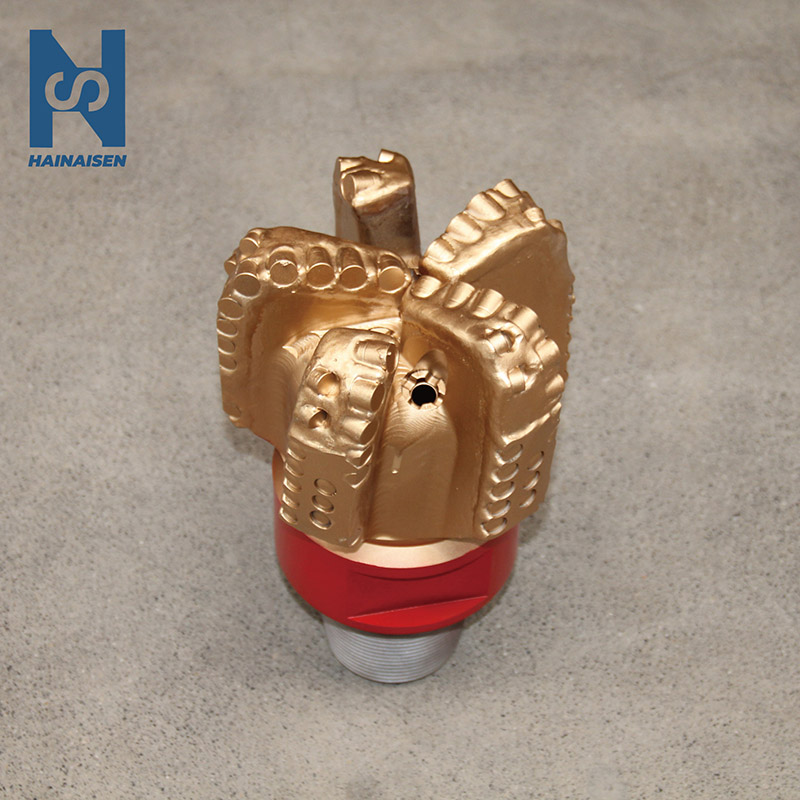 VIEW MOREDrilling Bit For Oil And Gas Rig
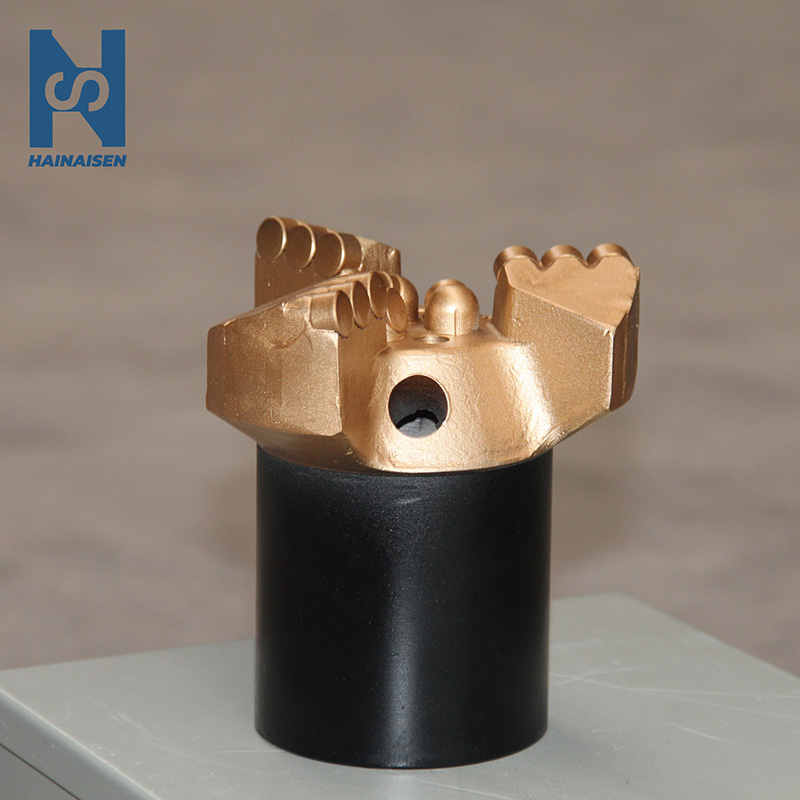 VIEW MORE113mm 3 Blades Steel Body PDC Bit
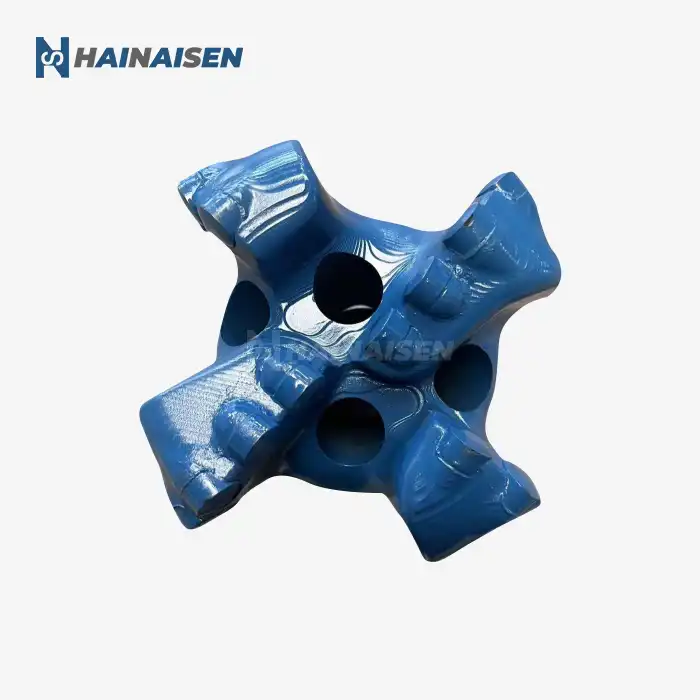 VIEW MOREFour Blade PDC Drill Bit
 VIEW MOREThree Blade Wing Arc Angle Drill Bit
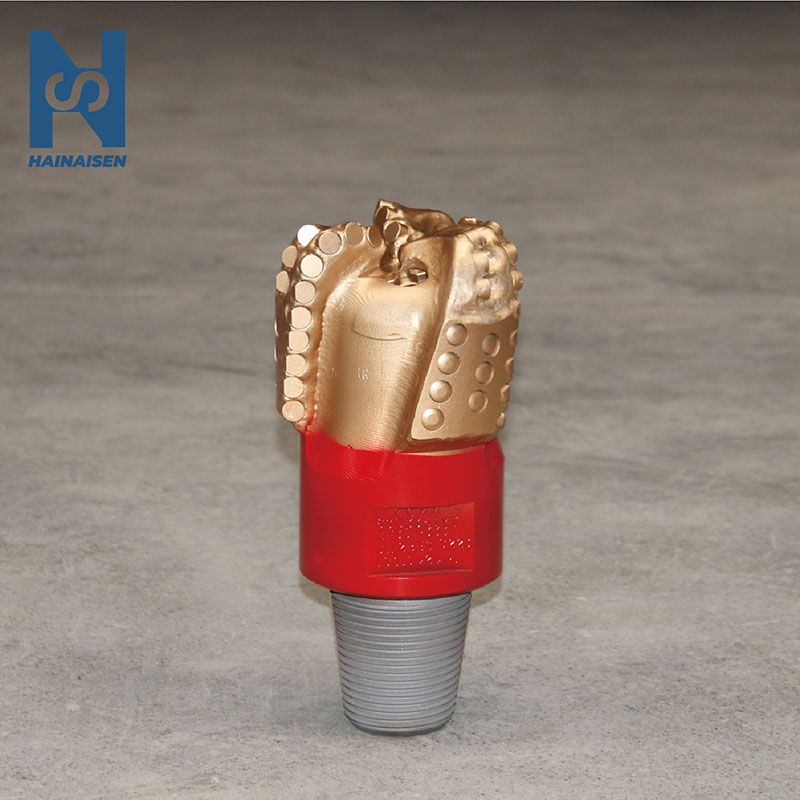 VIEW MOREThree Blade PDC Tricone Drill Bit
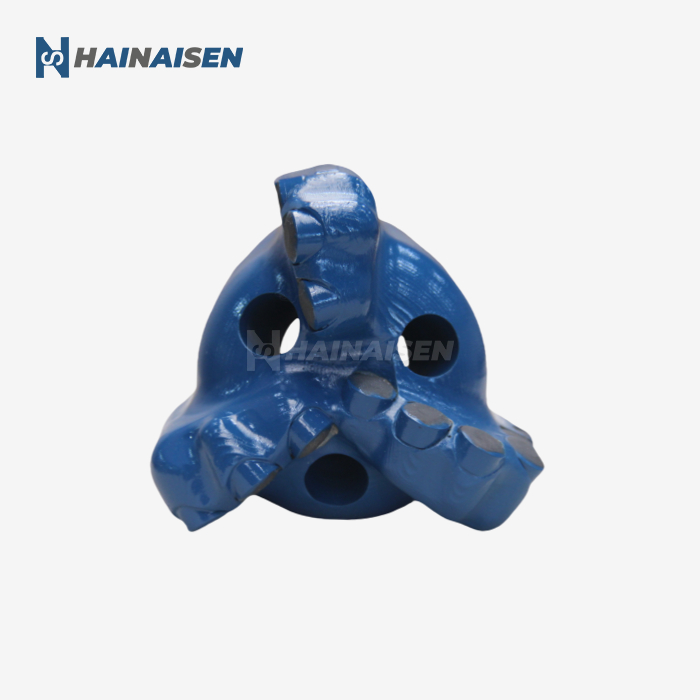 VIEW MORE3 Blade PDC Arc Angle Drill Bit
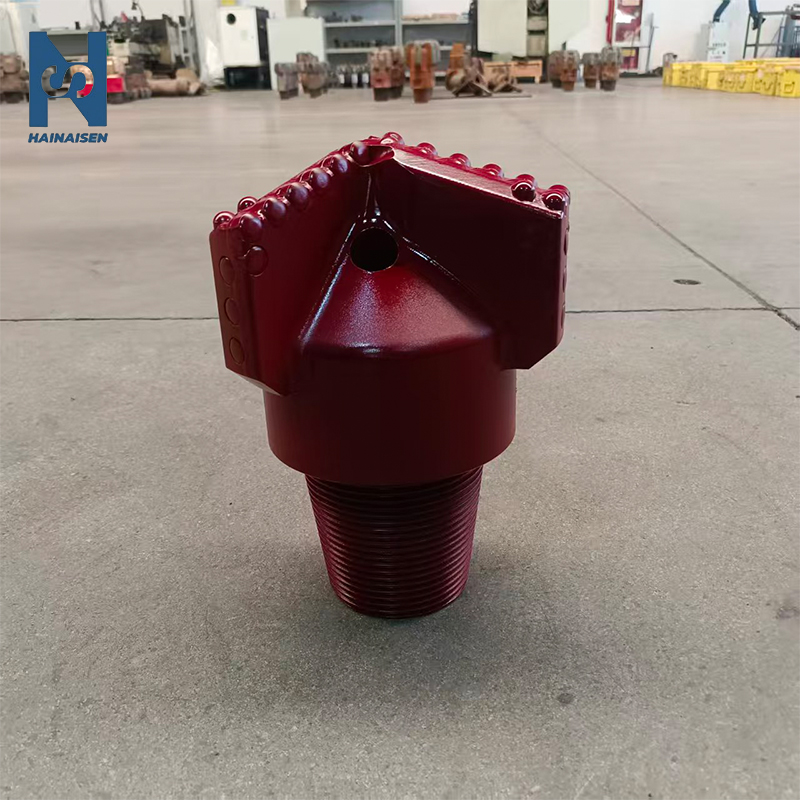 VIEW MOREPDC Bit For Well Drilling
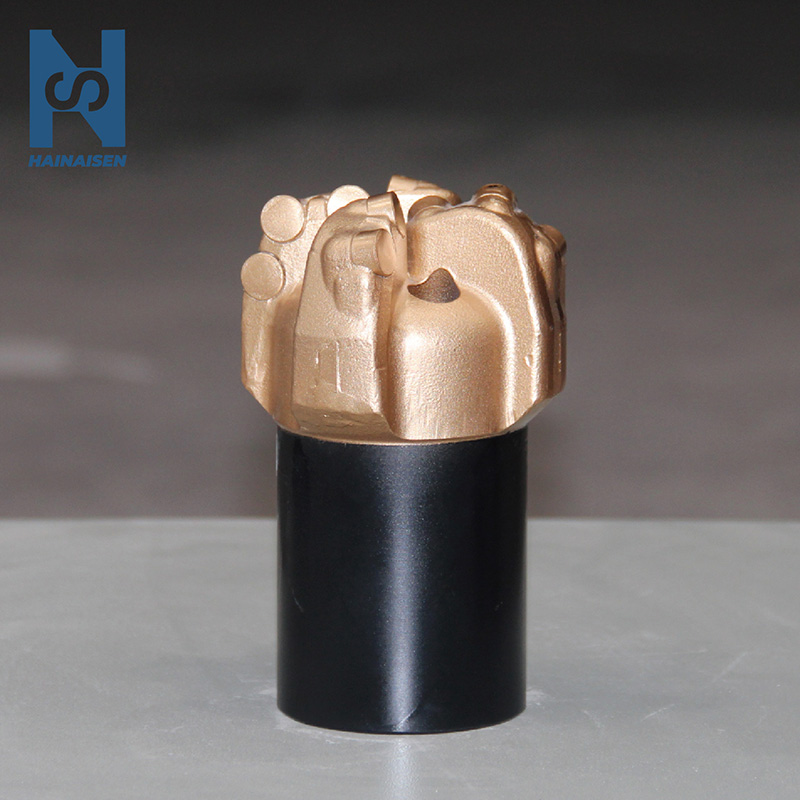 VIEW MOREFour Blade PDC Rock Drill Bit
