How to Maximize ROP with a Petroleum PDC Oil Drill Bit
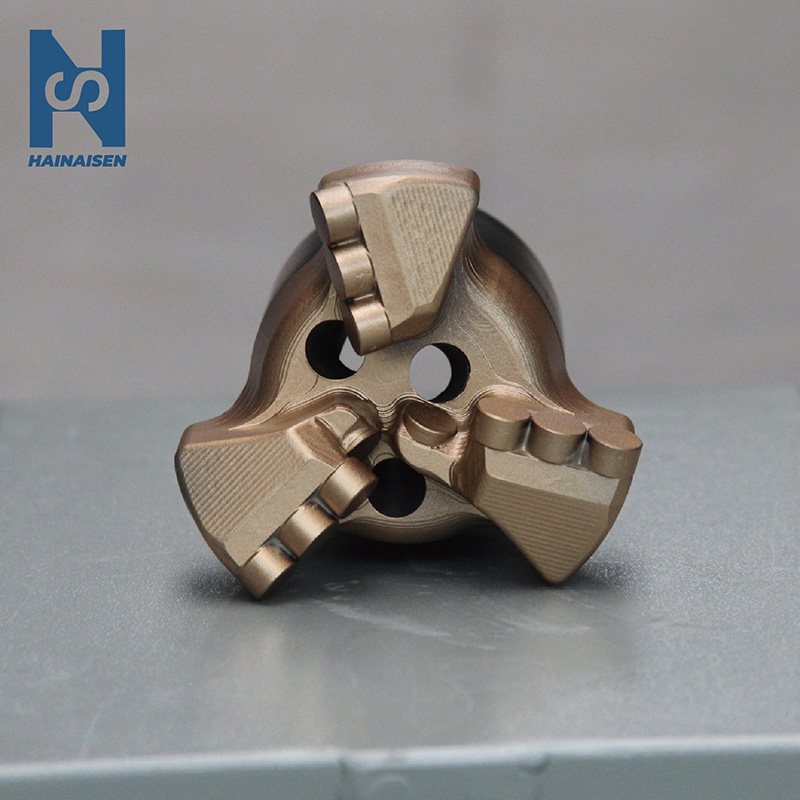
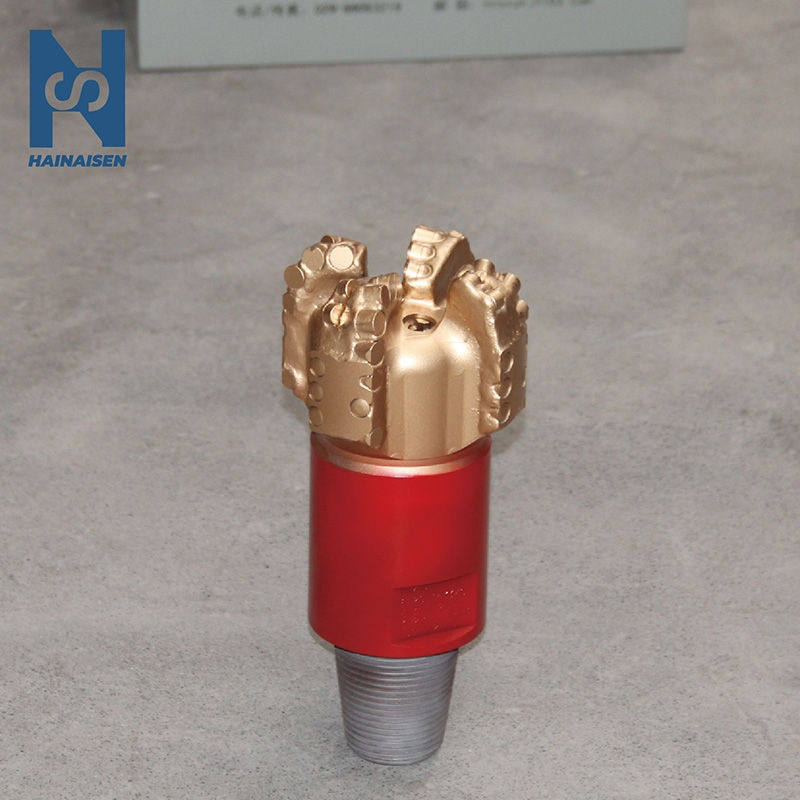
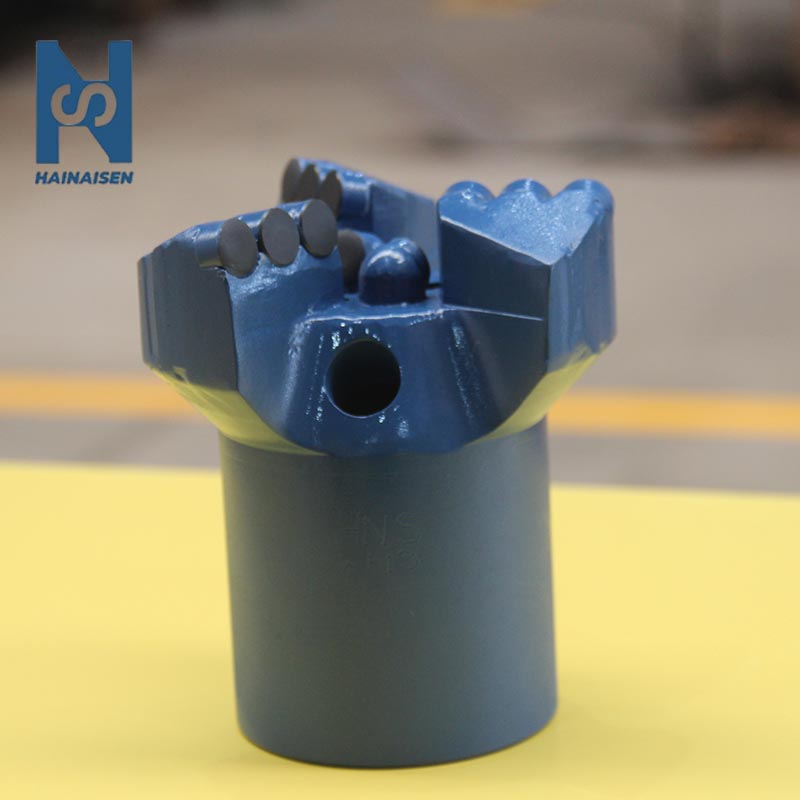
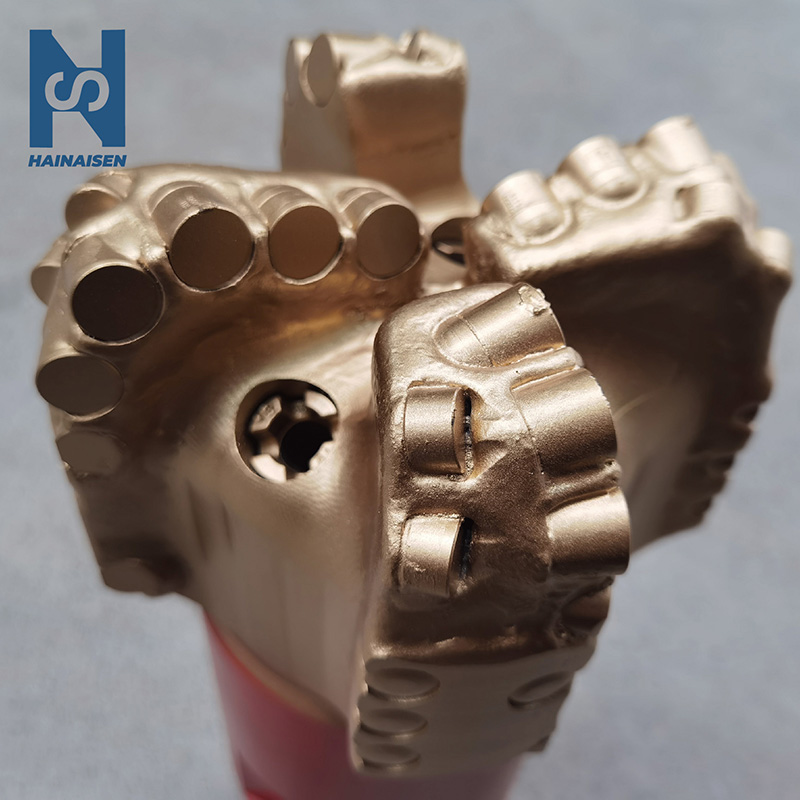
It is important to carefully choose a petroleum PDC oil drill bit, make sure it works well, and keep it in good shape if you want to get the best rate of penetration (ROP). The polycrystalline diamond compact (PDC) drill bits have tungsten carbide sides with Manufactured diamond cuts on them. In this way, they can split rock instead of breaking it. This setup lets you get into a lot of different types of rock faster, last longer, and spend less on running costs. It's important to make sure that the bit's design fits the rock's properties, that drilling factors like weight-on-bit and spinning speed are set correctly, and that strict maintenance steps are taken to keep the bit working well during the drilling cycle.
Understanding Petroleum PDC Oil Drill Bits and Their Role in Drilling Performance
The way oil companies drill has changed a lot because of polycrystalline diamond compact technology. Traditional roller cone bits break rock by hitting it over and over again. PDC cutters, on the other hand, use a constant cutting action that gets rid of material more quickly. The manufactured diamond layer is very hard—only real diamonds are harder—and the tungsten carbide base gives the structure the strength it needs to survive the pressures and shocks that happen deep underground.
The Cutting Mechanism That Drives Efficiency
The way that PDC cuts work is very different from how past methods worked. Each cutter's sharp edge scrapes across the rock's surface as the bit turns, making small chips instead of breaking up the formation. This cutting action needs less energy to take the same amount of rock, which immediately leads to faster digging speeds. The continuous cutting surface also makes the opening smoother, which lowers friction during later drilling operations and lowers rock damage that could make it harder to collect hydrocarbons.
Fixed Cutter vs. Hybrid Designs
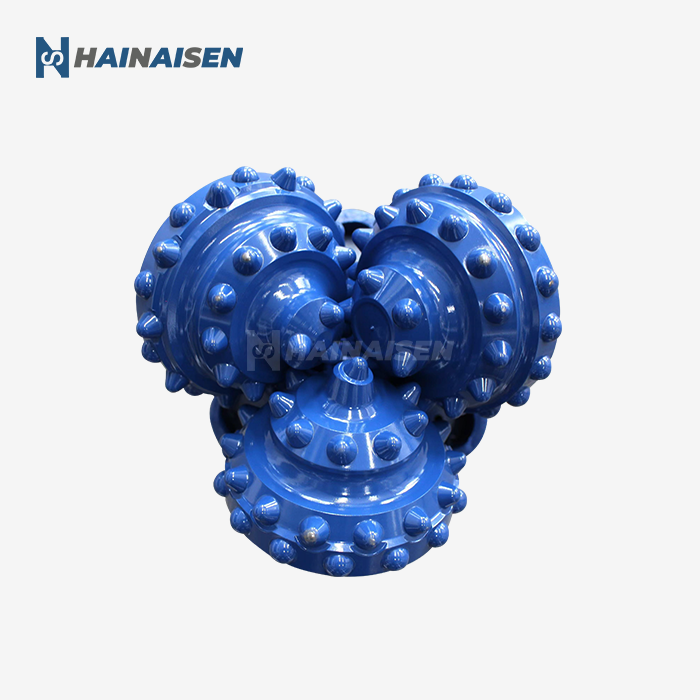
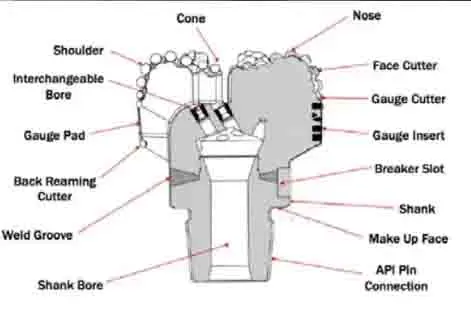
There are two main types of PDC Bits used in the drilling business. Fixed cutter designs have a solid bit body with cutters placed carefully across several blades. These work best in groups that are all the same, where constant interaction makes things work best. Hybrid designs combine PDC cuts with roller cone parts, which gives you more options when cutting through layers of rock that are both soft and hard. By knowing these differences, buying teams can choose the best tool for the rock conditions they are working with, avoiding expensive mistakes that hurt ROP and speed up wear.
Formation Interaction and Bit Selection
Geological variability has a big effect on how well bits work. Because shale has a low compression strength, PDC bits can go through it at amazing speeds, sometimes more than 30 meters per hour in perfect circumstances. When working with limestone and sandstone, you need to pay close attention to the stiffness of the cutting and the shape of the blade. Our bits are specially designed to work with medium-hard rock types like shale, limestone, sandstone, and gypsum. Their optimized design ensures consistent results at different depths and wellbore paths.
Key Factors Affecting ROP When Using Petroleum PDC Drill Bits
To get the most ROP, you need to pay attention to a lot of different factors that affect bit speed and are all linked. Drilling teams have to find a balance between harsh parameters that speed up entry and factors that speed up wear or cause noises that damage the rock.
Operational Parameters That Control Drilling Speed
The main things that affect ROP efficiency are the weight-on-bit (WOB) and the rotating speed. When WOB isn't enough, cutters can't effectively engage the formation. This slows down progress and causes cutters to wear out too quickly by cleaning instead of cutting. On the other hand, too much weight can overload tools, causing them to break down early or cause dangerous noises. Our suggested drilling pressure range is 10–100 KN, and the recommended rotating speed range is 80–300 RPM. This gives you a wide range of options for working with different types of rock while keeping the bit's integrity.
Petroleum PDC oil drill bit performance is affected by hydraulic factors in the same way. Flow rates between 20 and 35 liters per second make sure that enough of the pieces are removed from the bit face and that the cutters are kept cool. Too little flow lets cuts build up, which keeps the bit from moving forward into new rock and forces it to grind away at the old stuff. The right size and placement of the nozzles create a pumping action that cleans each cutter and moves waste up the circle quickly.
Vibration Management and Bit Stability
The function of PDC bits is at risk from three types of vibration: axial, lateral, and rotational. Axial bounce lowers the average WOB and speeds up the cutting of the cutter. Side loads from lateral whirl can separate blades from the bit body. When stick-slip happens, it causes repetitive stress concentrations that spread fatigue cracks. To stop these damaging movements, modern bit designs have depth-of-cut limiters and improved blade profiles. However, drilling teams must also change parameters when downhole sensors show that vibration signals are too high.
Formation Abrasiveness and Wear Patterns
No matter how the cutter is used, some natural traits make it wear out faster. Stringers of quartzite in lighter rocks work like grinding wheels, wearing down diamond surfaces very quickly. When forms are not contained, they can chip or spall without warning, causing impact loads that hurt cuts. Teams can change their plans and goals before a major failure happens when they know the wear patterns that are unique to a formation. This keeps the ROP constant during the well-building process.
Comparing Petroleum PDC Drill Bits with Alternative Drill Bit Technologies
Informed procurement decisions require understanding how PDC technology stacks up against competing solutions. Each bit type offers distinct advantages depending on application requirements and formation characteristics.
Performance Metrics Across Bit Technologies
Roller cone bits remain relevant for highly fractured or extremely hard formations where their crushing action and individual cone movement accommodate irregular rock surfaces. However, they require more frequent replacement due to bearing wear and seal failures. Diamond-impregnated bits offer superior performance in ultra-hard formations but at significantly higher initial cost. PDC bits occupy the sweet spot for most petroleum drilling applications, delivering excellent ROP in soft to medium-hard formations while maintaining durability that justifies their moderate price point.
Recent field comparisons demonstrate PDC advantages quantitatively. In Permian Basin shale drilling, PDC bits consistently achieve 25-40% higher ROP compared to roller cone alternatives while drilling 30-50% more footage before requiring replacement. The reduced trip time translates directly into lower rig costs, often generating savings that exceed $100,000 per well even after accounting for the higher initial bit cost.
Evaluating Suppliers and Quality Indicators
Not all PDC bits deliver equivalent performance. Manufacturing precision directly impacts cutter retention, hydraulic efficiency, and vibration resistance. Reputable suppliers maintain comprehensive quality control protocols, testing each bit before shipment to verify dimensional accuracy and structural integrity. Our 3,500-square-meter facility houses advanced machining equipment, including 5-axis machining centers and CNC machine tools that ensure precise cutter placement and blade geometry. These manufacturing capabilities produce bits that perform consistently across varying operational conditions.
Warranty provisions and technical support distinguish premium suppliers from commodity providers. Comprehensive warranties demonstrate manufacturer confidence in product durability, while responsive technical teams help drilling operations troubleshoot performance issues and optimize parameters. These service elements create long-term value that extends beyond the physical product, supporting operational excellence throughout multi-well drilling programs.
Maintenance and Troubleshooting to Sustain High ROP
Even the most robust PDC bits require proactive management to maintain peak performance. Recognizing early warning signs and implementing proper handling procedures protects your investment while sustaining drilling efficiency.
Common Failure Modes and Prevention Strategies
Cutter loss represents the most dramatic PDC bit failure among PDC drill bit manufacturers. Excessive WOB, formation impact, or manufacturing defects can break the bond between the diamond and the substrate, ejecting cutters from the bit body. Prevention focuses on matching bit design to formation characteristics and adhering to recommended operating parameters. When drilling through transitions between soft and hard layers, gradual parameter adjustments prevent shock loading that precipitates cutter failure.
Diamond wear occurs gradually through normal operation. Abrasive formations progressively dull the cutting edge, reducing penetration efficiency. Monitoring ROP trends identifies declining performance before complete dulling necessitates bit replacement. Some operations implement scheduled bit changes based on footage drilled or anticipated formation transitions, ensuring consistent performance throughout the drilling program.
Inspection Protocols and Refurbishment Options
Post-run bit analysis provides valuable insights for future operations. Systematic examination documents wear patterns, cutter condition, and any structural damage. Photographing each blade from multiple angles creates records that inform subsequent bit selections and parameter adjustments. Some operators use the International Association of Drilling Contractors (IADC) dull bit grading standards to quantify wear systematically, enabling data-driven performance optimization.
While PDC bits cannot be refurbished like roller cone bits, proper handling extends usable life. Protective transportation cases prevent impact damage during rig-up operations. Avoiding abrupt parameter changes during drilling reduces stress concentrations that initiate cracks. These practices, combined with appropriate storage conditions, ensure bits arrive at the wellsite in optimal condition and perform reliably throughout their operational life.
Strategic Procurement Tips for Maximizing Value from Petroleum PDC Oil Drill Bits
Procurement managers play a crucial role in drilling program success by selecting suppliers and negotiating agreements that balance cost control with performance requirements.
Supplier Evaluation Criteria
Manufacturing capabilities provide the foundation for consistent quality. Suppliers with modern machining equipment and metallurgical expertise produce bits with tighter tolerances and more reliable performance. Our dedicated research and development team specializes in custom bit design, collaborating with clients to develop solutions tailored to specific geological challenges. This engineering capability proves particularly valuable for unconventional applications or exploratory drilling where standard designs may not optimize performance.
Certifications and industry recognition indicate supplier credibility. Quality management system certifications demonstrate commitment to process control and continuous improvement. Industry association memberships and participation in technical conferences suggest engagement with evolving best practices. These indicators help procurement teams identify partners who will support long-term operational success rather than simply fulfilling one-time transactions.
Negotiation Strategies and Customization Benefits
Volume commitments unlock favorable pricing while ensuring supply chain reliability. Multi-well drilling programs benefit from framework agreements that establish pricing, lead times, and performance guarantees across the entire campaign. These arrangements provide cost predictability while incentivizing suppliers to maintain quality standards that sustain the business relationship.
Customization represents an often-overlooked opportunity for performance improvement for PDC drill bit manufacturers. Standard catalog bits serve general applications adequately, but tailored designs address specific operational challenges more effectively. Modifications might include adjusted cutter density for particular formations, specialized gauge protection for directional drilling, or customized hydraulics for unique mud systems. Our engineering team works directly with clients to develop these optimized configurations, determining ideal bit geometry, cutter size, and blade design that maximize ROP while controlling costs.
Conclusion
Maximizing ROP with petroleum PDC drill bits requires integrating proper bit selection, optimized operational parameters, and strategic supplier partnerships. Understanding how PDC cutters interact with various formations enables informed specification decisions that match technology to geological conditions. Careful attention to weight-on-bit, rotational speed, and hydraulic parameters unlocks the full performance potential of these advanced tools. Proactive maintenance and systematic performance monitoring sustain efficiency throughout the drilling program. Strategic procurement practices—emphasizing supplier capabilities, customization opportunities, and collaborative relationships—deliver long-term value that extends beyond individual bit purchases to support comprehensive operational excellence.
FAQ
1. How long do PDC bits typically last in standard drilling operations?
Bit life varies significantly based on formation abrasiveness and operating parameters. In soft to medium-hard formations like shale and sandstone, quality PDC bits often drill 1,500 to 3,000 meters before requiring replacement. Highly abrasive formations may reduce this to 500-1,000 meters. Proper parameter management and avoiding formation transitions that cause shock loading extend operational life substantially.
2. What advantages do PDC bits offer compared to traditional roller cone bits?
PDC bits deliver faster penetration rates through efficient shearing action rather than crushing. They eliminate bearing and seal failure modes that commonly sideline roller cone bits, reducing unplanned trips. The extended bit life and higher ROP combine to lower cost-per-meter drilled, typically generating significant savings on multi-well programs despite higher initial purchase prices.
3. How can I verify supplier quality before committing to large purchases?
Request facility certifications, customer references, and sample product documentation. Reputable suppliers willingly provide manufacturing capability details, quality control procedures, and performance data from comparable applications. Consider ordering small quantities initially to evaluate product quality and supplier responsiveness before negotiating framework agreements for larger drilling programs.
Partner With HNS for Superior PDC Drilling Solutions
Our engineering expertise and manufacturing capabilities at Shaanxi Hainaisen Petroleum Technology Co., Ltd. position us as your ideal petroleum PDC oil drill bit supplier. Since our establishment in Xi'an in 2013, we have delivered customized drilling solutions that consistently maximize ROP across diverse geological conditions. Our high-grade steel bodies combined with premium polycrystalline diamond compact cutters provide exceptional thermal stability and wear resistance, even in demanding drilling environments. We maintain rigorous quality control throughout our manufacturing process, with each product undergoing thorough inspection before shipment. Contact our team at hainaisen@hnsdrillbit.com to discuss your specific drilling challenges and discover how our tailored PDC bit designs can reduce your operational costs while improving penetration rates.
References
1. Bellin, F., Dourfaye, A., King, W., & Thigpen, M. (2010). "The Current State of PDC Bit Technology." World Oil Magazine, Vol. 231, No. 9, pp. 67-73.
2. Clayton, R., Chen, S., & Lefort, G. (2005). "New Bit Design, Cutter Technology Extend PDC Applications to Hard Rock Drilling." SPE/IADC Drilling Conference, Paper SPE/IADC 92559.
3. Durrand, C. J., Skeem, M. R., & Crockett, R. B. (1997). "Super-Hard, Thick PDC Cutters Improve Drill Bit Performance." SPE Annual Technical Conference and Exhibition, Paper SPE 38622.
4. Pessier, R. C., & Fear, M. J. (1992). "Quantifying Common Drilling Problems With Mechanical Specific Energy and a Bit-Specific Coefficient of Sliding Friction." SPE Annual Technical Conference and Exhibition, Paper SPE 24584.
5. Sinor, L. A., & Warren, T. M. (1989). "Drag Bit Wear Model." Journal of Petroleum Technology, Vol. 41, No. 12, pp. 1340-1347.
6. Warren, T. M., & Armagost, W. K. (1988). "Laboratory Drilling Performance of PDC Bits." SPE Drilling Engineering, Vol. 3, No. 2, pp. 125-135.
logo 1_1777360475599.jpg)