




High Quality PDC Drill Bits: Key Manufacturing Standards
High-quality PDC drill bits are the standard for oil and gas companies, mining operations, and water well drilling teams when they need drilling tools that can handle harsh conditions downhole and offer consistent entry rates. These high-tech tools are a big step forward in engineering. They use precision manufacturing and polycrystalline diamond compact technology to make tools that are more durable and last longer. We at Shaanxi Hainaisen Petroleum Technology Co., Ltd. know that really reliable drill bits can be told apart from average ones by how well they meet strict manufacturing standards. Since 2013, our factory in Xi'an has been making high-quality PDC drill bits that are used for a wide range of tasks, from oil drilling to geological mapping. Our products are made to meet the strictest standards. Every step of making a PDC bit is governed by manufacturing standards, from choosing the raw materials to doing the final quality control tests. These rules make sure that safety, regularity, and dependability are maintained in a variety of digging sites. Whether you're a procurement manager looking at suppliers for a big oil service contract or a technical engineer looking for cheap solutions for coal mines, knowing these manufacturing benchmarks will help you make smart buying decisions that improve both performance and total cost of ownership.
What Defines High-Quality PDC Drill Bits?
Superior PDC drill bits are different because of the materials they are made of, how precisely they are engineered, and how well they work. Polycrystalline diamond blades set in tungsten carbide surfaces are what these tools are made of. When these two things are put together, they make cutting elements that stay sharp for a lot longer than regular steel ones would. They can also handle huge pressure forces and rough touch with rock formations.
Premium Material Selection and Construction
Getting the raw materials is the first step on the quality trip. The authentic polycrystalline diamond compact technology uses Manufactured diamond pieces that are heated and melted under very high pressures and temperatures. This makes a material that is second only to natural diamond in terms of toughness. Then, these cutters are attached to tungsten carbide surfaces, which give the structure support and keep the blades very resistant to contact. At our 3,500-square-meter factory, we only use diamond and carbide materials that have been checked and meet international standards for clarity and stability. This way, we can be sure that every piece that leaves our factory will work as expected in the field.
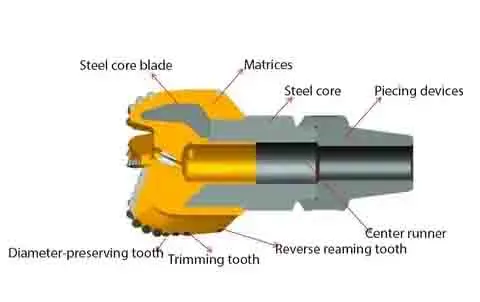
Body building is different for the two main types: steel bodies and matrix bodies. Steel body PDC Bits are made of high-strength alloy steel that has been cut into exact shapes. They are very strong and flexible and can withstand impacts very well. This design is especially useful when digging through broken rock or layers with hard stringers buried inside them, since quick shock loads can break less durable options. Because steel is malleable, it can absorb and release impact energy well, keeping the cutting structure from breaking in a terrible way. Also, steel body shapes allow for bigger junk slot areas, which makes it easier to get rid of cuts and lowers the risk of bit balling in sticky forms.
Matrix body bits are made of tungsten carbide hybrid materials, which are very resistant to wear and tear. This makes them perfect for long runs in rocks that are very rough. Even though they can't handle as much pressure, their better wear resistance makes bits last longer in places where friction rather than shock is the main cause of failure.
Technical Specifications That Drive Performance
Bit size, cutting plan, and hydraulic design all have a direct effect on how well and how deep a hole can be drilled. Our production range includes sizes from 98mm to 660mm, so we can make products for a wide range of uses, from core samples to building big oil wells. For each size group, there are specific cutter arrangements that work best with the order and the way the machine is set up. Blades usually come in four to seven different configurations. Adding more blades can make things more stable and redundant while also lowering the risk of damage to a single cutter.
The setting of the cutter on high-quality PDC drill bits is based on complex mechanical principles that balance violent rock removal with bit stability. The back rake angle, side rake angle, and exposure height of the cutter all affect how well the bit cuts rock when weight is put on it and it spins quickly. Our focused research and development team uses cutting-edge modeling software to model how the cutter interacts with the rock, figuring out the best settings for each type of formation, from soft shale to rough sandstone.
Wear Resistance and Operational Longevity
How long something works and how much it costs depend on how resistant it is to wear processes. Because they are so hard, PDC cutters resist mechanical wear and keep cutting effectively even after long drilling breaks. Thermal deterioration, on the other hand, is dangerous when contact makes the cutter-rock surface too hot. This is fixed in high-quality production by using diamond grades and welding methods that keep the structure strong at high temperatures, which improve thermal stability. Our products have temperature management features, such as improved hydraulic designs that move drilling fluid across cutting surfaces, keeping them cool while they're in use.
Key Manufacturing Standards and Processes of High-Quality PDC Drill Bits
Producing drill bits that consistently deliver field-proven performance requires adherence to comprehensive manufacturing standards governing every production phase. These protocols transform raw materials into precision tools capable of withstanding extreme operational demands.
Raw Material Verification and Quality Gates
Manufacturing excellence begins before production starts, with stringent incoming material inspection. Diamond quality varies significantly between suppliers, affecting both hardness and thermal stability. We verify diamond particle size distribution, bonding strength between diamond and carbide substrate, and thermal damage threshold through standardized testing protocols. Only materials meeting documented specifications enter our production workflow, eliminating substandard inputs that compromise final product performance.
Tungsten carbide substrates and body materials undergo similar scrutiny. Carbide grade selection affects both wear resistance and toughness, with specific compositions optimized for different applications. Steel body materials receive chemical composition analysis and mechanical property testing, confirming they meet strength and ductility requirements before machining begins.
Precision Engineering and Assembly Techniques
Modern PDC bit manufacturing leverages advanced machining technology to achieve tight tolerances essential for performance and reliability. Our facility houses five-axis machining centers and CNC machine tools that produce bit bodies with dimensional accuracy measured in hundredths of millimeters. This precision ensures proper cutter pocket geometry, blade profiles, and hydraulic course configurations that optimize fluid flow and cuttings evacuation.
Cutter bonding represents a critical manufacturing step where polycrystalline diamond compacts attach to the bit body. We utilize controlled brazing processes that create metallurgical bonds capable of withstanding tremendous mechanical and thermal stresses encountered during drilling. Temperature profiles, brazing alloy selection, and cooling rates all follow documented procedures validated through destructive testing of sample assemblies. This attention to bonding quality prevents premature cutter loss, which remains a primary failure mode in poorly manufactured bits.
Steel body bits receive protective hard-facing applications that significantly enhance abrasion resistance. Modern tungsten carbide overlays and specialized coatings extend operational life, particularly in the gauge section, where continuous contact with the wellbore wall generates substantial wear. Our welding production lines apply these protective layers using controlled deposition techniques that ensure uniform coverage and proper metallurgical bonding to the underlying steel substrate.
Quality Assurance and Performance Verification
Comprehensive testing validates that finished products meet design specifications and performance expectations. We subject sample bits to laboratory simulations measuring wear resistance, impact tolerance, and thermal stability. Accelerated wear testing involves running bits against standardized rock samples under controlled conditions, quantifying material removal rates and cutter degradation patterns. Impact testing applies sudden loads simulating encounters with hard stringers or fractured zones, verifying structural integrity under shock conditions.
Thermal cycling evaluates performance when bits experience repeated heating and cooling cycles typical of drilling operations. Diamond cutters and brazing joints must maintain integrity despite thermal expansion and contraction stresses. Bits passing laboratory qualification proceed to field trials where real-world drilling conditions provide the ultimate performance validation. Data from these trials feeds back into design refinement and manufacturing process optimization, creating a continuous improvement cycle.
Compliance with International Standards
Reputable manufacturers of high-quality PDC drill bits align their processes with recognized industry standards, including API specifications and ISO quality management systems. These frameworks establish minimum requirements for materials, manufacturing processes, and testing protocols. Our quality management system documents every production step from material receipt through final inspection, creating traceability that supports warranty claims and performance investigations. When procurement managers evaluate potential suppliers, certification to these standards provides confidence that manufacturing processes consistently produce reliable products meeting documented specifications.
Comparing High-Quality PDC Drill Bits with Other Drill Bit Types
Understanding how PDC technology compares to alternative drilling tools helps procurement managers make strategic equipment selections aligned with operational requirements and budget constraints.
Performance Advantages Over Roller Cone Bits
Traditional roller cone bits utilize rotating cones equipped with tungsten carbide inserts or steel teeth that crush and chip rock through a combination of compressive and shearing action. While effective in many formations, roller cones suffer from several limitations that PDC technology overcomes. The moving parts in roller cone designs require sealed bearing systems vulnerable to failure when seals degrade, allowing abrasive drilling fluid or formation fluids to contaminate bearing surfaces. This mechanical complexity limits operational life, particularly in abrasive or high-temperature environments.
PDC drill bits contain no moving parts, eliminating bearing failure as a concern. This simplicity translates to extended run times and reduced maintenance requirements. The continuous cutting action of PDC bits typically generates higher penetration rates compared to the crushing mechanism of roller cones, particularly in soft- to medium-hardness formations, including shale, limestone, and sandstone. Our bits operate effectively within speed ranges of 80-300 RPM and drilling pressures from 10-100 KN, accommodating various drilling equipment configurations and formation characteristics.
Cost-Benefit Analysis for Procurement Decisions
Initial purchase prices for quality PDC bits exceed those of conventional alternatives, causing some buyers to hesitate. However, total cost of ownership calculations reveal different conclusions. An extended operational life means fewer bit trips, reducing non-productive time associated with pulling worn bits from the wellbore and running replacements. In deep drilling operations, trip time represents substantial cost in terms of rig rental, crew labor, and project delays.
Faster penetration rates further amplify economic advantages. Completing drilling projects in less time reduces overall operational expenses while accelerating revenue generation from producing wells. Water well drilling teams operating on tight margins particularly benefit from this efficiency, as reduced drilling hours directly translate to lower fuel consumption and equipment wear across the entire drilling rig.
Medium and large oil service companies recognize these lifecycle economics, accepting higher initial costs in exchange for performance advantages that optimize project profitability. Coal mining companies, balancing quality requirements with price sensitivity, find appropriately specified PDC bits deliver acceptable sample test results while providing cost advantages through reduced replacement frequency compared to budget alternatives.
Application-Specific Performance Characteristics
Different bit types excel in different geological environments. PDC bits dominate in medium-hardness formations with low compressive strength, including shale, limestone, sandstone, and gypsum common in many drilling operations. Their continuous shearing action efficiently removes these materials, with multiple cutters creating numerous free surfaces that facilitate rock breakage. However, extremely hard or highly abrasive formations may exceed optimal PDC operating parameters, potentially causing rapid cutter wear or damage.
Our engineering team provides high-quality PDC drill bit application guidance, helping customers match bit designs to specific formation characteristics. Customizable cutter layouts, blade configurations, and hydraulic features allow optimization for particular drilling challenges. This design flexibility represents a significant advantage over standardized alternatives with limited adaptability.
Conclusion
Manufacturing standards establish the foundation enabling PDC drill bits to deliver the performance, reliability, and operational longevity B2B customers require. From stringent raw material selection through precision engineering and comprehensive quality assurance, each manufacturing phase contributes to final product excellence. Understanding these standards helps procurement managers and technical engineers evaluate suppliers, compare offerings, and make informed purchasing decisions, optimizing drilling operations. Whether your priority emphasizes maximum performance, competitive pricing, or balanced value, partnering with manufacturers committed to rigorous standards ensures you receive products engineered to meet demanding field conditions while supporting your operational and financial objectives.
FAQ
1. What specifically makes a PDC drill bit "high quality"?
A truly high-quality PDC drill bit combines premium polycrystalline diamond cutters with precision-engineered body construction and rigorous manufacturing standards. The diamond cutters must demonstrate verified hardness and thermal stability, properly bonded to tungsten carbide substrates through controlled metallurgical processes. Body construction, whether steel or matrix composition, should meet dimensional tolerances, ensuring proper cutter positioning and hydraulic performance. Manufacturing quality assurance, including wear testing, impact evaluation, and thermal cycling verification, distinguishes genuinely superior products from mediocre alternatives claiming equivalent performance.
2. How do PDC bits achieve better efficiency than conventional drilling tools?
PDC technology delivers efficiency through multiple mechanisms. The continuous cutting action shears rock more effectively than the crushing mechanism of roller cone bits, generating faster penetration rates, particularly in soft to medium formations. Absence of moving parts eliminates bearing maintenance and failure concerns, enabling extended operational runs with minimal downtime. Superior wear resistance means bits maintain cutting efficiency throughout longer service intervals, reducing non-productive time associated with bit trips and replacements.
3. Where should I source certified PDC bits with reliable warranty support?
Reputable manufacturers with documented quality management systems, international standard compliance, and established industry presence offer the most reliable sourcing options. Evaluate suppliers based on manufacturing capabilities, including advanced machining equipment, comprehensive testing facilities, and engineering support resources. Request documentation of quality Certifications, testing protocols, and warranty terms before committing to bulk orders. Sample evaluation under actual field conditions provides the most reliable performance validation before establishing long-term supply relationships.
Partner with HNS for Superior PDC Drill Bit Solutions
Shaanxi Hainaisen Petroleum Technology Co., Ltd. delivers High Quality PDC Drill Bits certified PDC drill bit manufacturing excellence backed by advanced production capabilities and comprehensive engineering support. As an established PDC drill bits supplier since 2013, we serve oil and gas companies, coal mining operations, and water well drilling teams with products optimized for their specific applications. Our 3,500-square-meter facility houses five-axis machining centers and CNC equipment producing bits from 98mm to 660mm diameters with customizable designs meeting your unique formation challenges. Contact our team at hainaisen@hnsdrillbit.com to discuss your requirements, request technical specifications, or obtain a detailed quotation for your next drilling project.
References
1. Anderson, M.P., & Richards, K.L. (2019). Advanced Materials in Petroleum Drilling Technology. Houston: Energy Publications International.
2. Chen, W., & Morrison, T.J. (2021). "Manufacturing Process Optimization for Polycrystalline Diamond Compact Drill Bits." Journal of Petroleum Technology, 73(4), 42-58.
3. International Organization for Standardization. (2020). ISO 9001:2015 Quality Management Systems – Requirements. Geneva: ISO Publications.
4. Patel, R.D. (2018). Drilling Engineering: Principles and Practices. New York: Technical Press.
5. Winters, J.A., & Liu, H. (2022). "Comparative Performance Analysis of PDC and Roller Cone Drill Bits in Sedimentary Formations." SPE Drilling & Completion, 37(2), 156-171.
6. Zhang, L., Thompson, B.K., & Hassan, M. (2020). Diamond Compact Technology: Manufacturing and Field Applications. London: Petroleum Engineering Press.
 VIEW MOREThree Blade Wing Arc Angle Drill Bit
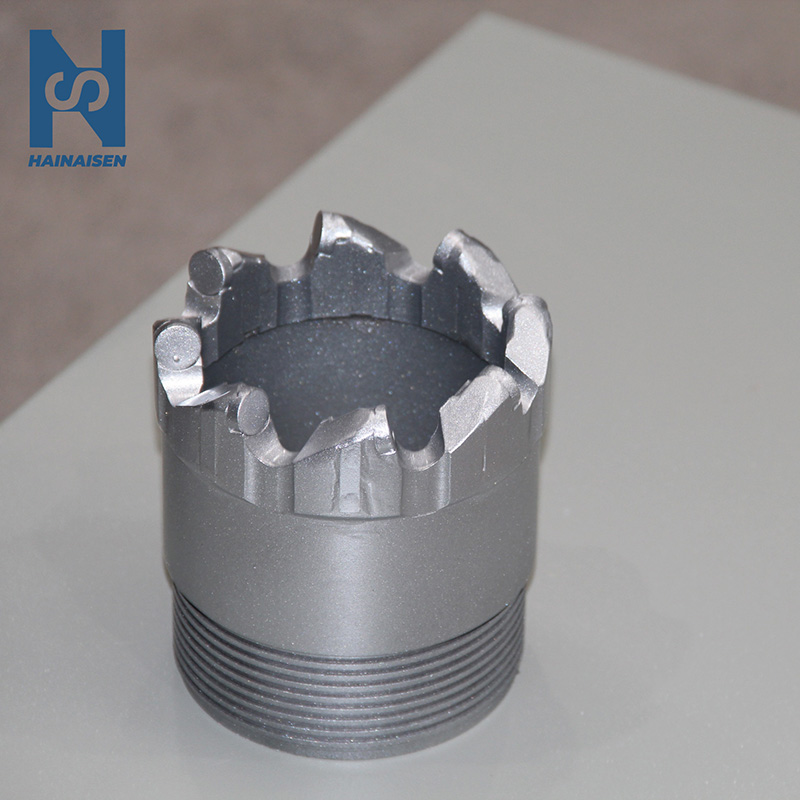 VIEW MOREPDC Core Drill Bit Used For Drilling
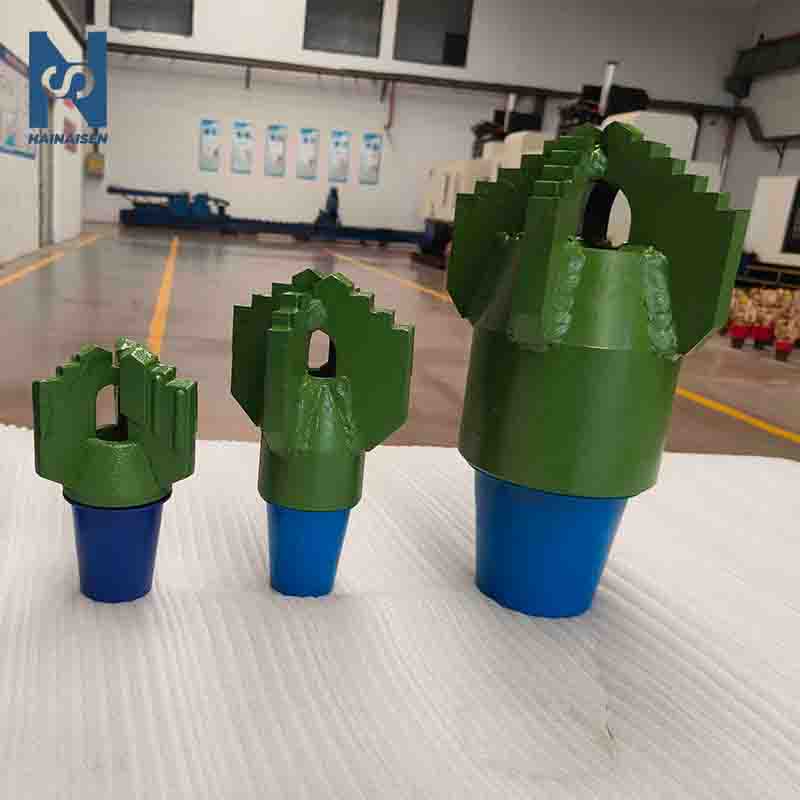 VIEW MORESteel Scraper Drill Bit
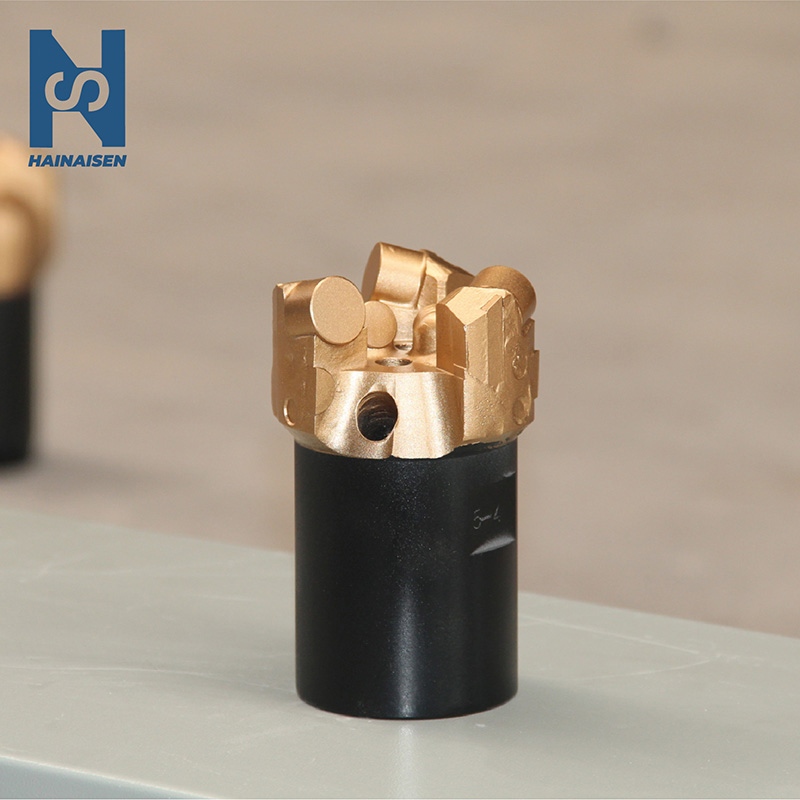 VIEW MORECoal Mining PDC Drill Bits
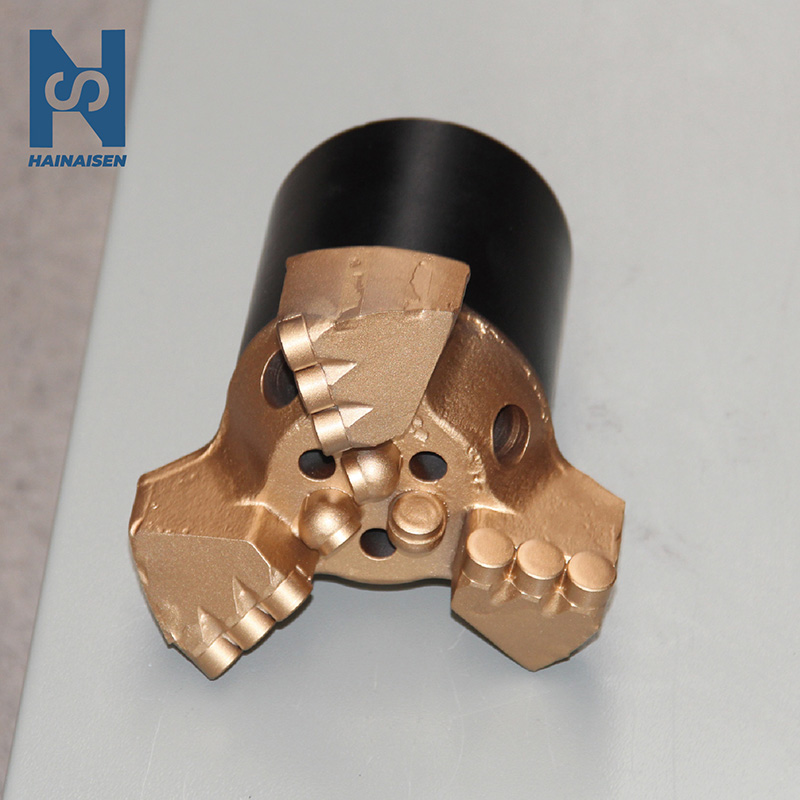 VIEW MOREThree Blade Concave Drill Bit Api For Manganese Coal Mines
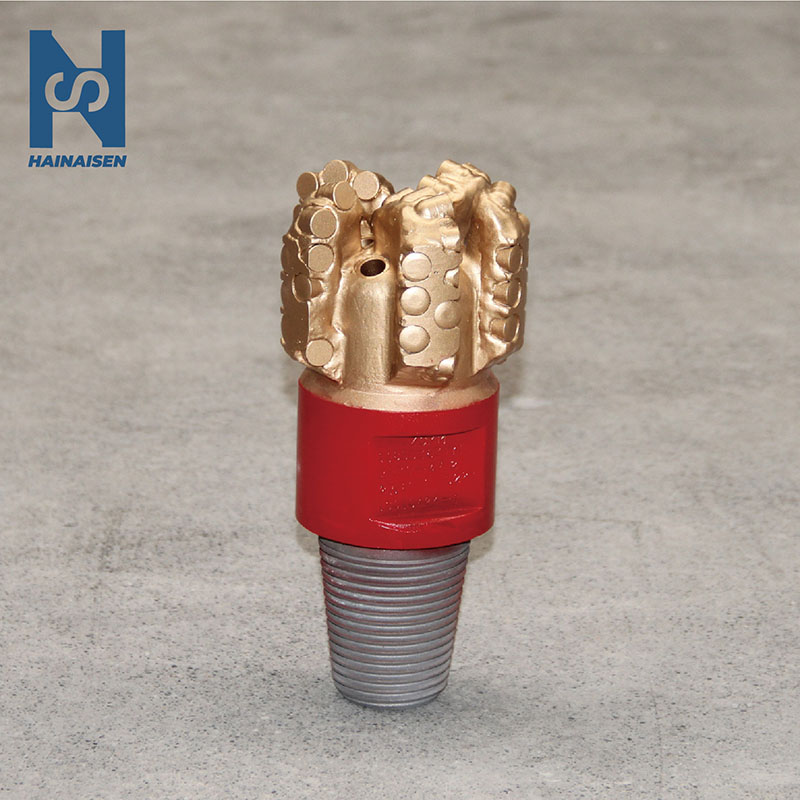 VIEW MOREHigh Performance 5 Cutter PDC Bit
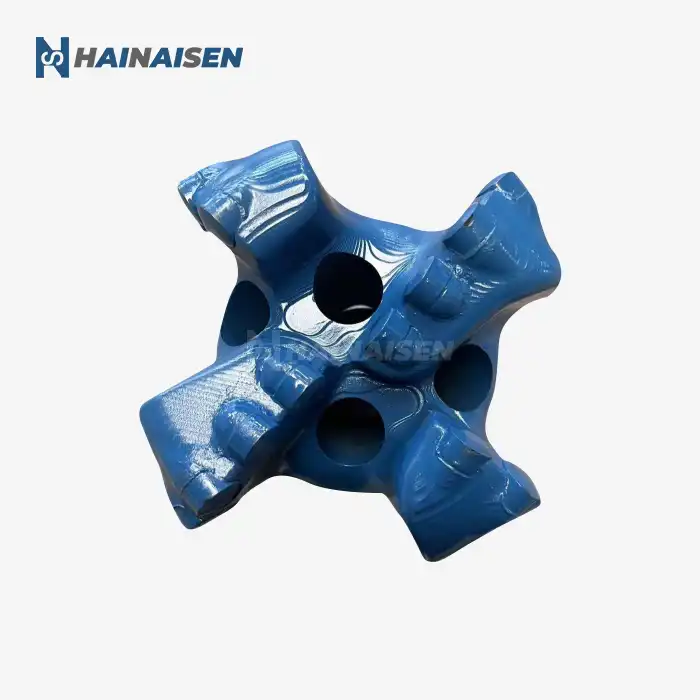 VIEW MOREFour Blade PDC Drill Bit
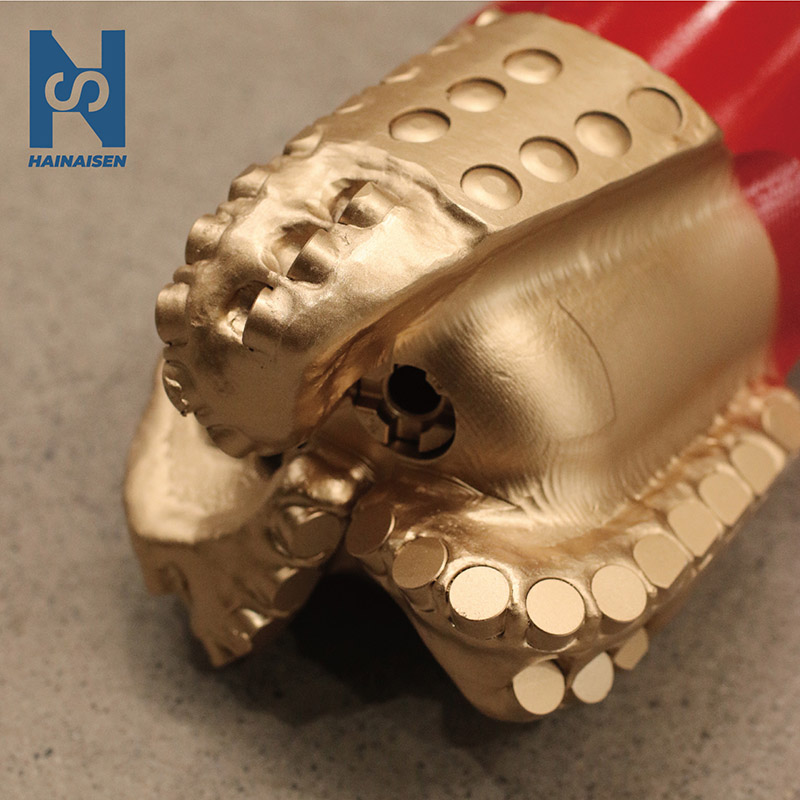 VIEW MOREThree Blades Rock Drill Bit