







Five Blades Oil Well Drill Head vs 3-Blade: Which Is Better?
Choosing the right drill head design has a direct effect on how well your drilling process works, how much it costs, and how long the job takes. In medium- to hard-rock formations, the Five Blades Oil Well Drill Head always does a better job than standard three-blade designs when it comes to entry rate, stability control, and operating lifespan. Five-blade designs spread out cutting forces more widely, which lowers harmful noises and increases service times. These are important benefits for oil service companies that work with deep wells and tough rock formations. Three-blade choices have lower initial costs, but five-blade systems have a higher total cost of ownership because they work better and have less downtime. This is especially true in challenging drilling settings where dependability cannot be sacrificed.
Understanding the Design and Working Principles
How well your equipment cuts through underground rocks is largely determined by the design of the drill head. The number of blades, the type of material used, and the design of the hydraulics all affect how well the drilling works generally.
Blade Configuration and Structural Design
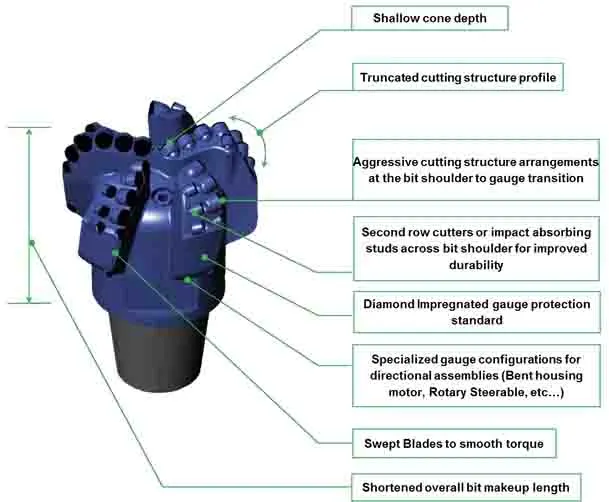
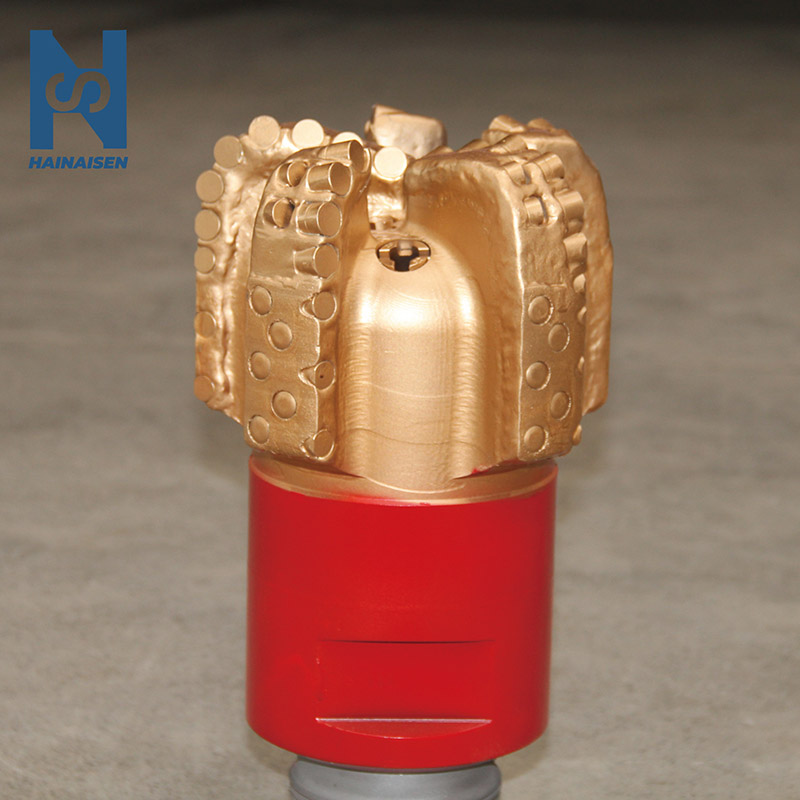
Five-blade drill heads have extra cutting parts that are grouped around the bit face in the best way possible. This arrangement makes it so that more of the blade touches rock, so each one can handle less stress while still cutting very deeply. The shape of five-blade systems makes the spread of force more even, which reduces bit whirl and movement to the side during spinning. Three-blade models have simpler layouts with bigger gaps between the cutting elements. This makes the load patterns uneven, which can make individual blades wear out faster and make the machine less consistent in how it works.
Material Composition and Engineering
These days, five-blade drill heads use high-tech tungsten carbide inserts or polycrystalline diamond compact (PDC) cuts that are attached to steel or matrix bodies. These materials can handle the rough rock layers and high temperatures that come up during deep digging. The choice of body material—steel for strength or matrix for resistance to erosion—is based on what the formation is likely to be like. Three-blade designs usually use the same materials, but they're spread out over fewer cutting areas. This can make them less useful in rough places where blades wear out quickly.
Hydraulic Flow Dynamics
For drills to work well, the cuttings must be removed from the bit face correctly. Five-blade drill heads have more advanced tip settings and flow pathways that make the flow of fluid better. This hydraulic system keeps the cutting elements cool and clean all the time, which stops bits from balling and keeps penetration rates steady. With flow rates of 20 to 35 liters per second, these systems get rid of dirt quickly and keep cutting surfaces smooth. Three-blade designs have easier hydraulic paths that might not be able to get rid of trash as well in difficult rocks, which could lead to lower performance during long drilling runs.
Performance Comparison: Efficiency, Durability, and Operational Lifespan
Operational metrics reveal substantial differences between five-blade and three-blade drill head performance. These distinctions directly affect project economics and completion schedules.
Cutting Efficiency and Penetration Rates
Five-blade drill heads can go through layers that are as soft as sedimentary rocks or as hard as medium-hardness strata much more quickly. Studies done in the field show that the entry rate is up to 30% better than with three-blade drills in shale, limestone, and sandstone layers. This benefit comes from having more cutting edges working on the rock face at the same time, along with better load distribution that lets more weight be put on the bit without risking mechanical failure. Five-blade designs have improved blade spacing that cuts down on the re-cutting of formation material. This means that more of the drilling energy is used to move the bit deeper into the ground instead of being lost.
Three-blade systems work well with soft rocks, but they have trouble keeping their rates of penetration (ROP) fixed when they hit harder rocks or layers of rock that are layered on top of each other. It takes more turns to fix the bigger raw lines that show up because there is more room between the blades. This means it needs more than one pass to finish the job faster than a five-blade setup.
Durability and Service Intervals
Replacement prices and downtime for broken equipment, like the Five Blades oil well drill head, have a direct effect on project budgets. In most cases, five-blade drill heads last 40 to 60 percent longer than three-blade ones in the same drilling situations. The extra blades spread the cutting forces over more touch points, which makes it less likely that stress will build up on any one part. This even distribution of load slows down the rapid wear patterns that happen in three-blade designs, where each blade is subjected to higher contact forces over the course of its life.
Another advantage of longevity is less shaking. Five-blade designs make rotary dynamics more stable, which stops harmful movements that travel through drill strings and hurt both bit parts and downhole assemblies. Higher amplitude vibrations are found in three-blade systems, especially at typical rotating speeds of 80 to 120 RPM. This makes cutting structures and body materials wear out faster.
Energy Efficiency and Cost Optimization
Five-blade drill heads usually cost 25–40% more than similar three-blade units when they are first bought, but their operating economics make them more valuable over time. The faster entry rates cut down on the number of digging hours needed to reach goal levels. This saves money on fuel, tool hire, and labor. When all practical factors are taken into account instead of just the price of the tools, drilling companies that use five-blade technology report 15-20% drops in per-foot drilling costs.
The efficiency of energy flow varies between designs as well. Five-blade hydraulic systems make the best use of power and reduce energy loss due to shaking and friction, so more mechanical input can be used to cut rock. In deep wells, where weight-on-bit and power needs rise significantly, this efficiency is especially useful. Even small changes in performance add up to big time and money savings.
Application Scenarios and Suitability
Matching drill head specifications to geological conditions and project requirements ensures optimal performance and cost-effectiveness. Different blade configurations excel in distinct operational contexts.
Demanding Geological Formations
Five-blade drill heads prove essential in challenging drilling environments. Operations targeting deep oil and gas reservoirs—often exceeding 3,000 meters—benefit from the superior stability and cutting efficiency these systems provide. The formations encountered at depth frequently include hard limestone, dense sandstone, and abrasive shale sequences that quickly degrade lesser equipment. Five-blade designs maintain consistent performance throughout these demanding intervals, reducing the frequency of costly bit trips that interrupt drilling operations and extend project timelines.
Directional and horizontal drilling applications particularly benefit from five-blade technology. These advanced well trajectories demand precise steering control and consistent toolface orientation, both of which suffer when drill bits exhibit excessive vibration or uneven cutting action. The balanced forces generated by five-blade configurations enable more accurate directional control while maintaining acceptable penetration rates through varied formations encountered along complex wellbore paths.
Cost-Sensitive Applications
Three-blade drill heads remain viable options for specific operational scenarios. Water well drilling teams working in known soft formations can achieve satisfactory results with these simpler designs, especially when project budgets prioritize equipment costs over completion speed. The reduced initial investment appeals to smaller operators managing limited capital resources, provided geological conditions remain within the performance envelope of three-blade technology.
Shallow exploration drilling in sedimentary basins with predictable soft-to-medium rock sequences represents another appropriate application for three-blade systems (PDC bit). When formation hardness remains consistently low and drilling depths stay below 1,000 meters, the performance gap between blade configurations narrows, potentially justifying the cost savings of three-blade options.
Versatility Across Operations
At Shaanxi Hainaisen, our Five Blades Oil Well Drill Head serves diverse drilling operations, including oil and gas exploration, geothermal projects, coalbed methane extraction, mineral exploration, and offshore applications. This versatility stems from the engineered capacity to perform across medium-hardness strata with compressive strengths ranging from 20 to 80 MPa. The operational parameter range—accommodating drilling pressures from 10 to 100 kN and rotational speeds between 80 and 300 RPM—provides flexibility to optimize performance across varying geological conditions without requiring frequent equipment changes.
Procurement Considerations for B2B Clients
Strategic equipment selection requires balancing multiple factors beyond immediate purchase price. Procurement managers must evaluate the total cost of ownership, supplier capabilities, and operational support infrastructure.
Cost-Benefit Analysis Framework
Evaluating drill head options demands comprehensive financial modeling that captures both direct and indirect costs. The purchase price represents merely the starting point. Consider these critical cost elements: expected service life measured in drilling hours or meters, anticipated penetration rates affecting project duration, maintenance requirements including inspection frequency and parts replacement, and downtime costs when bits require changing. Five-blade drill heads command premium pricing but typically deliver lower per-meter drilling costs through extended service intervals and faster penetration rates. Three-blade options offer initial savings but may incur higher operational costs through more frequent replacements and slower drilling progress.
Calculate lifecycle economics using your specific operational parameters. Projects involving hard formations, deep targets, or tight completion schedules often justify five-blade investments through time savings and reduced non-productive time. Conversely, high-volume operations drilling numerous shallow wells in soft formations might optimize economics through three-blade standardization despite their performance limitations.
Supplier Selection Criteria
Partnering with established Manufacturers ensures product quality, technical support, and supply chain reliability. When evaluating potential suppliers, examine their production capabilities, quality control systems, and industry Certifications. Manufacturers operating modern facilities with advanced machining equipment—including 5-axis machining centers and CNC tooling—demonstrate commitment to precision manufacturing essential for consistent drill head performance.
Supplier experience matters significantly. Companies with decade-plus industry tenure bring accumulated engineering knowledge to product design and troubleshooting support. This expertise proves invaluable when addressing performance challenges or customizing equipment specifications for unusual drilling conditions. Assess whether suppliers maintain dedicated research and development teams capable of designing custom bit configurations matching your operational requirements.
Ordering Process and Support Services
Streamlined procurement depends on supplier capabilities extending beyond manufacturing. Evaluate ordering processes for clarity and efficiency, confirming whether suppliers accommodate custom specifications, OEM arrangements, and volume pricing structures. Warranty terms deserve careful review—comprehensive coverage protecting against manufacturing defects and premature wear provides risk mitigation for significant capital investments.
The after-sales support infrastructure of PDC Bit directly impacts operational continuity. Suppliers should offer technical consultation services helping customers optimize drilling parameters for specific formations; troubleshooting guidance addressing performance issues; and expedited replacement part availability, minimizing downtime when components require servicing. International operations particularly benefit from suppliers maintaining responsive communication channels across time zones and offering technical documentation in multiple languages.
Conclusion
The choice between five-blade and three-blade drill head configurations hinges on operational priorities, geological challenges, and economic objectives. Five-blade systems deliver superior penetration rates, enhanced stability, extended service life, and lower per-meter drilling costs, making them optimal for demanding applications in medium-to-hard formations, deep wells, and directional drilling projects. Three-blade alternatives serve cost-sensitive operations in soft formations, where their performance limitations prove acceptable against a lower initial investment. Procurement managers maximizing drilling project outcomes should prioritize lifecycle economics over purchase price, recognizing that premium equipment frequently delivers superior total value through reduced operational costs and improved performance.
FAQ
1. What formations work best with five-blade drill heads?
Five-blade drill heads excel in medium-hardness formations, including shale, limestone, sandstone, and gypsum with compressive strengths between 20 and 80 MPa. These configurations maintain consistent performance across varied geological sequences, handling transitions between rock types without significant efficiency losses. They prove particularly effective in interbedded formations where three-blade systems struggle with changing hardness levels.
2. How much longer do five-blade drill heads last?
Service life comparisons indicate five-blade systems deliver 40-60% extended operational intervals compared to three-blade counterparts under equivalent drilling conditions. Actual longevity depends on formation abrasiveness, drilling parameters, and maintenance practices. Operations drilling primarily in soft-to-medium formations may achieve several thousand meters per bit, while abrasive hard rock environments reduce service intervals proportionally.
3. Can five-blade drill heads reduce my drilling costs?
Despite higher purchase prices, five-blade technology typically lowers total drilling costs by 15-20% through faster penetration rates, reduced bit trips, and extended service intervals. The cost advantage grows more pronounced in challenging formations and deep wells where enhanced performance compounds into substantial time savings. Calculate lifecycle economics using your specific operational parameters to quantify potential savings.
Partner with HNS for Superior Drilling Solutions
Shaanxi Hainaisen stands as your trusted Five Blades Oil Well Drill Head manufacturer, delivering advanced drilling technology backed by over a decade of engineering excellence. Our 3,500m² production facility employs state-of-the-art 5-axis machining centers and CNC equipment, ensuring precision manufacturing and consistent quality. We supply complete technical solutions tailored to your geological challenges, whether you're drilling deep oil wells, developing geothermal resources, or extracting coal-bed methane. Contact our technical team at hainaisen@hnsdrillbit.com to discuss your specific drilling requirements and discover how our Five Blades Oil Well Drill Head technology can optimize your operational performance and project economics.
References
1. Bourgoyne, A.T., Millheim, K.K., Chenevert, M.E., and Young, F.S. (1991). Applied Drilling Engineering. Society of Petroleum Engineers Textbook Series, Volume 2.
2. Dupriest, F.E. and Koederitz, W.L. (2005). "Maximizing Drill Rates with Real-Time Surveillance of Mechanical Specific Energy." SPE/IADC Drilling Conference, Paper SPE-92194-MS.
3. Fear, M.J., Meany, N.C., and Evans, B. (1997). "A Strategy for Managing Drilling Risk in the Deepwater Gulf of Mexico." SPE Drilling & Completion, Volume 12, Number 1, Pages 38-44.
4. Ledgerwood, L.W., Hoffmann, O.J., and Jain, J.R. (2010). "PDC Bit Technology for the 21st Century." IADC/SPE Drilling Conference and Exhibition, Paper SPE-128741-MS.
5. Mitchell, R.F. and Miska, S.Z. (2011). Fundamentals of Drilling Engineering. Society of Petroleum Engineers Textbook Series, Volume 12.
6. Warren, T.M. and Armagost, W.K. (1988). "Laboratory Drilling Performance of PDC Bits." SPE Drilling Engineering, Volume 3, Number 2, Pages 125-135.
 VIEW MOREPolycrystalline Diamond Compact Drill Bits
 VIEW MOREDrilling Bit For Oil And Gas Rig
 VIEW MOREHigh Quality PDC Drill Bits
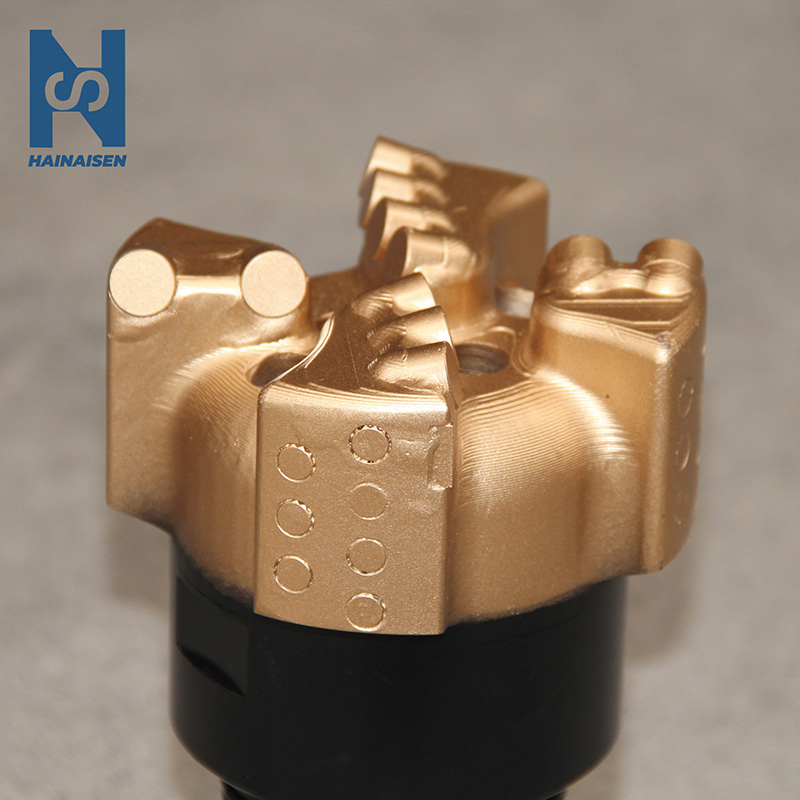 VIEW MOREDirectional Well PDC Drill Bit
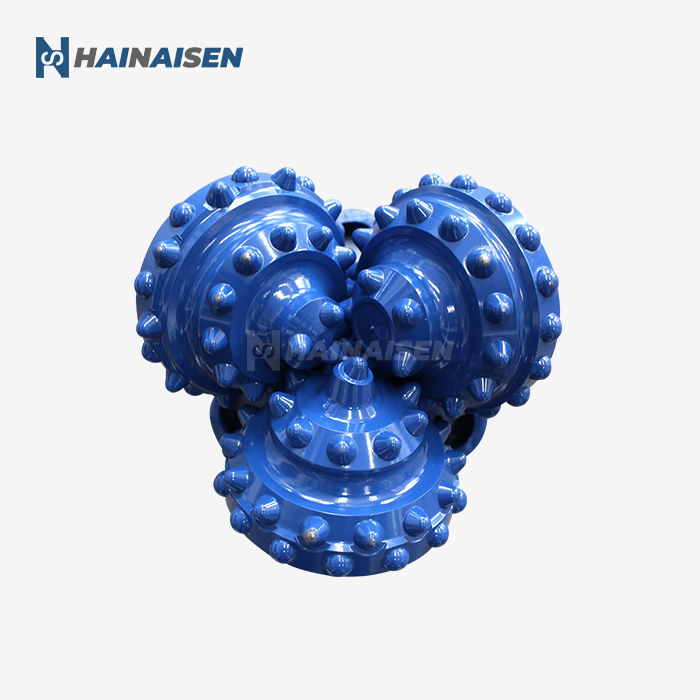 VIEW MORESteel Tooth Bit
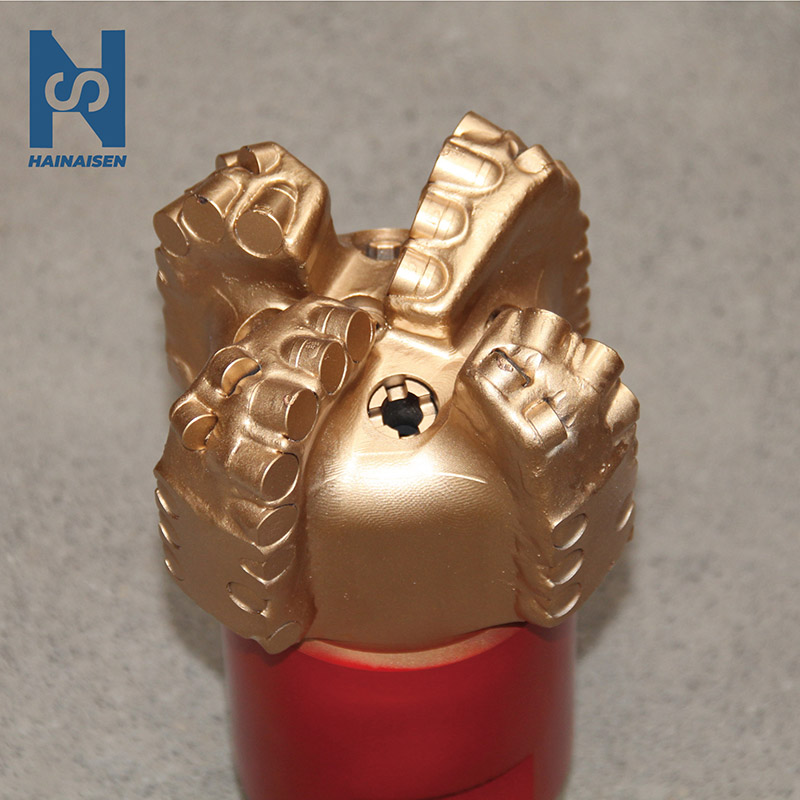 VIEW MOREFour Blade Wing High Performance Petroleum Drill Bit
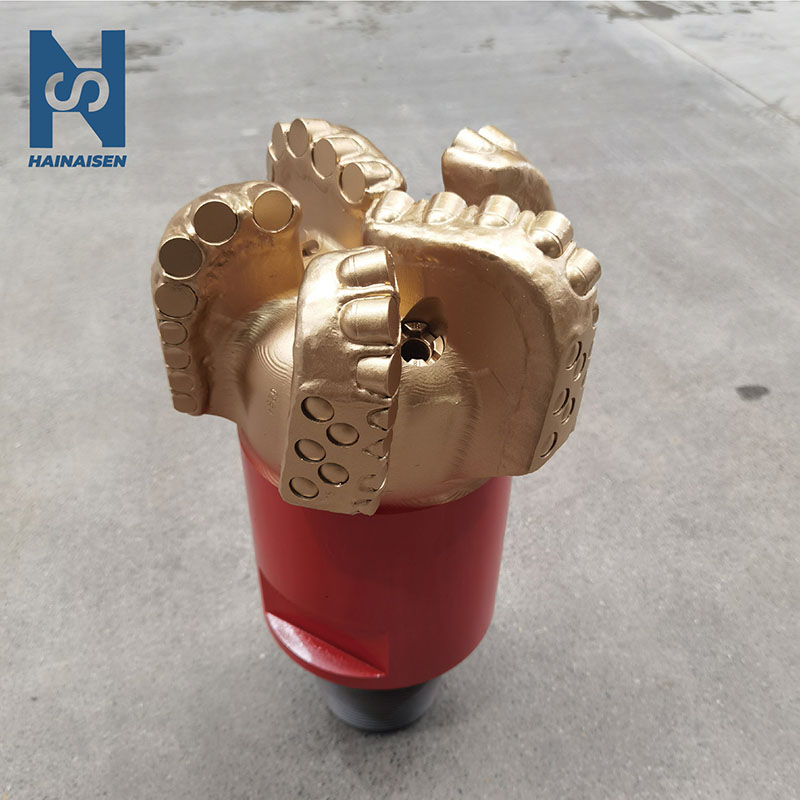 VIEW MOREDrill Bits For Oil Drilling
 VIEW MOREDiamond PDC Drill Bit
