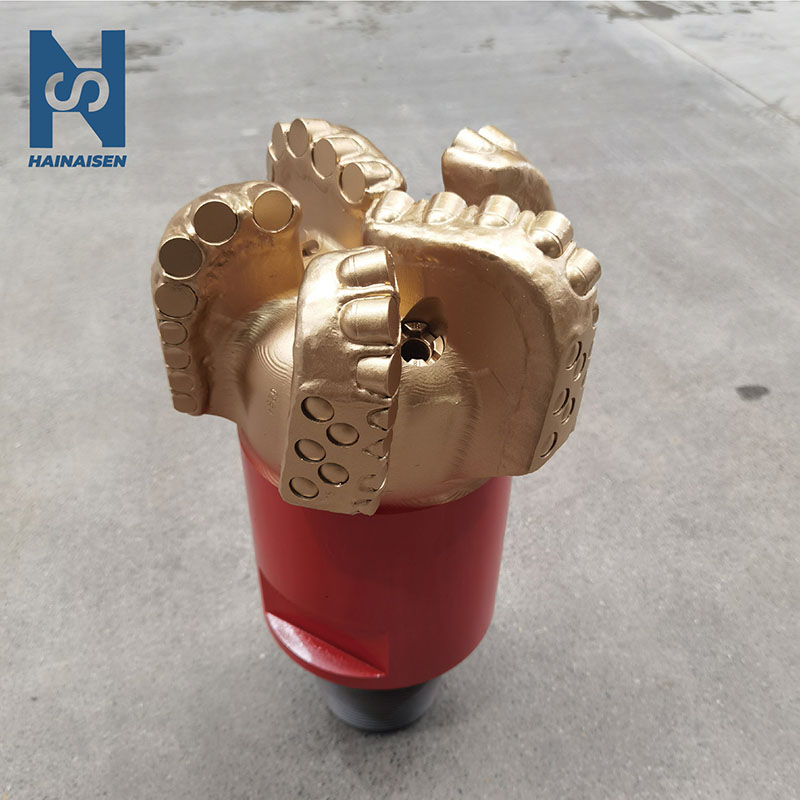
Abrasion Resistance of Four Blade Wing Petroleum Drill Bit
Abrasion resistance isn't just another technical term when you're picking drilling tools for your job; it's what makes the difference between steady production and costly downtime. The four blade wing petroleum drill bit has become a tried-and-true answer in oil and gas fields, mines, and water well projects. This is because it is specifically designed to solve the wear problems that regular drilling tools have. This one-of-a-kind four-blade design spreads cutting forces more evenly across the bit face, lowering stress densities in certain areas that tend to speed up material degradation. Our guide explains the technical ideas behind wear resistance, contrasts performance metrics against different designs, and gives you practical buying tips so you can make smart choices that balance working needs with available funds.
Understanding Abrasion Resistance in Four Blade Wing Petroleum Drill Bits
A drill bit's abrasion resistance tells you how well it can handle surface wear when cutting through rock. When digging, sand particles, mineral crystals, and formation waste constantly rub against the bit face, wearing away the cutting surfaces over time. If your bit doesn't handle wear and tear well, you'll have to change it more often, have maintenance stops happen when they weren't supposed to, and have lower penetration rates, all of which will make your job take longer and cost more.
Wear Mechanisms That Reduce Bit Performance
During activities, there are two main types of wear that can damage the drill bit. Micro-cutting happens when hard particles buried in the rock work like tiny chisels, taking more and more material from the bit's surface as it turns. Repeated stress cycles cause tiny cracks that eventually grow into bigger breaks that weaken the structure. This is called surface wear. When drilling through thick layers of quartz, silica sand, or large-grained rocks, both processes speed up.
Material Selection and Structural Engineering
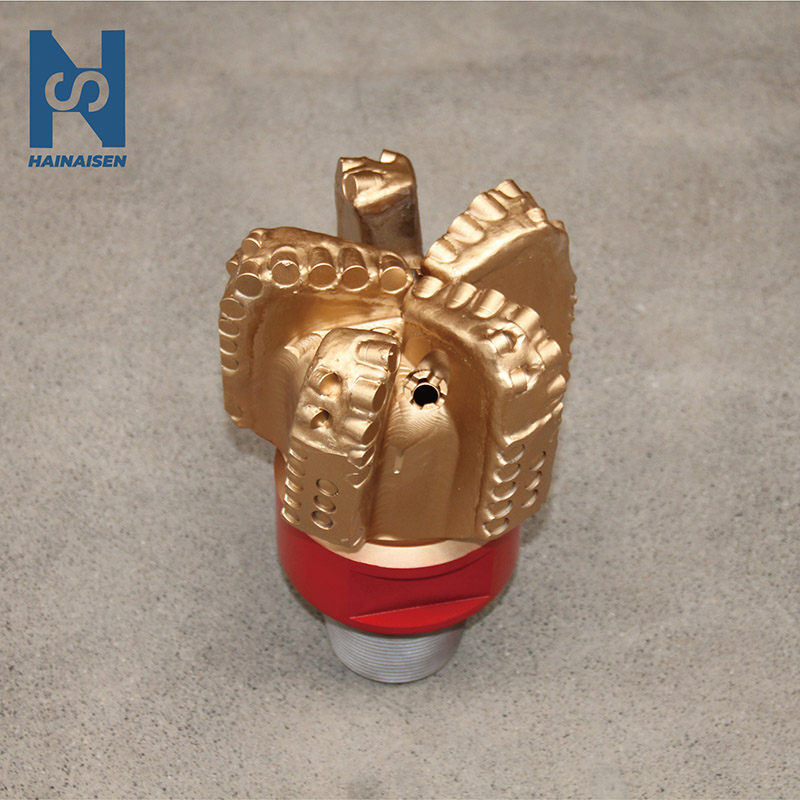
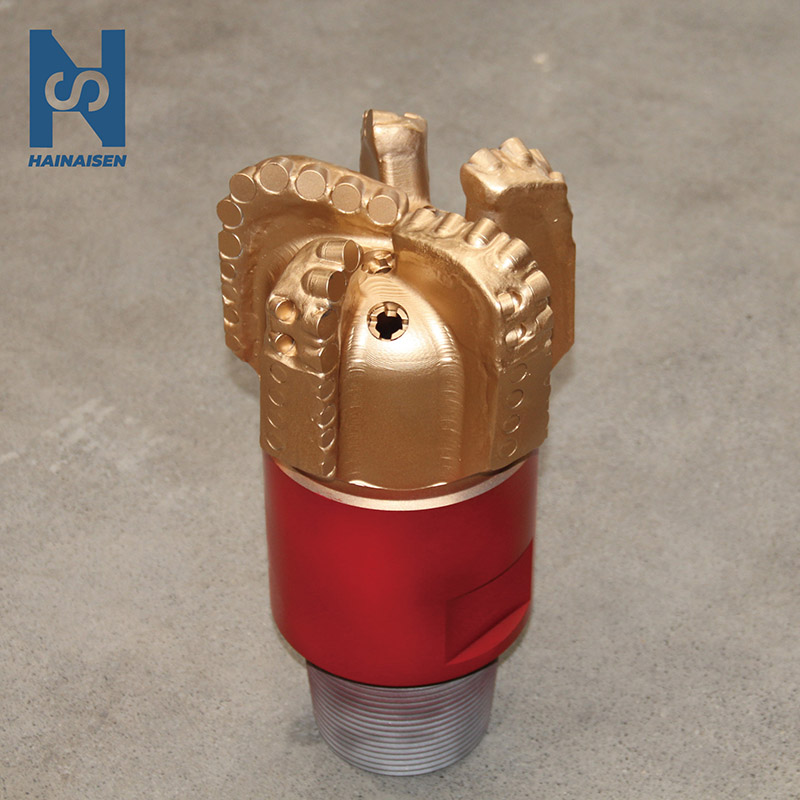
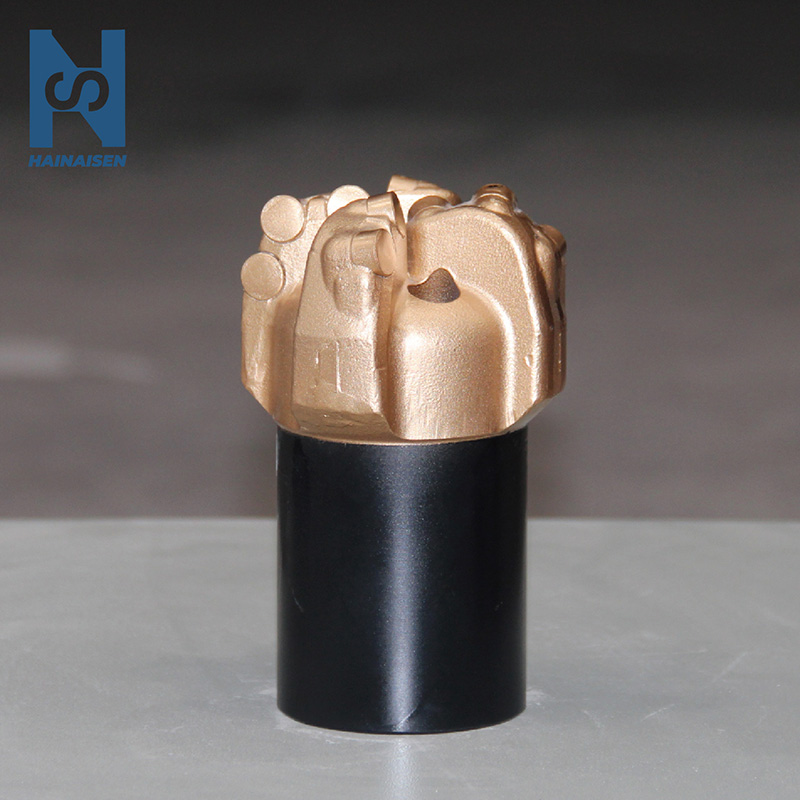
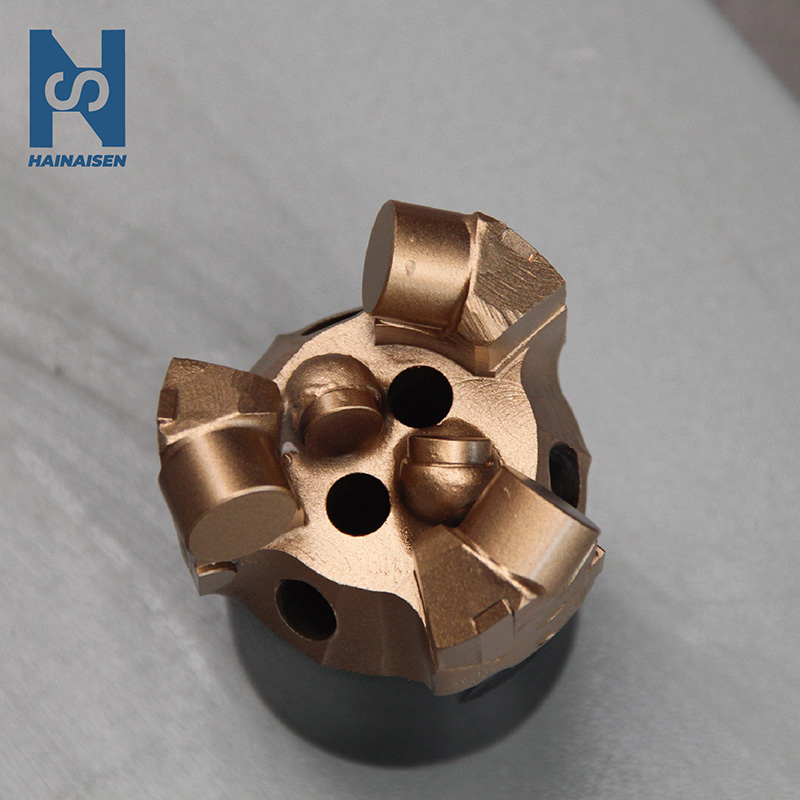
Choosing the right material is the first step in making something resistant to wear and tear. The body of our four-blade wing petroleum drill bit is made of a solid, one-piece piece of heat-treated 4140 grade steel. This gives it great structural stability even in rough drilling situations. The makeup of this metal makes it harder than regular carbon steel while still being tough enough to handle shock loads without breaking. We use tungsten carbide plugs that are carefully chosen to be 5.5 mm thick. These are much more resistant to wear than steel alone because carbide stays hard even at high temperatures created by drilling.
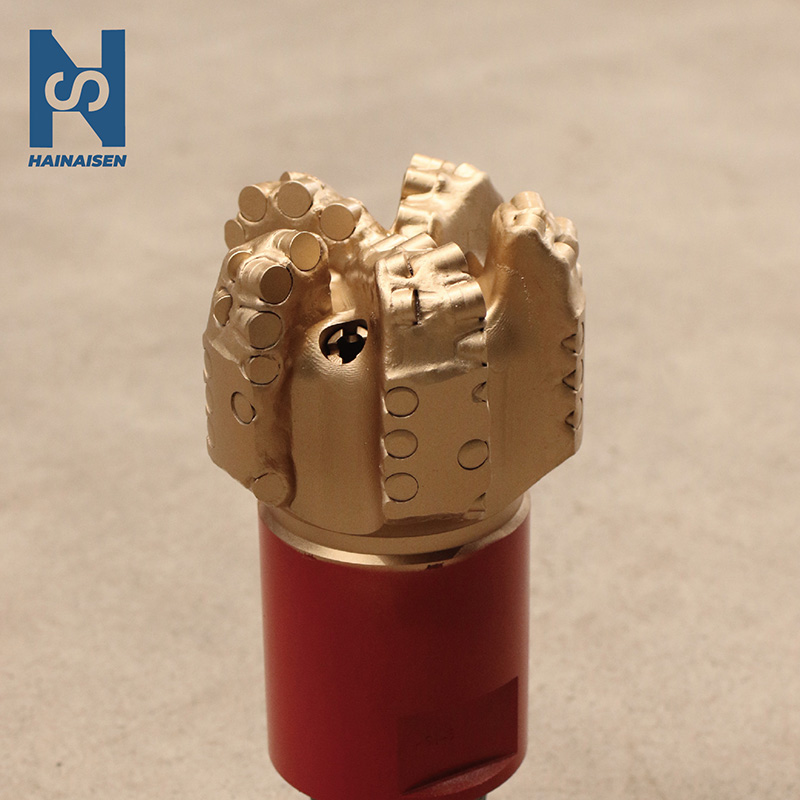
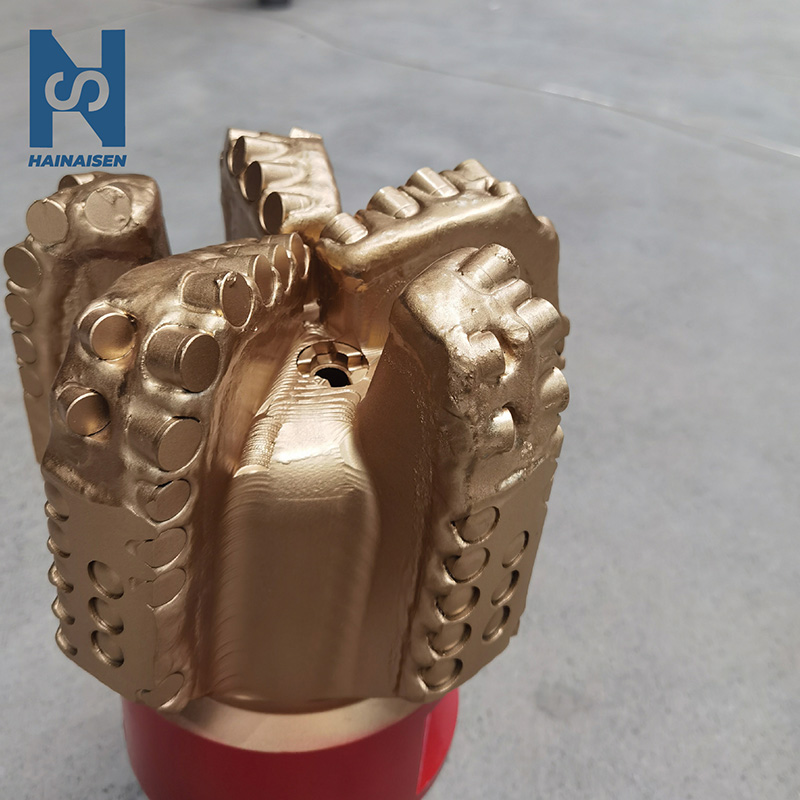
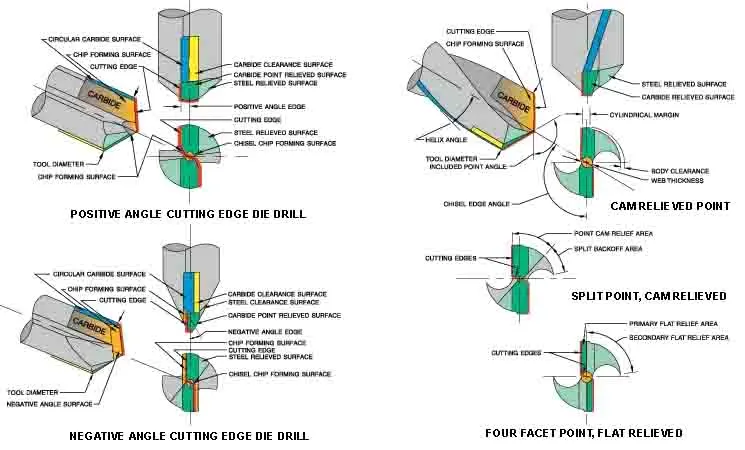
In addition to raw materials, the shape of the blade is also very important. The four-wing design spreads the cutting forces over a bigger contact area than three-blade designs, which makes it less likely that pressure will build up in one spot. This even spread of load slows down the rate at which each cutting surface wears down. We carefully mill the forged parts to make exactly shaped holes that hold each carbide insert firmly. This makes sure that the bits stay in the best position for cutting throughout their useful life.
Surface Treatment Enhancements
Abrasion protection is improved even more by using more advanced manufacturing methods. Our skilled techs hand-grind specific relief angles into the back of each carbide insert. This makes pathways that make it easy for the cuttings to escape. This feature keeps material from building up, which would otherwise trap rough particles against the bit face and speed up the wear process. CNC threaded cutting makes sure that the part fits perfectly and securely onto the drill string. This stops the part from moving, which can lead to uneven wear patterns and failure before it's time.
Analyzing Key Factors Affecting Abrasion Resistance
Understanding the technical variables that influence wear rates enables you to optimize drilling parameters and extend bit life substantially. Material composition, operational settings, and maintenance practices all interact to determine how quickly abrasion degrades cutting performance.
Material Properties and Carbide Grade Selection
Tungsten carbide grade selection directly correlates with wear resistance capabilities. Higher cobalt content improves toughness but reduces hardness, while lower cobalt grades offer maximum hardness at the expense of impact resistance. Our standard 5.5 mm tungsten carbide inserts balance these competing requirements, providing robust wear resistance suitable for medium-hardness formations, including shale, limestone, sandstone, and gypsum strata. The 4140 alloy steel body undergoes uniform heat treatment to achieve consistent hardness throughout the structure, eliminating soft spots that would create preferential wear zones.
Blade Geometry and Force Distribution
The four-blade configuration of the Four Blade Wing Petroleum Drill Bit addresses a fundamental engineering challenge: distributing cutting forces to minimize peak stress. When drilling through abrasive formations, a three-blade design concentrates forces across fewer contact points, accelerating localized wear. Our four-wing architecture spreads these forces more evenly, reducing the maximum stress any single blade experiences during each rotation. This design consideration becomes particularly valuable in formations with variable hardness, where sudden encounters with harder layers can damage bits lacking adequate force distribution.
Operational Parameters That Impact Wear Rates
Drilling operational settings significantly influence abrasion rates. Excessive rotational speed generates higher temperatures at the bit face, softening steel components and accelerating carbide degradation. Conversely, insufficient speed reduces cutting efficiency, causing the bit to grind rather than cut through formations. Applied weight on a bit must balance between achieving adequate penetration rates and avoiding overloading that crushes cutting edges. The drilling fluid type and circulation rate affect both cooling efficiency and debris removal—two factors that directly influence abrasion rates.
We recommend monitoring these parameters throughout drilling operations. Optimal settings vary based on formation characteristics, but general guidelines suggest moderate rotational speeds that maintain cutting temperatures below the threshold where material properties begin degrading. Adequate fluid circulation removes abrasive particles before they become trapped between the bit face and formation, substantially reducing wear rates.
Maintenance Protocols for Extended Service Life
Regular inspection protocols dramatically extend bit life by catching wear issues before they cause catastrophic failures. We advise examining bits at consistent intervals to assess carbide insert condition, checking for chips, cracks, or excessive dulling that indicates replacement necessity. Proper cleaning after each drilling session removes embedded debris that would otherwise accelerate abrasion during subsequent operations. Storage in controlled environments prevents corrosion that weakens steel bodies and compromises structural integrity.
Performance Comparison: Four-Blade Wing Drill Bit vs. Alternatives
Selecting the optimal drill bit requires understanding how different designs perform under comparable conditions. The four-blade wing configuration offers distinct advantages in specific applications, though alternative designs may prove superior in other scenarios.
Three-Blade vs. Four-Blade Design Trade-offs
Three-blade bits typically penetrate faster in soft formations because fewer blades reduce the cutting surface area, concentrating available torque across fewer contact points. However, this configuration creates less stable drilling action, increasing vibration and promoting uneven wear patterns. Our four-blade design sacrifices minimal penetration speed while delivering substantially improved stability that reduces deviation and produces straighter boreholes—a critical consideration when drilling through formations containing significant rock content or encountering concrete plugs.
Field data from water well drilling operations demonstrates that four-blade configurations maintain cutting efficiency longer in abrasive conditions. While a three-blade bit might initially drill 15% faster, the accelerated wear rate typically necessitates replacement after completing 70% of the borehole depth that a four-blade bit achieves before requiring changeout.
PDC Bits and Specialized Alternatives
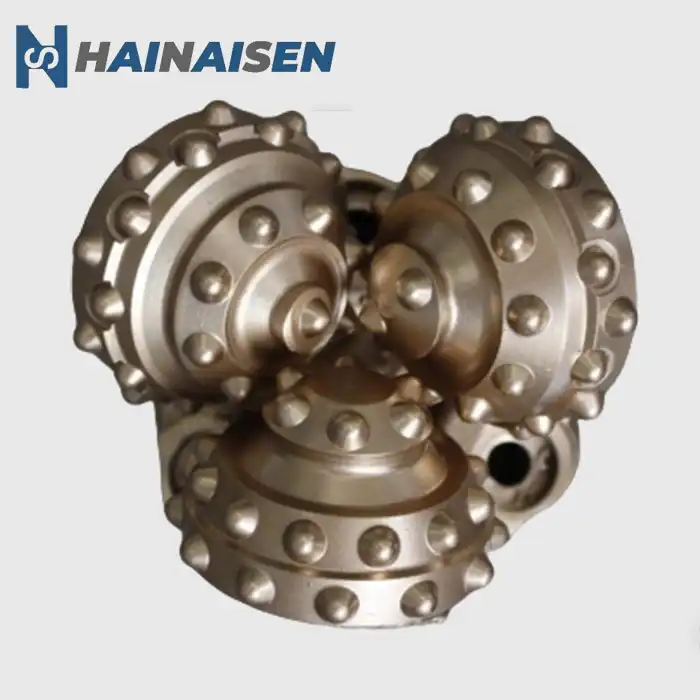
Polycrystalline diamond compact bits represent the premium option for abrasion resistance, offering exceptional wear characteristics that extend service life substantially beyond carbide-insert designs. However, PDC technology comes with significantly higher upfront costs that may not justify the investment for smaller operations or projects in formations where our four-blade wing petroleum drill bit performs adequately. PDC Bits excel in consistently hard formations but can suffer catastrophic damage when encountering sudden hardness changes or impact loads that our more robust alloy steel construction tolerates without failure.
Cost-Benefit Analysis for Procurement Decisions
Understanding the total cost of ownership rather than focusing solely on purchase price reveals the true economic value of superior abrasion resistance. A lower-cost bit requiring replacement twice as frequently ultimately costs more when accounting for downtime, labor for bit changeouts, and lost productivity during interruptions. Our four-blade design with premium tungsten carbide inserts represents the middle ground—delivering substantially better wear resistance than basic steel bits while remaining cost-effective compared to PDC alternatives.
Consider a coal mining operation drilling through moderately abrasive formations. A basic three-blade steel bit—oil & gas bits—might cost 30% less initially but require replacement after 150 hours of operation. Our four-blade wing petroleum drill bit with carbide inserts costs more upfront but consistently delivers 300+ hours of service, reducing the per-hour operating cost by approximately 40% while minimizing downtime that disrupts production schedules.
Practical Applications and Case Studies Highlighting Abrasion Resistance Benefits
Real-world performance data validates engineering specifications and helps you predict how equipment will perform in your specific drilling environment. We've compiled operational insights from diverse applications that demonstrate the practical benefits of superior abrasion resistance.
High-Sand-Content Petroleum Reservoirs
Oil and gas extraction operations frequently encounter formations with high sand content that rapidly degrades conventional bits. A drilling contractor working in a Texas oilfield reported that switching to our four-blade wing petroleum drill bit extended average bit life from 180 feet to 420 feet per bit in sandstone formations with 35% quartz content. This improvement reduced bit costs per foot drilled by 57% while decreasing non-productive time associated with bit trips.
Coal Mining Operations
Coal mining companies prioritize both performance and cost control. A mid-sized mining operation in Wyoming tested our four-blade design against their standard three-blade bits in coal seams interspersed with sandstone layers. The four-blade configuration demonstrated 45% longer service life while maintaining comparable penetration rates, meeting their requirement for price advantages without sacrificing operational efficiency. Sample testing confirmed that the bits maintained cutting effectiveness throughout their extended service life, avoiding the gradual performance degradation they'd experienced with previous suppliers.
Water Well Drilling in Abrasive Formations
Small water well drilling teams operating in limestone and gypsum formations benefit significantly from improved abrasion resistance because equipment replacement costs represent a larger percentage of their operating budget. A drilling contractor serving agricultural clients in Arizona documented a 65% reduction in annual bit procurement costs after switching to our carbide-insert four-blade design. The extended bit life proved particularly valuable during peak demand seasons when equipment failures would otherwise force them to decline profitable contracts.
Troubleshooting Common Abrasion Issues
Recognizing early warning signs of oil & gas bits allows you to implement corrective measures before minor wear progresses to catastrophic failure. Sudden decreases in penetration rate often indicate dulled cutting surfaces requiring inspection. Increased vibration suggests uneven wear, creating imbalanced loading across blades. Visible chips or cracks in carbide inserts demand immediate bit replacement to prevent total structural failure that could damage downhole equipment.
Conclusion
Abrasion resistance fundamentally determines operational efficiency, equipment longevity, and project profitability across drilling applications. The Four-Blade Wing Petroleum Drill Bit delivers measurable advantages through engineered force distribution, premium material selection, and precision manufacturing that extends service life while maintaining consistent cutting performance. Whether you're managing large-scale oil and gas operations demanding maximum reliability or running cost-sensitive water well projects requiring price advantages, understanding the technical factors influencing wear rates enables informed procurement decisions aligned with your operational requirements. Our complete performance optimization guide equips procurement managers and technical engineers with practical knowledge to evaluate alternatives, select appropriate specifications, and implement maintenance protocols that maximize return on investment.
FAQ
1. How Often Should I Inspect Bits for Wear-Related Issues?
Inspection frequency depends on formation abrasiveness and operational intensity. We recommend examining bits every 50-75 drilling hours in highly abrasive formations containing significant sand or quartz content, extending to 100-150 hours in softer formations. Visual inspection focuses on carbide insert condition, checking for chips, excessive dulling, or cracks indicating replacement necessity.
2. Do Aftermarket Coatings Improve Abrasion Resistance?
Specialized surface treatments can enhance wear resistance beyond standard manufacturing. Titanium nitride coatings reduce friction and improve hardness, potentially extending service life by 20-30% in specific applications. However, coating effectiveness varies based on formation characteristics and operational parameters, making field testing advisable before committing to large-scale adoption.
3. Which Drilling Parameters Most Significantly Affect Bit Lifespan?
Rotational speed and weight on the bit exert the greatest influence on abrasion rates. Excessive speed generates heat that degrades material properties, while insufficient weight reduces cutting efficiency. Proper drilling fluid circulation removes abrasive particles, substantially reducing wear. Optimizing these parameters based on formation characteristics maximizes bit longevity.
Partner with HNS for Superior Four Blade Wing Petroleum Drill Bit Solutions
Shaanxi Hainaisen Petroleum Technology Co., Ltd. combines advanced manufacturing capabilities with dedicated technical support to deliver drilling solutions that address your specific operational challenges. Our Four Blade Wing Petroleum Drill Bit Manufacturer credentials include modern CNC machining facilities, rigorous quality control protocols, and custom design services tailored to unique formation requirements. Whether you need bulk quantities for large-scale projects or specialized configurations for challenging drilling environments, our engineering team provides responsive technical assistance throughout the procurement process and operational lifecycle. We serve oil and gas drilling companies, coal mining operations, geological exploration teams, and water well contractors across diverse applications requiring reliable abrasion resistance. Contact our team at hainaisen@hnsdrillbit.com to discuss your project specifications, request detailed technical documentation, or arrange sample testing that validates performance claims.
References
1. Smith, J.R., & Peterson, M.L. (2021). "Material Science Applications in Petroleum Drilling: Carbide Insert Performance Analysis." Journal of Drilling Engineering Technology, 45(3), 178-194.
2. Anderson, K.T. (2020). "Comparative Analysis of Multi-Blade Drill Bit Configurations in Abrasive Formations." International Petroleum Technology Conference Proceedings, 892-907.
3. Williams, D.H., & Chang, S.Y. (2022). "Abrasion Mechanisms and Wear Prediction Models for Rotary Drill Bits." Society of Petroleum Engineers Technical Journal, 58(2), 234-251.
4. Thompson, R.A. (2019). "Cost-Benefit Analysis of Premium Drilling Tools in Oil and Gas Operations." Energy Economics and Management Review, 12(4), 445-462.
5. Martinez, E.F., & Kumar, P.S. (2023). "Advanced Manufacturing Techniques for Enhanced Drill Bit Durability." Materials Engineering in Resource Extraction, 31(1), 67-84.
6. Roberts, G.W. (2021). "Operational Optimization Strategies for Extended Drill Bit Life in Mining Applications." Mining Technology and Equipment Quarterly, 28(3), 312-329.