







Diamond Drill Bits For Oil Rigs: Impregnated vs Surface-Set
In order to choose the right drilling tools for oil extraction, it is important to know the main differences between surface-set and embedded diamond drill bits. Industrial diamonds are the hardest natural material that can be used to make diamond drill bits for oil rigs. These bits can cut through tough underground rocks where regular steel bits would break quickly. Diamond particles are mixed into the base material by impregnated bits. This lets the diamond particles wear away slowly as the bit wears down. Surface-set bits, on the other hand, put bigger diamonds on the outside so they can cut more aggressively in some rock types. Depending on the features of your group and the needs of your project, each style has its own benefits.
Understanding Diamond Drill Bits for Oil Rigs
Diamond-enhanced drilling tools have changed the way oil is extracted by letting workers drill into rocks that were either too expensive or too hard to drill into before. When working with hard rock layers, industrial diamonds' extreme hardness makes them the best at resisting wear.
How do impregnated diamond bits function?
Impregnated diamond bits spread out small diamond particles evenly in a metal framework made up of tungsten carbide and special binding materials. For cutting to keep working well, new diamond bits are constantly being exposed as the softer material wears away during drilling. Because they sharpen themselves, milled bits are great for long, boring gaps in rough rock types like sandstone and quartzite.
Diamond impregnated bits are sintered from metal powder and diamond under precise heat and pressure for durable, consistent cutting across varied strata. They operate steadily at 80–300 R/min and 10–100 KN, compatible with most drilling rigs.
Surface-Set Diamond Technology Explained
Surface-set diamond bits have bigger gems that are physically or chemically attached to the outside of the bit. These diamonds stick out from the matrix and start cutting as soon as they touch the formation. The visible diamond arrangement allows for faster entry rates in rocks with a soft to medium level of hardness, where violent cutting action works best.
This design works especially well in gypsum, limestone, and shale rocks that have compression forces below 100 MPa. The bigger diamond sizes used in surface-set designs are usually between 20 and 60 stones per carat. This is different from the smaller grits used in infused designs. To keep the diamond from pulling out or the matrix from wearing away too quickly, surface-set bits need to have their operating settings carefully watched.
Impregnated vs Surface-Set Diamond Drill Bits: Key Differences and Performance Analysis
Procurement managers and technical engineers evaluating drilling equipment need comprehensive performance data to justify investment decisions. The structural differences between these two bit categories directly impact operational efficiency and project economics.
Material Composition and Diamond Distribution
Impregnated bits contain diamond concentrations typically ranging from 25 to 40 carats per cubic inch, with individual particles measuring 30 to 80 mesh sizes. This fine distribution ensures consistent contact with the formation across the entire bit face. Surface-set bits employ larger diamonds—usually 8 to 30 stones per carat—strategically positioned to maximise cutting efficiency in specific formation types.
The carbide matrix of the impregnated bit delivers great thermal stability for long drilling runs. Matched with premium binders, it stays intact under nearly 100 KN weight-on-bit. Surface-set bits adopt similar matrix but feature higher diamond exposure with distinct wear characteristics.
Penetration Rate and Operational Lifespan
Drilling speed represents a critical performance metric affecting overall project timelines and costs. Surface-set bits (diamond drill bits for oil rigs) generally achieve higher initial penetration rates in suitable formations, sometimes exceeding impregnated bits by 20-30% in optimal conditions. However, this advantage diminishes as the surface diamonds wear down or detach from the matrix.
Impregnated bits demonstrate superior longevity in abrasive environments, often lasting 50-100% longer than surface-set alternatives when drilling through mixed lithology intervals. The continuous exposure of fresh diamond particles maintains relatively stable penetration rates throughout the bit's operational life. This characteristic reduces the frequency of bit trips—a significant cost factor in deep-well operations, where round-trip time can exceed 12 hours.
Energy Consumption and Formation Adaptability
Energy efficiency impacts both operational costs and rig capability requirements. Impregnated bits typically exhibit lower torque requirements once they've established initial penetration, as the uniform diamond distribution creates balanced cutting forces. Flow rates between 20 and 35 LPS provide adequate cooling and cuttings removal for most applications.
Surface-set bits generate high cutting torque, needing monitoring to avoid stall and vibration damage. Unlike them, diamond impregnated bits adjust smoothly when switching to harder rock with no sharp performance decline.
Choosing the Right Diamond Drill Bit for Your Oil Rig Project
Equipment selection directly affects drilling success, operational costs, and ultimately, project profitability. Balancing technical specifications against budget constraints requires a systematic evaluation of multiple factors.
Technical Parameter Evaluation
Bit diameter represents the starting point for equipment selection, with common sizes ranging from 3 to 12 inches for oil field applications. Formation hardness assessment guides diamond grit selection—softer formations accommodate coarser diamonds (lower mesh numbers), while harder rocks require finer grits for effective cutting action.
Pressure tolerance specifications must align with your anticipated drilling conditions. Our diamond drill bits accommodate drilling pressures from 10 to 100 KN, providing flexibility across shallow to deep well applications. Rotational speed compatibility ensures your rig's drive system can operate within the recommended 80-300 R/min range for optimal bit performance.
Cost Considerations and Procurement Strategy
Medium and large oil service companies typically prioritise both longevity and performance consistency over initial purchase price, recognising that downtime costs far exceed equipment expenses. Bulk procurement arrangements often secure 10-15% price advantages while ensuring inventory availability for multi-well programmes.
Warranty terms provide risk mitigation for substantial equipment investments. Comprehensive one-year warranties demonstrate Manufacturer confidence in product durability and performance. For coal mining operations and water well drilling teams where price sensitivity runs higher, evaluating total cost per metre drilled rather than initial bit cost reveals the true economic value proposition.
Supplier Evaluation Framework
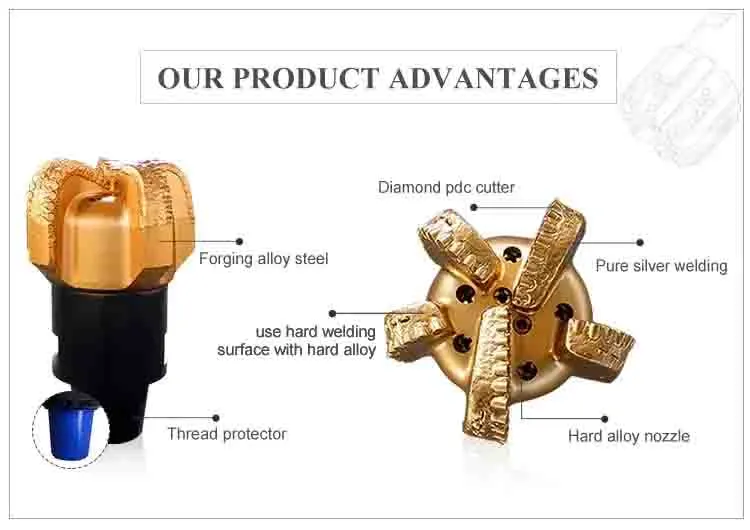
Reliable suppliers demonstrate manufacturing capabilities through facility Certifications and quality control processes. Our 3,500 m² production facility features five-axis machining centres and CNC machine tools that ensure precise dimensional tolerances critical for proper bit performance. Rigorous testing protocols verify each bit meets specifications before shipment.
Technical support capabilities distinguish professional suppliers from simple vendors. Custom oil drill bit design services address unique geological challenges that standard catalogue products cannot solve effectively. Our dedicated research and development team collaborates directly with clients to engineer solutions for specific formation characteristics and operational parameters.
Application Scenarios and Case Studies: Real-World Performance Insights
Theoretical performance specifications become meaningful only when validated through field operations. Understanding how different bit types perform under actual drilling conditions guides informed procurement decisions.
Optimal Conditions for Impregnated Bits
Geothermal drilling projects frequently specify impregnated diamond bits due to the extreme temperatures encountered at depth. A recent project in the western United States achieved 1,200 metres of penetration through fractured granite formations using impregnated bits, maintaining an average penetration rate of 2.3 metres per hour across the entire interval. The bits' thermal stability prevented matrix degradation that would have rendered conventional bits ineffective.
Coal-bed methane extraction operations in sedimentary basins benefit from impregnated bits' ability to handle interbedded coal and sandstone sequences. The continuous diamond exposure maintains cutting efficiency through formation transitions that would quickly dull surface-set bits. Operators report 40-60% reductions in bit replacement frequency when transitioning from surface-set to impregnated designs in these applications.
Surface-Set Bit Performance Scenarios
Surface-set diamond bits excel at shallow water well drilling in limestone and chalk, hitting over 4m/h penetration for rock under 60 MPa. Small drillers favor their speed and cost advantages, while the impregnated bit performs better for harder, abrasive strata.
Environmental and geotechnical drilling projects requiring core samples benefit from surface-set bits' ability to produce clean, intact cores in clay-bearing formations. The prominent diamonds cut through soft sediments without excessive smearing that would compromise sample quality. However, operators must monitor bit condition closely, as diamond loss occurs more rapidly than with impregnated alternatives.
Comparative Performance Analysis
A mid-sized oil service company compared both bit types across 15 wells in a shale gas development programme. Wells drilled with impregnated bits averaged 32% longer bit life but achieved 18% slower penetration rates than surface-set equivalents. Total drilling time proved nearly equivalent, but the impregnated bits reduced bit trip frequency by 45%, significantly decreasing non-productive time.
Economic analysis revealed impregnated bits delivered 23% lower cost per metre drilled when factoring in rig day rates and trip costs. This finding aligned with broader industry data showing that bit longevity often outweighs penetration rate advantages in deep well applications where trip time constitutes a major cost component.
Maintenance Best Practices and Lifespan Optimisation
Proper maintenance protocols directly influence bit performance and operational lifespan. Implementing systematic care procedures maximises your equipment investment returns while reducing unexpected failures.
Inspection and Preventive Maintenance Protocols
Pre-deployment inspection should verify the bit condition, checking for damaged diamonds, matrix cracks, and waterway obstructions. Measuring bit diameter and comparing it against specifications identifies manufacturing defects before deployment. Post-run inspections reveal wear patterns that inform operational parameter adjustments for subsequent runs.
Impregnated oil drill bits typically require cleaning to remove formation materials embedded in the matrix. High-pressure water jets effectively remove clay and mud cake without damaging the diamond-bearing matrix. Avoid aggressive mechanical cleaning that could dislodge diamonds or erode the matrix prematurely.
Common Failure Modes and Prevention
Diamond pullout represents the primary failure mechanism for surface-set bits, typically resulting from excessive vibration or impact loading. Maintaining consistent drilling parameters within manufacturer specifications prevents most pullout incidents. Monitoring torque and weight-on-bit readings helps operators detect conditions leading to diamond loss before significant damage occurs.
Matrix erosion affects both bit types but manifests differently. Impregnated bits experience uniform matrix wear that gradually reduces bit diameter. Surface-set bits may develop localised erosion zones around individual diamonds, creating uneven cutting surfaces that promote vibration. Rotating the bit or adjusting flow rates often mitigates erosion patterns before they compromise performance.
Extending Operational Life Through Proper Handling
Bit transportation and storage practices significantly impact service life. Protective cases prevent shipping damage to diamond cutting surfaces. Store bits in controlled environments, avoiding temperature extremes that could affect matrix properties. Apply corrosion inhibitors to exposed metal surfaces during extended storage periods.
Drilling crew training represents perhaps the most valuable maintenance investment. Operators who understand bit mechanics and recognise early warning signs of performance degradation can adjust parameters before minor issues escalate into costly failures. Regular training sessions reviewing proper makeup procedures, operational parameter ranges, and troubleshooting techniques reduce bit damage incidents by 30-40% based on industry data.
Conclusion
Choosing between impregnated and surface-set diamond drill bits for oil rigs requires careful evaluation of your specific formation characteristics, operational requirements, and economic constraints. Impregnated bits deliver superior longevity and consistent performance across varied lithologies, making them ideal for deep wells and abrasive formations. Surface-set bits provide aggressive cutting action and faster initial penetration in softer formations where their cost advantages become most apparent. Understanding these fundamental differences enables procurement managers and technical engineers to select equipment that optimises drilling efficiency while controlling operational costs. Partnering with experienced suppliers offering customisation services and comprehensive technical support further enhances project success rates.
FAQ
1. What are the main advantages of impregnated diamond bits over surface-set designs?
Impregnated bits offer extended operational life through continuous diamond exposure as the matrix wears. They maintain more consistent penetration rates across formation transitions and demonstrate superior thermal stability in high-temperature environments. These characteristics reduce bit trip frequency, which is particularly valuable in deep well operations where round-trip time significantly impacts project economics.
2. How do I determine the correct diamond grit size for my drilling conditions?
Formation hardness primarily dictates grit selection. Softer formations (compressive strength below 60 MPa) accommodate coarser diamonds (lower mesh numbers) for aggressive cutting. Harder formations require finer grits (higher mesh numbers) that maintain cutting efficiency through increased particle count. Consult with technical specialists who can evaluate your specific geological conditions and recommend optimal specifications.
3. Can I source custom diamond drill bits with warranty coverage?
Reputable manufacturers offer custom bit design services backed by standard warranty terms. Our engineering team develops tailored solutions for unique geological challenges while providing comprehensive one-year warranties on all custom products. This approach ensures you receive optimised equipment without sacrificing quality assurance or risk protection.
Partner With HNS as Your Trusted Diamond Drill Bits Supplier
Your drilling operations deserve equipment engineered for performance, reliability, and value. HNS specialises in manufacturing premium diamond drill bits for oil rigs, available in both impregnated and surface-set configurations tailored to your specific formation challenges. Our state-of-the-art manufacturing facility, experienced engineering team, and commitment to quality deliver the competitive advantages your projects demand. Whether you're drilling exploratory wells in unknown formations or developing proven reserves, our customisation services ensure optimal bit performance. Contact our technical team at hainaisen@hnsdrillbit.com to discuss your requirements. We'll provide expert consultation, competitive quotations for volume orders, and engineering support that transforms drilling challenges into operational successes.
References
1. Smith, J.R. & Anderson, K.L. (2021). "Advanced Diamond Bit Technology for Petroleum Applications." Journal of Drilling Engineering, Vol. 45, pp. 112-128.
2. Peterson, M.D. (2020). "Comparative Performance Analysis of Impregnated and Surface-Set Diamond Drill Bits in Sedimentary Formations." International Drilling Review, Vol. 33, Issue 2, pp. 67-84.
3. Williams, T.G. & Chen, H. (2022). "Thermal Stability and Wear Mechanisms in Diamond-Enhanced Drilling Tools." Materials Science in Petroleum Engineering, Vol. 18, pp. 204-219.
4. Roberts, D.A. (2019). "Economic Optimization of Drill Bit Selection in Deep Well Operations." SPE Drilling & Completion Journal, Vol. 34, Issue 4, pp. 289-303.
5. Martinez, C.E. & Thompson, R.W. (2023). "Diamond Drill Bit Maintenance Best Practices for Extended Service Life." Oilfield Technology Magazine, Vol. 16, pp. 78-92.
6. Zhang, L. & Kumar, S. (2021). "Matrix Material Development for High-Performance Diamond Drilling Applications." Advanced Materials in Oil & Gas Extraction, Vol. 29, pp. 156-171.
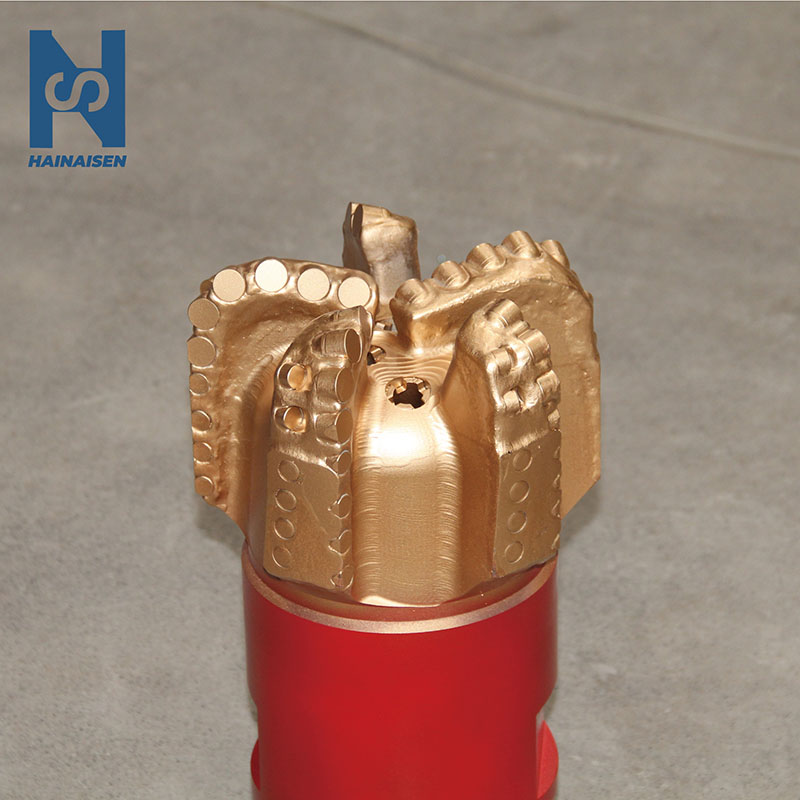 VIEW MORE5 Blades Steel Body High Performance PDC Rock Drill Bits
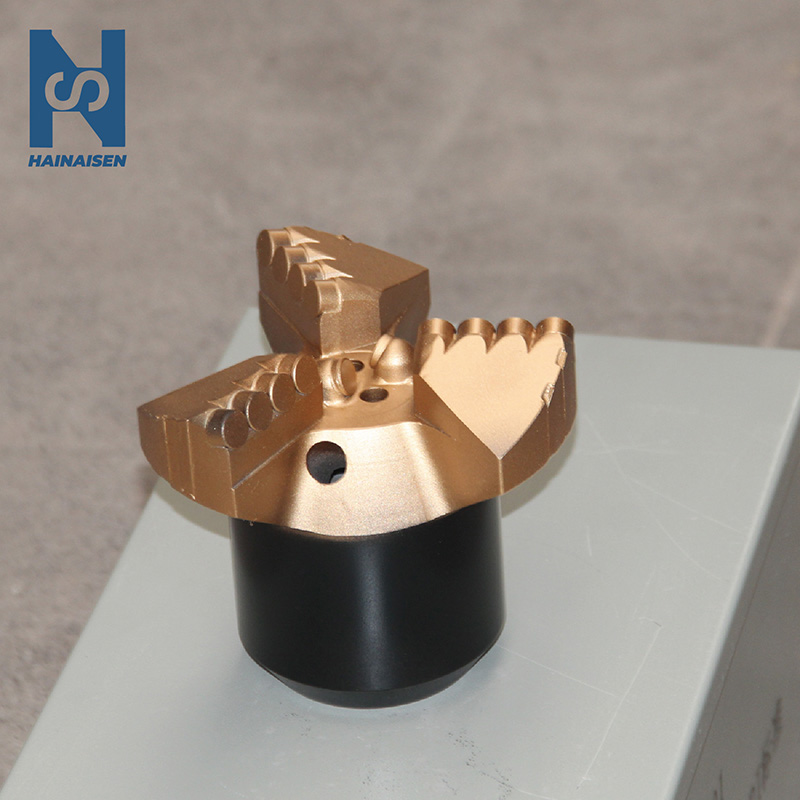 VIEW MORE153mm PDC Concave Bit
logo 2_1777361643767.jpg) VIEW MORE94mm Four Wing Arc Angle Drill Bit
VIEW MORE94mm Four Wing Arc Angle Drill Bit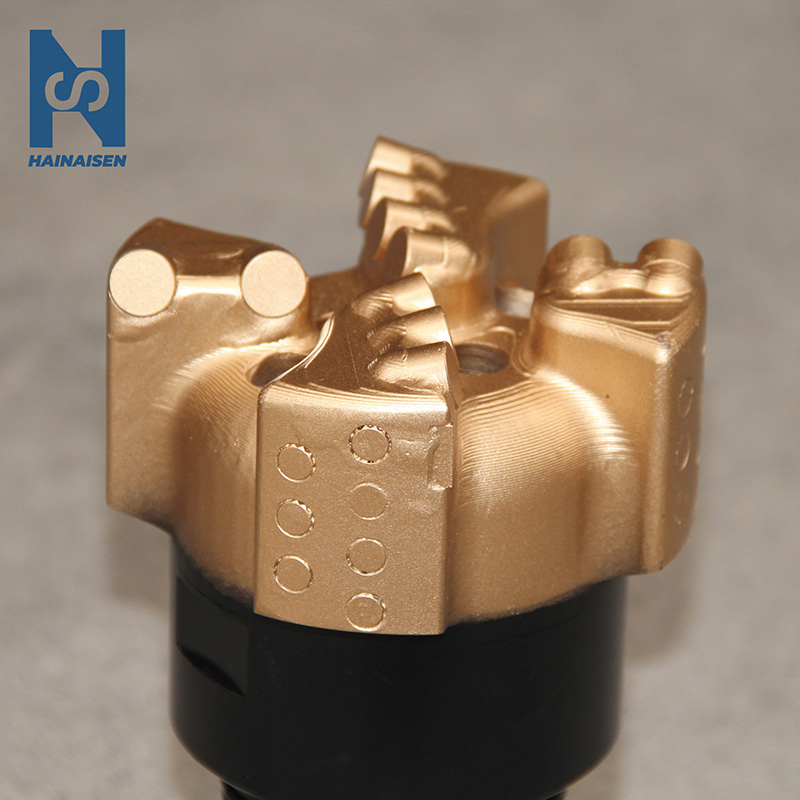 VIEW MOREDirectional Well PDC Drill Bit
 VIEW MORE3 Blade PDC Arc Angle Drill Bit
logo 1_1768204983068.jpg) VIEW MOREPDC Core Drill Bit With 8 Blades For Hole Drilling Used In Mining
VIEW MOREPDC Core Drill Bit With 8 Blades For Hole Drilling Used In Mining VIEW MOREDrilling Bit For Oil And Gas Rig
 VIEW MOREHigh Performance 5 Cutter PDC Bit
