







How Oil Diamond Drill Bit Performs in Abrasive Formations
High-quality diamond crystals and optimised hydraulic systems make the Oil Diamond Drill Bit work well in abrasive geological formations, including sandstone, shale, and limestone. These innovative bits cut efficiently through medium-hard rock strata with low compressive strength and withstand wear better than traditional bits. Continuous cooling and lubrication from the bit body's oil channels avoid early failure and increase operating longevity. They are essential for procurement managers seeking dependable, cost-effective solutions in challenging drilling situations.
Introduction
Abrasive formation drilling requires specialised equipment. Oil service firms, coal mining operations, and water well drilling teams' procurement managers and technical engineers make choices that affect project timetables and costs. Choosing the correct PDC drill bit technology might mean smooth operations or expensive downtime.
Gypsum beds and conglomerate layers rapidly wear out ordinary drilling gear. In addition to replacement expenses, changing a worn bit wastes rig time, penetration rates, and project completion. Understanding diamond-enhanced drilling technologies' performance in these tough environments is crucial for procurement choices.
This guide discusses the technical benefits, operational parameters, and practical considerations of oil-enhanced diamond bits. These tips can help you balance quality and money while managing big oil exploration projects or water well drilling crews.
Understanding Oil Diamond Drill Bits and Their Working Principles
Advanced Diamond Technology Integration
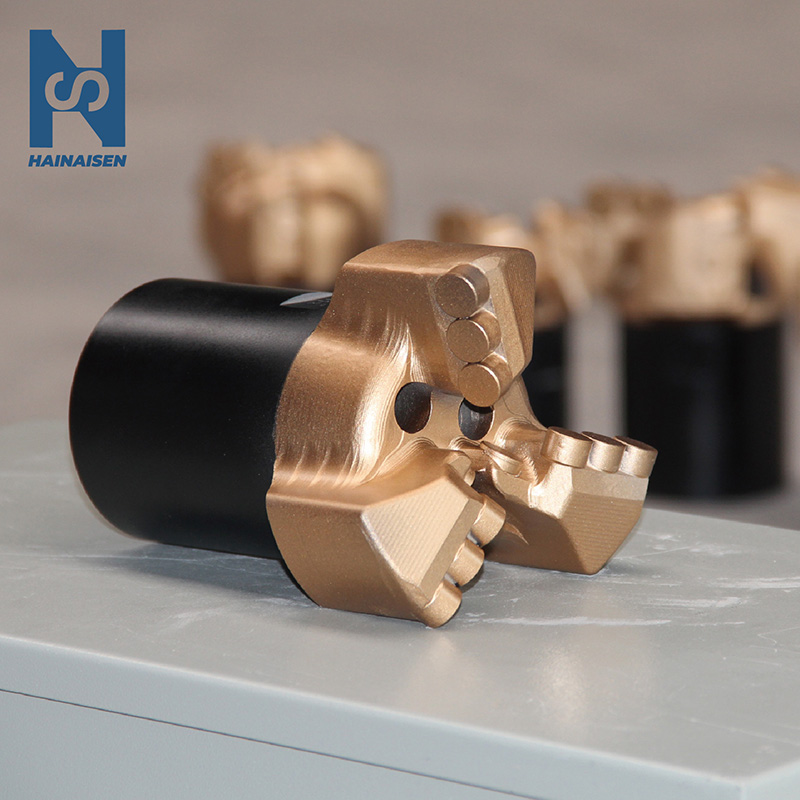
Modern PDC Bits use polycrystalline diamond compact technology, which bonds synthetic diamond crystals to tungsten carbide. This makes cutting surfaces tenfold tougher than steel or carbide. The diamond layer shears rock rather than crushing it, lowering drilling heat and energy use.
Their oil-infused design sets them apart from diamond tools. The bit body's canals enable drilling fluids to flow directly through the cutting structure, removing heat and rock cuttings more effectively than external flushing.
Cooling and Lubrication Mechanisms
Heat production is the biggest threat to bit longevity in abrasive formations. Friction from cutting teeth on rock degrades bonding agents and weakens diamond retention. The oil supply system solves this problem by cooling the contact site.
The bit's hydraulic routes keep drilling fluids at ideal temperatures, avoiding diamond segment heat degradation. Internal cooling is particularly useful while drilling at 80-300 RPM with 10-100 KN pressures, when external fluid cannot control thermal demands.
Wear Resistance in Abrasive Conditions
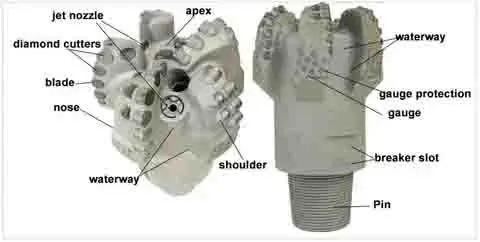
Abrasion resistance is high due to thermally stable diamond crystals and tungsten carbide matrix. PDC bits retain contact geometry across their service life, unlike roller cone bits that use spinning parts that might fail. Asymmetrical blade layouts evenly spread wear across cutting surfaces, prolonging operating hours before replacement.
Blade anti-rotation features reduce vibration and wear while drilling. This design consideration is crucial when piercing stratified strata where hardness differences might clatter or deflect conventional bits.
Types and Applications of Oil Diamond Drill Bits in Abrasive Formations
Different drilling scenarios require tailored diamond oil drill bit configurations. Understanding which type matches your formation characteristics helps optimize both performance and cost-efficiency.
PDC Bits for Soft to Medium Formations
Polycrystalline diamond compact pieces rule shale, limestone, and sandstone. Their fixed cutter design works well in formations below 150 MPa. In clay layers with mud clogging, single-row tooth features minimise debris collection by widening flow channels.
Double-row setups are best for limestone drilling because tooth density increases cutting aggressiveness without losing stability. These bits' parabolic blade shapes provide mechanical drilling speed and directional control for horizontal directional drilling.
Hybrid Designs for Variable Formations
In certain harsh situations, soft and hard rock strata alternate. Hybrid bits with PDC cutters and strengthened gauge portions handle these transitions well. The gauge protection uses high-performance wear-resistant materials soldered to blade surfaces to preserve hole diameter regardless of formation.
These adaptable instruments are used throughout sectors. Oil and gas exploration benefits from constant penetration rates throughout geology. Geothermal drilling uses thermal stability in hot rocks. In gassy, fractured seams, coal bed methane extraction procedures emphasise durability.
Specialized Applications
Hard rock mining operations often require bits with reinforced cutting structures capable of handling crystalline formations. Geological core sampling demands bits that cut cleanly without fracturing the specimen, requiring precise hydraulic balance. Water well drilling teams, particularly smaller operations focused on price advantages, benefit from standardized designs that offer reliable performance without premium customization costs.
Performance Comparison: Oil Diamond Drill Bits vs. Conventional Drilling Solutions
Evaluating drilling solutions requires examining multiple performance dimensions beyond initial purchase price. The following comparison highlights key advantages that impact the total cost of ownership.
Rate of Penetration Advantages
Field data regularly reveals that PDC bits with optimised hydraulics penetrate deposits 30-50% quicker than tricone bits. The result is less rig time and operating costs. Diamond cutters shear with less weight-on-bit than crushing devices, advancing quicker with the same power.
Diamond bits chosen for 20-35 LPS flow rates drill sandstone without speed changes like worn roller cone assemblies. This consistency eases drilling parameter control and decreases operator fatigue during long operations.
Extended Service Life
In moderately abrasive formations, conventional bits wear out after 50-80 hours. With careful parameter control, quality PDC alternatives last over 200 operative hours before needing replacement. This prolonged lifetime eliminates expensive surface excursions, maximising drilling time.
The tungsten carbide matrix supporting diamond segments resists abrasive drilling fluids better than steel bodies. Bit bodies made of special alloys withstand impact from hard stringers and tool drops.
Maintenance and Downtime Reduction
Roller cone bits need frequent bearing seals, lubrication, and cone rotation checks. PDC bits have no moving parts; they need no maintenance. The reduced maintenance schedule cuts direct and indirect expenses from unforeseen downtime.
Fixed cutter bits simplify predictive maintenance. Visual assessment shows wear patterns that indicate remaining service life, enabling periodic maintenance and replacements instead of emergency journeys. Medium and big oil service firms with tight project deadlines benefit from this predictability.
Economic Analysis
Premium PDC bits cost 40-60% more than regular ones, yet diamond technology costs less per metre drilled. Reduced trip frequency, quicker penetration, and longer bit life minimise target depth costs. This economic benefit appeals to procurement managers negotiating long-term contracts with drilling service suppliers.
Optimizing the Drilling Process and Maintenance for Maximum Performance
Maximizing return on investment from Oil Diamond Drill Bit technology requires attention to operational parameters and preventive care practices. The following strategies help achieve optimal results in abrasive formations.
Pre-Drilling Preparation
Geological data evaluation before spudding helps choose bit profiles for expected formations. Abrasiveness indices, compressive strength fluctuations, and drilling depths guide parameter selection. Manufacturers typically provide formation-specific designs that improve performance without increasing expense.
Ensure rig equipment is compatible with acceptable operating ranges. Checking pumps for 20-35 LPS flow rates at specified pressures reduces hydraulic inefficiency. Checking the rotary table or top drive speed controllers manages diamond bit RPMs between 80 and 300.
Parameter Optimization During Drilling
Formation response-based weight-on-bit changes maximise penetration without increasing wear. Start with modest pressures at 30-40 KN and progressively increase while monitoring torque to avoid overloading cutting structures. Excess weight wears diamonds without increasing penetration.
Cutting efficiency and heat generation are balanced via rotary speed regulation. Slower rates facilitate cutting tooth contact on tougher, abrasive portions. Increased RPM in softer zones maximises penetration without affecting bit integrity. Keeping flow rates above specs enhances clipping removal and cooling.
Maintenance Protocols
Bit examination after each trip reveals wear patterns that need parameter modifications for future operations. Missing or broken cutters, gauge wear, and blade erosion indicate problems. Removal of dirt from flow channels preserves hydraulic performance and avoids next deployment overheating.
Proper storage between applications prevents diamond impact damage. Protection inserts in bit boxes avoid unintentional contact with metal surfaces that might damage cutting blades. Storage in climate-controlled environments reduces temperature cycling that might damage composite segment bonding agents.
Troubleshooting Common Issues
Crooked hole portions with premature gauge wear frequently have poor stabilisation or high rotational speed. Adding near-bit stabilisers or lowering RPM usually fixes this. Rapid centre wear indicates poor weight distribution, which may be addressed by bit profile or drilling parameter selection.
Plugged nozzles or low flow rates may cause mud motor stalling or torque fluctuations. Before drilling, high-speed circulation removes obstacles. Bit removal for nozzle inspection and cleaning is needed due to hydraulic difficulties.
How to Choose and Procure the Best Oil Diamond Drill Bit for Abrasive Formations
Selecting appropriate drilling tools involves evaluating both technical requirements and commercial considerations. The following framework guides procurement decisions aligned with operational priorities.
Technical Selection Criteria
Diamond grade and density depend on formation abrasiveness. Highly abrasive sandstones need premium thermally stable crystals, whereas mild limestone formations work with regular PDC grades. Compressive strength determines whether single- or double-row teeth cut well.
Intended drilling depth affects the bit body material. Deep oil exploration beyond 3,000 metres requires durable materials, whereas shallow water well applications below 500 metres may use cheaper steel alloys. Drilling time per bit influences premium vs. standard design economics.
Hydraulic needs match rig capabilities for compatibility. On low-volume setups, 20-35 LPS bits won't work well. Ensure nozzle designs and overall flow area to avoid hydraulic mismatches that lower performance.
Supplier Evaluation
Established manufacturers with dedicated research and development capabilities offer customization services valuable for unique geological challenges. Companies operating modern facilities equipped with five-axis machining centers and CNC tooling demonstrate manufacturing sophistication that translates to precision products. Shaanxi Hainaisen Petroleum Technology, operating since 2013 with a 3,500 m² facility in Xi'an, exemplifies this manufacturing capability.
Quality control Certifications provide assurance of consistent product standards. Suppliers implementing rigorous inspection protocols reduce the risk of defective bits causing operational delays. Requesting documentation of testing procedures and acceptance criteria helps verify quality commitments.
Procurement Process Considerations
Bulk ordering for extended drilling campaigns typically secures volume discounts without compromising quality. Negotiating framework agreements with preferred suppliers establishes pricing stability and guaranteed delivery schedules. Lead time transparency allows planning around manufacturing capacity, particularly for customized designs requiring specialized tooling.
Sample testing before large commitments mitigates procurement risk. Many suppliers provide trial bits at reduced cost, allowing field validation of performance claims. This approach proves especially valuable when establishing new supplier relationships or evaluating unfamiliar bit designs.
Balancing Cost and Quality
Large oil service companies with strict quality requirements and long inspection periods benefit from premium manufacturers offering comprehensive technical support and proven track records. The higher initial investment yields returns through extended bit life and superior performance consistency.
Coal mining companies seeking price advantages find value in standardized designs from established suppliers, balancing cost efficiency with acceptable quality levels. Water well drilling teams operating on tight margins prioritize competitive pricing, making direct manufacturer relationships attractive for eliminating distributor markups.
Conclusion
Performance in abrasive formations depends critically on selecting drilling technology matched to geological conditions and operational requirements. Oil diamond drill bits, particularly PDC designs with optimized hydraulics, deliver measurable advantages in penetration rates, service life, and total cost efficiency compared to conventional alternatives. Understanding the technical principles behind diamond cutting technology, evaluating bit types appropriate for specific formations, and implementing proper operational parameters maximizes these benefits.
Procurement decisions balancing quality requirements with budget constraints benefit from systematic evaluation of supplier capabilities, product specifications, and total ownership costs. Whether managing large-scale oil exploration projects or coordinating water well drilling operations, informed tool selection directly impacts project timelines and profitability. Partnering with experienced manufacturers offering customization capabilities and technical support further enhances operational success in demanding drilling environments.
Frequently Asked Questions
1. What is the typical lifespan of an oil diamond drill bit in abrasive formations?
Service life varies considerably based on formation characteristics and operating parameters, but quality PDC bits routinely deliver 150-250 hours in moderately abrasive sandstone or limestone. Highly abrasive conglomerate may reduce this to 80-120 hours, while softer shale formations can extend operational time beyond 300 hours. Proper parameter management significantly influences longevity regardless of formation type.
2. How do these bits perform at different drilling depths?
Diamond bits maintain consistent performance across depth ranges when drilling parameters are adjusted for changing downhole conditions. Shallow applications benefit from simplified hydraulics, while deep drilling requires enhanced cooling capacity as geothermal gradients increase temperatures. Bits designed with optimized flow channels handle both scenarios effectively when specifications match depth requirements.
3. Are oil diamond drill bits cost-effective compared to conventional options?
Initial purchase prices exceed traditional bits by 40-60%, but total cost per meter drilled typically favors diamond technology. Reduced trip frequency, faster penetration rates, and extended service life combine to lower overall drilling expenses. Economic advantages become more pronounced on longer drilling projects where trip costs accumulate significantly.
Partner with HNS for Superior Drilling Solutions
Achieving optimal performance in abrasive formations requires more than quality equipment—it demands experienced technical support and reliable supply partnerships. Shaanxi Hainaisen Petroleum Technology specializes in manufacturing customized PDC drill bits engineered specifically for challenging geological conditions. Our 3,500 m² facility in Xi'an houses advanced five-axis machining centers and dedicated research teams capable of designing solutions tailored to your formation characteristics.
We understand that medium and large oil service companies require rigorous quality standards, while coal mining operations seek competitive pricing without compromising reliability. Our flexible approach accommodates these varying priorities through customizable designs and transparent pricing structures. Whether you need high-volume supply for extensive drilling campaigns or specialized bits for unique geological challenges, our technical consultants provide expert guidance throughout the procurement process.
Contact Us at hainaisen@hnsdrillbit.com to discuss your specific drilling requirements with our engineering team. As an experienced Oil Diamond Drill Bit supplier, we offer comprehensive technical specifications, sample testing opportunities, and competitive quotations backed by consistent quality control.
References
1. Bellin, F., and Dolle, N. (2018). "Advanced PDC Bit Technology for Improved Performance in Abrasive Formations." Journal of Petroleum Technology, Vol. 70, Issue 8, pp. 54-61.
2. Chen, S., and Wang, H. (2020). "Thermal Management Systems in Diamond Drill Bits: Analysis of Cooling Efficiency." International Journal of Rock Mechanics and Mining Sciences, Vol. 134, Article 104398.
3. Mitchell, B., and Miska, S. (2019). "Fundamentals of Drilling Engineering: Second Edition." Society of Petroleum Engineers, Richardson, Texas.
4. Rahmani, R., Moore, I., and Botros, K. (2021). "Comparative Analysis of Fixed Cutter and Roller Cone Bit Performance in Sedimentary Formations." Drilling and Completion Engineering Quarterly, Vol. 36, No. 2, pp. 128-142.
5. Thompson, J. L., and Cooper, G. (2017). "Diamond Bit Design Optimization for Extended Service Life in Challenging Geology." Mining Engineering, Vol. 69, No. 11, pp. 38-45.
6. Zhang, L., Li, M., and Xu, Q. (2022). "Hydraulic Optimization of PDC Drill Bits for Enhanced Cuttings Removal in Abrasive Environments." Journal of Energy Resources Technology, Vol. 144, Issue 5, Article 052902.
 VIEW MORECoal Mining PDC Drill Bits
 VIEW MOREOil Diamond Drill Bit
 VIEW MORE34 And A Half Whole Coal Mine Mining Anchor Drill Bits
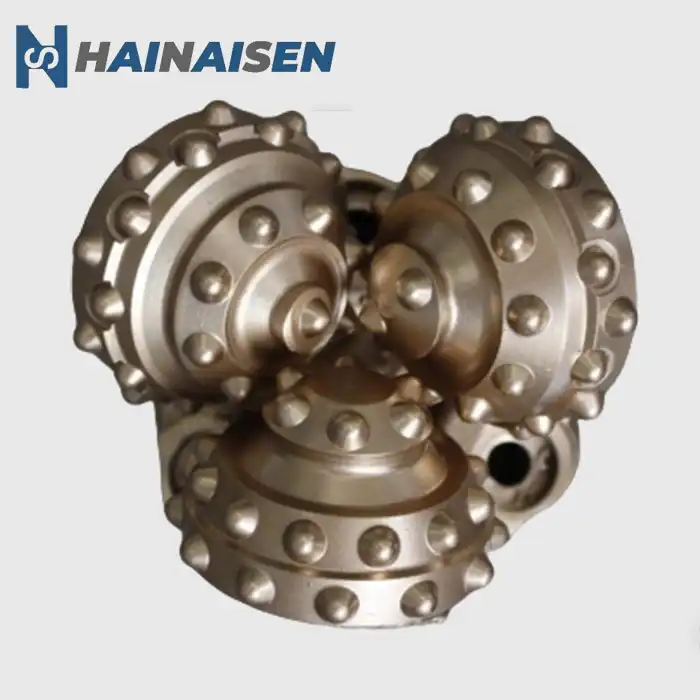 VIEW MORE4 1/2" IADC 537 Tricone Rock Bit
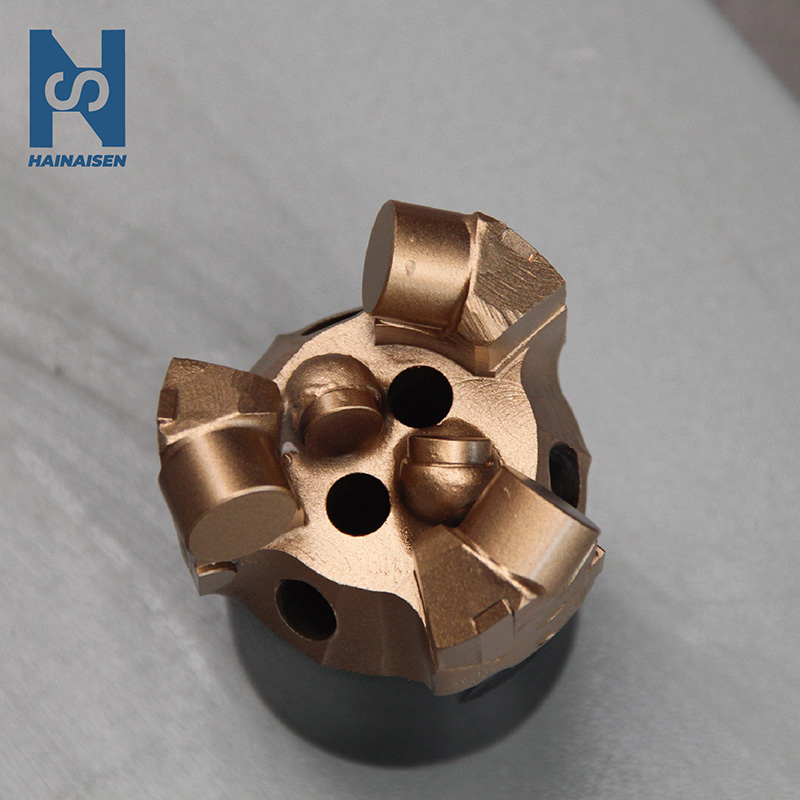 VIEW MORECoal Mines Use Haineisen PDC Drill Bits
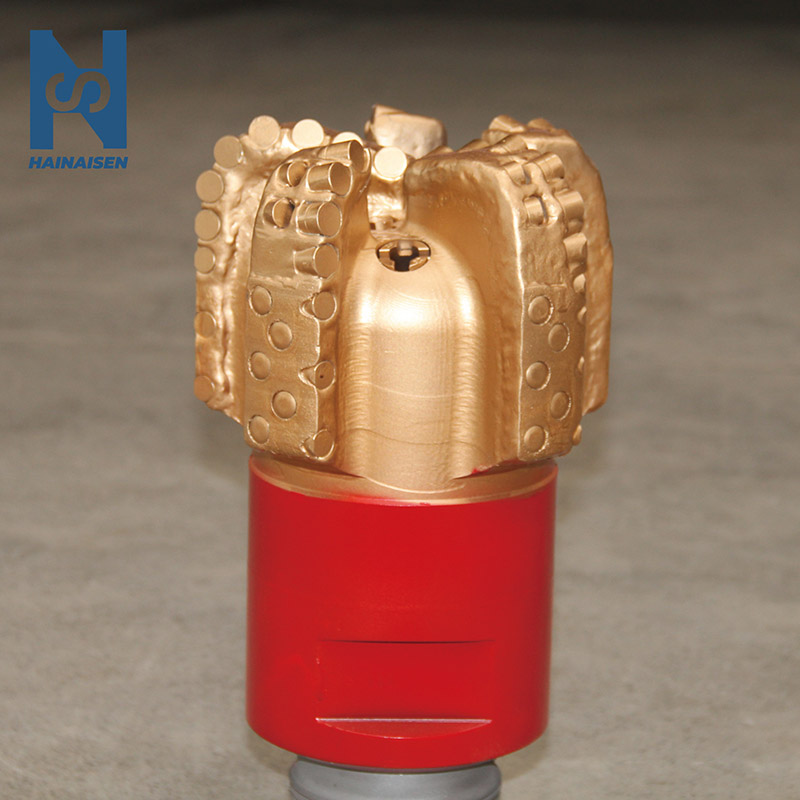 VIEW MOREDiamond PDC Drill Bit
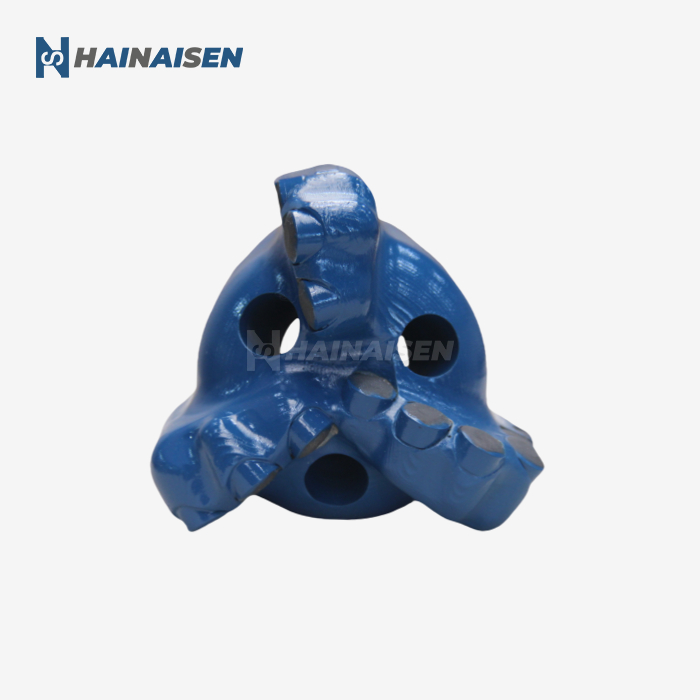 VIEW MORE3 Blade PDC Arc Angle Drill Bit
 VIEW MORESteel Body PDC Drill Bit
