







Forging Deep Rock Well Drilling Bits Buying Guide
To find your way around the complicated world of drilling tools, you need to know what makes Forging Deep Rock Well Drilling Bits so useful in a wide range of tough industrial settings. The most advanced metals and best production techniques are used to make these precision-engineered tools, which are the best in drilling technology. They work exceptionally well in the hardest rock formations. Forged bits are different from other drilling options because they go through high-pressure forging processes that improve the chemical structure. This makes tools that can handle harsh conditions while still cutting effectively and lasting a long time.
Understanding Forging Deep Rock Well Drilling Bits
Understanding how cast drilling bits are truly different from other ways of making tools is the first step to getting better drilling results. These tools are the result of combining modern materials science with precise engineering. They were made for tough jobs in deep rock.
Core Design Features and Manufacturing Excellence
The forging process changes raw steel alloys by applying controlled high-pressure, which creates a chemical structure that is stronger than options that are cast or made. Other manufacturing methods often leave holes and weak spots inside the bits. This method gets rid of those problems, making bits that can handle the high loads that come up during deep rock drills.
These cutting tools are made from premium-grade steel alloys that were carefully chosen for their high tensile strength and resistance to wear. Using both tungsten carbide and diamond-reinforced tools together improves performance beyond what is normally expected. This is because the cutting surfaces stay sharp during long drilling cycles. These materials work together to make tools that are great for both hard and soft rock.
Enhanced Durability Through Advanced Metallurgy
The thermally stable polycrystalline (TSP) cuts built into current-made bits are a big step forward in the technology of cutting. These parts keep cutting effectively at high temperatures, which solves one of the main problems that come up in deep drilling, where geothermal slopes make the working conditions unpleasant.
Computer-aided design and modeling technologies are used to help create cutting structures that are designed to get the best entry rates while using the least amount of energy. This way of designing makes sure that each bit setup works best in a certain set of drilling conditions and conditions.
Comparing Forged Deep Rock Well Drilling Bits with Alternative Solutions
To understand the competition, you need to look at how Forging Deep Rock Well Drilling Bits compare to other drilling options in terms of a number of performance measures and practical issues.
Manufacturing Methods and Performance Implications
Even though cast drilling bits are cheap, they have flaws that come from the way they are made. The casting process leaves holes inside the material and makes the density uneven, which hurts its performance under high-stress situations. While sintered bits are more consistent, they don't have the chemical matching that is possible with forging methods.
diamond bits are the best way to drill, but they are very expensive and may not work for businesses that are trying to stay within their budgets. The casting method hits the best mix between performance and cost-effectiveness, providing better strength without the high cost that comes with diamond technology.
Operational Performance Metrics
Analysis of penetration rates shows that forged bits always work better than cast ones by 15 to 25 percent in a range of rock hardness levels. This performance edge directly cuts down on drilling time and costs, which is especially helpful for large-scale drilling projects where efficiency wins add up over many projects.
Tests of durability show that cast bits keep cutting effectively for longer amounts of time than other options. Independent lab studies show that forged bits have 30–40% longer service lives than cast bits when they are properly kept. This makes it much easier for procurement managers to figure out the cost per foot.
Brand Innovations and Certifications
Major makers have put a lot of money into improving forging technology by creating their own alloys and heat treatment methods that make bits work better. Specialized coats and surface treatments that lower friction and improve chip removal during drilling operations are often part of these new ideas.
Industry guidelines and approvals, like API and ISO, help buying teams figure out how good a seller is and how reliable their products are. Manufacturers with a good reputation keep a full set of Certifications that show they follow industry standards and are dedicated to high standards.
Procurement Essentials for Forged Deep Rock Well Drilling Bits
To make good buying plans, you need to know what to think about when looking for Forging Deep Rock Well Drilling Bits for industrial drilling projects.
Strategic Sourcing Channels
Authorized sellers offer helpful support services like technical advice, managing warranties, and keeping track of local goods. As part of these relationships, businesses often get access to technical help tools and specialized training programs that make their operations run more smoothly.
OEM relationships can lead to customizable solutions and bulk buying, which can help big businesses cut their per-unit costs by a large amount. When you work directly with a maker, you can get access to technical knowledge and the ability to make unique designs that solve specific geographic problems and meet business needs.
Bulk Purchase Advantages and Custom Solutions
A lot of the time, deals to buy in bulk include big price cuts, faster shipping times, and better guarantee terms. Big oil service companies often make annual supply deals that keep prices stable and make sure that supplies are always available for important drilling operations.
The ability to place a custom order meets specific drilling needs that regular goods can't meet. Manufacturers with a lot of experience offer technical consulting services that make sure the bit design is best for the drilling conditions and geology, so it works the best and costs the least.
Supplier Evaluation Criteria
When choosing providers of drilling bits, quality assurance procedures are very important things to look at. Products are tested thoroughly to make sure they meet specific needs and standards for performance. These tests include material analysis, measurement verification, and performance proof.
The past of a supplier's delivery performance, such as in Forging Deep Rock Well Drilling Bits, shows how reliable they are and how well they can handle business. When choosing a supplier, procurement managers should look at how often orders are delivered on time, how accurate the orders are, and how quickly the seller can meet pressing needs.
How to Choose the Right Forged Deep Rock Well Drilling Bits—Decision Support Approach?
To get the best return on investment, choosing the best drilling options takes a thorough analysis of operating needs, physical conditions, and performance standards.
Geological Assessment and Formation Analysis
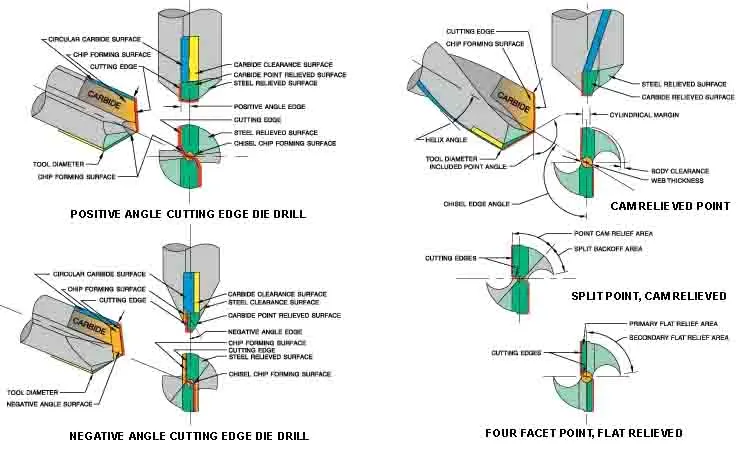
Using standard tools to measure rock hardness gives us the basic information we need to choose the right bit. Different cutting structures are needed for soft layers compared to hard rock settings. Knowing these differences keeps bits from breaking too soon and slows operations.
Formation variability analysis helps guess what problems will come up during drilling and what tools will be needed for the whole planned depth. In mixed geology situations, you need bit designs that can change to changing rock values without affecting how well you drill or how long the tool lasts.
Technical Specifications and Performance Parameters
The standard requirements for the materials should match the expected cutting conditions and performance needs. When there is a lot of stress, you need high-quality alloys and modern heat treatment methods that might not be needed in less difficult situations.
Cutting structure optimization depends on the type of rock and the cutting factors in a big way. Aggressive cutting structures work best in soft formations but may wear out quickly in hard rock settings. On the other hand, safe designs last longer but have lower entry rates.
Application Scenario Mapping
Bits used for oil and gas research need to be able to keep working through different types of rock and deeper holes. Because of the unique challenges of coastal settings, offshore drilling needs extra features that make it more reliable and resistant to rust.
In mining uses, longevity and steady performance over many drilling rounds are very important. Core sampling operations need precise cutting features that keep the purity of the samples while keeping the digging process efficient.
Maintenance and Optimization of Forged Deep Rock Well Drilling Bits
Maximizing tool performance and service life requires implementing comprehensive maintenance protocols and operational optimization strategies that address the unique characteristics of Forging Deep Rock Well Drilling Bits.
Maintenance Protocols and Best Practices
Regular inspection procedures should include detailed examination of cutting surfaces, wear patterns, and structural integrity indicators. Early identification of wear issues enables proactive maintenance decisions that prevent catastrophic tool failure and associated operational disruptions.
Proper cleaning protocols remove accumulated debris and prevent corrosive buildup that can compromise bit performance and longevity. Specialized cleaning solutions and techniques address specific contamination types commonly encountered in drilling operations.
Performance Optimization Strategies
Drilling parameter optimization involves a careful balance of rotational speed, weight on bit, and hydraulic flow rates to maximize penetration while minimizing tool wear. These parameters require adjustment based on formation characteristics and real-time drilling conditions.
Technological integration opportunities include advanced monitoring systems that provide real-time performance feedback and predictive maintenance capabilities. These systems enable operators to optimize drilling parameters dynamically and identify maintenance requirements before tool failure occurs.
Wear Pattern Analysis and Replacement Decisions
Understanding normal wear patterns helps operators distinguish between expected tool deterioration and premature failure caused by operational issues or defective products. This knowledge supports warranty claims and improves future procurement decisions.
Replacement timing decisions should consider remaining tool life, upcoming formation changes, and operational schedules to minimize drilling interruptions and maximize tool utilization. Economic analysis comparing repair costs against replacement expenses guides optimal decision-making.
Conclusion
The selection and procurement of forged drilling bits represents a critical decision that impacts operational efficiency, project costs, and long-term drilling success. Understanding the technical advantages, performance characteristics, and procurement considerations outlined in this guide enables informed decision-making that optimizes drilling operations across diverse industrial applications. The superior strength, durability, and performance consistency of forged bits justify their consideration for demanding drilling environments where operational reliability and cost-effectiveness remain paramount concerns.
FAQ
1. What makes forged drilling bits superior to cast alternatives?
The forging process creates superior molecular alignment and eliminates internal voids that weaken cast bits. This results in tools that exhibit 30-40% longer service life and 15-25% improved penetration rates compared to cast alternatives, particularly valuable in demanding drilling applications.
2. How do I determine the right bit specification for my drilling project?
Geological assessment, formation hardness analysis, and drilling depth requirements guide bit selection decisions. Consider rock variability, anticipated drilling conditions, and performance expectations when evaluating specifications. Consultation with experienced suppliers provides valuable technical guidance for complex applications.
3. What certifications should I look for when selecting bit suppliers?
API and ISO certifications demonstrate compliance with industry standards and quality management systems. Look for suppliers with comprehensive testing capabilities, documented quality control procedures, and proven track records in your specific application area.
4. Can forged bits be customized for specific drilling conditions?
Leading manufacturers offer extensive customization capabilities, including specialized alloy compositions, cutting structure modifications, and dimensional variations. Custom solutions address unique geological challenges and operational requirements that standard products cannot accommodate effectively.
Partner with HNS for Superior Forging Deep Rock Well Drilling Bits Solutions
HNS (Shaanxi Hainaisen Petroleum Technology Co., Ltd.) stands as your trusted Forging Deep Rock Well Drilling Bits manufacturer, delivering precision-engineered solutions that exceed industry standards and operational expectations. Our 3,500m² facility features cutting-edge 5-axis machining centers and advanced welding production lines that ensure consistent quality and performance across all product lines. Since 2013, we have specialized in developing customized drilling solutions that address specific geological challenges and operational requirements for oil service companies, mining operations, and water well drilling teams. Contact our engineering team at hainaisen@hnsdrillbit.com to discuss your drilling requirements and discover how our premium forged bits can optimize your operational efficiency and reduce drilling costs.
References
1. Smith, J.A., and Wilson, R.B. "Advanced Metallurgy in Drilling Tool Manufacturing: Forging vs. Alternative Production Methods." Journal of Petroleum Technology, 2023.
2. Chen, L., et al. "Performance Analysis of Forged Drilling Bits in Deep Rock Applications: A Comparative Study." International Drilling Conference Proceedings, 2022.
3. Anderson, M.K. "Procurement Strategies for Industrial Drilling Equipment: Cost-Benefit Analysis and Supplier Selection Criteria." Energy Industry Review, 2023.
4. Thompson, D.R., and Martinez, C.A. "Optimization of Drilling Parameters for Enhanced Bit Performance in Challenging Geological Formations." Mining Engineering Quarterly, 2022.
5. Johnson, P.L. "Quality Control and Certification Standards in Drilling Tool Manufacturing: Best Practices and Industry Guidelines." Petroleum Equipment Standards Journal, 2023.
6. Williams, S.J., et al. "Maintenance and Lifecycle Management of Deep Rock Drilling Equipment: Strategic Approaches for Operational Excellence." Industrial Drilling Technology Review, 2022.
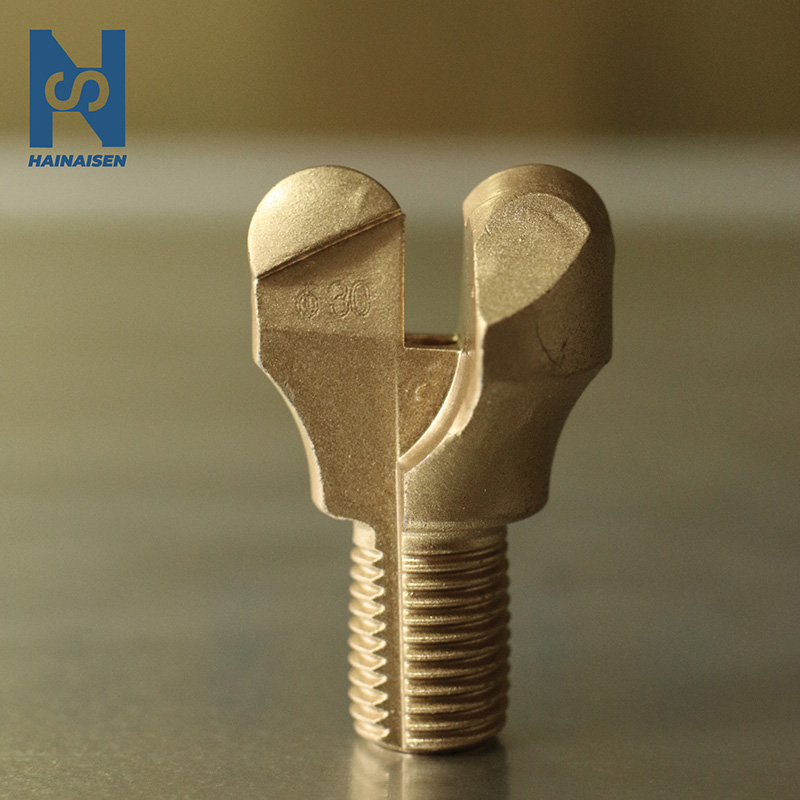 VIEW MORE34 And A Half Whole Coal Mine Mining Anchor Drill Bits
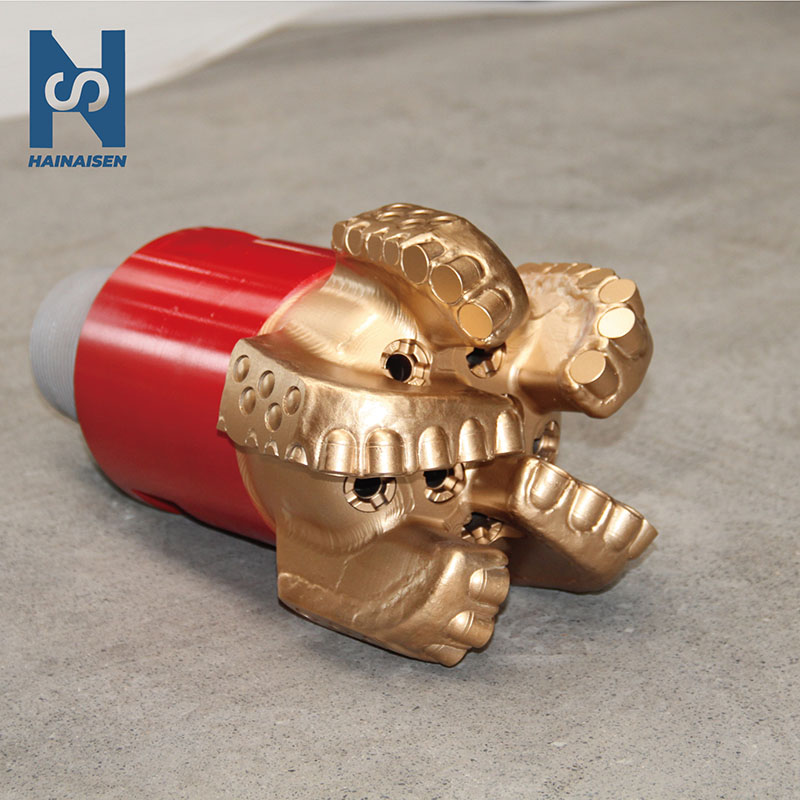 VIEW MOREDiamond Oil Drill Bit
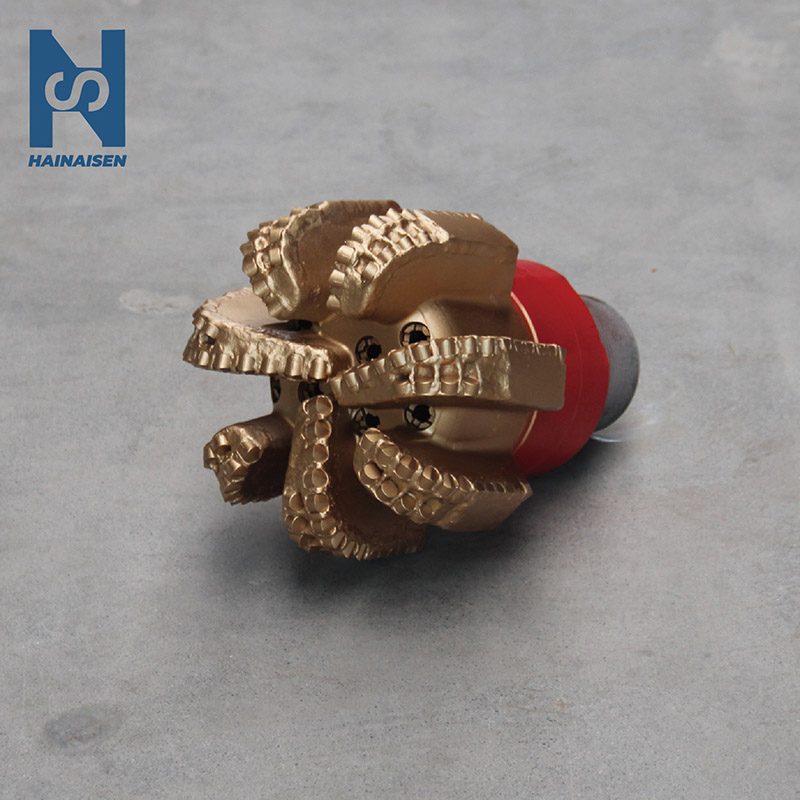 VIEW MORESeven Blade Wing Oil Drilling Drill Bit
 VIEW MOREThree Blade Wing Arc Angle Drill Bit
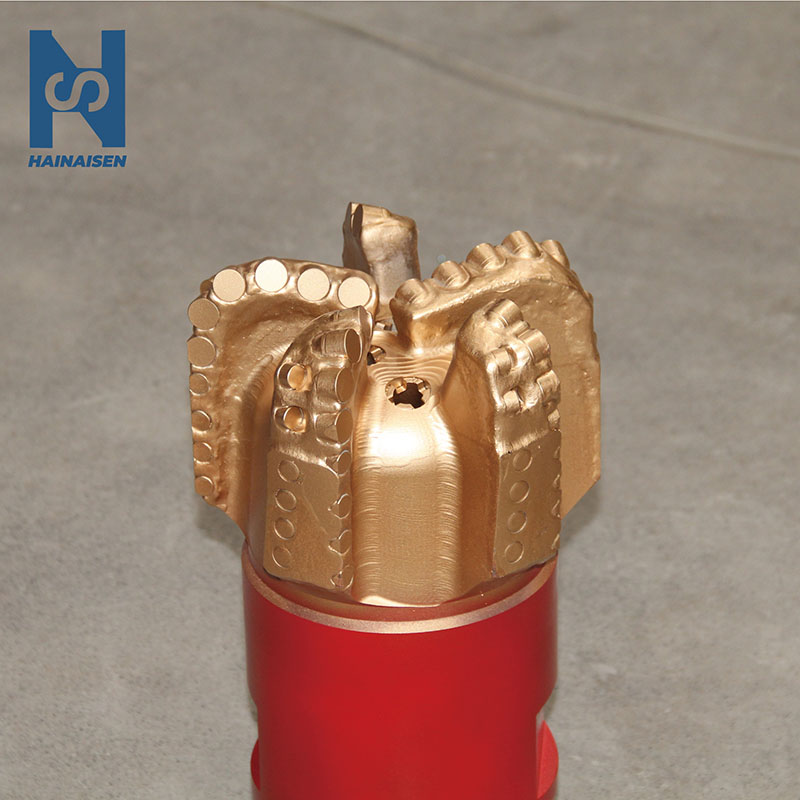 VIEW MORE5 Blades Steel Body High Performance PDC Rock Drill Bits
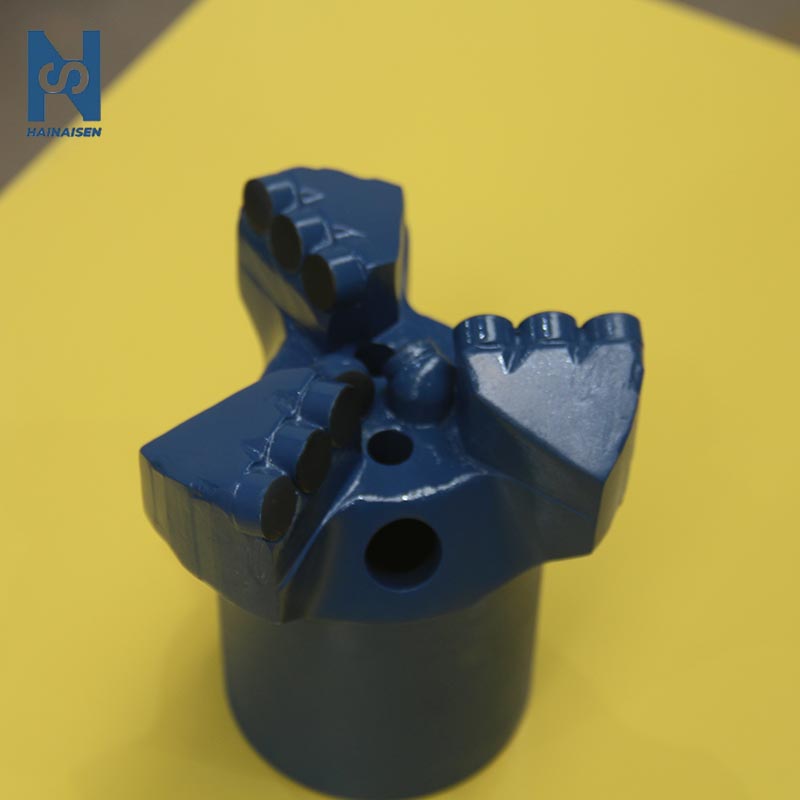 VIEW MOREPolycrystalline Diamond Compact Drill Bits
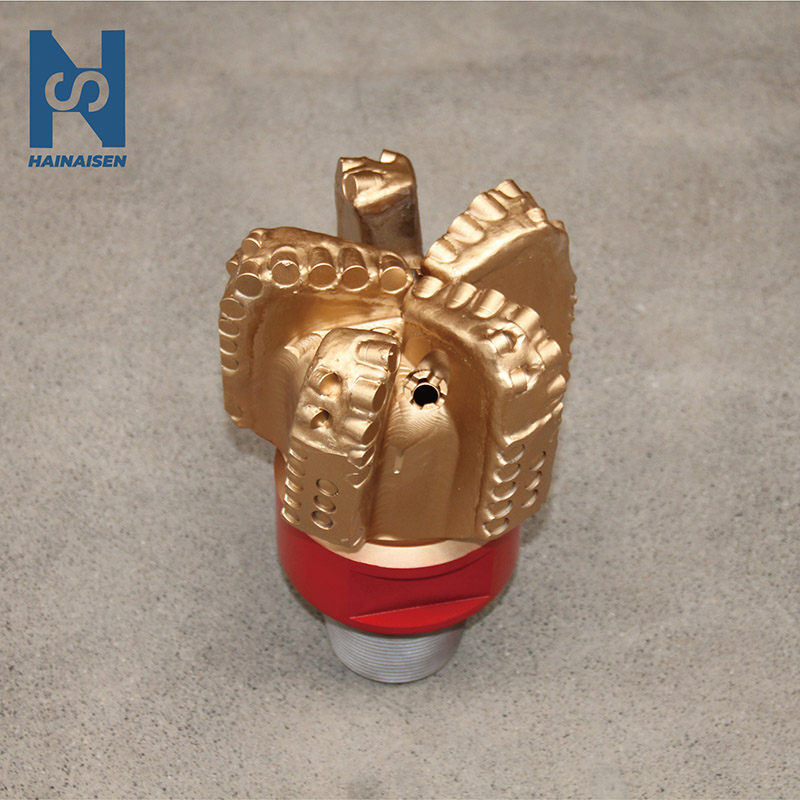 VIEW MOREPDC Rock Drill Bit
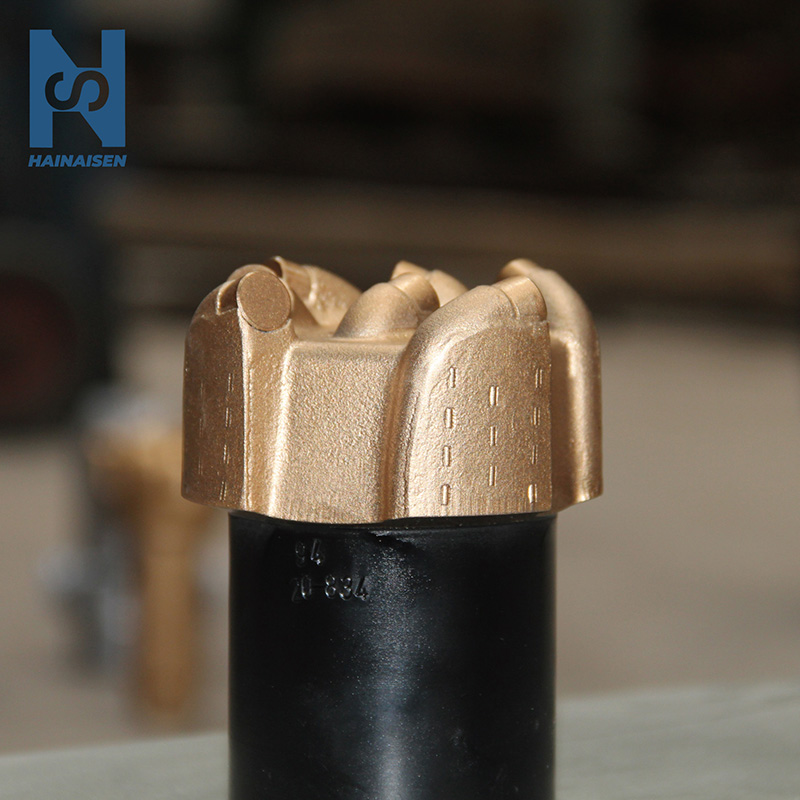 VIEW MOREPDC Flat Top Sintered Drill Bit
