




How does a PDC bit work?
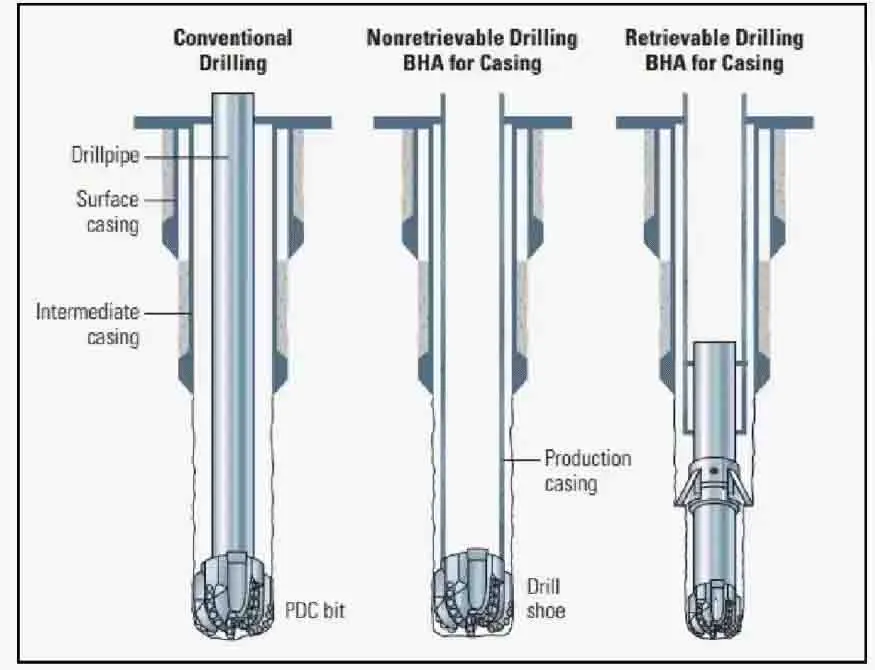
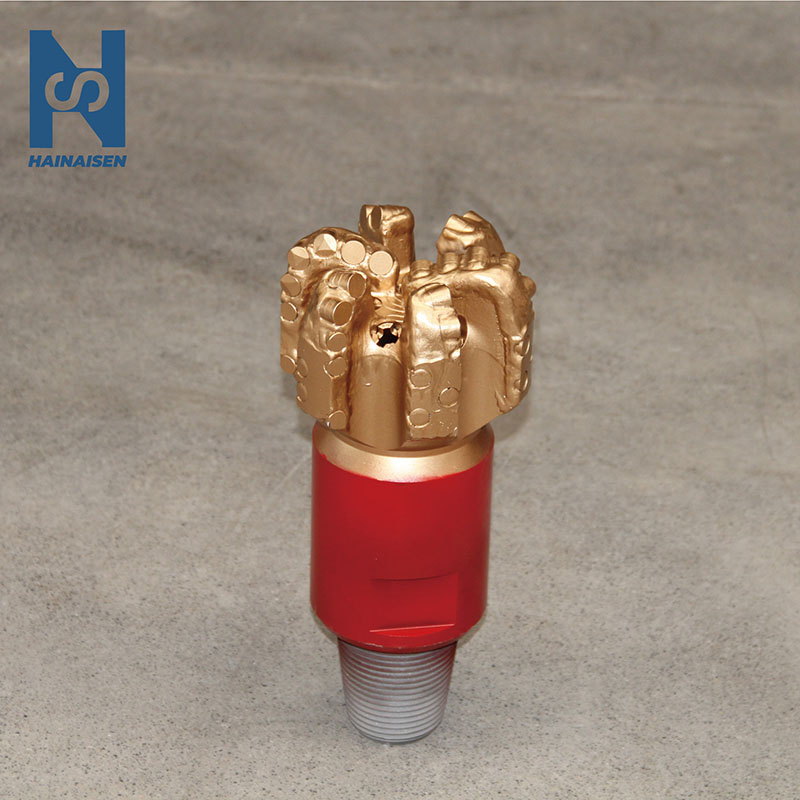
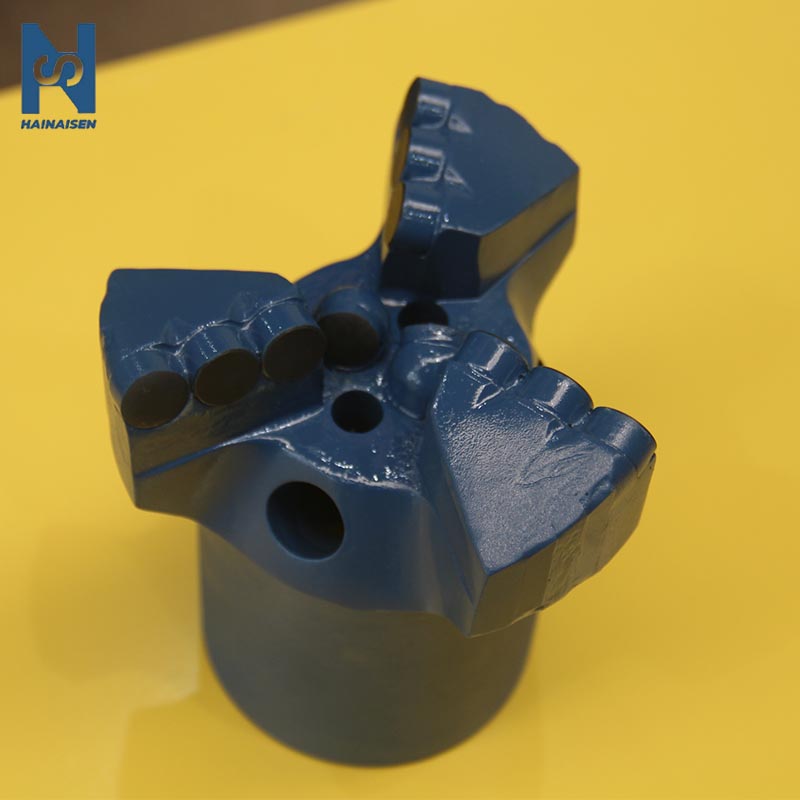
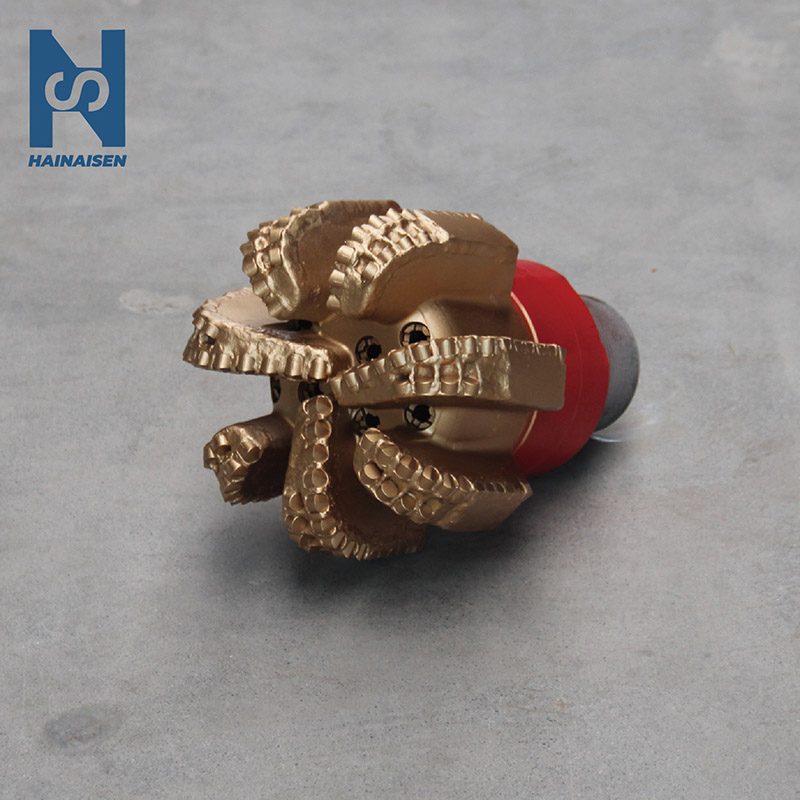
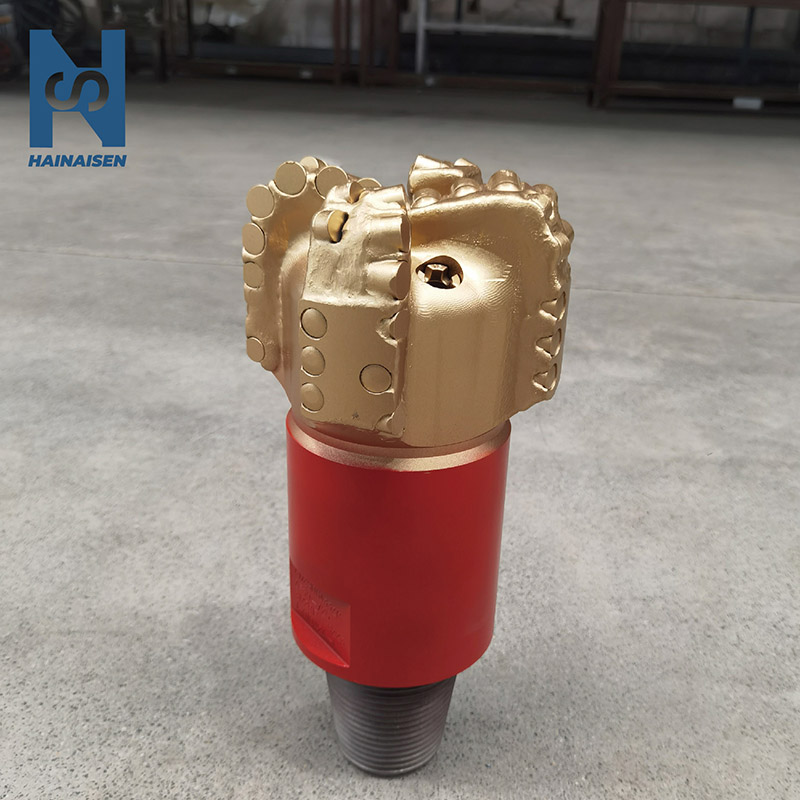
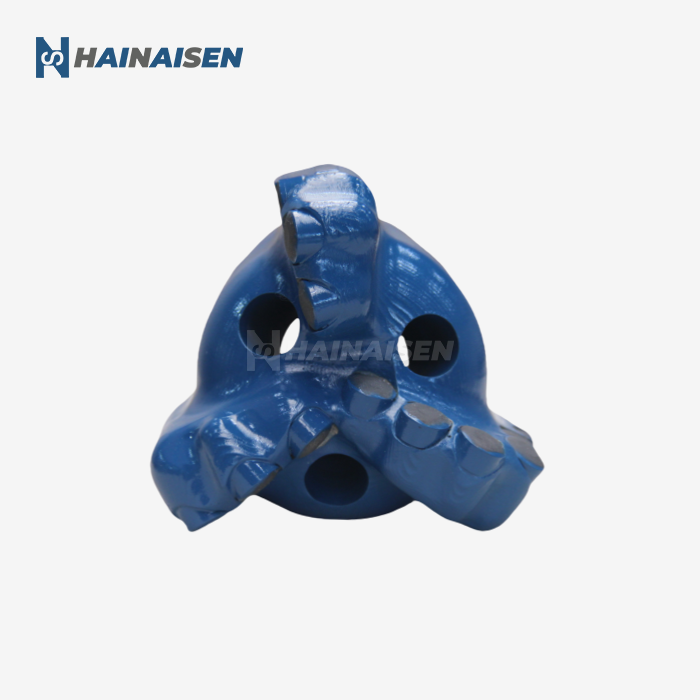
A PDC (Polycrystalline Diamond Compact) bit works by cutting through rock formations very efficiently with fake diamond cutters. This cutting-edge technology is shown by the 4 Wings Blades PDC Bit, which has four blades and multiple PDC cuts carefully placed on each blade for the best rock removal. Instead of crushing rock like standard roller cone bits do, PDC Bits use diamond, which is the strongest known material, to cut through formations. This makes them more effective in a wider range of geological conditions and speeds up the entry rate.
Understanding the Basics of 4-Wing Blades PDC Bits
This is a high-tech drill bit called the 4 Wings Blades PDC Bit. It has four different cutting blades, and each one has polycrystalline diamond cutters on it. This new design strikes the right balance between speed and safety. This is why it is so popular for a wide range of drilling jobs in many fields.
Core Components and Construction
The basic structure of a four-wing PDC bit is made up of several important parts that work together. The main cutting parts are polycrystalline diamond compact cutters, which are made by fusing diamond particles under very high temperatures and pressures. These tools are carefully placed on a strong steel body that keeps the structure strong and makes it easier for heat to escape during heavy cutting operations.
There are many reasons why the steel body design is better than the matrix body choices. The main ones are that it can be fixed easily and costs less. You can change just the cuts when they get worn out or broken instead of the whole thing. In the long run, this saves money because the machine lasts longer. Some buying teams are on a tight budget but still need to meet high standards for drilling performance. This function will help them a lot.
Blade Geometry and Design Philosophy
The four-blade design is a well-thought-out balance between cutting quickly and staying stable in one way. Each blade has perfectly curved cuts that work together to break up rock efficiently while keeping the drilling fluid. The distance between the blades makes sure that the cuttings are cleared out properly and stops the bit from whirling and vibrating too much, which can affect the accuracy of the drilling.
Torque needs are also affected by the shape of the blades. Bits with four wings usually need less rotating force than bits with more blades. This feature makes drilling tools last longer by reducing stress on them. This is an important factor to consider for businesses that are handling multiple drilling projects at the same time.
Design Features and Performance Advantages
The 4 Wings Blades PDC Bit is a great example of engineering because it has a smart blade shape and optimal cutter placement, which work together to break up rock very quickly and drill very deeply. There is a direct link between these design changes and better performance in real-world drilling situations.
Hydraulic Optimization for Enhanced Performance
A key part of current PDC bit technology is its advanced hydraulic design. The four-wing design lets fluid run in the best way, which makes it easier to remove cuts and keeps the bit stable while drilling. Cuttings can build up around the bit face if the hydraulic design isn't right, which can slow down entry rates and cause the bit to wear out faster than it should.
The hydraulic tubes are designed to send drilling fluid exactly where it's needed to keep the cuts cool and the cutting surface smooth. In high-temperature situations like those found in deep digging, this cooling action is very important for keeping the cutter's integrity. Good fluid flow also helps stop bit balling, which happens when sticky formations stick to the bit face and make drilling much less effective.
Cutting Efficiency and Durability Balance
These bits last longer and fight wear better because they are made of strong steel and have high-quality diamond cuts. This makes them especially useful in hard rock formations. Diamond cutters keep their sharp cutting edge for a much longer time than cutters made of other materials. For as long as the bit is used, its entry rate will stay the same.
Because the steel body is strong, the bit can handle the noise and shocks that come up when digging through different kinds of rock. For cases where the shape changes a lot, and the bit needs to be able to react quickly without breaking down, this durability is very helpful. Diamond is hard, and steel is tough. Together, they make a tool that can drill through a lot of different materials and still be cheap.
Applications and Industry Use Cases
PDC bits with four wings work great in many industrial settings, especially for drilling for oil and gas, mining, and building projects that need precise drilling and long-lasting tools. Because these bits are so flexible, they can be used for both building small water wells and deep experimental digging.
Oil and Gas Industry Applications
When it comes to oil discovery and production, four-wing PDC bits work very well in soft to medium-hard rock types like shale, limestone, and sandstone. A lot of the rocks in these layers contain hydrocarbons, so choosing the right PDC bit is very important for the process to go well. The bits' ability to keep up high entry rates while giving precise direction control is very useful in current drilling methods, such as both horizontal and directional drilling.
Another important place where these bits work really well is in coal-bed gas drilling. Because coal seams are usually soft and you need to be very exact with your direction control, four-wing PDC bits are the best choice. The balanced design of these wells lets coal move through easily while keeping the wellbore stable and lowering the chance of going off track.
Mining and Construction Sector Utilization
The strong cutting action and long life of four-wing PDC bits are very helpful in mining activities. No matter if they are used for production drilling, geological core sampling, or mineral research, these bits always work better than other options. Being able to keep cutting edges sharp in rough rock types directly leads to lower drilling costs and better operating efficiency.
Water well drilling teams, especially smaller ones that are looking for cheap options, find that four-wing PDC bits are the best combination of performance and price. The steel body design makes it possible to fix and replace cutters in the field, which extends the life of the bit and lowers the cost of operation. This feature of being able to be fixed is especially helpful for teams working in faraway areas where replacing bits might be hard to do.
Maintenance, Common Issues, and Optimization Tips
To get the most out of the 4 Wings Blades PDC Bit and make it last as long as possible, you need to follow thorough maintenance plans that include both preventative care and quick fixing. By learning about common failure causes and how to avoid them, workers can improve drilling operations and keep their machine purchases safe.
Preventive Maintenance Protocols
Taking care of PDC bits starts with moving and keeping them in the right way. When bits are being moved or stored, they should be kept in cases that keep cuts from damaging them. If you plan regular checks, you can find cutting wear, cracks, and other issues early on, before they get worse and stop working as well as they should.
When you look at it, you should pay attention to how the cutting looks and look for signs of too much wear, chipping, or damage from heat. If you measure how the cutting height changes across the bit face, you can learn a lot about how the rock works and how to set the best boring settings. You can make a library of these measures that will help you decide which bits to use and how to improve the parameters in the future by writing them down.
Common Failure Modes and Solutions
The most common problem with PDC bits is cutter wear, which usually shows up as a slowing down of the entry rate and more drilling sound. When workers know how drilling factors affect wear patterns, they can find the best weight on the bit, rotating speed, and fluid flow rates to make bits last longer while still getting good penetration rates.
Blade chipping is usually caused by too much impact loading or drilling factors that aren't right for the rock being bored. Instead of drilling quickly, changing parameters gradually can help keep cutters and blade structures from being damaged by fast shock loads. Continuously keeping an eye on the drilling settings lets changes be made in real time that protect the bit's purity while keeping operations running smoothly.
Procurement Guide: Choosing and Buying the Right 4-Wing Blades PDC Bit
Selecting the optimal 4-Wing Blades PDC Bit requires careful analysis of multiple factors, including formation characteristics, drilling parameters, budget constraints, and operational objectives. Understanding these variables enables procurement professionals to make informed decisions that maximize return on investment while meeting project requirements.
Technical Specification Considerations
Formation hardness and abrasiveness represent primary factors influencing bit selection decisions. Soft formations like shale and unconsolidated sands require different cutter configurations compared to medium-hard limestone or sandstone formations. The four-wing design excels particularly in medium-hardness formations with low compressive strength, where the balance of cutting efficiency and stability proves most beneficial.
Operating parameter compatibility ensures selected bits perform optimally within available equipment capabilities. Speed ranges of 60-250 RPM, drilling pressures between 10-100 KN, and flow rates of 25-36 LPS define the operational envelope for effective four-wing PDC bit utilization. Matching bit specifications to available drilling equipment capabilities prevents both underutilization and potential damage from inappropriate operating conditions.
Supplier Evaluation and Quality Assurance
Evaluating potential suppliers requires assessment of manufacturing capabilities, quality control processes, and after-sales support services. Reputable Manufacturers invest heavily in advanced machining equipment, including 5-axis machining centers and CNC machine tools, ensuring precise cutter placement and consistent bit quality. These manufacturing capabilities directly impact bit performance and reliability in demanding drilling applications.
Customization services for 4 Wings Blades PDC Bits enable tailored solutions for specific drilling challenges, allowing engineers to optimize bit designs for particular formations or operational requirements. This capability proves especially valuable for operations encountering unique geological conditions or requiring specialized performance characteristics not available in standard bit configurations.
Conclusion
PDC bit technology continues to revolutionize drilling operations across industries through improved efficiency and cost-effectiveness. The 4 Wings Blades PDC Bit exemplifies this advancement, offering balanced performance that meets diverse operational requirements while providing excellent return on investment. Understanding the fundamental operating principles, design advantages, and proper application techniques enables procurement professionals and drilling engineers to maximize the benefits of this advanced technology. As drilling challenges become increasingly complex, the reliability and versatility of four-wing PDC bits position them as essential tools for successful project completion across oil and gas, mining, and construction sectors.
FAQ
1. What makes a 4-wing PDC bit different from other configurations?
The four-wing design provides an optimal balance between cutting efficiency and operational stability. Compared to three-wing bits, it offers improved stability and reduced vibration, while requiring less torque than five- or six-wing configurations. This balance makes it particularly effective in medium-hardness formations where both penetration rate and directional control are important.
2. How do I determine the right operating parameters for my PDC bit?
Operating parameters depend on formation characteristics and drilling objectives. Generally, speeds between 60 and 250 RPM work well for four-wing PDC bits, with drilling pressures of 10-100 KN. Flow rates should maintain 25-36 LPS to ensure adequate cuttings removal and bit cooling. Starting with conservative parameters and gradually optimizing based on performance helps achieve optimal results.
3. Can PDC bits be repaired or refurbished?
Steel body PDC bits can often be repaired by replacing worn or damaged cutters, extending their operational life significantly. This repairability represents a major cost advantage over matrix body bits, which typically require complete replacement when cutters wear out. Professional refurbishment services can restore bit performance while reducing overall drilling costs.
4. What formations are best suited for 4-wing PDC bits?
Four-wing PDC bits excel in soft to medium-hard formations, including shale, limestone, sandstone, and gypsum. These formations typically have low to medium compressive strength and respond well to the shearing action of PDC cutters. The balanced design also handles formation transitions effectively, making it suitable for wells with varying geological conditions.
Partner with HNS for Superior PDC Bit Solutions
HNS delivers cutting-edge 4 Wings Blades PDC Bit technology backed by advanced manufacturing capabilities and comprehensive quality control. Our 3,500m² facility features state-of-the-art 5-axis machining centers and CNC equipment, ensuring precision manufacturing that meets the demanding requirements of oil and gas, mining, and construction operations. As a trusted 4 Wings Blades PDC Bit manufacturer, we offer customizable solutions tailored to your specific formation requirements and operational objectives. Contact our engineering team at hainaisen@hnsdrillbit.com to discuss how our proven PDC bit technology can optimize your drilling performance and reduce operational costs.
References
1. Smith, J.R. and Thompson, M.K. "Advances in PDC Bit Technology: Design Optimization for Enhanced Drilling Performance." Journal of Petroleum Technology, Vol. 68, No. 3, 2022.
2. Wilson, D.A. "Polycrystalline Diamond Compact Cutters: Manufacturing Processes and Performance Characteristics." International Association of Drilling Engineers Technical Papers, 2023.
3. Chen, L. and Rodriguez, P. "Comparative Analysis of Multi-Wing PDC Bit Configurations in Soft to Medium-Hard Formations." Drilling Engineering Quarterly, Vol. 45, No. 2, 2022.
4. Anderson, K.M. "Optimization of Drilling Parameters for PDC Bits: A Field Study Approach." Society of Petroleum Engineers Technical Review, 2023.
5. Taylor, R.S. and Davis, C.J. "Steel Body vs. Matrix Body PDC Bits: Cost-Benefit Analysis for Industrial Drilling Applications." Mining Engineering International, Vol. 78, No. 4, 2022.
6. Lopez, M.E. "Maintenance and Failure Analysis of PDC Drilling Equipment in Challenging Geological Formations." International Drilling Technology Conference Proceedings, 2023.
 VIEW MOREThree Blades Rock Drill Bit
 VIEW MORESteel Tooth Bit
 VIEW MORE4 1/2" IADC 537 Tricone Rock Bit
 VIEW MORESix Blade Wing Petroleum Drill Bit
 VIEW MOREPolycrystalline Diamond Drill Bits
 VIEW MORESeven Blade Wing Oil Drilling Drill Bit
 VIEW MOREPetroleum Drilling Equipment PDC
 VIEW MORE113mm PDC Arc Angle Drill Bit