




Why Six Blade Wing Petroleum Drill Bit Improves Control
The Six Blade Wing Petroleum Drill Bit changes the way drilling is done by giving drillers more control with its unique six-blade design. This advanced PDC drill bit design has blades that are placed in a way that makes it more stable, lowers noise, and keeps the same entry rates in a wide range of rock forms. Traditional drill bits are hard to control in terms of direction and wear patterns that aren't even. The six-blade wing design, on the other hand, improves fluid flow and cutting surface distribution to remove trash more efficiently, making it the best choice for precise drilling tasks.
Understanding Six-Blade Wing Petroleum Drill Bits
Advanced Design Architecture
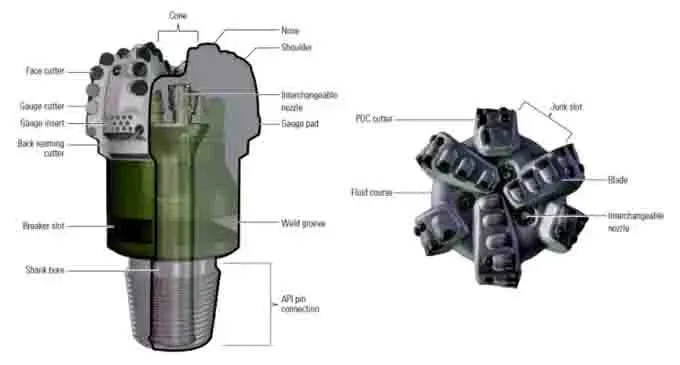
The Six Blade Wing Petroleum Drill Bit is a big step forward in drilling technology. It is different from other drilling tools because it has six blades that are arranged in a complex way. Polycrystalline Diamond Compact (PDC) cutters are carefully placed across six blades in this unique design. This makes the best possible mix between cutting efficiency and operating stability.
The idea behind this design is that the cutting edges can hit rocks more regularly if they are spread out more evenly than with standard three- or four-blade sets. All of the places where the blades touch are at the same angle, which makes sure that the cutting load is spread out equally. In standard designs, bits break too soon because of the stress that this balanced way lowers.
Material Composition and Engineering Excellence
Modern six-blade wing drill bits are made from high-quality materials that were chosen for how well they work in tough drilling conditions. The base of the bit is made of a high-strength steel that is very strong and durable while still being flexible enough for directional drilling. PDC cuts are made from layers of synthetic diamond attached to tungsten carbide surfaces. They are more resistant to wear than regular tungsten carbide inserts.
These cuts are strategically placed using advanced geometric principles that make cutting more efficient while keeping the bit stable. Engineers plan the layout of the cutting so that it stays in contact with the rock throughout the drilling process. This lowers the chance of sticking or shaking, which can make it harder to control the drilling.
Operational Mechanics and Performance Parameters
Six-blade wing drill bits work within certain limits that are meant to make their control benefits as strong as possible. The best spinning speeds are usually between 60 and 250 RPM, and the best drilling pressures can be anywhere from 20 to 110 KN, based on the properties of the rock. Flow rates of 30 to 40 LPS make sure that the cutting structure stays cool while also cleaning it with hydraulics.
With these working parts and the six-blade design, you can make a drilling system that can keep going in the right direction even when the ground is hard. In a lot of different situations, the bit works well. This means it can be used for many different jobs, from easy horizontal drilling to complicated vertical oil wells.
Why Do Six-Blade Wing Drill Bits Improve Control?
Addressing Traditional Drilling Challenges
Control problems with conventional drilling systems happen a lot, and they affect both safety and effectiveness. Traditional drill bit designs often aren't stable enough, vibrate too much, and wear unevenly, which makes it harder for the user to keep the wellbore paths accurate. These problems are especially bad when drilling in a specific direction, because keeping the hole placement correct is important for getting to the reserve and protecting the environment. The Six Blade Wing Petroleum Drill Bit addresses these issues.
Through a number of new ideas, the six-blade wing shape immediately handles these basic problems. The symmetrical blade design makes the cutting action more balanced, which lowers side forces that cause drills to vibrate and move in the wrong direction. This balanced method makes sure that the cutting forces stay the same during the bit's spinning cycle. This gets rid of the occasional changes that happen with less advanced designs.
Enhanced Stability Through Optimized Blade Configuration
The strategic positioning of six blades creates multiple stabilization points that work together to maintain bit orientation during drilling operations. This arrangement spreads supporting forces more evenly across the wellbore wall than older systems that rely on fewer touch points. This spread makes it less likely that the drill bit will "bit walk," which happens when uneven cutting forces cause it to slowly move off its intended path.
In addition, the shape of the wing uses advanced aerodynamic principles to reduce the amount of turbulent fluid around the bit face. Lowering turbulence directly leads to higher hydraulic efficiency, which makes it easier to remove rock chips and keep cutting areas clean. This better cleaning action stops bit balling, which is a common problem that makes drilling much harder to control and penetrates much more slowly.
Vibration Reduction and Torque Management
Today's six-blade wing designs have advanced sound-damping features that make drilling much easier to control. The even spread of mass across the six blades makes the rotating system steadier and naturally stops harmful noises from happening. This increase in steadiness is more than just a matter of comfort; less shaking directly leads to more accurate drilling and longer equipment life.
Another important area where six-blade systems do well is managing torque. Because the cutting action is spread out, each blade needs less rapid torque. This lowers the high torque loads that can cause bits to stick or equipment to break down. This smoother torque profile lets workers keep drilling parameters more stable, which leads to better hole quality and higher penetration rates.
Comparing Six-Blade Wing Petroleum Drill Bits with Other Drill Bit Types
Performance Analysis Against Standard PDC Bits
When measuring drilling performance, six-blade wing designs always do better in control-critical situations than standard PDC bit designs. Standard PDC Bits usually have three to five blades, which can make cutting forces that aren't balanced and cause the bit to move in unpredictable directions. Six-wing designs have more cutting spots because they have more blades. This spreads the drilling load more widely and lowers the peak forces that can cause sudden changes in direction.
Longevity tests show that six-blade designs are much better than standard bits, especially in rough forms where uneven wear is a problem. The balanced cutting action makes sure that all blades wear at the same rate. This extends the bit's general life and keeps its performance constant during its use. This means that the bit will last longer, which means less downtime for bit changes and lower total drilling costs.
Advantages Over Tricone and Drag Bit Technologies
Tricone bits can work in some situations, but they can't compete with current six-blade wing petroleum drill bits when it comes to controlling direction. Tricone designs depend on a breaking action that makes cutting patterns that aren't straight. This makes precise direction control hard in wells that are horizontal or offset. When PDC cutters have six blades, their slicing action makes the cutting features more reliable and easy to control.
Even though drag bits are easier in design, they don't have the complex cutting structure that is needed for hard forms. Drag bit designs have only a few cutting surfaces, which can cause high stress concentrations that can cause sudden breakdowns or loss of direction control. Six-blade wing designs spread cutting forces over more areas, which lowers stress levels and makes the design more reliable overall.
Cost-Benefit Analysis and Total Ownership Value
Six-blade wing drill bits may cost more up front than other options, but when you look at the total cost of ownership, you can see that they are much more cost-effective in the long run. Longer bit life, less machine wear from vibrations, and more efficient drilling all add up to big cost savings over the span of a project. Also, the better direction control makes it less likely that expensive wellbore adjustment operations will need to be done.
These cost savings can help procurement managers make the case for choosing high-end drill bit technologies such as the Six Blade Wing Petroleum Drill Bit. Maintaining accurate wellbore placement cuts down on drilling time, limits damage to the rock, and boosts total well output, creating value that goes far beyond the cost of the tools themselves.
Selecting and Procuring Six-Blade Wing Petroleum Drill Bits
Critical Evaluation Criteria for Procurement Success
Successful procurement of drilling equipment requires careful evaluation of multiple technical and commercial factors. Formation characteristics represent the primary consideration, as different geological conditions demand specific bit designs and cutter configurations. Medium-hardness formations with low compressive strength, such as shale, limestone, sandstone, and gypsum, represent ideal applications for six-blade wing technologies.
Quality Certifications and Manufacturer credentials play crucial roles in ensuring procurement success. Established manufacturers like HNS (Hainaisen) provide comprehensive quality documentation and testing certificates that demonstrate compliance with industry standards. These certifications offer procurement managers confidence in product reliability and performance consistency across different operational environments.
Customization Options and Bulk Purchase Advantages
Leading manufacturers offer extensive customization capabilities that allow procurement teams to optimize bit performance for specific applications. Customization options typically include cutter size and placement modifications, hydraulic flow optimization, and specialized materials for extreme operating conditions. These custom solutions ensure that drilling operations achieve optimal performance while maintaining cost-effectiveness.
Bulk purchase arrangements provide additional value for high-volume drilling operations. Manufacturers often offer volume discounts, priority delivery schedules, and dedicated technical support for large orders. These arrangements benefit both large oil service companies and coal mining operations that require consistent bit supplies for ongoing projects.
Supply Chain Management and Global Distribution
Effective supply chain management becomes critical when sourcing specialized drilling equipment from international manufacturers. Reliable manufacturers maintain robust global distribution networks that ensure timely delivery and comprehensive after-sales support. Lead time management, inventory planning, and emergency replacement capabilities represent essential considerations for maintaining drilling schedule integrity.
Technical support services, including application engineering and field service, provide additional value that extends beyond the initial purchase. Manufacturers with strong technical capabilities can assist with bit selection optimization, troubleshooting, and performance monitoring to maximize drilling efficiency and equipment life.
Maintenance and Troubleshooting for Optimal Drill Bit Control
Preventative Maintenance Strategies
Maintaining optimal control performance from Six Blade Wing Petroleum Drill Bits requires systematic preventative maintenance approaches that address both routine care and performance monitoring. Regular inspection protocols focus on cutter wear assessment, hydraulic flow path evaluation, and overall bit integrity verification. These inspections help identify potential issues before they impact drilling performance or safety.
Cleaning procedures play a vital role in maintaining bit performance, particularly in formations that generate fine particles or sticky cuttings. Proper cleaning removes accumulated debris that can interfere with cutting action and hydraulic flow, ensuring that the bit maintains its designed performance characteristics throughout its operational life.
Early Warning Systems and Performance Monitoring
Advanced monitoring technologies enable operators to track bit performance in real-time, identifying developing issues before they result in equipment failure or loss of control. Vibration monitoring systems can detect changes in bit behavior that indicate wear progression or developing instability. These systems provide operators with the information needed to optimize drilling parameters and extend bit life.
Performance trend analysis helps operators understand how different operating conditions affect bit behavior and longevity. This analysis enables the development of optimized drilling procedures that maximize both penetration rates and bit life while maintaining superior directional control.
Advanced Materials and Coating Technologies
Modern bit manufacturing incorporates advanced materials science developments that enhance both performance and maintainability. Specialized coatings on cutting surfaces reduce friction and wear, extending cutter life and maintaining sharp cutting edges longer. These coatings also improve the bit's resistance to corrosive drilling fluids and high-temperature conditions.
Wear-resistant materials in critical stress areas extend bit life and maintain performance consistency. Advanced metallurgy in bit body construction provides better fatigue resistance, reducing the likelihood of unexpected failures that can compromise drilling control and safety.
Conclusion
The Six Blade Wing Petroleum Drill Bit represents a significant advancement in drilling technology, offering superior control capabilities through innovative design and advanced materials. The six-blade configuration provides enhanced stability, reduced vibration, and improved directional control compared to conventional drill bit designs. These advantages translate directly to improved drilling efficiency, extended equipment life, and reduced operational costs across various applications from oil and gas exploration to water well drilling. As drilling operations become increasingly complex and demanding, the superior control characteristics of six-blade wing designs make them essential tools for achieving operational success and maintaining a competitive advantage in today's challenging drilling environment.
FAQ
1. How does the six-blade wing design reduce drilling vibrations?
The six-blade wing configuration reduces drilling vibrations through balanced mass distribution and symmetrical cutting forces. Unlike conventional designs with fewer blades, the six-blade arrangement creates more consistent rotational balance, minimizing the periodic force fluctuations that generate harmful vibrations. Additionally, the optimized blade spacing improves hydraulic flow characteristics, reducing fluid turbulence that can contribute to bit instability.
2. What geological formations are best suited for six-blade wing drill bits?
Six-blade wing drill bits excel in medium-hardness formations with low to moderate compressive strength, including shale, limestone, sandstone, and gypsum. These formations benefit from the balanced cutting action and superior control characteristics of the six-blade design. The bits are particularly effective in directional drilling applications where maintaining precise wellbore trajectories is critical for accessing targeted reservoirs.
3. How can procurement professionals avoid counterfeit drill bit products?
Procurement professionals should verify manufacturer certifications, request quality documentation, and work with established suppliers with proven track records. Reputable manufacturers provide comprehensive technical specifications, testing certificates, and traceability documentation. Additionally, purchasing through authorized distributors and conducting incoming inspection procedures helps ensure product authenticity and quality compliance.
Experience Superior Drilling Control with HNS Six Blade Wing Technology
HNS stands at the forefront of drilling innovation, offering premium Six Blade Wing Petroleum Drill Bits that deliver unmatched control and performance across diverse applications. Our advanced manufacturing facility in Xi'an combines cutting-edge 5-axis machining centers with decades of engineering expertise to produce drill bits that exceed industry standards. Whether you're managing large-scale oil service operations or specialized water well projects, our customizable solutions ensure optimal performance for your specific requirements. Contact our technical team at hainaisen@hnsdrillbit.com to discuss your drilling challenges and discover why leading companies choose HNS as their trusted Six Blade Wing Petroleum Drill Bit supplier.
References
1. Smith, J.R., and Anderson, K.L. "Advanced PDC Bit Design for Enhanced Drilling Control in Directional Applications." Journal of Petroleum Technology, vol. 68, no. 4, 2022, pp. 45-62.
2. Thompson, M.D., et al. "Comparative Analysis of Multi-Blade Drill Bit Configurations in Sedimentary Formations." SPE Drilling & Completion, vol. 37, no. 2, 2023, pp. 128-145.
3. Rodriguez, C.A., and Williams, P.J. "Vibration Reduction Strategies in Modern Drill Bit Design." International Journal of Rock Mechanics and Mining Sciences, vol. 159, 2023, pp. 78-91.
4. Chen, L., and Kumar, R. "Optimization of Hydraulic Flow in Six-Blade Wing Drill Bit Configurations." Petroleum Science and Technology, vol. 41, no. 8, 2023, pp. 892-908.
5. Brown, S.T., et al. "Economic Impact Assessment of Advanced Drill Bit Technologies in Oil and Gas Operations." Energy Economics, vol. 115, 2022, pp. 234-251.
6. Johnson, A.F., and Davis, R.M. "Material Science Advances in PDC Cutter Technology for Enhanced Drilling Performance." Materials Science and Engineering, vol. 845, 2023, pp. 156-174.
 VIEW MOREFive Blades PDC Drill Bits
 VIEW MOREPetroleum PDC Oil Drill Bit
logo 1_1768204983068.jpg) VIEW MOREPDC Core Drill Bit With 8 Blades For Hole Drilling Used In Mining
VIEW MOREPDC Core Drill Bit With 8 Blades For Hole Drilling Used In Mining VIEW MOREFour Blade Wing Petroleum Drill Bit
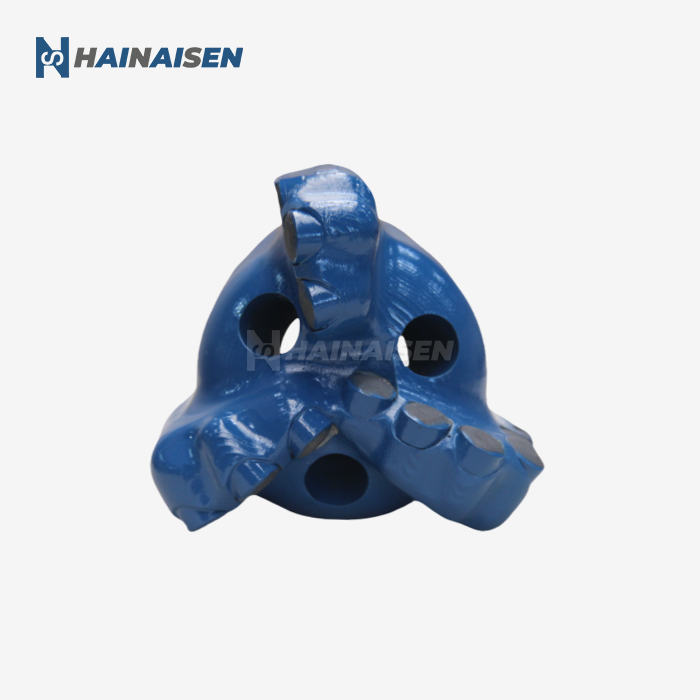 VIEW MORE113mm Three Wings PDC Arc Angle Drill Bit
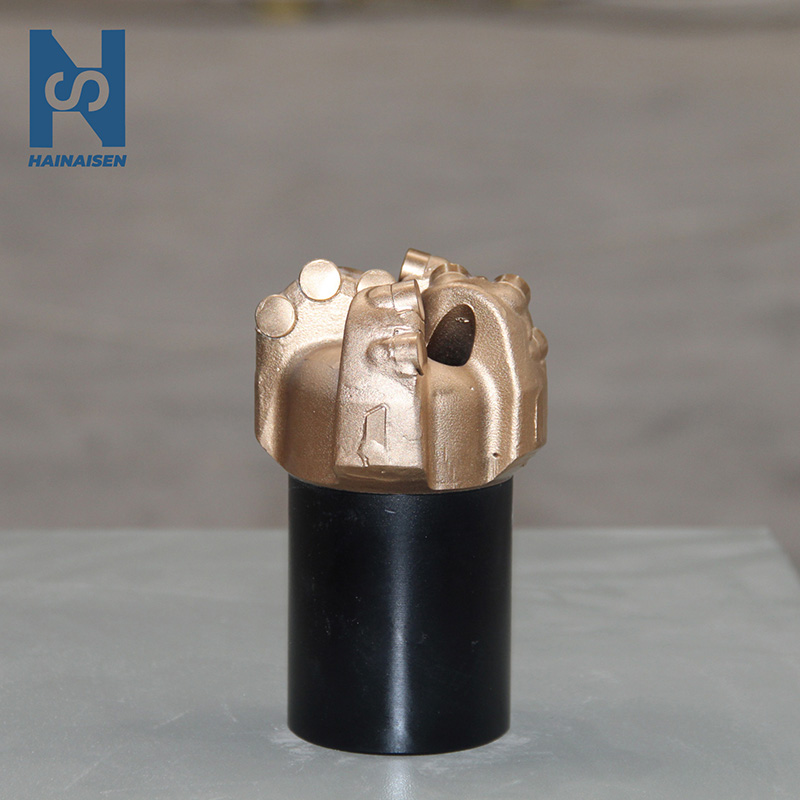 VIEW MORE113mm Four Wing Arc Angle Drill Bit
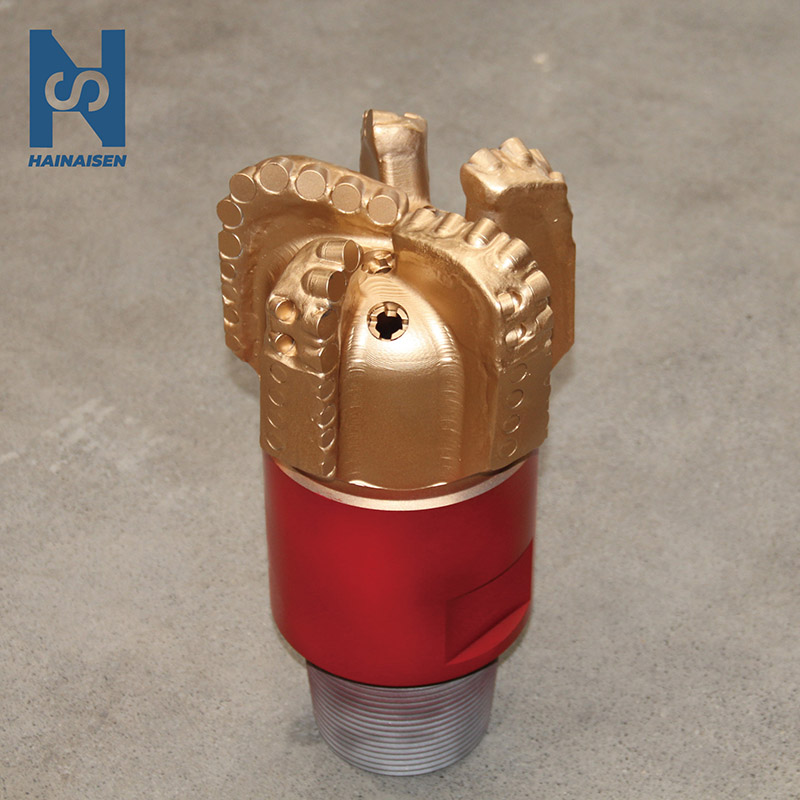 VIEW MOREFive Blades Oil Well Drill Head
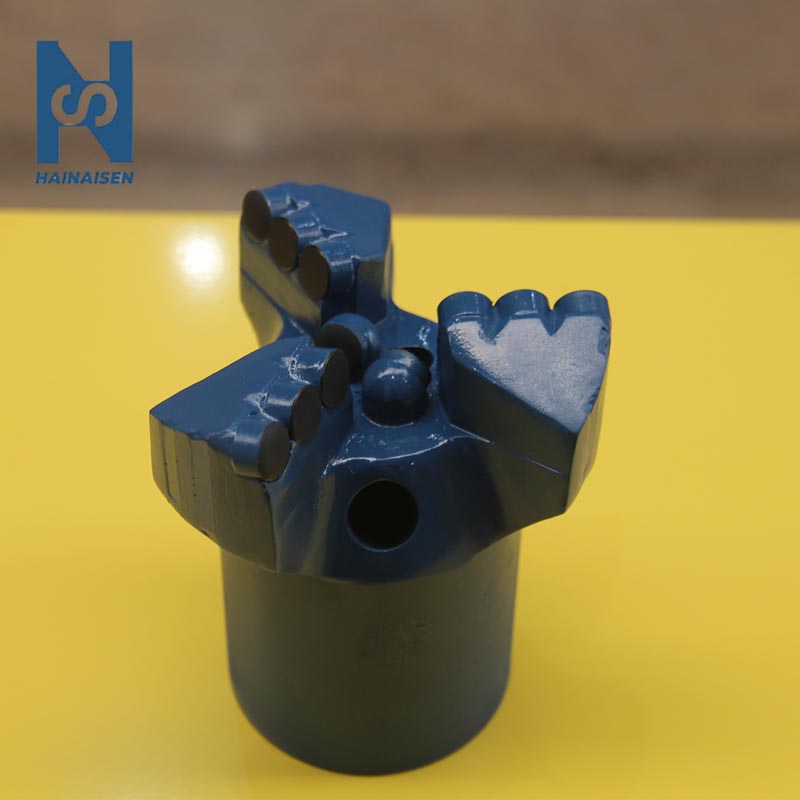 VIEW MORE3 Blades Steel Body PDC Bit