




Why Consistent WOB (Weight on Bit) is Critical for Bit Health?
Maintaining the right bit performance and extending the useful life of drilling tools depends on keeping the weight on the bit stable (WOB). It is even more important to keep the drilling pressure fixed when using modern polycrystalline diamond compact (PDC) bits with a 4 Wings Blades PDC Bit design. Changes in WOB cause stress to be spread unevenly across the cutting structure, which speeds up wear patterns and lowers the entry efficiency. When WOB is handled correctly, the load is spread evenly across all four blades. This reduces vibration and stops early cutting damage that causes costly downtime and frequent bit replacements.
Understanding the Role of Consistent WOB in Bit Health
How WOB Directly Affects Penetration Efficiency
The downward force on the drilling unit during operations is shown by the weight on the bit. This measure has a direct effect on how well PDC knives cut through rock layers. When WOB stays in the suggested range of 10–100 KN, cutters contact formation material at the best angles, making chips of the same size and keeping torque levels that can be predicted. Deviations from this range slow down entry rates and make drilling less effective, which wastes time and resources.
The Relationship Between WOB and Cutter Wear Patterns
When drilling pressure stays the same, all cutting parts wear out at the same rate. From our experience making things at Shaanxi Hainaisen Petroleum Technology, we know that bits that work under regular WOB develop reliable wear patterns that let us make accurate predictions about their service lives. On the other hand, uneven weight application leads to localised damage, where some cuts are overloaded while others are not being used at all. This random wear and tear shortens the bit's life and lowers the quality of the holes it makes.
Impact on Torque Stability and Drilling Vibration
Keeping the WOB steady reduces the negative effects of drilling dynamics. The bit moves in stick-slip and rotational oscillations when its weight changes, which hurts both the cutting structure and the downhole tools. These problems are especially addressed by our 4 Wings Blades PDC Bit design, which has balanced blade geometry that spreads forces out equally. Working within the allowed speed range of 60–250 RPM and keeping the work-over-break (WOB) constant lowers mechanical stress and makes tools last longer.
Key Design Features of 4-Wing Blades PDC Bit That Interact With WOB
Structural Configuration for Balanced Load Distribution
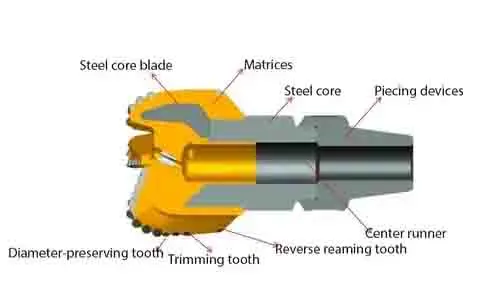
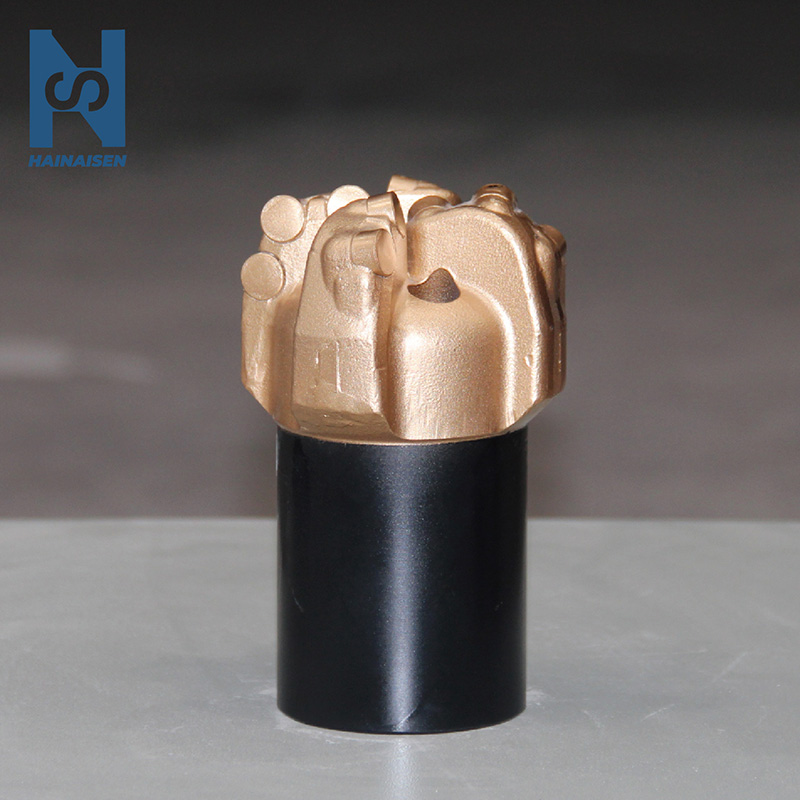
The 4 Wings Blades PDC Bit design is a conscious engineering choice that makes the best use of force distribution while digging. Each blade stretches from the centre hub at a carefully measured angle. This creates symmetrical geometry that reacts consistently to weight. This arrangement keeps stress from building up in certain areas, which often happens in uneven designs. The steel body design makes the structure strong enough to handle the compressive forces that are created when cutting through medium-hard rock types like shale, limestone, and sandstone.
Advanced Cutter Placement and Blade Geometry
The best rock contact is achieved by strategically placing PDC cuts across all four blades. We design the places of the cutters so that they cut as efficiently as possible while causing the least amount of interference between neighbouring elements. The shape of the blade has certain rake and clearance angles that, along with regular WOB, keep the cutting action aggressive. This well-thought-out setup lets the bit keep its steady entry rates even when it hits different types of rock.
Material Engineering for Enhanced Durability
High-quality materials are the most important part of drilling that works well. The bodies of our bits are made of high-quality steel that doesn't bend under long-term pressure. The small polycrystalline diamond cutters have very high wear resistance and keep their sharp cutting edges for long drilling gaps. Specialised matrix materials make things more thermally stable, so they don't lose their efficiency in hot places. These choices of materials work together to make a boring tool that reacts consistently to controlled WOB application.
Common Problems Caused by Inconsistent WOB and How to Avoid Them
Identifying the Damage Mechanisms
When cutting pressure isn't constant, it can cause a number of failure modes that damage the bit. Cutter chipping happens when quick increases in weight cause impact loads that are higher than the material's strength limits. When oscillating forces are higher than the limits for wear, blade damage shows up as cracks or breaks in the steel body. These problems get worse when there is more energy, which creates feedback loops that speed up the breakdown. Drilling teams can take preventative steps before disasters happen when they are aware of these trends.
Root Causes of WOB Fluctuations
Unstable drilling characteristics are caused by a number of mechanical factors. When the rig isn't calibrated properly, it gives wrong weight readings, which causes users to use the wrong forces. Changing geological conditions make it hard to keep the parameters the same as the bit moves between layers of rock that are stronger or weaker. Human factors are also very important. For example, new employees may find it hard to understand downhole return signs and make the necessary changes to the controls on the surface. Understanding these contributing factors is key to coming up with effective ways to reduce their effects.
Practical Solutions for Stable Drilling Parameters
Using real-time tracking tools lets you see what's going on with the drilling right away. Modern monitors keep an eye on WOB all the time and let workers know when it changes so that damage doesn't happen. Automated control systems can change the factors of digging faster than people can, which keeps things stable even when conditions are tough. Comprehensive training programmes teach people who work in drilling how to spot danger signs and act in the right way. When you mix these two methods, you get practical settings where consistent WOB is normal and not just something that happens sometimes.
Comparative Insights: 4 Wings Blades PDC Bit vs Other Bit Designs on WOB Sensitivity
Performance Characteristics Across Different Configurations
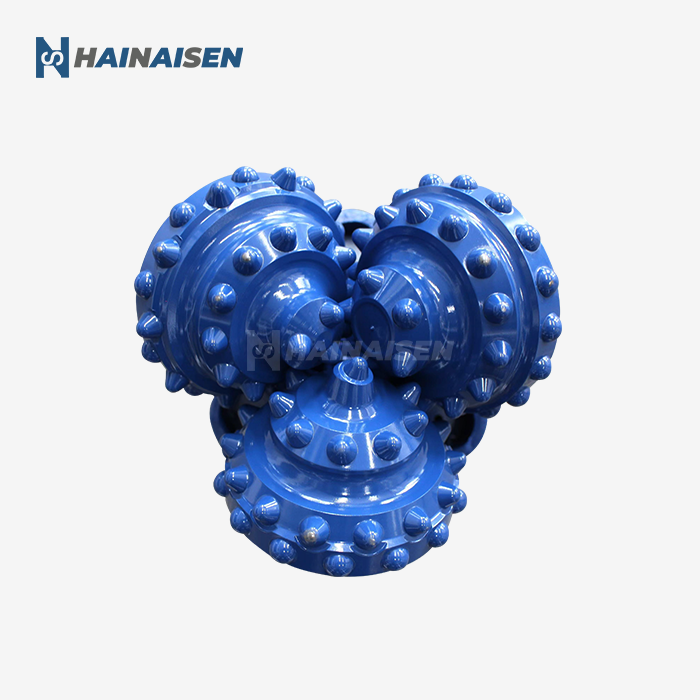
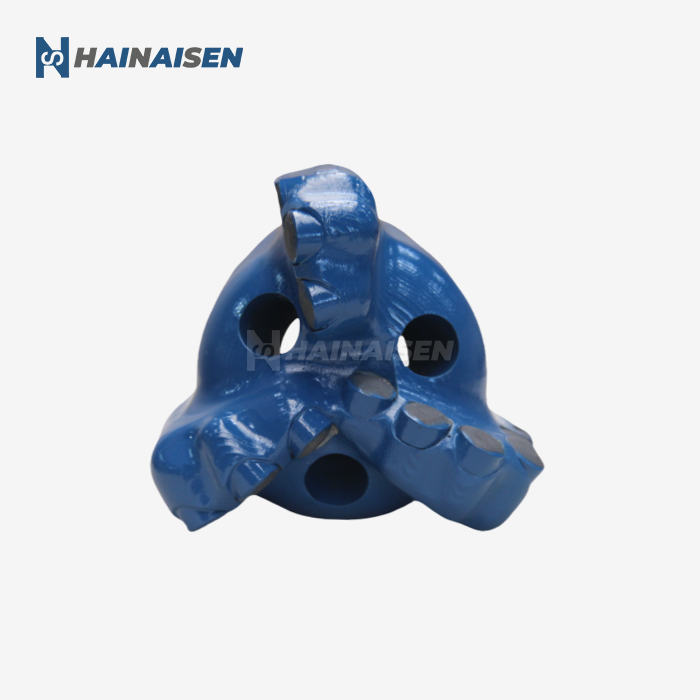
When you compare cutting tools, you can see that they work differently in different situations. Traditional three-blade designs have some benefits in some situations, but they are more sensitive to changes in WOB. Because the three-blade design creates an uneven spread of force, these tools are more likely to vibrate when the weight changes. Even though roller cone bits work well in hard rocks, they need to be used in a certain way and react to changes in drilling pressure in a different way. The 4 Wings Blades PDC Bit design is a good compromise between the ability to cut aggressively and the ability to run steadily under controlled WOB situations.
Understanding Application-Specific Advantages
Each bit scheme works best in certain situations. In soft forms where forceful cutting is not as important, three-blade tools can sometimes give you better control over the direction of the cut. Roller cone systems can sometimes handle very hard, abrasive rock better than PDC options. The 4 Wings Blades PDC Bit design, on the other hand, works better for operations that aim for medium-hardness rocks with compressive forces that are good for PDC technology. This setup works best for projects where stable bit rates and long bit life have a direct effect on the bottom line.
Selection Criteria for Procurement Professionals
When choosing drilling tools, technical engineers and buying managers look at a number of factors. The basic needs are set by the characteristics of the formation; knowing the properties of the rock helps choose the right bit shapes. The operational WOB management skills in certain drilling programmes affect the choice of which ones to use. Budget concerns include not only the initial cost of buying, but also the total cost of ownership, which includes how often parts need to be replaced and how well they cut. Thanks to our work with oil service companies, coal mines, and water well drilling teams, we know that 4 Wings Blades PDC Bit products are very useful in a wide range of situations when they are paired with good WOB control.
Optimising Procurement and Maintenance for Long-Term Performance
Strategic Supplier Selection
Picking the right manufacturing partner has a big effect on how well your business does. Reliable sellers offer certified goods that come with a lot of quality paperwork. Our 3,500-square-meter building at Shaanxi Hainaisen Petroleum Technology is home to modern production tools like 5-axis machining centres and CNC machine tools that make sure that the standards for manufacturing are very tight. We keep research and development resources for unique bit design, which lets us make solutions that fit the needs of each group. This service for customisation is especially helpful when normal options don't perfectly meet the needs of a project.
Maintenance Practices That Extend Service Life
The purity of the bit is maintained through multiple drilling rounds when it is handled and inspected properly. Visual checks done on a regular basis find early signs of wear before they become major problems. Formation waste that could hide problems in the making is carefully cleaned away. Corrosion and unintentional hits can be avoided by storing things in controlled settings. Some operators use regrinding programmes to fix the shape of partially worn cutting bits. This makes the bits last longer while still meeting performance standards. These techniques work with consistent WOB application to get the most out of your equipment purchase.
Supply Chain Considerations for Seamless Operations
When you plan your purchases well, you take into account things like wait times and complicated procedures. Bulk buying can save you money, but you need to make sure you have enough space to store your items and keep track of your goods. Knowing how much a factory can make helps you set reasonable shipping goals. By working with suppliers who offer technical help, you can be sure that you will have access to experts when practical problems arise. We encourage procurement managers to get involved early in the planning stages of a project. This gives them time to make sure that specifications are properly developed and that production schedules are made in a way that avoids delays, including for oil drilling bit orders.
Conclusion
Consistent weight management of the bit is a basic condition for keeping the bit healthy and running drilling operations efficiently. The design of the 4 Wings Blades PDC Bit reacts consistently to controlled drilling pressure, providing even performance in a range of formation types. Knowing the connection between WOB stability and bit life helps you make smart choices about what tools to buy, how to use them, and how to keep them in good shape. Putting in place monitoring systems, training programmes, and quality purchasing strategies makes it possible for drilling tools to work consistently. By putting consistent parameter control first, drilling operations can cut costs, cut down on downtime, and improve the overall economics of the project while also making valuable drilling tools last longer.
FAQ
Q1: What happens when WOB fluctuates during drilling operations?
Changing the bit's weight causes uneven stress to be distributed across the cutting parts, which speeds up wear, damages the cutter, and causes more shaking. These factors make entry less effective and shorten the life of the bit. Keeping the cutting pressure in the recommended 10-100 KN range will ensure steady performance and increase the life of the equipment. Calibration of the rig correctly and tracking in real time help keep parameters fixed during drilling intervals.
Q2: How does the four-blade design improve WOB tolerance?
Because 4 Wings Blades PDC Bit units are symmetrical, the forces that are applied are spread out evenly across all of the cutting structures. Compared to three-blade options, this balanced design is less sensitive to small changes in WOB. The design makes the machine more stable and less likely to shake when cutting through medium-hard rock layers like shale and limestone. 4 Wings Blades PDC Bit tools are more forgiving when it comes to tasks where perfect parameter control is hard to achieve because of this structural benefit.
Q3: Can proper WOB control reduce overall drilling costs?
Of course. Consistent drilling pressure has a direct effect on many cost factors, such as how often bits need to be replaced, how deep they can go, and the chance that tools will get damaged. When working in safe WOB conditions, bits last longer and drill more efficiently, which cuts down on both material costs and time spent not doing anything. Investing in training and setting up tracking systems pays off in a big way by improving operating economics and cutting down on downtime across drilling programmes.
Partner With HNS for Superior PDC Bit Solutions
Shaanxi Hainaisen Petroleum Technology (HNS) is ready to help you with your drilling projects by providing high-performance 4 Wings Blades PDC Bit options that are designed to give you the best WOB reaction. As a maker with a lot of experience, we can make drilling tools that are perfect for your needs by using cutting-edge materials, making them with great care, and designing them just the way you want them. Our expert team offers full help from the initial specification stage through ongoing performance optimisation in the field. Get in touch with us at hainaisen@hnsdrillbit.com to talk about your needs and find out how our knowledge can help you improve the efficiency of your drilling and lower running costs by making the bits work better.
References
1. Drilling Engineering Association, "Impact of Weight on Bit Variations on PDC Cutter Wear Mechanisms," Journal of Petroleum Technology, 2021.
2. Warren, T.M., "Factors Affecting Torque for a Roller Cone Bit," SPE Drilling Engineering Journal, 2019.
3. Detournay, E., and Defourny, P., "Drilling Response of Drag Bits: Theory and Experiment," International Journal of Rock Mechanics, 2020.
4. Pessier, R.C., and Fear, M.J., "Quantifying Common Drilling Problems with Mechanical Specific Energy," SPE Annual Technical Conference Proceedings, 2018.
5. International Association of Drilling Contractors, "Best Practices for PDC Bit Selection and Operation," Technical Report Series, 2022.
6. Chen, S.L., "Relationship Between Drilling Parameters and Bit Performance in Directional Wells," Mining Engineering Quarterly, 2020.
 VIEW MOREHard Alloy Roller Drill Bit
 VIEW MOREFour Blade PDC Rock Drill Bit
 VIEW MORE113mm Three Wings PDC Arc Angle Drill Bit
 VIEW MOREThree Blade Wing Arc Angle Drill Bit
 VIEW MOREHigh Performance 5 Cutter PDC Bit
 VIEW MOREPolycrystalline Diamond Drill Bits
logo 2_1777361643767.jpg) VIEW MORE94mm Four Wing Arc Angle Drill Bit
VIEW MORE94mm Four Wing Arc Angle Drill Bit VIEW MOREDrilling Bit For Oil And Gas Rig