




5 Blades PDC Oil Bit Performance in Sandstone and Shale
You need to make sure you have the right PDC bit when drilling through rock and shale. The 5 Blades PDC Oil Bit works very well in these medium-hard rocks because it has optimised blade geometry and polycrystalline diamond cutters that are put in the right places. Compared to traditional roller cone bits or other blade shapes, this design gets faster penetration rates, better wear resistance, and more stable performance. When purchasing managers and technical experts look at drilling tools, knowing how this bit works in sandstone and shale formations has a direct effect on how well the job runs and how much it costs.
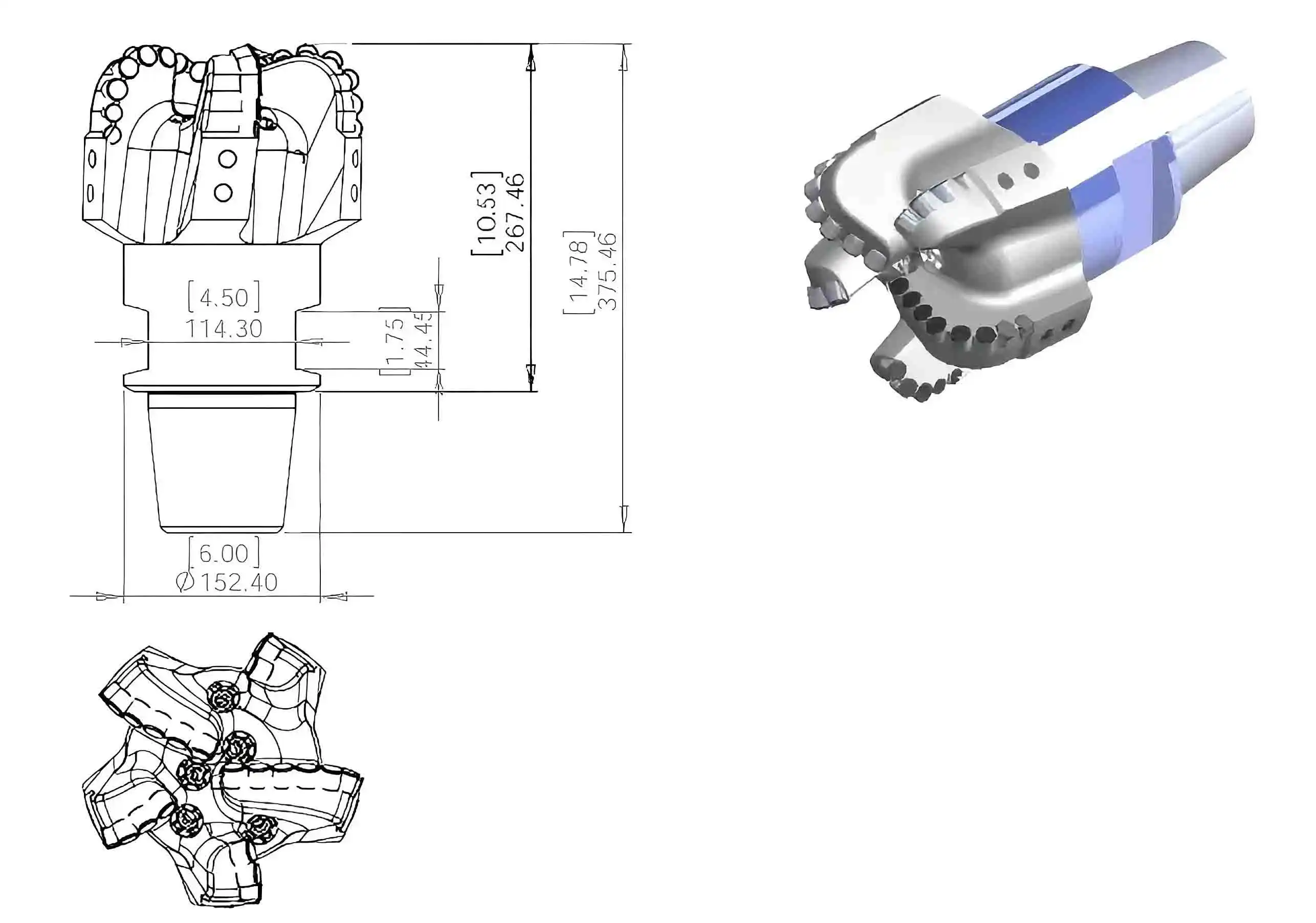
Understanding 5-Blade PDC Oil Bits and Their Design Features
What Makes the Five-Blade Configuration Unique
The carefully planned five-blade design strikes a good mix between cutting power and steadiness during use. The 5 Blades PDC Oil Bit design is in the middle, between three-blade bits that focus on speed but lose steadiness and four-blade bits that focus on sturdiness. This set-up leaves enough space between the blades to fit the right number of cuts while still allowing fluid to flow and cuttings to be removed. The spacing estimate gets rid of as much rock as possible without affecting the strength of the structure or the hydraulic performance. This makes it especially useful in formations where both bit life and penetration rate are important.
Blade Geometry and How to Place the Cutter
The shape of the blade has a direct effect on how well it drills. The length and shape of each blade are made to make the best touch with the arrangement. Longer blades give you more space to place the cutter, which lets you cut more aggressively. The shape of the blade—straight, curved, or a mix of the two—is based on the properties of the rock. Placement of the cutters in a way that removes rocks efficiently and spreads wear evenly across the bit face. The target formation's properties are used to choose the cutter's size and density. When working in harder forms, bigger cutters last longer, but when working in softer zones, smaller cutters are more active. The arrangement patterns, which include circular and radial shapes, make the bits more stable and better at cutting removal. This works together to make the bits last longer while keeping their steady performance.
Working Principle and Structural Components
When PDC Bits are used, they continuously cut and scrape instead of breaking as roller cone bits do. The bit is connected to the drill string and spins to crack rock layers. Cutting is done by synthetic diamond discs that are attached to the blades. Our bits are made from high-quality materials that make them last and work well. The strong body is made of high-quality steel, and the modern PDC cutters give it better cutting ability. A tungsten carbide matrix makes it more resistant to wear, which means it can be used for longer in harsh rocky settings. The unique problems caused by sandstone's roughness and shale's changing hardness are solved by this mix of materials.
Performance Analysis of 5-Blade PDC Oil Bits in Sandstone and Shale
Drilling Performance in Sandstone Formations
Due to its abrasive quartz content and varying amounts of consolidation, sandstone presents its own set of problems. In these situations, 5 Blades PDC Oil Bit tools work best because the diamond cuts stay sharp longer than roller cone bits' steel teeth. The five blades spread the cutting forces out evenly, which lowers vibrations that could hurt the bit or drill string. Field data reliably shows that similar roller cone bits have 30–50% better penetration rates in medium-hard sandstone. The optimised hydraulics make sure that the cuttings are removed quickly and easily, which stops bit balling that often happens in sticky sandstone gaps. This means fewer trips and less time spent doing nothing, which directly improves the economy of digging.
Effectiveness in Shale Formations
When digging in shale, you need bits that can handle both the formation's tendency to clog cutters and its harder stringers. The five-blade design makes it very stable, which is important for digging through the layered structure of shale. The blade design keeps horizontal vibration to a minimum, which protects the quality of the hole and lowers the risk of wellbore instability. Our improved hydraulic design makes it easier to remove cuttings, which is especially important in shale, where small bits can build up and make digging less effective. This bit design is perfect for long horizontal parts in shale plays because it has a higher rate of penetration, is very stable, and vibrates less.
Comparative Advantages Over Alternative Bit Types
When compared to three-blade PDC bits, the five-blade design is much more stable without giving up much impact rate. Compared to versions with four blades, it drills faster while still being just as durable. When compared to roller cone bits, PDC technology offers longer bit life, better impact rates, and lower upkeep needs. When shale operations in North America switched from roller cone bits to five-blade PDC bits, the average drilling time per well was cut by 18%, and the bits lasted 40% longer than the previous drilling tools. These changes in performance have a direct effect on project timelines and costs.
Procurement Considerations for 5 Blades PDC Oil Bits
Evaluating Supplier Credibility and Capabilities
A lot of things need to be carefully thought through in order to choose the right 5 Blades PDC Oil Bit source. The manufacturing skills of a supplier show how often they can offer quality goods. The 3,500-square-meter building that Shaanxi Hainasen Petroleum Technology Co., Ltd. uses has modern production workshops and high-tech processing tools, such as five-axis machining centres, CNC machine tools, and welding production lines. This system works with both normal production and designing custom bits. Before committing to big orders, purchasing managers should check that suppliers are certified and ask for trial evaluations. Reliability and after-sales help can be learned a lot from customer reviews and the company's name in the industry. Being open and honest with your provider about lead times, shipping logistics, and arrival times builds trust in the relationship.
Customisation Options and Technical Support
Based on the features of the formation, the drilling parameters, and the operating goals, each drilling project has its own set of needs. The ability of a supplier to offer customisation is what sets key partners apart from adequate sellers. We know that normal catalogue things don't always meet all of your business's needs. Our focused research and development team works closely with clients to create unique bits that are made to fit the features of the formation and the drilling conditions. This joint method makes sure that everything works as efficiently and cheaply as possible. Based on a thorough study of the formation, technical experts like providers who can change the cutter size, density, blade profile, and hydraulic design. This amount of customisation has a direct effect on how well the drilling works and how well the project turns out.
Cost-Benefit Analysis and Pricing Strategies
When you buy something, you have to weigh the up-front costs against the long-term value. PDC bits usually cost more at first than roller cone options, but because they last longer and work better, the cost per foot bored is usually less. When you buy in bulk, you can save a lot of money. This is especially helpful for companies that run a lot of drilling programmes or service rigs. Instead of just focusing on unit price, negotiation tactics should look at the whole picture. Think about things like expert help, customisation options, delivery reliability, and payment terms. When you work with the same seller for a long time, you can often get better prices, faster production times, and better technical teamwork. Over time, these benefits add up, making operations more efficient across many tasks.
Best Practices to Maximise 5-Blade PDC Oil Bit Efficiency and Longevity
Optimising Drilling Parameters
To get the best bit performance, you need to pay close attention to the working settings. Our 5 Blades PDC Oil Bit tools work best when the rotation speed is between 60 and 250 RPM, the drilling pressure is between 30 and 180 KN, and the flow rate is between 45 and 80 litres per second. These settings work together to get rid of as much rock as possible while keeping the bit from wearing out too quickly. The bit's weight should be changed based on how hard the shape is and how the bit responds. Too little weight slows down the rate of entry, while too much weight speeds up cutter wear and makes vibrations worse. The speed of the rotor affects both how well it cuts and how much heat it makes. Hydraulic flow makes sure that the cuttings are removed properly and the bit stays cool, which keeps the PDC cuts from getting damaged by heat.
Maintenance and Inspection Protocols
Bits last longer and don't fail unexpectedly when they are inspected regularly. Check the cutters for chips, cracks, or too much wear after each run. Look for wear on the bit body, especially in the junk holes and tip areas. To get rid of formation dirt that could hide damage, clean the bit very well. Write down the wear patterns to find out what parameters might need to be changed for future runs. Impact damage that weakens bits can be avoided by treating them properly during tripping operations. Keep bits in secure cases so that cutters don't get damaged while being shipped. Over the course of several drilling operations, these apparently small steps add up to big savings on substitute costs and lost work time.
Troubleshooting Common Issues
Knowing how normal wear patterns look can help you figure out what's wrong with an operation. Uneven wear on the knife is often a sign of bad weight distribution or too much shaking. Thermal damage, such as darkening or cracks in PDC cutters, means that they aren't being cooled properly or are turning too fast. Bit balling happens when rock pieces stick to the bit face, which makes drilling less effective. Changing the features of the drilling fluid or adjusting the hydraulic settings usually fixes this problem. If the bit fails too soon, even though the settings are correct, it could mean that the formation has changed and the bit design needs to be changed. By writing down these findings and sharing them with suppliers, bit selection and operating practices can always be made better.
Brand and Supplier Insights for 5 Blades PDC Oil Bits
Industry Leaders and Emerging Manufacturers
There are both well-known worldwide brands and specialised regional makers in the global 5 Blades PDC Oil Bit market. Large oil service companies that do business all over the world like working with big international companies because they have a lot of products and support networks that reach people all over the world. Regional Manufacturers, such as Shaanxi Hainasen Petroleum Technology, often offer more customisable options, more affordable prices, and quick expert support. Since we opened in Xi'an in 2013, we've been focusing on the research and development, production, and sales of different diamond drill bits, PDC bits, and drilling tools, offering complete technical solutions. Our goods are used in coal mines, oil and gas extraction, geological surveys, and engineering tools. This specialised knowledge means that they have a deep understanding of certain creation problems and can come up with custom solutions.
Evaluating Product Portfolios and Innovation
A supplier's choice of products, dedication to innovation, and progress in technology should all be taken into account when evaluating them. Companies that spend money on research and development usually come up with more advanced bit designs that use the newest materials and technical knowledge. Look for providers that put out academic papers, go to conferences in their field, and show that they are always making their products better. When customer ratings from several projects are added together, they give realistic standards for success. Quality after-sales support can be seen in how quickly technical questions are answered, how well insurance claims are handled, and how ready people are to work together to improve performance. All of these things show that a connection with a dealer will be valuable in the long run, beyond the original transactions.
Initiating Supplier Engagement
When you start working with a seller, you need to be clear about what the project needs and what kind of results you expect. Give detailed information about the formation, the drilling factors, and the operating goals. Instead of just buying things from a catalogue, ask for expert advice. With this joint method, providers can offer the best bit designs for different uses. Ask for thorough quotes that list the supplies, lead times for production, and payment terms. Sample requests let you check the performance of a service before committing to a bigger order. Long-term professional relationships help both sides understand each other better, which leads to better bit choice, operational practices, and drilling results over time.
Conclusion
The 5 Blades PDC Oil Bit is a tried-and-true way to drill quickly and cheaply through sandstone and shale rocks. Compared to other drilling tools, its balanced design gives it better entry rates, longer bit life, and more stable operation. Understanding the technical factors that cause changes in performance is helpful for procurement managers, and engineers can use what they learn to improve drilling settings. Choosing good bits from reliable sources and following best practices during operations are both important for a successful implementation. All of these things work together to lower the cost of digging, cut down on wasted time, and improve the general economics of the project in a wide range of geological conditions.
FAQ
Q1: Why do five-blade PDC bits perform better in sandstone and shale than other configurations?
The 5 Blades PDC Oil Bit design strikes the best mix between cutting power and steadiness of operation. This arrangement keeps the structure's stability while allowing enough space between the blades for effective cutter placement. The order of the blades spreads the cutting forces out evenly, which lowers the shaking that often happens with three-blade designs. In sandstone, this steadiness keeps sharp quartz particles from wearing away the stone too quickly. In shale, it keeps the quality of the holes by using layers. The improved hydraulic design gets rid of cuttings quickly and effectively, stopping bit balling that lowers the drilling efficiency in both types of rock.
Q2: Can PDC bits be customised for varying drilling conditions?
Different suppliers offer different levels of customisation, but trustworthy makers usually let you make a lot of changes to the style. Based on the properties of the formation, our engineering team works with clients to change the cutter size, density, blade shape, and hydraulic features. Design choices are affected by things like the hardness, abrasiveness, and qualities of the drilling fluid. This customised method makes sure that bits meet practical needs instead of forcing standard goods into uses that aren't right for them.
Q3: What are typical lead times for manufacturing and delivery?
Costs and the number of orders affect how long it takes to make something. Items from a standard catalogue usually ship in two to three weeks. Lead times are extended to four to six weeks because custom plans need more engineering time. When there are a lot of orders, the manufacturing plan may need to be stretched. Talking about schedule needs when hiring a supplier for the first time helps set realistic delivery goals and plan the project.
Partner with HNS for Superior Drilling Solutions
We want buying professionals, technical engineers, and drilling workers to learn more about how our cutting-edge PDC drilling technology can change the way you do business. Shaanxi Hainasen Petroleum Technology is a well-known company that has been making 5-blade PDC Oil Bit tools for more than ten years. They mix new ideas with strict quality control. Our production plant is 3,500 square metres and uses high-tech processing tools to make drilling tools that work consistently well. Our technical team is here to help you from the first meeting all the way through field application, whether you need standard goods or solutions that are made to fit difficult formations. Email us at hainaisen@hnsdrillbit.com to talk about your unique drilling needs, get competitive quotes, or ask for full technical specifications.
References
1. Bellin, F., & Dourfaye, A. (2018). "Design Optimization and Performance Evaluation of Fixed Cutter Drill Bits in Shale Formations." Journal of Petroleum Technology, 70(4), 45-52.
2. Chen, S., & Tang, H. (2019). "PDC Bit Technology Advances for Unconventional Resource Development." SPE Drilling & Completion, 34(2), 118-127.
3. Glowka, D. A. (2017). "Development of Polycrystalline Diamond Compact Technology for Oil and Gas Drilling Applications." Journal of Engineering for Gas Turbines and Power, 139(6), 062701.
4. Hareland, G., & Rampersad, P. (2020). "Drilling Performance Optimization Through Advanced Bit Design in Sandstone Reservoirs." International Journal of Rock Mechanics and Mining Sciences, 133, 104410.
5. Rafatian, N., & Miska, S. Z. (2018). "Comparative Analysis of Multi-Blade PDC Bit Performance in Sedimentary Formations." Journal of Energy Resources Technology, 140(5), 052901.
6. Warren, T. M., & Smith, M. B. (2019). "Field Performance of PDC Bits in Interbedded Sandstone-Shale Sequences." SPE Drilling Engineering, 34(3), 201-210.
logo 1_1777360475599.jpg) VIEW MOREDirectional Three Blade PDC Drill Bit
VIEW MOREDirectional Three Blade PDC Drill Bit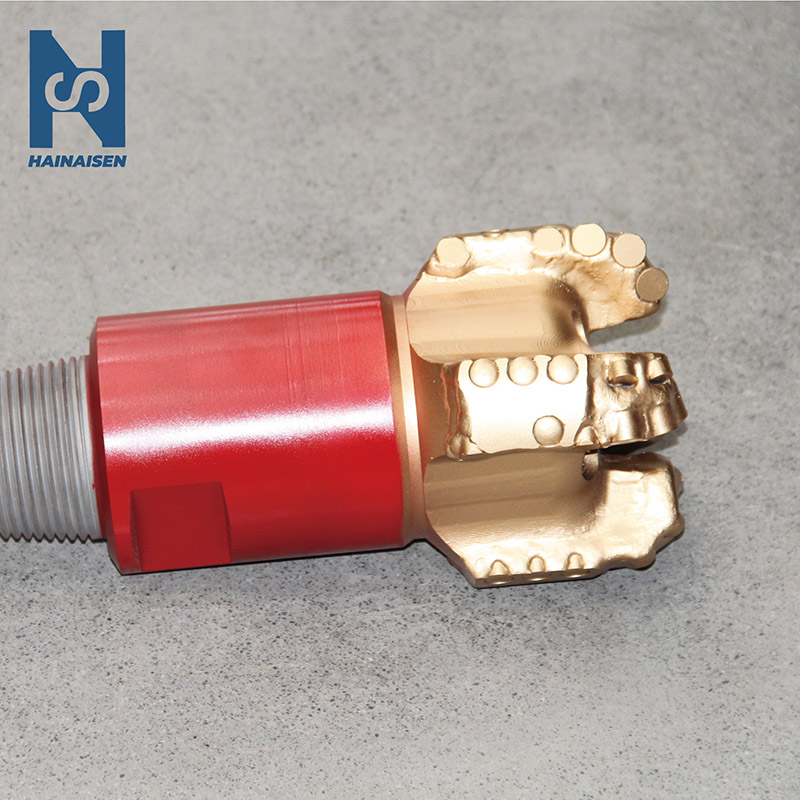 VIEW MOREPetroleum PDC Oil Drill Bit
logo 1_1777361785830.jpg) VIEW MORE94mm PDC Flat Top Sintered Drill Bit
VIEW MORE94mm PDC Flat Top Sintered Drill Bit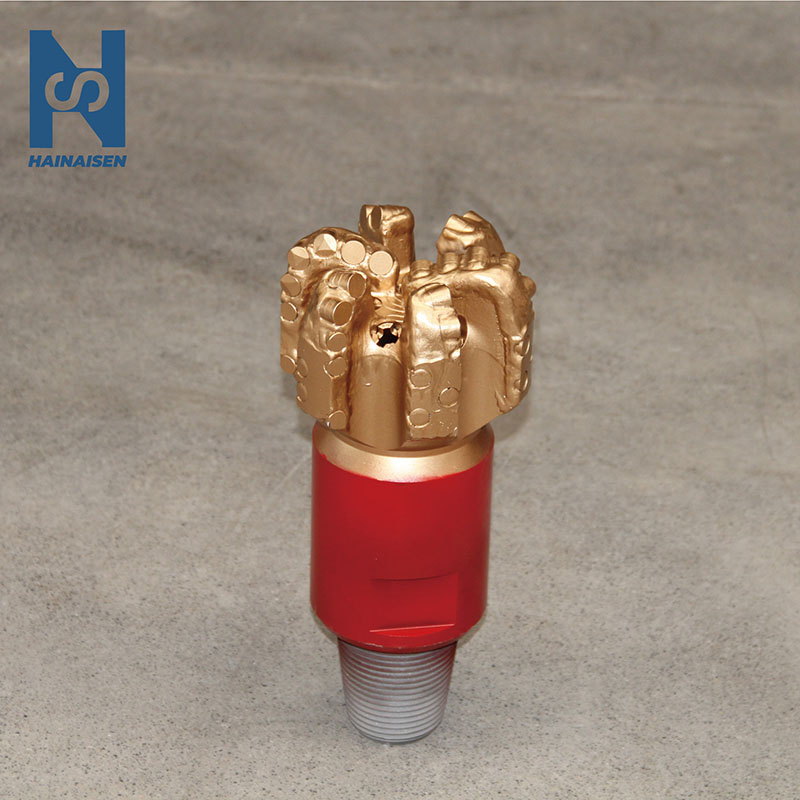 VIEW MORESix Blade Wing Petroleum Drill Bit
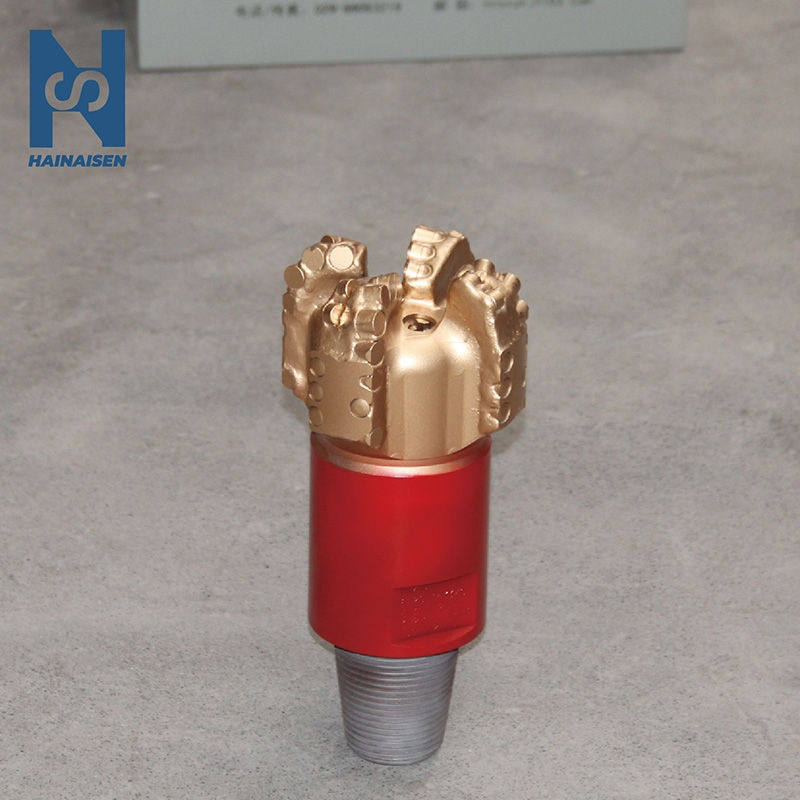 VIEW MORE4 Wings Blades PDC Bit
 VIEW MOREHard Alloy Scraper Drill Bit
 VIEW MOREPDC Flat Top Sintered Drill Bit
 VIEW MOREThree Blades Rock Drill Bit