




What is the difference between the "crushing" action of roller cone drill bits and the "shearing" action of PDC?
Understanding how different bit technologies work with rock types is important when choosing drilling tools and will determine the success of the project. Roller cone drill bits work best in fractured or very rough rock formations because they use a crushing process where spinning cones break up rock through repeated impact and compression. On the other hand, PDC Bits use a constant shearing action where synthetic diamond cutters scrape and cut through rock with little vibration. As a step forward in shearing technology, the Tool 6 Wings Drill Bit PDC has six specially designed blades that evenly spread cutting forces while keeping high stability and penetration rates in medium-hardness formations.
Introduction to Roller Cone and PDC Drill Bits
These days, the drilling business uses two main bit technologies, and each one works best in certain rock types and situations. Since the early 1900s, roller cone bits have been used in the industry. They have spinning cones with steel or tungsten carbide teeth that break rock formations literally. This mechanical action creates strong contact forces that break up rock into smaller pieces.
Later, PDC technology came along and changed the way drilling was done by using synthetic diamond cutters instead of mechanical teeth. These cutters stay attached to the bit body and work with forms by making constant contact instead of impacting them from time to time. This makes the digging go more smoothly with fewer torque changes and shaking, which extends the life of the tools and improves the quality of the borehole.
Understanding the Fundamental Mechanisms
Roller cone bits break through compressive stresses from weight-on-bit and rotational energy. As each cone spins, its teeth dig into and tear up the rock surface, generating minor failures that break off larger pieces. This strategy is best for heterogeneous strata with significantly diverse rock characteristics.
PDC bits have distinct shearing methods. Diamond cutters follow the rock structure and scrape tiny layers with each revolution. This continual engagement eliminates crushing's recurrent loading patterns. This increases penetration and bit behaviour reliability. Modern systems like the six-blade configuration improve this cutting motion by positioning cutters and using hydraulics more effectively.
The Evolution Toward Advanced PDC Designs
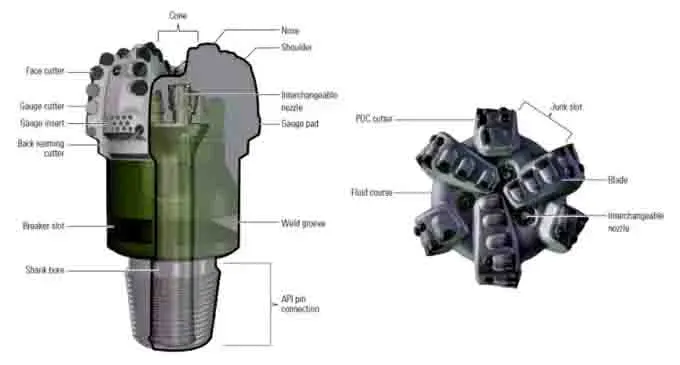
Most classic PDC bits featured three to five blades that matched cutting performance and structural stability. The Tool 6 Wings Drill Bit PDC features six wings with many diamond cutters to achieve the optimum contact with the formation and maintain trash slot shape. This design fixes issues with medium-hardness rocks, including shale, limestone, sandstone, and gypsum. This deposit is used in coal bed methane drilling, oil and gas research, and water well construction.
Detailed Comparison: "Crushing" Action vs. "Shearing" Action
When purchasing managers and technical engineers look at drilling options, they need to know how these different processes affect project timelines, operational results, and cost-effectiveness.
Mechanical Principles and Rock Interaction
Through multiple impact processes, roller cone bits make drilling progress. Each tooth hits the formation, putting stress on specific areas that is higher than the rock's compression strength. Small pieces of the formation break off, leaving behind angled cuts that show how the rock is breaking apart. This action works consistently in hard, interbedded rocks where PDC cutters might wear out too quickly.
Rock is removed in a very different way by the cutting action of PDC bits. Diamond cutters cut into the formation at set levels, which are based on the shape of the bit and the working conditions. While the bit turns, it cuts continuously, removing thin strips of rock. This makes the walls of the hole smoother and the pieces smaller so that they can move around more easily in the drilling fluid. Less impact loading means less shaking downhole, which protects drill string parts and measurement tools used while drilling.
Performance Characteristics Across Formation Types
PDC bits always work better than roller cones in soft to medium-hard rocks (those with compressive forces below 20,000 psi). The constant cutting action makes penetration rates two to three times faster than roller cone bits of the same type. With the right hydraulic design, the amount of heat that is produced can be controlled, and tool wear can be predicted over long periods of time.
Roller cone bits are still better in rocks that are highly broken or have abrasive interbeds. The crushing action can handle quick changes in the features of the rock without doing a lot of damage to the cutter. Bearings are the main part that wears out, and sealed roller bearing sets can last longer in harsh circumstances.
Durability and Wear Patterns
Knowing how wear works helps buying teams guess how long bits will last and plan when to replace them. Roller cone bits mostly break because of wear on the bearings, and the cutting teeth also wear down over time. Bearing failure usually happens slowly, so workers can notice when performance is dropping before a major failure happens.
Most of the wear on PDC bits comes from the cutter breaking down. Cutting is less effective when the diamond table cracks, chips, or peels away from the tungsten carbide base. Damage from heat in places with high temperatures can speed up this process. Advanced PDC designs use a six-blade setup that reduces wear by spreading cutting forces across more cutters. This makes each cutter less loaded and increases the bit's overall life.
The 6 Wings Drill Bit PDC – Design Features and Performance Advantages
The six-blade PDC idea has been improved by the engineers at HNS (Shaanxi Hainaisen Petroleum Technology Co., Ltd.) to better meet the needs of oil service companies, coal mining operations, and water well drilling teams.
Structural Design and Cutter Configuration
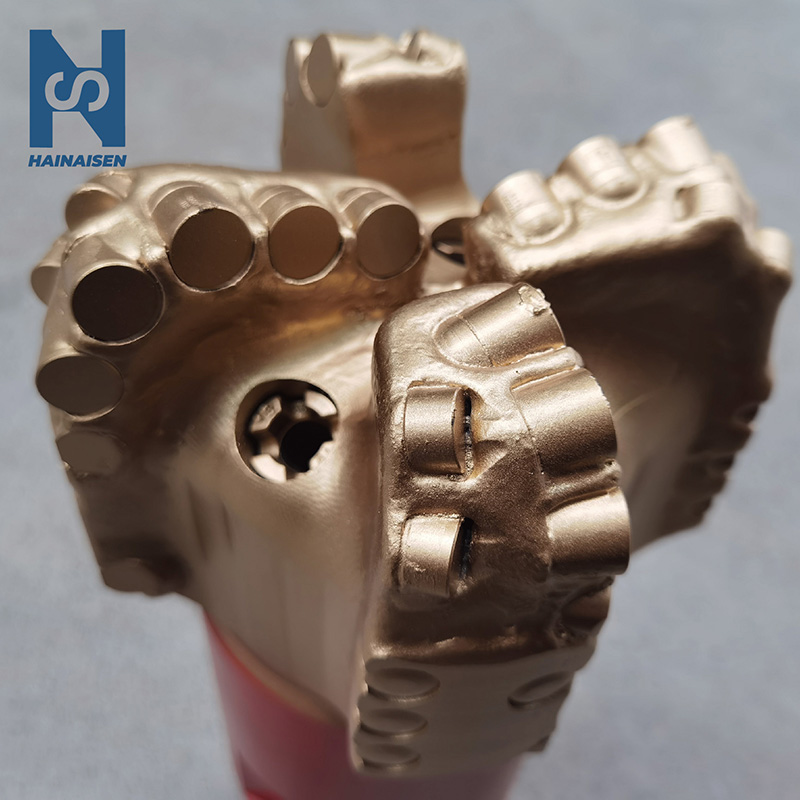
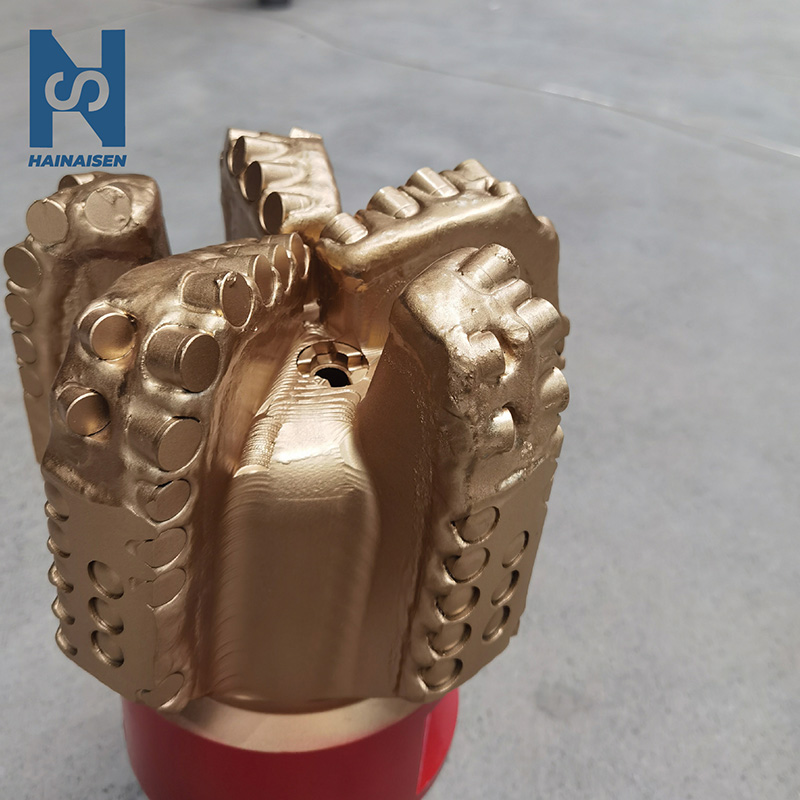
The Tool 6 Wings Drill Bit PDC has six blades that are placed evenly and radiate out from the bit's centre. This shape is better for engineering in a number of ways than other approaches. Each blade has a carefully placed set of PDC cutters, with the right number of cutters and the right exposure angle to remove rock efficiently from medium-hardness layers.
The extra blades allow for bigger junk holes between wings that are next to each other, which makes the hydraulic system work better. The drilling fluid can move more easily through these ducts, moving the cuttings away from the bit face and keeping the active cutters cool. This better removal of waste stops bit balling, which is a common failure mode in which pieces build up on the bit face, making it less effective at cutting and possibly stopping the drilling process.
Material Selection and Manufacturing Quality
Our factory in Xi'an uses high-quality steel bodies and cutting-edge PDC cutters to make sure that our products last in tough drilling conditions. Steel gives the structure strength and resistance to wear, and PDC cutters give the machine the roughness it needs to cut rocks efficiently. This mix of materials can handle the thermal stresses and repetitive loads that come up during long digging gaps.
Five-axis machining centres and CNC machine tools help us make these bits with very tight tolerances all the way through the production process. Before being shipped, every bit goes through a lot of tests and inspections to make sure it works the same way every time and meets the high standards of the world's biggest companies in its field. Our quality control procedures check the accuracy of where the cutters are placed, the concentricity of the bodies, and the hydraulic flow features.
Optimized Operating Parameters
The Tool 6 Wings Drill Bit PDC works best when it's used in certain situations:
- Speed: 60–250 RPM gives enough touch time for cutting to work while keeping heat production in check. When drilling into harder rock, slower speeds work best, while faster speeds get deeper into lighter rock.
- Drilling Pressure: 20–110 KN gives the bit enough weight to connect the cuts without breaking the rock's shear strength. When weight is spread out evenly, no one cutter gets too heavy.
- Flow Rate: 30–40 LPS makes sure there is enough hydraulic horsepower to remove the cuttings and cool the bit. This flow range strikes a good mix between how well the pump cleans and the limitations that come with mid-sized drilling activities.
These factors are good for a lot of different uses, like looking for oil and gas, coal bed methane, building geothermal wells, mining and mineral research, horizontal directional drilling, and foundation drilling for building projects. The design's ability to handle different formation traits in the medium-hardness category is shown by how useful it is in these different situations.
Thermal Management Capabilities
A big problem with PDC drilling is that it makes a lot of heat, especially in deeper wells or rocks that don't conduct heat well. This problem is solved by the six-blade design, which better spreads heat across the bit face. With more surface area, heat energy is dissipated more effectively than with traditional designs, which lowers the highest temperatures at each cutting.
Our experts carefully place nozzles to direct drilling fluid across areas with a lot of wear, cooling areas where thermal loading is high. This hydraulic system makes cutters last longer by stopping the heat damage that happens when diamond temperatures get too high. Because it is more resistant to heat, the Tool 6 Wings Drill Bit PDC can be used in tough drilling situations where controlling heat becomes a problem.
Choosing Between Roller Cone and PDC Bits: What Procurement Managers Need to Know
Technical specs are only one part of the decision process. Performance standards, budget limits, project timelines, and long-term operating costs should all be taken into account when making a good procurement choice.
Formation Assessment and Bit Selection Criteria
Start with goal design information. Abrasiveness, compressive strength, and homogeneity influence bit selection most. PDC technique works well on medium-hard rocks with 5,000–20,000 psi shear strengths. Six-blade designs perform best since they're dynamic and sturdy.
Drilling targets matter too. When penetration rate matters, PDC shearing is ideal. The roller cone technique may work for controlled drilling in unstable rocks despite its slower speed. Cost-per-foot, economics-driven water well drilling teams find PDC bits more lucrative in particular rocks.
Total Cost of Ownership Analysis
Bit price is merely one aspect of its mechanics. Actual worth depends on the bit life, adoption, and operational expenses. Although PDC bits cost more than roller cone bits, they drill faster and last longer, lowering the cost per foot bored.
Consider a common rock layer situation. Though 30% cheaper, a roller cone bit can only drill 500 feet at 15 feet per hour before needing to be changed. Though more expensive, a PDC bit that drills the same distance at 45 feet per hour and lasts 1,500 feet has a cheaper cost per foot. Working less on the rig saves money on personnel, fuel, and expenditures.
Risk Management and Performance Predictability
Roller cone bits operate well in many rock types, making them a better solution for geological uncertainty. Slow bearing wear helps you know when these sections will fail, so you can plan your escape.
PDC bits perform well within their design limitations, but they can stop operating in extreme conditions. Proper form and parameter evaluation reduce this danger. The six-blade design of our Tool 6 Wings Drill Bit PDC makes it more stable and less susceptible to parameter changes, ensuring consistent performance.
Customization Options for Specific Applications
We know that normal goods can't solve all drilling problems here at HNS. Our focused research and development team works with clients to create unique solutions that are suited to their digging goals and the conditions of the ground. We change the bit shapes, cutter sizes, blade configurations, and nozzle settings to get the best performance for your specific needs.
This ability to be customized is especially useful for medium and large-sized oil service companies that have strict quality standards and clear performance goals. Our engineers look at formation data, offset well performance, and operating limits to suggest design changes that make drilling more efficient while still keeping the durability needed for long-term dependability.
Optimizing Drilling Efficiency with the 6 Wings Drill Bit PDC
The performance benefits of modern PDC systems are at their best when they are operated and maintained correctly.
Operational Best Practices
Controlled starting prevents cutter damage. Start spinning the bit and carefully contact it to the arrangement before applying weight. Add weight to the bit gradually until the goals are accomplished. Make sure the power and penetration rates are proper.
Keep the speed between 60 and 250 RPM, as advised. Repetitive loading from speed changes accelerates cutter wear and shakes. Upper-drive drilling rigs spin more smoothly than conventional rotating tables, making PDC bits function better.
Always monitor digging elements. Sudden force increases may cause bit balling or shape changes that require parameter modifications. A worn cutter needs inspection or replacement when weight and speed remain the same, but penetration rates drop.
Maintenance and Inspection Protocols
Make sure to verify the bits after each run. Clear the debris holes and inspect the cuts for fractures, chips, and wear. Keep photographs of wear patterns to assist you in choosing and operating bits later.
All PDC cutter blades should wear equally. Localized wear concentrations may indicate hydraulic issues, unequal weight distribution, or formation changes that require design revisions for future cycles. Our IT team analyses wear patterns to identify the best solutions, including for Tool 6 Wings Drill Bit PDC.
Keep parts organized between uses. Protect cuts from impacts and steel from rusting. Bits last longer and function better when stored properly.
Sourcing Strategies and Supplier Evaluation
Good supplier connections are key to successful drilling. Consider suppliers' production capabilities, quality control procedures, and professional assistance before choosing one. Visit factories to see how they employ technology and how precise their processes are.
The 3,500-square-metre HNS facility contains contemporary machining centers and specific manufacturing lines. Our quality control systems ensure consistent product performance during production. We do more than sell products—we provide experienced support for bit selection, company optimization, and troubleshooting.
Conclusion
The main difference between crushing and shearing actions is not just interesting for academics; it has real-world effects on how well drilling works, how much it costs, and how successful the project is. When working in broken or highly variable formations, roller cone bits do a good job through mechanical pressure and compression. Through constant shearing action, PDC technology, especially improved six-blade designs like the Tool 6 Wings Drill Bit PDC, works better in medium-hardness formations. This design leads to faster penetration rates, less shaking, and regular wear patterns, all of which lower the cost per foot dug. By knowing these differences, you can make smart choices about what drilling technology to buy that fits the traits of the formation, your operational goals, and your budget.
FAQ
Q1: Why does PDC shearing action outperform crushing in certain formations?
Shearing continuously takes rock with little contact energy, which lowers vibration and speeds up penetration in uniform layers. The diamond cutters on PDC bits stay in contact with the formation the whole time, which makes it easy to remove rock layers. This works best in formations with a middle level of hardness where the rock qualities stay the same.
Q2: How does the six-blade design improve drilling outcomes?
The Tool 6 Wings Drill Bit PDC spreads the cutting forces across more cutters, which makes each cutter less loaded and increases the bit's life. Larger junk holes between the blades make the hydraulic system work better, which makes it easier to remove cuttings and keep the bit cool. The steadiness and penetration rates of this setup are better than those of traditional three- or five-blade designs.
Q3: Where can I source reliable PDC bits for bulk purchases?
The best places to get goods are from well-known companies that have quality control systems that have been shown to work and expert staff. HNS makes PDC bits in Xi'an using high-tech cutting tools and strict checking procedures. These bits are used by oil service companies, coal mining operations, and water well drilling teams all over the world.
Partner with HNS for Advanced PDC Drilling Solutions
To get the most out of your drilling activities, you need tools that work well in a wide range of physical conditions. As a Tool 6 Wings Drill Bit PDC maker with a lot of experience, HNS uses cutting-edge design ideas and careful production to make bits that work great in medium-hardness rocks. Our engineering team is ready to come up with unique solutions that will help you reach your drilling goals. They can do this by changing the shapes of the bits and the way the cutters are set up to fit the properties of the formation. Procurement managers and technical engineers are welcome to look through our full line of products, ask for thorough specs, or talk about their needs for custom designs. You can reach our team at hainaisen@hnsdrillbit.com or go to hnsdrillbit.com to get detailed catalogues and start a talk about how to make your drilling more efficient.
References
1. Bellin, F. (2010). "Rock Failure Mechanisms Under PDC and Roller Cone Bits." Journal of Petroleum Technology, Vol. 62, pp. 45-53.
2. Glowka, D.A. (1989). "Use of Single-Cutter Data in the Analysis of PDC Bit Designs: Part 1—Development of a PDC Cutting Force Model." Journal of Petroleum Technology, Vol. 41, pp. 797-799.
3. Maurer, W.C. (1962). "The Perfect-Cleaning Theory of Rotary Drilling." Journal of Petroleum Technology, Vol. 14, pp. 1270-1274.
4. Pessier, R.C. & Fear, M.J. (1992). "Quantifying Common Drilling Problems with Mechanical Specific Energy and a Bit-Specific Coefficient of Sliding Friction." SPE Annual Technical Conference and Exhibition, Paper SPE-24584-MS.
5. Warren, T.M. (1987). "Drilling Model for Soft-Formation Bits." Journal of Petroleum Technology, Vol. 39, pp. 963-970.
6. Zhang, Z., Yan, T. & Li, J. (2018). "Study on Cutting Mechanism and Performance of Multi-Wing PDC Bit in Heterogeneous Formations." International Journal of Rock Mechanics and Mining Sciences, Vol. 107, pp. 622-630.
logo 1_1777360475599.jpg) VIEW MOREDirectional Three Blade PDC Drill Bit
VIEW MOREDirectional Three Blade PDC Drill Bit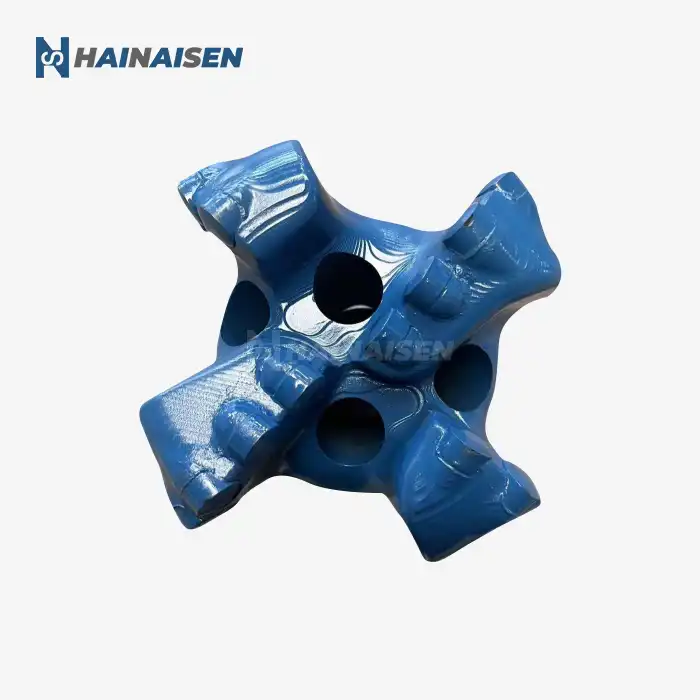 VIEW MORESteel Body PDC Bit 4 Blades
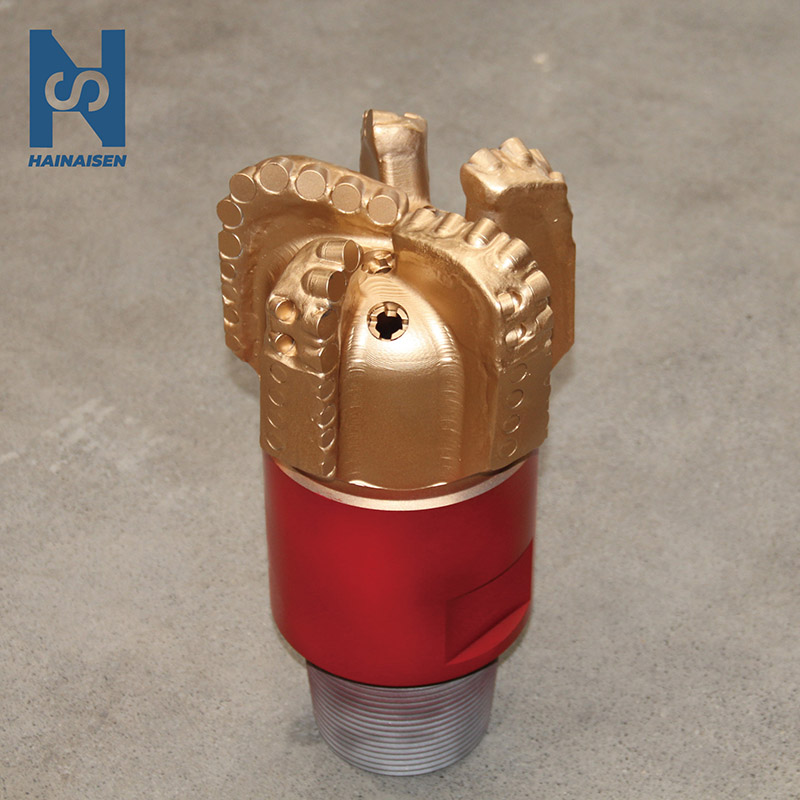 VIEW MOREFive Blades Oil Well Drill Head
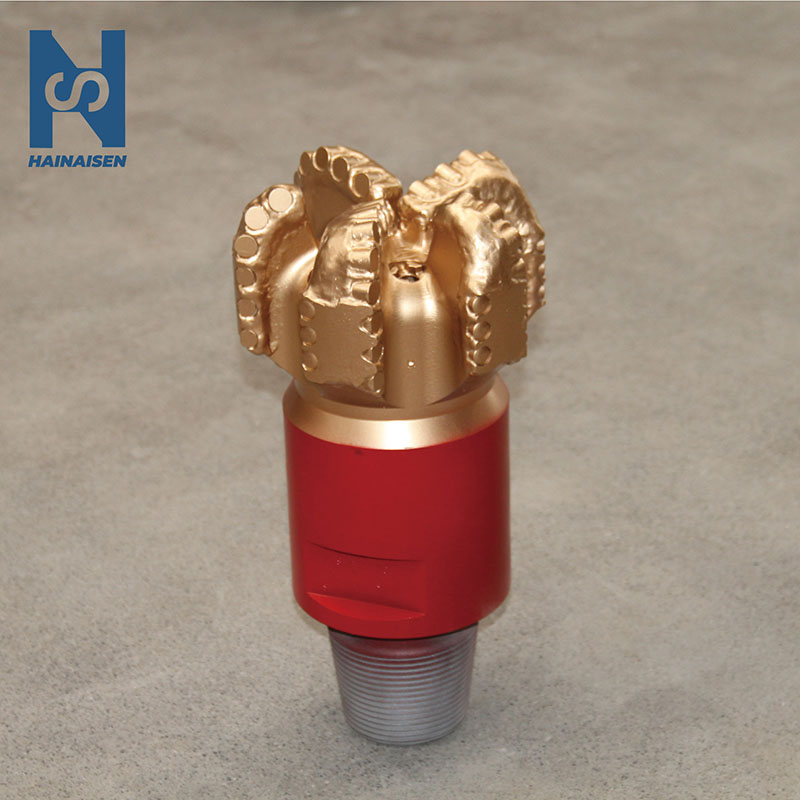 VIEW MOREFive Wing PDC Bit For Hard Rock Drilling
 VIEW MOREFour Blade Wing Petroleum Drill Bit
 VIEW MORESteel Body PDC Drill Bit
 VIEW MOREFive Blade Wing Oil Drilling
 VIEW MOREPolycrystalline Diamond Compact Drill Bits