Mining vs. Oil & Gas Drill Bits: Key Differences in Design and Durability
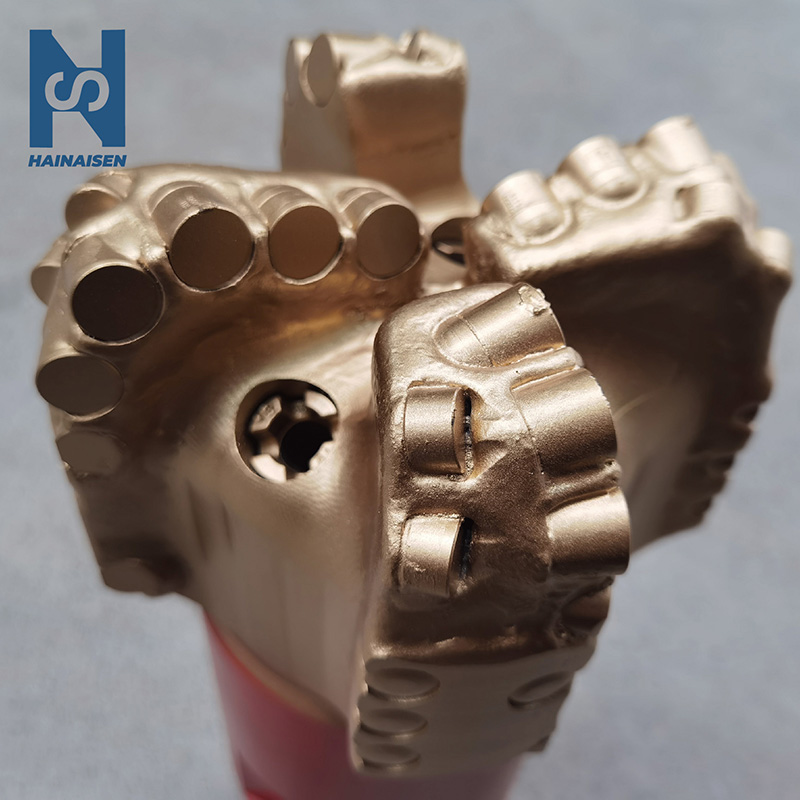
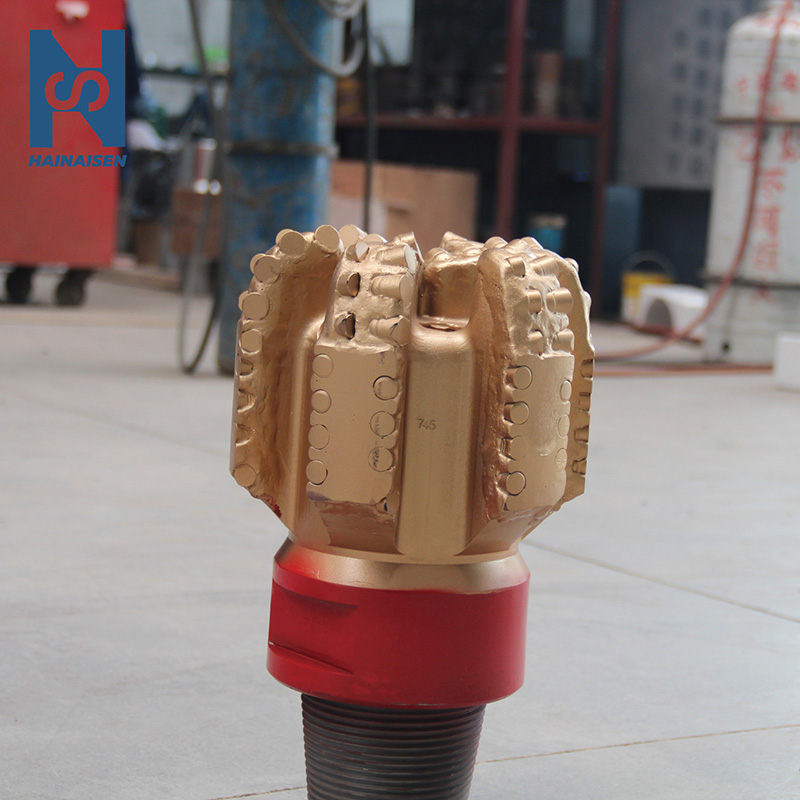
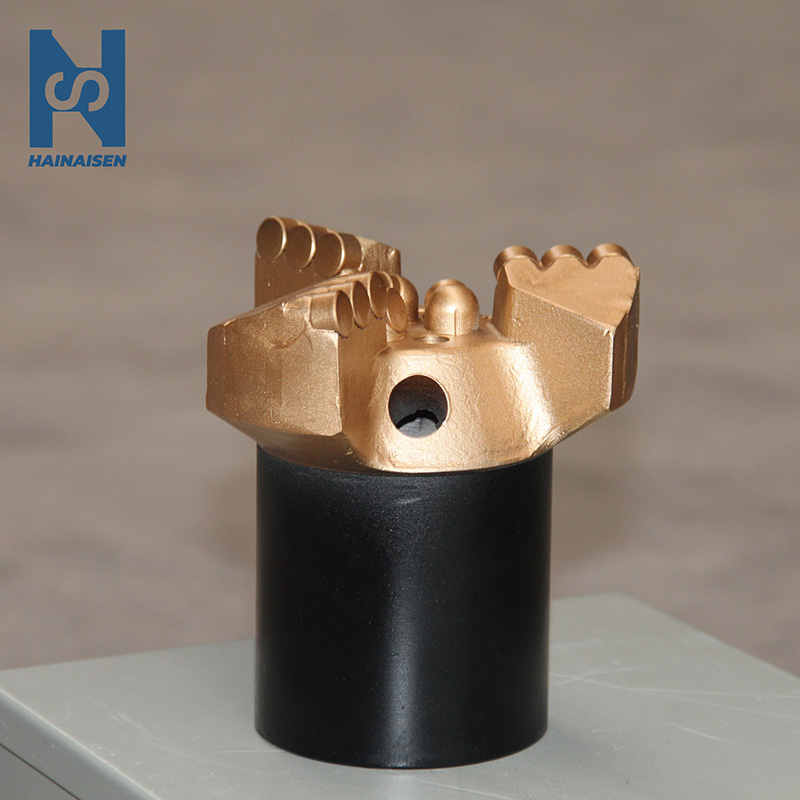
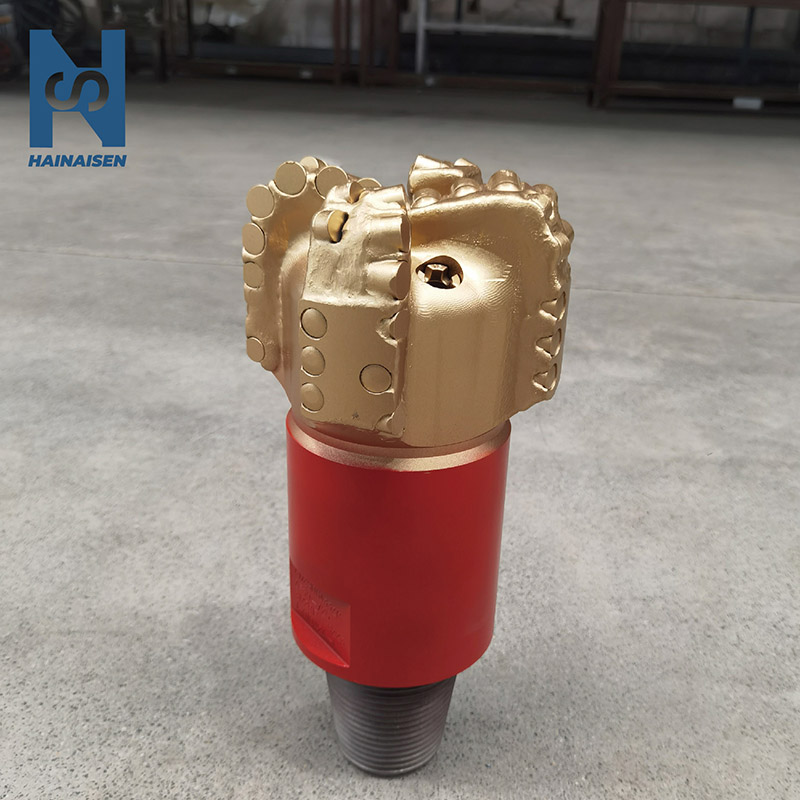
When it comes to drilling, the difference between Oil And Gas Drill Bits and Mining Drill Bits can mean the difference between a successful project and a costly failure. When mining, drill bits have to work with rough, broken rock forms where they need to be very durable against contact. When it comes to oil and gas bits, they have to work in deep wells with high pressure and high temperatures, where accuracy and heat protection are very important. The Three Blade PDC Tricone Drill Bit is an example of an engineering "sweet spot" because it has optimised blade shape and polycrystalline diamond compact cutters, which make it efficient in both areas while meeting the specific needs of each.
Understanding Drill Bit Design Differences Between Mining and Oil & Gas
Bit design has to be very different for mining, oil, and gas drilling because the work conditions are so different. Different types of rock, like soft coal seams and granite veins, can be hard for mining drill bits to go through. This is because the rock's strength can change quickly. On the other hand, oil and gas bits have to work through layers of sediment that move regularly, but they have to deal with high depths and heat stress.
Blade Configuration and Material Selection
Mining blades that can withstand high-impact drills, which put a lot of mechanical stress on rock, are recommended. Designed for quartzite and iron ore, these bits feature stronger blade profiles and matrix bodies. Tungsten carbide particles and metallic connections make the matrix body resistant to continual abrasion.
Oil and gas bits prioritise cutting and hydraulic efficiency. Complex fluid routes in blade designs optimise drilling mud flow. The bit stays cool and eliminates garbage efficiently at depths of 15,000 feet. Instead of absorbing shock loads, the attention shifts to maintaining cutting action under long-term rotating pressures.
The Three-Blade Advantage in PDC Bit Design
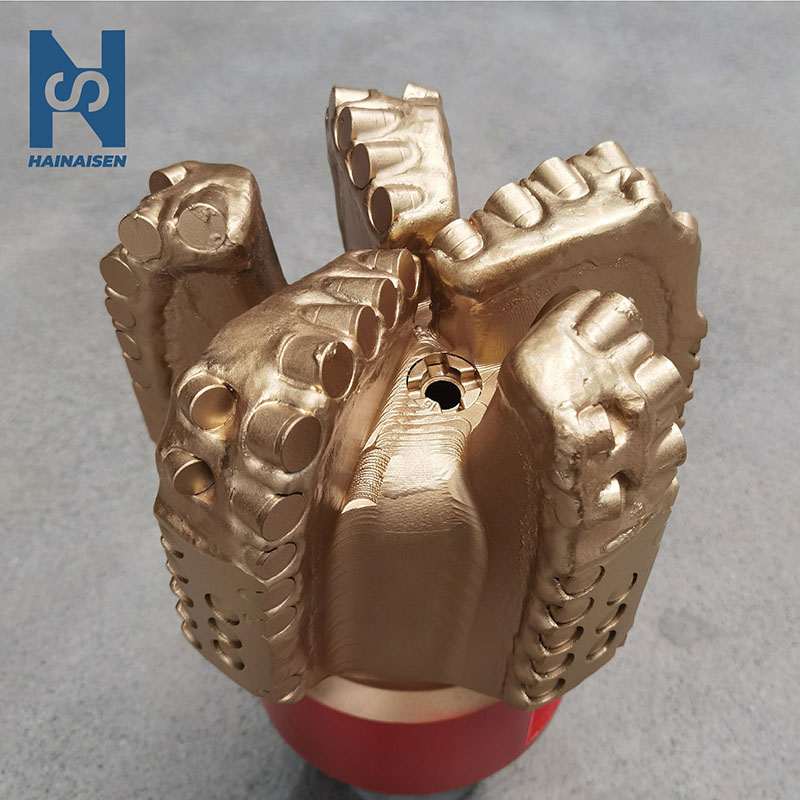
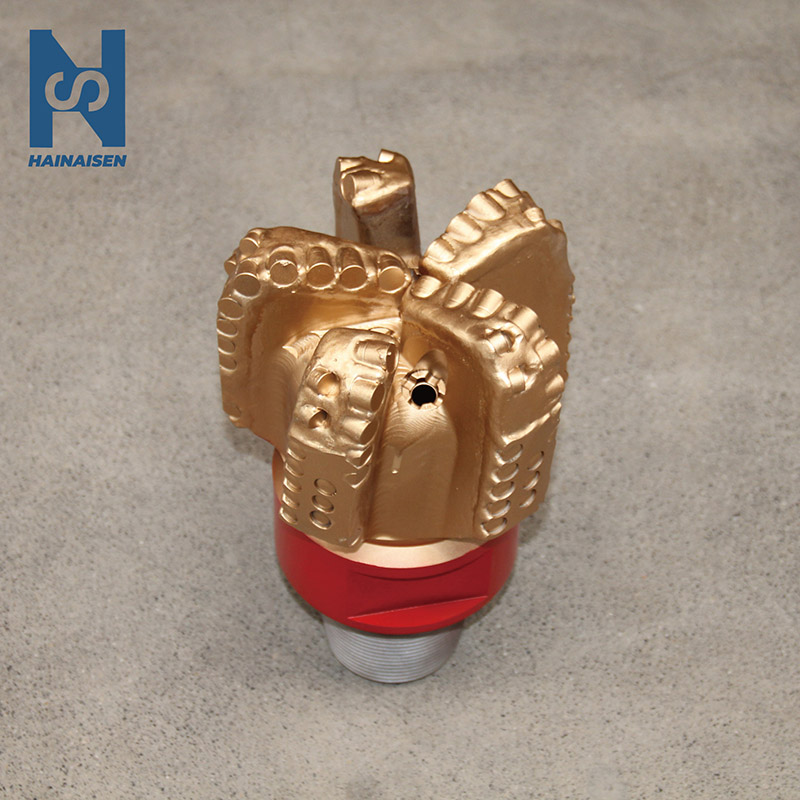
The Three Blade PDC Tricone Drill Bit outperforms four-blade versions. Wider gulley spacing between blades—the channels that remove rock chips—prevents debris buildup, which slows entry rates and wears cutters out faster. In regions with sticky rock or changing drilling fluid properties, this design is advantageous.
Each blade of a three-blade bit distributes weight-on-bit stresses more equally across PDC cutters. Stopping localised overloading that breaks or heats cutters, this uniform loading pattern extends their lifespan. This continual cutter engagement stabilises drilling parameters and reduces practical fluctuations in mixed geology scenarios, which are common in mine research and oil and gas development.
Hydraulic Design Considerations
Advanced tip designs on oil & gas drill bits balance fluid jetting force with fluid quantity. The correct nozzle size cleans the bottom hole and maximises cuttings transmission by increasing circular velocity. Instead of pressure balancing, mining pieces employ simpler hydraulic systems for cleaning and cooling at shorter depths with various mud weights.
Durability Considerations: Mining vs. Oil & Gas Drill Bits
Mining, oil and gas have very different needs when it comes to durability because of the different pressures of operations and economic figures. Knowing these differences helps buying managers choose bits that give the best value for a certain project.
Mining Bit Durability Challenges
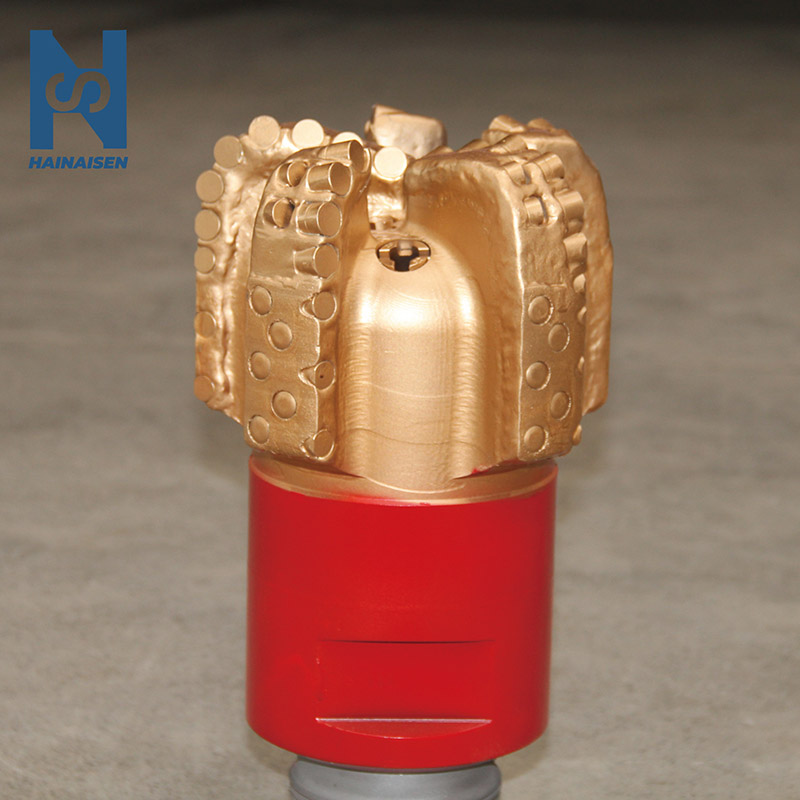
Mining drill bits deal with abrasive silica, quartz, and metal particle rock layers that wear out cutting structures fast. In uneven loading patterns caused by cutting through bedrock of different hardness, cutter wear occurs fast. The 6-inch (152.4mm) Three Blade PDC Tricone Drill Bit includes 61 13mm cutters carefully distributed over three blades to tackle this problem. This strengthens cutting and extends the bit life.
Bit changeout is less disruptive in mining than in oil and gas since holes are bored more regularly, but are not deep. This allows mining bits to favour maximal entry rates even if it shortens bit life relative to more conservative designs.
Oil & Gas Durability Requirements
Oil and gas drilling requires bits that last thousands of feet without tripping. When well temperatures are above 300°F, thermal stress increases. PDC cutters must maintain sharp cutting edges during prolonged high temperatures.
The IADC S433 bit cleans nicely and performs best in soft to medium formations. Because thermal stress is minimal, it is ideal for coal bed methane drilling and shallow oil and gas research. Power transfers safely through the 3-1/2 REG PIN connection, and the 220 mm bit height permits hydraulic flow through three well-set nozzles.
Material Science and Longevity
Matrix body design affects lifespan in both domains. Premium materials, including high-strength steel cores and cutting-edge PDC technology, ensure cutter longevity and efficiency. The matrix body's tungsten carbide content and binder composition determine wear resistance. PDC cutter grade balances impact resistance and cutting intensity.
Field evidence from hard ore mining demonstrates that correctly designed three-blade matrix body bits persist at least 50% longer than ordinary designs. Bit replacements are less frequent due to decreased downtime and auxiliary equipment deterioration, lowering operational expenses. Oil and gas firms agree that aligning bit specifications to formation features is beneficial.
Performance Comparison: Three-Blade PDC Tricone Bits in Mining and Oil & Gas Applications
Performance measures are the numbers that are used to make choices about which bits to use. In competitive drilling markets, the economics of a project depend on how fast it penetrates, how much it costs per foot dug, and how consistently it works.
Rate of Penetration Optimisation
Multiple ways the three-blade configuration enhances cutting mechanics are related. Lowering the blade count reduces bit-formation friction. This lets drillers utilise more energy to cut rock rather than resist pull forces. Production bits are sturdy in all directions and feature a powerful cutting action at the bit face due to their 65 mm gauge length.
The cutter plan form affects drilling speed. A 6-inch bit with 61 PDC cutters has the highest cutting density, preventing cutter interference and covering the whole formation. This equilibrium works well in soft to medium-hard rock strata, including shale, sandstone, and limestone, which are used for oil and gas and mining studies.
Cost-Efficiency Across Applications
Drilling expenses include the bit, time, rig rental, and personnel. Three-blade PDC Tricone Drill Bit units reduce foot drilling costs by combining quicker entry rates with extended bit life. This efficiency reduces project schedules and equipment costs for water well-digging crews, which are mainly smaller firms with limited budgets.
Large and medium-sized oil service companies that undertake extensive product studies realise that the initial investment in a bit is generally only a tiny fraction of the well cost. Quality bits that work consistently save time and improve drilling outcomes, making them worth the extra expense. While well-built, the 22 kg bit weight may make it tougher to handle or install.
Geological Versatility
Being flexible across multiple forms allows contractors who work with several customers to operate with flexibility. Three-blade PDC Bits work in mild coal seams, medium-hard sandstones, and hard carbonates. By stocking fewer bit types, drilling companies may satisfy project demands while reducing inventory.
Geological research and geothermal well drilling benefit from this flexibility. Unplanned formation changes can interrupt projects if bit selection is too exact. Due to their balance, three-blade bits function effectively in more geological settings than highly specialist choices.
Procurement Insights for Three-Blade PDC Tricone Drill Bits
To do strategic buying, you need to know how the supply chain works, how to certify quality, and what your vendors can do to make sure that you can successfully buy and deploy bits.
Manufacturer Selection Criteria
Reputable makers show they can do more than just make things. Modern processing tools, like five-axis machining centres and CNC machine tools, make sure that manufacturing tolerances are very tight, which has a direct effect on bit performance and stability. The building that Shaanxi Hainaisen Petroleum Technology Co., Ltd. uses is 3,500 square metres and has modern production workshops and welding production lines that can meet the needs of both standard product making and custom bit design.
Technical tech help tells the difference between good providers and average ones. Having access to dedicated research and development teams lets you make custom Three Blade PDC Tricone Drill Bit models that meet the needs of a particular project, whether those needs are related to odd formation features, non-standard connection types, or unique hydraulic configurations. Large oil service companies with strict quality standards and requirements find this ability to be customised very useful.
Supply Chain and Compliance Considerations
There are more perks to ordering in bulk than just lower unit prices. When you buy in bulk, you build ties with makers that make shipping faster, technical help easier to get, and insurance claims handled more quickly. This way of building relationships works especially well for coal mining companies that need both high-quality standards and price benefits when making long-term supply deals.
Compliance with regulations is a part of international buying. This includes getting product Certifications, material tracking paperwork, and licenses to import and export goods. Qualified Manufacturers keep up with paperwork systems that make cross-border deals go smoothly. Knowing the difference between standard and custom lead times helps purchasing managers make sure that purchase plans don't clash with project deadlines, which could cost a lot in extra fees or delays.
Quality Assurance and Performance Guarantees
Warranty terms show that the company that made the product is confident in its quality. Protecting procurement investments is a guarantee that covers flaws in the manufacturing process and early wear under certain working conditions. When technical workers are looking at bit suppliers, they should ask for performance data from similar applications. This will give them faith in the product's abilities based on facts.
With sample testing programmes, you can get to know new sellers or goods before you buy a lot of them. This method is similar to how coal mines usually buy things, where quick relationship building happens after a good sample performance. As part of their efforts in business growth, qualified providers make time for testing programmes.
Maintenance and Troubleshooting for Three-Blade PDC Tricone Drill Bits
Maintenance procedures that work well improve bit performance and lifespan while reducing the number of unexpected operating interruptions. Regular checks and the right way to handle things pay off in a way that can be measured: longer bit life and uniform drilling results.
Inspection and Wear Pattern Recognition
A pre-deployment review checks the state of the bits and looks for any damage from shipping or storage before they are installed. Check PDC cuts for cracks, chips, or other problems with the way they were made. Check the size of the gauge to make sure that the bit specs meet the needs of the well plan. Check to see if the link threads are damaged or worn out too much, as this could make it harder to transfer power.
Post-run inspection gives useful information about the features of the formation and the operating factors. Even wear on all blades of the cutter shows that the weight-on-bit and spinning speed choices are correct. Localised wear patterns show that the drilling parameters need to be changed for the next run. If more than 10% of the cuts are damaged, the Three Blade PDC Tricone Drill Bit must be replaced to keep drilling going smoothly and avoid catastrophic failure.
Operational Best Practices
By matching the drilling settings to the properties of the formation and the bit's abilities, operating life can be greatly increased. Too much weight on the bit overworks each cutter, leading to chipping or heat damage before its time. If the spinning speed isn't fast enough, the cutting efficiency goes down, and the cutter wears out faster through grinding instead of clean shears. As geological conditions change, real-time tracking tools can make changes to parameters to keep bit performance at its best.
Storage and Handling Protocols
How you clean pieces influences their lifespan and future performance. High-pressure water or compressed air removes cutting mud and rock chips from blade ditches and cutter pockets. Stuck debris during storage might cause corrosion or cuts when moved or installed. The expense of cleaning the machine after each cycle is minor compared to replacing pieces too soon.
Protecting bits against environmental and physical harm is crucial. To avoid moisture-induced corrosion, store parts in dry, airtight containers. Avoid placing heavy objects on bits to damage blades or removing cutters from matrix positions. Long-term storage metals are protected by anticorrosion coatings.
Handling procedures prevent shipment and installation harm. Lift the bit safely with the correct gear—22 kg requires secure connection points and rigging. Thread guards protect connecting surfaces from impacts. Tool handling training reduces drilling equipment damage and accidents.
Conclusion
Oil and gas drill bits and mining drill bits differ mainly in their functions. Mining bits are durable in hard rock formations due to their sturdy construction and active cutting structures. For deep, high-pressure environments, oil and gas bits prioritise precision, hydraulic efficiency, and thermal safety. The Three Blade PDC Tricone Drill Bit suits these demands with its optimised blade form, clever cutter positioning, and adaptable design that works in a variety of geological settings. Understanding these design ideas helps procurement managers choose drill bits. This helps them discover the greatest performance, durability, and cost balance. Whether you're mining for coal, hydrocarbons, or water, the appropriate bit specifications will yield practical and economic benefits.
FAQ
Q1: What advantages do three-blade designs offer compared to four-blade PDC bits?
Three-blade designs offer wider gulley spacing, which makes it easier for cuts to escape and lessens the buildup of debris that slows down penetration rates. This design spreads the weight-on-bit forces more evenly across each cutter, which increases the cutters' useful life by ensuring even loads. Because there are fewer blades, there is less friction, which lets the drill go faster in soft to medium layers. When maximum gauge protection is needed, or drilling needs to be done in a very specific way, four-blade bits are better. However, Three Blade PDC Tricone Drill Bit designs are more useful in most mining, oil and gas uses.
Q2: How do I determine formation compatibility for specific bit models?
How well two formations work together depends on how hard, rough, and what the drilling goals are. The IADC number S433 means that the formation is soft to medium and cleans up well, making it perfect for coal bed methane, water wells, and shallow research drilling. Talk to expert engineers who can describe the rock and give you drilling data. Reputable makers offer application advice to match bit specs to geological conditions. This makes sure that the equipment works at its best and doesn't wear out too quickly because it wasn't chosen for the job.
Q3: What are typical lead times for bulk Three Blade PDC Tricone Drill Bit orders?
Standard versions usually ship in two to four weeks, but this depends on how many are ordered and how long the maker takes to make them. Lead times may go up to six to eight weeks for custom designs that need unique cutter plans, link types, or size requirements. Building ties with qualified suppliers helps you prioritise deliveries and gives you extra notice of when things will be made. Planning when to buy things around important project goals keeps you on schedule and saves you money on expensive shipping fees.
Partner with HNS for Your Drilling Solutions
Finding the right Three Blade PDC Tricone Drill Bit provider that knows how to help you with your unique problems is the first step to improving your drilling operations. We at HNS (Shaanxi Hainaisen Petroleum Technology Co., Ltd.) have been making PDC bits for more than ten years and have powerful five-axis machine centres and research and development departments to back us up. Our 6-inch S433 bits have been used successfully in coal bed methane drilling, oil and gas research, water well projects, and mining. It doesn't matter if your buying focus is on quality certifications for long-term partnerships or reasonable prices for urgent project needs. Our technical team can make solutions that fit your operational needs. Contact Us at hainaisen@hnsdrillbit.com to discuss your specific drilling problems, get full product specs, or set up sample testing that shows how committed we are to quality and performance.
References
1. Baker, R. (2019). Drill Bit Technology for the Mining Industry: Design, Materials, and Performance Analysis. Society for Mining, Metallurgy & Exploration.
2. Bellin, F., & Doiron, H. H. (2020). PDC Bit Technology for Oil and Gas Applications: Advances in Cutter Design and Hydraulics. Society of Petroleum Engineers Technical Publication.
3. Chen, S., & Zhou, Y. (2021). "Comparative Performance Analysis of Three-Blade vs. Four-Blade PDC Bits in Heterogeneous Formations." Journal of Petroleum Science and Engineering, 198, 108-124.
4. Mitchell, B., & Miska, S. (2018). Fundamentals of Drilling Engineering. Society of Petroleum Engineers Textbook Series.
5. Pastusek, P., & Brackin, V. (2017). "A Model for Borehole Oscillations and Downhole Tool Vibration." SPE Drilling & Completion Journal, 32(4), 285-299.
6. Warren, T. M., & Armagost, W. K. (2019). Laboratory Drilling Performance of PDC Bits: Formation Effects and Design Parameters. American Association of Drilling Engineers Technical Report.