







Why are concave-faced drill bits slower than convex-faced drill bits in dense, hard rock formations?
Choosing the right bit geometry is very important when drilling in thick, hard rock layers because it affects both the speed of penetration and the cost of the project. The 153mm PDC Concave Bit has a face that curves inward, which spreads cutting forces differently than convex versions. This shape makes the tool more stable and can extend its life in some situations, but it also makes the contact area with the formation bigger. It takes more energy to break up the rock with this larger contact area, and the concave shape often traps cuttings and heat near the cutters, which makes drilling less efficient. When procurement managers and drilling engineers know about these technical differences, they can make choices that balance speed, durability, and cost.
Understanding the Performance Difference Between Concave and Convex Faces
The shape of the bit face affects how cutting forces interact with rock. The way cutting forces interact with rock is very different for features that are concave or convex. Everything from the cutting contact angles to the flow patterns of hydraulics is affected by the shape of the bit face.
Structural Design Variations and Their Impact
The concave bit faces bend inward towards the bit axis, making a bowl-shaped profile that meets the formation differently than the convex design, which bulges outward. A 153mm PDC Concave Bit cuts across a larger surface area at the same time when it spins against hard rock. Because convex bits focus force on a smaller contact area, they can go deeper into thick layers more quickly. Because of this basic difference in geometry, operators often see lower entry rates when using concave designs in hard rock settings, even though these designs are better in other geological situations.
Force Distribution in Hard Rock Environments
Dense forms don't easily change shape, so they need a lot of stress to break. Weight on the bit and spinning energy are focused into a smaller area by convex bit edges. This creates higher localised pressures that easily exceed the rock's compressive strength. These forces are spread out over a larger area by concave shapes. This can make drilling more stable, but it also requires more energy to break the rock in the same way. This pattern of distribution is especially clear when digging through granite, quartzite, or other high-compressive-strength rocks, where reaching critical stress levels is necessary for fractures to spread.
Thermal Management Challenges
During cutting, heat is generated, which speeds up the wear on the knife and can lower its performance. Because the recessed shape makes it harder for fluid to flow around the cutters, concave designs tend to keep heat near the cutting surface. When drilling, convex shapes let drilling fluids flow more easily across the bit face, better getting rid of heat and rock chips. This difference in thermal management makes a big difference in the performance gap between the two shapes in hard rock situations where friction creates a lot of heat.
Core Design Specifications and Features of the 153mm PDC Concave Bit
Modern PDC Bits are made of high-tech materials and are carefully engineered to work reliably in a wide range of drilling situations. The 153mm PDC Concave Bit width is good for a lot of different tasks, from mineral research to developing water wells.
Material Composition and Manufacturing Standards
Quality PDC bits are made with high-strength steel bases that hold premium-grade polycrystalline diamond compact blades. The diamond layer is very resistant to wear, and the carbide base is not easily damaged by impacts. To make sure the cutters are aligned and balanced correctly, manufacturing processes must keep tight standards. Our 3,500m² building at HNS has 5-axis machining centres and CNC machine tools that help us get the accuracy needed for the best bit performance. Carefully soldering each cutter to the bit body makes links that can withstand the high forces that come up during hard rock drilling.
Cutter Layout and Hydraulic Design
Strategic placement of the cutting removes the most rock while controlling the wear patterns. Most concave bits have cutters that are set up so that the depth of cut stays the same as the bit face meets the formation. Cuttings are pushed towards the jetting jets that are set up to move waste away from the cutting face by the blade profiles. Drilling fluid is sent to important parts of the bit body by hydraulic pathways. These pathways cool the cutters and move crushed rock to the top. Engineers make these flow paths as efficient as possible during design to make sure that all pumps have the same amount of hydraulic horsepower. However, concave shapes are harder to distribute fluid through than convex ones.
Performance Benchmarking Against Alternative Designs
When you compare curved PDC bits to other technologies, you can see that they have their own specific uses. Roller cone bits work best in very rough, hard rocks where PDC cuts might break, but they usually drill more slowly than PDC designs. When drilling through hard rock, convex PDC bits can go deeper more quickly, but they may shake more when drilling through loose rock. Bits with a flat face are a middle ground between the two bent shapes. When there are layers of rock with different levels of roughness, the concave shape works best because it is stable and keeps horizontal control better than more aggressive shapes.


Detailed Analysis: Why Concave Bits Are Slower in Dense, Hard Rock
The differences in performance seen in field activities can be explained by the mechanical rules that drive rock fragmentation. When engineers optimise drilling programmes, they need to take these things into account.
Contact Dynamics and Stress Distribution
The curvy surface of a concave bit face makes multiple contact points across the formation interface when it presses against hard rock. Each cutter feels some of the weight that is being put on the bit, but the spreading effect makes the load less concentrated at each cutting edge. To break apart hard rock, you have to push it past its unconfined compression strength. This barrier is easier to reach with convex bits because they focus the energy that is available on a smaller area of rock. As a result, concave shapes have slower penetration rates, especially in formations with a compressive strength of more than 25,000 psi, where a crack must start under intense localised stress.
Thermal Considerations and Cutter Wear
Wear rates and bit life are controlled by frictional warmth at the contact between the cutter and the rock. The curved shape makes a partly enclosed area, which makes it hard for drilling fluid to get to the cutting zone. Researchers have found that not enough cooling speeds up the delamination and corrosion of the diamond table and carbide, which shortens the useful bit life. Better fluid flow across the bit face is made possible by convex shapes. This keeps the cutter cooler even at the same penetration rates. This thermal edge is very important when drilling for long periods of time in hard formations, where the amount of heat exposure decides when the bit needs to be replaced.
Operational Parameter Optimisation
Drilling effectiveness is affected by the bit's weight, its rotational speed, and the flow rate of hydraulic fluid. Because they are shaped in a way that spreads force across more cuts, concave bits usually need higher Weight on Bit values to keep penetration rates that are acceptable in hard rock. Increasing RPM can help a little by making the rock-cutter contact happen more often, but too much rotating speed makes more heat, which makes it harder to control the temperature. Cuttings must be moved away from the bit face by enough hydraulic flow. If there isn't enough flow, crushed rock can build up in the concave profile's depressions, making it impossible for the cutter to contact and slowing penetration even more.
Comparative Evaluation and Procurement Considerations for 153mm PDC Concave Bits
To choose the right strategic bits, you have to weigh the performance of each bit against the needs of the project and your budget. To get the best drilling economics, procurement workers combine technical requirements with business concerns.
Rate of Penetration Across Formation Types
Field operations have shown that concave bits can penetrate soft to medium rocks like shale, sandstone, and limestone just as well as other bits. Because they are more stable, the boreholes they make are straighter and need less variation adjustment. In dense granite, basalt, or dolomite rocks, on the other hand, convex shapes usually drill 20–40% faster with the same working conditions. As formation hardness goes up, this performance gap gets bigger. This is why choosing the right bit shape is so important for projects that are going after hard rock intervals. When digging through different types of rock, operations have to weigh the time they lose in tough spots against the time they save in softer areas.
Durability and Total Cost of Ownership
The economics of a project are directly affected by how long bits last because they cut trip time and equipment costs. In abrasive forms, concave profiles last a long time because their shape spreads wear across the whole set of cutters instead of focusing it on the lead cutters. If reducing the number of trips made by the bit makes the digging more efficient overall, then a bit that lasts twice as long might be worth it. Instead of just looking at the initial buy price, procurement managers should figure out how much it costs to drill each metre. Here, being able to customise is useful—changing cutter grades, blade numbers, or hydraulic designs can make bits work better with certain formation patterns that come up in a drilling programme.
Supplier Evaluation and Quality Assurance
To find reliable drilling tools, you have to look at what the maker can do beyond what is written in the specs. Quality control checks bits to see if they work the way they were meant to. Before delivering, HNS, which was founded in 2013 in Xi'an, does a lot of tests, such as computer-aided design modelling, precise manufacturing verification, and structural stability assessment. Our specialised research and development team works with clients to make unique bits that meet their specific geological needs. When looking for 153mm PDC Concave Bit suppliers, make sure they have up-to-date production equipment, hire experienced engineers, and offer expert help for as long as the bit is in use.
Maintenance, Optimisation Tips, and Best Practices
Paying attention to practical details and following a set of repair procedures is needed to get the most out of bits. By properly handling and managing parameters, drilling teams can make tools last a lot longer.
Inspection and Wear Monitoring
When bits are inspected regularly, wear patterns are found that show when parameters need to be changed or when bits need to be retired. After each run, check the state of the cutter for chipping, heat damage, or too much erosion. When hydraulics fail, cuts tend to build up in the bowl area of concave bits, which is where wear happens most often. By measuring the leftover cutter height, you can guess how long the bit will last and plan replacements before they fail. When bits are retrieved, they are photographed to show how the wear is progressing and to connect patterns with cutting parameters. This builds institutional knowledge that makes future operations better.
Parameter Adjustment Strategies
When workers change settings based on the characteristics of the formation and the state of the bit, drilling goes more smoothly. When penetration rates drop in hard rock, change one variable consistently while keeping an eye on the reaction. Putting more weight on the bit might improve performance if the cuts stay sharp, but too much WOB speeds up wear without giving any real benefits. Increasing RPM makes the cutting happen more often, but it also makes more heat. Optimising hydraulic flow makes sure that the cuttings are removed and cooled properly. For concave bits in particular, keeping flow rates near the higher end of the suggested ranges helps get around the problems they have with circulation. Keep track of the parameter pairs that work best in different layers so that they can be used to guide future drilling.
Storage and Handling Protocols
Taking care of bits properly between uses keeps them working well and stops damage. Putting bits in safe bags will keep cutters from getting damaged by drops or water. After using bits, clean them very well to get rid of formation dirt that could lead to rust. Coatings that stop rust should be put on metal areas that are uncovered. When transporting bits, be careful not to drop or bump them, as this could break cutters or bend blades. These habits are especially important for companies that keep bits in stock for use at multiple drilling sites. Proper keeping increases the life of tools and makes sure bits get to the right place, ready to be used right away.
Conclusion
The shape of the bit has a big effect on how well it drills through hard rock. The 153mm PDC Concave Bit inwardly curling face spreads cutting forces over a larger contact area. It also needs more energy to break the same amount of rock, and it has trouble managing heat, all of which lower penetration rates compared to convex designs. But concave bits are better for some tasks because they are more stable, easier to move in the right way, and last longer. When making procurement choices, these trade-offs should be weighed against the traits of the formation, the time frame of the project, and the available funds. Drilling experts and buying managers can choose the right tools that balance penetration speed, tool life, and total drilling costs by understanding the mechanical principles behind changes in performance.
FAQ
Q1: How does concave geometry specifically affect drilling in hard rock formations?
When compared to convex forms, the inward-curving concave profile makes a larger area of simultaneous touch with hard rock. This shape spreads the cutting forces over a larger area, which makes it less likely that stress will build up at individual cuts. For hard forms to split, there needs to be a lot of pressure in one place, which concave bits don't do as well. The bowl-shaped design also makes it harder for drilling fluid to move, which traps heat near the cutters and slows down the cutting process through thermal effects.
Q2: Can concave bits work effectively in softer formations like shale?
When working in soft to medium forms, concave PDC bits work well because they are more stable than they are when perforating. The shape lowers, shaking, and bit walk in rocks that aren't fully solidified or have thin beds. For directional drilling through shale sequences, where keeping the drill on track is more important than getting the highest immediate penetration rates, many operators prefer concave designs.
Q3: What criteria should guide the selection between concave and convex bit designs?
The main criteria for choosing are formation hardness. When cutting hard, thick rock, convex bits work best because they cut more aggressively. When borehole stability is more important than entry speed, directional uses, or rocks that aren't all the same, concave designs work best. Instead of just looking at immediate penetration rates, you should think about the total costs of drilling, such as bit life, trip time, and direction control.
Partner With HNS for Optimised Drilling Solutions
HNS has been designing and making PDC bits for more than ten years, so they can help you with your drilling projects. Our engineering team works directly with clients to create unique 153mm PDC Concave Bit configurations that solve the problems you're having with your formation. We use high-quality materials and modern manufacturing tools, like 5-axis machining centres and precision welding systems, to make sure that the bits we send meet the highest quality standards. Our options are designed to give you the best performance for your specific needs, whether you're working with oil and gas storage, coal bed methane extraction, or large-diameter water wells. Get in touch with us at hainaisen@hnsdrillbit.com to talk about your project and find out why top drilling companies choose HNS as their 153mm PDC concave bit maker.
References
1. Bourgoyne, A.T., Millheim, K.K., Chenevert, M.E., and Young, F.S. "Applied Drilling Engineering: Bit Selection and Design Principles." Society of Petroleum Engineers Textbook Series, Volume 2, 1991.
2. Detournay, E. and Defourny, P. "A Phenomenological Model for the Drilling Action of Drag Bits." International Journal of Rock Mechanics and Mining Sciences, Vol. 29, No. 1, pp. 13-23, 1992.
3. Glowka, D.A. "Optimization of Bit Hydraulic Configurations for PDC Bit Performance Enhancement in Hard Rock Drilling." Journal of Energy Resources Technology, Vol. 111, pp. 219-226, 1989.
4. Karasawa, H., Ohno, T., Kosugi, M., and Rowley, J.C. "Methods to Design PDC Drill Bits for Geothermal Well Applications." Geothermal Resources Council Transactions, Vol. 26, pp. 731-735, 2002.
5. Ledgerwood, L.W., Kelly, J.L., and Hatch, A.J. "Influence of Bit Profile on Drilling Dynamics and PDC Bit Performance in Hard Rock Formations." SPE/IADC Drilling Conference Paper 105885, 2007.
6. Zijsling, D.H. "Single Cutter Testing: A Key for PDC Bit Development and Potential for Predicting Bit Performance in the Field." SPE Annual Technical Conference Paper 19308, 1989.
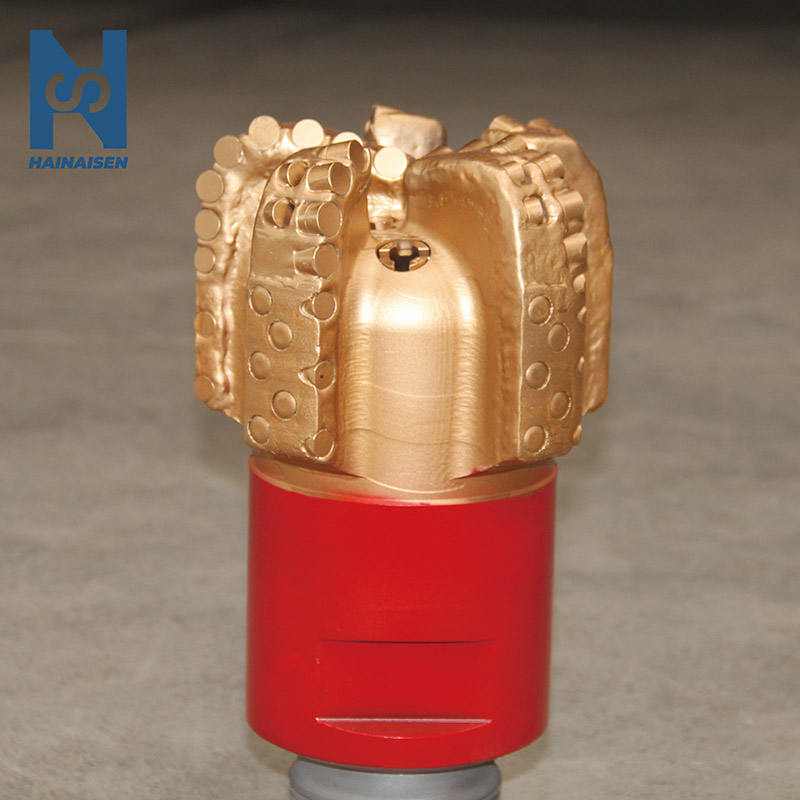 VIEW MOREFive Blades PDC Drill Bits
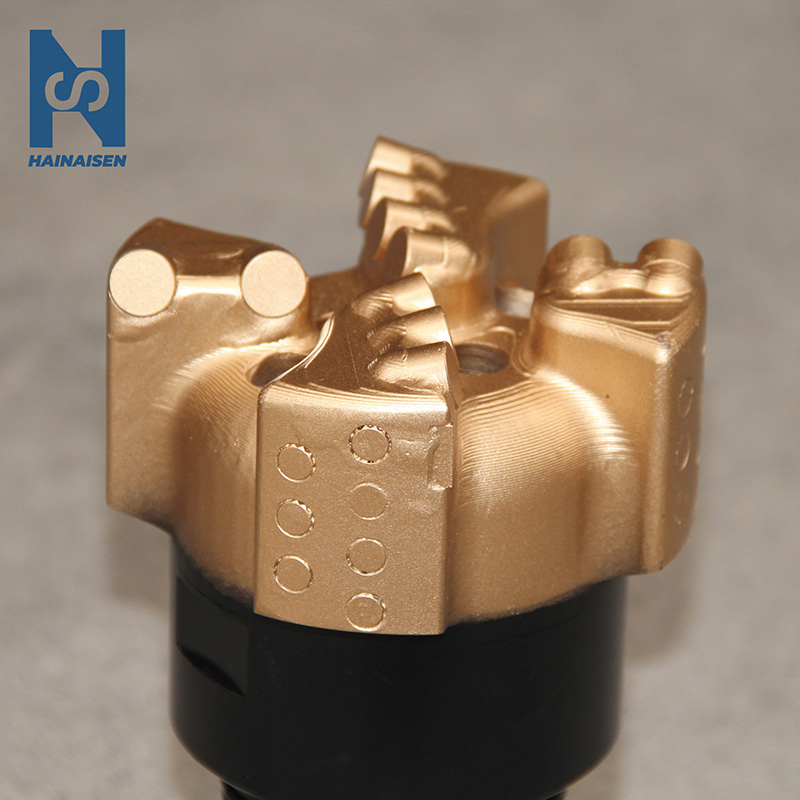 VIEW MOREDirectional Well PDC Drill Bit
logo 2_1777360600432.jpg) VIEW MORECoal Mine Drilling Drill Bit Directional Three Blade PDC Drill Bit
VIEW MORECoal Mine Drilling Drill Bit Directional Three Blade PDC Drill Bit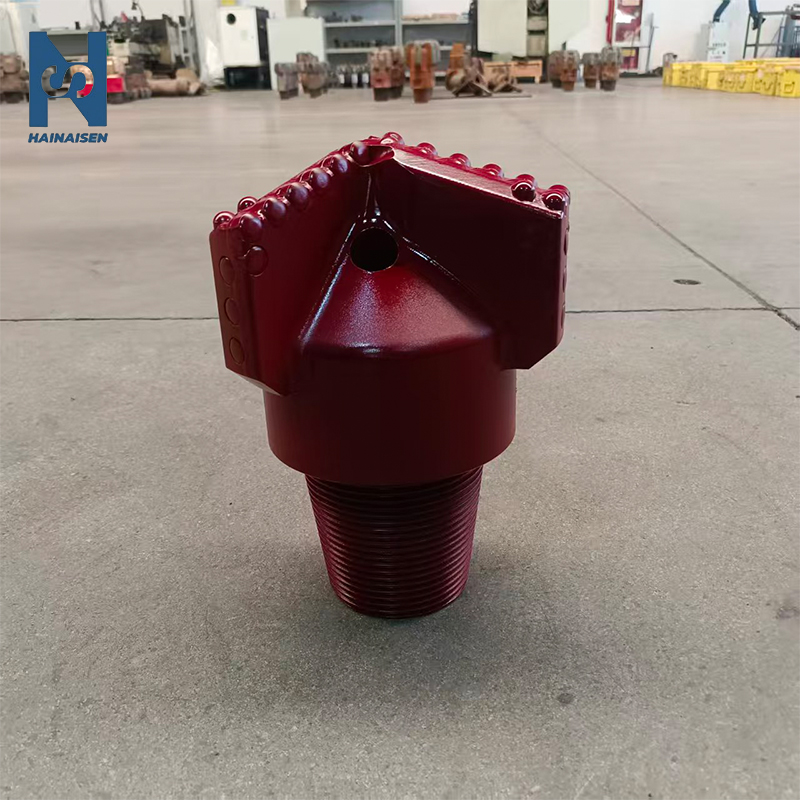 VIEW MOREPDC Bit For Well Drilling
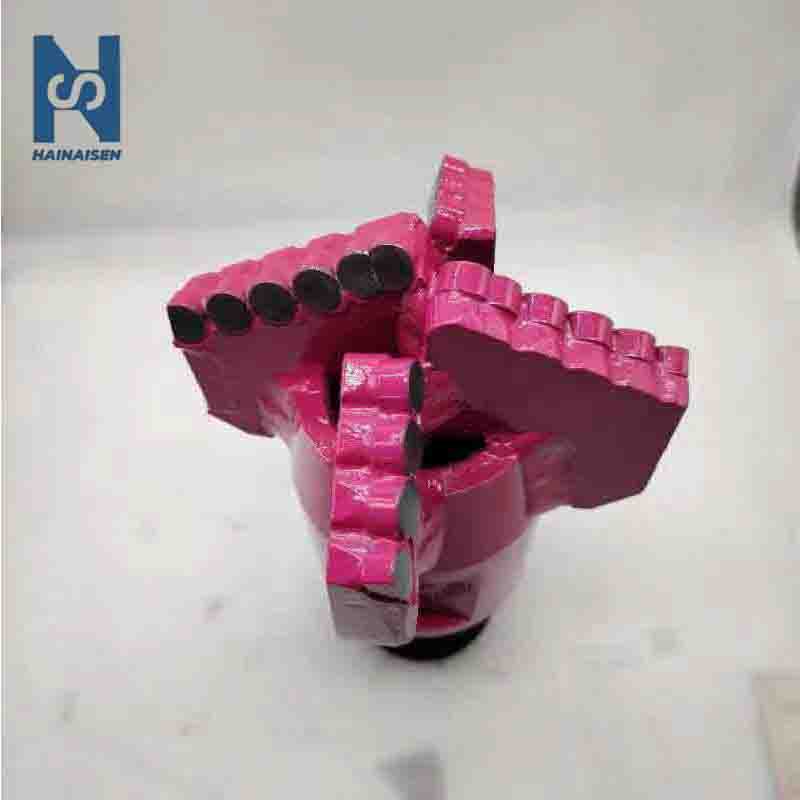 VIEW MOREAlloy Scraper Drill Bit For Water Well
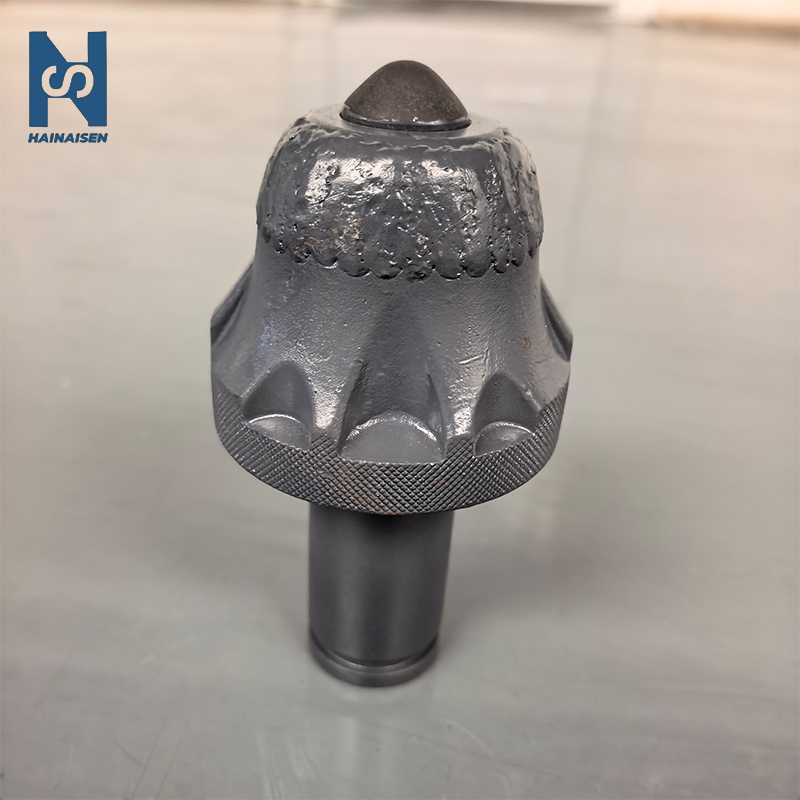 VIEW MOREDiamond Coal Mine Picks
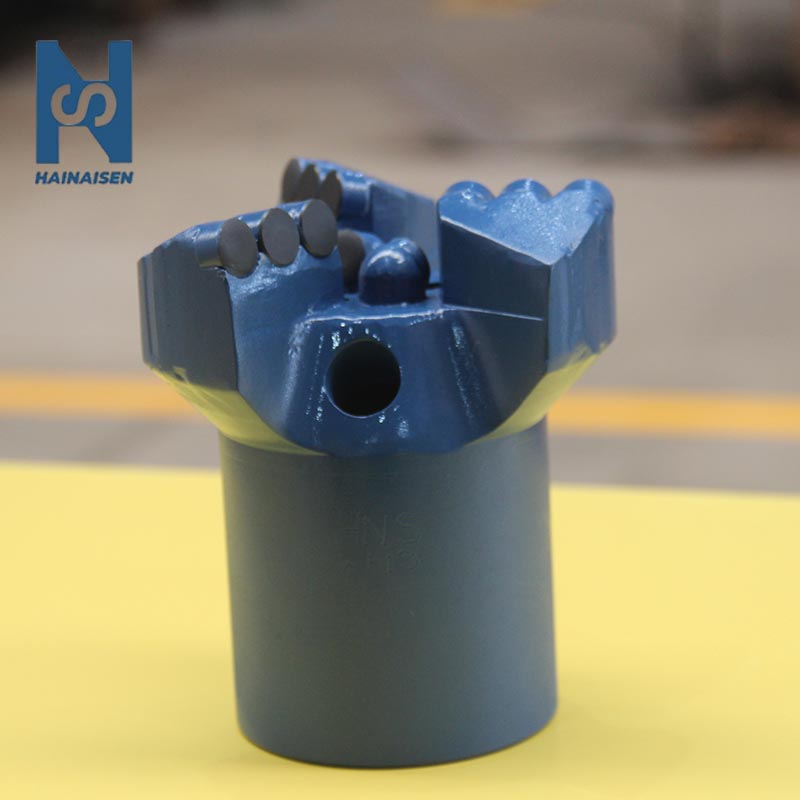 VIEW MORE3 Blades PDC Mining Bits
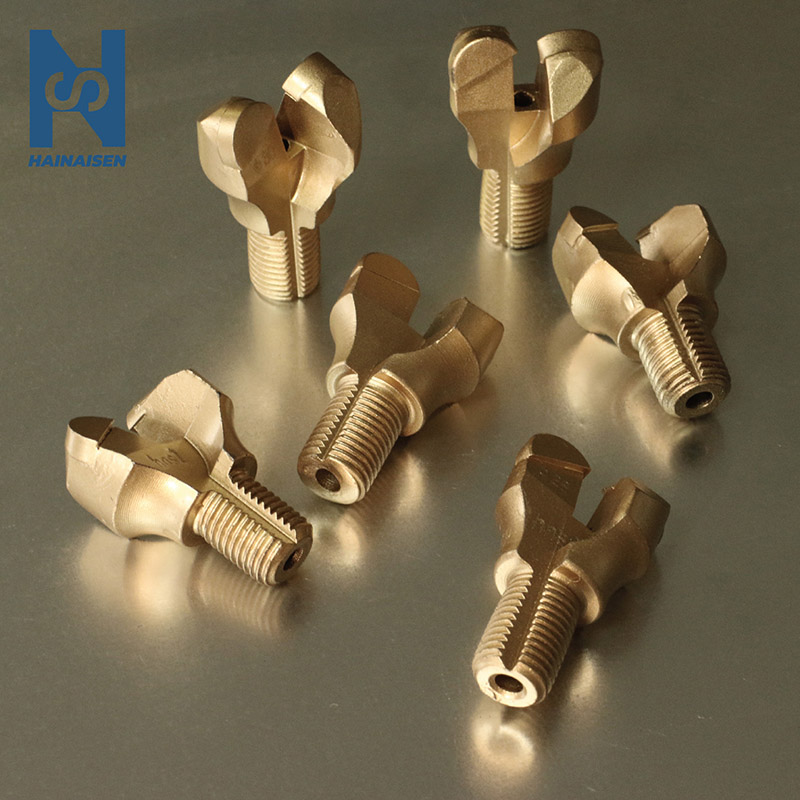 VIEW MORECoal Mining Tools PDC Anchor Drill Bit 28mm
