How to choose the right drill bit based on formation hardness?
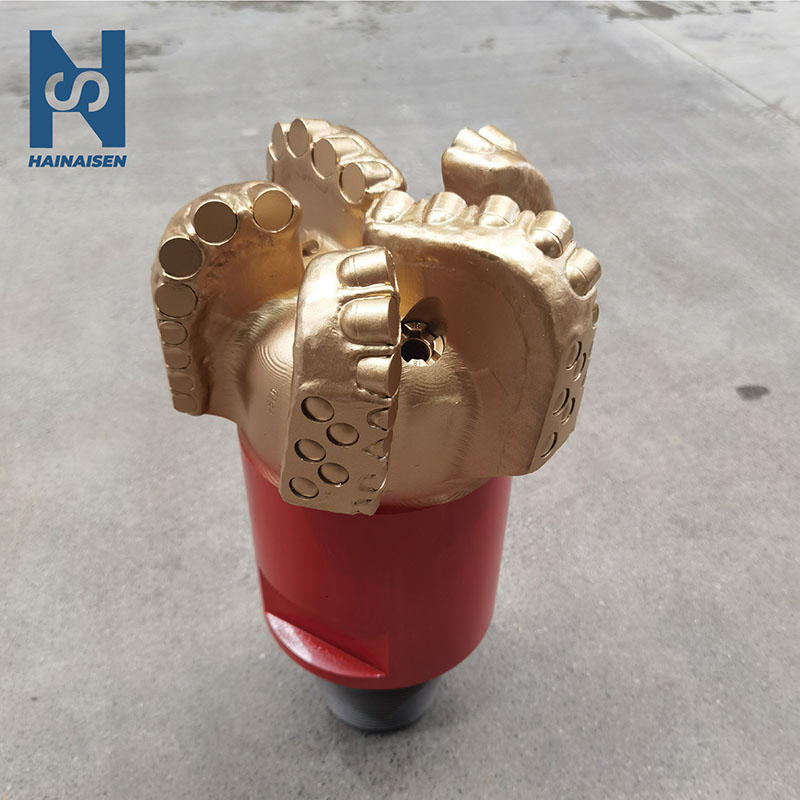
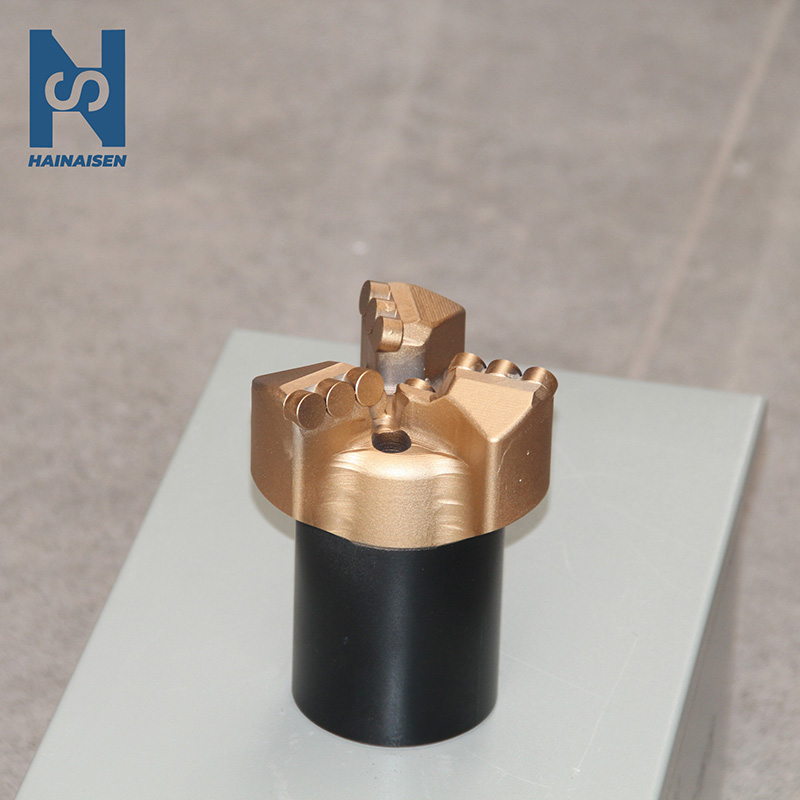
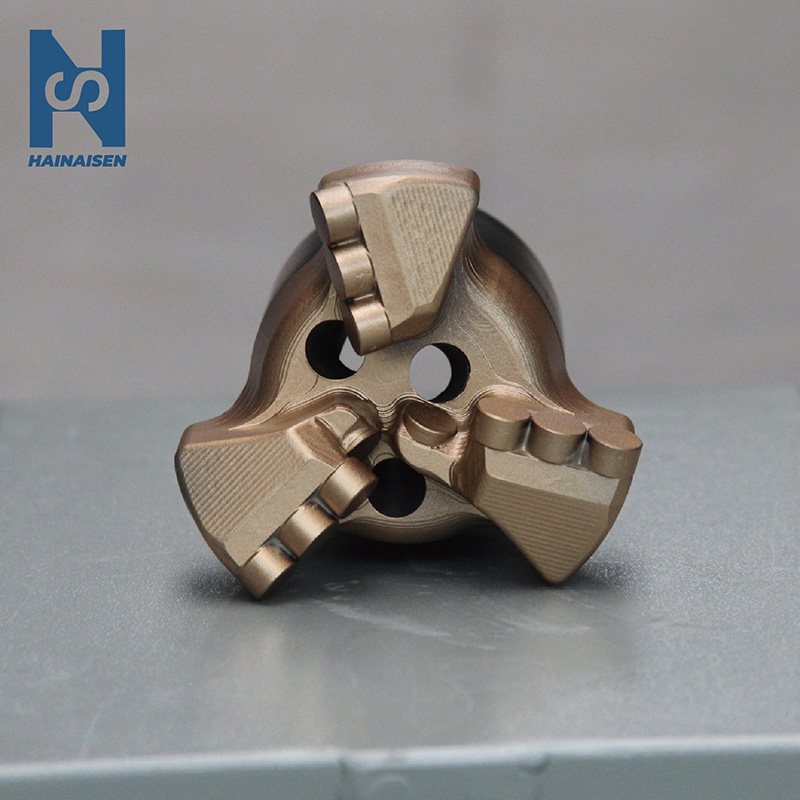
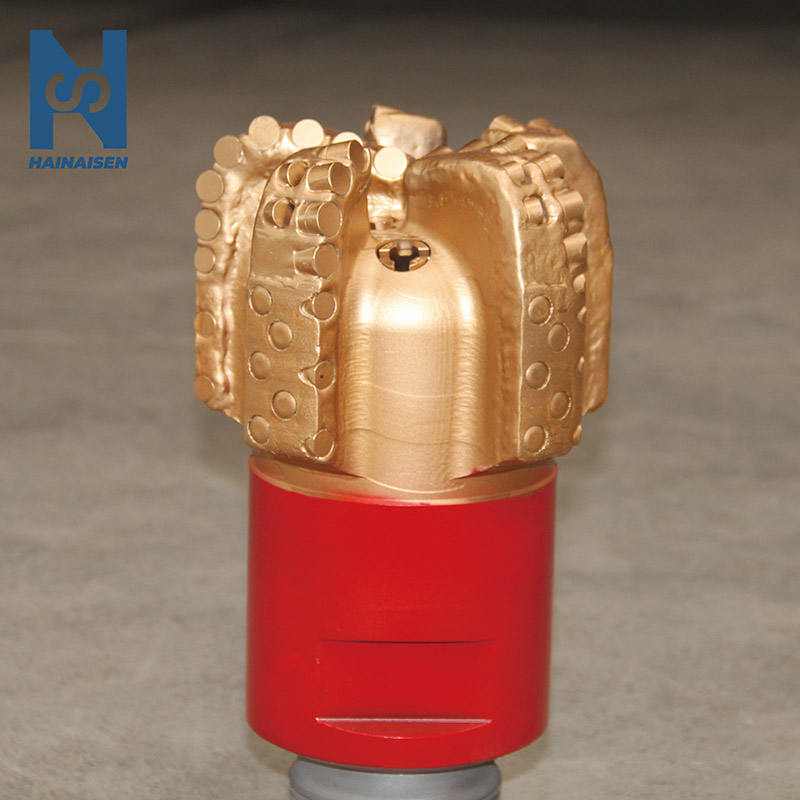
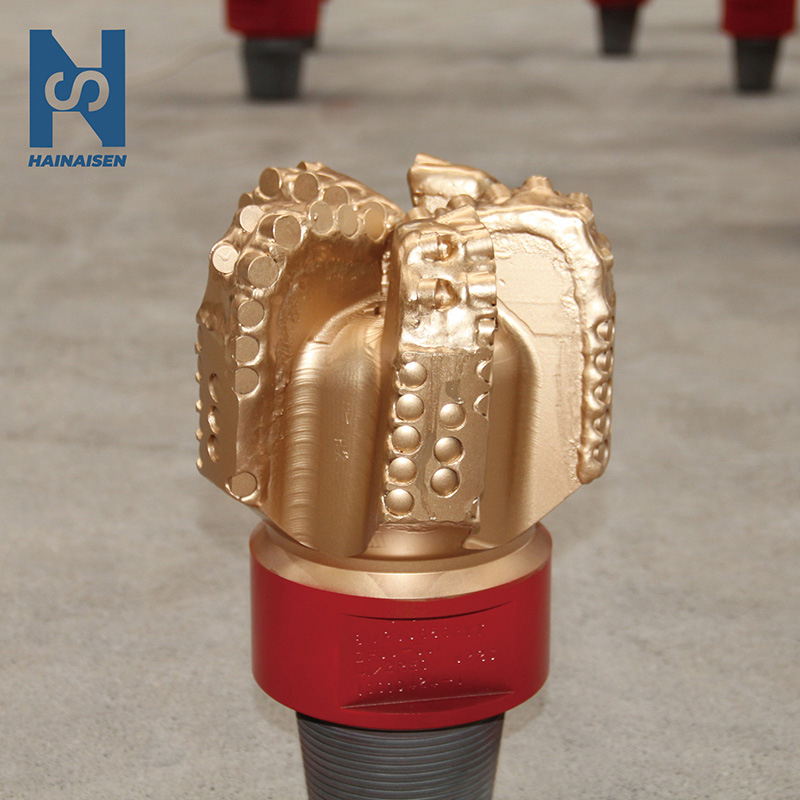
To choose the right drill bit, you need to carefully look at the practical goals, formation hardness, and geological makeup. A 5 Blades PDC Oil Bit works very well in medium-hard rock types like shale, limestone, sandstone, or gypsum because it balances cutting efficiency with steadiness. The five-blade design allows for better placement of the cutters and better fluid flow, which speeds up penetration rates while keeping sturdiness. Procurement managers and technical engineers can cut costs and improve drilling performance in a wide range of geological situations by understanding how formation features affect bit design.
Understanding Formation Hardness and Its Impact on Drill Bit Selection
Formation hardness has a direct effect on how well you drill, how long your tools last, and how much the job costs. Measurements of rock hardness, usually given in PSI (pounds per square inch) or Mohs scale rates, help divide forms into three groups: soft, medium, and hard. The pressure of shale is usually between 5,000 and 15,000 PSI, while the pressure of limestone and sandstone is between 10,000 and 25,000 PSI. Because it is soft, gypsum goes below 10,000 PSI. The rate of penetration (ROP), which is the speed at which the bit moves through rock, is related to these measures.
Why Formation Classification Matters
When you match the shape of the bit to the hardness of the formation, you avoid premature wear and operational problems. For soft forms, you need strong cutter designs that get the most ROP without putting too much stress on the bit structure. For medium-hardness formations, balanced patterns that keep the structure's stability while distributing cutting forces evenly are best. For efficient cutting removal in hard rocks, bits need to be strong, have better wear resistance, and have hydraulics that work better.
Key Selection Criteria
A lot of technical factors affect how well bit picking works. How well the bit breaks up rock at the cutting surface depends on how the cutter is made. The longevity of a bit depends on the quality of the materials used and the construction of its structure. Its lifespan is also affected by the conditions downhole. The hydraulic performance makes sure that the rock shavings are removed efficiently from the wellbore. This keeps the cutting surfaces clean and stops the bit from balling up. By comparing these factors to the properties of the formation, buying decisions can be made that balance the initial investment with the savings that will be made over time.
Technical Overview of 5 Blades PDC Oil Bits for Various Formation Hardness
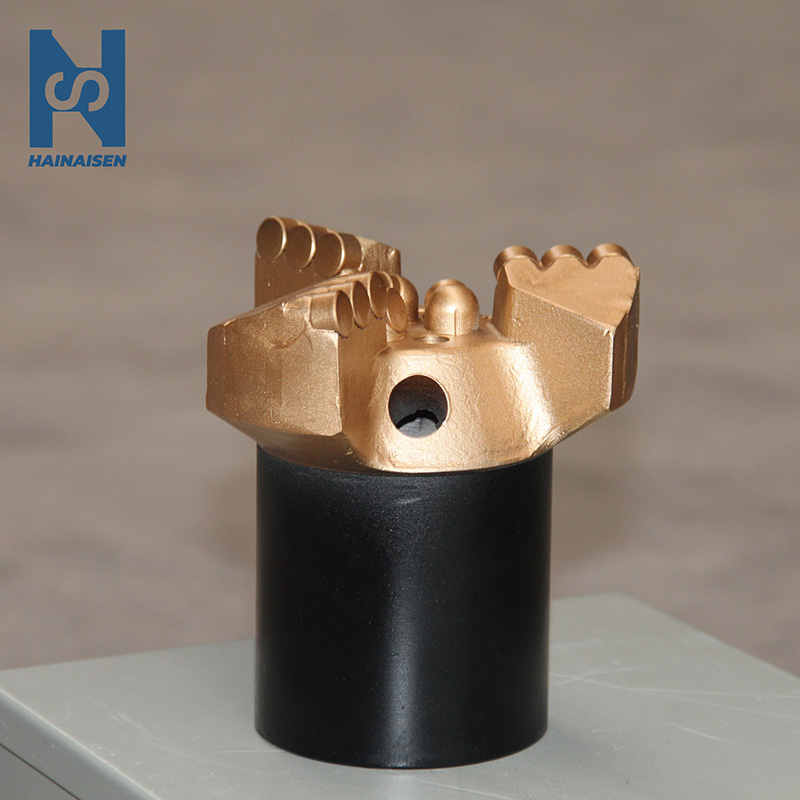
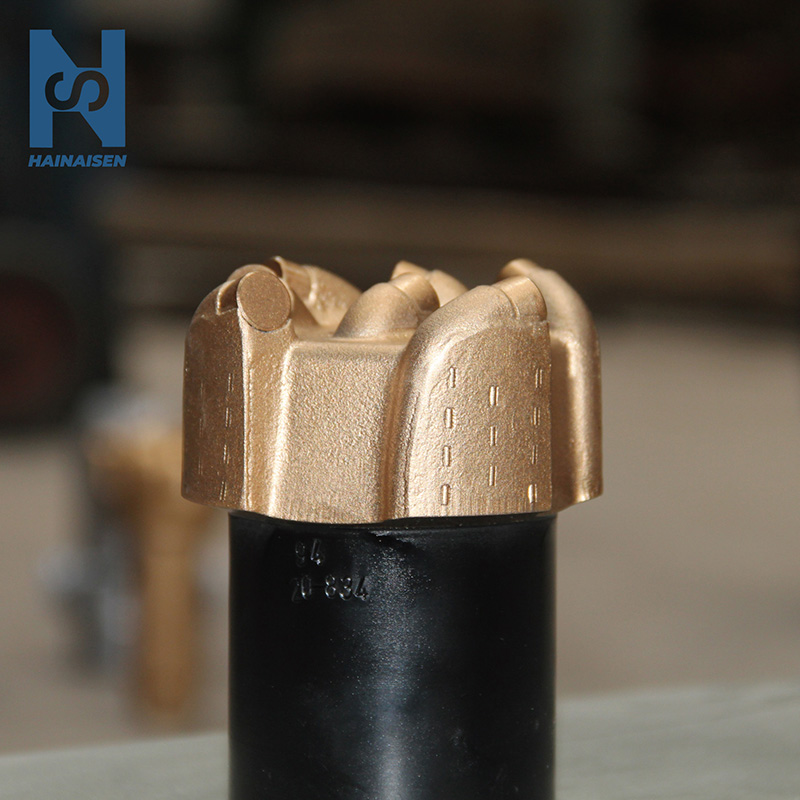
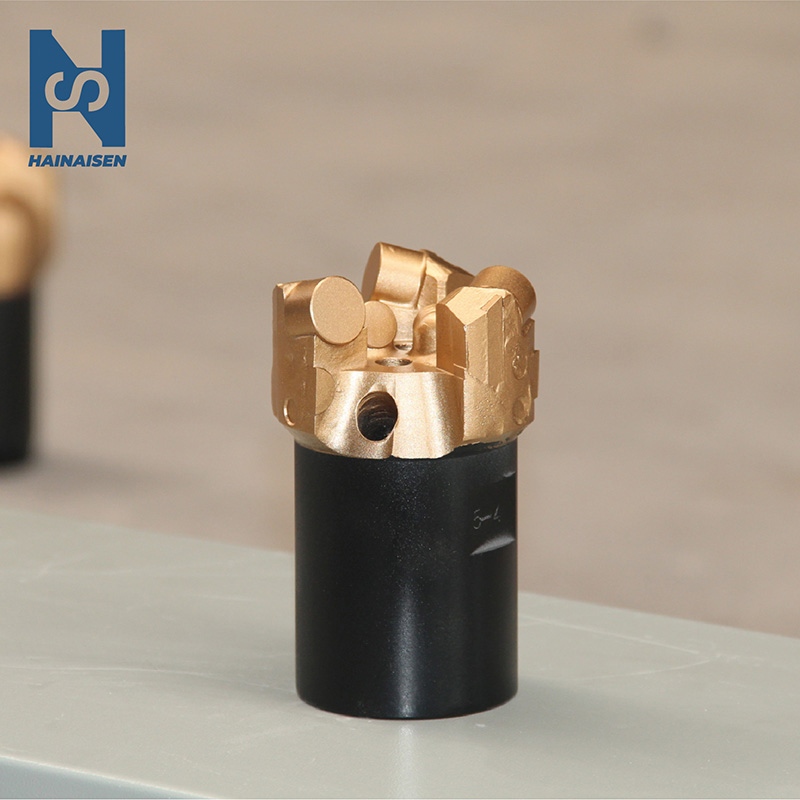
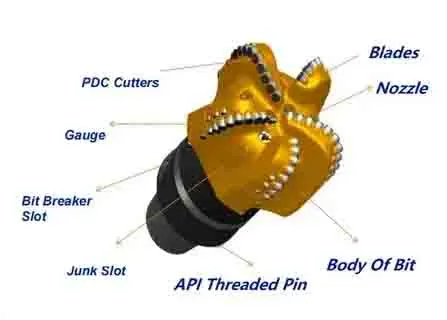
Polycrystalline Diamond Compact (PDC) bits are a big step forward from roller-cone technology because of how they are built. The clever design of our 5 Blades PDC Oil Bit makes it better at digging through medium-hardness formations. With five blades, the gap between them is just right for strategically placing cutters, and there is enough space in the junk slot for cuttings to be pushed out of the way quickly.
Blade Geometry and Cutter Arrangement
How cutting forces are spread across the bit face is affected by the shape of the blade. The five-blade design makes even contact with the formation, which lowers friction and raises the quality of the hole. Each blade goes from the centre of the bit to the gauge and has a carefully measured shape that makes it best at cutting through rock. The cutting violence is affected by the angle of the blade. Steeper angles make cutting more aggressive, which is good for softer areas in medium-hard rock formations, while shorter angles make cutting more stable in harder areas.
The order of the cutters follows smart patterns that make rock removal more efficient. Our design uses both circular and spiral patterns, and we place the cuts so that they stay engaged with the formation while the bit turns. This setup makes cutting tracks that meet, which stops ridges from being left uncut and keeps the ROP constant. When put behind the main cutters, backup cutters provide support and protect the bit body when the primary cutters wear out, which extends the bit's life.
Advanced PDC Cutter Materials
Synthetic diamond layers are attached to tungsten carbide surfaces in our PDC cutters. This hybrid structure is hard enough to effectively cut rock while also being tough enough to withstand damage from impacts. Wear resistance is directly related to the thickness and quality of the diamond layer. In abrasive rocks, thicker layers mean longer operating life. Our production process makes sure that the diamonds are spread out evenly and that the bonding surfaces are strong. This keeps the diamonds from delaminating too soon, which could hurt the bit's performance.
Operating Specifications
Our 5 Blades PDC Oil Bit works well in certain parameter areas that are best for medium-hardness rocks. Recommended spinning speeds are between 60 and 250 RPM, which lets workers change how strong they are based on how the drilling is going at the moment. Drilling pressure, or the weight on the bit, should be between 30 and 180 KN. This is enough force to get through the rock without overworking the cuts. Between 45 and 80 litres per second of hydraulic flow is needed to remove enough cuttings and cool the bit.
These factors are only for formations like shale, limestone, sandstone, and gypsum. These are popular places for oil and gas research, coal-bed methane extraction, and geothermal drilling. Because the bit can be used for horizontal, directional, and remote drilling, it can meet the needs of a wide range of projects.
Comparative Analysis for Informed Drill Bit Selection
Strategic buying choices can be made by knowing how different bit designs work in different types of formations. When you compare five-blade PDC Bits to four-blade, seven-blade, and tri-cone options, you can see that they work differently in different drilling situations.
Five-Blade Versus Four-Blade PDC Bits
Four-blade PDC bits are more violent because each blade has more contact with the cutter. This arrangement works best in softer forms where speed is more important than stability. In medium-hardness rocks, on the other hand, four-blade bits may vibrate more and wear unevenly. The five-blade design is more stable because it spreads the cutting forces across more contact points. This lowers the side-to-side shaking that can damage equipment downhole. This makes the holes smoother and the direction control better, which are both very important in horizontal and directional drilling.
Five-Blade Versus Seven-Blade PDC Bits
Seven-blade designs put steadiness and smoothness ahead of aggression. The extra blades make the cutting action slower, which lowers the contact forces on each cutter. This method works best in very hard rocks where bit protection is more important than penetration speed. In forms with a middling level of hardness, seven-blade bits may give up ROP without really improving stability. We think that our five-blade design is the best compromise between safety and rock removal efficiency. It works just as well as seven-blade bits while being less harsh.
PDC Versus Tri-Cone Bits
In traditional tri-cone Roller Bits, steel or tungsten carbide teeth are on spinning cones. These bits work well in a variety of forms, but they have working parts that can wear out bearings and seals. Because they are made with set blades, PDC bits don't have these weak spots. When used in medium-hardness formations, PDC bits usually get 30–50% better ROP than tri-cone options. It turns out that PDC cutters work better than roller cones because they continuously slice instead of breaking and chipping. Tri-cone bits may be cheaper at first, but PDC bits get more work done per bit and waste less time when they're not being used, so they're cheaper per foot bored.
Cost-Benefit Considerations
To figure out the total cost of ownership, you have to compare the initial buy price to how well the product works and how long it lasts. PDC bits cost more up front, but they often finish wells with fewer bit trips, which lowers the cost of rig time. Our 5 Blades PDC Oil Bit is made from high-quality materials, such as high-quality steel bodies and tungsten carbide matrix components. It has a long, useful life that makes the purchase worthwhile. Instead of just looking at the purchase price, procurement managers should figure out the cost per foot drilled. This shows what the real economic value of better bit technology is.
Practical Maintenance and Troubleshooting for 5 Blades PDC Oil Bits
Understanding common wear trends and following the right upkeep steps are necessary to get the most out of bit performance. Even high-end PDC bits break down in tough downhole conditions, but if you handle them properly, they will last a lot longer.
Common Wear Patterns
There are a few main ways that PDC cutters wear out. Normal operating within the right limits is shown by flat wear that is the same on all cutter sides. Chipping or breaking of the cutter is a sign of too much impact loading, which is usually caused by drilling pressures that are too high or unexpectedly hard stringers. Small surface cracks on cuts called "heat checking" happen when hydraulics aren't cooled enough or when spinning speeds are too high. When operators see these trends, they can change the drilling settings before small problems get worse and cause bits to break.
Preventive Maintenance Protocols
By inspecting bits correctly before release, problems that might slow things down can be found. Check the cuts for damage that was there before, make sure the gauge's dimensions are correct, and make sure the nozzle holes are still clear. To get rid of formation dust and drilling mud, clean the bit well with the right chemicals after each run. Post-run paperwork that includes video drilled, formation types encountered, and wear patterns seen builds institutional knowledge that helps choose bits and optimise parameters in the future.
The way bits are stored affects how well they work between runs. Keep bits in places with controlled temperatures and humidity to keep them from rusting. Protect cutting surfaces from damage caused by impacts by using storage racks or protected caps. If you handle things the right way while transporting and setting up, you can avoid drops or hits that could break cutters or damage bit bodies.
Troubleshooting Performance Issues
If the ROP goes down during drilling, it could mean a number of things. Bit balling, which is when sticky formation material builds up on cutters, makes cutting less effective and needs hydraulic settings or mud qualities to be changed. When vibrations get worse, it means that the cutting forces aren't balanced because the cutters are old or broken. Too much gauge wear too soon means that the stabilisation isn't good enough or the hole direction isn't right. Technical experts should regularly check the drilling parameters, changes in the formation, and the state of the bit to find the root causes and fix them.
Procurement Guide: Buying the Right 5 Blades PDC Oil Bit for Your Needs
In strategic buying, you have to look at a supplier's skills beyond the product specs. Through technical help, customisation choices, and service after the sale, the relationship between drilling businesses and bit Manufacturers has a big effect on the success of a project.
Matching Specifications to Project Requirements
First, use geology maps, offset well data, and formation evaluation logs to get a full picture of the target formations. Make a list of the formation's hardness, abrasiveness, and expected lithology changes. Give this information to possible providers so they can help you choose the right bit designs, cutter configurations, and working parameters. Customisation services from suppliers are very helpful. For example, at HNS, our engineering team works closely with customers to change blade profiles, cutter placement, and hydraulic features to solve unique formation problems.
Evaluating Supplier Reliability
When evaluating a supplier, you should look at their production skills, quality control methods, and industry qualifications. Modern factories with five-axis machining centres and CNC machine tools make sure that manufacturing tolerances are very tight, which is important for bit performance. Suppliers who have quality assurance programmes that include testing materials, checking dimensions, and validating performance show that they are dedicated to doing a great job. Companies with focused research and development teams are always coming up with new ideas to deal with new digging problems.
Shaanxi Hainaisen Petroleum Technology Co., Ltd. has a building in Xi'an that is 3,500 square metres and has modern processing equipment and specialised manufacturing lines. We've been focusing on making combined technical solutions for coal mining, oil and gas production, and geological surveying since 2013. Our custom bit design group works directly with clients to come up with solutions that meet the specific needs of each project.
Warranty and Technical Support
A full warranty guards against problems with the way the product was made and shows that the seller believes in its quality. Check out the technical support that is available in addition to the insurance terms. Responsive engineering help during drilling operations helps optimise settings and quickly fix problems. Suppliers who give on-site help for important wells or complicated drilling programmes add value by giving customers access to their knowledge.
Sourcing Strategies and Logistics
Long-term supply deals that guarantee priority output scheduling and favourable price structures are good for large oil service companies that need large amounts. Coal mine companies that want to save money should look into buying in bulk, which can lower the cost per unit while still meeting quality standards. Teams digging water wells that want to be as cheap as possible can work with suppliers who offer standard designs, including 5 Blades PDC Oil Bit, that balance performance and cost.
Logistics of delivery have a big effect on project timelines. Make sure you know the shipping options, wait times, and foreign logistics skills for both standard and custom designs. When suppliers keep popular sizes in stock, they can quickly send them out for unexpected drilling chances or to replace bits that break.
Conclusion
To choose the right drill bit based on the hardness of the rock, you need to combine your geology knowledge with technical specs and the supplier's skills. The 5 Blades PDC Oil Bit works very well in medium-hard rock layers because it has the right blade shape, the right cutter placement, and the latest materials. Comparative research shows that it is better than other designs, and following the right care steps makes it last longer. A good buying process combines technical needs with the dependability of the provider, the ability to make changes, and the overall cost of ownership. By following these rules, drilling experts can improve ROP, extend the life of bits, and lower working costs in a wide range of geological situations.
FAQ
Q1: How do I determine if a 5 Blades PDC Oil Bit suits my formation?
Check the measures of formation hardness and lithology composition against the bit's specs. Our 5 Blades PDC Oil Bit works best in medium-hard rock types with compressive strengths of 5,000 to 25,000 PSI, like gypsum, shale, limestone, and sandstone. Talk to our expert team and give them geographic data and records of how well offset wells worked so they can make specific suggestions.
Q2: What maintenance schedule maximises bit lifespan?
Do thorough pre-run checks of the cutter's soundness and the gauge's measurements. Clean the bits right away after each run to get rid of any formation dust. Keep track of the drilled footage, wear trends, and working settings. Keep bits in controlled areas that protect the cutter. When the cutter wears down to half of its original height, it's time for a professional repair. This will bring back the performance at a fraction of the cost of a new bit.
Q3: Can bits be customised for unique drilling conditions?
Of course. HNS has a specialised engineering department that makes bits that are exactly right for the rock and the digging conditions. You can customise it by changing the blade shapes, the way the cutters are arranged, the hydraulic features, and the materials that are used. This makes sure that the most efficient and cost-effective digging can happen in difficult or unusual places.
Partner with HNS for Superior PDC Bit Solutions
Picking the right 5 Blades PDC Oil Bit provider is the first step to getting the most out of your digging. HNS delivers bits that improve your business performance by combining cutting-edge engineering with proven manufacturing quality. Our high-tech production centre and personalised customisation services make sure that every bit exactly meets the needs of your group. Our professional team is here to help you through the whole buying process, whether you're drilling for oil and gas, coal-bed methane, or geothermal uses. Email us at hainaisen@hnsdrillbit.com to talk about your unique drilling problems and get a quote from a reputable maker of 5 Blades PDC Oil Bits.
References
1. Bourgoyne, A.T., Millheim, K.K., Chenevert, M.E., and Young, F.S. (1991). Applied Drilling Engineering. Society of Petroleum Engineers.
2. Ledgerwood, L.W. (2007). PDC Bit Technology for the 21st Century. Petroleum Engineer International, Volume 80, Issue 3.
3. Mitchell, R.F. and Miska, S.Z. (2011). Fundamentals of Drilling Engineering. Society of Petroleum Engineers Textbook Series.
4. Pessier, R.C. and Fear, M.J. (1992). Quantifying Common Drilling Problems with Mechanical Specific Energy and Bit-Specific Coefficient of Sliding Friction. SPE Annual Technical Conference and Exhibition.
5. Warren, T.M. (1987). Penetration Rate Performance of Roller Cone Bits. SPE Drilling Engineering, Volume 2, Number 1.
6. Winters, W.J., Warren, T.M., and Onyia, E.C. (1987). Roller Bit Model with Rock Ductility and Cone Offset. Journal of Petroleum Technology, Volume 39, Issue 12.