Analyzing Erosion Damage on Bit Blades and Nozzles
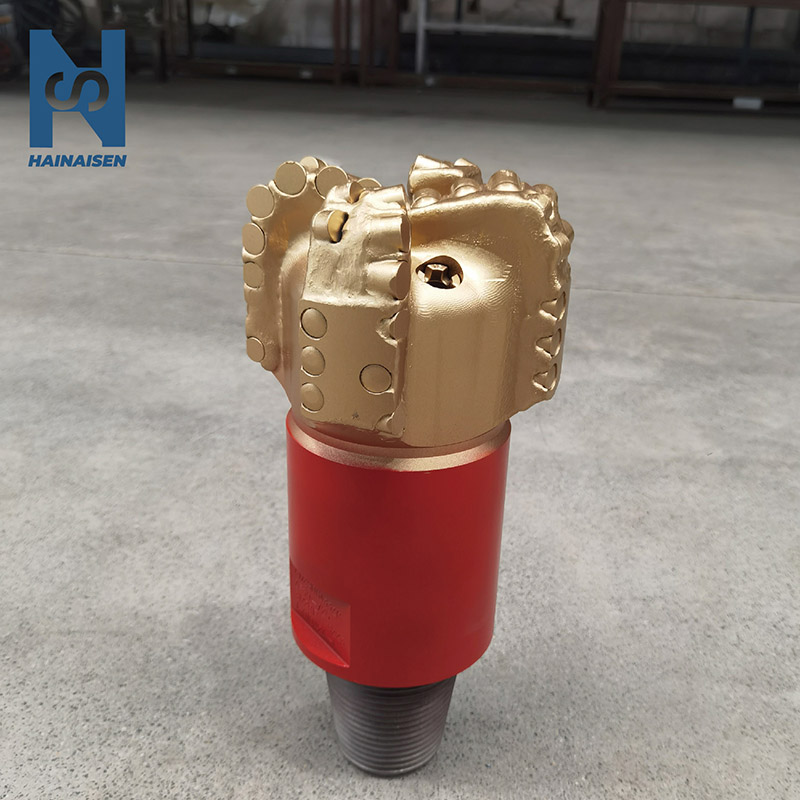
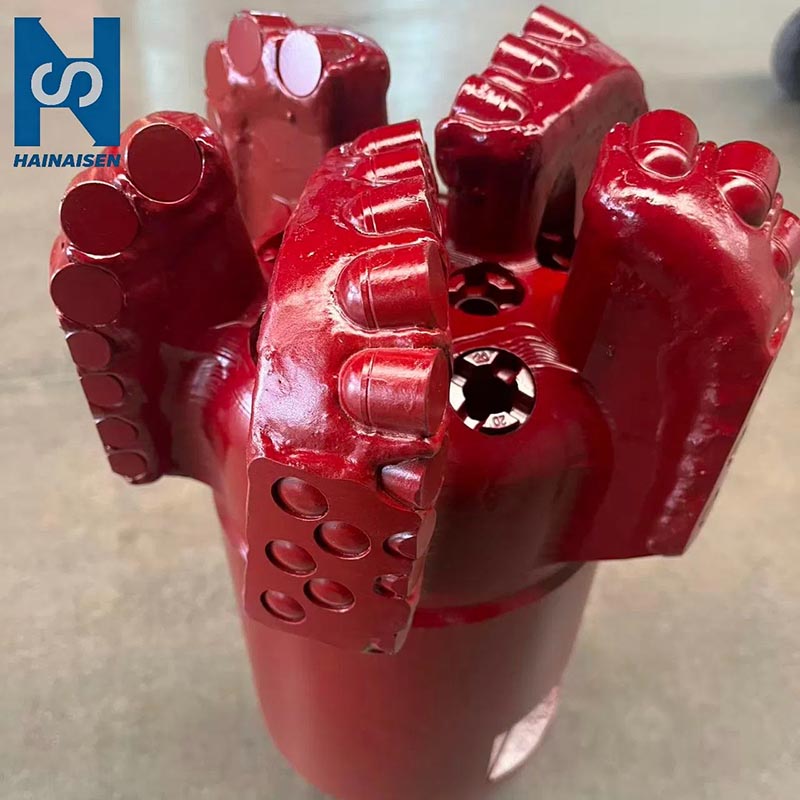
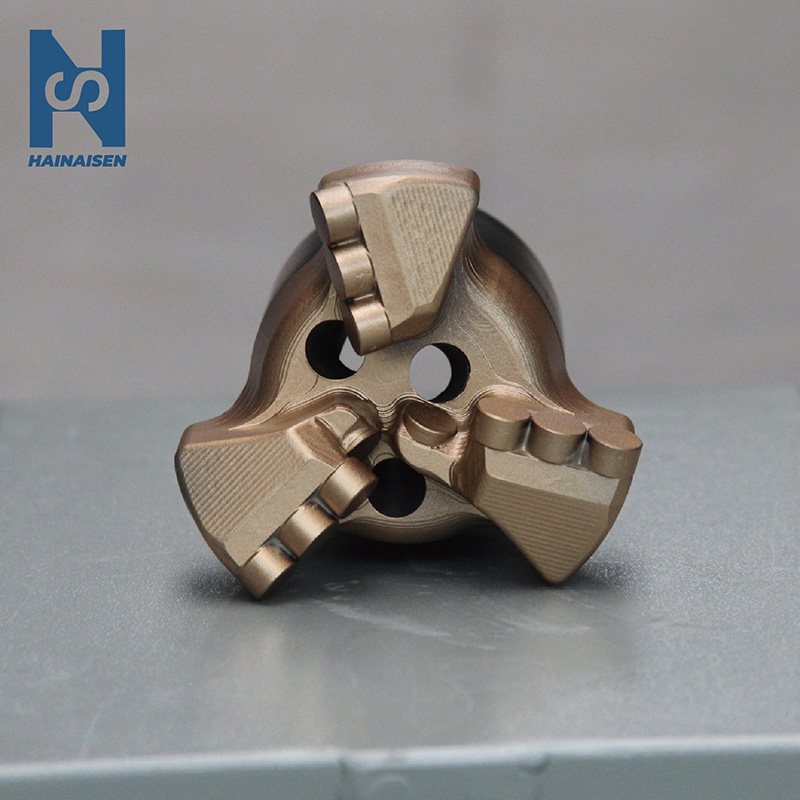
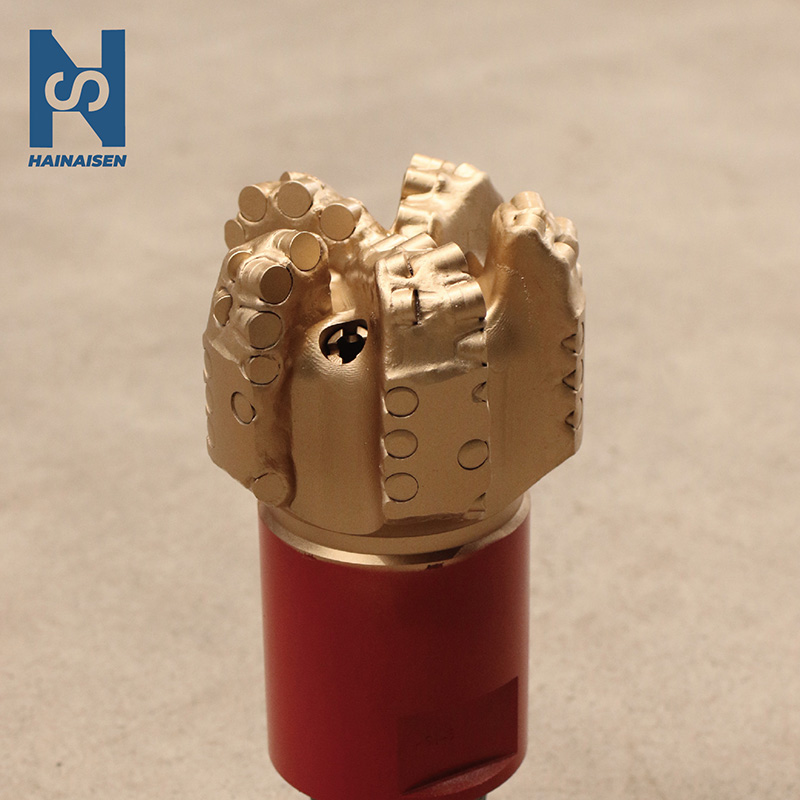
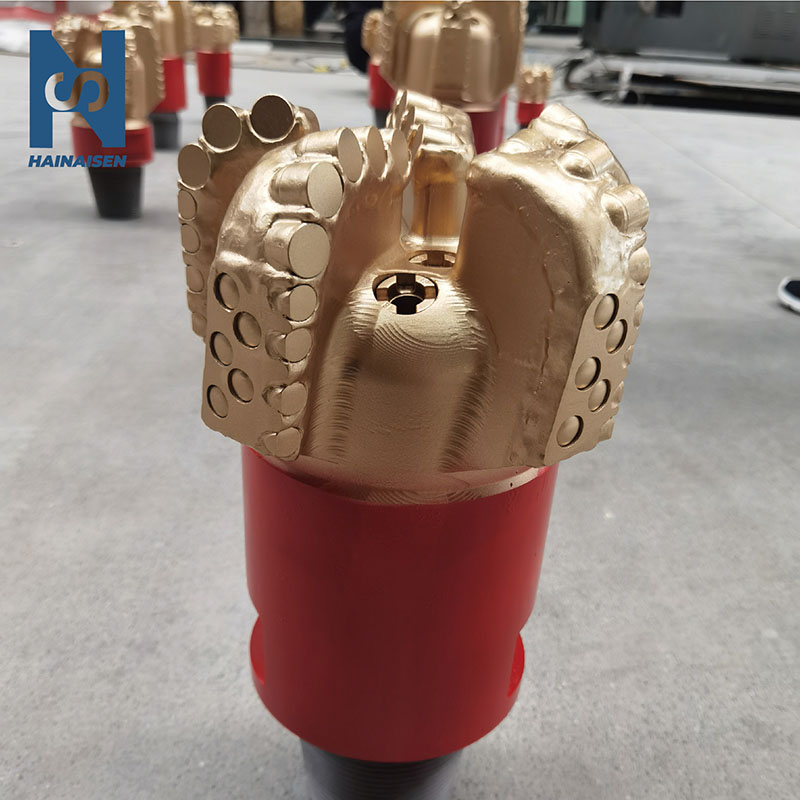
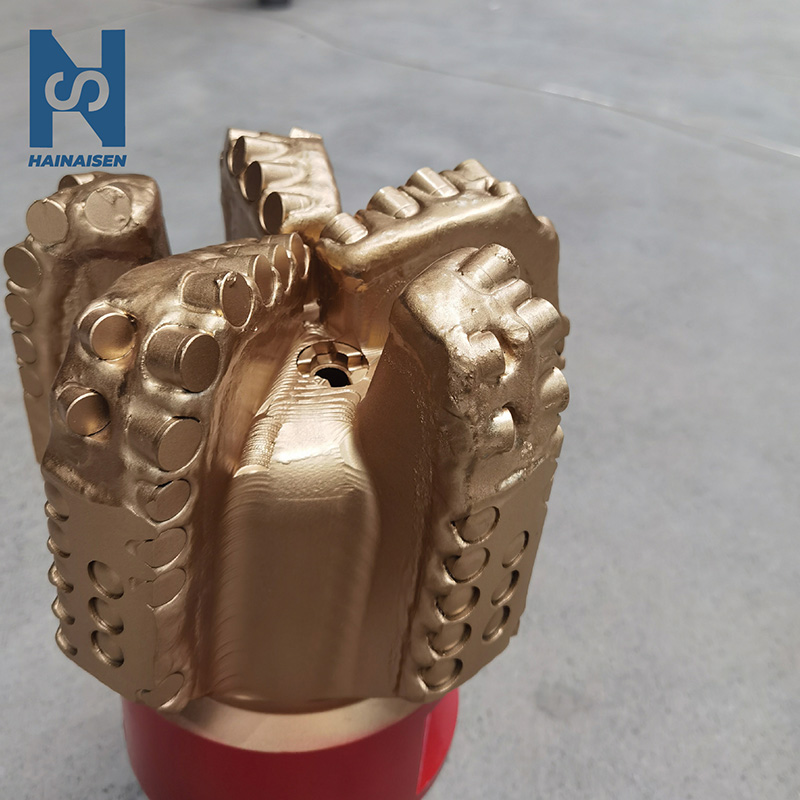
One of the biggest problems drilling companies face right now is erosion damage to drill bit parts. When abrasive particles and high-speed drilling fluids hit bit surfaces over and over, they eat away at protected materials over time. This lowers the bit's cutting efficiency and shortens its useful life. Because it has four blades, the 4 Wings Blades PDC Bit has very different erosion patterns. This is because the steel body and polycrystalline diamond compact cuts are hit by a lot of fluid flow and particles. When purchasing managers and technical experts understand these wear mechanisms, they can make choices that balance performance needs with cost concerns in a range of drilling uses.
Understanding Erosion Damage on Bit Blades and Nozzles
What Causes Material Loss in PDC Bits
When drilling fluid with rock chips and rough particles moves quickly across bit surfaces, erosion damage happens. This constant bombardment slowly takes stuff from the cutter pockets, blade edges, and nozzle holes. The steel body that is usually used in four-blade PDC designs is very strong, but it can still be damaged by fluids that carry silica, quartz, and other hard minerals. Impact damage leaves cracks that can be seen, but weathering leaves smooth, rounded surfaces that show that material was slowly taken away over long drilling hours.
Erosion-Prone Zones on Four-Blade Configurations
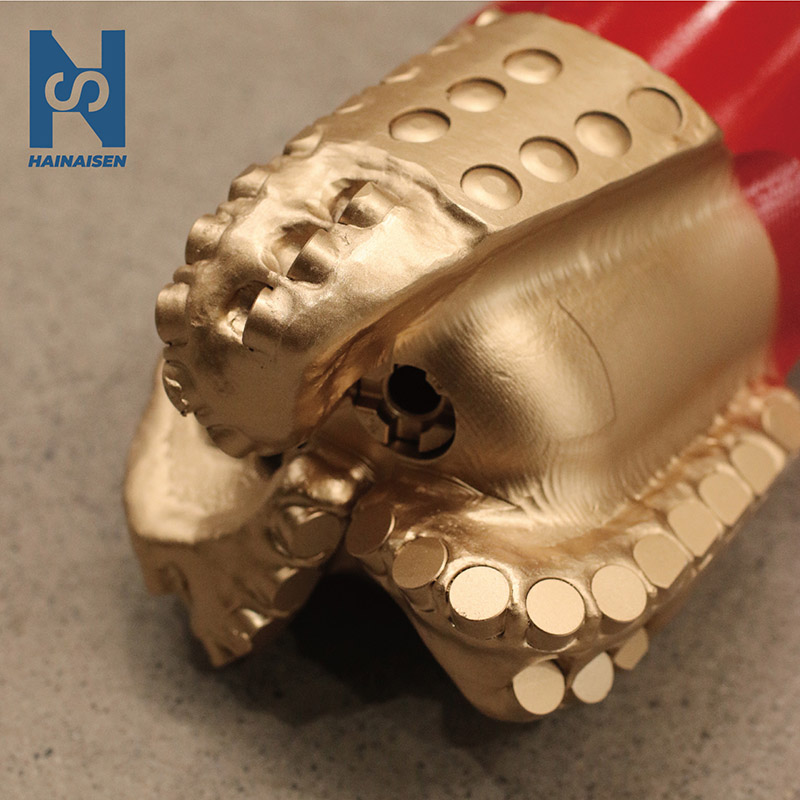
The four-wing shape makes high-risk areas where erosion is more likely to happen. As drilling mud speeds through narrow flow pathways, it hits the leading edges of the blades the hardest. Most of the time, fluids are moving faster than 100 metres per second at nozzle outputs, so they have to deal with especially rough circumstances. The point where the PDC cuts meet the steel body is also a weak spot because the different hardnesses cause uneven wear patterns. Knowing about these weak spots helps workers guess what repairs will be needed and change the way things work based on that information.
Material Properties Affecting Erosion Resistance
Advanced polycrystalline diamond compact cuts are harder than standard materials, but the steel body matrix that surrounds them wears away at different rates. This uneven wear can make it harder for the cutter to stay in place, which can cause the cutter to be lost early, even if the diamond surface is still whole. In deep oil and gas wells, where temperatures can get very high, special matrix materials that are more resistant to thermal shock help keep the rock from wearing away. The protective coats that are put on during production make it harder for abrasives to damage the bits, so they can last longer before they need to be replaced.
Causes and Mechanisms of Erosion in Four-Wing PDC Bits
Environmental Factors Accelerating Wear
The features of rock formations directly affect how bad weathering is. When you drill through sandstone rocks that contain a lot of quartz, you make very rough cuts that wear down your blade faster. How hard objects hit bit surfaces is affected by the viscosity, solid substance, and chemical makeup of the drilling fluid. When particles collide with more solids in heavier mud, they carry more kinetic energy, which speeds up erosion rates beyond what would normally be expected.
Operational Parameters and Their Impact
Rotational speed has a big effect on how wear patterns look on four-blade designs. Staying within the suggested range of 60 to 250 RPM helps balance the rate of entry with too much wear. How cutting fluids move around blade profiles is affected by the bit's weight, which ranges from 10 to 100 KN. Too much pressure can push abrasive slurries into cutter pockets. Flow rates between 25 and 36 litres per second must be maintained to clean holes well without causing damaging fluid speeds that wear away at nozzle throats and blade surfaces, including for oil drilling drill bit designs.
Design Elements Influencing Durability
The shape of the blade affects how fluid flows around cutting structures. When built correctly, the four-wing shape makes the hydraulics work very well, moving the drilling mud smoothly across the blade faces. The placement of the nozzle determines whether the fluid jets clean the cutter edges well or create rough areas that hold gritty particles against the steel. Choosing between standard steel bodies and special alloys that don't wear down easily is a cost-versus-durability choice that buying teams make based on the needs of the group and the economy of the project.
Performance Impact and Troubleshooting of Erosion Damage
How Erosion Reduces Drilling Efficiency?
When blade tips are worn down, they lose their sharp cutting shape. This makes bits grind through rock instead of slicing it. This change needs more power, which puts more stress on tools on the surface and motors deep underground. Fluid flow is limited by worn valves, which means less hydraulic horsepower is available for cleaning the cutter face and cooling the bottom of the hole. All of these effects slow down penetration rates by 30–50% in the worst cases. This directly raises the cost of drilling one metre because the rig has to be used for longer, and the equipment wears out faster.
Economic Consequences of Premature Wear
Unexpected bit failures throw off drilling plans and cost a lot of money to fix by requiring trips to get old bits and put in new ones. Large and medium-sized oil service businesses value dependable bit performance the most, as unplanned downtime can delay projects by millions of dollars. Coal mine companies that are trying to stick to tight budgets find that failures caused by erosion wipe out any cost savings they were hoping to make from buying new bits in the first place. Teams that drill water wells have to deal with project delays that hurt ties with customers when bits break before they're supposed to.
Diagnostic Methods for Early Detection
Erosion patterns can be seen visually after each bit run, before they lead to catastrophic failures. Sharp-edged material loss is a sign of impact damage from different sources, while smooth, polished blade surfaces are a sign of fluid erosion. By comparing the sizes of the nozzle throats to the original specs, you can figure out how much wear has happened and estimate how long the service will last. When torque and weight-on-bit data are recorded during drilling, they show slow but steady rises that show damage is getting worse before visible signs show up during bit recovery.
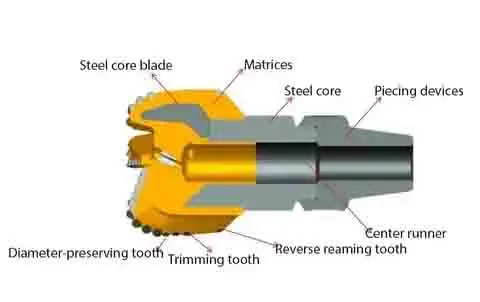
Comparing Erosion Resistance Across Bit Types
Blade Count Variations and Wear Patterns
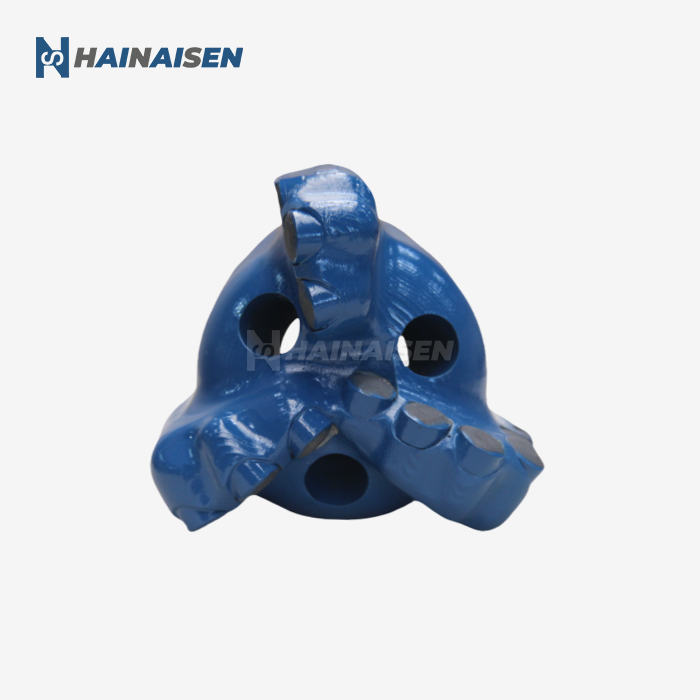
When compared to four-wing designs, three-blade layouts may have higher erosion rates per blade because they focus hydraulic energy across fewer areas. Five-blade bits spread the flow of fluid out more widely, but they give up some cutting power, which can slow down penetration rates in harder forms. The four-blade design strikes a good balance between these two opposing forces, providing strong erosion resistance while still removing rocks effectively in medium-hardness forms like shale, limestone, sandstone, and gypsum.
Alternative Bit Technologies
Tri-cone Roller Bits have cutting processes that are very different from each other and wear out in different ways. Instead of fixed blades, their spinning cones spread wear across the bearing surfaces. However, even sealed bearings can still let abrasive fluid in. Natural diamond bits work best in very rough rocks, but they are much more expensive to buy at first, which can be a problem for coal mining companies and water well builders who are trying to stay within their budgets. The steel body PDC bit with four blades is a good choice for the money because it has better wear resistance without the high cost of more unusual options.
Cost-Performance Analysis
To figure out the total cost per metre bored, you have to weigh the expected service life against the initial buy price. With their high-quality steel bodies and advanced PDC cuts that don't wear down in tough patterns, our 4 Wings Blades PDC Bit lasts a long time. The design is flexible, so engineers can choose to add more erosion protection to key areas. This way, performance is optimised for specific geographic conditions without adding too many less risky parts. This customised method gives the most benefit, whether it's drilling through soft coal seams or oil-bearing rocks that are only fairly hard.
Procurement Considerations for High-Quality Four-Wing PDC Bits
Selecting Reliable Manufacturing Partners
Suppliers with a good reputation show consistent quality by writing down their manufacturing methods and following strict testing routines. The building that Shaanxi Hainaisen Petroleum Technology Co., Ltd. uses is 3,500 square metres and has 5-axis machining centres and CNC machine tools that make sure the cutters are placed correctly and the blades are the right shape. Our focused research and development team works with customers to come up with custom solutions that solve the erosion problems they face in their work settings.
Quality Assurance and Product Support
Comprehensive warranty coverage protects investments in equipment against breakdowns that happen too soon because of flaws in the manufacturing process. Technical support services help fix problems with performance and find the best operating settings to reduce weathering damage during drilling operations. As part of our quality control measures, we test each bit thoroughly throughout production to make sure it meets our exacting standards before it is shipped. This dedication to excellence builds long-lasting relationships with middle and large-sized oil service companies that need regular work on many projects.
Here are the main benefits that our PDC drilling options give to technical experts and procurement teams:
- Enhanced cutting efficiency: The four-wing design makes the best use of cutter exposure angles, so rock removal stays active even as forms change between layers.
- Superior wear resistance: advanced PDC cutters attached to high-quality steel bodies make them last longer than normal options, so they don't need to be replaced as often.
- Improved stability: A balanced blade design reduces sideways shaking that speeds up erosion and harms downhole tools.
- Optimised hydraulics: Engineered flow paths remove the most cuttings while keeping fluid speeds that cause erosion in check.
These benefits directly deal with practical problems that make digging more expensive and take longer than planned. Purchasing managers get reliable equipment that saves their capital investment, and technical engineers get info on expected performance that helps them plan projects.
Logistics and Procurement Efficiency
Large oil service companies need to be able to order in bulk for multiple jobs going on at the same time in different parts of the world. Clear pricing systems get rid of the unknowns that make budget decisions and comparing vendors harder. Flexible shipping plans make sure that product supply matches project mobilisation timelines. This keeps expensive delays from happening while waiting for important drilling parts, including oil drilling drill bit orders. Our global shipping skills ensure on-time delivery, whether we're helping with water well operations in the United States or oil research projects in other countries.
Conclusion
Erosion damage analysis gives drilling workers important information that helps them make bits last longer and cut down on costs. Knowing how gritty particles and fast-moving fluids damage blade surfaces, nozzles, and cutting structures helps with planning preventative maintenance and making smart purchases. The four-wing PDC bit configuration provides even erosion resistance in a wide range of situations, from tough oil and gas jobs to cost-effective coal mine and water well operations. Purchasing managers and engineers can find drilling solutions that work consistently in difficult materials by working with experienced makers that offer customisation services and technical support.
FAQ
Q1: How often should we check bits for erosion damage?
By checking the bits after every drilling run, you can get a basic picture of how wear is progressing in different rocks. By taking precise measures of the tip and looking at the blade's surface, erosion patterns can be found before they affect performance. When it's possible, operators who are drilling through very rough formations should do checks in the middle of their runs. This adds to the operating time but requires stopping the equipment.
Q2: Can operational adjustments reduce erosion rates?
In erosive situations, bit life can be greatly increased by adjusting the rotating speed, bit weight, and flow rate. When RPM is lowered below the highest allowed speed, the effects of fluid velocity on blade surfaces are lessened. Keeping flow rates within the suggested ranges strikes a balance between the need to clean holes and the risk of too much hydraulic damage. These changes lower the entry rate a little, but they save a lot of money by making the service periods longer.
Q3: What warranty coverage applies to erosion damage?
Manufacturing flaws that cause premature erosion are covered by the guarantee, but regular wear and tear from use is still the operator's duty. Documentation that includes drilling measurements, formation traits, and operating hours can help figure out if there is too much erosion because of problems with the product or because of tough field circumstances. Suppliers with a good reputation work together to fix problems with speed and make the best choices for future bits.
Partner with HNS for Erosion-Resistant Drilling Solutions
Shaanxi Hainaisen Petroleum Technology Co., Ltd. makes four-wing PDC Bits that can handle rough drilling conditions by combining high-quality manufacturing with real-world field experience. Our customisation services help you solve unique erosion problems that your operations face by choosing the best blade shape, nozzle placement, and material for the formations you're trying to protect. As a well-known maker of 4-Wing Blades PDC Bit, we help coal mine companies, oil service providers, and water well teams find solutions that meet their needs for quality and their budgets. Email our engineering team at hainaisen@hnsdrillbit.com to talk about how our designs that are resistant to erosion can help you save money on drilling costs and make your operations more reliable.
References
1. Smith, J.R. and Anderson, K.L. "Erosion Mechanisms in Polycrystalline Diamond Compact Drill Bits." Journal of Petroleum Technology, Vol. 68, No. 4, 2019.
2. Chen, M. et al. "Hydraulic Optimization of Multi-Blade PDC Bits for Extended Service Life." SPE Drilling & Completion Engineering, Vol. 34, No. 2, 2020.
3. Thompson, R.W. "Material Selection for Erosion Resistance in Downhole Drilling Tools." International Journal of Mining and Geological Engineering, Vol. 15, No. 3, 2021.
4. Rodriguez, P. and Williams, T. "Comparative Analysis of Blade Configurations in PDC Bit Performance." Drilling Technology Review, Vol. 23, No. 1, 2020.
5. Kumar, S. "Troubleshooting Guide for Drill Bit Wear Patterns and Failure Analysis." Oil and Gas Equipment Reliability Handbook, 3rd Edition, 2022.
6. Martinez, E. et al. "Economic Impact of Premature Bit Wear in Global Drilling Operations." Energy Economics and Management Quarterly, Vol. 12, No. 4, 2021.