







Why Use a PDC Flat Top Sintered Drill Bit in Drilling?
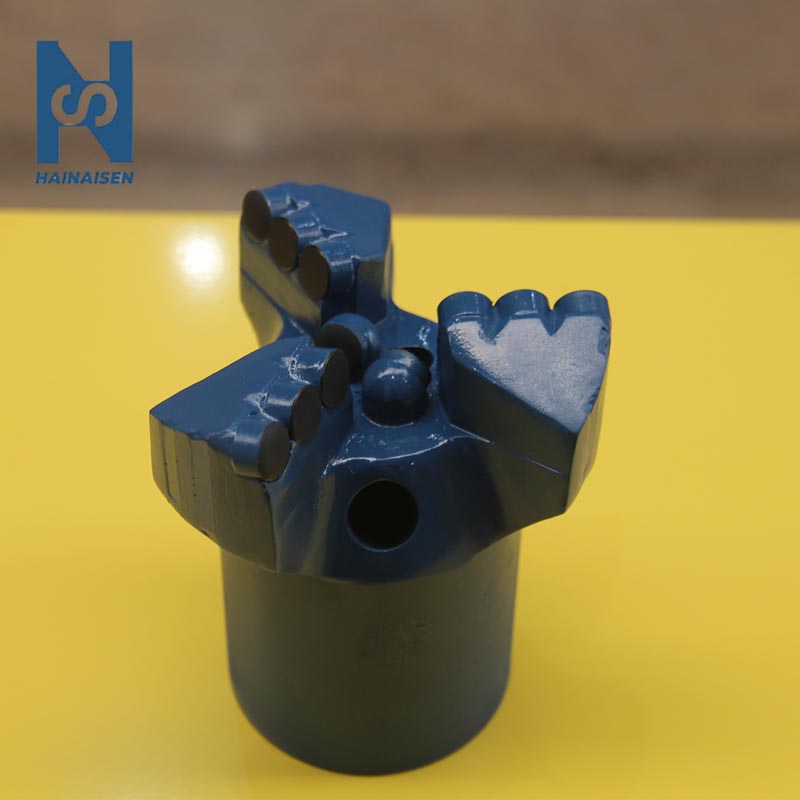
Picking the correct drill bit has a direct effect on how well you drill, how well you handle costs, and how well your job turns out. Combining polycrystalline diamond compact blades with advanced sintering methods, the 94mm PDC Flat Top Sintered Drill Bit is a big step forward in drilling technology. It works better in tough situations. This diameter is perfect for oil and gas extraction, mining, and water well projects because it strikes the perfect mix between penetration depth and operating stability. When purchasing managers and technical experts look at drill bits, they need to know how PDC flat top sintered technology cuts down on downtime, lowers the total cost of ownership, and raises penetration rates in order to make smart choices that improve project outcomes and profits.
Understanding the 94mm PDC Flat Top Sintered Drill Bit
What Makes PDC Sintering Technology Different
Through high-temperature and high-pressure sintering methods that bond tiny diamond particles to a tungsten carbide substrate, polycrystalline diamond compact technology changes the way holes can be drilled. This way of making things makes tools with very high hardness ratings—above 8,000 on the Vickers scale—that are much harder than regular carbide options. The sintering process gets rid of the structural flaws in regular bits, making the material properties the same all the way through the cutter structure. The 94mm diameter standard gives the best drilling sizes for medium-depth uses while keeping the structure strong during long operations.
Operating Principles and Rock Interaction
Instead of grinding, which is how roller cone options work, PDC Bits work by shearing. Diamond cutters cut through rock layers with little energy loss by engaging formation surfaces at exact angles. When compared to impact-based drilling methods, this shearing process produces less heat and pressure. This means that parts last longer and require less upkeep. The flat top design spreads the cutting forces evenly across the bit face. This keeps individual cutters from wearing out too quickly and keeps the performance of the 94mm PDC Flat Top Sintered Drill Bit uniform over its entire useful life.
Key Technical Features
The way sintered PDC drill bits are made gives them several technical benefits that directly affect how well they work in the field:
The tungsten carbide core body gives the structure a lot of strength and doesn't bend easily when high torque conditions are present, which is common in hard rock formations. Modern binder materials make these bits more resistant to heat, so they can keep cutting well in places that are hotter than 200 degrees Celsius. Specialized surface coats make the bit and formation materials slide against each other less, which lowers the amount of heat produced while increasing the rate at which the cutter penetrates. The best placement of the cutter is based on computational fluid dynamics modeling to get rid of as much debris as possible and stop the formation of cutter balls, which hurts the cutting process. Together, these technical features make it possible to measure improvements in drilling measures in a wide range of geological conditions.
Advantages of Using a 94mm PDC Flat Top Sintered Drill Bit in Drilling
Performance Improvements in Field Operations
When drilling in similar rocks, using 94mm PDC Flat Top Sintered Drill Bit units always results in 40–60% higher penetration rates than using standard roller cone bits. The constant cutting action keeps moving forward through different thicknesses of rock without the irregular contact patterns that come with other bit technologies. Because of this constant performance, project timelines are shortened and rig time costs are lowered, both of which are high costs in drilling budgets.
Extended Operational Lifespan and Cost Reduction
Bit life tests that show longer bit life show that the sintered PDC design is more durable. Independent field studies show that these bits can work for 300 to 500 hours in medium-hardness rocks before they need to be replaced. This is compared to only 80 to 150 hours for standard carbide bits. Because the bits last longer, they don't have to be changed as often, which cuts down on non-productive time that can make up 20 to 30 percent of the total drilling time. Less frequent replacement also makes it easier for drilling companies to manage multiple busy sites and lowers the costs of keeping supplies on hand.
Versatility Across Industrial Applications
The 94mm PDC flat top sintered bits can be used in a wide range of drilling situations, including:
- Oil and gas companies use these bits for directed drilling in shale rocks, where a stable torque response is important for staying on track with planned well paths.
- Coal mine companies gain from being able to move ventilation shafts through layers of sediment quickly.
- Geothermal projects use qualities that keep the ground stable when cutting through high-temperature zones on their way to reservoir depths.
- Water well contractors like how cost-effective it is to drill production wells in consolidated sands, where faster digging directly leads to higher project profits.
- Construction uses the expected performance traits when placing foundation anchor systems in areas with changing ground conditions.
These different uses show how a single bit design can meet the needs of many different industries, making buying easier and making sure that all of the right tools is on hand.
Comparing the 94mm PDC Flat Top Sintered Drill Bit with Other Drill Bit Types
Material and Construction Differences
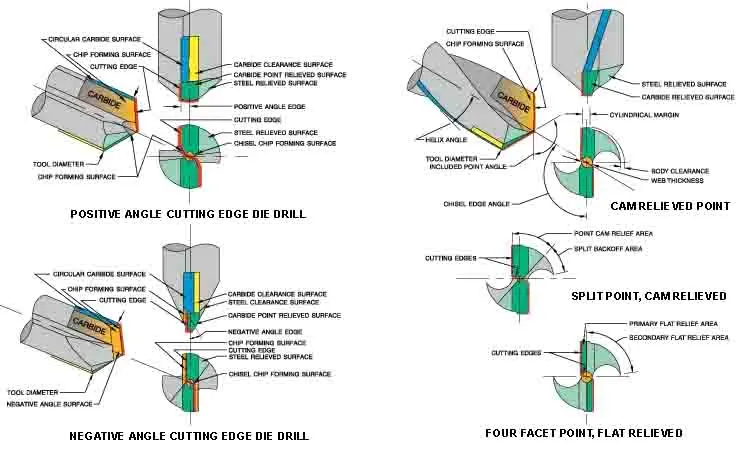
Tungsten carbide insert bits depend on cutting elements that are physically connected and can come loose under high pressure, especially in fractured formations with empty spaces. PDC matrix body bits use strong metal powders, but not as strong as cemented options made of pure tungsten carbide. Roller cone bits have moving parts with bearings and seals that add failure points that fixed-cutter PDC systems don't have. High-quality PDC bits are made by sintered construction, which gets rid of contact flaws between the cutting elements and the bit body. This makes a single, solid structure that doesn't allow cracks to spread.
Formation-Specific Performance Considerations
For PDC bits to work at their best, they should be used in soft to medium rocks with compressive forces below 150 MPa. Sandstones, siltstones, and soft limestone are easily cut by the cutting action, which doesn't cause as much wear as it does in very rough rocks. Formations that are moderately hard and have less than 40% quartz content are still within the best working limits for PDC technology. For very hard or rough materials, mixed designs with both PDC and tungsten carbide parts, including flat top drill bit configurations, may be needed to find the right balance between cutting speed and wear rates.
Procurement Decision Factors
When buying, managers look at different suppliers; they should check how well they can make things, such as how precise the CNC machines are, how well they follow quality control standards, and how well they test things. Well-known companies give thorough performance data from field tests that show how bits work in different types of formations. Depending on how harsh the application is, warranties that show the Manufacturer's trust usually last between 30 and 90 days. A supplier's name in a certain industry can tell you a lot about the quality of their after-sales support and how easy it is to get professional help. When setting prices, they should take into account not only the initial purchase price but also the total cost per meter drilled. This is because expensive bits often have lower operating costs. After all, they last longer.
Best Practices for Procurement and Maintenance
Selecting Reliable Manufacturing Partners
Strategies for buying things should give more weight to sellers who can show that they have quality management systems that can be checked. This includes ISO 9001 certification and written inspection processes. The fact that manufacturing sites have five-axis machining centers and computer-aided design tools shows how advanced the technology needs to be in order to make precise bits. Companies with specialized research and development teams can offer customization services that are based on the unique features of the formation and the operational factors of your projects. Direct contact with engineering staff lets you have technical conversations about drilling problems and how to make bit specs work best.
Ensuring Product Authenticity and Supply Chain Reliability
Genuine 94mm PDC Flat Top Sintered Drill Bit units are consistently made with high standards of precision in cutting alignment, brazed joint integrity, and surface finish. Suppliers you can trust will give you material Certifications that list the quality grades of diamond cutters and the exact composition of tungsten carbide. Logistics networks that have been in place for a while make sure that both regular orders and emergency replacements get delivered on time. When coordinating large orders across various drilling sites, international shipping knowledge is important. This is because you need to know how to handle customs paperwork and combine shipments.
Maintenance Protocols for Maximizing Bit Life
When diamond cutters are transported properly, they don't get damaged by impacts that make them less useful for cutting. Before deploying, pre-run tests should check the cutter's security, the gaps around the nozzle, and the state of the connection threads. To keep things from wearing out too quickly, operational factors like bit weight, spinning speed, and fluid flow rates must stay within the manufacturer's guidelines. After a run, studies that record wear trends help make changes to the drilling settings for the next operation. When too much shaking or torque changes are detected, they need to be taken off right away. This stops catastrophic failures that leave bits broken beyond repair. Even though these upkeep steps are simple, they greatly increase the life of an asset and boost its return on investment.
Understanding Pricing and Warranty Structures
Prices that are clear show how much it costs to make something, how good the materials are, and how much the seller charges for waste. There are no surprises when the order is delivered. Discounts for buying in bulk should be in line with industry norms and should be between 10 and 25 percent, based on the size of the order. Warranty terms that cover problems with the way the product was made give you options for fixing early failures that aren't caused by improper use. International business-to-business deals need clear payment terms, decisions on currencies, and processes for paperwork that make cross-border trade go smoothly and protect everyone's interests.
Conclusion
Using 94mm PDC Flat Top Sintered Drill Bit units is a business choice that affects how well they work, how much they cost, and how long projects take in many different fields. The 94mm width standard gives you a wide range of options for how it works, so it can be used in oil and gas, mining, and developing water wells. Better wear resistance, higher penetration rates, and longer operating life all save money and make the original investment worthwhile. When procurement pros work with well-known makers that offer strict quality control, the ability to customize products, and dependable support services, they can get drilling solutions that meet strict performance standards while staying within their budget. The industry is still adopting sintered PDC building because it has technical benefits, and users know that these bits will be useful in the long run.
FAQ
Q1: What are the most important things that affect how well a PDC bit works in the field?
The features of the formation, such as its compressive strength, abrasiveness, and structural stability, have a direct effect on how well and how quickly bits wear out. To get the best performance, operational factors like bit weight, rotational speed, and hydraulic flow must match up with the qualities of the formation. For best results, the bit's design should meet the expected drilling conditions in terms of cutter size, cutter density, and hydraulic nozzle setup.
Q2: How long do you think a 94mm PDC flat top sintered drill bit will work in normal situations?
The operational lifespan depends on the hardness, abrasiveness, and drilling factors of the formation. In medium-hardness sedimentary formations, the usual performance ranges from 200 to 500 hours. Bits may last longer than 500 hours in softer forms, but they will last less time in harder or more abrasive circumstances. Following recommended working settings and doing proper maintenance has a big effect on how long something actually lasts in the field.
Q3: Are there ways to customise the drills to meet specific needs?
Manufacturers with a lot of experience can offer full customization services that take into account unique formation features, well profiles, and operational limitations. Engineering teams work with clients to change cutting setups, gauge lengths, and hydraulic designs that are best for each project's requirements. This makes sure that the machines are as cost-effective and reliable as possible.
Partner with HNS for Superior Drilling Solutions
Shaanxi Hainaisen Petroleum Technology Co., Ltd. stands as your trusted 94mm PDC Flat Top Sintered Drill Bit manufacturer, combining advanced manufacturing capabilities with dedicated customer support. Our 3,500-square-meter facility houses state-of-the-art five-axis machining centers and precision CNC equipment that produce drill bits meeting the most demanding quality standards. Since 2013, we have served oil and gas companies, mining operations, and drilling contractors worldwide, earning recognition for product reliability and technical expertise. Our experienced engineering team provides customization services tailored to your specific geological conditions and operational requirements, ensuring optimal performance across diverse applications. Whether you need a reliable 94mm PDC Flat Top Sintered Drill Bit supplier for ongoing projects or seek technical consultation for challenging formations, HNS delivers comprehensive solutions backed by rigorous quality control and competitive pricing. Contact our team at hainaisen@hnsdrillbit.com to discuss your drilling requirements and request detailed technical specifications that demonstrate how our products enhance your operational efficiency.
References
1. Bellin, F., Dourfaye, A., King, W., & Thigpen, M. (2010). "The Current State of PDC Bit Technology." World Oil Magazine, 231(9), 41-46.
2. Glowka, D. A. (1989). "Use of Single-Cutter Data in the Analysis of PDC Bit Designs: Part 1—Development of a PDC Cutting Force Model." Journal of Petroleum Technology, 41(8), 797-799.
3. Durrand, C. J., Skeem, M. R., & Hall, D. R. (2011). "Thick PDC Cutters for Hard Rock Drilling: A Review of Recent Developments." Journal of Petroleum Science and Engineering, 75(3-4), 270-274.
4. Sinor, L. A., & Warren, T. M. (1989). "Drag Bit Wear Model." SPE Drilling Engineering, 4(2), 128-136.
5. Clayton, R., Chen, S., & Lefort, G. (2004). "New Bit Design, Cutter Technology Extend PDC Applications to Hard Rock Drilling." Oil and Gas Journal, 102(21), 56-59.
6. Winters, W. J., Warren, T. M., & Onyia, E. C. (1987). "Roller Bit Model with Rock Ductility and Cone Offset." SPE Annual Technical Conference Proceedings, Paper SPE 16696, 295-310.
 VIEW MORE3 Blades Steel Body PDC Bit
logo 1_1777361260784.jpg) VIEW MOREFour Wing Arc Angle PDC Drill Bit
VIEW MOREFour Wing Arc Angle PDC Drill Bit VIEW MOREPolycrystalline Diamond Compact Drill Bits
 VIEW MOREForging Deep Rock Well Drilling Bits
 VIEW MORE30mm Half Blade Anchor Bit For Mine Coal Fields
 VIEW MOREHard Alloy Roller Drill Bit
 VIEW MOREThree Blade Oil Drill Bit
 VIEW MOREHard Alloy Scraper Drill Bit
