







Understanding ISO Quality Standards in Drill Bit Manufacturing
ISO quality standards are the foundation of making drill bits that you can trust. They make sure that drill bits like the Three-Blade PDC Tricone Drill Bit meet high standards for safety, performance, and durability. These well-known systems, like ISO 9001, ISO 10423, and ISO 15156, spell out important details like what materials are used, how they should be made, and how they should be tested. ISO certification takes away the guesswork for procurement managers and technical experts when they choose drilling tools for oil research, coal mining, or water well work. In this way, it is guaranteed that the bits will work consistently even in harsh natural conditions. When buyers know about these standards, they can make smart choices that cut down on operating downtime and increase their return on investment.
The Role of ISO Quality Standards in Drill Bit Manufacturing
Establishing Benchmarks for Consistency and Safety
ISO standards set the same quality standards for all production around the world. ISO 9001 is all about quality management systems and making sure that producers keep track of their processes, make improvements all the time, and make sure that they can be tracked throughout production. This is important when a drilling job needs several groups of drill bits to work the same way at different well sites.
ISO 10423 specifies requirements for wellheads and drilling tools, especially parts that hold pressure. Even though PDC Bits don't hold pressure, this standard affects the choice of material and the strength of connections, especially the API 3-1/2 REG.PIN connections that connect bits to drill strings. According to ISO 15156, certain materials are meant to be used in sour service areas where hydrogen sulphide is found. Even though H2S doesn't always come up in drilling, companies that follow these standards show that they are dedicated to strict quality control.
Material Quality and Production Tolerances
Material quality managed by ISO standards is often the cause of the difference between a drill bit that lasts 120 feet and one that breaks after 50 feet. When there is a lot of twisting stress and weight-on-bit pressure, high-strength steel bodies don't bend. When advanced PDC cuts are joined using ISO-compliant methods, the diamonds stay intact even when they are ground through rough quartz rocks.
ISO frames for production standards make sure that a 6-inch (152.4 mm) bit stays the same size. A difference of just 0.5 mm in blade height or cutter placement can cause cutting forces to be uneven, which speeds up wear and lowers penetration rates. 5-axis machining centers and CNC machine tools are used in factories like HNS's 3,500m² workshop to make sure that these standards are met regularly in every production run.
Performance Testing and Risk Mitigation
Before they are used in the field, drill bits are tested according to ISO standards to make sure they work as promised. Manufacturers put examples through conditions that are similar to drills to test their penetration rates, tool wear patterns, and the strength of the structure under long-term pressure. These tests prove that a drill bit with 61 13mm PDC cuts will work reliably when digging coal seams through sandstone or oil wells through shale.
This way of lowering risk is very helpful for medium and large-sized oil service companies that have strict standards for who can work there. A well-documented ISO certification package with material Certifications, dimensional inspection records, and performance test data, including for PDC diamond bit products, cuts down on the time needed for evaluation and boosts trust for long-term relationships.
Three-Blade PDC Tricone Drill Bits: Design and Performance under ISO Standards
Optimized Blade Geometry and Cutter Placement
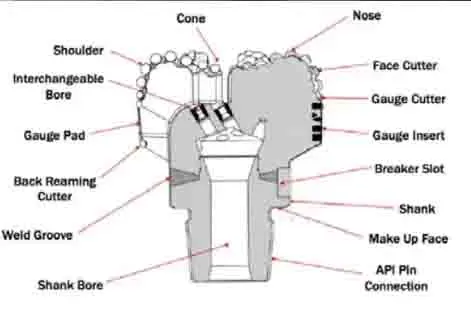
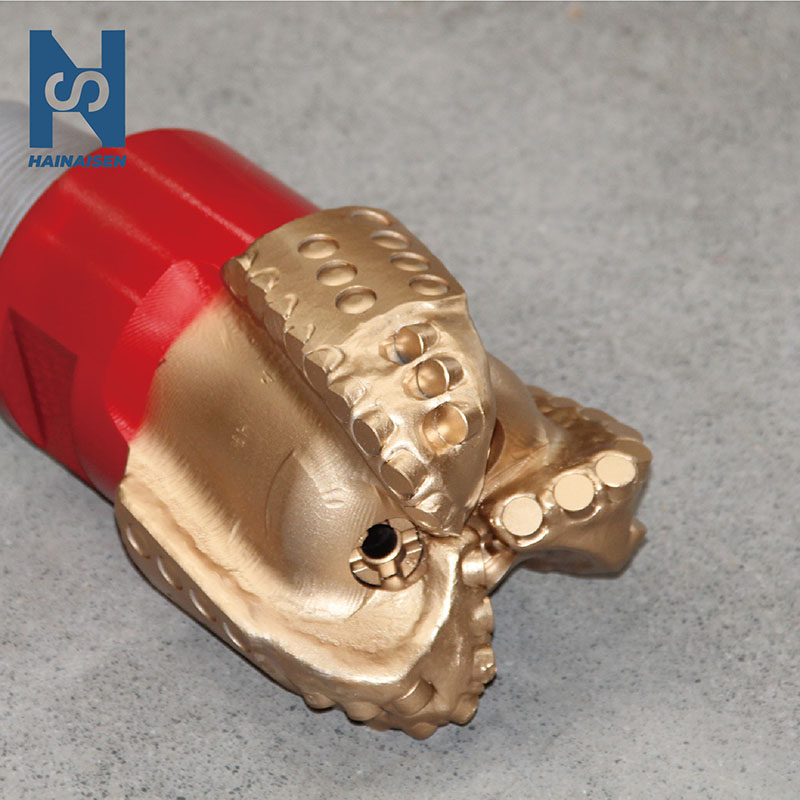
The three-blade arrangement was chosen on purpose by engineers and has been proven to work by ISO testing standards. Each blade goes from the bit's centre (crown) to its outside diameter (gauge), making 120-degree gaps that keep cutting forces even. This shape equally spreads the weight across 61 carefully placed 13mm PDC cutters, stopping the buildup of stress that leads to early failures.
There are wide gaps between the three blades that make it easy for debris to flow away. When drilling through granite or quartzite, rock chips need to get out of the cutting zone quickly. If they don't, they get stuck and act like rough grit, slowing down the drilling process. The ISO material hardness standards make sure that the matrix body around these gullies doesn't get worn down by moving garbage and keeps its structural integrity.
Drilling Mechanics and Penetration Efficiency
When you know how three-blade bits cut, you can see why they are so good at difficult shapes. Each PDC cutter cuts rock rather than breaking it as it turns under weight, as roller cone bits do. The three-blade design makes the slicing action work better by focusing the cutting force and keeping the blade stable. A four-blade bit spreads the same amount of weight over more cutting areas, which can make each cutter less effective.
This focused cutting action, along with good debris removal, leads to an increase in the rate of entry. The IADC S433 classification says that this bit can work in soft to medium formations, but the matrix body construction and high-quality cutters mean that it can also work in harder rock than similar steel-body designs. When conditions are right for the bit's design parameters, operators report penetration rates that are 30 to 47 percent faster than with less optimized setups.
ISO-Compliant Maintenance for Extended Bit Life
Following the rules for proper maintenance set by ISO greatly increases the life of an activity. Checking the 61 PDC cuts for chips or cracks before each launch keeps small problems from leading to bigger problems downhole. Even small damage to 10% of the cutters lowers the total performance and causes vibrations that wear out cutters that aren't harmed as quickly.
High-pressure water flowing through the three nozzles after drilling gets rid of caked-on debris in ditches and cutter pockets. With a 220mm bit height and a 65mm gauge length, there is a lot of space for rock flour to build up. Cleaning the cutters well before putting them away stops rust and makes sure they sit correctly for the next run. Putting anti-corrosion chemicals on the bit body adds another layer of protection, especially for businesses that keep a lot of bits on hand.
Comparison and Selection Criteria for PDC Tricone Drill Bits under ISO Guidelines
Three-Blade versus Four-Blade Configurations
Whether to use three or four blades relies on the type of group and the priority of operations. Three-blade designs work best in rough, hard areas where getting rid of garbage is important. The bigger gullies can handle more cuts without getting clogged, so penetration rates stay the same as rock hardness rises. Four-blade bits have more cutting surface area, which can be helpful in softer rock where it's easier to clear away the debris.
By standardizing speed metrics, ISO testing systems make it possible to compare things in an objective way. Bits are tested with the same rock samples, spinning speed, and weight on the bit. This gives information on the rate of penetration, the force needed, and the wear patterns. This real-world evidence takes the guesswork out of choosing who to hire. A coal mining company might choose three blades for the rough layers of sandstone interbeds, while a water well team drilling in limestone might choose four blades for faster entry in the softer rock.
Matrix Body versus Steel Body Construction
The choice of material has a big impact on how long bits last and how much they cost. Metal binders are mixed with tungsten carbide powder in matrix body bits like HNS's three-blade PDC design. This makes a hybrid that is stronger than steel and less likely to wear down. This means that in granite or quartz-rich rocks, it will last 50% longer than steel-body options. The 22 kg weight shows how dense this long-lasting building is.
Steel-body bits are cheaper to buy at first and work best in softer rock where wear isn't a problem. Total cost of ownership estimates, on the other hand, tend to favour matrix forms. Fewer bit changes mean less tripping time, which is the time it takes to lift the whole drill string to the top, change the bits, and then lower it back down. One less trip can make up for the price difference between steel and matrix building for a 500-foot well.
Evaluating Manufacturer Credibility through ISO Certification
Managers in charge of buying things use ISO certification to check out possible sellers. If a company says they are good at what they do but doesn't have proof of ISO 9001 approval, that makes you wonder about their process control and stability. Can they promise that the quality of the hundredth PDC diamond bit will be the same as the quality of the first? Consistency is hard to achieve without quality control methods that are audited by a third party.
Customer case studies from ISO-certified makers are another way to prove it. When a geological research team reports a 120-foot bit life compared to the average of 80 feet in the business, this information from the real world goes along with the lab tests. Technical experts can connect certain design elements, like the S433's cutter layout or nozzle placement, to better performance in the forms they're trying to work on.
Procurement and Supply Chain Considerations for ISO-Certified Three-Blade PDC Tricone Drill Bits
Navigating Authorized Distributors and Supply Chain Security
When buying specialized drilling tools around the world, it's important to keep the supply chain honest. Authorized wholesalers of ISO-certified makers offer traceable product provenance, which means they provide proof that every bit meets standards from the raw materials to the final review. This is important when following the rules or making guarantee claims, which depend on proving the history of the product's production.
Supply chain security also looks at how reliable deliveries are. When a drilling contractor goes to a remote spot, they need to know that the bits they bought will arrive on time. This risk is lower for well-known makers with multiple ways to get their products to customers. HNS has been in business since 2013 and has its own production facilities. It keeps enough supplies on hand to handle both quick-turn orders and planned bulk exports for big projects.
Warranty Coverage and Post-Sale Support
By setting clear performance standards, ISO approval guarantees stronger terms. When a company promises bits will work at a certain penetration rate or for a certain number of hours, ISO paperwork is used to check if they are following the rules. If a bit fails too soon, approved testing records can help figure out whether it was a problem with the way it was made or how it was used in the field.
When performance problems happen, after-sales expert help is very important. Did the bit not work as well as it should have because the weight settings were off, the drilling mud wasn't appropriate, or there was a problem with the way it was made? Companies like HNS have teams for custom bit creation where engineers can look at drilling parameters and suggest changes. Large and medium-sized oil service businesses value long-term ties like this technical partnership that goes beyond the first sale.
Bulk Pricing and Total Cost Evaluation
Teams digging water wells that want to get the best deal on bits should look at the total cost of drilling instead of just the bit price. Cost-per-foot goes down by a huge amount with an ISO-certified three-blade PDC bit that drills 30% faster and lasts twice as long. When you buy 50 or 100 bits in bulk for ongoing activities, you can get volume savings and make sure you have enough stock.
Standardization under ISO helps with talks for big sales. Specific ISO standards are used in technical requirements instead of general words like "high quality" or "durable construction." This level of detail avoids disagreements and makes sure everyone knows what is expected of them. Terms of payment, release dates, and acceptance standards can all be linked to ISO-compliant parameters that can be measured.
Future Trends and Innovations in Drill Bit Manufacturing with ISO Quality Focus
Advanced Materials and Precision Engineering
The technology behind PDC cutters keeps getting better. Companies are making diamond materials that are better at resisting damage from heat and pressure than older generations. Computer modelling is now used in bit designs to find the best places for cutters to fit within fractions of a millimetre. For these new technologies to work, ISO testing guidelines need to be updated so that they can measure performance traits that weren't possible ten years ago.
With precision industrial tools, tolerances can be made smaller and shapes can be more complicated. Modern factories, like HNS's production line, use 5-axis machining centers that can make blade shapes and cutter pockets that can't be made with traditional mills. These features let you make the bit fit your needs, like how a coal bed methane bit is optimized differently than a geothermal drilling bit, even though they both have Three-Blade PDC Tricone Drill Bit designs.
IoT Integration and Smart Manufacturing
Internet of Things sensors in industrial instruments provide real-time quality checks. CNC machines monitor tool wear, temperature fluctuations, and measurement accuracy to detect issues before they produce substandard parts. This process control meets ISO 9001's continuous growth goals and eliminates errors.
Smart manufacturing generates data to enhance designs. By connecting hundreds of field performance data points to production characteristics, engineers may determine which variables most affect life or penetration efficiency. This proof-based cycle of improvement accelerates innovation while maintaining ISO certification homogeneity.
Sustainability and Environmental Compliance
The ISO system is shifting to emphasize responsible resource exploitation. New standards consider how goods influence the globe from raw materials to recycling. As global rules tighten, manufacturers who adopt these approaches stand out.
Longer-lasting bits consume less material and produce less garbage for cutting operations. A matrix body three-blade PDC bit that lasts 150 feet instead of 100 feet requires one-third fewer bits to make, transfer, and discard. This pace combines environmental care with profit, which is fantastic for future-focused buying managers.
Conclusion
ISO quality standards turn buying drill bits from a guessing game into a science-based process. The standards for material quality, production limits, and performance tests make sure that Three-Blade PDC Tricone Drill Bits always work well in coal mines, oil fields, and water well projects. Technical engineers and buying managers can choose tools that meet their geographic needs and their budgets if they know about these standards. As manufacturing technology improves, ISO approval will continue to be the basis that sets trustworthy providers apart from less certain options. When companies put ISO compliance at the top of their procurement strategies, they set themselves up for business success through less downtime, predictable performance, and relationships with companies that are committed to measurable greatness.
FAQ
Q1: What ISO standards apply to PDC drill bit manufacturing?
ISO 9001 establishes quality management system requirements covering documentation, process control, and continuous improvement. ISO 10423 addresses specifications for wellhead equipment, including connection integrity relevant to API pin connections. ISO 15156 covers material selection for sour service environments containing hydrogen sulphide. These standards collectively ensure manufacturing consistency, material quality, and performance reliability across diverse drilling applications. Manufacturers displaying current ISO certifications from accredited auditors demonstrate commitment to these internationally recognized benchmarks.
Q2: How does blade count affect PDC bit performance in different formations?
Three-blade PDC bits optimize debris evacuation through wider gullies between blades, making them effective in abrasive, hard formations where cuttings management prevents clogging and maintains penetration rates. Four-blade designs offer more cutting surface area, sometimes advantageous in softer rock where debris volume is lower. Formation abrasiveness, hardness, and drilling parameters should guide selection. ISO testing provides objective performance comparisons under standardized conditions, helping match bit configurations to specific geological scenarios.
Partner with HNS for ISO-Certified Three-Blade PDC Tricone Drill Bit Solutions
HNS has been helping people buy cutting tools for more than ten years. Our Three-Blade PDC Tricone Drill Bit designs are made in our 3,500m² building using modern 5-axis machining centers that make sure every unit is made to exact specifications. Our technical team makes solutions that fit your needs, whether you're a big oil service company that needs a lot of licensing paperwork or a water well-digging team that just wants reliable work at a good price. As a well-known company that makes Three-Blade PDC Tricone Drill Bits, we keep them in stock so that we can send them quickly. Our custom design department also makes special combinations for specific uses. Talk to hainaisen@hnsdrillbit.com about how our ISO-certified products and tech support after the sale can help you get the most out of your drilling activities.
References
1. American Petroleum Institute. (2018). Specification for Wellhead and Christmas Tree Equipment. API Specification 6A, 21st Edition.
2. International Organization for Standardization. (2015). Quality Management Systems—Requirements. ISO 9001:2015 Standard.
3. Mitchell, R. F., & Miska, S. Z. (2011). Fundamentals of Drilling Engineering. Society of Petroleum Engineers Textbook Series Vol. 12.
4. Warren, T. M. (2013). PDC Bit Technology: Past, Present, and Future. Journal of Petroleum Technology, 65(8), 34-46.
5. International Organization for Standardization. (2020). Petroleum and Natural Gas Industries—Materials for Use in H2S-Containing Environments. ISO 15156 Parts 1-3.
6. Bellin, F., & Doiron, H. H. (2016). Drill Bit Selection and Optimization in Mining Operations. International Journal of Mining Engineering, 28(3), 112-129.
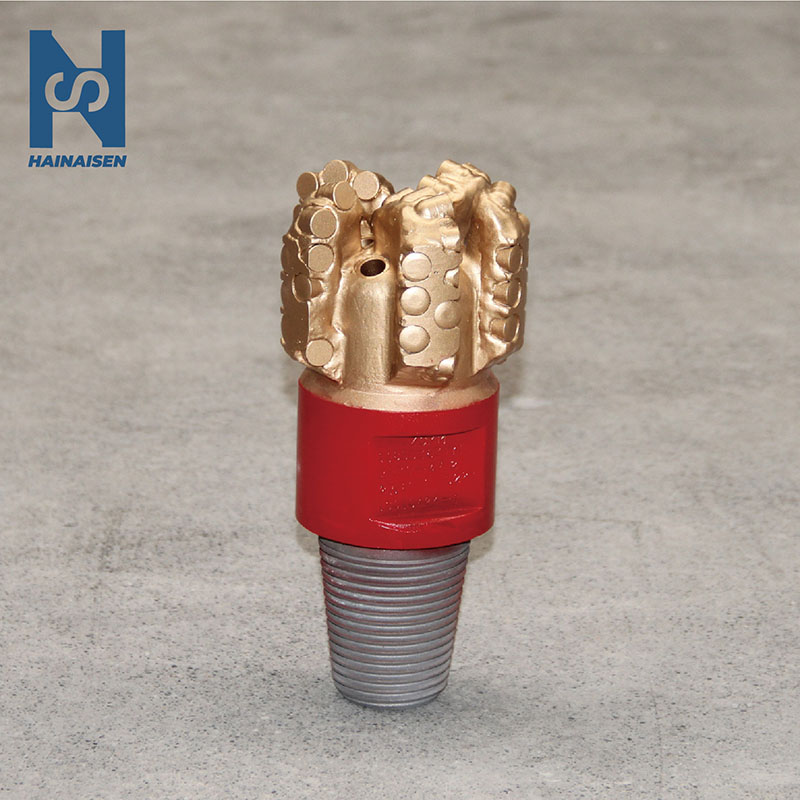 VIEW MOREHigh Performance 5 Cutter PDC Bit
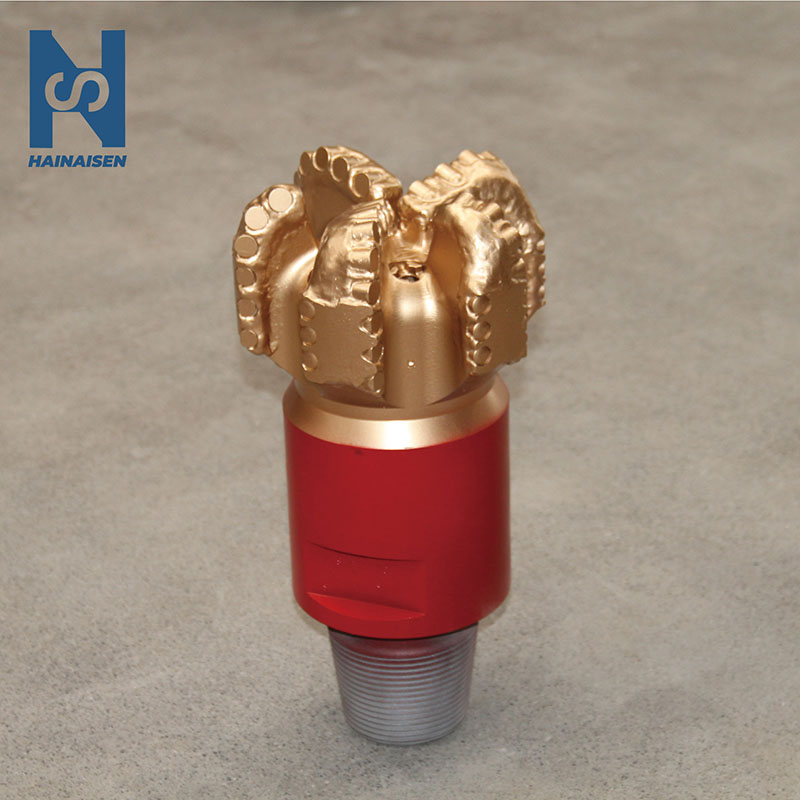 VIEW MOREFive Wing PDC Bit For Hard Rock Drilling
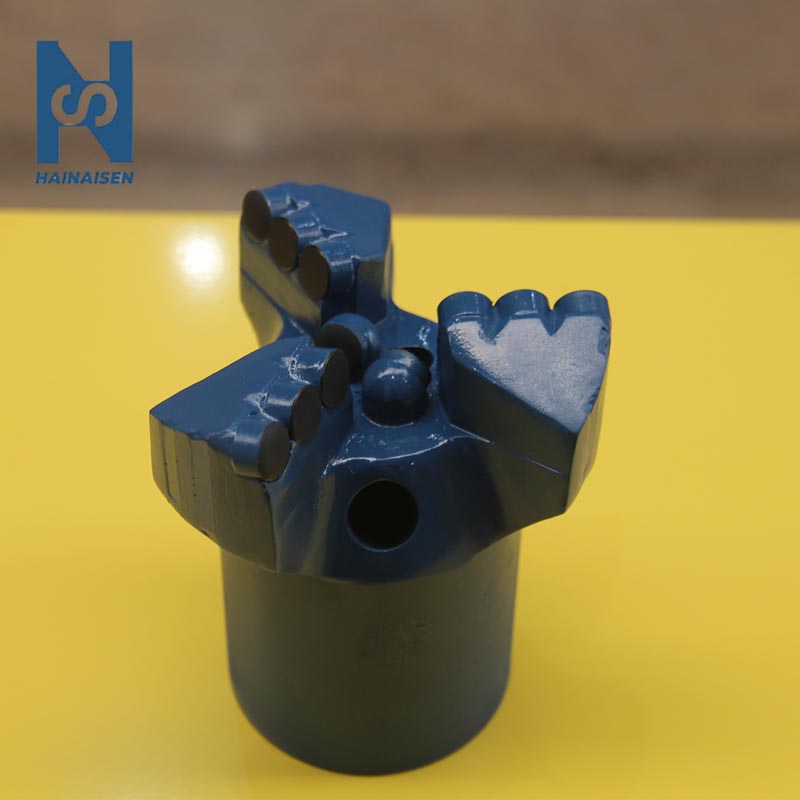 VIEW MORE3 Blades Steel Body PDC Bit
logo 1_1777361260784.jpg) VIEW MOREFour Wing Arc Angle PDC Drill Bit
VIEW MOREFour Wing Arc Angle PDC Drill Bit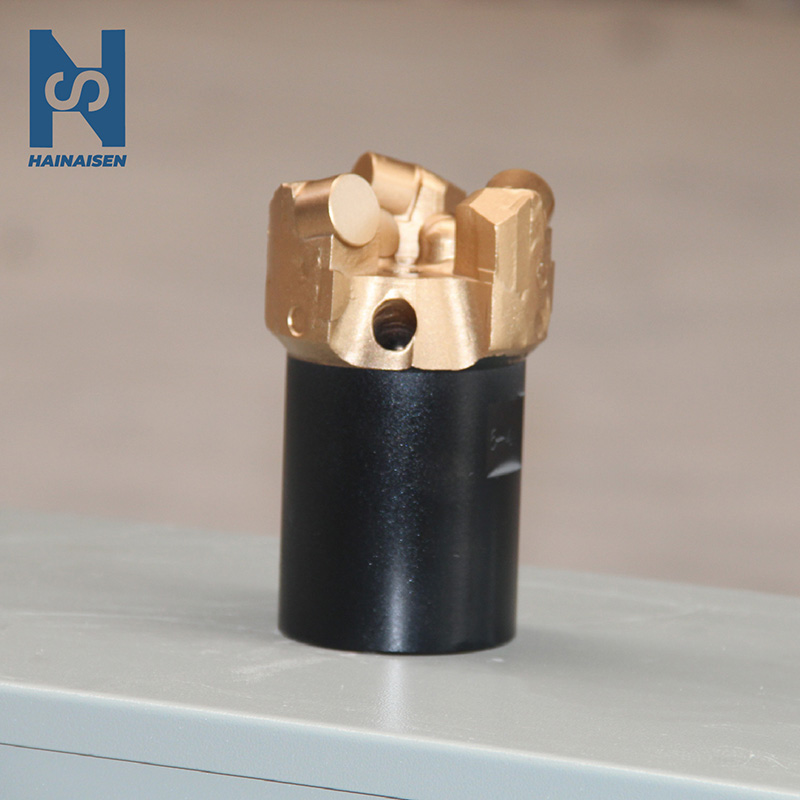 VIEW MORECoal Mining Use Diamond Drill Bit
 VIEW MOREFive Blade Wing Oil Drilling
 VIEW MOREThree Blade Oil Drill Bit
 VIEW MOREFour Blade Wing High Performance Petroleum Drill Bit
