







Key Features of PDC Flat Top Sintered Drill Bits
PDC flat top sintered drill bits represent a breakthrough in industrial drilling technology because they use advanced sintering manufacturing methods along with polycrystalline diamond cutters. The 94mm PDC flat top sintered drill bit is unique because it has great wear resistance, better temperature stability, and the best cutting efficiency for tough jobs. With its exact high-temperature sintering that joins the tungsten carbide matrix to the PDC cutters, this bit configuration works well in oil and gas, mining, and geological research projects that need dependability.
Introduction
Today's drilling activities need tools that can consistently work in harsh conditions like high temperatures, high pressures, and rough rock forms. The 94mm PDC flat top sintered drill bit takes these problems head-on and is a very useful tool for purchasing managers and technical experts in the mining, oil and gas, and water well drilling industries. This diameter standard strikes the perfect balance between cutting surface area and operating flexibility. This makes it especially useful for medium- to large-scale projects.
As cutting technologies improve, the sintered building method has become a popular choice instead of brazed bits because it provides better bonding strength and thermal performance. This guide breaks down the technology benefits, use cases, and buying factors that you need to know in order to make smart buying choices. Whether you're in charge of operations for large oil service companies that need strict quality Certifications or water well drilling teams that put cost-effectiveness first, knowing these key features will help you choose equipment that fits your operating goals.
The parts that follow break down everything from how things are made to how they work in the real world. This gives you the information you need to confidently evaluate suppliers and specs.
Understanding the 94mm PDC Flat Top Sintered Drill Bit
What Defines Sintered PDC Drill Bit Construction
Because of how they are made, sintered drill bits are basically different from brazed ones. During sintering, tungsten carbide powder and PDC cutters are bonded together in special ovens under high pressure and high temperature. This makes the cutter and matrix body molecularly integrated, getting rid of the weak spots where cutters can come loose in brazed links when they are stressed. The structure that was made has better cutter retention and heat absorption, which are both important for long-lasting drilling performance.
Core Components and Specifications
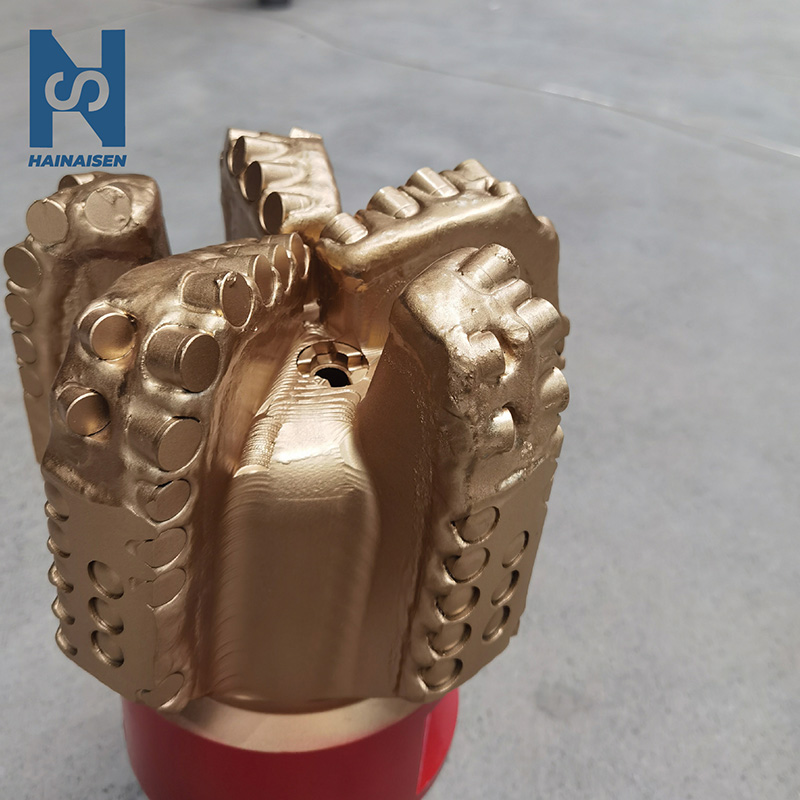
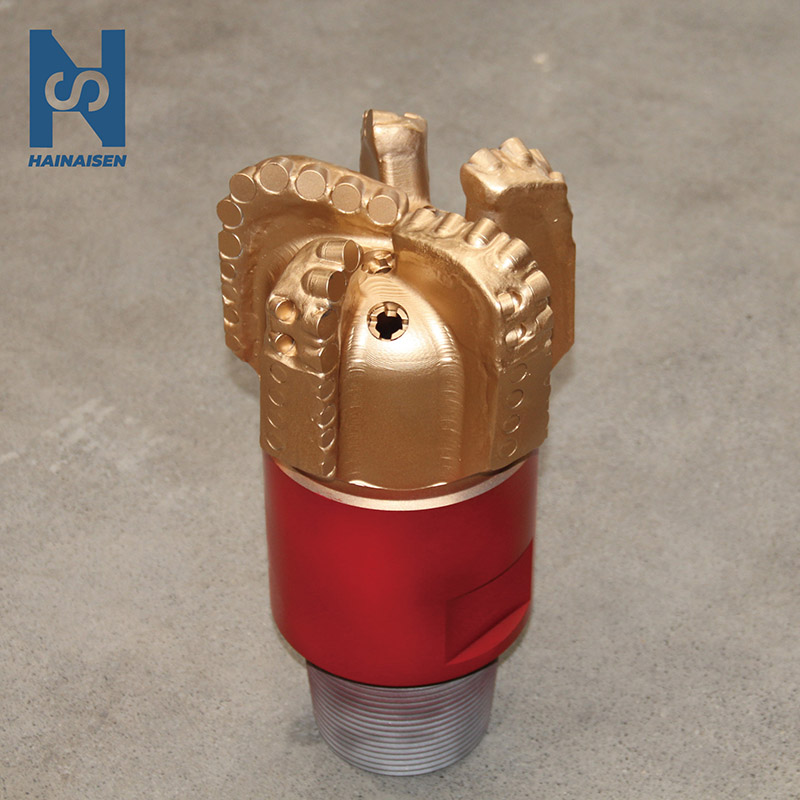
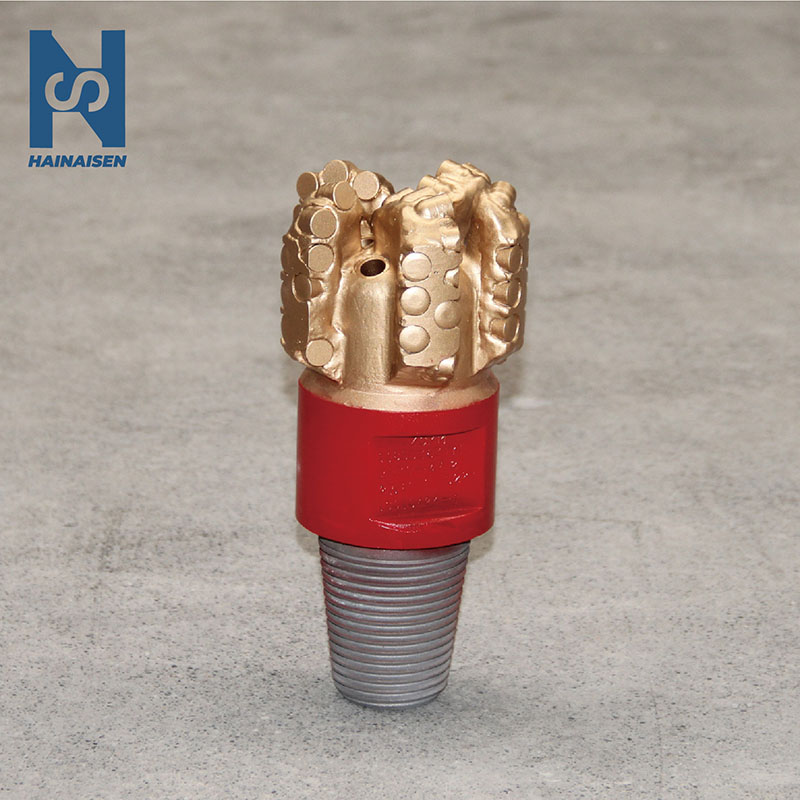
The 94mm PDC flat top sintered drill bit dimension refers to the overall cutting width of the bit, which is meant to make holes that can fit different casing sizes that are popular in exploration drilling. Each bit has PDC cutters carefully placed inside a tungsten carbide matrix body. The diameter of the cutters ranges from 13mm to 19mm, based on the hardness of the formation. The flat top shape makes a flat cutting face that spreads contact forces out evenly. This lowers vibration and makes the machine more stable in all directions while it's working.
The technical requirements include thread connections that meet API standards, gauge safety elements that keep the integrity of the borehole diameter, and junk slot shapes that are designed to get rid of pieces quickly. Together, these design features keep the bit from balling in sticky rock formations while keeping the cutting action strong in harder rock types.
How the Cutting Mechanism Engages Formations
The cutting action of PDC drill bits is different from the grinding action of roller cone bits. Under weight-on-bit pressure, the bit turns, and each cutter strikes the face of the formation, cutting away material through controlled breakage and shear. The flat top design makes sure that multiple cutters touch at the same time, providing a stable cutting base that reduces side forces and keeps the trajectory straight in directional drilling situations.
This way of working works best in sedimentary rocks, shale sequences, and medium-hard rock, where steady contact makes gauge boreholes that are smooth and have little torque variation.
Benefits and Applications of 94mm PDC Flat Top Sintered Drill Bits
There is more and more pressure on modern drilling projects to cut costs while still meeting safety and efficiency standards. The technical benefits of sintered PDC Bits directly deal with these operating problems by making performance better in ways that can be measured.
Durability and Operational Cost Reduction
The working life of sintered bits is much longer than that of normal bits. Field data from coal mines shows that these bits keep cutting efficiently through rocks where other technologies would need to change bits more than once. The chemical bonding between the cutters and the matrix stops the premature loss of cutters, which is the main way that brazed bits break when they are used in rough circumstances.
Longer bit life directly leads to less tripping time, which is the time spent doing nothing while pulling drill strings to change bits. Large oil service companies like this benefit a lot during deep well projects, where one trip can take 12 to 24 hours of rig time. Fewer bit changes mean lower well costs and a faster job finish.
Performance Across Diverse Drilling Scenarios
The versatility of flat top sintered bits makes them suitable for multiple industry applications:
Oil and gas exploration drilling benefits from the bit's constant penetration in interbedded strata of extremely varying rock hardness. Sintered structure is thermally robust and can withstand the heat buildup in deep, high-pressure wells used in shale gas extraction and offshore drilling.
Coal mining requires durable, inexpensive pieces. Long run times through coal beds and overburden materials make these parts affordable to mine. The typical purchase time in this industry allows for speedy sample testing and clearance.
Water well drilling crews like its simplicity and little maintenance. In smaller operations, the sturdy design can tolerate unfavourable conditions and function effectively in a range of water-bearing rocks.
Bits reach mechanical and thermal limitations in geothermal and hard rock mining. PDC cutters cut through crystalline and metamorphic rocks that wear out normal tungsten carbide bits fast because the solid matrix retains its form at high temperatures.
Comparison with Alternative Bit Geometries
Some specialised tasks work best with conical and dome-shaped PDC bits, but flat-top designs are better for general-purpose drilling. When digging production holes or getting wells ready for equipment installation, the uniform cutting face is important because it protects the gauge and improves the quality of the borehole. Vibration features stay more consistent even when the weight-on-bit parameters change. This makes it easier for field workers to optimise drilling parameters.
Performance and Durability Analysis
Factors Driving Cutting Efficiency
How cutter contact, back rake angle, and formation parameters interact affects penetration. Our sintered bits feature optimised cutter placement patterns from computer modelling and field testing. Load distribution, cuts flow patterns, and redundancy are considered at each cutter site to maintain performance as cutters wear out.
By precisely controlling matrix hardness, the sintering process can place harder materials in areas that will be worn down and tougher materials in areas that will be hit. This design makes operating windows larger, thus a single-bit design can function with more forms than uniform matrix compositions.
Thermal and Mechanical Durability Attributes
High temperatures degrade matrix links and destroy diamonds, making heat management difficult in PDC drilling. Sintered bits transfer heat better than brazed ones, removing more heat from cutting surfaces. Our production technique uses innovative adhesive compounds to increase heat stability. This keeps it operating when conventional flat top drill bit pieces would break from the heat.
The PDC cutters and tungsten carbide material provide abrasion resistance. Carbide-rich formulations prevent gauge sections and stems from erosive wear that causes undergauge holes and blockages in pipes. Impact resistance lets bits withstand irregular, harsh stringers and weight transfer shifts without breaking.
Maintenance Practices for Maximum Longevity
Care begins at the wellsite. Before using bits, check for shipping-related cutter or thread link damage. Monitoring drilling parameters throughout operations helps identify issues before they harm the bit. Sudden torque increases or entry rate decreases may indicate bit balling or cutter damage and require prompt care.
Thorough cleaning after each run removes formation fragments and drilling fluid that might disguise problems during examination. Wear patterns on cutters reveal a lot about the rock and help us pick offset well pieces. Technical specialists should examine them. Store items in protective enclosures to avoid damage between uses.
Procurement Guide: Choosing and Buying 94mm PDC Flat Top Sintered Drill Bits
Matching Bit Specifications to Project Requirements
Clear drilling goals are the first step to successful buying. Technical experts should write down the projected formation processes, the penetration rates they want, and any needs for directed drilling. Suppliers can then suggest the best tool sizes, counts, and hydraulic designs for your situation based on this knowledge.
Suppliers who keep their ISO 9001 certification and written quality control processes up to date are good for projects with strict quality standards. Large and medium-sized oil service businesses often need traceability paperwork, material certifications, and performance promises that smaller providers might not always be able to provide.
Evaluating Supplier Reliability and Capabilities
When choosing a supplier, the factors should include more than just the original price. The ability to Manufacture directly affects the consistency of the product. For example, facilities with CNC machining centres and automatic quality checking systems can make bits with tighter tolerances and more consistent performance. Companies that offer customisation services are very helpful for drilling in tough conditions where standard designs might not work as well as they should.
Established sellers show their dedication by having technology support teams that are quick to respond and fix problems in the field. Access to expert engineers for pre-drilling advice helps improve bit choice and operational factors, lowering the risk of performance problems that cost a lot of money.
Understanding Pricing Structures and Order Optimisation
The price of a bit depends on how much the materials cost, how hard it is to make, and how many are ordered. Costs are usually 15–25% lower when you buy in bulk than when you order a single unit. This makes combined buying appealing for projects with more than one well. Custom designs cost more to make, but they work better and last longer, so the extra money is usually worth it because they make drills more efficient.
Lead times depend on how busy the source is and how much customisation is needed. Standard setups may ship in two to four weeks, but special bits need six to eight weeks to plan, make, and quality test. Planning when to buy things around when to drill avoids expensive rig rest times while waiting for tools to arrive.
Why Trust Hainaisen for Your Drilling Tool Needs?
Since 2013, Shaanxi Hainaisen Petroleum Technology Co., Ltd. has built its name by always focusing on making products that are of the highest quality and making sure customers are happy. Our Xi'an facility is 3,500 square metres and has modern production workshops with 5-axis machining centres, CNC machine tools, and specialised welding production lines that keep the accuracy needed to make reliable PDC bits.
Advanced Manufacturing and Quality Assurance
Our sintering technology is the result of years of research and development, and it has been improved by thousands of production processes. We have strict quality control at every step of the manufacturing process. It starts with a close look at the raw materials to make sure they meet the standards for tungsten carbide particle size and PDC cutter grade. Computer-aided design models test bit geometries online before they are made in real life. This cuts down on development time and improves the quality of the design.
Before it is shipped, every bit goes through a lot of speed tests. As part of our quality standards, we check the dimensions, test key joints without damaging them, and make sure the cutter stays in place under virtual drilling loads. This level of care makes sure that the bits you receive will work as expected when they are used in your processes.
Customisation Capabilities for Specialised Applications
Our focused engineering team works closely with clients to create custom bit designs that solve their specific drilling problems. We turn practical needs into useful tool designs, whether you're drilling in rough rock that wears down standard bits too quickly or you need special hydraulic settings for drilling that isn't balanced.
This customisation goes beyond mathematics and includes choosing the right material, making sure the cutter grade is perfect, and adding protection coatings that make the machine last longer. Technical workers are willing to make changes to plans based on feedback from users in the field. This way, we can keep improving solutions for difficult problems.
Materials and Construction Excellence
The efficiency of bits is built around premium polycrystalline diamond compact cutters. We buy PDC from reputable companies that meet strict quality standards for the size of the diamond particles, the amount of cobalt they contain, and how stable they are at high temperatures. The tungsten carbide matrix bodies have carefully controlled carbide-to-binder ratios that are best for balancing hardness and wear resistance, including in flat top drill bit designs.
When finished bits are coated with special materials, they are better protected against drilling fluids that are acidic and rocks that are rough. These surface processes make things last longer without affecting the accuracy of measurements that are needed for good downhole operation.
Proven Success in Demanding Markets
Our ties with clients in North America and Europe show that we can meet the high standards that these areas require. Oil service businesses like how quickly we respond and how helpful our technical support is, and mine operations like how cheap our products are because we make them so efficiently. Water well drilling contractors gain from easy ways to buy things and a reliable product supply.
When sellers regularly provide quality goods and support, long-term relationships form easily. Every order is a chance for us to show you why you should keep trusting and doing business with Hainaisen.
Conclusion
PDC flat top sintered drill bits are tried-and-true technology that can be used in a wide range of drilling tasks that need long-lasting, efficient, and reliable tools. The 94mm diameter specification can be used in a variety of industries, including oil and gas, mining, and water wells. It provides real performance benefits by using advanced sintering production. Professionals in procurement should know how building methods, the quality of materials, and the skills of suppliers affect the success of operations. By choosing a maker with a track record of success, up-to-date facilities, and customer-focused service models, you can make sure that your projects have the best possible results while keeping costs low.
FAQ
Q1: What factors determine pricing for sintered PDC bits?
Pricing is based on several factors, such as the cost of raw materials for tungsten carbide and PDC cutters, the number of cutters needed and where they are placed, the level of customisation needed, and the number of orders placed. Standard designs bought in large numbers have the best prices, while bits made specifically for hard forms cost more to build. Quality approvals and thorough testing not only affect the end price, but they also guarantee that the product will work well.
Q2: How does sintering technology improve bit performance?
Through high-pressure and high-temperature processes at the same time, sintering bonds PDC cutters to the tungsten carbide matrix at the molecular level. This gets rid of the weak brazed joints that are easy to break when they are stressed by heat or force. The structure that was made is better at transferring heat, holding the cutter in place, and withstanding impacts than structures made using traditional methods.
Q3: Can bits be customised for specific drilling environments?
Customisation is an important part of our services. To choose the best cutter, hydraulic design, and matrix makeup, engineering teams look at the formation's properties, the drilling parameters, and the limitations of the operation. This customised method works especially well in tough situations where regular bits don't do a good job, providing higher efficiency that more than covers the small extra cost.
Partner with HNS for Reliable PDC Drill Bit Solutions
Hainaisen is ready to help you with your drilling projects by providing you with high-quality 94mm PDC flat top sintered drill bits and quick technical support. Because we can make things and are committed to quality, we are a reliable source for projects that need steady performance. Email our team at hainaisen@hnsdrillbit.com to talk about your particular needs, get technical specs, or set up testing samples. We give custom prices for large orders and offer customisation services to solve specific drilling problems. Technical engineers and procurement managers get a trusted partner who cares about the success of their operations.
References
1. Mitchell, R.F. and Miska, S.Z., "Fundamentals of Drilling Engineering," Society of Petroleum Engineers Textbook Series, 2011.
2. Bellin, F. and Dourfaye, A., "PDC Bit Technology for the 21st Century," World Oil Magazine Technical Publications, 2009.
3. Durrand, C.J., Skeem, M.R., and Crockett, R.B., "Super-Hard Cutter Drill Bit Design Optimization," SPE/IADC Drilling Conference Technical Papers, 2010.
4. Warren, T.M. and Armagost, W.K., "Laboratory Drilling Performance of PDC Bits," SPE Drilling Engineering Journal, 1988.
5. Glowka, D.A., "Development of a Method for Predicting the Performance and Wear of PDC Drill Bits," Sandia National Laboratories Technical Report, 1987.
6. Clayton, R. and Chen, S., "Diamond-Enhanced Drill Bits for Hard Rock Drilling Applications," International Journal of Rock Mechanics and Mining Sciences, 2012.
 VIEW MOREFive Blade Wing Oil Drilling
 VIEW MOREFive Blades Oil Well Drill Head
 VIEW MORE113mm 3 Blades Steel Body PDC Bit
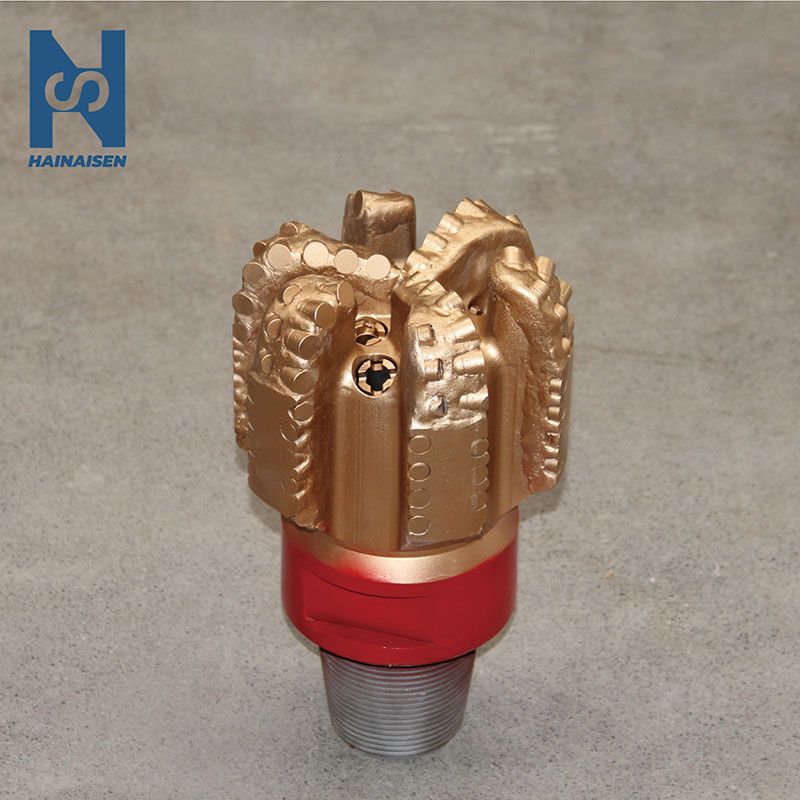 VIEW MORE6-Blade PDC Drill Bit
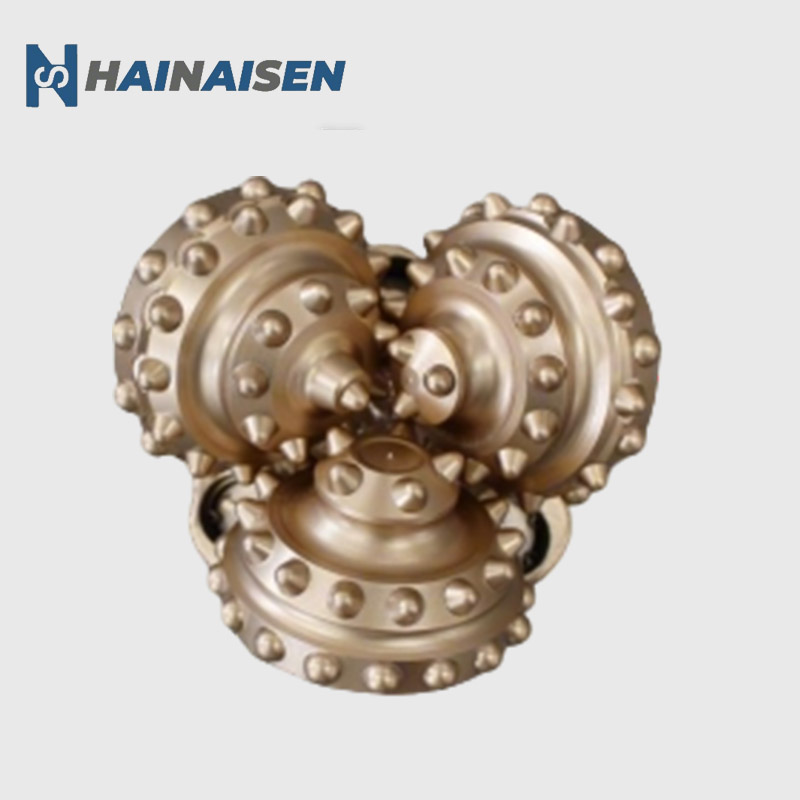 VIEW MORE4 1/2" IADC 637 TCI Tricone Bit
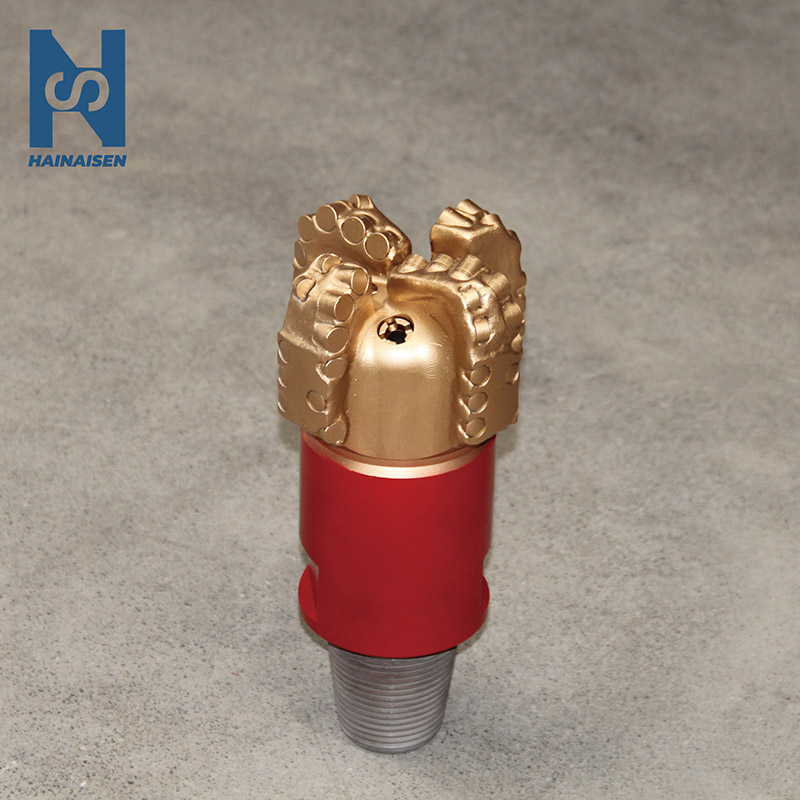 VIEW MOREHigh Quality PDC Drill Bits
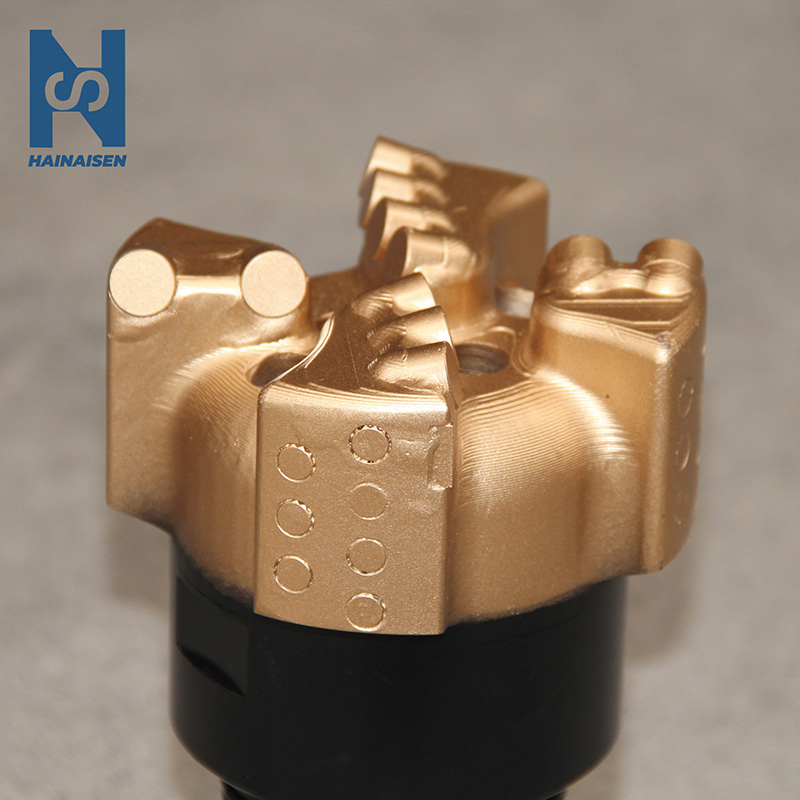 VIEW MOREDirectional Well PDC Drill Bit
 VIEW MOREHigh Performance 5 Cutter PDC Bit
