




Is a PDC Flat Top Drill Bit Worth the Investment
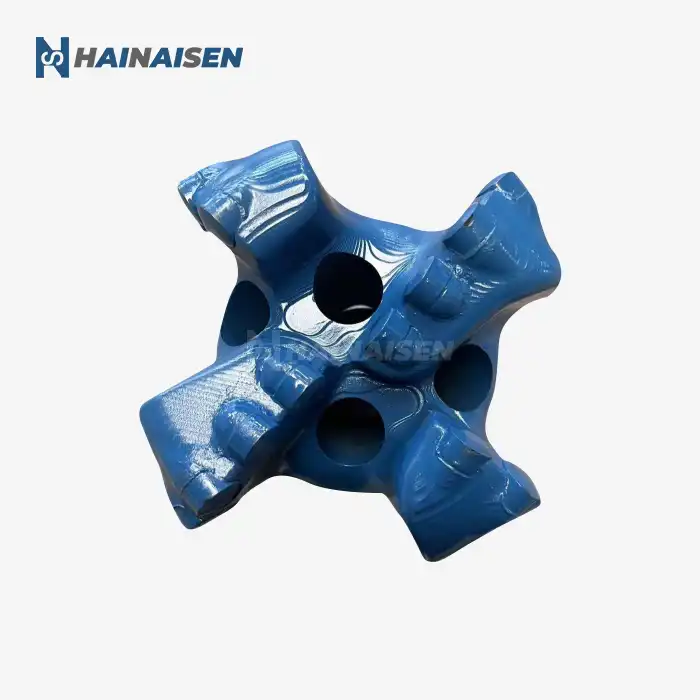
A 94mm PDC Flat Top Sintered Drill Bit represents a worthy investment for drilling operations prioritising efficiency and longevity. The sintering process bonds polycrystalline diamond cutters to a tungsten carbide body, creating exceptional wear resistance that outperforms conventional bits in challenging formations. For procurement managers balancing upfront costs against operational value, these drill bits deliver measurable returns through faster penetration rates, extended service life, and reduced downtime—making them particularly cost-effective in medium to large-scale drilling projects where performance reliability directly impacts profitability.
Introduction
Polycrystalline Diamond Compact (PDC) drill bits have revolutionised mining, oil and gas, and geothermal drilling. As abrasive forms cut effectively, workers who wish to save expenses and project timeframes need them.
The 94mm PDC Flat Top Sintered Drill Bit is used by technical experts and buying managers who face several regional issues. This breadth may be used in many ways while maintaining structural integrity under harsh conditions. Unlike other forms, the flat top cutter evenly distributes cutting forces throughout the bit face, preventing early wear.
Oil service firms that need durable equipment for protracted digging campaigns and water well teams who seek instruments that will last have shown growing interest. This document provides procurement experts with a full assessment methodology to determine if this new drill bit technology meets their business goals and budget.
Understanding the 94mm PDC Flat Top Sintered Drill Bit
Design and Construction Features
This drill bit is different from others because the top edge is flat instead of smooth or bevelled. Each cutter has a flat surface that contacts the formation in the same way, which makes the structure more stable while it rotates. This design cuts down on shaking and chatter, which are common problems that speed up bit wear and lower hole quality.
The method of sintering is a major step forward in the science of drill bits. During production, very high temperatures and pressures are used to bond diamond bits to tungsten carbide surfaces. This metallurgical bond makes a homogeneous structure where the diamond cutting elements blend in perfectly with the supporting matrix. This gets rid of the weak spots that cause mechanically linked cutters to break too soon.
Material Composition and Specifications
Our 94mm PDC Flat Top Sintered Drill Bit units are made with high-quality parts that were chosen because they work well together. High-quality polycrystalline diamond compact blades do the cutting, and the tungsten carbide matrix body supports the structure. More modern binding materials make the bit more thermally stable, so it can keep working well even when drilling creates a lot of friction heat.
The solid construction gets hardness values that make it last longer in rough environments. Specialised coats put on the cutter surfaces make them even less likely to wear down. This is especially helpful when cutting through layers of rock that are not all the same strength. With these technical specs, buying managers can compare prices more easily and also look at the total cost of ownership, which is more useful.
Manufacturing Quality Standards
At Shaanxi Hainaisen Petroleum Technology Co., Ltd., we monitor quality throughout production. At our 3,500m² Xi'an facility, we use 5-axis machining centres and CNC machines to produce precision parts with tight tolerances. Every chunk is tested for rotational balance and knife placement before shipping.
Checking raw materials ensures diamond and tungsten carbide quality meets mechanical criteria. CAD can forecast bit behaviour in different drilling circumstances. This aids our R&D team in selecting the optimum application plan. High-quality production reduces buying risk for buyers seeking long-term supplier relationships.
Benefits and Applications of the 94mm PDC Flat Top Sintered Drill Bit
Superior Performance Advantages
Better performance characteristics with these drill bits affect project costs. The flat top cutter arrangement penetrates faster than roller cone bits, reducing the time needed to attain the appropriate levels. This productivity boost is crucial in oil and gas, where drill day rates are high.
Wear resistance may be most significant to procurement staff seeking financial rewards. Cutting loss—the major cause of inexpensive drill bits breaking—is prevented by diamond-carbide sintering. Longer bit lifetimes mean fewer visits to replace outdated tools, less downtime, and cheaper digging expenses per metre.
High-quality 94mm PDC Flat Top Sintered Drill Bit units finish more footage before needing replacement, reducing operating downtime. Coal mining companies enjoy this reliability since unanticipated equipment changes may disrupt output and burden repair workers. The bits maintain cutting effectively as footage expands, so they don't lose performance like typical designs.
Diverse Industrial Applications
Because these drill bits are so flexible, they can meet the needs of our customers in a wide range of industries. Here are the main areas of use where we see a lot of adoption:
- Oil and gas exploration and production: Drilling through mixed formations needs tools that can adapt to changing rock qualities without slowing down the rate of penetration.
- Coal bed methane drilling: Finding your way through coal seams and layers of solid rock, where bit longevity keeps costly downtime to a minimum.
- Geothermal well drilling: Managing high temperatures that make it hard for regular drill bits to stay stable during geothermal well drilling.
- Hard rock mining operations: Drilling into crystalline layers where the ability to fight wear and tear determines the profitability of the business.
- Water well drilling: Giving small to medium-sized contractors options that are both cost-effective and work at a professional level.
These uses cover both soft and hard rock formations, showing the adaptability that buying managers look for when they are standardising the tools they have on hand. In high-pressure, high-temperature conditions like those found in deep drilling projects, the strong design works especially well. Bits that can keep their direction while cutting efficiently through different underground conditions are useful for horizontal directional drilling.
These bits are used in shale gas mining because they can work with rough rocks without wearing out too quickly. Deep-sea drilling projects need tools that can reliably work in harsh situations where broken equipment can have big effects. The consistent performance in these tough situations makes the investment worth it for the technical experts who choose which drilling tools to use.
Comparing 94mm PDC Flat Top Sintered Drill Bits with Alternatives
Structural and Material Differences
Hybrid drill bits combine PDC cutter functionality with roller cone durability, but their mechanical complexity makes them less dependable. Moving parts in hybrid systems increase the number of locations where things might go wrong and need to be fixed, raising ownership costs. 94mm PDC Flat Top Sintered Drill Bits with set cutters and simpler structures eliminate these concerns.
Tungsten carbide insert bits are cheaper initially, which appeals to water well drilling teams on a budget. These cutting performance and service life are substantially inferior to solid PDC technology. Due to quicker wear and greater penetration, the cost per metre of drilling is sometimes higher than with costlier PDC Bits.
Convex and bevelled cutting forms are useful, but flat top designs function better. Convex cutters focus cutting forces on fewer contact regions. This accelerates wear in abrasive materials. Bevelled designs are more impact-resistant than flat top designs, but cut less effectively.
Quality Control and Supplier Evaluation
Picking a dependable maker is just as important as picking the right bit type. Large and medium-sized oil service companies know that the skills of their suppliers have a direct impact on how well they run their businesses. We've set up structured quality control measures that meet the high standards that these clients expect.
Our modern computer-aided design tools let us make changes to fit the needs of each drilling job. The department of custom bit design works closely with technical engineers to come up with solutions that are specific to the formation, the well shape, and the working conditions. This collaborative method sets makers who care about their customers' success apart from those who are just filling orders.
Support after the sale is another important factor in judging quality. Long-term business partnerships need suppliers who can offer expert advice, help with tracking success, and quick contact. Our team provides consulting services to help clients get the most out of their drill bits by using them correctly and keeping them in good shape.
Procurement Guide – How to Buy 94mm PDC Flat Top Sintered Drill Bits
Specification Matching and Technical Requirements
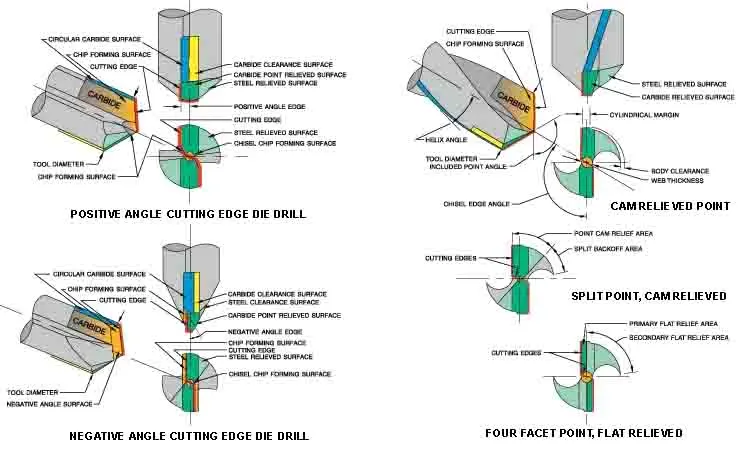
To buy well, you must first understand your company's needs. Technical specialists and buying managers should document the formation, projected digging levels, and performance targets. The 94mm PDC Flat Top Sintered Drill Bit width is versatile, but be sure it fits your drilling instruments and project to avoid costly mistakes.
Cutter density and plan patterns affect bit behaviour. Strong cutter configurations maximise penetration in soft rock. Layouts must be robust and impact-resistant to cut tougher rock. Our engineers may recommend setups based on your drilling environment.
Carefully consider hydraulic flow needs. PDC bits function best when fluid flows adequately to keep cuts cool and push them off the bit face. Making sure the drilling equipment has the right flow rates will keep the bit performing as intended.
Evaluation and Procurement Channels
Buying directly from the factory benefits medium and large-sized oil repair firms that place bulk purchases. This strategy eliminates distributor markups and enables you to communicate with factory experts about technical problems and modifications. Procurement specialists can see our production and quality control facilities.
Authorised distributors can help smaller enterprises build up stock rapidly. Wholesalers should have ample stock and the expertise to assist you in picking items. Distributors that know how to employ our products with the end consumers are our partners.
Bulk ordering has benefits beyond cheaper unit pricing. Customisations to enhance bit speed for your specific apps are typically possible with a high volume. We coordinate delivery around your project's timetable. This reduces inventory costs and ensures tool availability.
Pricing Insights and Value Assessment
To set competitive prices, you need to look at the whole value offer instead of just the unit costs. When you look at service life, penetration efficiency, and operating stability, the cheapest bit isn't always the best choice from an economic point of view. Companies that mine coal and want to get the best prices should look at the cost per metre dug instead of just the buy price.
Lead times depend on how complicated the order is and how busy the factory is. Standard setups usually ship in an acceptable amount of time, but custom designs need more time for planning and production. Telling suppliers about your project's plan during the quote process helps them come up with delivery choices that meet your needs without charging you extra for rush work.
When negotiating for a purchase, you should pay attention to the payment terms and guarantee terms. Making sure that performance standards and failure criteria are written down clearly saves everyone and sets expectations for who is responsible for what. We stand behind our goods with full quality guarantees that show we trust our production to be the best it can be.
Maximising Performance and Durability: Best Practices
Proper Drilling Techniques
Bit speed depends a lot on how well operations are done. The weight on the bit and the speed of rotation should be in line with what the maker suggests based on tests in the field. Too much weight can damage cuts through impact loading, and not enough weight makes penetration less effective and wastes time.
Keeping an eye on the amounts of torque and vibration helps workers spot problems before they become too bad to fix. Patterns that don't look normal are often a sign of bit wear, changes in the formation, or hydraulic problems that need to be fixed. By changing the drilling settings based on these signs, you can extend the life of the bit and keep the quality of the hole.
Maintenance Protocols and Handling
Cutter tips and bit body parts don't get damaged when they are transported and stored properly. By checking bits before they are used, shipping damage or production flaws that could affect performance can be found. Using photos to record the item's initial state gives you a starting point for figuring out how it's worn after use.
Cleaning the bits well after each run gets rid of formation waste and lets you see the state of the cutter in great detail. Technical experts can look at wear trends to find the best drilling parameters for future jobs. This methodical technique helps the organisation learn more, which leads to better choices about purchases and better planning for operations, including the use of a flat top drill bit.
Common Pitfalls to Avoid
Misapplication is the most common reason why bits fail too soon. When using PDC bits in rock formations with big, broken rock pieces, the impact force could damage the cutter. Geological knowledge helps operators choose the right bit types and change their methods to work with difficult gaps.
Connection failures are caused by bad fitting, especially when threads aren't engaged properly, or the wrong amount of force is applied. These failures damage equipment and put people's safety at risk. These problems can be avoided by following the Manufacturer's instructions for setup and using torque tools that have been properly adjusted. Our technical paperwork has clear, step-by-step directions that lower the risk of installation.
Conclusion
The 94mm PDC Flat Top Sintered Drill Bit excels in fast, reliable, and affordable drilling. Fusing improves wear resistance, extending its lifespan and reducing maintenance time. The flat top cutter design enables cutting various forms easily and keeps the structure sturdy under harsh conditions.
The complete cost of ownership should be considered when buying this investment, not simply the initial price. The pieces' capacity to function across extended stretches reduces per-meter digging expenses and boosts project profitability. Shaanxi Hainaisen Petroleum Technology Co., Ltd. makes high-quality products and provides stringent testing and modification to satisfy unique requirements.
FAQ
Q1: What Makes Sintered PDC Drill Bits Different from Standard PDC Variants?
The sintering process makes a metal link between the diamond cutters and the carbide base. This gets rid of the mechanical attachment problems that come up with brazed designs. This combination improves the stability and retention of the cutter, which is especially helpful in drilling settings with high temperatures. The homogeneous structure spreads stress more evenly, which stops cracks from spreading, which happens with other bonding methods and leads to early failure.
Q2: Which Rock Formations Are Best Suited for 94mm Flat Top Bits?
These bits work great in medium to hard rocks like sandstone, limestone, shale, and rocks that are only slightly broken up. They work well in interbedded patterns where the rock strength changes, which is hard for regular drill bits. Extremely soft, unconsolidated layers may benefit from different designs that make it easier for cuttings to escape, while highly fractured rock with big rocks can be dangerous for PDC cuts to hit. During the design process, our expert team gives advice based on the formation.
Q3: What Are Typical Delivery Lead Times for Bulk Orders?
Orders with standard configurations usually ship two to three weeks after the order is confirmed. Lead times may go up to four to six weeks for custom designs that need specific cutter setups or other features. This depends on how complicated the engineering is. We keep a stock of popular sizes so that we can provide faster delivery when project deadlines require it. Talking to our sales team during the quote process makes delivery choices clear for your individual needs.
Partner with HNS for Your PDC Drill Bit Requirements
Shaanxi Hainaisen Petroleum Technology Co., Ltd. has been making drill bits that meet the high standards of drilling activities around the world for more than ten years. We are dedicated to quality, from choosing the raw materials to checking the final performance of every 94mm PDC Flat Top Sintered Drill Bit to make sure it meets the needs of your projects.
As a reliable manufacturer and provider, we can offer low bulk prices without lowering the standard of the materials we use or the level of precision with which we make our goods. Our customisation services change the designs of bits to fit the properties of your formation and the way you want to run your business. This makes the bits work better for your specific drilling problems. You can talk to our expert sales team at hainaisen@hnsdrillbit.com about your needs and find out how our drilling solutions can help you run your business more efficiently and save you money on per-meter drilling costs.
References
1. Bellin, F., Dourfaye, A., King, W., and Thigpen, M. (2010). "The Current State of PDC Bit Technology." World Oil Magazine, Vol. 231, No. 6, pp. 67-73.
2. Clayton, R., Chen, S., and Lefort, G. (2005). "New Bit Design, Cutter Technology Extend PDC Applications to Hard Rock Drilling." Oil & Gas Journal, Vol. 103, No. 41, pp. 36-41.
3. Durrand, C. J., Skeem, M. R., and Crockett, R. B. (2007). "Polycrystalline Diamond Compact Bit Performance in Hard, Abrasive Formations." SPE Drilling & Completion, Vol. 22, No. 3, pp. 180-189.
4. Hibbs, L. E. and Flom, D. G. (1978). "Diamond Compact Cutters for Rock Bits." Society of Petroleum Engineers Journal, Vol. 18, No. 5, pp. 340-348.
5. Pessier, R. C. and Fear, M. J. (1992). "Quantifying Common Drilling Problems with Mechanical Specific Energy and Bit-Specific Coefficient of Sliding Friction." SPE Annual Technical Conference and Exhibition, Paper SPE 24584, pp. 373-388.
6. Wise, J. L., Judzis, A., and Leach, D. (2015). "PDC Bit Technology for the 21st Century." International Petroleum Technology Conference, Paper IPTC 18512, pp. 1-12.
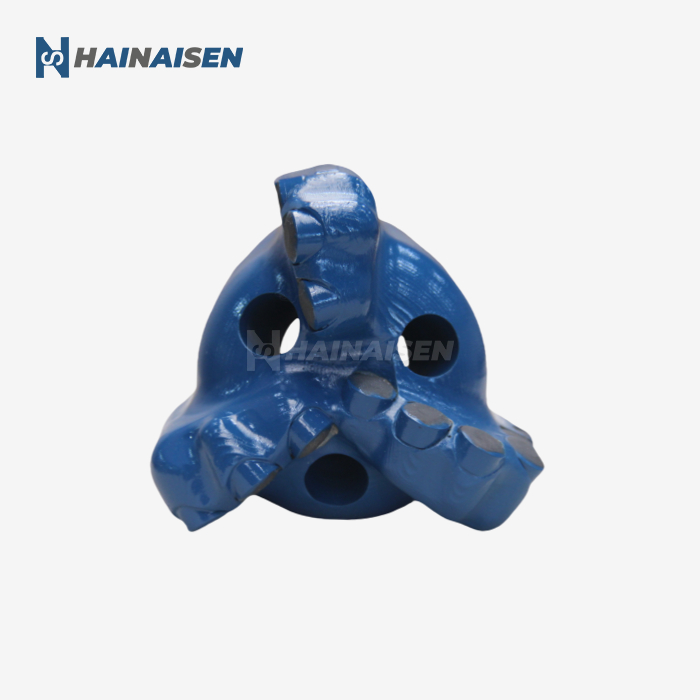 VIEW MORE3 Blade PDC Arc Angle Drill Bit
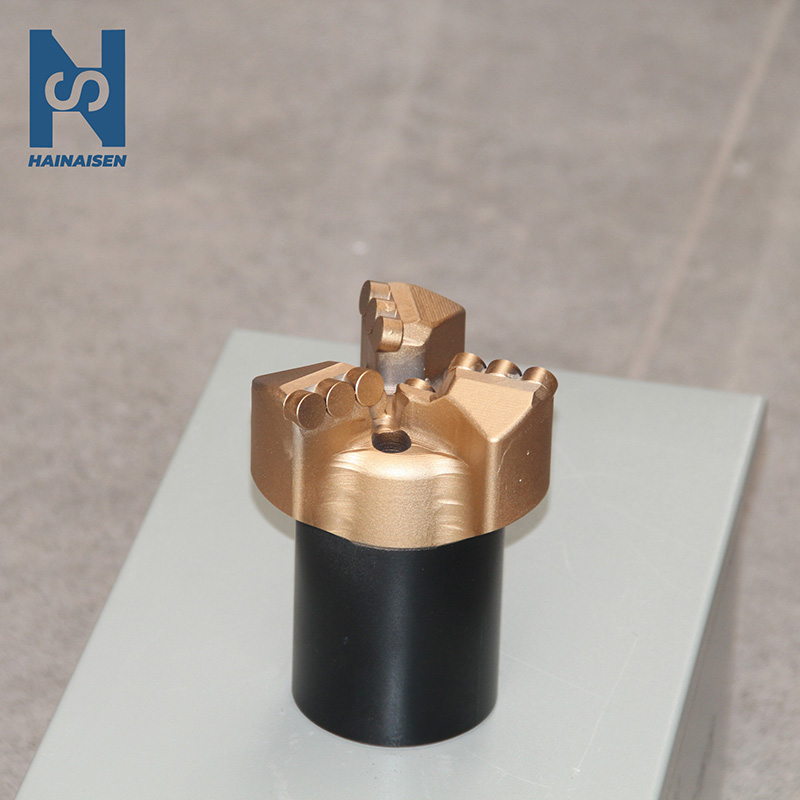 VIEW MOREThree Blades Steel Body PDC Bit
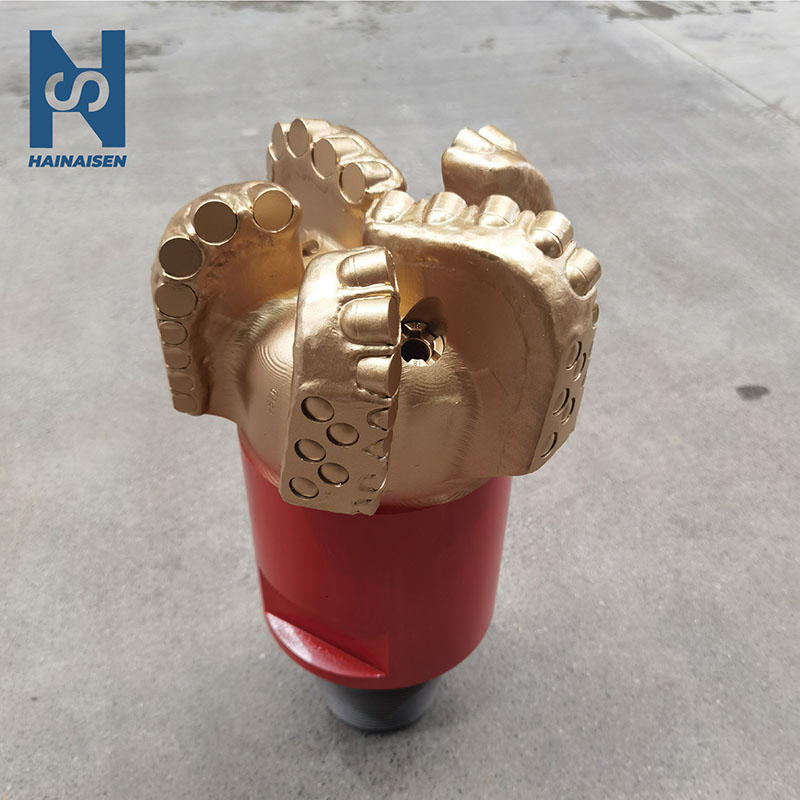 VIEW MOREFive Blade PDC Drill Bit
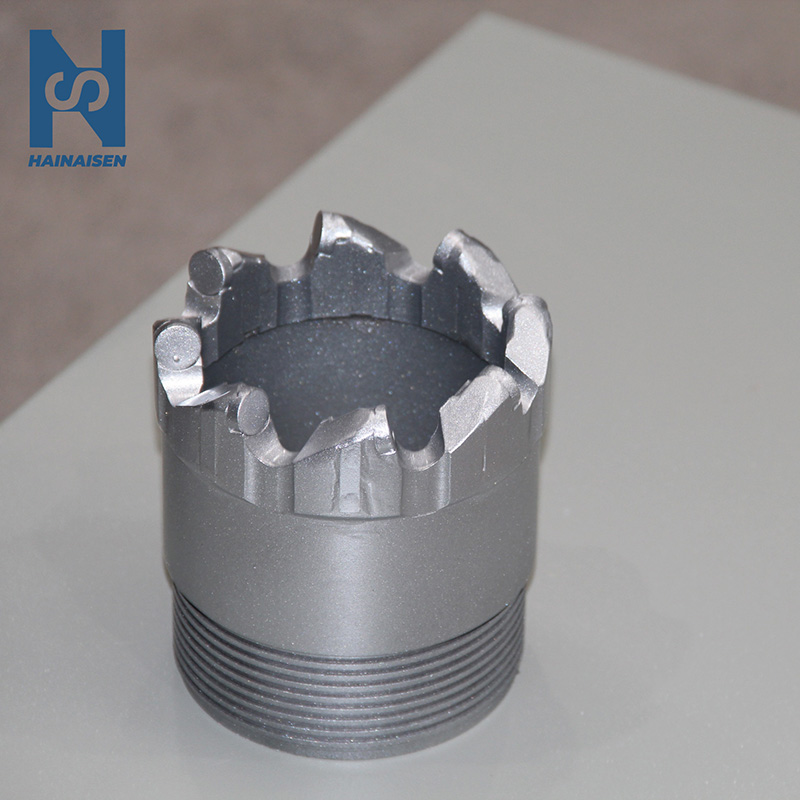 VIEW MOREPDC Core Drill Bit Used For Drilling
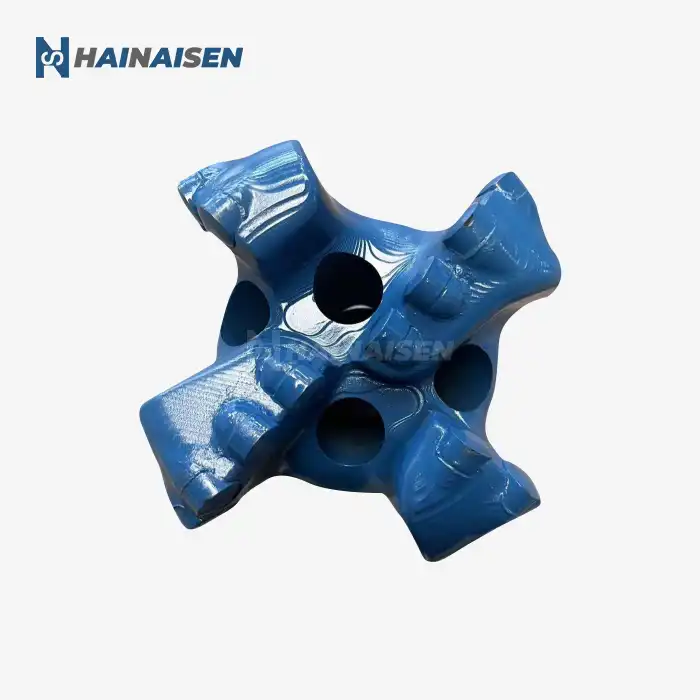 VIEW MORE4 Blade PDC Bit
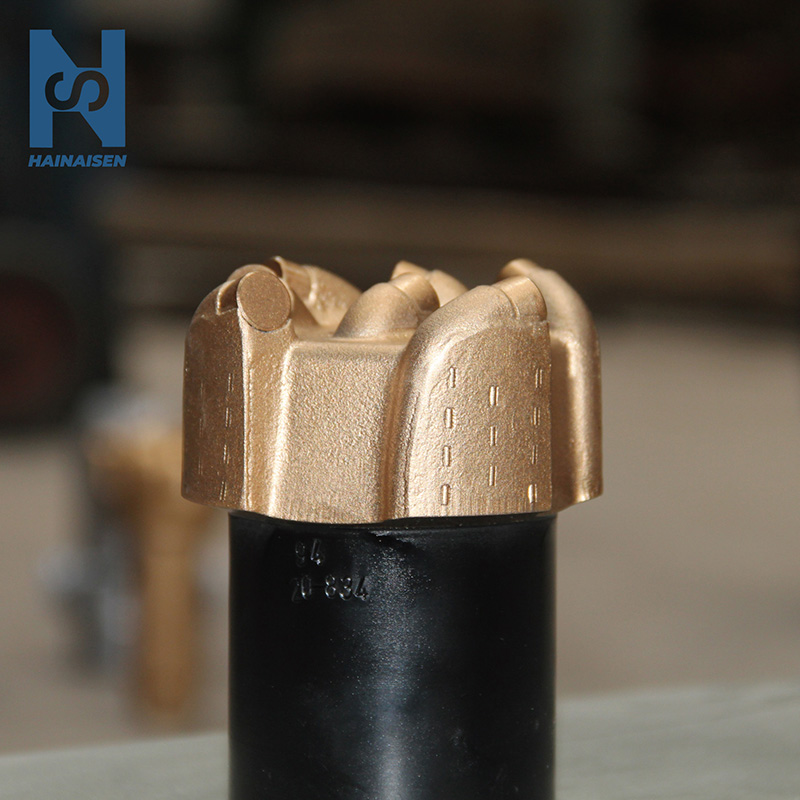 VIEW MOREPDC Flat Top Sintered Drill Bit
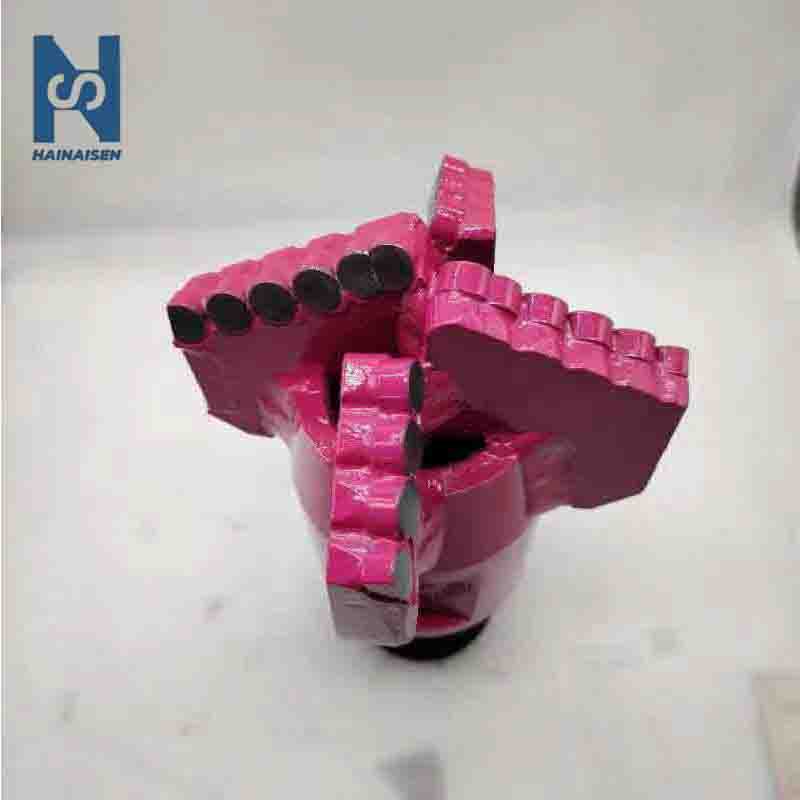 VIEW MOREAlloy Scraper Drill Bit For Water Well
 VIEW MOREFour Blade PDC Drill Bit