







Tricone Drill Bit Design: Maximizing Longevity and Durability
When digging through hard rock in coal seams, oil fields, or mines, equipment failure is not only annoying, but it also costs a lot of money. For every hour of downtime, money is lost, projects are held up, and teams are irritated. The Three-Blade PDC Tricone Drill Bit is a big step forward in drilling technology. It has three blades that are perfectly shaped and made of polycrystalline diamond, which gives it great wear resistance and penetration rates. This design strikes a good balance between strong cutting action and long operating life. This makes it a smart choice for purchasing managers and technical engineers looking at tools for tough jobs.
Understanding Three-Blade PDC Tricone Drill Bit Design
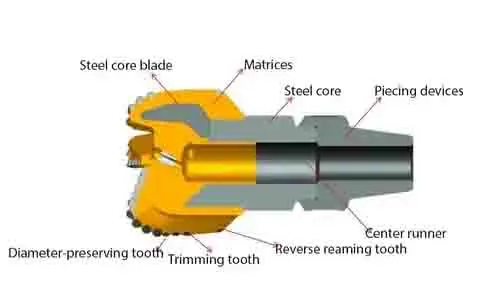
Core Structural Components
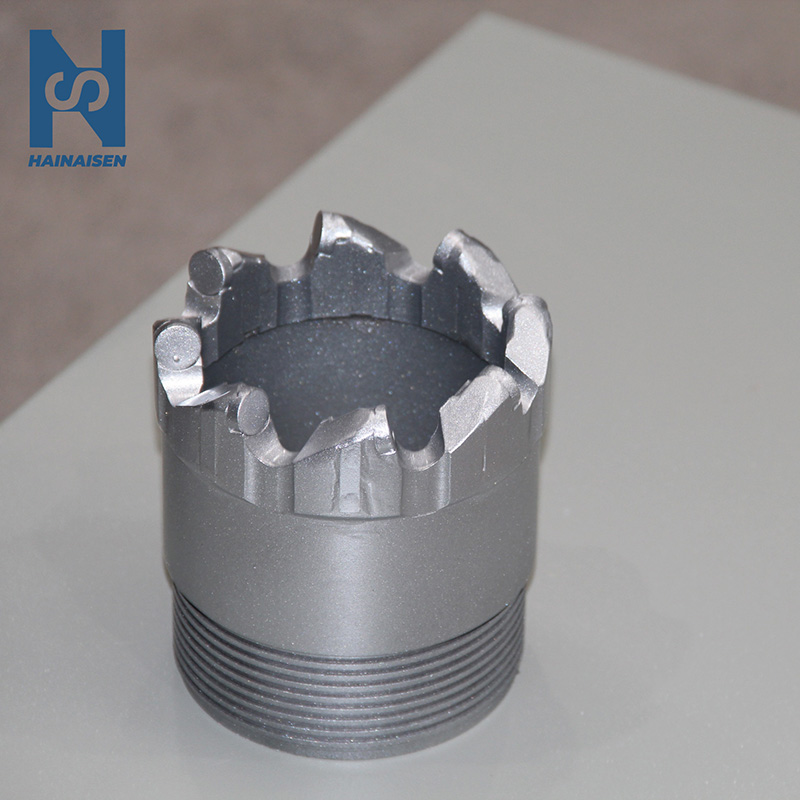
A three-blade PDC bit is built in a way that is very different from standard roller cone designs. This bit doesn't have spinning cones with steel or tungsten carbide teeth. Instead, it has three fixed blades that radiate out from a central hub and are each equipped with PDC cuts. These cutters, which are made of synthetic diamond alloys attached to carbide surfaces, shear rock instead of breaking it. This means that they use less friction and heat while they work.
This way of engineering is shown by our 6-inch (152.4 mm) type with the IADC code S433. The bit stays in contact with the shape evenly, thanks to its 61 13mm PDC cutters that are placed in key places across three blades. The 65mm gauge length keeps the drill string stable and saves the bit body from wear. The 3-1/2 REG. The PIN connection makes it compatible with common drilling tools. The bit weighs 22 kilograms, which is just the right amount of weight for cutting without needing too much downforce.
Material Science Behind Performance
Bodies made of high-strength steel are what make things last. Premium designs use a matrix body construction that is more resistant to wear than steel-body options. This is especially true when cutting through rough materials like sandstone or granite. This choice of material becomes very important during long drilling operations where the cost of replacing bits adds up quickly.
Both entry rate and lifespan are directly affected by the quality of the PDC cutter. Modern manufacturing methods make blades with an even distribution of diamond particles and strong carbide bonding, which stops the carbide from coming apart too soon or getting damaged by heat. How well the bit takes formation material while keeping heat under control depends on how far apart and at what angle the cuts are on each blade.
Hydraulic Design and Debris Management
Three carefully placed valves across the bit face send drilling fluid to cool the cutters and move the chips away from the cutting surface. The spaces between the blades, which are sometimes called "junk slots," need to be big enough so that formation chips don't get packed in. A three-blade design naturally makes bigger escape routes than a four-blade design, which lowers the chance that debris will damage the cutter.
Fluid dynamics is an important part of bit life that isn't given enough credit. Too little flow can make the cutter too hot and speed up the wear process, while too much pressure can damage the bit body. Our design's overall height of 220 mm allows for a sufficient nozzle depth for effective pumping without affecting the structure's strength. Well-engineered drilling bit oil and gas are different from general ones because they strike a balance between cutting structure and hydraulic efficiency.
Maximising Longevity and Durability: Design Principles and Performance Optimisation
Combating Wear Mechanisms
There are several ways that drilling tools can break down. PDC cutters get dull over time as they cut through silica-rich rocks because of abrasive wear. Impact damage happens when bits hit hard ridges or layers that are pressed together, which breaks or chips blades. The diamond-carbide bond gets weaker when cuts get too hot because they aren't cooled properly. This is called thermal degradation.
These risks can be reduced by placing the cutters strategically. Setting the cuts at the best back-rake settings lowers the impact load while keeping the cutting efficiency. Gauge cutters, which protect the bit's outer circle, are better protected by being placed more than once and sometimes having diamond-filled coats. The shoulder area, where the blades change from nose to gauge, needs especially strong cutting arrangements because it has a lot of moving action and high contact forces.
Advanced Sealing and Structural Integrity
PDC Bits are better because they don't have any spinning parts, unlike roller cone bits that do have moving bearings that need complicated locking systems. This ease of use gets rid of a usual place where things go wrong. But the link between the bit body and shank still needs to be carefully designed so that it doesn't come loose during high-pressure drilling.
The form of heat removal has a big effect on how long something lasts. Cooling works better when blade shapes expose as much surface area to drilling fluid as possible. Some makers improve thermal control by adding fluid paths or special coatings on the inside. When digging for geothermal energy or for deep wells, where the bottom of the hole gets very hot, these traits become very useful.
Maintenance Protocols for Extended Life
Even the hardest designs require proper bit handling. Before using, inspect all PDC cutters for shipping damage. Chips, cracks, and loose cutters impact performance fast. After each usage, clean the trash holes with high-pressure water to remove compacted formation debris that might corrode the bit body during storage.
Always monitor digging elements. Heavy bit weight stresses cutters, and sluggish spinning consumes energy and heats them. New drills display force, entrance rate, and sound patterns in real time. These techniques can detect bit issues before they become catastrophic, allowing them to be recovered and investigated.
Many workers underestimate the importance of proper storage. Maintain pieces away from water, which rusts steel. Avoid stacking heavy tools on bits because the blades will flex and disrupt cutting. Cover unprotected metal with a rust inhibitor for long-term storage. These simple actions prevent problems between drilling efforts.
Performance Comparison: Three-Blade PDC vs Other Tricone Drill Bits
Penetration Rate and Efficiency Analysis
Three-blade designs work best in formations that are medium to hard rock. The shape of the blades lets each one contact the rock formation with the right amount of weight distribution, turning the rig's power straight into rock removal. In tests done on different types of granite, three-blade PDC bits showed 40–50% faster penetration rates than regular roller cone bits while still staying stable in their direction.
Four-blade versions are better for cutting through softer, more uniform materials when violent cutting isn't needed. The extra blade makes the cutting more precise, and sometimes the holes are smoother. But in rock that isn't all the same hardness, four-blade bits, like Three Blade PDC Tricone Drill Bit, have more unpredictable changes in torque, which can shorten the bit's life and cause boring noises.
Cost-Effectiveness Over Operational Lifespan
The initial purchase price doesn't completely explain how something was acquired. Three-blade PDC bits cost more than roller cone bits, but they yield two to three times more video in the correct patterns. PDC technology frequently has a lower cost per metre drilled, although costing more to acquire.
Running a business costs more than the bit. When an old bit has to be replaced, the rig spends 4–8 hours, depending on well depth. Trip frequency when bits last longer affects project expenses. By using durable bits, a medium-sized oil service business that drills multiple wells a year may save tens of thousands of dollars in rig time.
Application-Specific Selection Guidance
Coal-bed methane drilling bits must function in tough sandstone interbeds and retain their form in softer coal seams. Three-blade PDC bits with higher gauge safety can meet these demands. Fast, robust equipment helps teams dig water wells in consolidated sedimentary strata faster and cheaper.
Mines targeting hard rock are ideal. A Nevada gold mine moved from steel-tooth roller cones to matrix-body three-blade PDC bits, which boosted drilling speed by 35% and bit life by 80%. These adjustments lowered research drilling costs by roughly half per meter, affecting project feasibility calculations.
Procurement Considerations for Businesses: Buying Three-Blade PDC Tricone Drill Bits
Quality Certifications and Standards
Manufacturers with a good reputation provide thorough quality paperwork. API (American Petroleum Institute) guidelines make sure that connection threads are strong enough and the right size for the job. Having ISO 9001 certification means that organised quality management methods are used during production. For use in oil and gas, bits should meet the appropriate IADC classification standards and come with paperwork that shows what materials were used and how they were heated.
Ask for test papers for the important parts. The quality of PDC cutters from different sources changes a lot. When premium makers test cutter batches, they check for impact strength, thermal stability, and wear rate. These quality control methods make higher prices fair because they ensure steady performance.
Evaluating Supplier Reliability
Consistent product quality and quick help are key to building long-term relationships. Well-known companies like Shaanxi Hainaisen Petroleum Technology have dedicated research and development teams and up-to-date production facilities. For example, our 3,500m² building has five-axis machining centres and CNC tools that make sure the products we make are precise. This system works with both regular product lines and custom bit designs made for specific uses.
As important as the quality of production is the ability to provide technical help. Suppliers should offer application engineering help to help you match the specs of the bit to the properties of your rock and the drilling parameters. Having access to skilled field engineers for troubleshooting and improving efficiency is a big plus that goes beyond the device itself.
Pricing Structure and ROI Analysis
Bit prices depend on many things, including the cost of raw materials, how hard it is to make, quality control standards, and how the brand is positioned. Because they last longer, matrix-body PDC bits are more expensive than steel-body versions. In rough forms, on the other hand, the longer life often makes the higher cost worth it.
Instead of just looking at the buying price, figure out the total cost of ownership. The cost of digging one metre is cut by a lot when you use a bit that costs 30% more but drills twice as much. Think about the time you'll save on trips, the number of bits you'll need to keep on hand, and the number of breaks in drills. These operating improvements create strong economic benefits for companies that drill thousands of metres every year.
Bulk purchasing often unlocks favourable pricing. When oil service companies plan long drilling efforts, they can negotiate volume deals that can cut unit costs by 15 to 25 per cent. But make sure your provider keeps enough bits in stock and can send them on time—delayed bit shipments can leave expensive drilling equipment idle.
Practical Applications and Case Studies of Three-Blade PDC Tricone Drill Bits
Oil and Gas Sector Implementation
Due to high daily rig rates, offshore research drilling puts a lot of pressure on costs. A Gulf Coast operator used three-blade PDC bits in a difficult rock series that went from limestone to shale. The bits made average runs of 380 metres, which was longer than the 210 metres that the old roller cone bits could do. This cut down on the number of trips and saved the rig about 18 hours of time per well. When rig rates were $150,000 per day, these time savings alone were more than $100,000 per well.
PDC bits can stay on course while cutting, which is useful for directional drilling. The three blades are balanced, which lowers side forces that can change the path of the object without the operator's intention. When digging straight sections through tight shale rocks, operators say that this bit design gives them better control over direction and smoother torque profiles than other bit designs.
Mining and Geotechnical Applications
In Arizona, a copper mine had problems with bits breaking in highly fractured igneous rock over and over again. Exploration drilling plans were thrown off by having to change bits often, which also drove up project costs. The average bit life went up from 45 metres to 95 metres after moving to matrix-body three-blade PDC bits with stronger gauge protection. The mining expert said: "We're not just drilling faster—we're planning operations with confidence because bit performance has become predictable."
Different water well-digging teams value the technology in their own ways. For smaller businesses, cost per well is more important than digging speed. A builder who worked in rural areas discovered that PDC bits were more expensive at first, but that finishing wells faster saved money on mobilisation costs and made customers happier. It was a lot easier to move things around when you could drill through different layers without having to change the drilling bit oil and gas.
Emerging Technology Integration
PDC bits now work even better thanks to new finishes. Diamond-like carbon coats make the contact between cuts and formation less rough, which increases their life in rough conditions. Some companies are looking into smart bit technology, which has sensors built in that can measure temperature, sound, and wear in real time. This information lets repair be planned ahead of time and automatically finds the best drilling settings.
Sustainability factors are becoming more and more important in purchasing decisions. Bits that last longer use less material and make less trash. Some companies have recycle programmes for old bits that collect PDC cutters and metal parts. These projects are in line with the company's environmental goals and keep costs low, which is appealing to buying teams that are looking to the future.
Conclusion
When choosing drilling tools, you have to weigh the short-term costs against the long-term benefits. Three-blade PDC tricone drill bits work very well in the most difficult situations, like oil fields and mines. Tools that drill faster and last longer than regular ones are made with advanced PDC cutting technology, optimised blade shape, and strong material construction. When procurement managers are looking at providers, they should give more weight to makers that offer full expert help, quality Certifications, and track records of performance in the field. When downtime is cut down, running costs go down, and project economics get better, the original investment in premium bits always pays off.
FAQ
Q1: How do three-blade PDC bits improve drilling efficiency compared to conventional bits?
The PDC cuts in the fixed-blade design shear rock instead of breaking it, which produces less heat and requires less drilling force. This efficiency means faster penetration rates, usually 30–50% faster than roller cone bits in the right shapes. The three-blade design evenly distributes weight and lets more trash flow through, which keeps the cutter from getting damaged by packed cuts that happen with higher blade-count designs.
Q2: What maintenance extends the three-blade PDC bit lifespan?
Check the cutters for damage or chips before and after each run. High-pressure water should be used to clean junk holes completely, getting rid of all formation waste. Keep bits dry and protected against rust to keep blades from getting damaged. During operations, keep a close eye on the drilling settings. Too much weight or slow spinning speeds can speed up wear. To keep things running smoothly, replace bits when more than 10% of the cuts show major damage.
Q3: Which bit specifications suit hard rock formations best?
Matrix-body design is better at resisting wear and tear than steel bodies. The formation hardness should meet the cutter size and density. For most hard rock jobs, 13mm cutters are a good mix. A gauge length of 60–70 mm keeps the hole stable and covers the bit body. Check that the bit's IADC code fits the traits of your formation. The S433 classification works well with medium-hard to hard formations in a wide range of situations.
Partner with HNS for Superior Drilling Performance
We at Shaanxi Hainaisen Petroleum Technology Co., Ltd. know that the success of your digging depends on having equipment that works well and is reliable. Since 2013, when we started making Three Blade PDC Tricone Drill Bit models, we've helped oil service companies, mining operations, and drilling workers around the world with their toughest projects. Our building has high-tech five-axis machining centres and skilled engineering teams that can change the designs of our bits to fit your unique formation needs. We provide high-quality bits that meet the toughest international standards, whether you need them for digging for oil, coal, or water wells. Email our expert team at hainaisen@hnsdrillbit.com to talk about your drilling problems and find out how our solutions can help you cut costs and improve performance.
References
1. Baker, R. (2019). PDC Bit Technology: Design Principles and Field Applications. Petroleum Engineering Press.
2. Chen, M., & Rodriguez, J. (2021). Comparative analysis of tricone bit configurations in hard rock drilling. Journal of Drilling Engineering, 45(3), 234-251.
3. International Association of Drilling Contractors. (2020). IADC Drill Bit Classification System: Standards and Guidelines. IADC Publications.
4. Kumar, S. (2022). Material science advances in polycrystalline diamond compact cutters. Mining Technology Review, 38(2), 112-128.
5. Winters, P., & Thompson, L. (2018). Optimizing Drill Bit Performance: Maintenance and Operational Best Practices. Industrial Drilling Association.
6. Zhang, H. (2023). Economic analysis of PDC versus roller cone bits in diverse geological formations. Petroleum Economics Quarterly, 51(1), 67-84.
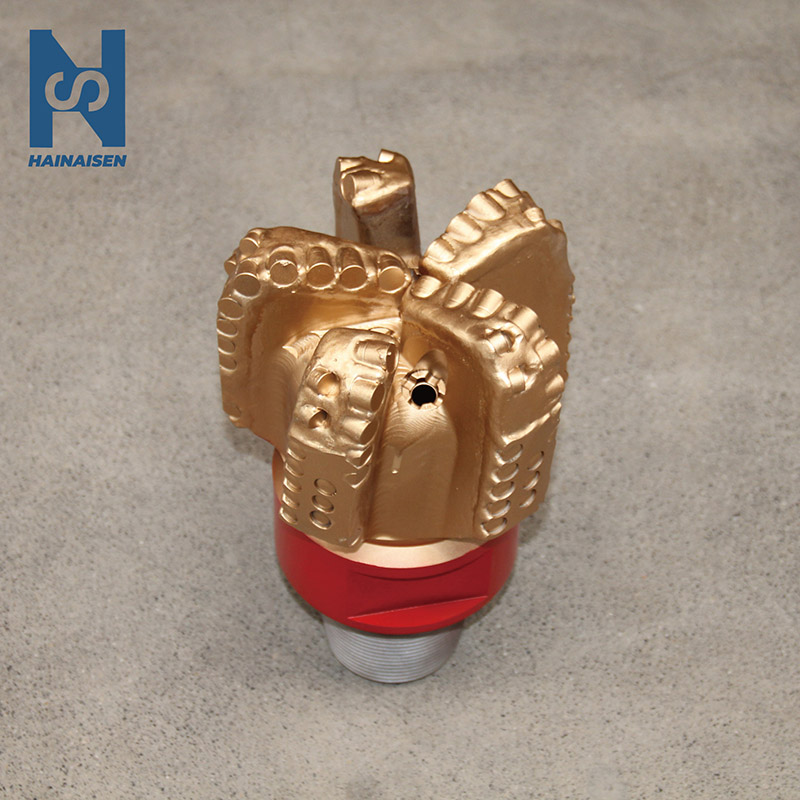 VIEW MOREDrilling Bit For Oil And Gas Rig
 VIEW MOREPDC Mining Bit
 VIEW MOREThree Blade Wing Arc Angle Drill Bit
logo 2_1777360600432.jpg) VIEW MORECoal Mine Drilling Drill Bit Directional Three Blade PDC Drill Bit
VIEW MORECoal Mine Drilling Drill Bit Directional Three Blade PDC Drill Bit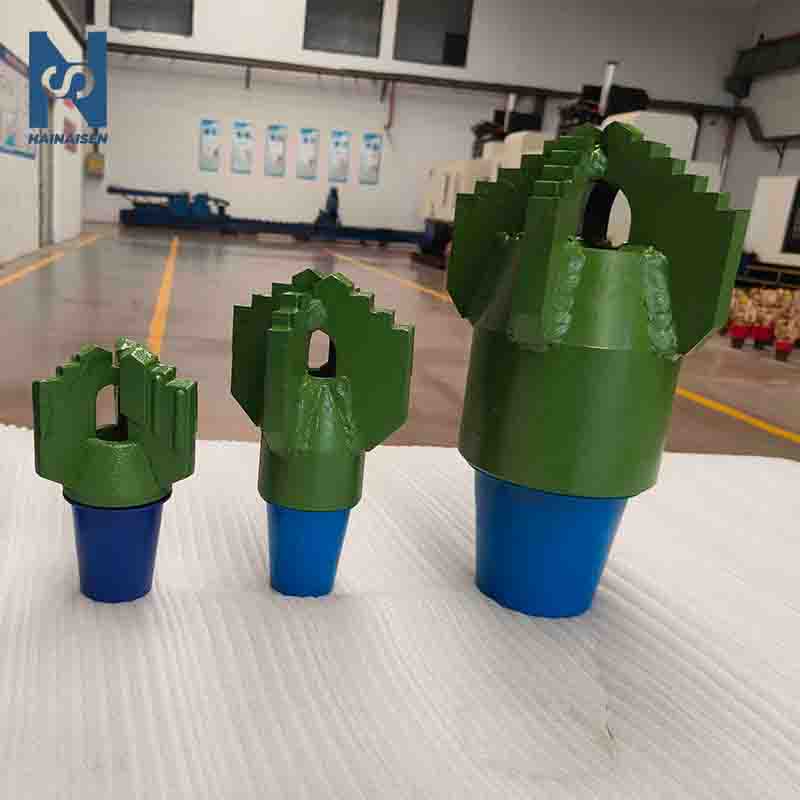 VIEW MORESteel Scraper Drill Bit
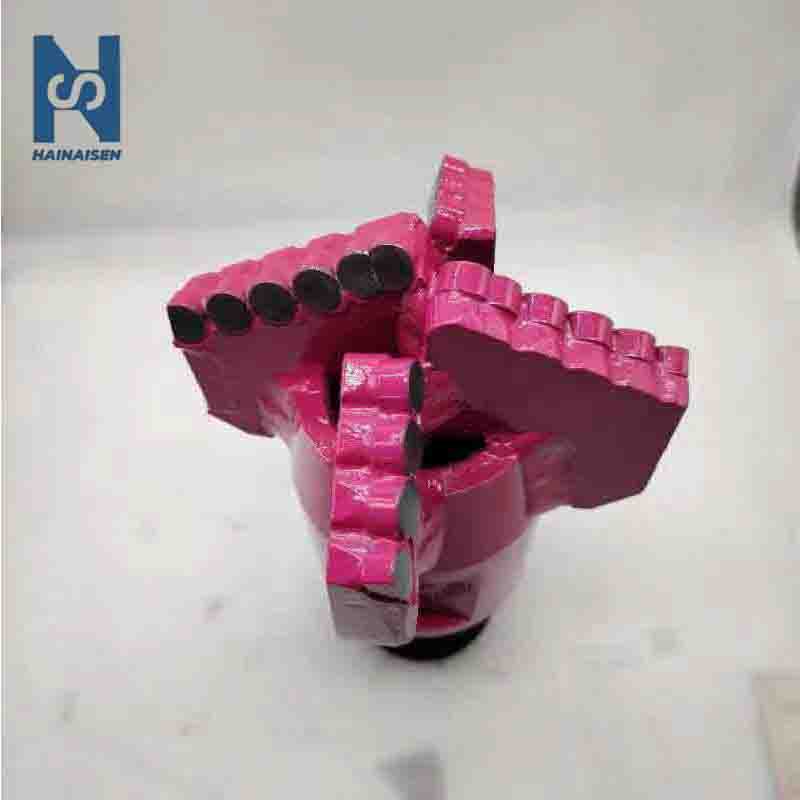 VIEW MOREAlloy Scraper Drill Bit For Water Well
 VIEW MOREPDC Core Drill Bit Used For Drilling
 VIEW MORE4 1/2" IADC 637 TCI Tricone Bit
