







How Computational Fluid Dynamics (CFD) Optimizes Bit Hydraulics
Computational Fluid Dynamics (CFD) changes the bit hydraulics optimization by modelling how fluid flows around PDC Bits, especially the 4 Wings Blades PDC Bit. With this advanced modelling technology, engineers can see how drilling fluid moves, find problems with pressure distribution, and improve where nozzles are placed before they are actually made. By looking at how the drilling mud interacts with the four-blade shape, CFD shows ways to improve the efficiency of cuttings removal and reduce bit balling. This reduces the time that the machine isn't working and increases its lifespan across a wide range of geological formations.
Understanding Bit Hydraulics and the Role of 4-Wing Blades PDC Bits
The Fundamentals of Bit Hydraulics in Modern Drilling
Bit hydraulics is the study of controlling the flow of drilling fluid to get the most cutting removal while keeping the bit cool while it works. As drilling fluid moves through the drill string and out of tubes placed in strategic places, it provides hydraulic force that pushes rock chips away from the cutting face. This process has a direct effect on how deep tools can go and how long they last. Bit balling happens when cuttings build up on the bit face because of bad hydraulic design. This makes drilling less efficient and could damage expensive equipment. It's especially important to understand these fluid dynamics when working with polycrystalline diamond compact bits, which spin faster than roller cone designs.
Design Characteristics of Four-Blade PDC Configurations
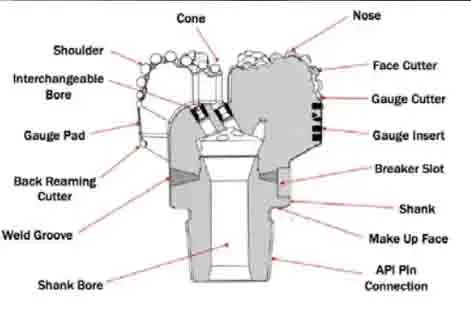
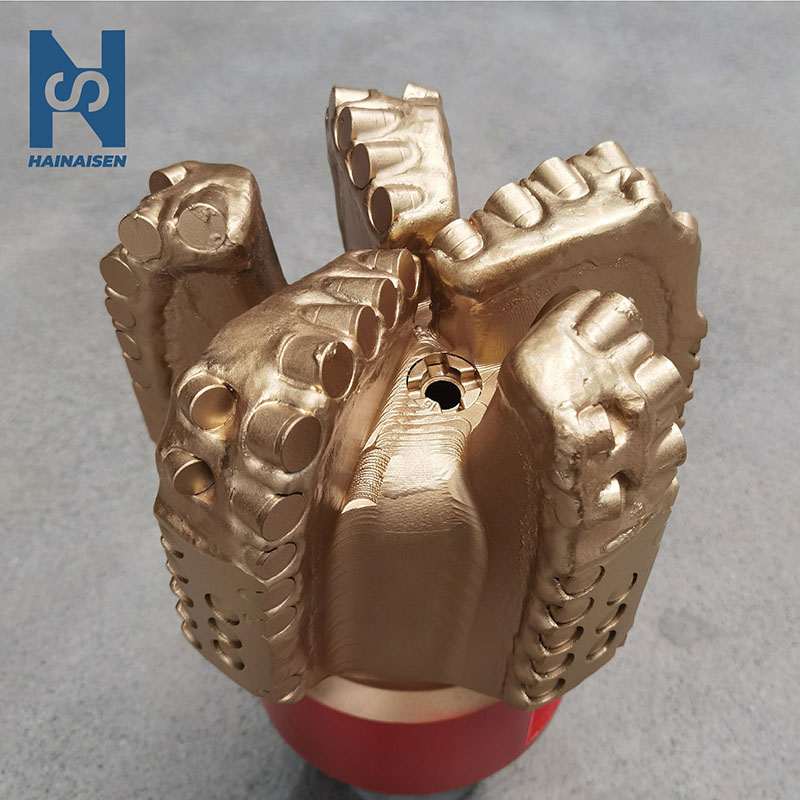
The four-blade design is the best compromise between strong cutting action and structural safety. Our 4 Wings Blades PDC Bit has advanced PDC cuts on each blade that shear rock instead of crushing it. This lets it go deeper into layers like shale, limestone, sandstone, and gypsum more quickly. The space between the blades makes natural pathways for fluid flow, which makes it easier for the cuttings to move away from the work area. This shape lowers the power needed compared to five- or six-blade options while keeping better directional stability than three-blade designs. The steel body design makes it very resistant to impact when drilling through interbedded rocks where the hardness changes quickly.
Common Hydraulic Challenges in PDC Bit Applications
In drilling operations, hydraulic flaws that hurt performance measures happen all the time. Bit balling happens when fine-grained cuts stick to the bit face. This dulls the cutting structure and forces operators to lower the bit's weight or pull it out too soon. Cuttings can't get rid of themselves when there isn't enough flow velocity between the blades. This makes the environment rough, which speeds up the wear on PDC cutters. Not putting the nozzles in the right place causes uneven pressure distribution, which leaves dead zones where the flow rate of the fluid falls below the levels needed for effective cleaning. These problems get worse when drilling for water wells or in mines, where cost concerns mean that bits have to be used as much as possible before they need to be replaced.
How Computational Fluid Dynamics (CFD) Revolutionizes Bit Hydraulics Optimization?
CFD Simulation Technology in Drilling Engineering
CFD software makes detailed three-dimensional models of drilling bits and mimics how fluids would behave in real-life situations deep underground. Engineers put in information like flow rates, mud properties, rotational speeds, and formation features to make pictures that show the bit's motion vectors, pressure gradients, and turbulence patterns. Before spending a lot of money on prototyping, this computational method shows how changes to the design, like changing the shape of the blades or the angle of the tip, affect the hydraulic performance. The technology lets you quickly try out different design options, trying dozens of combinations in a fraction of the time it would take to do physical testing on just one or two.
Optimizing Nozzle Configuration Through Virtual Testing
Shaanxi Hainaisen Petroleum Technology's engineering team uses CFD analysis to find the best number, size, and angle of nozzles for each unique bit design. Simulations show how changes in flow rate (between 25 and 36 litres per second) affect the shape of the blades to get the best cleaning results. The study figures out the exact opening angles that send fast-moving jets into the spaces between the blades, where cuttings tend to gather while the machine is turning. We keep improving the accuracy of our models by comparing CFD predictions with field performance data from oil service companies and geological exploration projects. This way, we can make sure that our bits work reliably at speeds ranging from 60 to 250 RPM and drilling pressures of 10 to 100 kilonewtons.
Measurable Performance Improvements From CFD Application
Contractors who use bits that are optimized for CFD report real, practical benefits that have a direct effect on the project's costs. Overall drilling time is cut by 15–25% when the rate of entry is improved. This means that medium and big oil service companies that use expensive drilling platforms can save a lot of money on rig day costs. Longer bit life means fewer trips to change bits, which cuts down on wasted time that can take up big chunks of well-building costs. The improvements in longevity are especially welcome in coal mines, where better hydraulics lower the thermal stress on PDC cuts during long runs through rough rock formations. More reliable bit performance helps water well drilling teams bid on and schedule projects more accurately.
Comparison of 4-Wing Blades PDC Bits with Other Bit Designs Using CFD Insights
Hydraulic Efficiency Across Different Blade Counts
CFD modelling shows clear hydraulic trade-offs that happen when the number of blades changes. The three-blade design lets fluid move easily and requires little torque, so it can be used in soft forms where cutting structures that are too aggressive are not needed. However, their directional steadiness isn't as good in tough situations where exact trajectory control is needed. Five- and six-blade designs are more stable and last longer because the loads on the cutters are spread out more evenly. However, they require more power and make less open flow channels, which can make it harder to remove cuttings in sticky forms. It turns out that the four-blade design is a good middle ground that keeps enough flow channels while providing enough stability for most directional drilling needs in oil and gas research.
Durability and Maintenance Considerations
Field data compared to CFD forecasts shows how hydraulic optimization increases the life of different types of equipment. Drill bit Manufacturers in china Bits that get rid of cuttings efficiently put less thermal stress on each cutter because they are always touching new rock, which keeps frictional heat from building up and breaking down the ties between diamonds and matrix. Our quality control tests show that designs that use CFD work cooler during long drilling intervals, keeping the cutter's integrity for thousands of feet of depth. The companies that mine coal like this benefit from longevity improvement because it saves them money compared to cheaper options that need to be replaced more often. The longer maintenance period is especially helpful for geological core sampling, where bit changes could damage delicate formation samples.
Cost-Benefit Analysis for Procurement Decisions
When purchasing managers look at big investments, they need to look at more than just the original purchase price. They need to look at the total cost of ownership as well. A CFD-optimized bit that costs a little more than other options usually offers better value through better performance measures. When you combine faster entry rates, longer operating life, and less time spent not working, you get a great return on your investment. This is especially true for projects that drill multiple wells in the same formation. Technical experts can define bits that are perfectly matched to the expected geological conditions. This way, over-engineered solutions that raise costs needlessly can be avoided, and performance gaps can be ensured to be adequate. Our customization services let us make solutions that fit the needs of each project. This helps both big oil service companies and smaller water well drilling companies get the most out of their investments.
Implementing CFD-Optimized 4-Wing Blades PDC Bits in Procurement and Operations
Selection Criteria for Hydraulic Performance
When looking at bit providers, people in charge of buying things should ask to see proof that the hydraulic claims are backed up by CFD analysis. Manufacturers of good products show modelling results for their designs that show velocity profiles, pressure distributions, and estimates for how cuts will move. The bit's tip should be set up so that it works with the pump's available power and the way the rock is expected to behave. Our normal flow rate range of 25 to 36 litres per second works with most standard drilling rigs and gives you options for special uses. Check that the working parameters, such as speed ranges and drilling pressure limits, match the needs of your drilling programme and the tools you have. Our engineering team works with clients to look over formation data and suggest configurations that are best for the features of the goal strata.
Procurement Considerations and Supplier Evaluation
To build ties with capable bit makers, you need to do more than just compare prices when looking for a seller. In our 3,500-square-meter production plant, where five-axis machining centres and CNC machine tools make sure exact tolerances on critical dimensions that affect hydraulic performance, Shaanxi Hainaisen Petroleum Technology follows strict quality control protocols. Our focused research and development team can make custom bits to solve specific geology problems or meet specific drilling needs. When you're discussing a supply agreement, make sure you understand the wait times for standard and custom designs, the guarantee terms for premature wear or manufacturing flaws, and the availability of technical help during drilling operations. Medium and big oil service businesses value suppliers that can consistently deliver high volumes of goods to support drilling campaigns for multiple wells.
Maintenance Practices for Sustained Performance
The hydraulic efficiency built into CFD-optimized designs is kept safe by following the right bit handling and repair procedures. Check valves often for wear or clogging that changes the flow patterns that are supposed to happen, and makes cleaning less effective. Always keep an eye on the drilling factors. Changes in torque, bit weight, or penetration rate can often mean that there are hydraulic problems before any damage to the bit can be seen. Between runs, clean the bits very well to get rid of any formation waste that might get in the way of flow paths during later operations. When you store bits the right way, they won't damage cutting structures or needle holes when they hit something. Our technical support team helps you figure out how to get the most out of each bit while also figuring out the right pull points that balance the bit's remaining life with the risk of a catastrophic failure downhole.
Future Trends: The Role of CFD in Advancing 4-Wing Blades PDC Bit Technology
Artificial Intelligence Integration in Hydraulic Modelling
New computer technologies blend CFD models with machine learning algorithms that find the best design factors faster than the old ways of doing engineering. These systems with AI look at thousands of virtual bit setups and learn which geometric features give the best hydraulic performance in a range of formation situations. The technology shortens the time it takes to make custom bits, which lets makers reply faster to specific customer needs. As drilling operations produce more performance data, machine learning models will get better at making predictions. Eventually, this will allow real-time hydraulic optimization suggestions based on actual downhole conditions sent by measurement-while-drilling systems.
Sustainability Through Engineering Excellence
Environmental duty is becoming more and more important in the drilling business when it comes to buying things. CFD-optimized drill bit manufacturers in China help reach sustainable goals by cutting down on the time lost from work because bits break down too soon or aren't cleaned properly. When bits last longer, they need to be made less often, which means that less material is used over the course of a drilling job. When the rate of entry is improved, less fuel is used, and less pollution is released per foot of hole dug. These environmental benefits are in line with companies' promises to sustainability and also have economic benefits. This is a good mix for procurement managers and engineering teams that are planning long-term operational strategies.
Strategic Recommendations for Technology Adoption
Companies that want to gain a competitive edge through improved drilling technology should work together with companies that are investing in CFD skills and new ideas. Take part in field trials that collect performance data that proves CFD predictions in real-world working situations. This creates feedback loops that help improve future designs. Instead of just looking for the lowest starting cost, make sure that your buying plans credit sellers that show they are always getting better through engineering progress. Technical engineers should keep up with how simulations are changing and talk about practical problems with providers who can come up with specific answers. By working together, drilling companies can take advantage of new technologies and build relationships with suppliers that help them with difficult projects in a way that fits their needs.
Conclusion
CFD technology completely changes bit hydraulics optimization, making engineering accuracy possible that wasn't possible with old-fashioned testing methods. The four-blade PDC design is the best mix of cutting efficiency, hydraulic performance, and operating flexibility for a wide range of drilling tasks. When procurement professionals and technical experts work together with makers who use advanced simulation tools to make bits that meet specific business needs, they gain a competitive edge. As computer technologies keep getting better by adding AI and real-time optimization tools, companies that adopt these new ideas will be able to keep their operations running smoothly and efficiently while saving money.
FAQ
Q1: How does CFD specifically improve bit hydraulics compared to traditional design methods?
CFD makes detailed pictures of how fluid flows around complicated bit shapes, showing hydraulic problems that can't be seen with regular tests. This allows exact placement of the nozzle and optimization of the blade shape, which increases the efficiency of cutting removal while reducing pressure loss. For traditional physical testing, expensive prototypes must be made, and time-consuming field trials must be conducted for each design variation. CFD, on the other hand, analyses dozens of options online.
Q2: What differentiates four-blade PDC bits from other blade configurations in practical drilling?
Four-blade designs strike a good mix between strong cutting action and enough space between the blades to allow fluid to flow and pieces to be removed. They need less power than five- or six-blade options and are more stable in all directions than three-blade options, which makes them good choices for a wide range of formation situations.
Q3: How can procurement managers verify authentic CFD optimization in supplier products?
Ask for thorough modelling files that show velocity profiles, pressure distributions, and cuttings transport analyses that are specific to the bit designs that are being given. Manufacturers of good products offer technical support that shows how CFD insights changed the shapes and configurations of the nozzles and blades. This is backed up by field performance data that confirms the expected gains.
Partner with HNS for CFD-Optimized 4-Wing Blades PDC Bit Solutions
Shaanxi Hainaisen Petroleum Technology uses cutting-edge CFD engineering and precise manufacturing to create drilling solutions that cut costs and boost operational efficiency. As a 4 Wings Blades PDC Bit provider, we can offer custom design services that are made to fit your formation problems and drilling goals. Our modern building has the best machining technology in the business, which lets us make high-quality bits that work consistently in tough jobs like oil and gas research and water well construction. Email our engineering team at hainaisen@hnsdrillbit.com to talk about how CFD-optimized bit designs can help you do better in the hole.
References
1. Bourgoyne, A.T., Millheim, K.K., Chenevert, M.E., and Young, F.S. "Applied Drilling Engineering: Principles and Practices," Society of Petroleum Engineers Textbook Series, Volume 2, 1991.
2. Lyons, W.C., Plisga, G.J., and Lorenz, M.D. "Standard Handbook of Petroleum and Natural Gas Engineering: Drilling and Well Completions," Gulf Professional Publishing, Third Edition, 2015.
3. Detournay, E. and Defourny, P. "A Phenomenological Model for the Drilling Action of Drag Bits," International Journal of Rock Mechanics and Mining Sciences, Volume 29, Issue 1, 1992.
4. Mitchell, R.F. and Miska, S.Z. "Fundamentals of Drilling Engineering," Society of Petroleum Engineers Textbook Series, Volume 12, 2011.
5. Winters, W.J., Warren, T.M., and Onyia, E.C. "Roller Bit Model with Rock Ductility and Cone Offset," SPE Annual Technical Conference and Exhibition, Society of Petroleum Engineers Paper 16698, 1987.
6. Ma, Y., Huang, Z., Li, Q., Zhou, Y., and Peng, S. "Cutter Layout Optimization for Reduction of Lateral Force on PDC Bit Using Kriging and Particle Swarm Optimization Methods," Journal of Petroleum Science and Engineering, Volume 163, 2018.
 VIEW MOREPDC Diamond Bit
 VIEW MORE4 1/2" IADC 637 TCI Tricone Bit
 VIEW MORESteel Tooth Bit
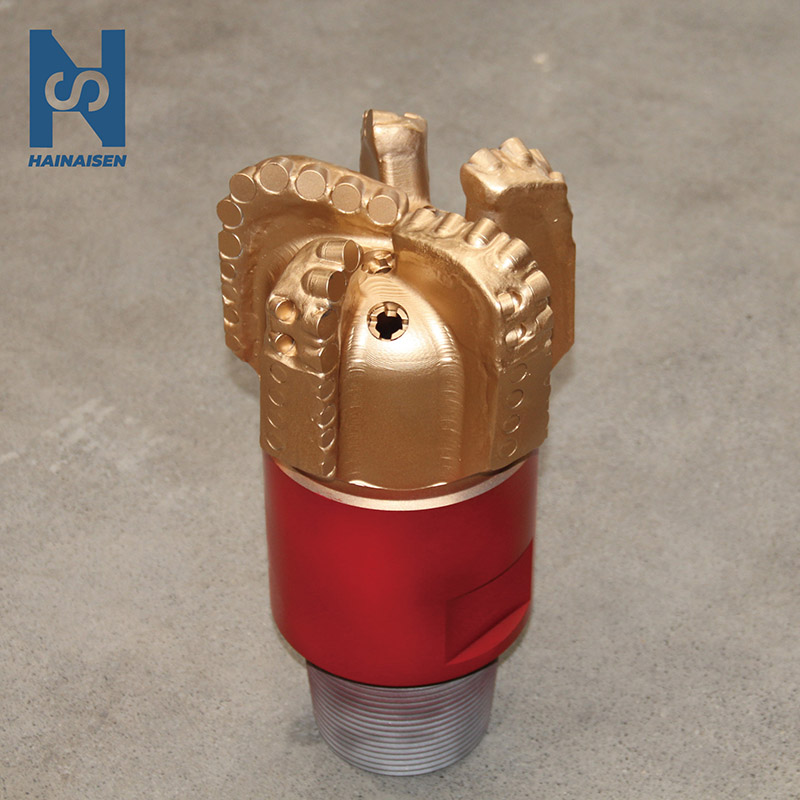 VIEW MOREFive Blades Oil Well Drill Head
logo 1_1777361260784.jpg) VIEW MOREFour Wing Arc Angle PDC Drill Bit
VIEW MOREFour Wing Arc Angle PDC Drill Bit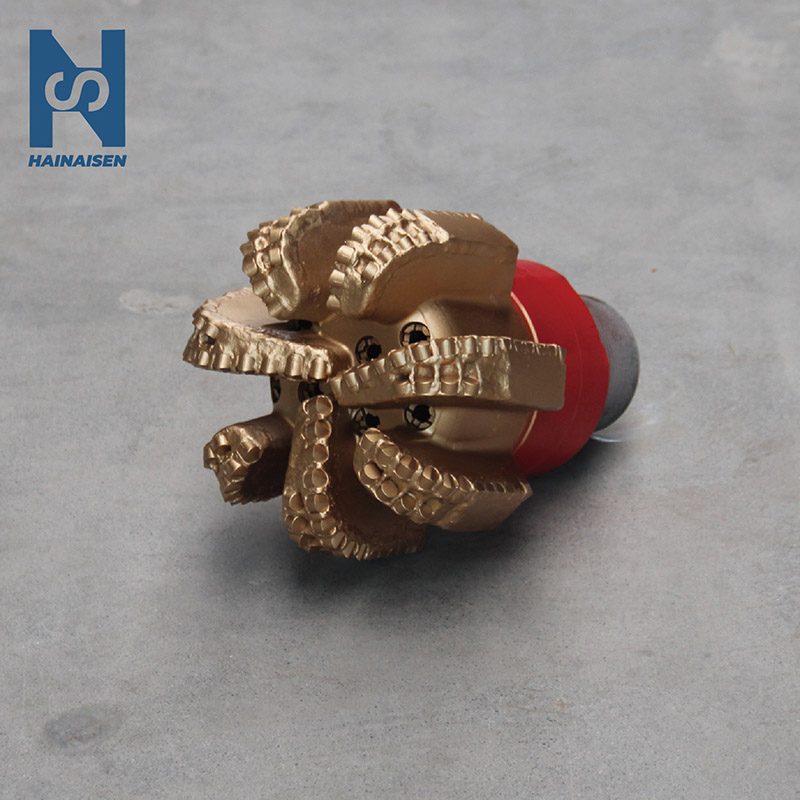 VIEW MORESeven Blade Wing Oil Drilling Drill Bit
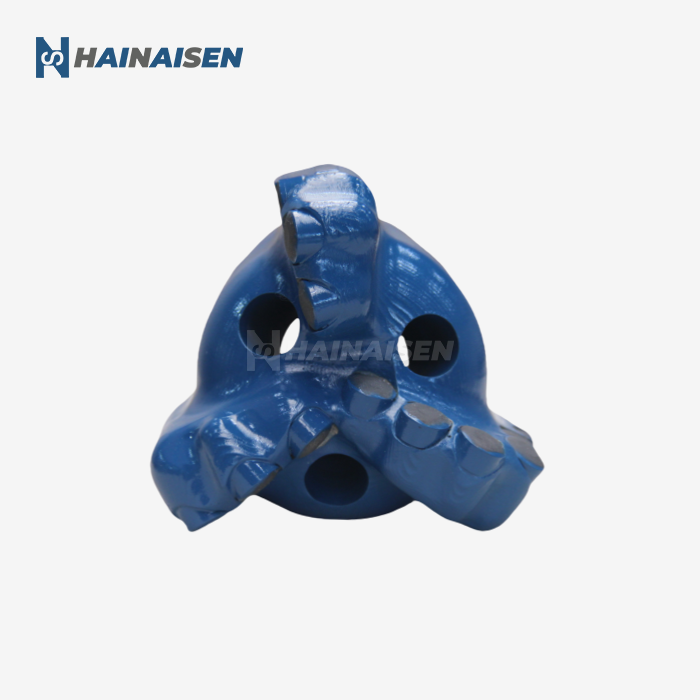 VIEW MORE113mm PDC Arc Angle Drill Bit
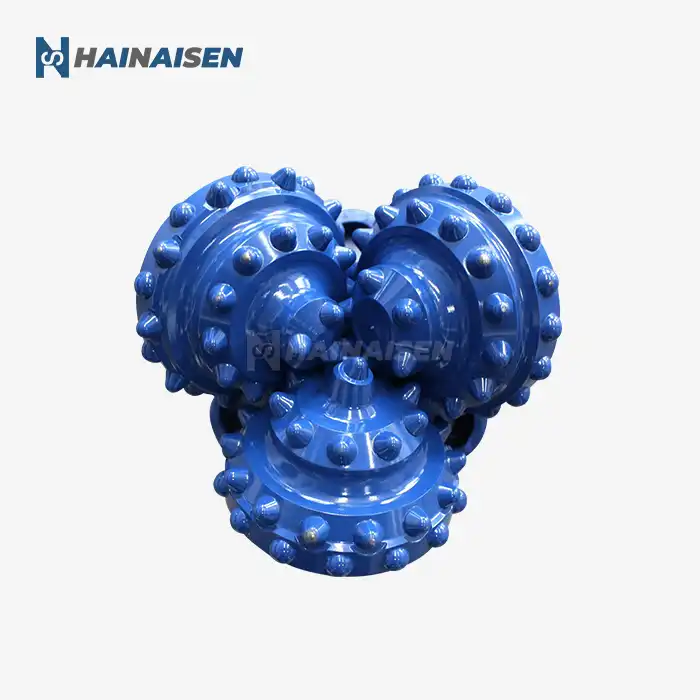 VIEW MORE5 1/2 Inch IADC 537 Tricone Rock Bit for Medium-Hard Formations
