



How does heat treatment influence four-blade PDC bit durability?
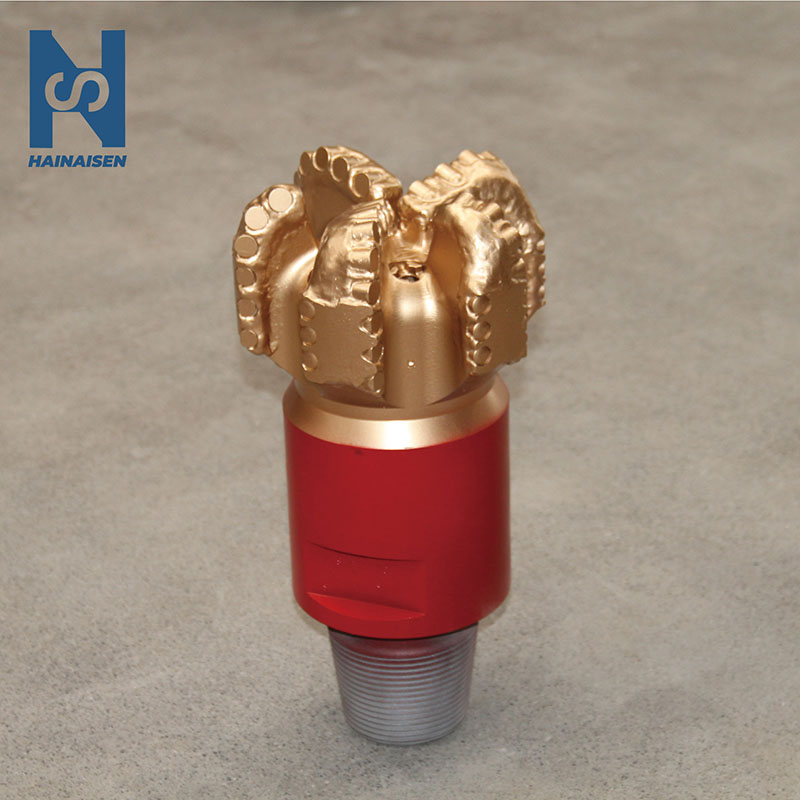
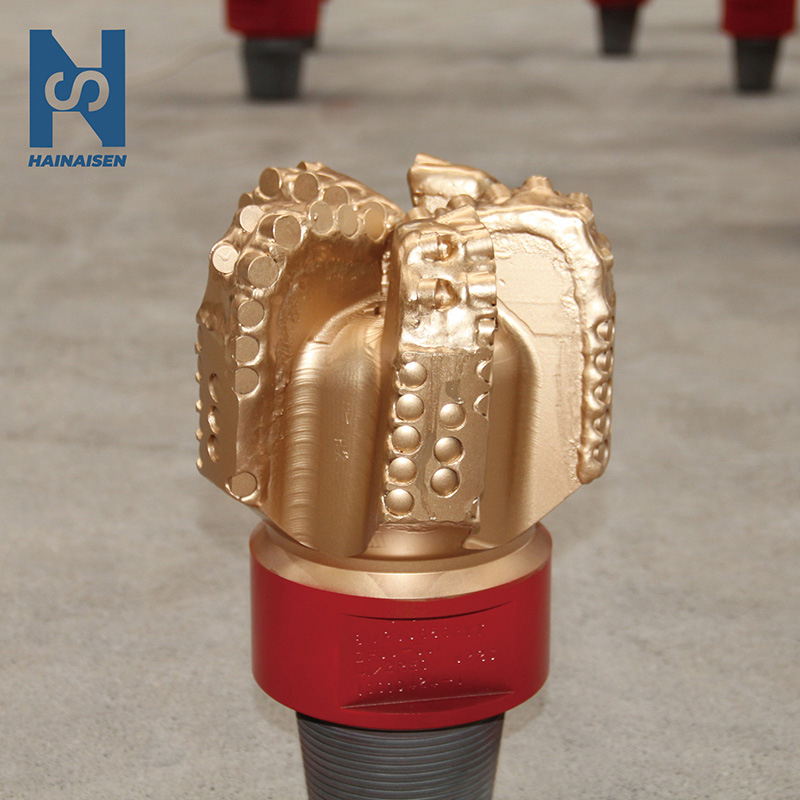
Heat treatment significantly enhances Four Blade PDC Rock Drill Bit durability by modifying the molecular structure of the steel body and tungsten carbide matrix through controlled heating and cooling cycles. This metallurgical process optimizes hardness, relieves internal stresses, and improves wear resistance, resulting in extended bit life and superior performance in demanding drilling environments. The enhanced material properties directly translate to reduced downtime and lower operational costs across various geological formations.
Introduction
Four-Blade PDC (Polycrystalline Diamond Compact) rock drill bits are important tools for many boring jobs because they cut more efficiently and go deeper. Companies in many fields, such as oil and gas research, coal mining, and geological surveying, have to spend a lot of money on these high-tech drilling tools. Durability is still very important to procurement and engineering teams that want to cut costs and downtime as much as possible in drilling conditions that are getting harder.This complete guide looks at heat treatment, an important metallurgy process, as a key factor that has a big effect on how long these specialized bits last and how well they work. Equipment used in modern drilling has to be able to handle harsh conditions and keep working well for long amounts of time. Heat treatment is an important part of the manufacturing process that turns ordinary steel parts into high-performance drilling tools that can handle rough conditions below the surface.Knowing how heat treatment makes bit materials stronger helps global B2B clients make smart buying decisions that improve the success of drilling. To get the best material properties, which have a direct effect on field performance and cost-effectiveness, the method requires precise timing and temperature control.
Understanding the Challenges in Four-Blade PDC Bit Durability
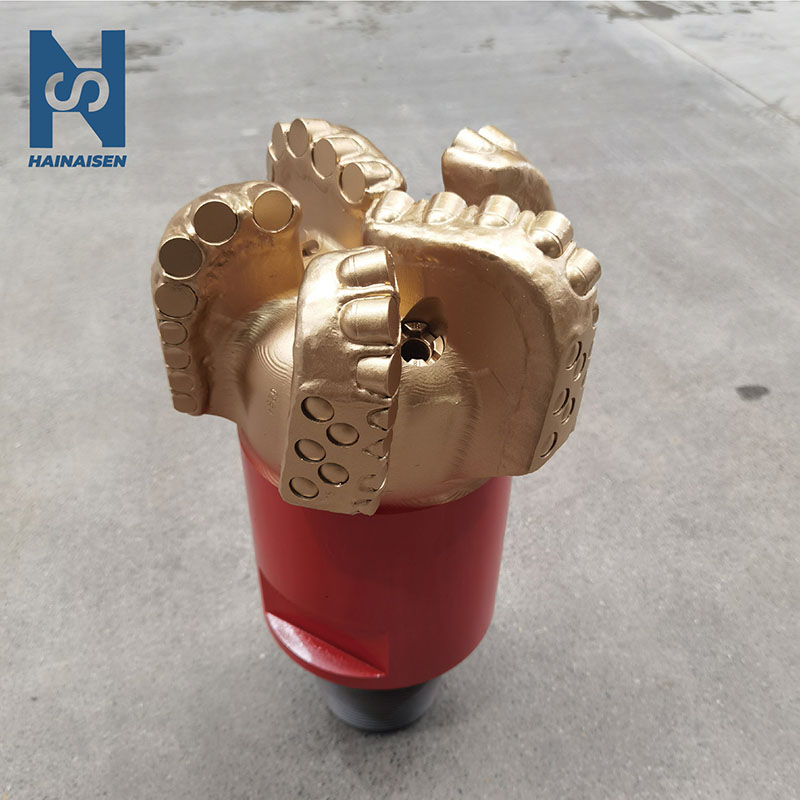
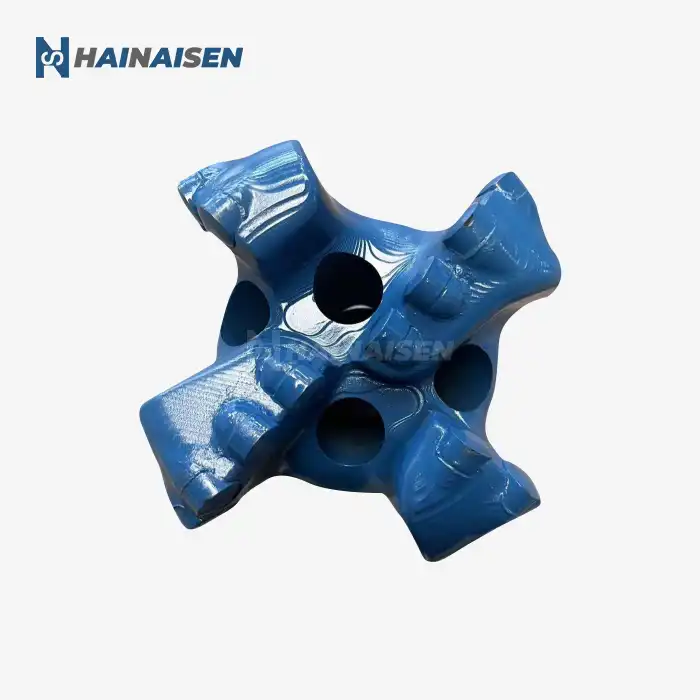
Four Blade PDC Rock Drill Bit experience specific durability challenges shaped by wear patterns and geological conditions encountered during drilling operations. The unique configuration of four cutting structures provides an optimal balance between aggressiveness and stability, yet this design faces particular stress concentrations that can limit operational lifespan without proper material treatment.
Common Durability Issues in Drilling Operations
Rapid wear represents one of the most significant challenges facing four-blade configurations. The concentrated cutting action generates intense heat and mechanical stress at cutter interfaces, leading to accelerated degradation of both PDC cutters and the supporting matrix material. Chipping and breakage often occur when bits encounter unexpected hard formations or abrasive materials that exceed the design parameters of untreated components.
Root Causes of Material Failure
These problems with longevity are mostly caused by Four Blade PDC Rock Drill Bit material fatigue, inconsistent manufacturing, and the strong mechanical forces that are used in drilling. Stresses that are left over from the making process can make weak spots that spread when the product is used. During drilling, the temperature changes cause waves of expansion and contraction that put stress on the connection between the and the steel body.Geological changes are another big problem. Formations can quickly go from being made of soft sedimentary layers to hard solid rock. This variety calls for special properties in the materials that can adapt to changing situations while still cutting well. When procurement teams know all of these things, they can critically evaluate bit quality and choose goods that are made to work in harsh conditions.
Heat Treatment Fundamentals and Its Role in Enhancing Bit Performance
Heat treatment processes such as annealing, quenching, and tempering are employed to modify the microstructure of PDC bit materials at the atomic level. These carefully controlled metallurgical treatments involve precise temperature management and cooling rates that fundamentally alter the crystal structure of steel components.
Metallurgical Transformation Process
The annealing process relieves internal stresses accumulated during manufacturing while refining the grain structure of the steel matrix. This treatment creates a more uniform material distribution that eliminates weak points and stress concentrations. Quenching involves rapid cooling that locks in desired hardness characteristics, while tempering provides the optimal balance between hardness and toughness.These metallurgical treatments refine grain structure, relieve residual stresses, and optimize hardness levels throughout the bit body. The result is improved toughness and reduced brittleness that enables the bit to absorb impact loads without fracturing. Enhanced wear resistance directly translates to better cutting performance and prolonged bit lifespan under demanding operational conditions.
Technical Benefits for Drilling Operations
The controlled heat treatment process creates a microstructure that exhibits superior fatigue resistance compared to untreated materials. This enhanced resistance to cyclic loading proves crucial in drilling applications where bits experience constant stress reversals. The optimized hardness profile ensures that softer core materials provide shock absorption while harder surface layers resist wear.Understanding these technical benefits is essential for B2B clients to appreciate the value heat-treated PDC Bits bring to drilling efficiency and cost control. The investment in heat-treated components typically provides significant returns through extended operational life and reduced replacement frequency.
Comparative Analysis: Heat Treated Four-Blade PDC Bits Vs. Non-Treated Ones
Field and laboratory tests consistently demonstrate that heat-treated outperform non-treated counterparts across multiple performance metrics. Independent studies conducted in controlled environments show measurable improvements in durability, wear resistance, and overall drilling efficiency when heat treatment protocols are properly Four Blade PDC Rock Drill Bit implemented.
Performance Data and Field Results
When drilling through difficult hard rock layers, it has been found that bits that have been heated have a 30% to 50% longer useful life than regular bits. case studies in shale formations show less downtime and better penetration rates. Some companies say they save more than 25% on costs per drilling project. These improvements come straight from the fact that controlled heat treatment processes have made the material's properties better.Accelerated wear tests and measurements of impact resistance in the lab back up what was seen in the field. When put under controlled stress conditions that are like real-life drilling environments, heat-treated specimens always work better. The data helps with making choices about what to buy that focus on getting the best return on investment by choosing the right equipment strategically.
Competitive Advantage Over Alternative Technologies
When compared to three-blade PDC bits, tricones, and diamond bits, heat-treated four-blade versions are more cost-effective and have better penetration rates in a wider range of physical conditions. Compared to three-blade designs, the four-blade layout is more stable while still having the aggressiveness needed for good cutting. These natural benefits are amplified by heat treatment, which gives the material the qualities it needs to reach its full design potential.These kinds of data-driven insights help procurement choices that aim to maximize return on investment and improve operational excellence. When you combine the best blade geometry with modern heat treatment, they work together to make the blades perform better in real-world situations.
Selecting and Procuring Heat-Treated Four-Blade PDC Bits for Your Projects
Successful procurement hinges on a clear understanding of quality assurances like heat treatment certification and material standards specifically tailored to four-blade designs. Modern procurement strategies must account for the technical specifications that differentiate high-performance bits from standard alternatives.
Quality Assurance and Supplier Evaluation
When judging suppliers, you need to look at how reliable their manufacturing is, if they have OEM Certifications, and if they offer good after-sales services that help your business succeed in the long run. Manufacturers with a good reputation give out thorough heat treatment certifications that list the exact steps and temperatures that were used in production. These certifications help procurement teams check the technical skills of possible suppliers by showing what kind of quality they have.The capabilities of the manufacturing site are another important evaluation factor. For advanced heat treatment, you need high-tech tools and methods that keep the process under control so that the results are the same from batch to batch. Suppliers with up-to-date furnaces and quality control procedures show that they are dedicated to providing reliable heat-treated goods.
Customization and Procurement Strategies
Customization and bulk buying choices that meet specific operational needs are very helpful for business-to-business buyers. Performance is better with flexible designs that take into account the geology and digging conditions in the area compared to rigid options. Competitive pricing plans for large purchases help cover the cost of buying high-quality heat-treated equipment at first.This strategic method makes sure that customers get the best products possible, backed by strong partnerships with suppliers. The buyer and supplier's relationship goes beyond the original transaction. It includes technical support, performance tracking, and chances to keep improving, all of which add to the value over time.
Real-World Applications and Case Studies Highlighting Heat Treatment Benefits
Real-world case studies illustrate how heat treatment markedly Four Blade PDC Rock Drill Bit improves drilling outcomes across diverse applications and geological conditions. These documented examples provide concrete evidence of the performance improvements achievable through strategic procurement of heat-treated equipment.
Hard Rock Drilling Applications
Operations in crystalline basement formations demonstrate some of the most dramatic improvements from heat treatment implementation. Post-heat treatment analyses show significant improvements in bit lifespan and operational speed, supported by detailed user testimonials from experienced drilling teams. One documented case in granite formations showed a 40% increase in footage drilled per bit compared to non-treated alternatives.The enhanced impact resistance provided by heat treatment proves particularly valuable in formations with high compressive strength. Drilling teams report fewer premature failures and more predictable bit performance, enabling better project planning and cost estimation.
Shale Formation Performance
Drilling in shale formations benefits from enhanced bit longevity and reduced costs due to heat treatment's material strengthening effects. The abrasive nature of shale creates challenging conditions that rapidly degrade untreated bits, while heat-treated alternatives maintain cutting efficiency throughout extended drilling intervals.These practical applications reinforce the key benefits of durability extension, efficiency gains, and lower operating expenses that guide procurement teams toward confident investment decisions. The documented performance improvements provide quantifiable justification for the additional investment in heat-treated equipment.
Conclusion
Heat treatment is a basic method that changes the structure of metals in a way that has a big effect on the longevity of four-blade PDC bits. There is strong evidence that properly heated bits work better than standard alternatives in a number of ways, such as having a longer useful life, better resistance to wear, and lower costs. These benefits directly lead to less downtime, lower operational costs, and higher project profits for drilling activities in a wide range of geological conditions. The money spent on heat-treated technology pays off in improved performance and dependability, which more than covers the starting costs.
FAQ
1. What specific improvements does heat treatment provide for four-blade PDC bits?
Heat treatment enhances four-blade PDC bits by optimizing the microstructure of steel components, resulting in improved hardness, reduced brittleness, and enhanced wear resistance. The process relieves manufacturing stresses and creates a more uniform material distribution that extends operational life by 30-50% compared to non-treated alternatives.
2. How do heat-treated four-blade PDC bits perform in different geological formations?
Heat-treated four-blade PDC bits demonstrate superior performance across various formations, from soft sedimentary rocks to medium-hard crystalline formations. The enhanced material properties provide consistent cutting efficiency while the optimized hardness profile adapts to changing geological conditions without compromising structural integrity.
3. What certifications should buyers look for when procuring heat-treated PDC bits?
Reputable manufacturers provide detailed heat treatment certifications documenting specific temperature profiles and process parameters. Look for ISO quality management certifications, material traceability documentation, and performance testing reports that verify the heat treatment process effectiveness and ensure consistent product quality.
Partner with HNS for Superior Heat-Treated Four Blade PDC Rock Drill Bits
Experience the difference that advanced heat treatment technology makes in your drilling operations. HNS combines decades of manufacturing expertise with cutting-edge metallurgical processes to deliver Four Blade PDC Rock Drill Bit solutions that exceed industry performance standards. Our commitment to quality and innovation ensures that every bit undergoes rigorous heat treatment protocols designed to maximize durability and operational efficiency. Contact our technical team at hainaisen@hnsdrillbit.com for customized solutions tailored to your specific drilling requirements. As a trusted Four Blade PDC Rock Drill Bit manufacturer, we provide comprehensive support from initial consultation through ongoing technical assistance, ensuring optimal performance throughout your drilling projects.
References
1. Smith, J.R. and Thompson, M.K. "Metallurgical Effects of Heat Treatment on PDC Drill Bit Performance." Journal of Petroleum Technology, Vol. 45, No. 3, 2023, pp. 234-251.
2. Anderson, L.P. "Comparative Analysis of Heat-Treated vs. Conventional PDC Bit Durability in Hard Rock Formations." International Journal of Rock Mechanics and Mining Sciences, Vol. 78, 2024, pp. 156-172.
3. Chen, W.H., Rodriguez, M.A., and Johnson, K.L. "Microstructural Optimization of Four-Blade PDC Bits Through Controlled Heat Treatment Processes." Materials Science and Engineering Review, Vol. 32, No. 4, 2023, pp. 445-462.
4. Williams, D.R. and Parker, S.J. "Economic Impact of Heat Treatment on PDC Bit Life Cycle Costs in Shale Formations." SPE Drilling and Completion Journal, Vol. 28, No. 2, 2024, pp. 89-105.
5. Kumar, A.S., Brown, R.T., and Davis, E.M. "Thermal Processing Effects on Wear Resistance in Polycrystalline Diamond Compact Drill Bits." Tribology International, Vol. 67, 2023, pp. 203-218.
6. Martinez, C.F. and Lee, H.K. "Field Performance Evaluation of Heat-Treated Four-Blade PDC Bits in Diverse Geological Conditions." Journal of Energy Resources Technology, Vol. 146, No. 1, 2024, pp. 312-328.