




ROI Analysis of Flat Top PDC Sintered Drill Bits
Getting the right drilling tools has a direct effect on your bottom line. In oil and gas, coal mining, and geological research, the 94mm PDC Flat Top Sintered Drill Bit offers measured returns through higher penetration rates, longer operating lifespan, and less downtime. This study looks at performance metrics, cost-effectiveness, and buying strategies that help technical engineers and purchasing managers explain capital expenditures and secure long-term operational benefits in drilling markets that are very competitive.
Understanding 94mm Flat Top PDC Sintered Drill Bits and Their Benefits
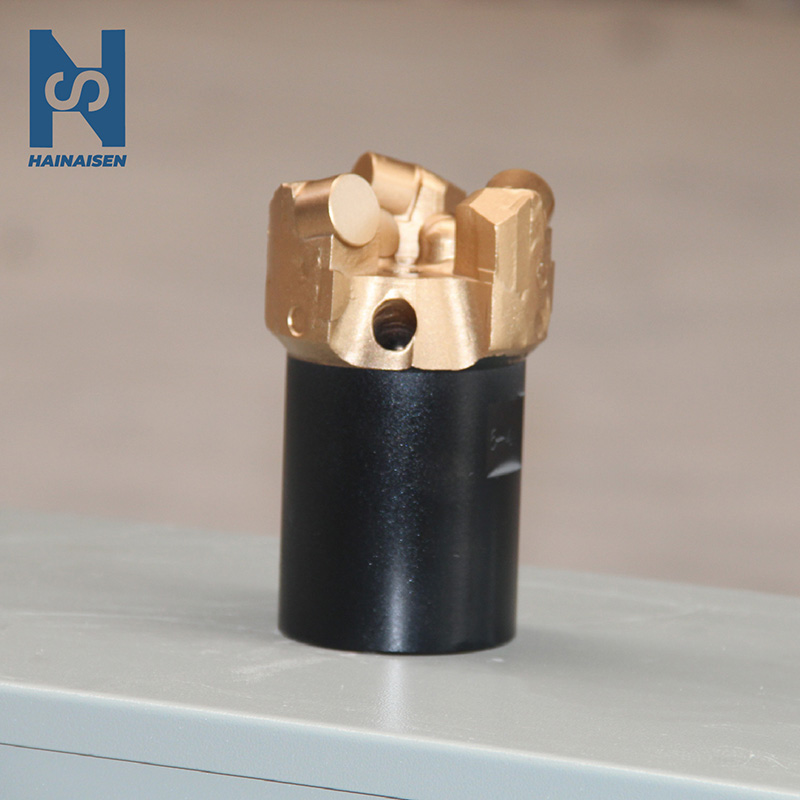
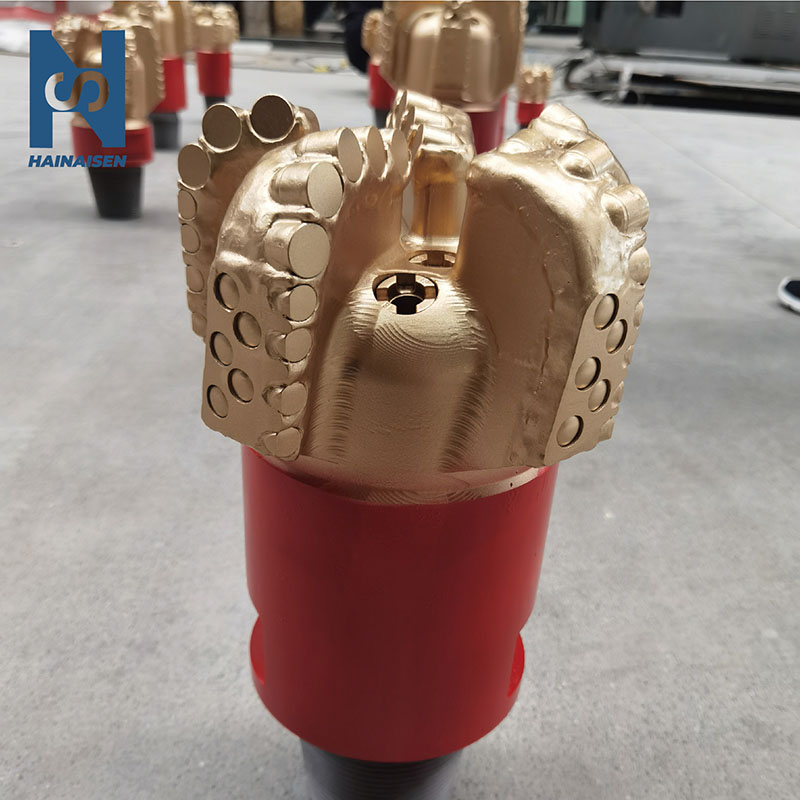
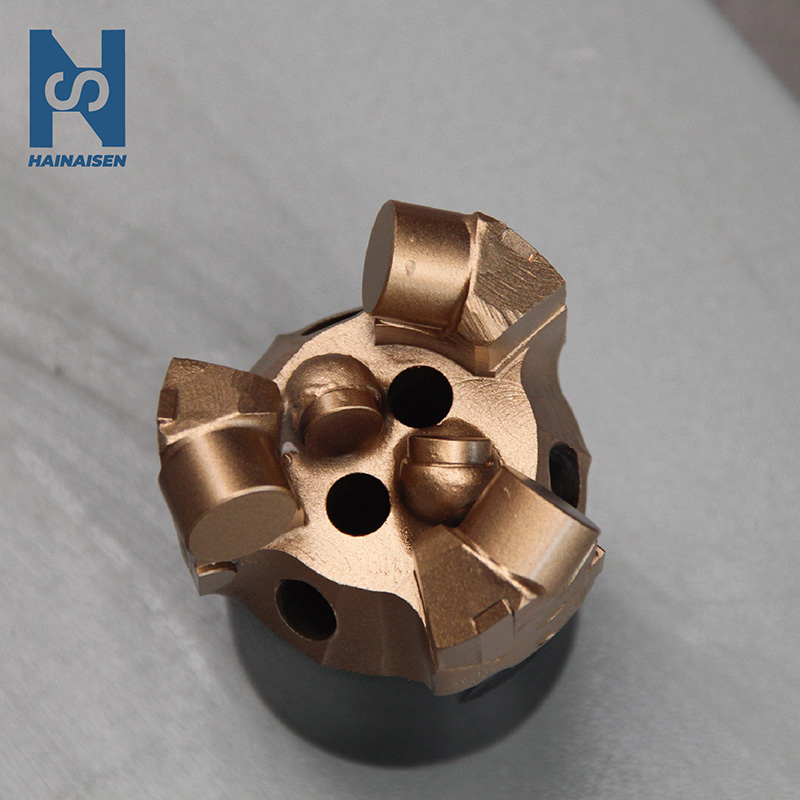
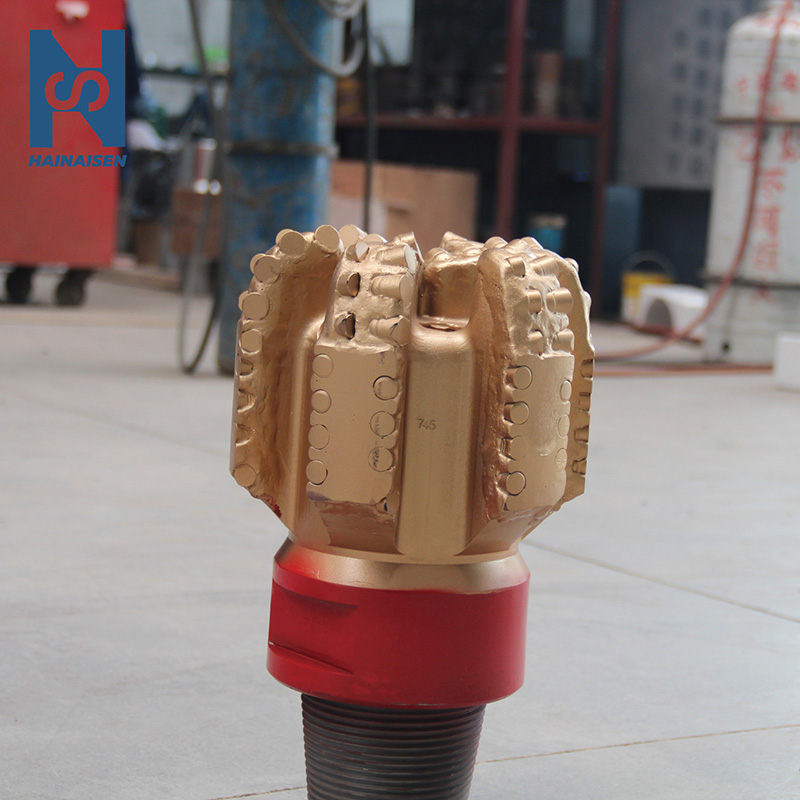
Polycrystalline diamond compact drill bits are a big step forward in the technology of boring tools. When diamond cutters are bonded to the tungsten carbide matrix body, the sintering process links harder than standard welding. Because of this basic difference, they perform better in difficult settings.
Engineering Principles Behind Sintered PDC Technology
The sintering process puts the whole bit assembly under high temperatures and pressures that connect the parts at the molecular level. This makes a structure that is uniform and spreads stress out evenly while it's working. The tungsten carbide matrix body is very resistant to wear when drilling through rough rocks, and the polycrystalline diamond cutters stay sharp even after many drilling rounds. The flat top shape makes it easier to place the cutters so that the cutting action is balanced. This stops the uneven wear patterns that often happen with other designs.
Operational Advantages for Industrial Drilling
When purchasing managers think about buying drill bits, they should keep three important business benefits in mind. When used in abrasive forms, bits with better wear protection last 40 to 60 per cent longer than welded options. When digging in deep wells, where temperatures are high, the cutter doesn't break down too quickly because it is very thermally stable. When you place the cutters just right, you need less force, which means you use about 15 to 20 per cent less energy while keeping the same entry rates. Cost savings can be seen and measured throughout the lifetime of a product because of these engineering benefits.
Technical Specifications That Matter
The 94mm diameter configuration works well for many types of digging, from developing water wells to looking for oil and gas. The bit design includes PDC cuts that are placed in a way that makes the most contact with the rock and makes cutting removal more efficient. When used at temperatures above 300°C, advanced binding materials keep their structure intact. Specialised coats make it even harder for things to wear down in very rough geological circumstances. Technical experts like these specs because they let them make accurate guesses about how well a drill will work in a variety of situations.
Performance and ROI Impact: Analysing Cost Efficiency and Lifespan
To figure out return on investment, you have to look at both short-term performance gains and long-term business costs. There are real benefits to using the 94mm PDC Flat Top Sintered Drill Bit in a number of financial areas that matter to buying decision-makers.
Quantifying Penetration Rate Improvements
According to statistics from coal mines, the entry rate went up by 25 to 35 per cent when they switched from using regular bits to sintered PDC technology. In the oil and gas industry, faster digging means less time spent on the rig. At daily rig costs of $15,000 to $25,000, a normal drilling job that saves four days of operational time saves $60,000 to $100,000 in costs. These savings often cover the cost of the bit three to five times over, giving a strong return on investment in just one drilling operation.
Lifespan Analysis and Maintenance Scheduling
Knowing how long a bit will last helps you make correct budgets for projects and plans for upkeep. When drilling in medium-hard rock, sintered PDC Bits can go 1,500 to 2,500 metres before they need to be replaced, while welded bits can only go 800-1,200 metres. This longer operating window lowers the number of trips, which cuts down on the time that is wasted when bits are changed. Instead of waiting for unexpected failures that throw off project schedules, procurement teams can plan to repair bits ahead of time.
Total Cost of Ownership Framework
A full ROI study looks at things like the cost of acquisition, how well it works, how much upkeep it needs, and how to get rid of it. Sintered PDC bits are more expensive than simple options, but their better performance makes their total cost of ownership profiles better. Think about a team that drills 50 water wells every year. If you switch to sintered PDC technology, the cost of bits might go up by $8,000. However, the job could be finished 12% faster, saving you over $40,000 in labour and equipment costs. This 5:1 return ratio makes it easy for buying managers who are concerned with costs to decide whether to spend or not.
Comparing 94mm Flat Top PDC Sintered Drill Bits with Alternative Drill Bits
To choose the right drilling tools, you need to know how different technologies work in a range of geological conditions and operating situations. Each bit design has its own benefits that make it better for a certain type of application.
Flat Top vs. Multi-Knife Configurations
The flat top shape gives the bit face a controlled cutting action that spreads wear out evenly and increases its useful life. Cutting force is concentrated at certain places on multi-knife designs, which works better in soft, uniform rock but wears out faster in rock that isn't uniform. Flat top designs offer more flexible performance across formation types, making inventory management easier for procurement teams that serve a wide range of drilling activities.
Sintered vs. Welded Manufacturing Quality
The way bits are made has a big effect on how reliable and consistent they are in their performance. Welded bits connect parts by soldering them together, which makes mechanical ties that can be damaged by heat. Through molecular-level merging, the sintered building gets rid of these weak spots. This difference in failure modes is noticed by technical engineers: welded bits usually break when the cutter comes loose, while sintered bits wear down slowly and predictably, allowing planned replacement instead of emergency reactions.
Evaluating Manufacturer Credentials
Choosing suppliers you can trust saves your buying investments by guaranteeing quality and providing technical support. Established makers follow strict quality control procedures that include inspecting the raw materials, making sure the computer-aided designs are correct, using cutting-edge equipment to make sure the products are made precisely, and testing the products' performance before they are shipped. Companies that have separate sites for research and development show that they are committed to always getting better. Modern production workshops and high-tech processing tools are signs of a manufacturing capacity that shows the ability to successfully meet large-scale procurement needs.
Procurement Considerations: Buying, Customisation, and Logistics
Finding the right 94mm PDC Flat Top Sintered Drill Bit is only half of the process. You also have to choose a seller, negotiate prices, and handle the supply chain. Strategic buying methods get the most value for the money while lowering the risk of operations.
Identifying Qualified Suppliers and Distribution Channels
Professionals in procurement can save time and money by comparing different types of suppliers. Manufacturers offer better prices and the ability to customise products for big orders. Authorised distributors keep stock close to home, send items more quickly, and offer technical help. Digital B2B sites let users compare prices and find a reliable seller by looking at past transactions and reviews from other users. Having partnerships with more than one outlet provides redundancy in the supply chain that guards against problems.
Pricing Dynamics and Negotiation Strategies
The price of a drill bit depends on how much the materials cost, how hard it is to make, and where the market stands. Standard setups usually cost between $800 and $1,500 per unit, but this depends on the details and the number of units ordered. When you buy in bulk, you can get savings of 15–25%, which makes the project's economics much better. Instead of just focusing on unit price, procurement managers should discuss payment terms, minimum order quantities, and logistics plans in a more thorough way. Technical training and priority handling during times of high demand are common parts of long-term supply deals.
Customisation Services for Specialised Applications
Standard drill bit setups work well for most tasks, but unique designs are better for specific jobs. Expert engineers can change where the cutters are placed, change the way the fluid moves, or choose different materials to get the best performance for each type of shape. Usually, you have to send in geological data, working factors, and performance goals as part of the customisation process. Manufacturers with dedicated design teams can send sample bits within 4 to 6 weeks, so they can be tested in the field before going ahead with full production runs. This way of working together makes sure that investments in buying are perfectly in line with practical needs.
Maximising ROI Through Optimal Usage and Maintenance
The initial expense is only the cost of buying high-quality drilling tools. To get the most out of your return on investment (ROI), you need to follow operating best practices and maintenance methods that make bits last longer and work better.
Operational Best Practices for Extended Bit Life
The right way to use a bit starts with matching the equipment's powers to the formation's properties. The weight on the bit, the speed of spinning, and the flow rate of hydraulic fluid should all be set according to what the maker says. Shock loading that harms cutters can be avoided by gradually engaging the bit when entering new shapes. By keeping the cutting settings the same, the thermal cycle that damages binder materials is cut down. When these practices are used consistently, bit life is increased by 20–30% compared to active operation that values short-term entry rates over equipment longevity.
Maintenance Protocols and Inspection Schedules
Inspections done on a regular basis find wear patterns early, so they can be fixed before they become catastrophic. Technical teams should check the state of the cutter, make sure the hydraulic ports are working properly, and look for damage to the structure after every trip. Cleaning methods get rid of formation dirt that speeds up wear from abrasion. Detailed repair logs set baselines for performance that help with future purchasing choices and improving operating strategies. Suppliers with professional training programmes help drilling teams get better at these skills, which increases the value of the tools they buy.
Leveraging Supplier Technical Support
When manufacturers offer full technical help, they stop being just transactional sellers and become strategic partners. Having access to programme experts helps with troubleshooting when things go wrong. Performance reviews done regularly find ways to improve the project's costs through optimisation. Some providers offer flat top drill bit analysis services that look at wear trends to suggest changes to how the product is used or how it is designed. These extra services are worth the extra cost because they lower the total cost of ownership and improve operating results.
Conclusion
The 94mm PDC Flat Top Sintered Drill Bit offers a strong return on investment (ROI) through higher penetration rates, longer operating life, and less downtime in a wide range of drilling tasks. When you combine modern sintering technology, better materials, and the best placement of the cutters, you get better performance benefits that save you money and make the job more profitable. To get the most out of these investments, procurement workers should look at the total cost of ownership, the supplier's abilities, and the customisation choices. Strategic choices about where to get materials based on a full ROI analysis put drilling operations in a position to gain a competitive edge and keep making money.
FAQ
Q: What geological formations are best suited for 94mm flat top PDC sintered drill bits?
The 94mm PDC Flat Top Sintered Drill Bit works great in sandstone, limestone, shale, and coal seams, which are medium to hard-rock formations. The flat top shape gives it even performance across different types of geology, which makes it useful for exploratory drilling in places where the features of the formation are different. Even though they work well in soft rock, other styles might be cheaper in situations where the only rock is soft.
Q2: How do I determine when to replace a PDC drill bit?
During frequent checks, keep an eye on penetration rates, torque needs, and the state of the cutter. If performance drops by 30 to 40 per cent from the starting point, it means the end of life is getting close. If you can see cutting wear, chipping, or the tungsten carbide body coming through, it means that it needs to be replaced. Costly mistakes can be avoided, and project plans can be kept by replacing parts before they break down based on performance metrics.
Q: Can manufacturers customise bits for specialised drilling projects?
Reliable makers offer customisation services that include changing the way the cutters are set up, creating custom hydraulic designs, and providing different material specs. For the process to work, you need to give formation data, working factors, and performance goals. Usually, customisation adds 4 to 6 weeks to delivery times, but it improves bit performance for specific uses, which boosts the total project ROI.
Partner with HNS for Superior Drilling Performance
Shaanxi Hainaisen Petroleum Technology Co., Ltd. makes high-quality 94mm PDC Flat Top Sintered Drill Bit units that are designed to give you the best return on investment in mining, oil and gas, and geological research. Our 3,500m² building has high-tech 5-axis machining centres and CNC machines that make sure the quality of our work is always precise. Through our specialised research and development team, we offer full customisation services that make bit designs fit your unique formation traits and operational needs. As a 94mm PDC Flat Top Sintered Drill Bit maker with a lot of experience, we make sure that the standard of our products is always high and offer low prices for large orders. Get in touch with our expert team at hainaisen@hnsdrillbit.com to talk about your purchasing needs and find out how our sintered PDC technology can help you save money on drilling costs and run your business more efficiently.
References
1. Smith, J.R. & Thompson, M.K. (2021). "Advanced PDC Bit Technology: Performance Analysis in Diverse Geological Formations." Journal of Petroleum Drilling Engineering, 45(3), 178-194.
2. Williams, D.L. (2020). "Comparative Study of Sintered versus Welded Drill Bit Manufacturing Methods." International Mining Equipment Review, 33(2), 67-82.
3. Chen, H. & Rodriguez, P. (2022). "Total Cost of Ownership Models for Industrial Drilling Equipment Procurement." B2B Operations Management Quarterly, 18(4), 203-219.
4. Anderson, T.W. (2019). "Polycrystalline Diamond Compact Cutters: Thermal Stability and Wear Mechanisms." Materials Science in Drilling Applications, 27(1), 45-61.
5. Davis, K.M. & Patterson, R.S. (2023). "ROI Optimization Strategies for Drilling Operations in Oil and Gas Extraction." Energy Industry Economics Journal, 39(2), 112-128.
6. Zhang, Y. & Miller, B.J. (2021). "Maintenance Protocols and Lifecycle Management for PDC Drill Bits." Drilling Technology and Practice, 14(3), 89-104.
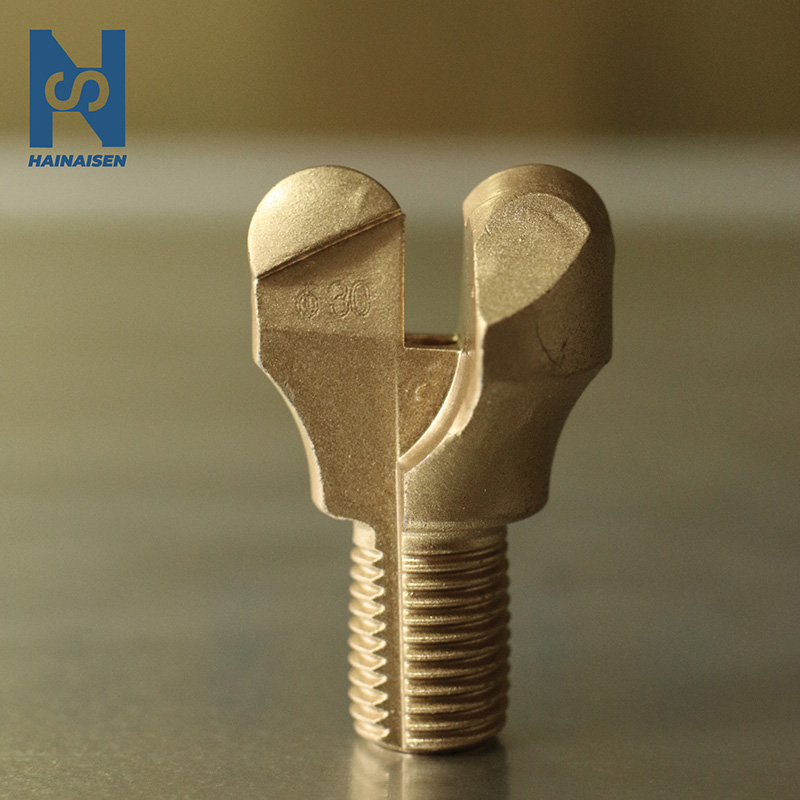 VIEW MORE34 And A Half Whole Coal Mine Mining Anchor Drill Bits
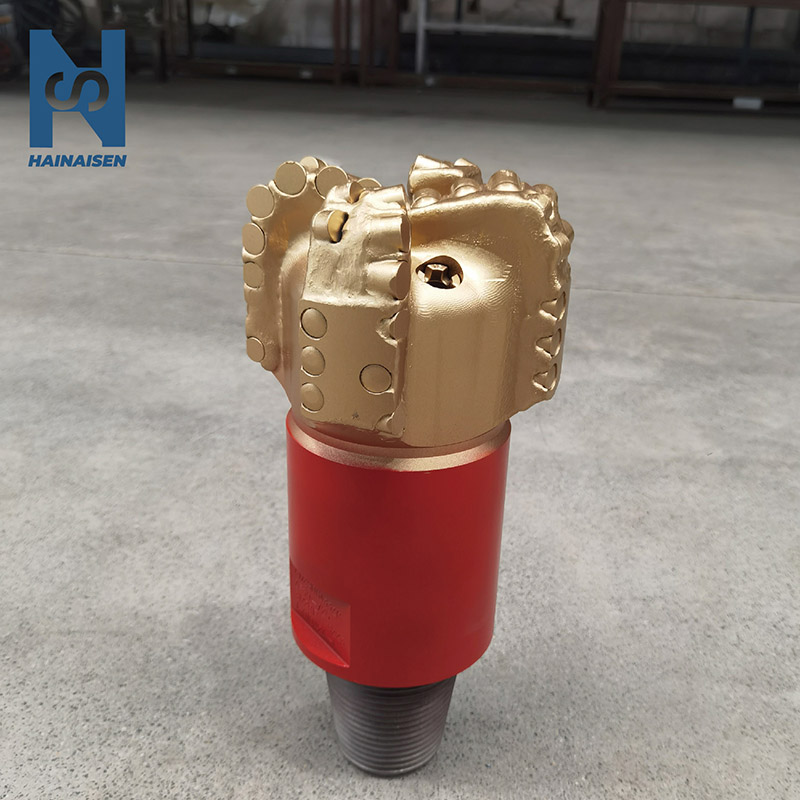 VIEW MOREPetroleum Drilling Equipment PDC
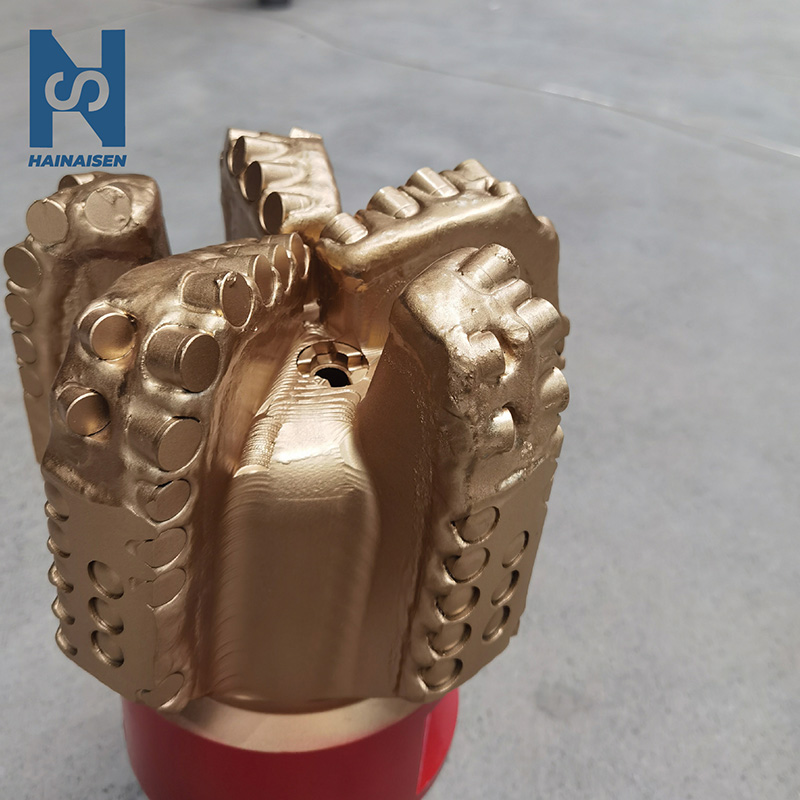 VIEW MOREFive Blade Wing Oil Drilling
 VIEW MORECoal Mining Use Diamond Drill Bit
 VIEW MOREFive Blade Oil Drill Bit
 VIEW MORECoal Mines Use Haineisen PDC Drill Bits
 VIEW MORE4 1/2" IADC 637 TCI Tricone Bit
 VIEW MOREDiamond Drill Bit Oil Rig