







Safety guidelines when using hard alloy roller drill bits
When drilling with tungsten carbide Roller Bits, safety rules must be followed at all times. The Hard Alloy Roller Drill Bit technology uses tungsten carbide plates and high-strength steel bodies to drill through tough rock formations, but it needs to be handled carefully because of its power. People who use these tools need to be aware that they are under a lot of stress—they crush rock at high speeds while also having to withstand huge horizontal forces. Following the right safety rules keeps people safe, extends the life of equipment, and stops costly operating failures in oil, gas, mining, and water well digging.
Understanding Hard Alloy Roller Drill Bits and Associated Safety Risks
What Makes These Drilling Tools Unique
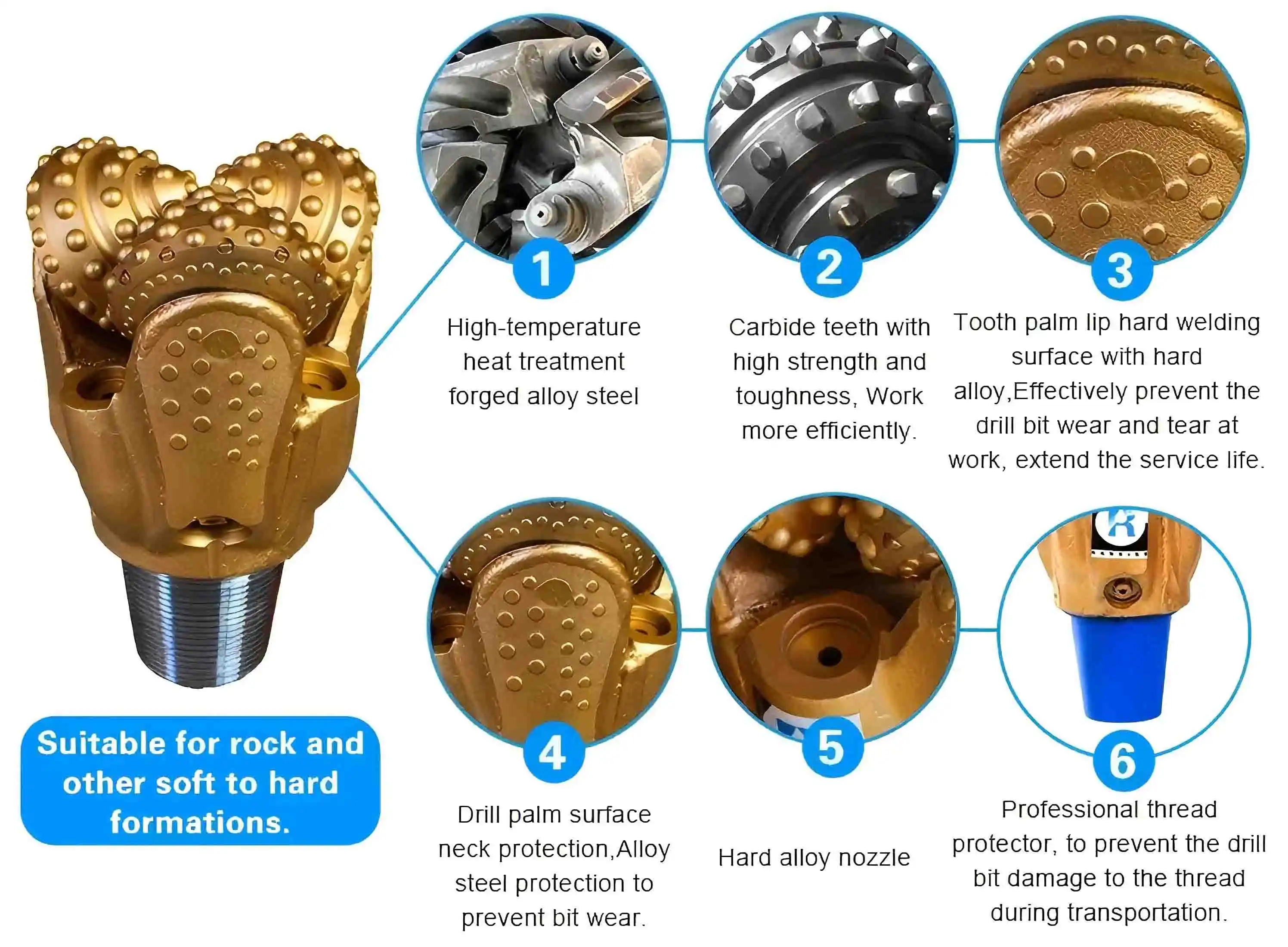
Roller cone drill bits are a more advanced way to break through rock. These tools are different from fixed-blade systems because they have spinning cones with tungsten carbide tips that crush formation material by rolling and scraping it. Our 140mm three-blade roller bit has a 3-1/2 REG.PIN connection that works with Level 1–12 strata and weighs 16 kg. The three-nozzle design makes it easy to remove cuts while keeping the bit cool while it works.
The tungsten carbide pieces are very hard; their Vickers scale scores range from 1,400 to 1,800. Because of this feature of the material, the bit can keep cutting well in rough rocks like granite and quartzite, where steel teeth would break down quickly. The body is made of high-strength steel, which can withstand contact without breaking. Advanced sealing materials keep contaminants out of the internal bearings, which would cause them to fail early otherwise.
Common Safety Hazards in Roller Bit Operations
The most obvious dangers that come up during drills are mechanical ones. Bit breakage can happen when workers go over the recommended weight-on-bit limits or see changes in the formation that they weren't expecting. When a carbide insert comes loose at working speeds, it turns into a missile that can seriously hurt someone. A sudden bit failure can also damage downhole tools and make the conditions in the shaft unsteady.
When the bit rubs against the rock and causes temperatures to rise above 300°C at the cutting contact, thermal stress forms. Not enough flow of cooling fluid leads to changes in the steel body's metallurgy and early seal degradation. This heat cycling makes tiny cracks that spread through the bit structure and finally cause it to fail. During the cutting process, operators must keep an eye on flow rates and make sure that nomads don't get clogged.
Environmental factors have a big effect on how safe digging is with roller cone bits. Harmful frequencies are sent through the drill string when there is too much energy from using the wrong bit or parts that are worn out. Long-term exposure to these movements makes operators tired and raises the risk of making mistakes. In some drilling situations, a confined area makes it hard to move around spinning tools, which raises the risk of contact injuries. Extreme temperatures change the qualities of materials. For example, cold weather makes steel more rigid, while heat makes it weaker.
Essential Safety Guidelines for Handling and Operating Hard Alloy Roller Drill Bits
Pre-Operation Inspection Protocols
Before putting in any roller cone drill bit, you should carefully look it over. Check each carbide insert for cracks, chips, or missing pieces that could make cutting less effective and create weak spots. Check the body of the bit for stress cracks, especially where the connection threads and cone holding areas are. Check the bearing seals for any damage or wear that could let drilling fluid get into the bearing assembly.
Safety at work is directly affected by the quality of the threads. Check the connection threads in good lighting for galling, cross-threading, or too much wear. Even small damage to the threads can cause the connection to break when drilling loads are put on it. Make sure that the thread guards stayed in place while the item was being stored and that nothing else has gotten into the connection. Spin the cones by hand to make sure they can turn smoothly without getting stuck or having too much play.
By planning regular repairs, you can avoid problems that come up out of the blue. Write down how many hours the bit was used and what kind of formations were seen to figure out how it would wear. Instead of running bits until they fail, replace them before they hit critical wear limits. After each use, clean bits very well, getting rid of any formation dirt that could hide damage. Keep bits in a controlled space, away from water and things that can damage them.
Proper Installation and Operational Parameters
To keep safety issues from happening, connection repair needs to be done carefully. Use the thread glue that came with the machine only on the male threads and not on the female threads. Tighten the connection by hand until all the threads are engaged, then use the force that the connection calls for. Makeup torque of 8,000 to 10,000 ft-lbs is usually needed for our 3-1/2 REG connection. Too much torque can damage the threads and weaken the connection, while too little torque can cause the connection to back off during drilling.
The operational factors must match the bit pattern and the way the formation works. Depending on how hard the rock is, our 140mm roller bit can handle between 2,000 and 8,000 pounds of weight. For the best cutting motion without too much bearing wear, the rotational speed should be between 60 and 120 RPM. Increasing weight while decreasing speed works best in harder rock formations, while decreasing weight while increasing speed works best in weaker rock.
Bit cooling and cutting removal are directly affected by the rate of circulation. Figure out the flow rate that needs to happen based on the width and depth of the hole to make sure that the fluid hits the bit face at the right speed. When flow rates stay between 50 and 70 feet per minute, our three-nozzle design efficiently spreads fluid. Not enough flow leads to bit balling in sticky shapes and faster bearing failure because it doesn't cool down enough. Keep an eye on the return flow features to find early signs of bit damage, like more metal content or strange vibrations.
Personal Protective Equipment and Training Requirements
For drilling activities to go smoothly, all necessary PPE must be worn. Boots with steel toes protect your feet from falling objects, and safety glasses with side shields stop flying objects. Heavy-duty gloves that can't be cut keep your hands safe while you're handling bits without affecting your grip. When using drilling tools that make noises louder than 85 decibels, you must wear hearing protection.
Both theoretical information and practical skills should be taught in training classes. The people who work there need to know how bit design works, how formations behave, and how practical factors affect how well drilling goes. Through hands-on training under the guidance of an experienced instructor, you can become proficient in bit checking, installation processes, and spotting unusual drilling conditions. Regular safety refresher classes go over the right way to do things and bring up-to-date operating processes.
Best Practices for Procurement and Supplier Selection to Ensure Safety Compliance
Evaluating Manufacturer Qualifications
To find a trustworthy Hard Alloy Roller Drill Bit supplier, you need to look at their production skills and quality control systems. Shaanxi Hainaisen Petroleum Technology Co., Ltd. runs a 3,500m² building with CNC machine tools and five-axis machining centers that make sure the accuracy of measurements that are important for safety. Modern production lines for welding make uniform ties between carbide inserts that keep them from coming loose during operation. Manufacturers who don't have up-to-date tools can't get the tight limits needed for solid performance in tough drilling circumstances.
Quality control steps separate reputable providers from makers who aren't very good. Before production starts, we do a lot of tests on the materials to make sure they are of the right grade and that the steel is made of the right ingredients. For solid connections, precision machining methods make sure that the thread measurements meet API standards. Before being shipped, each bit is put through a series of thorough performance tests that make sure it is structurally sound. This gets rid of any faulty units that might break down early in the field.
Certification and proof of compliance are concrete proof of factory standards. ISO 9001 certification shows that quality management is done in a planned way, and API specs show that rules for the oil industry are being followed. Ask for test records that show the qualities of the material, the measurements that were taken, and the results of the pressure tests. Suppliers who are ready to give full documentation show that they believe in their goods and care about customer safety.
Aligning Specifications with Operational Requirements
Clear practical instructions are the first step to successful procurement. Record the rock forms, typical hole diameters, and drilling equipment characteristics. Tools with 3-1/2 REG connectors can drill Level 1–12 layers with our 140mm roller bit. Even the best bits might be dangerous if they don't function with your drilling system.
Customization can fix operational issues that standard bits can't. Our R&D team can customize blade, nozzle, and connection arrangements to fulfill specific demands. To better control dust, coal miners may want to change the nozzle forms, while water well drilling crews may choose lighter, easier-to-handle configurations. These modifications streamline processes and protect workers.
Businesses of all sizes may employ superior drilling technology with a 10-piece minimum order. This limit enables smaller water well-digging teams access to tungsten carbide technology formerly reserved for large oil service businesses. T/T and L/C payment arrangements accommodate varied financial conditions while maintaining professional standards. Delivery within 5–7 business days reduces supply costs and ensures replacement bits arrive before critical drilling phases.
Case Studies: Safety Improvements Achieved Through Proper Use of Hard Alloy Roller Drill Bits
Mining Sector Implementation
A mid-sized coal exploration business came to us because their previous provider kept sending them bits that wouldn't work. They had to change the bits 18 to 20 times for every 1,000 meters they drilled in hard sandstone waste, which made handling dangerous and made the crew tired. It turned out that they were using steel tooth bits that weren't made for the rough circumstances.
We suggested switching to our 140mm TCI roller bit, which is made for Level 8–10 patterns. In the first tests, bit changes were lowered to 6–8 per 1,000 meters, which is a 65% drop in handling frequency. In six months, the business reported no bit handling injuries, compared to three minor events in the previous six months. The longer bit life also improved the quality of the drilling, which cut down on stuck pipes that needed time-consuming and dangerous fishing operations to free.
The effect on the economy was the same as the effect on safety. Drilling costs went down by $12 per meter because bits were used less, and monthly production went up by 22% because entry rates went faster. It was most important that the crew's mood went up because they spent less time changing bits, which was risky, and more time drilling. This case shows how choosing the right bits can lead to a circle of better safety, speed, and profits.
Water Well Drilling Success
A company that drills water wells in rural areas had trouble getting to deep aquifers by digging through broken rock with roller cone bits. Because they didn't have enough money or tools, they had to rely on cheap steel tooth bits that often broke and sometimes got stuck in the shaft, and needed expensive operations to get out. Each stuck bit event put workers in danger while they tried to get the equipment back, and it took longer for communities to get to the water.
After looking at their working factors, we made sure that the specs on our roller bit matched the capacity of their drill rig. The 16 kg weight of the bit worked well with their tools, and the tungsten carbide tips made it hard enough to cut through rock. Using our suggested operating conditions—4,500 pounds of weight on the bit at 80 RPM—improved performance without going beyond what the rig could handle.
Results were better than expected. Over the course of four months, the worker dug 12 wells without having a single bit break or pipe get stuck. The average time it took to drill a well went down from 14 days to 9 days, which made it easier to provide neighborhood services. The contractor estimated that even though the original cost of the bit was higher, the total cost of the job went down by 18% because there were no more recovery operations and the drilling went faster. Safety records showed that there were no reported incidents during this time, compared to an average of two to three per quarter in the past.
Conclusion
Roller cone drilling personnel must understand the tools, obey the rules, and deal with dependable vendors to stay safe. Hard alloy roller pieces operate better and are safer when chosen, stored, and used within specified restrictions. When you combine tungsten carbide's durability with modern sealing technology and accurate manufacture, you have instruments that can safely perform oil research and water well drilling.
Organizations that invest in training, tight checking methods, and the correct pieces for their formations always improve safety and efficiency. Case studies indicate that safety enhancements reduce delay, equipment costs, and productivity, boosting economic advantages. When buying, compare the initial cost to the product's lifetime worth. High-quality equipment from recognized sources pays for itself in safety and money.
FAQ
Q1: How Often Should Roller Bits Be Inspected During Operations?
Check the bits every time they come out of the hole and whenever the drilling conditions change in a way that you didn't expect. Before going back down the hole, a visual check should be done at the top. Keep an eye on the drilling process all the time for signs of bit wear, like a slower entry rate, more force, or strange vibrations. When drilling in rough rocks, inspections should be done every 50 to 75 meters. Keep track of wear trends and guess how long bits will last by writing down what was found during inspections.
Q2: What Personal Protective Equipment Is Mandatory When Handling These Bits?
People who work near drilling sites must wear hard hats, steel-toed safety boots, impact-resistant safety glasses with side shields, and gloves that won't cut. When noise levels go over 85 decibels, you need to wear hearing protection. When working directly with bits, you should wear gloves that can protect your hands from cuts and give you a good grip on metal surfaces. Wear clothes that aren't too loose because they could get caught on moving parts.
Q3: What Are the Consequences of Operating Bits Outside Recommended Parameters?
Going over the weight-on-bit limits speeds up bearing wear and can break carbide inserts. Not enough weight stops rocks from penetrating properly, which leads to too much bit bouncing, which breaks cones. When bits are run at the wrong spinning speeds, they cause harmonic vibrations that wear down steel parts. Seals and bearings get damaged by heat when you run something without enough cooling fluid flow. When these things happen, bit life drops by 40–70%, and failure risk goes up by a lot.
Partner with HNS for Superior Drilling Safety and Performance
Shaanxi Hainaisen Petroleum Technology Co., Ltd. has been making drilling tools for more than ten years and has state-of-the-art production facilities. The tungsten carbide roller bits we make are safer than the industry standard. Our all-around method starts with getting to know your unique operational problems. It then moves on to precision manufacturing using cutting-edge technology and ends with technical help for the duration of your drilling campaign. As a reliable Hard Alloy Roller Drill Bit manufacturer, we offer unique solutions that work with formations ranging from soft clay to very hard rock.
Our factory in Xi'an has strict quality control measures in place to make sure that every piece meets the necessary size limits for safe operation. The focused research and development team is ready to make changes to designs to fit your specific needs, whether you need different types of connections, different nozzle setups, or different weights. We know that buying managers and technical engineers need both low prices and high quality. Our flexible terms allow for operations of all sizes while still meeting the manufacturing standards that big oil service companies expect.
Email our team at hainaisen@hnsdrillbit.com to talk about your drilling needs and get expert advice on which bits to choose.
References
1. Smith, J.R. & Anderson, M.K. (2021). "Roller Cone Drill Bit Technology: Design Principles and Safety Considerations." Journal of Petroleum Technology, Vol. 73, Issue 4, pp. 45-62.
2. Williams, D.L. (2020). "Tungsten Carbide Applications in Drilling Operations: Performance Analysis and Risk Mitigation." International Journal of Mining Engineering, Vol. 18, No. 2, pp. 112-128.
3. Chen, H. & Roberts, P.T. (2022). "Comparative Safety Analysis of Drill Bit Technologies in Hard Rock Formations." Society of Petroleum Engineers Technical Report, SPE-204587-MS.
4. Thompson, R.A., Martinez, C.E., & Jackson, K.W. (2019). "Operational Parameters and Equipment Longevity in Rotary Drilling Systems." American Association of Drilling Engineers Quarterly, Vol. 41, pp. 78-94.
5. National Institute for Occupational Safety and Health (2021). "Safety Guidelines for Drilling Operations: Equipment Handling and Personal Protection." NIOSH Publication No. 2021-156.
6. International Organization for Standardization (2020). "Petroleum and Natural Gas Industries - Drilling and Production Equipment - Part 7: Roller Cone Drill Bits." ISO 10424-7:2020 Standard Specifications.
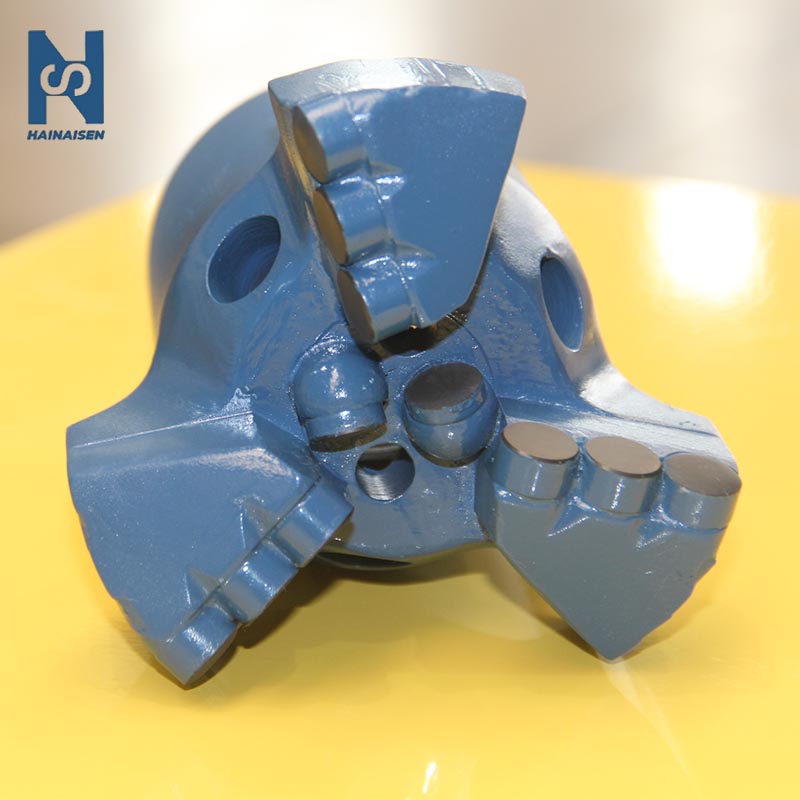 VIEW MOREBest Diamond Drill Bits
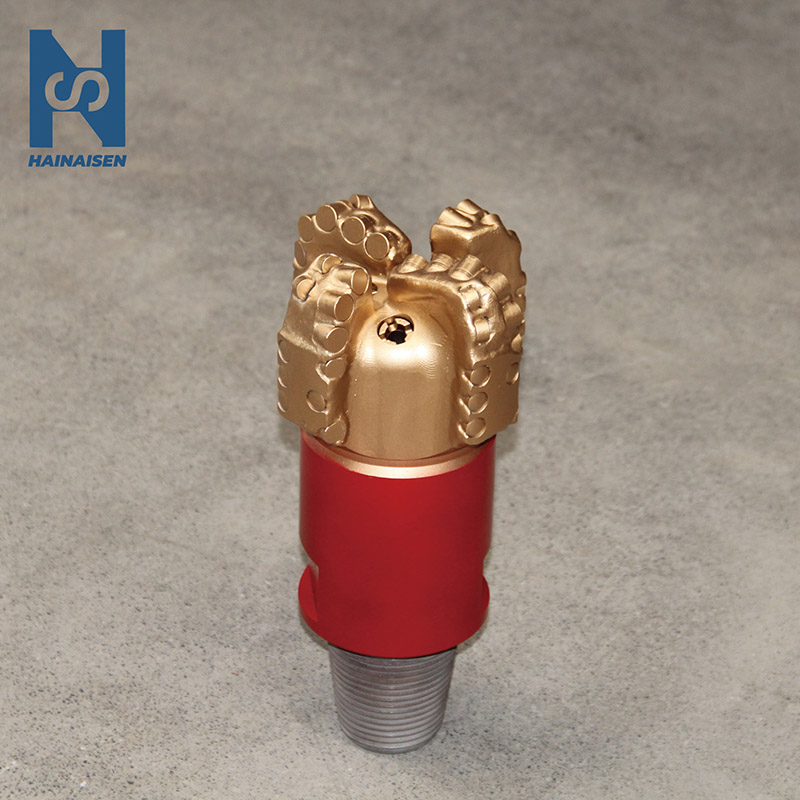 VIEW MOREFour Blade Wing Oil Drilling Tool
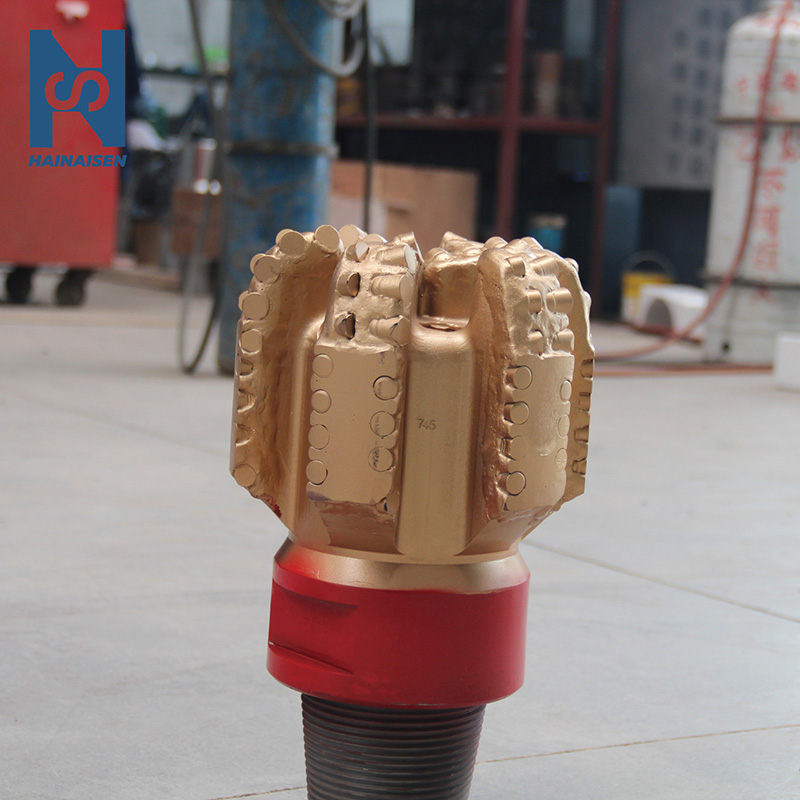 VIEW MOREDiamond Drill Bit Oil Rig
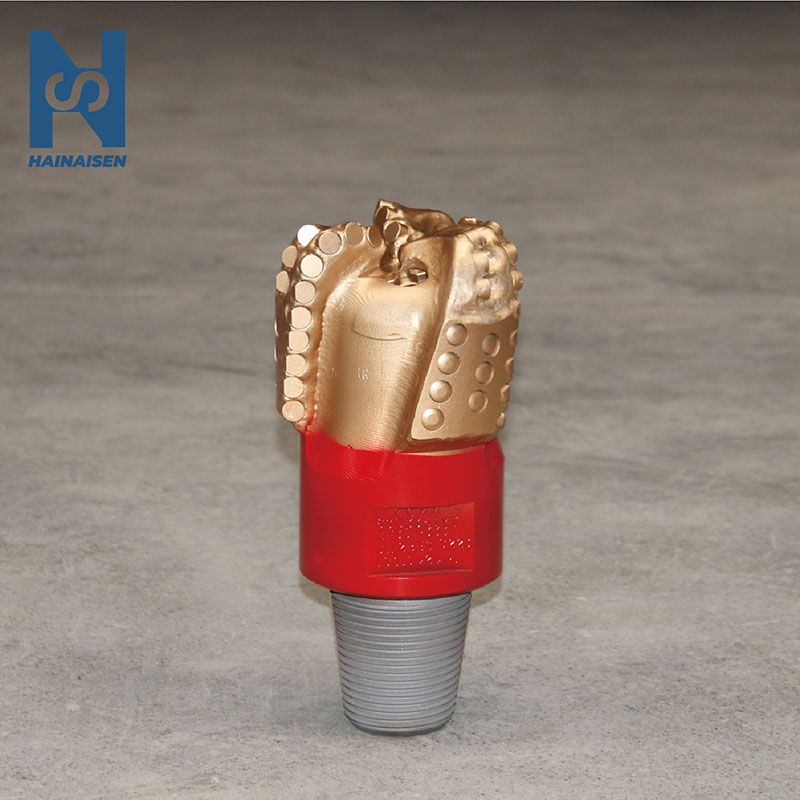 VIEW MOREThree Blade PDC Tricone Drill Bit
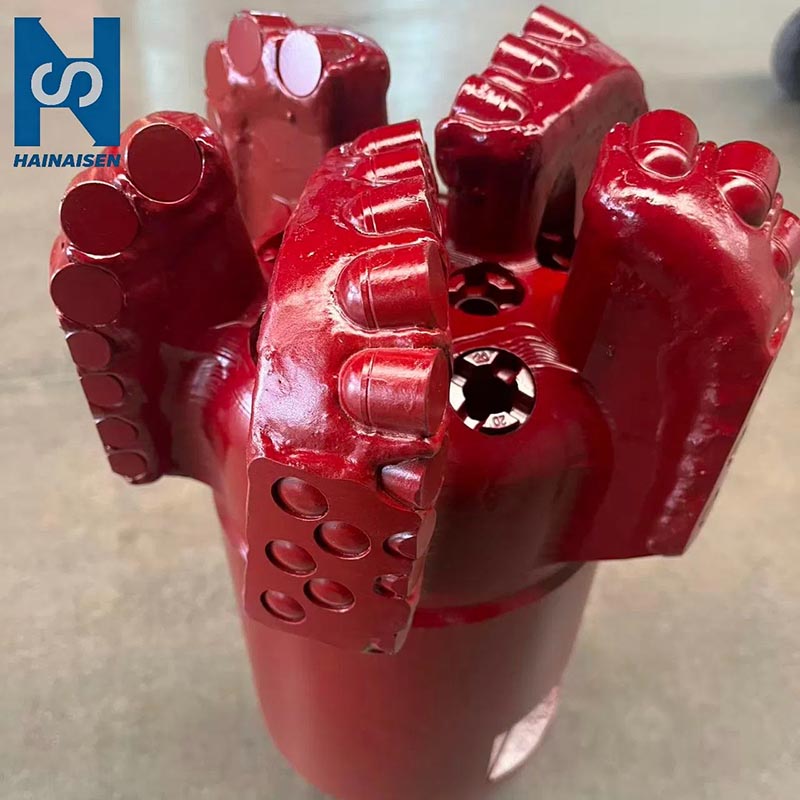 VIEW MORE5 Blade Steel Body PDC Bit
 VIEW MOREThree Blade Wing Arc Angle Drill Bit
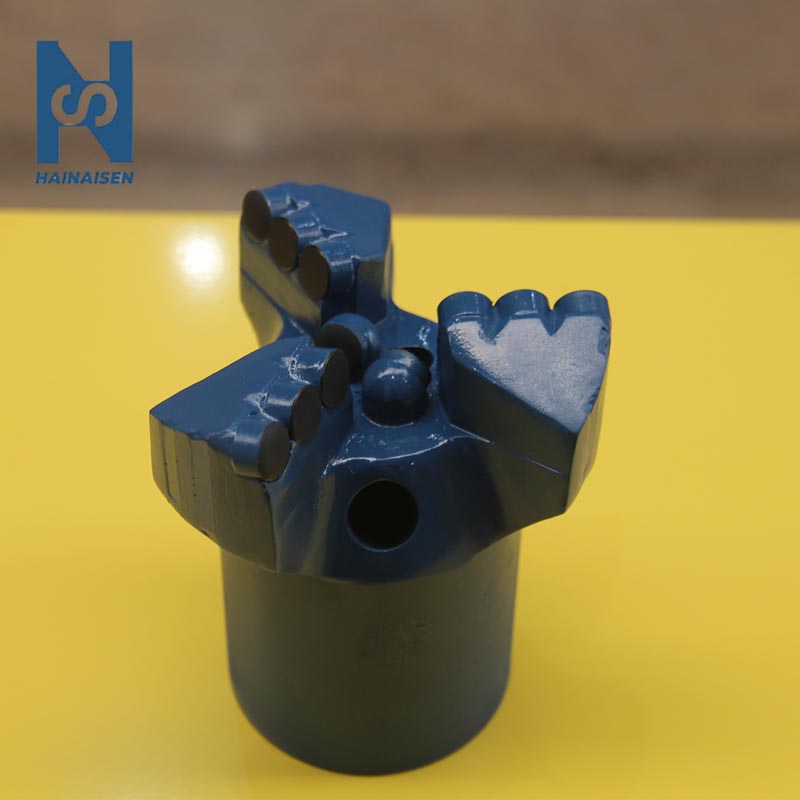 VIEW MORE3 Blades Steel Body PDC Bit
logo 1_1768204983068.jpg) VIEW MOREPDC Core Drill Bit With 8 Blades For Hole Drilling Used In Mining
VIEW MOREPDC Core Drill Bit With 8 Blades For Hole Drilling Used In Mining
