



Advantages of the Three-Blade PDC Tricone Drill Bit in Oil Drilling
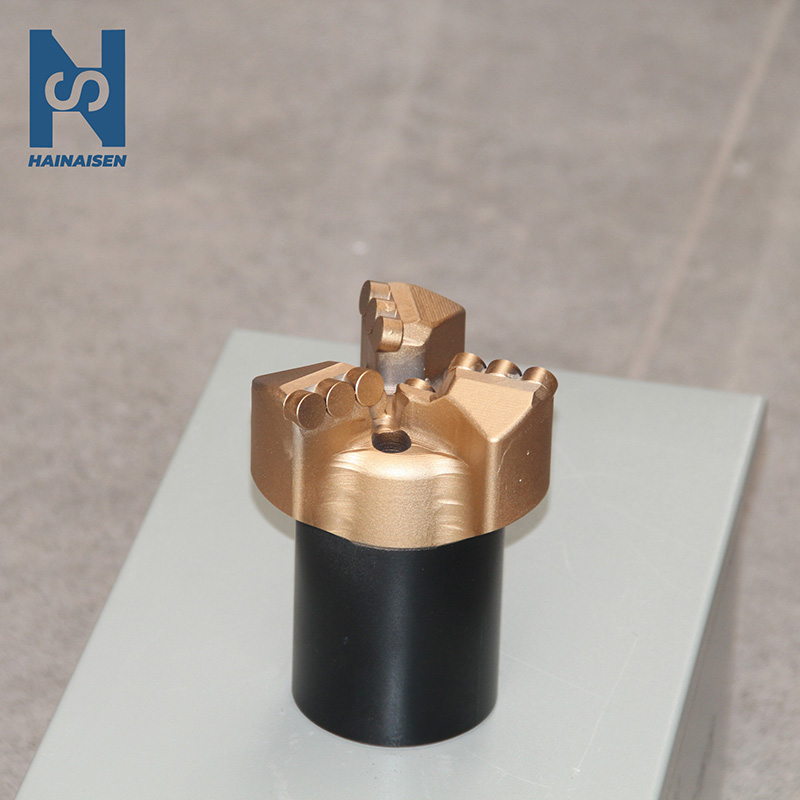
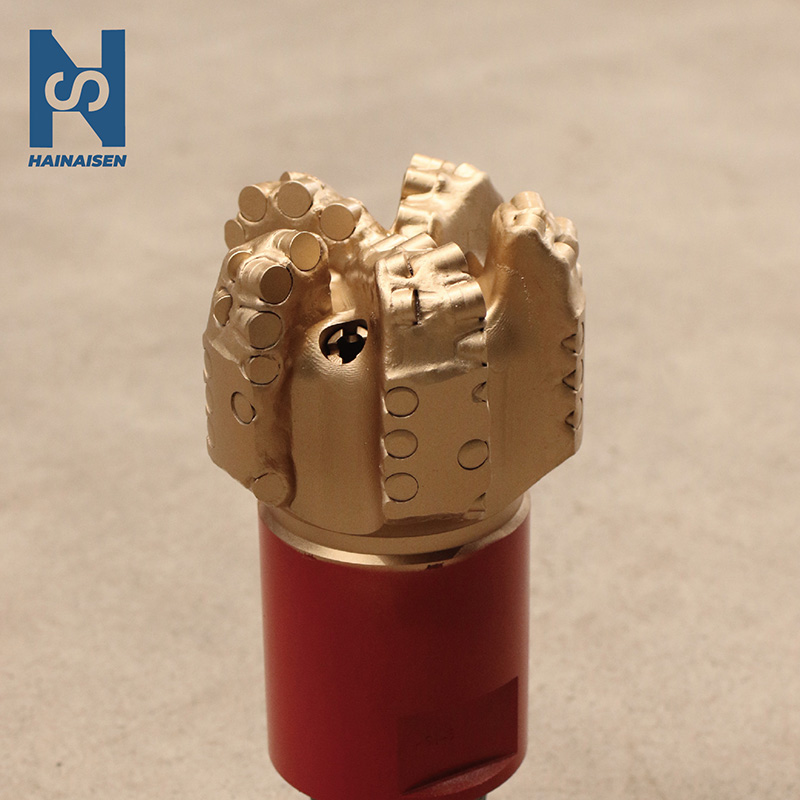
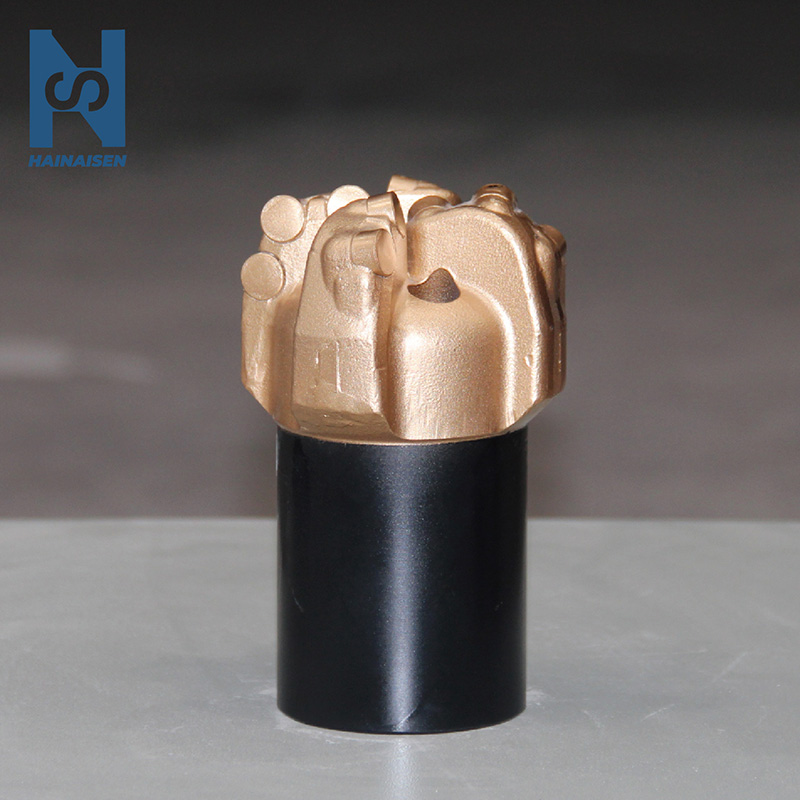
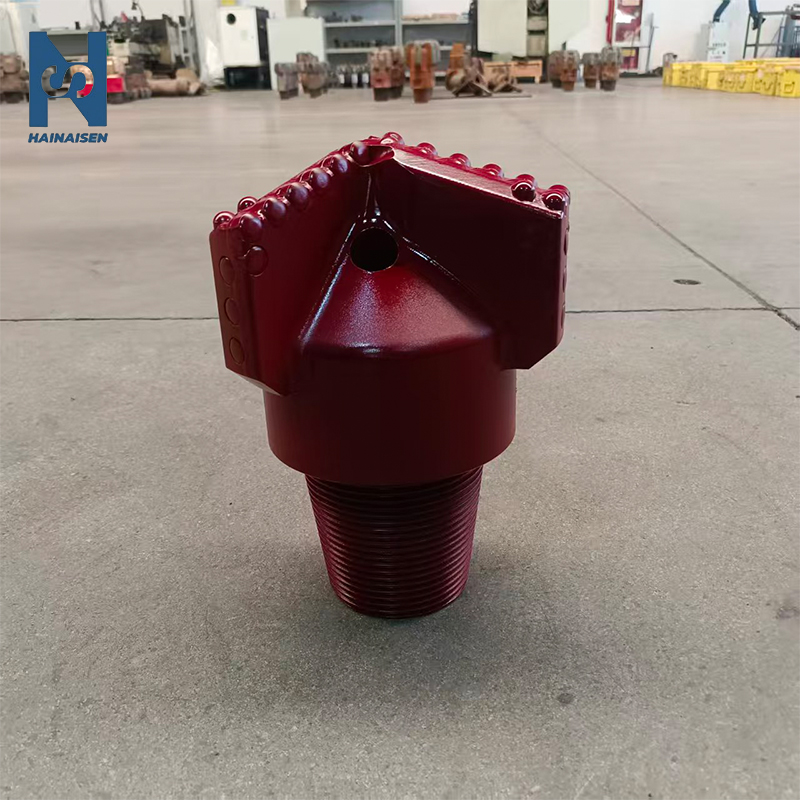
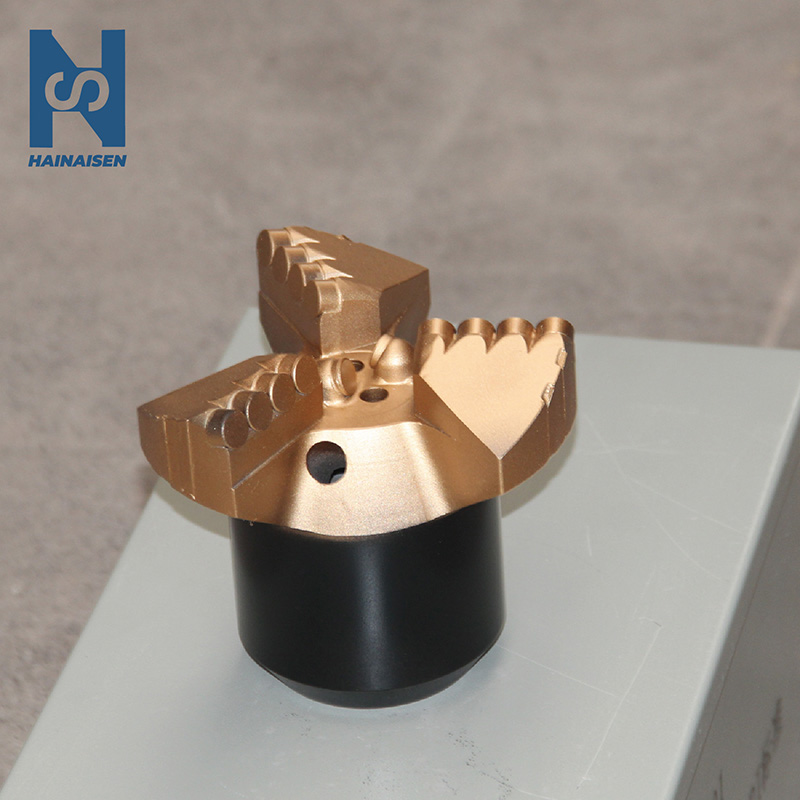
The Three Blade PDC Tricone Drill Bit is a revolutionary new idea in modern oil drilling. It combines advanced polycrystalline diamond compact technology with perfectly shaped blades to achieve high penetration rates and low costs. This high-tech drilling tool solves three of the most important problems that oil and gas companies face: lowering downtime, increasing bit life, and getting the best return on investment across a wide range of geological formations. With its balanced design and three evenly spaced blades equipped with high-quality PDC cutters, this bit configuration has become the first choice for purchasing managers and technical engineers who want reliable performance without going over budget.
Understanding the Three-Blade PDC Tricone Drill Bit
Core Design Principles and Material Composition
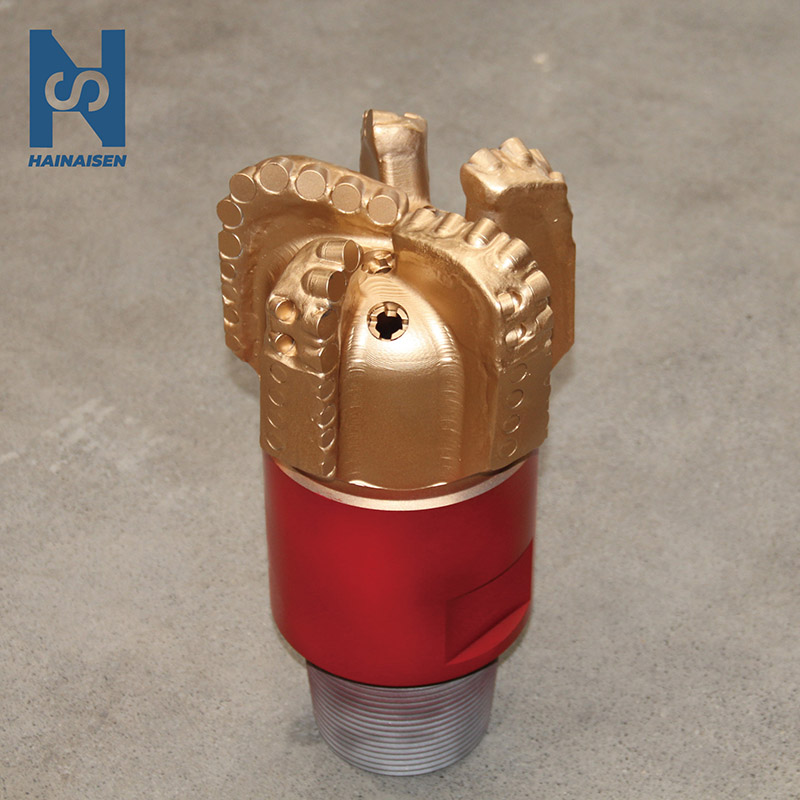
This drilling technology is based on a complex engineering method that balances strong cutting action with long-lasting performance. The three-blade design has high-grade steel bodies that are embedded with polycrystalline diamond compact cutting elements. Polycrystalline diamond is a man-made material that is as hard as natural diamond but more stable at high temperatures. This way of building makes sure that each blade can handle the very high temperatures and pressures that come with deep drilling.
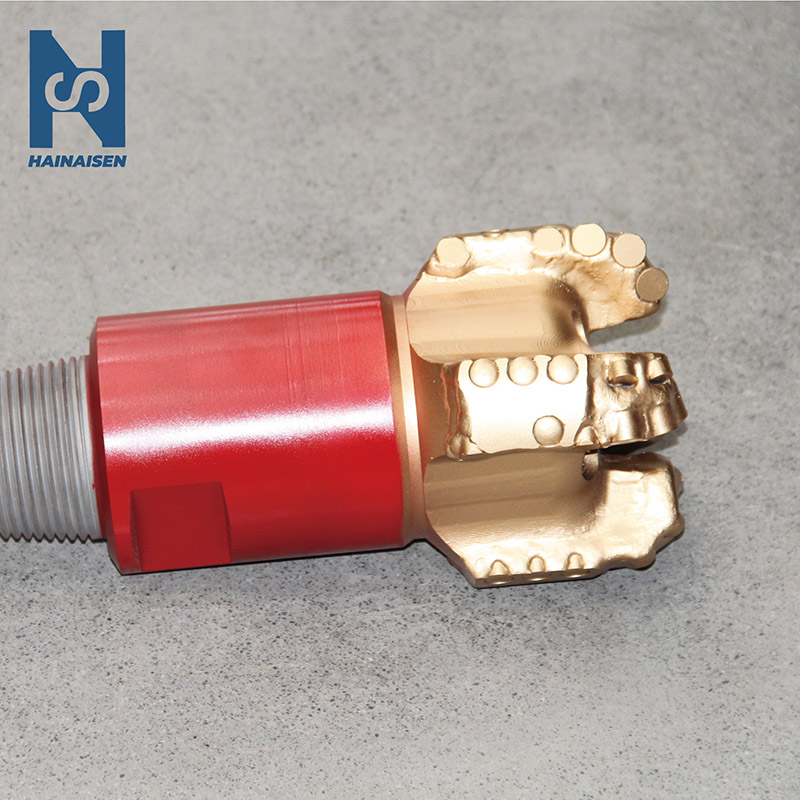
Precision engineering standards that meet IADC code S433 requirements are used in the way that HNS makes things. There is room for 61 13mm-diameter PDC cutters strategically placed on the 6-inch (152.4mm) bit size. These cutters are set up in patterns that make it easier to remove debris through three separate nozzles while still cutting rocks effectively. The 3-1/2 REG. PIN API connection makes sure that it works with standard drilling equipment used in oil and gas operations around the world. The Three Blade PDC Tricone Drill Bit construction ensures maximum durability in these conditions.
How Blade Geometry Enhances Rock Interaction
The three-blade design makes gullies, which are wider channels between the blades, that are very important for drilling. Rock cuttings and drilling fluid can move quickly through these gullies, which keep debris from building up and slowing down penetration rates or wearing out too quickly. Three-blade designs are better than four-blade designs because they keep the weight evenly distributed across the cutting surface and lower the risk of overloading the cutter, which can cause chipping or thermal damage.
Our PDC Bits have a gauge length of 65 mm, which gives them more contact with the borehole wall. This keeps them stable in one direction and stops them from moving during drilling operations. This design factor is especially useful for directional drilling, where keeping precise control over the trajectory has a direct effect on how much the well produces and how much it costs to finish.
Distinction from Traditional Tricone and Roller Cone Technology
Traditional tricone bits use steel or tungsten carbide teeth on rotating cones that scrape and hit rock to break it up. Even though these bits work well in some formations, they need to be replaced often because the bearings wear out and the teeth get worn down. The PDC version gets rid of these problems by using fixed cutters that shear rock instead of crushing it. This makes the drilling action smoother and lowers the vibrations that can hurt equipment downhole.
Roller cone bits work best in very hard formations, but they need to be maintained more often and penetrate more slowly. This performance gap is filled by the three-blade PDC design, which offers competitive drilling speeds in hard rock while providing superior efficiency in medium- to soft formations that are common in oil and gas exploration.
Key Advantages of the Three-Blade PDC Tricone Drill Bit
Accelerated Penetration Rates That Reduce Drilling Time
It has been shown over and over again by oil service companies that PDC technology can penetrate sedimentary formations 30–50% faster than standard roller cone bits. This directly leads to less time spent on the rig, which is very important when daily drilling costs can be more than $50,000 for offshore operations. This benefit is maximized by the three-blade configuration, which keeps cutting action continuous across the bit face while efficiently removing cuttings that would otherwise get in the way of progress.
At HNS, we have proof that our S433 specification bits can penetrate more than 20 meters per hour through sandstone formations with shale layers embedded in them. This consistency comes from the fact that the load is spread evenly across 61 PDC cutters. Each one contributes to the cutting action without being stressed in one place, which happens in competing designs and causes them to break early. The Three Blade PDC Tricone Drill Bit remains the most efficient choice for high-speed penetration.
Extended Durability Through Advanced Material Science
The fact that PDC cutters last so long is a huge improvement over older drilling methods. These man-made diamond composites can stand up to rough wear that would quickly wear down steel teeth or carbide inserts. High-temperature sintering techniques are used in our manufacturing process to bond diamond particles to tungsten carbide substrates. This makes cutting elements that can withstand temperatures and pressures of more than 700°C and 20,000 psi.
The matrix body design includes tungsten carbide particles all over the steel structure. This makes the whole bit body resistant to wear, not just the cutting surfaces. This all-around approach to durability means that bits keep their shape and cutting power over long drilling intervals—often more than 200 meters in abrasive formations—before they need to be replaced.
Cost Efficiency and Return on Investment Analysis
When purchasing managers look at investments in drilling tools, they need to think about more than just the initial purchase price. The three-blade PDC design provides strong economics in a number of ways. Fewer bit changes mean fewer expensive tripping operations, which involve taking down and putting back together drill strings. On deep wells, these operations can take 8–12 hours each time.
Because PDC bits last longer, fewer replacement units are needed per well. This lowers the cost of inventory and makes the supply chain simpler. Teams that drill water wells have said that switching from roller cone to PDC technology saved them more than 40% in costs while keeping the same or better drilling performance. In remote areas where logistics and transporting equipment cost a lot and operational budgets are already low, these economics become even better.
Real-World Performance Data from Field Applications
A coal-bed methane drilling project in the western United States shows that PDC bits are better in real life. When they ran into formations with hardness changes that were hard to predict, they switched from four-blade PDC bits to our three-blade design. The wider gullies in the three-blade configuration kept the cutters from getting clogged, which happened a lot with the previous bit. This led to 35% faster drilling rates and 60% less time lost because of the bit.
High temperatures and rough volcanic formations make drilling for geothermal wells very difficult. Our three-blade PDC bits with thermally stable cutters have been used to complete wells that are deeper than 2,000 meters and have kept penetration rates that would not have been possible with older technology. Even though the bit is working at high temperatures, it can keep cutting well because the advanced polycrystalline diamond material is good at transferring heat away before it can damage the cutter.
Procurement Considerations for Global B2B Clients
Evaluating Manufacturer Credentials and Quality Assurance
When choosing a supplier for drilling bits, you need to carefully look at their manufacturing capabilities and quality control methods. Our 3,500-square-meter building in Xi'an is home to high-tech production tools like 5-axis machining centers and CNC machine tools that make sure the accuracy of our measurements meets international standards. We can keep tolerances within 0.02mm with this manufacturing infrastructure. This is important for PDC cutter placement, which has a direct effect on bit performance and longevity.
Quality assurance includes more than just making sure the products are perfect. It also includes finding the right materials and following the right testing procedures. We test sample bits from every production batch destructively to check the cutter bond strength, body material composition, and accuracy of dimensions. These quality gates make sure that bits sent to customers around the world meet the performance standards that procurement teams use to plan drilling campaigns and set budgets for operational costs. The Three Blade PDC Tricone Drill Bit remains the standard for our quality assurance protocols.
Price Transparency and Total Cost of Ownership
Large and medium-sized oil service companies that are evaluating suppliers can use clear pricing structures that take into account all of the costs that come up over the lifecycle of a product. The initial purchase price is only one part of the total cost of ownership. Delivery times affect project schedules, and delays could cost tens of thousands of dollars in rig standby fees.
Instead of just competing on lowest unit cost, we set our prices to reflect the real value we bring through longer bit life and higher penetration rates. Coal mining companies that want to save money find that our three-blade PDC bits are cheaper per meter to drill with than cheaper alternatives that need to be replaced more often. This view of total cost aligns the goals of both the supplier and the client toward operational efficiency instead of transactional price optimization.
Customization Capabilities for Specialized Applications
Geological exploration and water well drilling teams often come across formations with unique properties that can be helped by custom bit designs. Our dedicated research and development team can change the placement of cutters, the shape of blades, and the PDC grades that work best with different types of rock. With this ability to customize, the bit goes from being a standard item to a precision tool made for specific drilling tasks.
Bulk ordering agreements help operations that know how much drilling they will do save even more money. We offer volume-tiered pricing and consignment inventory programs that make sure bits are always available while keeping clients' cash on hand as little as possible. Multinational oil and gas companies that are in charge of many drilling projects in many different parts of the world can use these flexible procurement structures to meet their many needs.
Maintenance and Troubleshooting to Maximize Bit Performance
Inspection Protocols Before and After Deployment
Before every bit run, complete maintenance starts with a careful visual check. Technical engineers should check PDC cutters for cracks, chips, or parts that have come loose from the bit body. Even small damage to a cutter can cause it to vibrate during drilling, which speeds up the wear on cutters nearby and on downhole equipment. If more than 10% of the cutters are broken, they need to be replaced to keep the bit from breaking in a terrible way downhole.
After a drilling interval is over, an immediate post-run inspection gives useful information for choosing the best bits and setting the best operational parameters for the next time. Corrosive minerals can be found in rock debris stuck in the blade gullies, which breaks down the matrix body while it is being stored. Cleaning with high-pressure water or compressed air gets rid of these impurities, keeping the bits' integrity so they can be used again or making it easier to accurately evaluate their performance. The Three Blade PDC Tricone Drill Bit requires these strict inspection protocols to maintain peak performance.
Best Practices for Storing and Handling
Bits last longer and keep cutting efficiently between deployments when they are stored correctly. Bits should be kept in dry, covered places that are away from temperature changes that could change the way the material works. Do not stack heavy things on top of stored bits, as this can cause blades to bend or cutters to come loose from their mounts. Putting anti-corrosion oil on the bit body gives it extra protection during long storage periods that are common in seasonal drilling operations.
Transportation and handling methods need to be looked at carefully to avoid damage that lowers the performance of the drilling. Using padded boxes or custom bit boxes keeps cutters from getting damaged when they are shipped to drilling sites that are far away. Field workers should be taught the right way to handle bits, like never dropping them or dragging them across rough surfaces. This will stop the small damage that builds up to a big performance loss.
Real-Time Parameter Optimization During Drilling
To get the best performance from a bit, the drilling parameters must be constantly checked and changed based on real-time feedback. Rotation speed and weight on bit (WOB) have a direct effect on the rate of penetration and the way the cutter wears. Too much weight can overload PDC cutters and cause chipping or catastrophic failure. Not enough weight, on the other hand, slows down drilling and makes projects take longer.
Downhole sensors on modern drilling rigs collect useful information about vibration, temperature, and torque that can spot problems before they cause the bit to break. Technical teams should set parameter ranges that are specific to the properties of the formation and change how they drill when measurements don't match the ideal values. This proactive approach stops bit failures before they happen, which wastes money on time that can't be used and hurts the project's economics.
Conclusion
There is a well-established technology called the Three Blade PDC Tricone Drill Bit that offers clear benefits in all types of drilling jobs, from deep oil and gas wells to shallow water wells. Its faster penetration rates, longer durability, and good economics address the main concerns of purchasing managers and technical engineers who are looking at buying drilling tools. The design's ability to work with different types of formations makes the inventory less complicated while still providing the specific performance needed for tough geological conditions. As long as drilling operations need to be more efficient and save money, the three-blade PDC configuration is a tried-and-true answer backed by field performance data and engineering principles that make the basic mechanics of cutting rock work better.
FAQ
Q1: Can Three-Blade PDC Bits Handle Extremely Hard Rock Formations?
These days, the Three Blade PDC Tricone Drill Bit equipped with thermally stable polycrystalline diamond cutters works well in hard rock formations that used to need roller cone technology. Ultra-hard formations like granite may slow penetration rates compared to softer strata, but the longer bit life and lack of bearing failure modes often make these options more cost-effective than traditional ones. In difficult formations, the best performance comes from managing the parameters correctly, especially the weight on the bit and the rotation speed.
Q2: What Warranty Coverage and After-Sales Support Should We Expect?
Reputable Manufacturers, like HNS, offer full warranty coverage that covers manufacturing flaws and early failure in normal operating conditions. Most warranties don't cover damage caused by bad use, like putting too much weight on the bit or drilling through metal objects. After-sales support should include technical advice on choosing the right bit, suggestions for operational parameters, and analysis of the drill run to improve future performance and solve problems that came up out of the blue.
Q3: Are Customized Three-Blade PDC Bits Available for Specialized Requirements?
Leading manufacturers keep the ability to customize their products so that standard designs can be changed to fit specific drilling needs. Custom solutions can include changing the placement patterns of the cutters to work best with certain types of rock, using different grades of PDC in very hot or rough conditions, and changing the shape of the blades for directional drilling needs. When compared to standard catalog products, these customized solutions usually have lower minimum order quantities and longer lead times. However, they offer better performance that makes the extra cost worth it for businesses with consistent, unique needs.
Partner with HNS for Superior PDC Drilling Solutions
The people who work at Shaanxi Hainaisen Petroleum Technology have been improving Three Blade PDC Tricone Drill Bit technology for more than ten years. This technology solves problems that oil and gas companies, geological exploration teams, and water well drilling contractors face in the real world. If you buy your bit from HNS, you can take advantage of our advanced manufacturing skills, dedicated research and development team, and full technical support that lasts the whole drilling process. Procurement managers and technical engineers can email us at hainaisen@hnsdrillbit.com to get detailed specifications, competitive quotes, and personalized suggestions based on the characteristics of your formation and your operational needs. Find out how our IADC S433 specification bits, which have 61 precisely placed PDC cutters and advanced matrix body construction, can help you save money on drilling costs and finish projects faster.
References
1. Bellin, F., and Doiron, H.H. (1985). "Polycrystalline Diamond Compact Bit Technology: A Review of Design Principles and Field Performance." Journal of Petroleum Technology, Vol. 37, No. 6, pp. 1125-1135.
2. Glowka, D.A. (1989). "Use of Single-Cutter Data in the Analysis of PDC Bit Designs: Part 2—Development and Use of PDCWEAR Computer Code." Journal of Pressure Vessel Technology, Vol. 111, No. 3, pp. 269-273.
3. Huang, H., and Detournay, E. (2008). "Intrinsic Length Scales in Tool-Rock Interaction." International Journal of Geomechanics, Vol. 8, No. 1, pp. 39-44.
4. Ledgerwood, L.W. (2007). "Downhole Vibration Measurement, Monitoring, and Modeling Reveal Stick-Slip as a Primary Cause of PDC-Bit Damage." SPE Drilling & Completion, Vol. 22, No. 4, pp. 243-253.
5. Pessier, R.C., and Fear, M.J. (1992). "Quantifying Common Drilling Problems with Mechanical Specific Energy and a Bit-Specific Coefficient of Sliding Friction." SPE Annual Technical Conference and Exhibition, Paper SPE-24584-MS.
6. Warren, T.M., and Armagost, W.K. (1988). "Laboratory Drilling Performance of PDC Bits." SPE Drilling Engineering, Vol. 3, No. 2, pp. 125-135.