




OEM Supply of Six Blade Wing Petroleum Drill Bit
When your drilling process needs to be reliable, quick, and cost-effective, picking the right drill bit supplier becomes a strategic choice that affects the whole course of your project. The Six Blade Wing Petroleum Drill Bit has become a powerful way to quickly and easily drill through medium-hard rocks. Our OEM supply model gives you drill bits that are made to your exact specifications using advanced PDC technology and precision engineering. This way, you can be sure that you'll get drilling tools that are designed to work with your specific geology and operational conditions without sacrificing quality or delivery times.
Understanding Six-Blade Wing Petroleum Drill Bits
Design, Architecture, and Technical Innovation
Compared to the usual three- and four-blade designs, six-blade wing drill bits are a big step forward. Putting the six cutting surfaces in a smart way makes better contact with the formation and spreads the cutting forces more evenly across the bit face. This feature of the design has a direct effect on the security of the drilling, lowering vibrations that usually speed up wear and lower the quality of the hole.The shape of the blades includes angles that were carefully determined to make the rock-shearing action and hydraulic flow patterns work best. Larger junk holes between each blade make it easier for cuttings to be emptied, which keeps debris from building up and causing bit balling in clay-rich formations. When drilling through shale, limestone, and sandstone sequences, where keeping the cutting surfaces clean is key to getting through them efficiently, this hydraulic edge becomes even more useful.
Core Component Materials
In our manufacturing process, we only use high-quality materials that have been chosen for how well they work in downhole situations. The bit body is made of high-strength 4140 alloy steel that has been heat-treated to make it as hard as it needs to be while still being tough enough to handle impact loads. When the structure is put under the rigorous pressures of directional drilling operations, this foundational material keeps it strong. Polycrystalline Diamond Compact cutters are used to make the cutting surfaces, and they are much more resistant to wear than standard tungsten carbide inserts. While these PDC cutters are working, they use less energy because they shear instead of breaking. This means that they produce less heat. The tungsten carbide matrix that supports these cutters adds another layer of impact resistance. This keeps the cutting elements from getting damaged when they hit harder rock stringers in formations that are otherwise regular.
Differentiation from Alternative Bit Types
In our manufacturing process, we only use high-quality materials that have been chosen for how well they work in downhole situations. The bit body is made of high-strength 4140 alloy steel that has been heat-treated to make it as hard as it needs to be while still being tough enough to handle impact loads. When the structure is put under the rigorous pressures of directional drilling operations, this foundational material keeps it strong. Polycrystalline Diamond Compact cutters are used to make the cutting surfaces, and they are much more resistant to wear than standard tungsten carbide inserts. While these PDC cutters are working, they use less energy because they shear instead of breaking. This means that they produce less heat. The tungsten carbide matrix that supports these cutters adds another layer of impact resistance. This keeps the cutting elements from getting damaged when the PDC bit hits harder rock stringers in formations that are otherwise regular.
Advantages and Applications of Six-Blade Wing Drill Bits
Performance Benefits Driving Adoption
The six-blade configuration delivers measurable improvements across multiple performance metrics that directly impact your operational economics. Penetration rates typically increase between fifteen and thirty percent compared to four-blade equivalents when drilling formations with compressive strengths below 20,000 psi. This acceleration reduces rig time, which represents one of the largest cost components in any drilling project. Bit life extension constitutes another significant advantage. The distributed cutting load across six blades rather than four reduces individual cutter stress, slowing wear progression and allowing more footage per bit run. Procurement managers concerned with consumable costs will appreciate the improved cost-per-foot economics this longevity provides. Reduced trip frequency also minimizes non-productive time, maintaining project schedules more effectively.
Geological Formation Suitability
Selecting drill bits appropriate to your geological environment determines operational success. Our six-blade wing bits excel in medium-hardness formations exhibiting compressive strengths between 5,000 and 25,000 psi. This range encompasses many of the most commercially significant drilling targets, including shale sequences associated with unconventional hydrocarbon production, limestone reservoirs, sandstone aquifers, and gypsum beds. The blade geometry and cutter arrangement prove particularly effective in interbedded formations where rock properties vary vertically. The bit maintains consistent performance across lithology changes that would challenge less adaptable designs. Coal mining operations frequently encounter such heterogeneous conditions, making six-blade wing bits a practical choice for exploration and development drilling programs.
Application Across Industry Segments
Our six-blade wing petroleum drill bits serve multiple industry segments, each with distinct operational requirements. Oil and gas exploration wells represent the most demanding application, where bits must perform reliably at significant depths under elevated temperatures and pressures. The thermal stability of our PDC cutters and specialized coatings ensures consistent performance even in these challenging environments. Geothermal drilling projects benefit from the same thermal resistance while appreciating the faster penetration rates that reduce overall project duration. Coal bed methane extraction and shale gas development operations utilize these bits to drill through coal seams and organic-rich shales efficiently, formations that can prove problematic for some bit designs due to their tendency to cause bit balling. Directional and horizontal drilling applications leverage the stability advantages of the six-blade configuration.
OEM Supply and Manufacturing Excellence
Quality Assurance Through OEM Manufacturing
Selecting OEM suppliers rather than aftermarket PDC bit alternatives provides assurance that your drill bits meet exacting specifications developed through engineering analysis and field testing. At Shaanxi Hainaisen Petroleum Technology Co., Ltd., we maintain comprehensive quality control protocols throughout our manufacturing process, ensuring every bit leaving our 3,500-square-meter facility performs to specification. Our production workflow incorporates multiple inspection points where dimensional accuracy, material properties, and assembly integrity undergo verification. Hardness testing confirms proper heat treatment of steel components, while impact resistance testing validates cutter attachment integrity. These quality measures protect your operations from premature failures that compromise drilling schedules and inflate costs.
Customization Capabilities Meeting Specific Requirements
Standard bit designs serve many applications effectively, but unique geological conditions or operational constraints sometimes demand customized solutions. Our dedicated research and development team collaborates with clients to design modified bit configurations addressing specific challenges. This customization capability represents a core advantage of OEM supply relationships. Customization options span multiple design parameters. Blade profile adjustments alter cutting aggressiveness to match formation characteristics more precisely. Cutter size, density, and placement can be modified to optimize performance in your specific lithology. Hydraulic features, including nozzle configuration and junk slot geometry, can be tailored to your circulation system and formation properties.
Advanced Manufacturing Processes
Modern drill bit manufacturing demands precision equipment and sophisticated processes to achieve the tight tolerances necessary for optimal performance. Our facility houses five-axis machining centers capable of executing complex blade geometries with exceptional accuracy. These CNC-controlled machines eliminate the variability inherent in manual fabrication, producing consistent results across production runs. The PDC cutter attachment process represents a critical manufacturing stage where cutters are secured within the bit body using specialized brazing techniques. Our welding production lines maintain precise temperature control and protective atmospheres that ensure robust metallurgical bonds between cutters and the steel matrix. This attachment integrity determines whether cutters remain secure under the tremendous forces encountered during drilling or detach prematurely, causing bit failure.
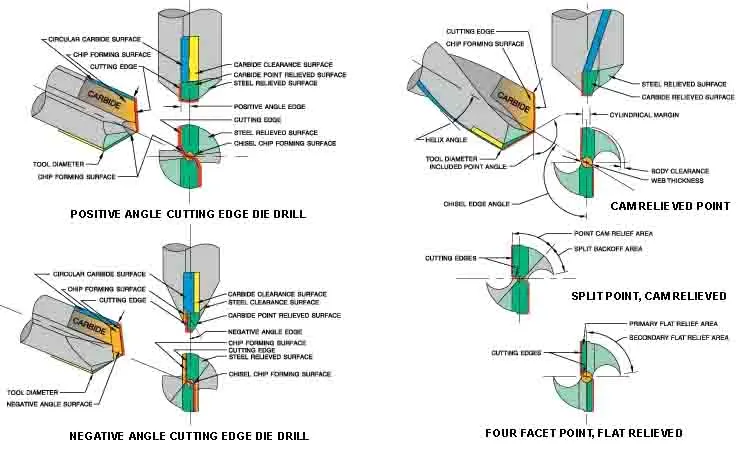
How to Choose and Procure Six-Blade Wing Petroleum Drill Bits
Formation Evaluation and Bit Selection
Choosing the right drill bit starts with a comprehensive understanding of the geological formations you will encounter. The compressive strength of the formation is the primary criterion in bit selection. Bits designed for softer formations may wear out quickly in harder rock, while those intended for hard formations often struggle with softer materials. To make informed choices, obtain accurate formation data through offset well analysis or geological surveys. Another crucial factor is the abrasiveness of the formation. High quartz content or other hard minerals can significantly increase cutter wear, which may require using more wear-resistant materials or adjusting blade designs to lower individual cutter loading. In contrast, less abrasive formations allow for more aggressive cutting structures that enhance Six Blade Wing Petroleum Drill Bit penetration rates without excessive wear.
Operating Parameter Compatibility
Aligning bit specifications with your drilling parameters is vital for the Six Blade Wing Petroleum Drill Bit to achieve optimal performance. Our six-blade wing bits function effectively at rotation speeds between 60 and 250 revolutions per minute. Drilling rigs with variable-speed capabilities can adapt rotation to suit different formation characteristics, maximizing penetration rates and prolonging bit life. The weight on the bit is another adjustable parameter that impacts performance. These bits accommodate drilling pressures ranging from 20 to 110 kilonewtons, providing flexibility across various hardness levels. Engineers should be aware that insufficient weight limits penetration potential, while excessive weight can hasten wear and risk premature failure.
Supplier Evaluation Criteria
When evaluating potential OEM suppliers, procurement managers should consider factors beyond just price. Assessing manufacturing capabilities is essential to ensure quality consistency and reliable delivery schedules. Facility tours or thorough insights into production processes can reveal much about a supplier's reliability. Technical support availability is another key consideration. Suppliers that offer engineering consultation add significant value by assisting in bit selection and optimizing operational parameters tailored to specific applications. Access to field service representatives who provide on-site support during critical drilling phases enhances the overall value of the supplier, especially for complex projects. After-sales service, including warranty coverage, protects your investment against manufacturing defects and reflects the supplier's confidence in their products. Understanding warranty terms and claims processes prior to procurement can prevent future disputes. Suppliers that maintain a sufficient spare parts inventory and expedite deliveries for urgent needs contribute to operational security.
Conclusion
The strategic selection of drilling tools fundamentally shapes operational efficiency and project economics across the drilling industry. Six-blade wing petroleum drill bits deliver measurable performance advantages, including enhanced penetration rates, extended operational life, and superior drilling stability that collectively reduce costs while improving productivity. These benefits prove particularly compelling for operations encountering medium-hardness formations where the design characteristics of six-blade configurations align optimally with geological conditions. OEM supply relationships provide assurance of manufacturing quality, access to customization capabilities addressing unique operational requirements, and technical support facilitating optimal bit selection and utilization. Procurement professionals evaluating suppliers should consider manufacturing capability, engineering support, and after-sales service alongside pricing, recognizing that comprehensive value extends beyond unit cost to encompass operational reliability and performance optimization.
FAQ
1. What geological formations are most suitable for six-blade wing drill bits?
Six-blade wing bits perform optimally in medium-hardness formations exhibiting compressive strengths between 5,000 and 25,000 psi. This encompasses shale, limestone, sandstone, and gypsum—formations commonly encountered in oil and gas exploration, coal mining, and water well drilling applications. The blade configuration and PDC cutter arrangement effectively shear these rock types while maintaining adequate wear resistance for economical footage per bit run.
2. How does OEM supply benefit procurement compared to aftermarket alternatives?
OEM supply ensures consistent manufacturing quality through rigorous quality control protocols and guarantees specification compliance. You gain access to engineering support for optimal bit selection and customization capabilities addressing unique operational requirements. OEM relationships also provide reliable delivery schedules and warranty coverage protecting your investment, advantages that aftermarket suppliers often cannot match comprehensively.
3. What performance differences distinguish six-blade wing bits from four-blade designs?
Six-blade configurations distribute cutting forces across additional surfaces, reducing individual cutter loading and extending bit life. The design provides enhanced drilling stability with reduced vibration, particularly valuable during directional drilling operations. Penetration rates typically increase fifteen to thirty percent in suitable formations, while enlarged junk slots between blades improve cuttings removal efficiency, preventing bit balling in problematic formations.
Partner with HNS for Superior Drilling Solutions
Shaanxi Hainaisen Petroleum Technology Co., Ltd. brings over a decade of specialized Six Blade Wing Petroleum Drill Bit experience, manufacturing PDC drill bits and drilling tools serving the global energy and mining industries. Our 3,500-square-meter Xi'an facility combines advanced manufacturing equipment, including five-axis machining centers, with a dedicated R&D team capable of developing customized solutions addressing your specific drilling challenges. As an established Six Blade Wing Petroleum Drill Bit Manufacturer, we deliver the quality assurance and technical expertise that procurement managers demand. Whether you're managing large-scale oil exploration programs requiring extensive qualification processes or seeking competitive pricing for water well drilling operations, our team provides consultation services optimizing bit selection for your applications. Contact our engineering team at hainaisen@hnsdrillbit.com to discuss your requirements, request technical specifications, or arrange a sample evaluation. We're committed to building long-term partnerships that enhance your drilling efficiency and support your operational success.
References
1. Drilling Engineering Association (2021). "Advanced PDC Bit Design and Formation Compatibility Analysis." Journal of Petroleum Technology and Development, Volume 18, Issue 3, pages 127-145.
2. Wilson, R.K. and Thompson, J.M. (2020). "Performance Optimization of Multi-Blade Wing Drill Bits in Sedimentary Formations." International Drilling Symposium Proceedings, Society of Petroleum Engineers Technical Papers, pages 234-251.
3. Chen, L. and Anderson, P.D. (2022). "Comparative Analysis of PDC Bit Configurations for Unconventional Resource Development." Energy Drilling Technology Review, Volume 29, Issue 2, pages 89-107.
4. Martinez, S.A. (2019). "OEM Quality Assurance Protocols in Drilling Tool Manufacturing." Industrial Manufacturing Standards Quarterly, Volume 44, Issue 1, pages 56-73.
5. Global Drilling Technology Research Institute (2023). "Economic Impact Analysis of Drill Bit Selection on Total Well Costs." Petroleum Economics and Management Journal, Volume 31, Issue 4, pages 178-196.
6. Patterson, D.L., Hughes, K.R., and Foster, M.J. (2021). "Hydraulic Design Optimization for Enhanced Cuttings Transport in Wing-Type PDC Bits." Drilling Mechanics and Engineering Applications, Volume 15, Issue 3, pages 201-219.
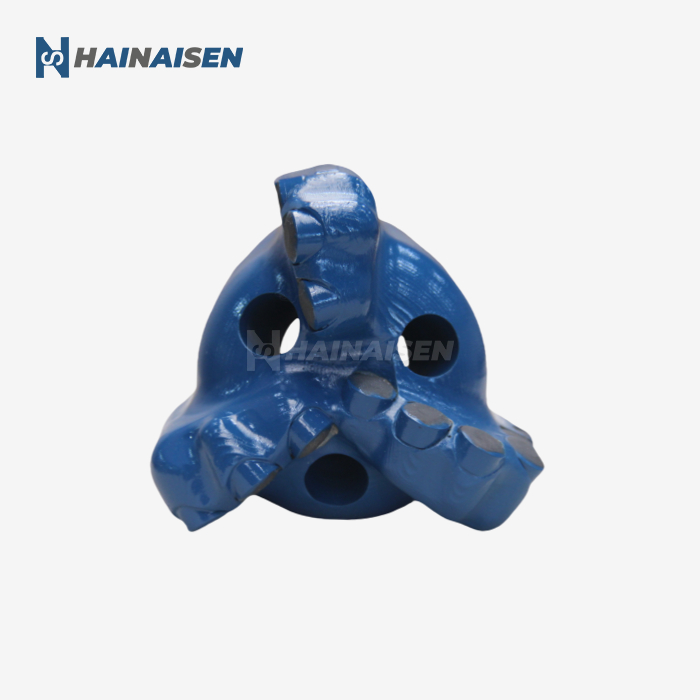 VIEW MORE3 Blade PDC Arc Angle Drill Bit
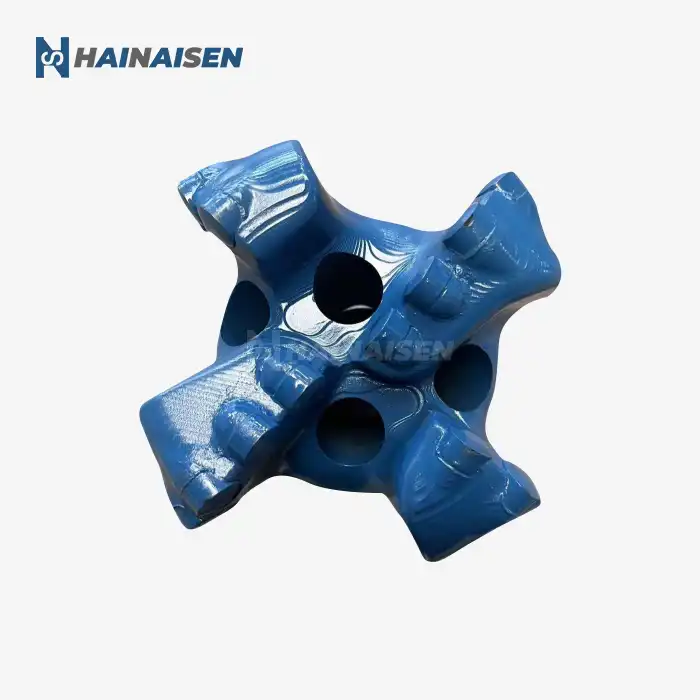 VIEW MORESteel Body PDC Bit 4 Blades
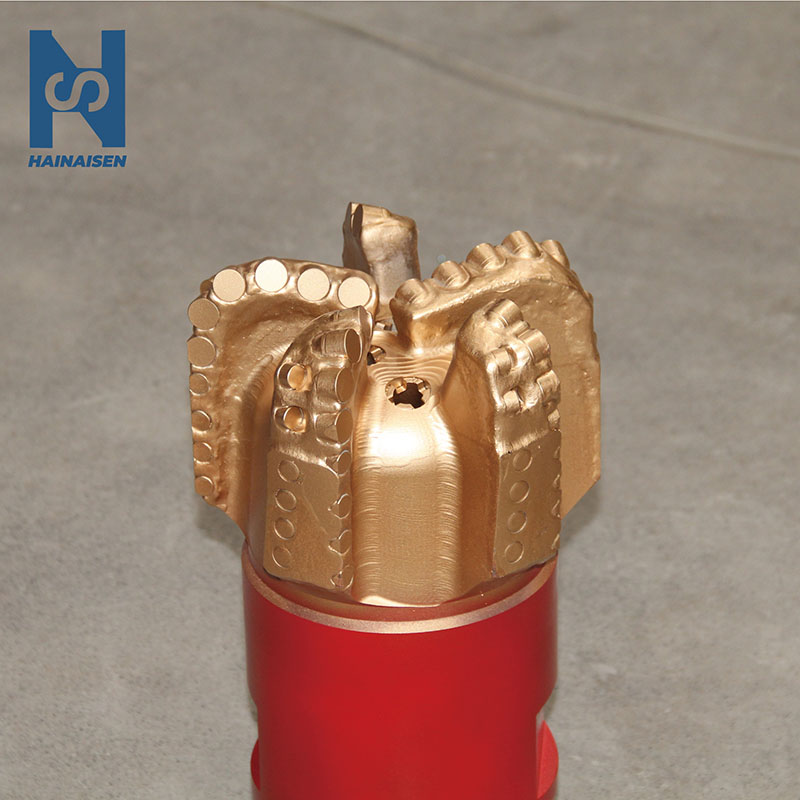 VIEW MORE5 Blades Steel Body High Performance PDC Rock Drill Bits
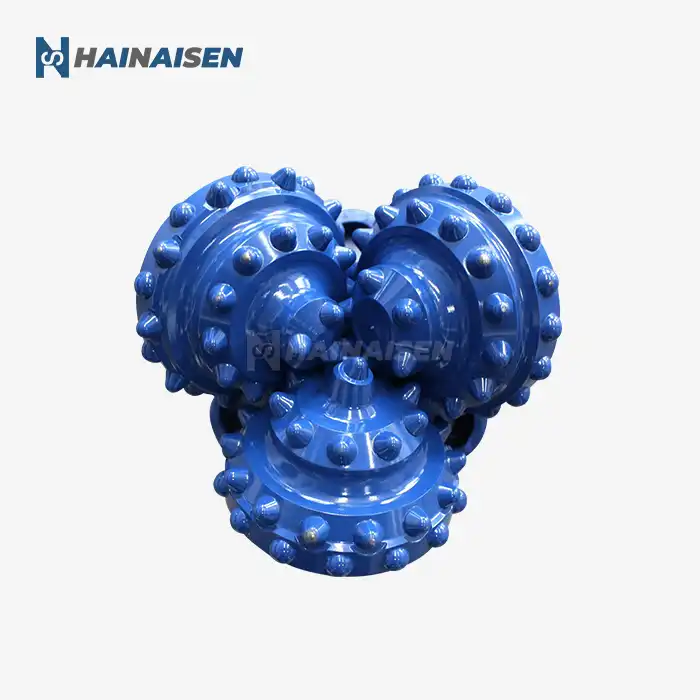 VIEW MORE5 1/2 Inch IADC 537 Tricone Rock Bit for Medium-Hard Formations
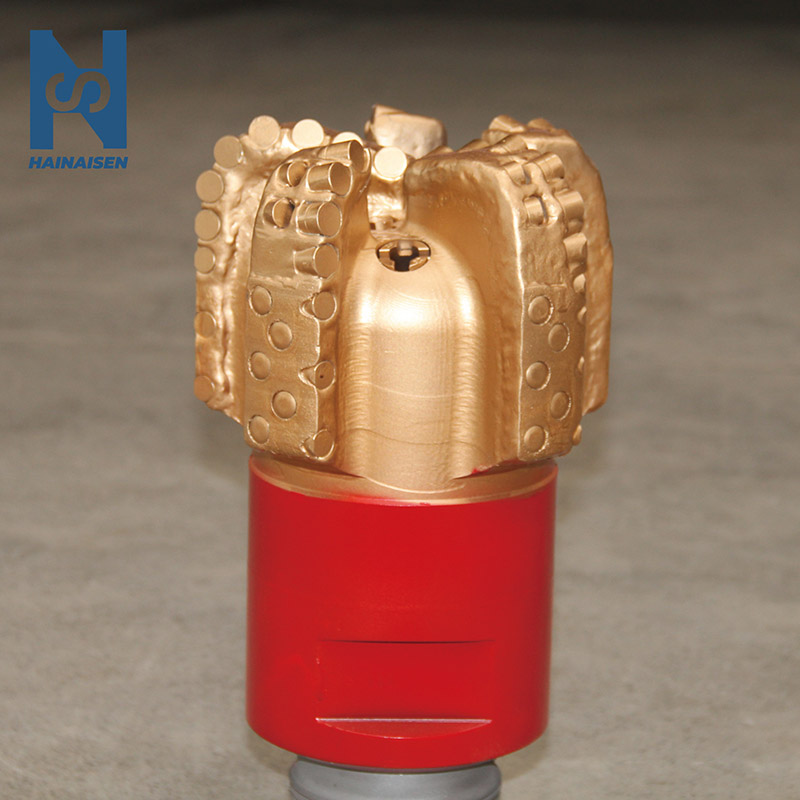 VIEW MOREDiamond PDC Drill Bit
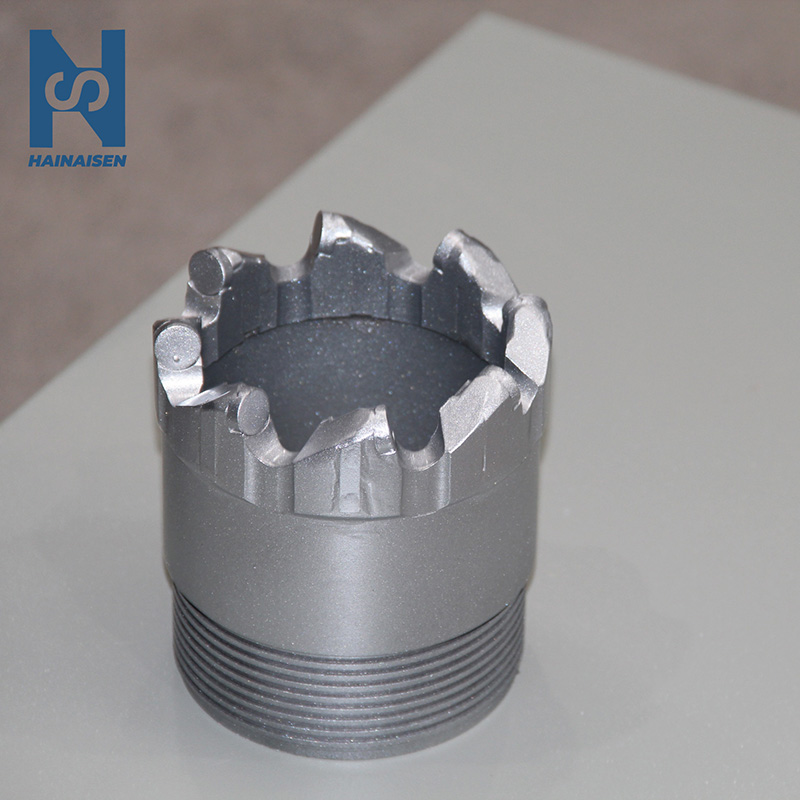 VIEW MOREPDC Core Drill Bit Used For Drilling
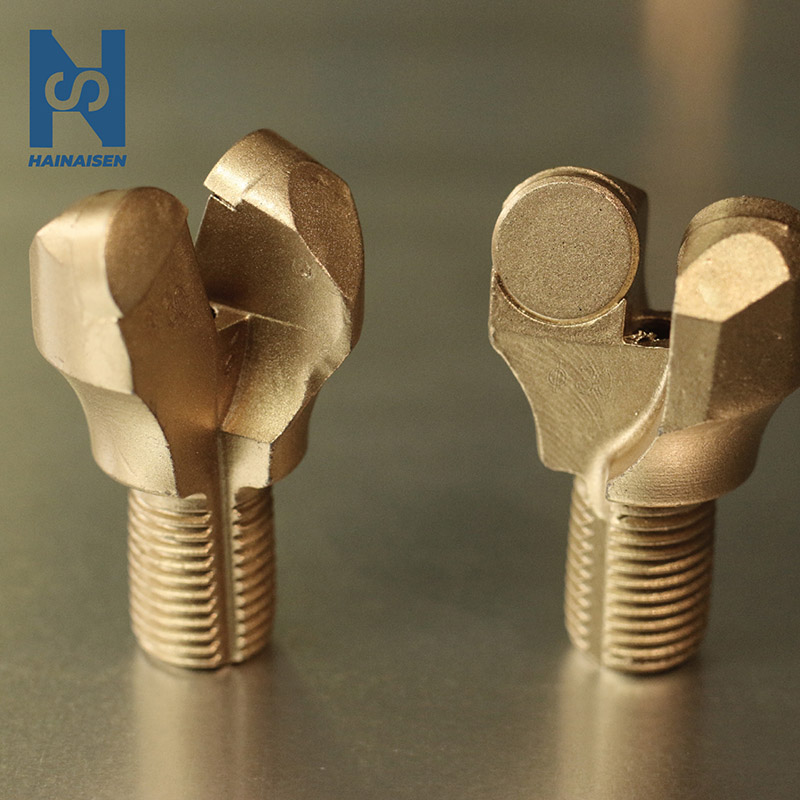 VIEW MORE30mm Half Blade Anchor Bit For Mine Coal Fields
 VIEW MOREPDC Mining Bit