




Six Blade Wing Petroleum Drill Bit Cost Factors
To make smart buying choices when looking at Six Blade Wing Petroleum Drill Bit prices, it's important to understand the cost factors. The main factors that affect prices are the quality of the materials (especially the grade of PDC cutters and steel alloy), the level of accuracy needed for advanced CNC machining and heat treatment, the complexity of the blade configuration, the need for customisation, and the brand's reputation, which is backed up by Certifications. Costs are also affected by the number of orders, where the supplier is located, the terms of the warranty, and the technical help provided after the sale. Buying managers and technical engineers can make sure that drilling performance goals are met while staying within budget by balancing these factors.
Introduction
Equipment that consistently performs well while keeping costs low is needed for drilling in coal mines, oil and gas extraction, and water well projects. The six-blade wing design is a big step forward in PDC bit technology. It makes the bit more stable and increases its penetration rate, which has a direct effect on the project's revenue. The tough part for procurement professionals is choosing drill bits that meet strict technical requirements without going over budget. When purchasing managers and expert engineers know what makes these specialised tools cost what they do, they can negotiate better terms, find value opportunities, and avoid common procurement mistakes. This guide looks at the main cost factors, such as choosing the right materials, manufacturing processes, supplier relationships, and maintenance issues. It gives medium to large oil service companies, coal mining operations, and water well drilling teams across the United States useful information they can use. What you're about to read will help you make decisions that improve both performance and investment returns, whether you're looking for long-term partnership value or instant price competitiveness.
Understanding Six-Blade Wing Petroleum Drill Bit Design and Specifications
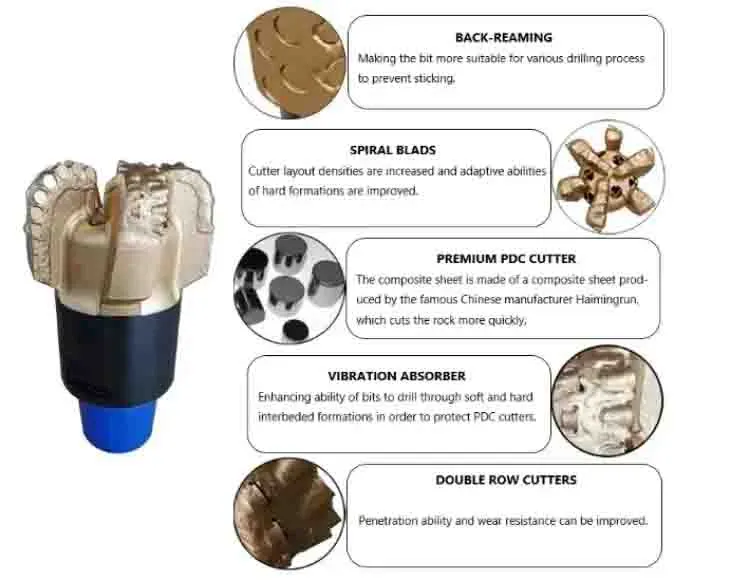
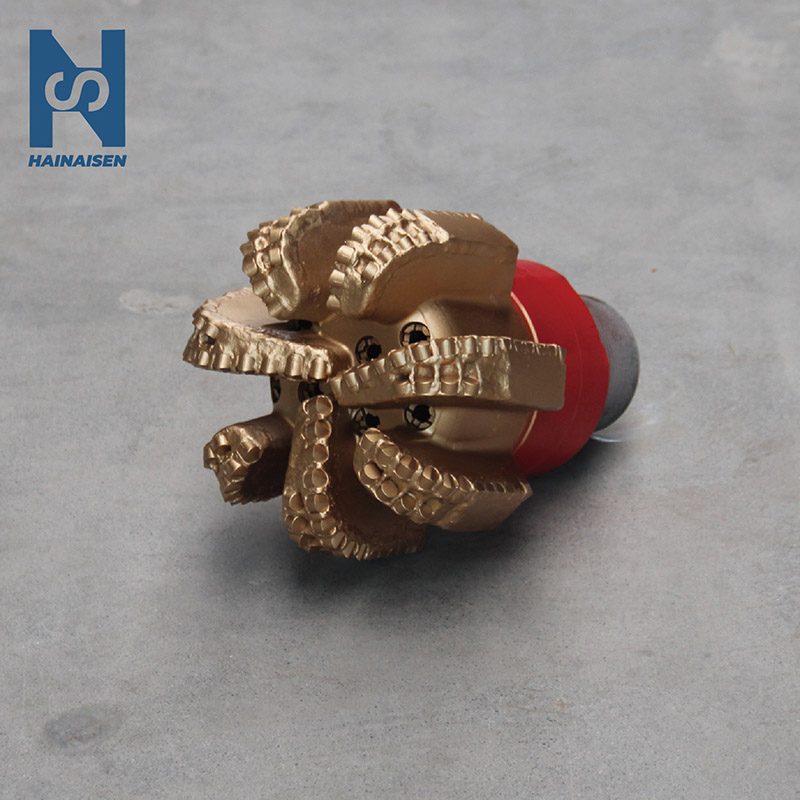
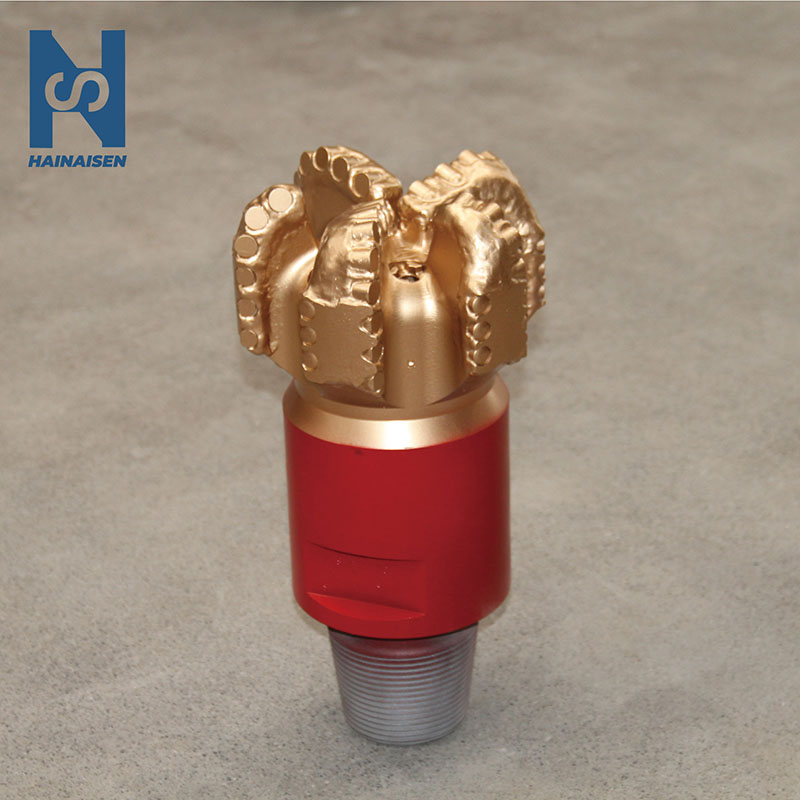
How these drill bits are put together has a big impact on how much they cost and how well they work. The six-blade design spreads cutting forces more evenly than standard three- or four-blade designs, which lowers vibration and increases the tool's useful life. This design benefit is especially useful for directional drilling, where the security of the borehole is very important.
Blade Configuration and Cutting Structure
Putting six blades in a smart way makes the junk slots—the spaces between the blades that make it easier to remove debris—bigger. This shape makes the hydraulics work better and keeps the bit from balling up in sticky rock types like shale and clay-rich rock. Each blade has several PDC cutters that are set up at different back rake angles, which are usually between 10 and 25 degrees based on the hardness of the formation. The exposure height and density of the cutter have a direct effect on both how well it cuts and how hard it is to make, which affects the end price.
Material Selection Impact
Cost differences between producers are based on the high-quality polycrystalline diamond bit materials they use. The structure's body is made of high-strength 4140 alloy steel, which has been heated to make it more resistant to wear and more able to handle impacts. The PDC cutters, which are made of synthetic diamond layers attached to tungsten carbide substrates through high-pressure, high-temperature sintering, cost a lot for the whole bit. The quality of cutters varies a lot. Diamonds of better grade are more thermally stable in deep wells where temperatures are above 300°F.
Main Factors Driving the Cost of Six-Blade Wing Petroleum Drill Bits
The end prices for these high-tech drilling tools are based on a number of interconnected factors. Knowing how each factor affects the total cost helps you make smarter buying choices and negotiate better with suppliers.
Manufacturing Precision and Quality Control
Today, advanced machining centres, especially 5-axis CNC machines that can achieve tight tolerances in blade geometry and cutter placement, are used to make bits. Advanced manufacturing technology makes sure that the quality of each production run is the same in places like our 3,500m² production workshop in Xi'an. Strict inspection procedures, such as measuring, non-destructive testing, and hydraulic flow modelling, raise the cost of production but greatly lower the number of failures that happen in the field. When companies invest in quality control infrastructure, they charge their customers for it. However, the investment usually pays off because bits work better and don't need to be replaced as often.
Customisation and Design Complexity
Standard bits from catalogues can be used for most boring jobs, but many projects need custom solutions. Custom blade profiles, unique cutter plans for different rock types, and changes for drilling angles that aren't common require engineering resources and testing prototypes. Our focused research and development team works with clients to create bits that are suitable for their specific formations, well depth needs, and directional drilling requirements. Customisation adds 15–30% to the initial cost compared to standard models, but faster penetration rates and less time spent doing nothing often make up for the extra cost in difficult situations.
Comparing Six-Blade Wing Drill Bits to Other Drill Bit Types: Impact on Cost and Performance
When you look at the different bit designs, you can see how the upfront investment and operational costs affect each other. Most of the time, six-blade designs cost 20–35% more than four-blade designs, but they work better, which can make up for the extra cost.
Performance Advantages Over Four-Blade Designs
The extra blades make the cutting area bigger and the bit face lighter by spreading the weight out better. In medium-hardness formations, this means faster penetration rates—often 15–25% higher than four-blade equivalents when working in the same way. The better balance lowers harmful vibrations that speed up bearing wear and cutter damage. In most cases, this increases the operating life by 30 to 40 per cent. For water well digging teams that are focused on cost per foot, this longer lifespan often means better value, even though it costs more at first.
Durability and Maintenance Cost Comparison
Field data from coal digging shows that six-blade bits are more effective than polycrystalline diamond bits at cutting in rough materials for longer. Because the cutting forces are spread out more, each PDC cutter is under less stress, which makes chipping and heat damage less likely. Four-blade bits may work well in soft, regular formations, but the six-blade design is better for dealing with hard stringers or changes between rock types that come up out of the blue. This durability benefit helps operations where bit trips waste a lot of time that could be used for other things. This makes the extra cost worth it for projects where downhole efficiency directly affects plans.
Procurement Considerations: Cost Factors Beyond the Drill Bit Price
Comprehensive procurement planning accounts for numerous expenses beyond the cost itself. These factors significantly influence total project costs and operational risk exposure.
Volume Discounts and Contract Structures
You can save a lot of money when you buy in bulk. Usually, orders over 20 units save between 12 and 25 per cent. Setting up framework agreements that ensure stable prices across fiscal periods is best for medium and large-sized oil service companies that have drilling programs that are still going on. A lot of the time, these contracts require commitments to buy a certain amount of goods in exchange for better terms, faster payments, and special handling during times of high demand. Even small water well drilling businesses can get better deals on supplies by buying in bulk or by timing their orders to match the production processes of Manufacturers.
Lead Time and Supply Chain Reliability
Standard six-blade bits usually ship within two to three weeks, but unique designs take four to eight weeks from the time the order is confirmed until they are delivered. Projects with set start dates need to take these deadlines into account, since fast production usually costs an extra 20 to 30 per cent. If you choose suppliers who have a history of on-time delivery, you lower the risk of missing your deadline. Delays caused by drilling crews and tools that aren't being used cost a lot more than any savings you might get from choosing cheaper but less reliable suppliers. Suppliers who keep enough popular configurations and raw materials in stock show that they care about meeting customer needs.
Maintenance and Troubleshooting Cost Implications
Proper bit maintenance dramatically extends service life and protects drilling productivity. Understanding common issues and preventative measures helps minimise lifecycle costs.
Preventive Maintenance Practices
Bit care that the work starts before it is deployed. Bits go into service in great shape after checking the junk slots for waste, making sure the cutters are intact, and making sure the gauges are the right size. Keeping an eye on penetration rates, torque readings, and vibration levels during activities lets you know about problems before they get too bad. By pulling bits at the right times, before the cutter fails completely, you can keep bit bodies from getting damaged so that they can still be used after the cutter is replaced. Using systematic rotation plans for bit inventory helps get the most drilling footage out of each unit.
Common Failure Modes and Cost Impact
PDC cutter chipping is the most Six Blade Wing Petroleum Drill Bitcommon type of failure. This usually happens when the bit is overloaded or when cutting through harder-than-expected rock. Small chips may only lower efficiency, but big chips need to be replaced, which shortens the bit's useful life. Even though modern sealed bearings make breakdowns less likely, they can still happen when drilling fluid gets into the bearings and makes the lubrication less effective. In abrasive rocks, gauge wear lowers the quality of the holes and may require reaming operations. Knowing these patterns of failure helps drilling teams change settings to make bits last longer and plan replacement schedules that keep downtime to a minimum.
Refurbishment and Lifecycle Extension
Some companies replace worn cutters and repair gauge sections as part of a refurbishment service that costs 40 to 60 per cent less than the cost of a new bit. This choice works well for bits with solid bodies that had cutter wear happen too soon because of changes in the shape or problems with how they were used. When bits break before they reach the expected drilling depth, it makes economic sense to fix them, but the turnaround time has to work with the project timeline. Building relationships with suppliers that offer rebuild programs makes bit management strategies more flexible, especially for businesses that need to keep bigger bit inventories for a number of ongoing projects.
Conclusion
Navigating the cost factors surrounding six-blade wing petroleum drill bits requires balancing immediate pricing considerations with long-term operational value. Material quality, manufacturing precision, customisation needs, and brand reputation significantly influence purchase prices, yet focusing solely on upfront costs often proves counterproductive. The superior performance, extended lifespan, and reduced maintenance requirements of well-designed six-blade bits typically deliver lower cost per foot drilled compared to cheaper alternatives. Procurement success depends on matching bit specifications to actual geological conditions, evaluating total ownership costs rather than purchase price alone, and selecting suppliers offering reliable delivery, technical support, and warranty protection. Whether your operation prioritises premium quality with long inspection cycles or seeks competitive pricing for high-volume water well projects, understanding these cost drivers enables smarter purchasing decisions that enhance drilling efficiency and project profitability.
FAQ
1. What primarily determines the price difference between manufacturers?
Material quality stands as the leading cost differentiator, particularly the grade of PDC cutters and steel alloys used in bit bodies. Manufacturing precision involving advanced CNC machining and quality control processes also creates significant price variation. Brand reputation, certification compliance, and warranty terms contribute additional premium, though these factors often correlate with reliability and performance consistency that justify higher investment.
2. How does lifespan compare to standard four-blade bits?
Six-blade configurations typically deliver 30-40% longer operational life in medium-hardness formations due to improved load distribution and reduced per-cutter stress. Actual lifespan depends heavily on formation characteristics, operating parameters, and drilling practices, though the design inherently provides greater durability that translates to better cost efficiency measured in dollars per foot drilled.
3. Are bulk purchase discounts available for large drilling projects?
Volume pricing typically reduces unit costs by 12-25% for orders exceeding 20 bits, with larger discounts possible for multi-year supply agreements. Framework contracts offer price stability and priority allocation, particularly valuable for oil service companies with ongoing drilling programs requiring consistent equipment supply and predictable budget planning.
Partner with HNS for Superior Drilling Solutions
HNS stands ready to support your drilling operations with Six Blade Wing Petroleum Drill Bit, high-performance six-blade wing petroleum drill bits manufactured to exacting standards. Our 3,500m² Xi'an facility combines advanced 5-axis machining centres with rigorous quality control, producing bits that meet the demanding requirements of oil and gas extraction, coal mining, and water well drilling applications. As an established Six Blade Wing Petroleum Drill Bit manufacturer, we offer customisation services through our dedicated engineering team, tailoring blade configurations and cutter layouts to your specific formation challenges and drilling parameters. Contact our technical specialists at hainaisen@hnsdrillbit.com to discuss your project requirements, request detailed specifications, or obtain competitive quotations.
References
1. Smith, J.R. (2021). "Advanced PDC Bit Design for Petroleum Applications," Journal of Drilling Engineering, Vol. 48, pp. 127-145.
2. Anderson, M.K. & Chen, L. (2020). "Cost-Benefit Analysis of Multi-Blade Drill Bits in Unconventional Formations," Petroleum Technology Quarterly, Spring Edition, pp. 34-42.
3. Roberts, D.W. (2022). "Material Science in Modern Drill Bit Manufacturing," International Drilling Technology Review, Vol. 15, No. 3, pp. 89-103.
4. Thompson, R.J. (2019). "Procurement Strategies for Oil Service Equipment," Energy Industry Supply Chain Management, pp. 201-218.
5. Martinez, C.A. (2023). "Performance Comparison of PDC Bit Configurations in Medium-Hardness Formations," Drilling Research Institute Technical Report, Series 2023-07.
6. Wilson, P.H. & Kumar, S. (2021). "Lifecycle Cost Analysis of Petroleum Drilling Equipment," Journal of Energy Economics and Operations, Vol. 33, pp. 156-174.
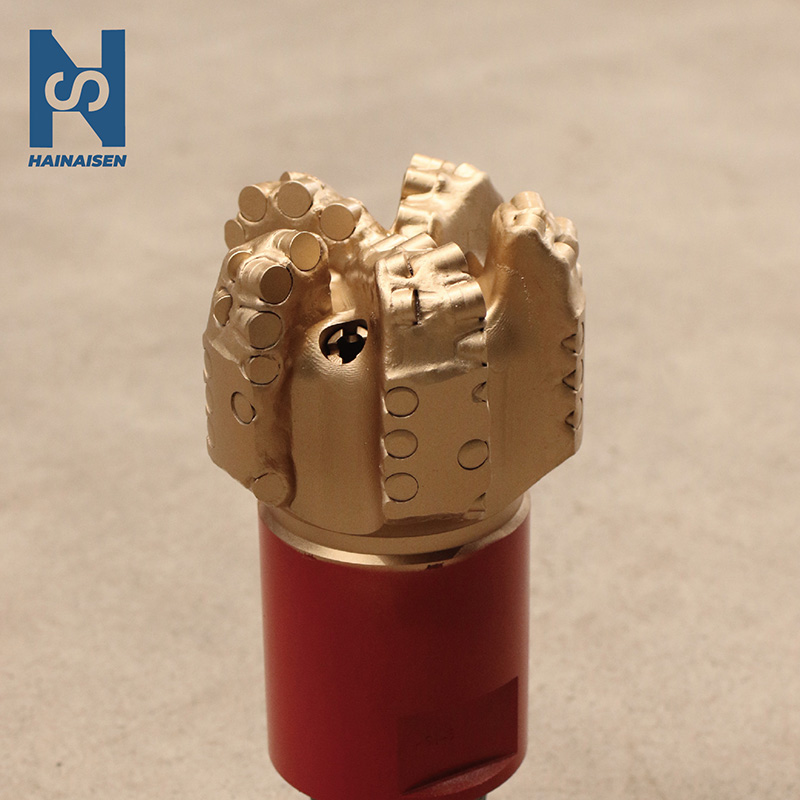 VIEW MOREPDC Petroleum Drill Bit
logo 1_1768274683075.jpg) VIEW MORECoal Mine Drilling Opening And Closing Drill Bit
VIEW MORECoal Mine Drilling Opening And Closing Drill Bitlogo 1_1768204983068.jpg) VIEW MOREPDC Core Drill Bit With 8 Blades For Hole Drilling Used In Mining
VIEW MOREPDC Core Drill Bit With 8 Blades For Hole Drilling Used In Mininglogo 4_1777360540990.jpg) VIEW MOREDrilling Tool Coal Mining Bit
VIEW MOREDrilling Tool Coal Mining Bit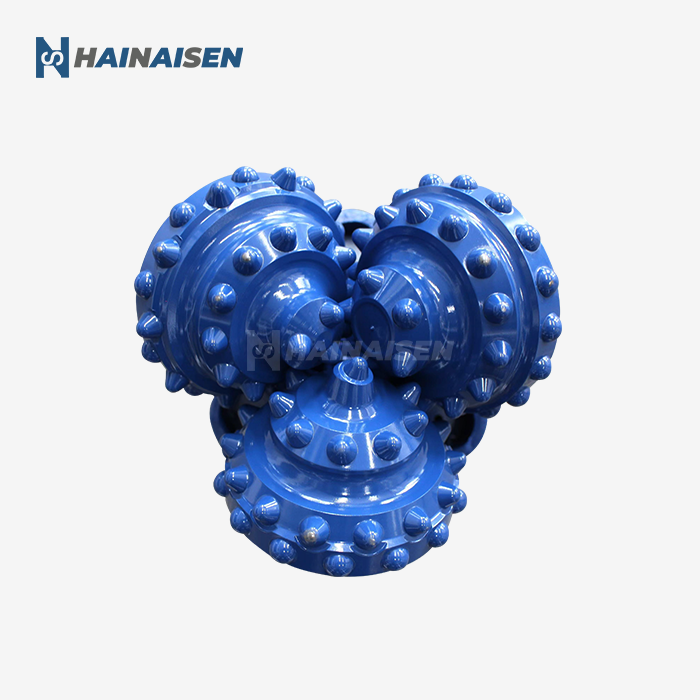 VIEW MOREHard Alloy Roller Drill Bit
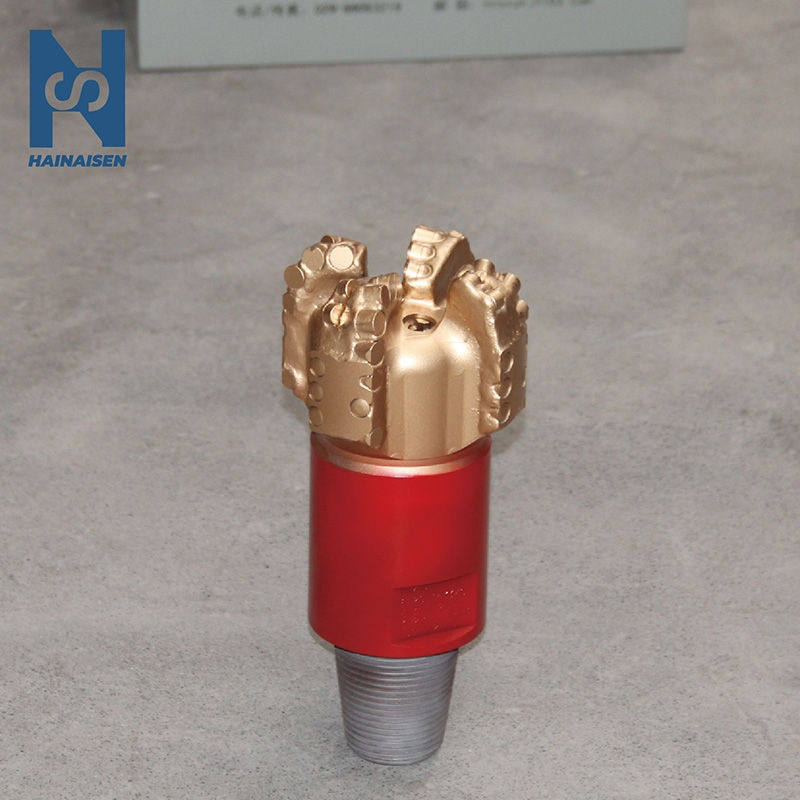 VIEW MORE4 Wings Blades PDC Bit
 VIEW MORESeven Blade Wing Oil Drilling Drill Bit
 VIEW MOREFive Wing PDC Bit For Hard Rock Drilling