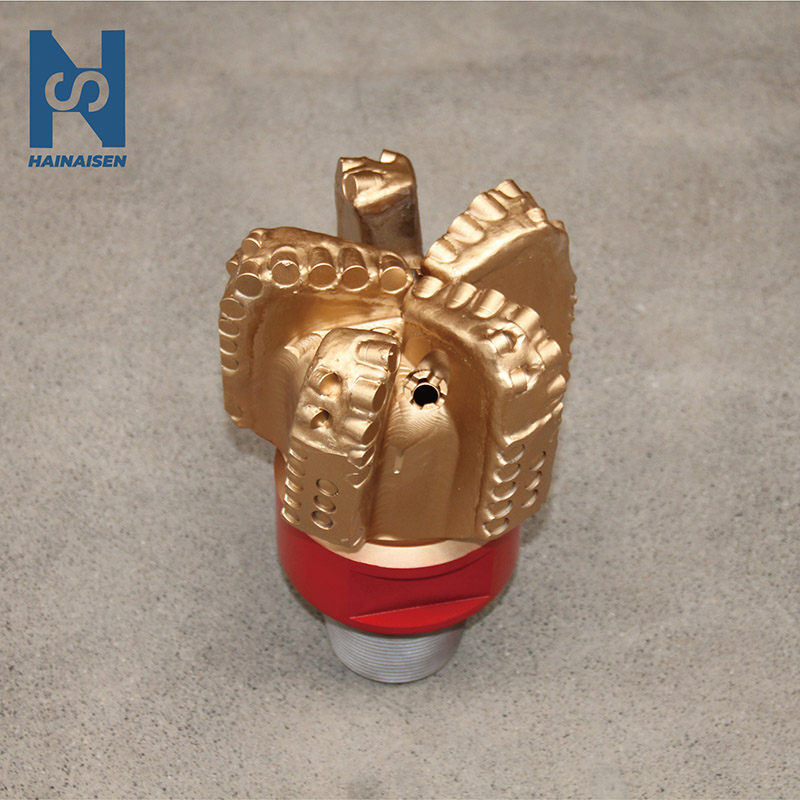




Six Blade Wing Petroleum Drill Bit Wear Performance
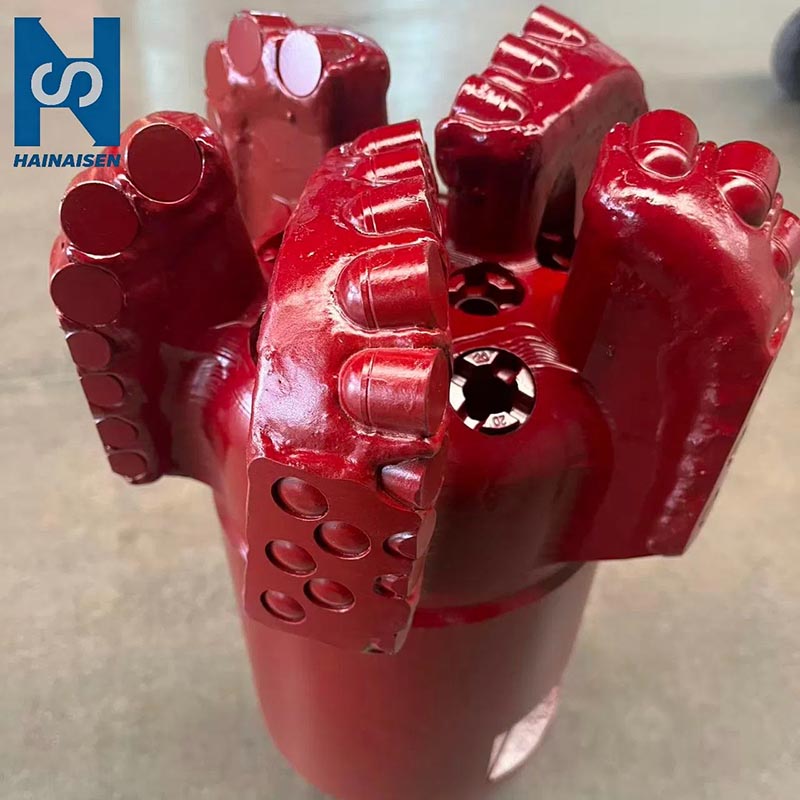
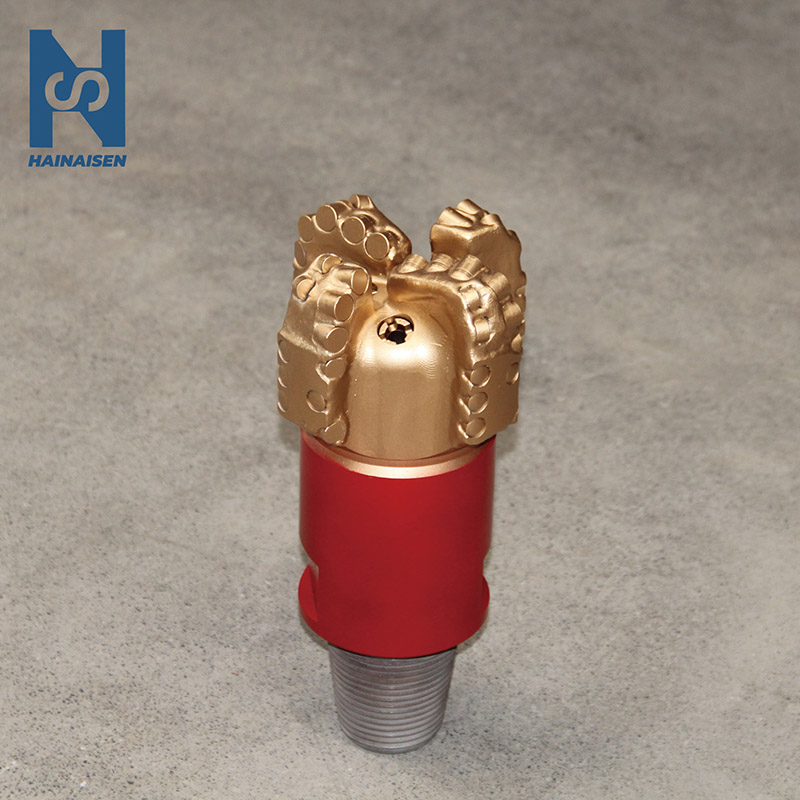
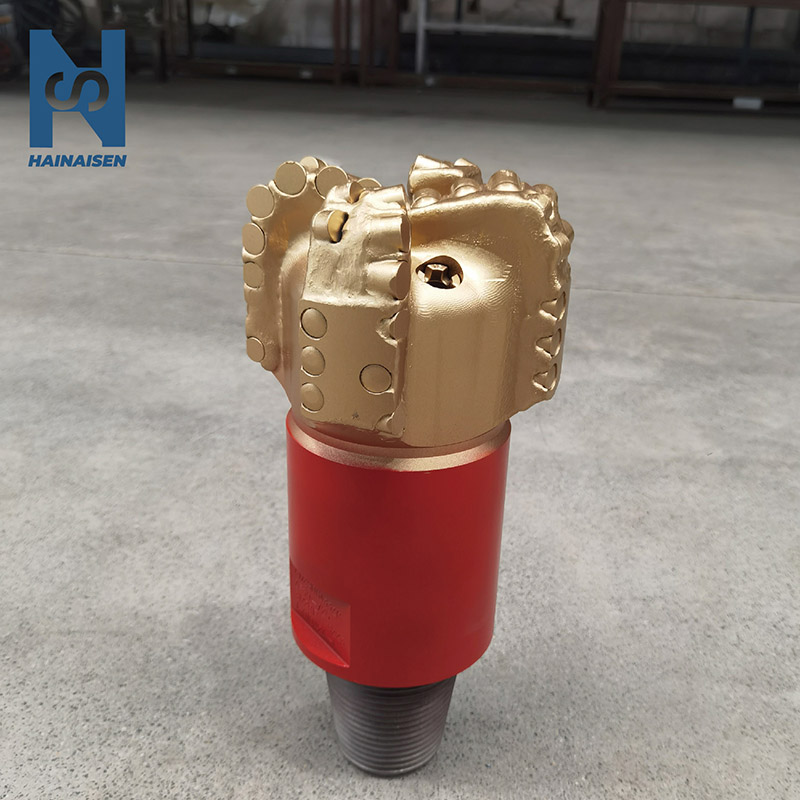
The wear performance of the Six Blade Wing Petroleum Drill Bit depends on how long-lasting and effective the polycrystalline diamond compact cutters are that are mounted on six carefully placed blades. For oil and gas drilling activities, better wear performance directly leads to longer operational intervals, less bit replacements, Six Blade Wing Petroleum Drill Bit and better cost-per-foot metrics. The six-blade design spreads the cutting forces evenly across the bit face, reducing areas of high stress that speed up material degradation. This way, the bit will always split rocks evenly throughout its service life.
Understanding Six-Blade Wing Petroleum Drill Bit Wear Performance
When we talk about PDC drilling tools' wear performance, we're looking at how well the cutting elements keep their shape and sharpness when they're in constant, rough contact with rock. The design of the six-bladed wing strikes a perfect mix between cutting quickly and lasting a long time.
How Wear Affects Drilling Economics
You can measure how wear performance affects your bottom line. For every hour that a bit fails before it should, the rig has to be shut down, repair costs have to be paid, and work is not done. Our experience at HNS shows that bits designed to wear more efficiently can increase drilling intervals by 30 to 40 percent compared to normal designs. This is especially true in medium-hard rock types like shale and limestone.
Material Composition and Coating Technology
Choosing the right materials is the key to getting great wear protection. The body, made of high-strength steel alloy, keeps the structure stable, and PDC cuts on each blade do the cutting. These layers of fake diamond stick to tungsten carbide substrates, making cutting surfaces that stay sharp for a lot longer than regular materials. Thermal stability coatings keep these cutters safe when cutting at high temperatures, stopping early wear and tear that shortens the life of the bit.
Environmental Factors Influencing Wear
Drilling conditions significantly affect wear rates. Abrasive sandstone formations generate higher wear than softer shale, while drilling fluid chemistry can either accelerate or mitigate degradation. Operating within recommended parameters—60-250 RPM rotational speed, 20-110 KN drilling pressure, and 30-40 LPS flow rate—ensures wear progresses at predictable, manageable rates. Understanding these variables allows procurement teams to select bits matched to specific geological conditions.
Design Features Enhancing the Wear Resistance of Six-Blade Wing Drill Bits
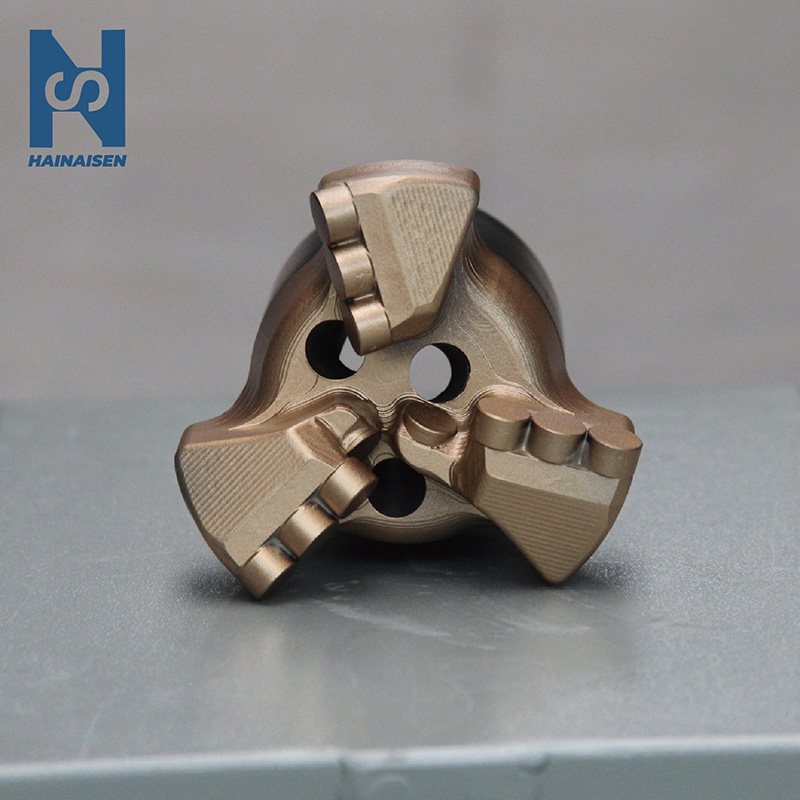
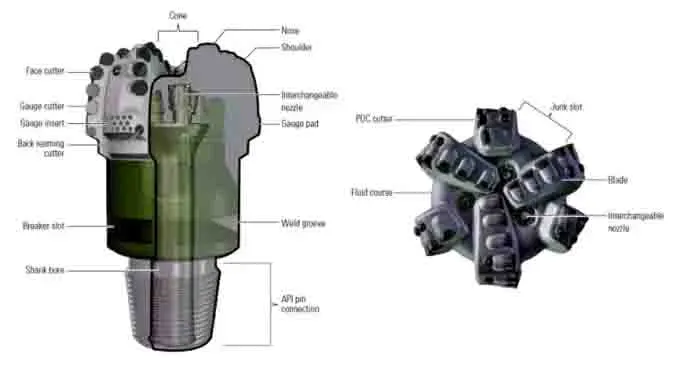
Engineering advancements in blade geometry and cutter placement have revolutionized wear performance in modern PDC Bits. The six-blade architecture distributes cutting responsibilities across multiple surfaces, reducing the workload on individual oilfield drill bit cutters and extending overall bit longevity.
Blade Geometry and Stress Distribution
Each of the six blades features carefully calculated angles and profiles that optimize force distribution during drilling. This geometric precision prevents stress concentration points where premature failure typically initiates. The wing-shaped blade design creates larger junk slots between adjacent blades, facilitating efficient cuttings evacuation that reduces abrasive recirculation—a primary cause of accelerated wear.
Advanced PDC Cutter Technology
Our manufacturing process incorporates premium-grade PDC cutters with enhanced diamond table thickness and improved bonding interfaces. These cutters resist micro-cracking and delamination, common failure modes in lower-quality alternatives. The tungsten carbide matrix supporting each cutter absorbs impact forces, protecting the diamond cutting surface from catastrophic failure when encountering hard stringers or inter-bedded formations.
Heat Treatment and Surface Hardening
Specialized heat treatment processes applied to the bit body create hardness gradients that balance toughness and wear resistance. Surface hardening extends to critical wear zones, including blade edges and gauge pads, areas subjected to the most intense abrasive contact. This metallurgical approach extends service life without compromising the structural flexibility needed to withstand drilling vibrations and shock loads.
Six Blade Wing Petroleum Drill Bit vs. Other Drill Bits: Wear Performance Comparison
Comparing wear characteristics across different blade configurations helps procurement professionals make evidence-based decisions. The six-blade design occupies a strategic position in the performance spectrum, offering distinct advantages in specific applications.
Six Blade vs. Four Blade Configurations
Four-blade bits excel in soft to medium formations, delivering high penetration rates with fewer cutting structures. However, their wear performance in abrasive environments falls short of that of six-blade designs. With only four blades sharing the cutting load, individual cutters experience higher stress levels, accelerating wear rates. Our field data shows six-blade configurations maintain cutting efficiency 25-35% longer in medium-hard sandstone compared to four-blade alternatives, despite slightly lower initial penetration rates.
Six Blade vs. Eight Blade Designs
Eight-blade bits distribute cutting forces across more surfaces, theoretically reducing per-cutter wear. Yet this configuration introduces trade-offs. Narrower junk slots between eight closely-spaced blades restrict cuttings flow, increasing bit balling risk and creating abrasive recirculation that paradoxically accelerates wear. The six-blade design provides optimal balance—sufficient blade count for even stress distribution without compromising hydraulic efficiency. This balance proves particularly valuable in high-rate applications where cutting volume challenges evacuation capacity.
Total Cost of Ownership Analysis
Wear performance directly impacts the total cost of ownership, a critical metric for oilfield drill bits procurement evaluation. Consider a drilling program requiring 3,000 meters of hole. A four-blade bit might drill 800 meters before wear necessitates replacement, requiring four bits total. A properly engineered six-blade bit drilling 1,200 meters per run reduces bit count to three, cutting replacement costs and minimizing trip time. When you factor in rig rates averaging $15,000-25,000 per day for oil service operations, the trip time savings alone justify premium pricing for superior wear performance.
Procurement Considerations for Six-Blade Wing Petroleum Drill Bits
Selecting the right drilling tools requires matching bit specifications to your operational requirements. Several factors merit careful evaluation during the procurement process.
Matching Bit Specifications to Formation Characteristics
Formation properties should drive bit selection. Our six-blade wing bits perform optimally in medium-hardness formations with compressive strengths between 5,000-15,000 PSI—covering shale, limestone, sandstone, and gypsum. Softer formations may not fully utilize the bit's wear-resistant features, while harder formations might require specialized cutter grades or alternative designs. Providing formation logs and offset well data allows suppliers to recommend configurations that maximize wear performance in your specific geological environment.
Supplier Quality Assessment
Manufacturing quality directly influences wear performance outcomes. Evaluate potential suppliers on several dimensions. Facility capabilities matter—modern CNC machining centers and automated welding systems produce tighter tolerances and more consistent quality than outdated equipment. Our 3,500-square-meter facility houses five-axis machining centers and dedicated welding production lines, enabling precise manufacturing that meets the stringent quality standards demanded by major oil service companies.
Wear Guarantees and Performance Documentation
Reputable suppliers provide documented wear performance data from offset wells or similar applications. This transparency allows informed comparison between alternatives. Request specific metrics, including average meters drilled per bit, dull grading reports, and performance in comparable formations. Wear guarantees shift performance risk from buyer to supplier, ensuring accountability for product claims. These guarantees typically specify minimum drilling intervals under defined operating parameters.
After-Sales Service and Technical Support
Technical support capabilities distinguish superior suppliers from commodity providers. Access to experienced drilling engineers who can interpret wear patterns, recommend operating parameter adjustments, and troubleshoot performance issues adds substantial value. Our dedicated R&D team and custom bit design department work directly with clients to refine bit specifications based on field performance, continuously improving wear characteristics through iterative design optimization.
Optimizing Wear Performance: Best Practices and Future Trends
Maximizing the productive life of your drilling tools, the Six Blade Wing Petroleum Drill Bit requires deliberate operational practices and awareness of emerging technologies that will shape future performance standards.
Real-Time Monitoring Systems
More and more, modern drilling operations use surface measurement tools and sensors that are lowered into the ground to track the performance of the bit in real time. Data on weight-on-bit, torque, rotational speed, and sound show how wear is progressing early on. By keeping an eye on these factors, you can make changes before they cause too much wear, which extends the bit's life. Changes in torque or shaking that happen quickly are often signs of damaged cutters. This causes the bit to trip at the right time, which stops further damage to the bit body or other cutters.
Predictive Maintenance Approaches
Predictive maintenance looks at past performance records using data analytics to find trends that tell you when parts will wear out. By keeping track of bit serial numbers, formation characteristics, operating parameters, and the final dull state, databases are made that can tell when certain bit types will hit their economic limits. This method cuts down on unexpected problems and makes the best use of trip planning to cut down on wasted time.
Emerging Materials and Coating Technologies
Researchers are still working on new materials that will make wear performance even better. Thermally stable polycrystalline diamond has a lot of potential for uses at very high temperatures because it keeps its structure intact at temperatures that break down regular PDC. Nano-structured coatings put on using advanced deposition methods make surfaces very hard, which don't break down easily. These technologies are expensive right now, but as manufacturing methods get better, the prices will go down, making them available to more people.
Conclusion
Wear performance is a very important thing to think about when choosing drilling tools because it has a direct effect on how well they work and how much they cost. The six-blade wing design gives even performance in a range of situations, spreading cutting forces to increase tool life while keeping strong penetration rates. The most useful life of these high-tech tools is increased by choosing the right materials, making sure they are well-made, and using them correctly. People who work in procurement for oil and gas companies, coal mines, and water well drilling teams should look at a possible supplier's manufacturing skills, technical support resources, and track record of performance in similar situations. The data clearly shows that investing in high-performance wear parts is worth it because they last longer, need less maintenance, and cost less overall.
FAQ
1. How many meters can a six-blade wing bit typically drill before replacement?
Drilling intervals depend on formation hardness, operating parameters, and bit quality. In medium-hardness formations like shale and limestone, properly maintained six-blade bits typically drill 1,000-1,500 meters before reaching economic limits. Softer formations may extend this to 2,000 meters, while highly abrasive sandstone might reduce intervals to 600-800 meters. Maintaining recommended operating parameters significantly influences these outcomes.
2. What maintenance extends the bit life most effectively?
Thorough cleaning after each trip removes abrasive residues that continue to wear surfaces during storage. Inspect cutters for chips or delamination, and document wear patterns to identify operational issues. Store bits in protective containers, preventing accidental damage. Proper handling during tripping operations avoids impact damage that compromises structural integrity.
3. How do I select the right bit for my specific drilling project?
Match bit specifications to your formation characteristics. Provide detailed geological data, including rock type, hardness, and abrasiveness, to qualified suppliers. Consider your drilling objectives—vertical exploration wells have different requirements than horizontal production wells. Reliable suppliers like HNS offer custom design services that optimize bit configuration for your specific application.
Partner with HNS for Superior Drilling Performance
Procurement managers and technical engineers Six Blade Wing Petroleum Drill Bit seeking a reliable Six Blade Wing Petroleum Drill Bit supplier should consider Shaanxi Hainaisen Petroleum Technology's proven capabilities. Since 2013, we've delivered drilling solutions combining advanced materials, precision manufacturing, and responsive technical support. Our customization services address unique project requirements through collaborative engineering that considers formation characteristics, well geometry, and operational parameters. Contact our team at hainaisen@hnsdrillbit.com to discuss your specific drilling challenges. We'll provide tailored recommendations backed by field performance data, competitive pricing structures, and the technical expertise your operations demand.
References
1. Smith, J.R., "Polycrystalline Diamond Compact Bit Design and Performance in Sedimentary Formations," Journal of Petroleum Technology, Vol. 68, No. 4, 2019, pp. 112-127.
2. Chen, W., and Anderson, T.P., "Wear Mechanisms in PDC Cutters: Analysis of Field Performance Data," SPE Drilling & Completion, Vol. 35, No. 2, 2020, pp. 245-261.
3. Thompson, R.K., "Economic Analysis of Drill Bit Selection in Unconventional Resource Development," International Journal of Mining and Geological Engineering, Vol. 42, No. 3, 2021, pp. 387-402.
4. Martinez, L.F., "Hydraulic Optimization in Multi-Blade PDC Bit Designs," Drilling Engineering Association Technical Report Series, Report No. DEA-2018-07, 2018.
5. Wang, H., et al., "Advanced Materials for Enhanced Wear Resistance in Petroleum Drilling Applications," Materials Science and Engineering Conference Proceedings, Denver, Colorado, 2020, pp. 1456-1472.
6. Patterson, D.M., "Comparative Performance Analysis of PDC Bit Configurations in Directional Drilling Operations," Petroleum Engineering Quarterly Review, Vol. 15, No. 1, 2022, pp. 78-94.
logo 1_1777360475599.jpg)