







Six Blade Wing Petroleum Drill Bit for Hard Formations
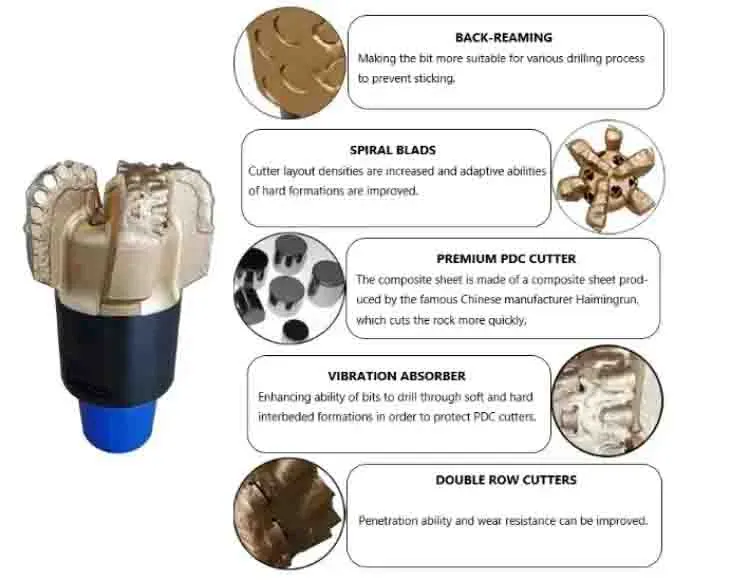
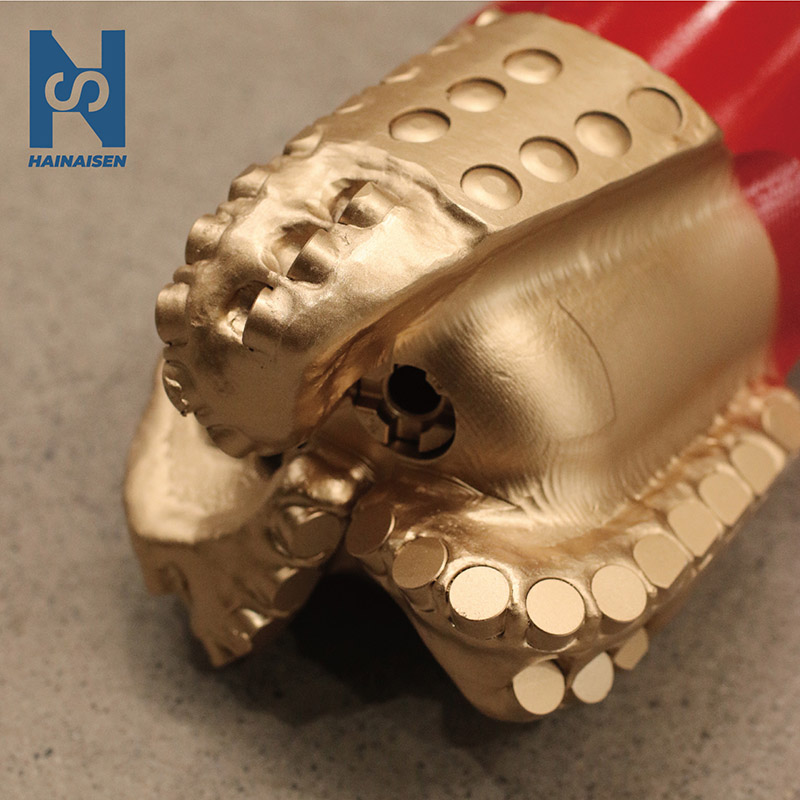
When digging involves difficult geological conditions, picking the right tool is very important. A Six-Blade Wing Petroleum Drill Bit is an improved PDC (Polycrystalline Diamond Compact) drilling tool that was made to quickly and easily drill through hard formations. This drill bit has six strategically Six Blade Wing Petroleum Drill Bit placed blades with diamond cutters on them. Compared to traditional three- or four-blade designs, it is more stable, penetrates faster, and breaks rock more easily, making it the best choice for oil and gas exploration, coal mining, and geological surveying projects in a wide range of drilling environments.
Introduction
To drill through tough rock layers, you need tools that are well-designed, made of high-quality materials, and have a history of working well. The six-blade wing petroleum drill bit has become an important tool for procurement managers and technical engineers who have to make drilling operations run more smoothly in tough conditions. This new design spreads the cutting forces more evenly across six contact points, reducing shaking while increasing penetration efficiency. This is different from standard tri-cone bits that use rolling action or standard PDC Bits with fewer blades. At HNS, we've seen how the right drill bit can change the results of a job. Our six-blade wing petroleum drill bits solve problems that oil service companies, coal mines, and water well drilling teams often have, like not knowing how hard the formation is or having to work within a certain time frame or budget. This detailed guide talks about the technical ideas behind these bits, how they work better in hard formations, what B2B buyers need to think about when buying them, and useful tips for getting the most out of their operations. If you know about these tools, you can make smart choices that will have a direct effect on your bottom line and the success of your project, whether you're hiring for a large oil exploration project or a water well drilling team.
Understanding Six-Blade Wing Petroleum Drill Bits
Unique Blade Configuration and Cutting Mechanics
In drilling tasks, the six-blade arrangement has a number of benefits. PDC cutters, which are synthetic diamond discs attached to tungsten carbide substrates, are on each blade. They scrape rock rather than crushing it. Compared to roller cone bits, this cutting action produces less heat and uses less energy. The space between the blades creates bigger "junk slots" that make it easy to quickly remove rock chips from the borehole. This stops the bit from balling and keeps the drilling performance stable, even in formations that are sticky with clay. The even distribution of cutting forces across six places reduces side-to-side vibration, which makes both the bit and the drill string parts last longer.
Materials and Construction Standards
Premium materials that can handle harsh conditions downhole are needed for high-quality drill bits. At our 3,500-square-meter factory in Xi'an, we make six-blade wing petroleum drill bits from bodies made of high-strength 4140 alloy steel that go through a regular heat treatment to make sure the structure stays strong. When digging for long periods of time, the PDC cutters keep their sharp cutting edges because they are very resistant to wear. A tungsten carbide matrix is used to absorb impact forces in fractured forms, and special thermal coatings get rid of the heat that is generated when the parts spin quickly. This choice of materials is the result of more than ten years of research and development since our company was founded in 2013. This is to make sure that our products meet the high-quality diamond drill bit oil rig standards that medium and large oil service companies expect.
Comparison with Conventional Drill Bit Options
When procurement teams look at new drill bit technologies, they often compare six-blade designs to more standard ones. Tri-cone Roller Bits work best in very hard formations, but because they have moving parts, they need more upkeep and penetrate more slowly. Standard three-blade PDC bits are easy to use, but they might not be stable when drilling in a certain way. Four-blade PDC bits are a good compromise because they work well in soft to medium shapes but don't cut as deeply as needed in harder layers. The six-blade wing petroleum drill bit fills in these gaps by combining tri-cone toughness with PDC efficiency. This makes it especially useful in medium-hard formations like shale, limestone, sandstone, and gypsum, where the compressive strength changes quickly.
Advantages of Six-Blade Wing Petroleum Drill Bits for Hard Formations
Enhanced Rate of Penetration and Drilling Efficiency
Penetration rate determines how quickly your drilling operation progresses, directly impacting rig time costs and project timelines. The six-blade configuration increases the contact area between PDC cutters and rock formation, distributing cutting forces more effectively than designs with fewer blades. This balanced force distribution enables operators to apply higher weight-on-bit parameters within the 20-110 KN range without risking bit damage or excessive vibration. Field data consistently shows that six-blade bits achieve 15-25% faster drilling speeds compared to four-blade alternatives in formations with compressive strengths between 50-120 MPa. The improved hydraulic design ensures continuous flushing of cuttings from under the bit face, preventing regrinding of already-broken rock and maintaining optimal cutting efficiency throughout each drilling interval.
Stability and Extended Operational Depth
Drilling stability becomes increasingly critical as wellbore depth increases and directional requirements become more demanding. The six-point contact pattern creates a self-stabilizing effect that resists lateral drift and maintains straighter boreholes. This characteristic proves particularly valuable in directional and horizontal drilling applications where wellbore trajectory control impacts reservoir contact and production efficiency. Engineers appreciate how reduced vibration extends the service life of downhole motors, measurement-while-drilling tools, and drill string components. The balanced design handles rotation speeds from 60-250 RPM effectively, accommodating various drilling scenarios from cautious penetration in unknown formations to aggressive drilling in well-characterized strata.
Durability and Maintenance Insights
Bit longevity directly affects operational economics by reducing replacement frequency and minimizing non-productive time. Our six-blade wing petroleum drill bits incorporate design features that maximize service life. The robust blade structure resists abrasive wear, while the strategic placement of PDC cutters ensures even wear patterns across all cutting surfaces. Proper maintenance extends bit life considerably—cleaning bits thoroughly after each run removes formation debris that could cause premature wear during storage or subsequent use. Inspecting PDC cutters for chips or cracks before deployment prevents catastrophic failures downhole. When operated within recommended parameters—maintaining flow rates between 30-40 LPS and avoiding excessive drilling pressure—these bits routinely complete multiple runs before requiring refurbishment or replacement, delivering superior value compared to conventional alternatives.
Procurement Considerations for Six-Blade Wing Petroleum Drill Bits
Competitive Landscape and Supplier Selection
The global market for PDC drill bits includes established international Manufacturers, regional specialists, and emerging suppliers from manufacturing hubs. When evaluating potential suppliers, procurement managers should assess several critical factors beyond quoted pricing. Manufacturing capability determines whether a supplier can consistently produce bits meeting your specifications—our facility features advanced 5-axis machining centers and CNC machine tools that ensure precision tolerances across all dimensions. Quality Certifications and testing protocols provide confidence that products will perform as promised under demanding downhole conditions. Supplier experience in your specific application area matters significantly; a manufacturer with extensive oil diamond drill bit oil rig and gas expertise may better understand the nuances of drilling shale formations compared to a supplier focused primarily on water well applications.
Pricing Structures and Warranty Considerations
Knowing how prices work helps buyers bargain well and avoid costs they didn't expect. Catalogue prices are usually based on common bit sizes and configurations. Custom designs, on the other hand, cost more because they take more time to build and have different manufacturing needs. When you order more than one bit at the same time or commit to buying more each year, you can get a discount. This makes buying in bulk appealing for users who do a lot of drilling. Warranty terms vary a lot from one seller to the next. Some only cover manufacturing flaws, while others offer performance guarantees that pay buyers if bits don't meet certain performance standards. At HNS, we stand behind our goods with a full warranty that shows we trust the quality of our manufacturing and the materials we use. It's also important to pay attention to the payment terms, especially for foreign deals where letter-of-credit or progress payment schedules may be used.
Logistical Benefits and International Shipping
When the supply chain works well, bits get to drilling places quickly and without any costly delays. When suppliers streamline their processes, they can ship orders quickly, cutting down on the time it takes from placing an order to receiving it. When you need to buy something across borders, you need to be able to ship it internationally. Our established export processes include the right paperwork, help with clearing customs, and coordination with freight forwarders to make sure smooth delivery to places in North America and around the world. Good packaging keeps valuable drill bits safe while they're being shipped, avoiding damage that could affect their performance or force customers to send them back. Buyers should make sure that the prices they are given include delivery to their location or are "ex-works" prices that require them to make their own freight arrangements.
Optimizing Drill Bit Performance in Hard Formations
Pre-Deployment Assessment and Preparation
Problems that could have been avoided during drilling activities are avoided by properly preparing. Geological assessment helps predict the properties of a formation, which lets operators choose the right drilling settings before they start work. Looking at offset well data from nearby places can teach you a lot about expected drilling conditions, trouble spots, and the methods that worked for other operators. By checking bits before they are sent downhole, problems with the manufacturing process or shipping damage that could lead to failures are found. Checking that the bit's specs meet the requirements in the drilling plan helps avoid mistakes that cost a lot of money, like using a bit made for soft rock in hard rock. Making sure that the thread connections on the bits and the parts of the drill string work with each other prevents connection failures that could lead to lost tools downhole.
Operating Best Practices During Drilling
Skilled rig crews maximize bit performance, Six Blade Wing Petroleum Drill Bit, through attentive monitoring and parameter adjustment. Starting drilling operations with conservative weight-on-bit and rotation speed allows the bit to establish its cutting pattern gradually, reducing shock loads that could damage cutters. Monitoring drilling parameters continuously helps identify changes in formation characteristics or developing problems before they escalate. Maintaining recommended flow rates between 30-40 LPS ensures adequate hydraulic cleaning of cuttings from the bit face. Avoiding excessive drilling pressure prevents overloading PDC cutters, which could cause chipping or premature wear. Recognizing signs of bit wear—such as decreased penetration rate despite constant drilling parameters or increased torque requirements—alerts operators when bits approach the end of their productive service life, allowing planned bit changes rather than waiting for catastrophic failure.
Post-Operation Maintenance and Storage
Proper care after pulling bits from the wellbore extends their potential for future use. Thorough cleaning removes formation cuttings, drilling fluid residues, and abrasive particles that could cause corrosion or wear during storage. Inspecting all components identifies damage that might compromise performance if the bit were redeployed without refurbishment. Documenting bit performance—including meters drilled, formations encountered, and observed wear patterns—creates valuable historical data that informs future bit selections and operational strategies. Storing bits in clean, dry environments prevents corrosion of steel components. For bits remaining in serviceable condition, proper storage preserves their readiness for subsequent use, reducing overall drilling costs through equipment reuse.
Conclusion
Selecting drilling equipment for hard formations requires balancing technical performance, economic value, and supplier reliability. Six-blade wing petroleum drill bits deliver measurable advantages through enhanced penetration rates, superior stability, and extended service life that reduce total drilling costs while improving operational efficiency. Understanding the engineering principles behind these tools, evaluating suppliers based on manufacturing capabilities and support services, and implementing optimal operational practices ensures maximum return on your equipment investment. Whether managing large-scale oil exploration projects, coal mining operations, or water well drilling programs, partnering with experienced manufacturers who provide both quality products and technical consultation positions your operations for sustained success in challenging drilling environments.
FAQ
1. Which geological formations benefit most from six-blade wing petroleum drill bits?
These bits perform optimally in medium-hard formations with compressive strengths between 50 and 120 MPa. Specific rock types include shale, limestone, sandstone, and gypsum, commonly encountered in oil and gas exploration, coal mining, and water well drilling. The balanced blade configuration handles variable formation hardness effectively, making these bits particularly valuable when drilling through interbedded geology where rock properties change frequently. While extremely soft formations may not require the aggressive cutting action six blades provide, and exceptionally hard abrasive formations might demand specialized impregnated bits, the six-blade design covers the widest range of typical drilling conditions encountered across multiple industry applications.
2. How does cost compare with other bit types, and what return can I expect?
Initial purchase prices for six-blade wing petroleum drill bits typically exceed three-blade alternatives by 20-30% but remain competitive with other premium PDC designs. The critical calculation involves cost per meter drilled rather than the upfront price alone. Faster penetration rates reduce rig time expenses, while extended bit life decreases replacement frequency. Most operators realize 15-25% lower total drilling costs when accounting for these operational factors. Return on investment becomes evident within the first several wells or drilling projects, with ongoing savings accumulating throughout the bit's service life.
3. What maintenance protocols maximize bit lifespan?
Proper maintenance begins with thorough post-run cleaning to remove formation cuttings and drilling fluid residues. Inspect PDC cutters for chips, cracks, or excessive wear that might compromise performance during subsequent runs. Store cleaned bits in dry environments to prevent corrosion. Before redeployment, verify that cutters remain intact and blade surfaces show acceptable wear patterns. Operating within manufacturer-specified parameters—avoiding excessive weight-on-bit, maintaining recommended flow rates, and monitoring for vibration—prevents premature wear during drilling. Documentation of drilling conditions and bit performance creates valuable data informing future selections and operational adjustments.
Partner with HNS for Reliable Six-Blade Wing Petroleum Drill Bit Solutions
HNS brings over a decade of specialized expertise in manufacturing PDC drill bits that meet demanding industry standards. Our Xi'an facility combines advanced manufacturing technology, Six Blade Wing Petroleum Drill Bit, with experienced engineering teams dedicated to solving your specific drilling challenges. We serve oil service companies requiring rigorous quality standards, coal mining operations seeking performance-price balance, and water well drilling teams needing dependable tools at competitive rates. As a trusted Six Blade Wing Petroleum Drill Bit manufacturer, we offer customization services tailored to your formation characteristics and operational requirements. Contact our team at hainaisen@hnsdrillbit.com to discuss your drilling projects, request detailed product specifications, or obtain volume pricing that reflects your purchasing needs.
References
1. Bellin, F. and Willis, R. (2019). Advanced PDC Bit Design for Hard Rock Drilling Applications. Society of Petroleum Engineers Technical Paper Series.
2. Chen, X., Zhang, Y., and Mitchell, R.F. (2021). Performance Analysis of Multi-Blade PDC Bits in Heterogeneous Formations. Journal of Petroleum Science and Engineering, Vol. 198.
3. Hareland, G. and Rampersad, P.R. (2020). Drill Bit Selection Optimization for Cost-Effective Operations. International Association of Drilling Contractors Technical Manual.
4. Morrison, J.L. (2018). Polycrystalline Diamond Compact Technology: Materials, Design, and Field Performance. American Association of Drilling Engineers Conference Proceedings.
5. Winters, W.J., Warren, T.M., and Onyia, E.C. (2017). Bit Balling Analysis and Mitigation Strategies in PDC Drilling. SPE Drilling & Completion Journal, Vol. 32, Issue 4.
6. Zhou, Y. and Lin, Z. (2022). Hydraulic Optimization in Six-Blade PDC Bit Design for Enhanced Cuttings Removal. Petroleum Drilling Techniques International Edition, Vol. 50.
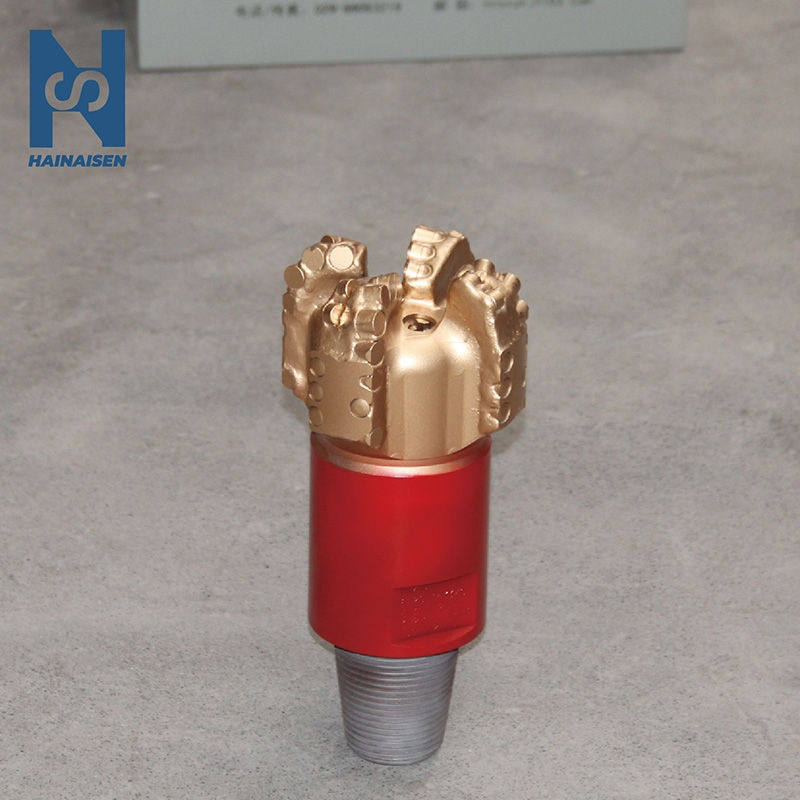 VIEW MORE4 Wings Blades PDC Bit
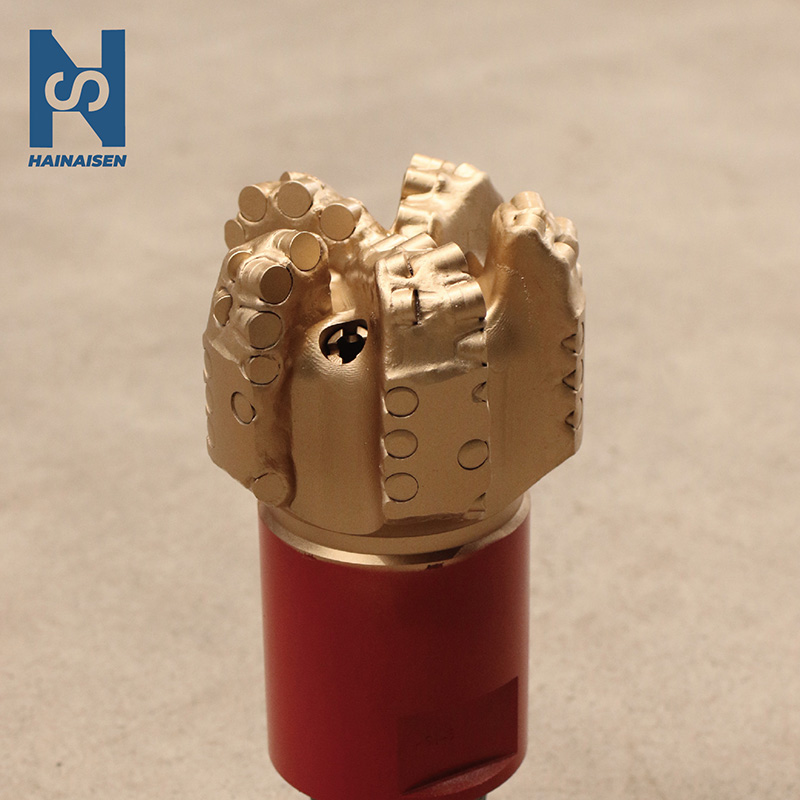 VIEW MOREPDC Petroleum Drill Bit
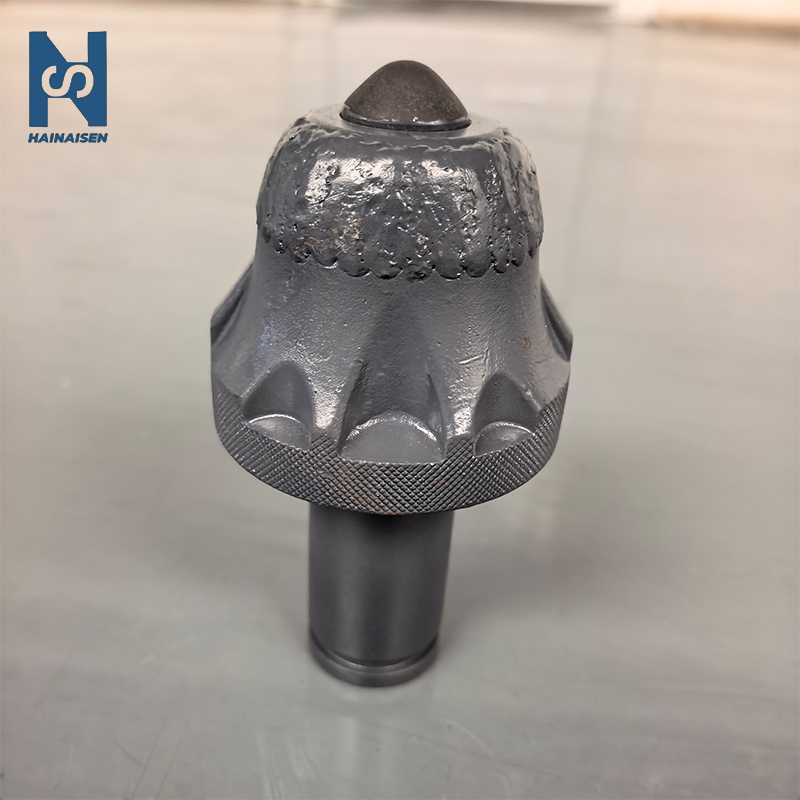 VIEW MOREDiamond Coal Mine Picks
 VIEW MOREThree Blades Rock Drill Bit
logo 1_1768274683075.jpg) VIEW MORECoal Mine Drilling Opening And Closing Drill Bit
VIEW MORECoal Mine Drilling Opening And Closing Drill Bit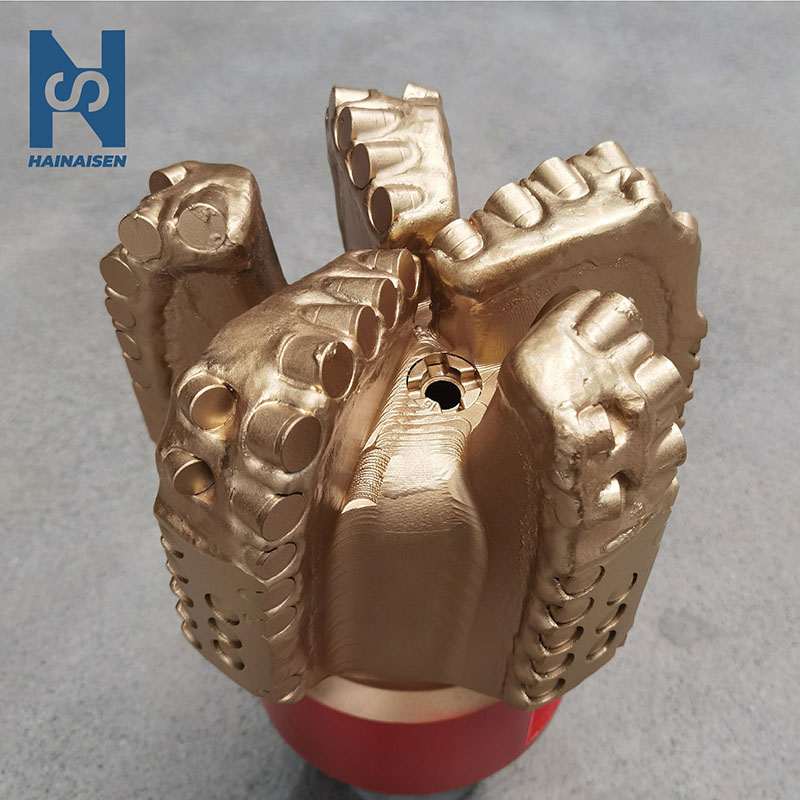 VIEW MOREPDC Diamond Bit
logo 2_1777360600432.jpg) VIEW MORECoal Mine Drilling Drill Bit Directional Three Blade PDC Drill Bit
VIEW MORECoal Mine Drilling Drill Bit Directional Three Blade PDC Drill Bit VIEW MOREFour Blade PDC Rock Drill Bit
