







What kind of drill bit will drill through rock?
The choice of drill bit is what makes or breaks a project when drilling through rock layers. When it comes to drilling through hard rock, PDC Rock Drill Bits with polycrystalline PDC Rock Drill Bit diamond compact cuts are the best on the market. The synthetic diamond layers on these bits are bonded to tungsten carbide surfaces to make cutters that cut through rock without crushing it. Compared to regular roller cone bits, this shearing action allows for faster penetration rates, longer tool life, and lower running costs. Understanding PDC technology helps procurement managers and technical experts make decisions that have a direct effect on project timelines and budgets, whether they're working with sandstone, limestone, or rough shale formations.
Understanding PDC Rock Drill Bits: Design, Function, and Advantages
Core Components and Manufacturing Process
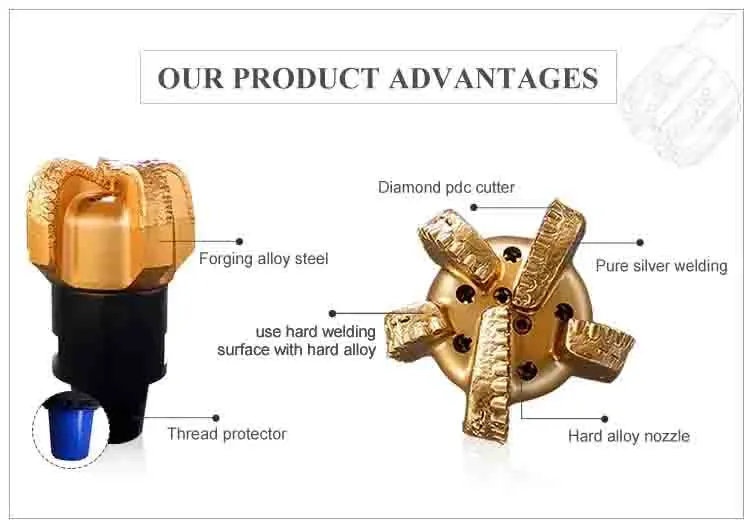
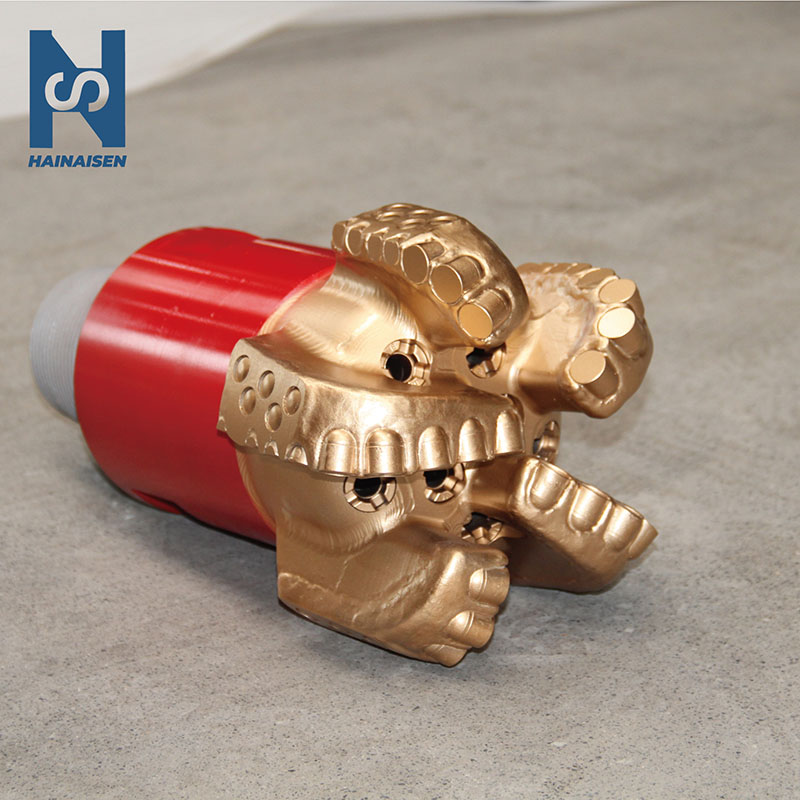
PDC Bits integrate several critical elements that define their performance. The bit body, typically constructed from high-grade steel, provides structural integrity under extreme downhole pressures and temperatures. Attached to this body are polycrystalline diamond compact cutters—each featuring a thin diamond table approximately 2-3mm thick bonded to a tungsten carbide substrate. Manufacturing these cutters requires subjecting diamond powder and carbide to pressures exceeding 5 GPa and temperatures around 1,400°C in specialized presses. This process creates a material significantly harder than natural diamond while maintaining thermal stability. At HNS, our 3,500m² facility houses advanced 5-axis machining centers that precision-mill these components, ensuring each cutter seats perfectly within the bit body to optimize load distribution during drilling operations.
Operational Mechanics Behind Superior Performance
PDC bits are different from regular boring tools because of how they work. Instead of spinning cones that crush, PDC cutters with fixed blades cause the rock face to be continuously sheared. Every time the bit turns under weight-on-bit pressure, each cutter removes a tiny layer of formation material. This system makes smaller cuttings that can be flushed out of the hole more easily through the drilling fluid channels. This keeps the holes clean and lowers the torque needed. From horizontal drilling operations in the field, we can see that PDC bits can penetrate medium-hard formations 40–60% faster than tricone options. Because there are no moving parts, there are no bearing failures, which are a frequent cause of downtime in roller cone designs. This makes PDC technology especially useful in long-reach drilling, where bit trips cost a lot of time and money.
Economic and Technical Advantages for Industrial Applications
When purchasing managers look at PDC Rock Drill Bit drilling options, they know that the original costs of the tools are only a small part of the total project costs. PDC bits offer measurable benefits across a number of performance measures. Contractors who do drilling say that single PDC bits can drill 3,000 to 5,000 feet in good rocks before they need to be replaced, while similar roller cone bits can only drill 500 to 1,500 feet. This longer service life immediately leads to fewer bit trips, less time spent doing nothing, and lower logistics costs. Also, the uniform quality of the holes made by PDC bits reduces problems with casing and cementing that follow. Teams that drill water wells really like these benefits because better boreholes make aquifers more productive and cut down on development time. Because it is fast, lasts a long time, and is reliable, PDC technology is a smart investment that makes projects more affordable while keeping operations flexible in a range of drilling conditions.
Comparing PDC Rock Drill Bits with Other Drill Bit Types
Structural Differences and Performance Characteristics
Knowing how PDC bits stack up against other technologies helps technical engineers choose the right tools for each geographic situation. Roller cone bits have three spinning cones that have steel teeth or tungsten carbide inserts that crush rock when they hit it. Even though they work well in very hard or very abrasive materials, their mechanical complexity makes them prone to failure through bearing wear and seal degradation. Diamond-impregnated bits have small natural or man-made diamonds embedded in a metal matrix. They are very durable in rough rocks, but cost a lot more at first and penetrate more slowly. For mild drilling tasks, tungsten carbide insert bits are a good compromise between price and performance. PDC bits are different because they have a single-piece blade design and a fixed cutter arrangement. Because it is so simple, it doesn't need the hydraulic and mechanical systems that roller cone bits do. This makes it easier to maintain and more reliable. In side-by-side field tests done in coal mines, PDC bits showed 35% faster drilling speeds in rocks ranging from soft coal seams to sandstone layers that were interbedded with the coal. The better rate of entry comes from the bit's cutting action working well and its hydraulic design being optimised to clear cuttings from the bit face.
Cost-Benefit Analysis for Procurement Decisions
Lifecycle economics must be looked at along with the buying price when figuring out the total cost of drilling. Roller cone bits usually cost 30–40% less than similar PDC bits at first, which makes them appealing to water well drilling teams that want to save money. However, practical data show that PDC technology is better in most cases because it costs less per foot to drill. When bit costs, trip time, and rig running costs were taken into account, a geological exploration project drilling through mixed sedimentary formations found that PDC bits had a drilling cost of $42 per foot, while roller cone bits had a cost of $67 per foot. The estimate changes when the rock is very hard or unstable, and PDC cutters could be damaged by impact loads. When mining coal, companies that come across occasional rock bands embedded within softer seams may find that hybrid bits, which combine PDC cutters with stronger gauge protection, work best. Procurement managers at medium and large oil service companies like building long-term relationships with suppliers because it gives them access to application engineering support that helps them choose the right bits as more drilling data comes in. This keeps costs low by letting them make smart tool choices.
How to Choose the Right PDC Rock Drill Bit for Your Project
Matching Bit Design to Formation Characteristics
Selecting an appropriate PDC bit begins with a thorough formation evaluation. Rock type, hardness, abrasiveness, and structural characteristics all influence bit performance. Soft to medium formations like shale, limestone, and sandstone respond well to aggressive PDC designs featuring larger cutters and greater blade exposure angles. These configurations maximize penetration rates by taking deeper cuts with each revolution. Conversely, harder formations or those containing abrasive silica require more conservative designs with smaller, more numerous cutters arranged to distribute loads evenly and minimize individual cutter stress. Cutter placement patterns significantly affect drilling behavior. Blade count, cutter back rake angles, and radial positioning determine how effectively the bit removes formation material while maintaining directional stability. Six-blade designs offer excellent durability, PDC Rock Drill Bit, and smooth drilling characteristics suitable for vertical water well applications, while five-blade configurations provide better cleaning and higher penetration rates preferred in directional drilling. The hydraulic design—including nozzle quantity, size, and placement—must generate sufficient fluid velocity to lift cuttings away from the bit face while cooling cutters during operation. Technical engineers benefit from consulting with Manufacturers' application specialists who maintain databases of drilling performance across various formations, enabling data-driven bit selection that matches specific project parameters.
Maintenance Practices That Extend Tool Life
Proper handling and inspection protocols protect the substantial investment represented by each PDC bit. Upon arrival at the drill site, visual inspection should verify that cutters remain securely bonded, nozzles are clear, and threaded connections show no damage. During drilling operations, monitoring weight-on-bit, rotary speed, and torque parameters ensures the bit operates within design specifications. Exceeding recommended weight-on-bit can overload cutters, causing chipping or delamination, while insufficient weight reduces penetration efficiency and wastes rig time. After completing each borehole section, thorough bit cleaning removes formation debris that might conceal damage. Detailed dull grading—using the IADC classification system—documents wear patterns that inform future bit selections and identify operational adjustments that could improve performance. Cutters showing uniform wear across their diamond tables indicate proper operation, while localized damage suggests drilling parameter issues or unexpected formation changes. Water well drilling teams operating multiple rigs find that systematically recording bit performance data builds institutional knowledge that directly improves drilling efficiency and reduces costs over time. HNS provides comprehensive technical documentation with each bit shipment, including recommended operating parameters and maintenance guidelines tailored to specific bit designs and intended applications.
Procurement Considerations for PDC Rock Drill Bits
Identifying Qualified Suppliers and Manufacturers
Successful procurement extends beyond comparing quoted prices to evaluating supplier capabilities and reliability. Medium and large oil service companies rightfully maintain stringent qualification requirements, recognizing that substandard bits jeopardize expensive drilling operations and potentially damage downhole equipment. When vetting potential suppliers, procurement managers should verify manufacturing Certifications, quality management systems, and production capabilities. Reputable manufacturers maintain documented quality control procedures covering raw material inspection, manufacturing process controls, and final product testing. Working directly with original equipment manufacturers like HNS offers distinct advantages. Our dedicated research and development team specializes in custom bit design, addressing unique challenges that standard catalog products may not accommodate optimally. Recent projects included developing specialized PDC bits for geothermal drilling applications where elevated temperatures exceed 200°C, requiring modifications to cutter bonding processes and hydraulic designs. Direct manufacturer relationships also streamline technical support, enabling rapid response when field conditions differ from planning assumptions or unexpected drilling challenges emerge.
Negotiating Terms That Protect Your Investment
Pricing structures for PDC bits vary considerably based on design complexity, cutter quality, and order volume. Standard catalog bits for water well drilling applications typically range from $2,000-$5,000 per unit, while specialized designs for oil and gas directional drilling may exceed $15,000. Bulk purchasing agreements provide meaningful cost reductions—volume commitments of 20-50 bits annually often secure discounts of 15-25% while ensuring priority production scheduling. Warranty terms merit careful review during contract negotiations. Comprehensive warranties cover manufacturing defects and premature cutter failures attributable to design or materials issues, typically requiring bit return and analysis to determine the root cause. Understanding warranty exclusions helps establish appropriate operational protocols that preserve coverage. Performance guarantees—where suppliers commit to specific drilling performance metrics—represent an emerging trend among premium manufacturers confident in their engineering and quality control. These agreements align supplier and customer interests, creating partnerships focused on continuous improvement rather than transactional relationships. Procurement managers serving coal mining companies that prioritize competitive pricing while maintaining acceptable quality PDC Rock Drill Bit standards find that establishing relationships with multiple qualified suppliers provides negotiating leverage while maintaining supply security.
Future Trends and Innovations in PDC Rock Drill Bits
Advanced Materials and Manufacturing Technologies
Ongoing research into cutter materials promises to expand PDC bit capabilities into increasingly demanding applications. Thermally stable polycrystalline diamond cutters address the thermal degradation that conventional PDC materials experience above 750°C, extending operational limits into ultra-deep wells and geothermal formations. Nanomaterial coatings applied to cutter surfaces reduce friction and improve abrasion resistance, extending bit life in highly abrasive formations by 20-30% according to preliminary field trials. Manufacturing innovations enhance precision and consistency. Additive manufacturing techniques enable complex internal fluid channel geometries impossible to achieve through conventional machining, optimizing hydraulic performance. Computer-aided design tools coupled with finite element analysis allow engineers to simulate drilling loads and predict bit behavior before manufacturing prototypes, accelerating development cycles for custom designs. These technological capabilities directly benefit customers through improved bit performance and faster delivery of specialized solutions. HNS continuously invests in advanced processing equipment and manufacturing techniques, ensuring our clients have access to state-of-the-art drilling technology.
Digitalization and Smart Drilling Solutions
Putting sensor technology into drill bits is a world-changing discovery. Embedded strain gauges, temperature sensors, and accelerometers give drillers real-time information about what's happening downhole. This means that they don't have to rely on surface measures and feedback that is delayed. Finding unusual vibration patterns early on lets you take preventative steps before expensive failures happen by letting you know when bit damage or formation changes are about to happen. Data analytics systems look at how well multiple projects are drilling and find patterns that help with bit choice and best practices for operations. Machine learning algorithms look at thousands of drilling records to find the best bit designs and parameters for each formation type. This makes it easier for new and experienced drilling engineers to work together. As environmental laws get stricter and corporate responsibility commitments grow, sustainability factors become more important in buying choices. The use of PDC bits helps protect the environment by making drilling more efficient. Less rig time means less fuel use and fewer emissions. These improvements allow buying teams that think ahead to gain a competitive edge while also making sure that drilling operations are in line with changing industry standards and government rules.
Conclusion
Selecting the appropriate drill bit for rock formations demands careful evaluation of formation characteristics, operational requirements, and economic factors. PDC Rock Drill Bits offer compelling advantages through their efficient cutting action, extended service life, and proven performance across diverse drilling applications from oil and gas exploration to water well development. Understanding the technical distinctions between PDC technology and alternative bit types empowers procurement managers and technical engineers to make informed decisions that optimize project outcomes. As manufacturing innovations and digital technologies continue advancing PDC bit capabilities, maintaining relationships with qualified suppliers ensures access to cutting-edge solutions that improve drilling efficiency while managing costs effectively.
FAQ
1. What rock formations are suitable for PDC bits?
PDC bits excel in soft to medium-hard sedimentary formations, including shale, sandstone, limestone, and coal seams. They handle abrasive formations effectively when designed with appropriate cutter densities and wear-resistant materials. Extremely hard crystalline rocks or highly fractured formations with unpredictable impact loads may require specialized designs or alternative bit types. Consulting with application engineers using offset well data helps determine suitability for specific geological conditions.
2. How often should PDC bits be inspected during drilling operations?
Inspection frequency depends on formation abrasiveness and drilling parameters. Water well drilling through relatively uniform formations may require inspection only every 500-1,000 feet. Directional drilling or operations encountering variable lithology benefit from inspections every 200-300 feet. Surface indicators like increased torque, reduced penetration rate, or unusual vibration warrant immediate inspection regardless of footage drilled.
3. What factors cause premature PDC bit failure?
Excessive weight-on-bit overloads cutters, causing chipping or delamination. Inadequate hydraulic flow allows cuttings accumulation that generates excessive heat and accelerates wear. Drilling through unexpected hard stringers or metallic objects damages cutters through impact. Improper bit selection for formation characteristics—such as using aggressive designs in hard rock—reduces bit life substantially. Systematic performance monitoring and adherence to recommended operating parameters minimize premature failures.
Partner with HNS for Superior PDC Rock Drill Bit Solutions
HNS delivers precision-engineered drilling tools backed by over a decade of manufacturing excellence and technical innovation. Our comprehensive product range serves oil and gas exploration, mining operations, PDC Rock Drill Bit, water well drilling, and construction projects with customized solutions that address your specific formation challenges and performance objectives. As a qualified PDC Rock Drill Bit manufacturer, we maintain rigorous quality standards throughout our production process, from raw material selection through final inspection, ensuring each bit meets demanding industry specifications.
Our engineering team collaborates directly with your technical staff to optimize bit designs for your operational conditions, leveraging our advanced 5-axis machining capabilities and custom design department. Competitive bulk purchasing programs provide meaningful cost advantages, while our responsive technical support ensures you maximize drilling efficiency. Contact our team at hainaisen@hnsdrillbit.com to discuss your upcoming projects and discover how HNS can enhance your drilling performance through proven technology and a dedicated partnership.
References
1. Bellin, F., & Doiron, H. H. (1989). "Polycrystalline Diamond Compact Bit Design and Application Optimization." Journal of Petroleum Technology, Society of Petroleum Engineers.
2. Glowka, D. A. (1987). "Development of a Method for Predicting the Performance and Wear of PDC Drill Bits." Sandia National Laboratories Technical Report, U.S. Department of Energy.
3. Hareland, G., & Rampersad, P. R. (1994). "Drag Bit Model Including Wear." Society of Petroleum Engineers Latin America/Caribbean Petroleum Engineering Conference Proceedings.
4. Winters, W. J., Warren, T. M., & Onyia, E. C. (1987). "Roller Bit Model with Rock Ductility and Cone Offset." Society of Petroleum Engineers Annual Technical Conference Proceedings.
5. Brett, J. F., Warren, T. M., & Behr, S. M. (1989). "Bit Whirl: A New Theory of PDC Bit Failure." SPE Drilling Engineering Journal, Society of Petroleum Engineers.
6. Chen, S., & Zhou, Y. (2016). "Analysis of PDC Bit Performance in Geothermal Drilling Applications." Geothermal Resources Council Transactions, Volume 40.
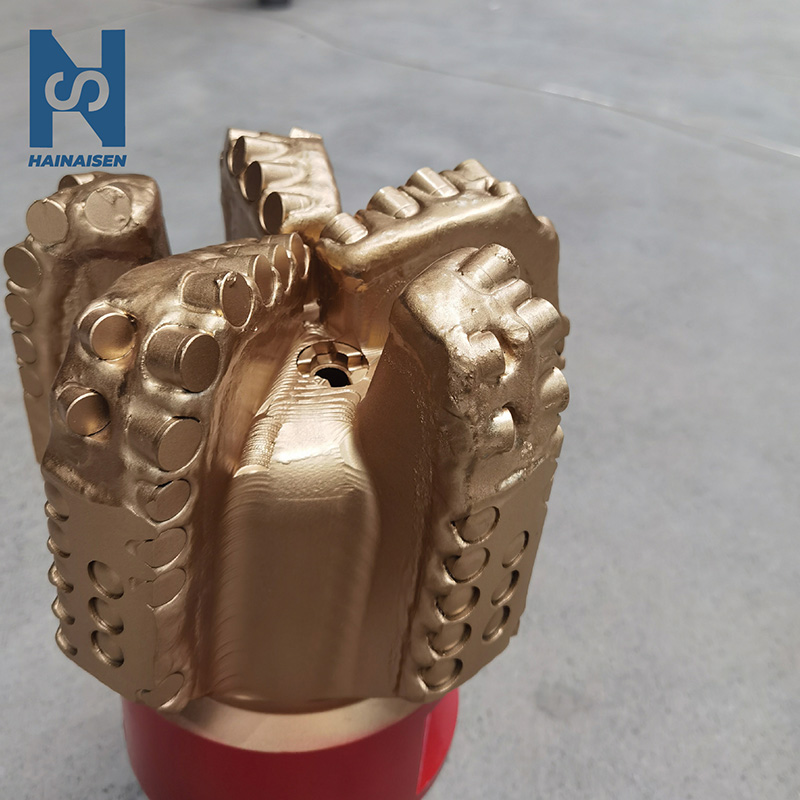 VIEW MOREFive Blade Wing Oil Drilling
 VIEW MOREForging Deep Rock Well Drilling Bits PDC Mining Bit
 VIEW MOREThree Blade Wing Arc Angle Drill Bit
logo 1_1777361260784.jpg) VIEW MOREFour Wing Arc Angle PDC Drill Bit
VIEW MOREFour Wing Arc Angle PDC Drill Bit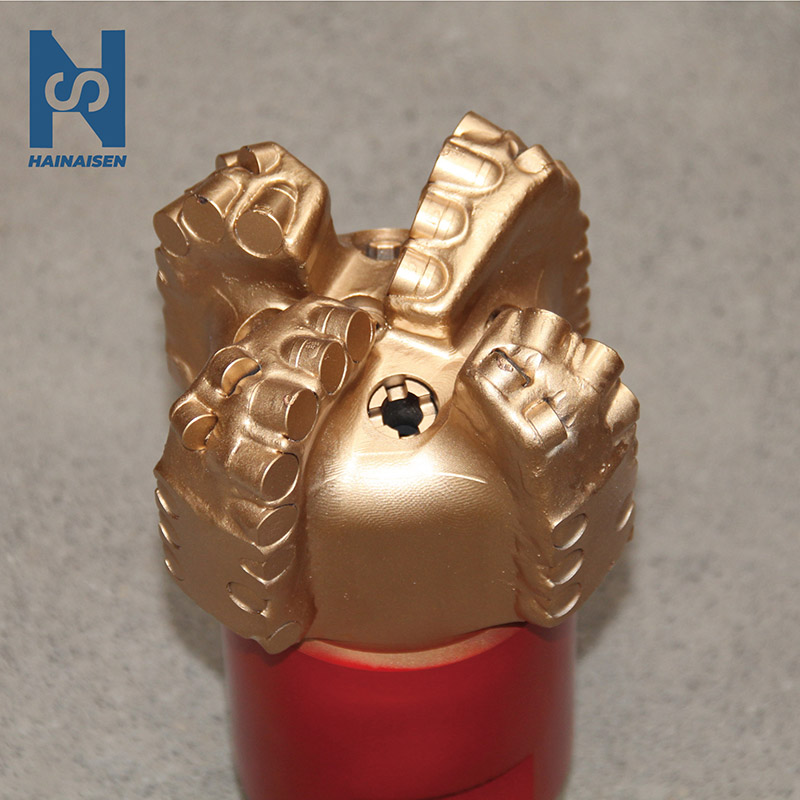 VIEW MOREFour Blade Wing High Performance Petroleum Drill Bit
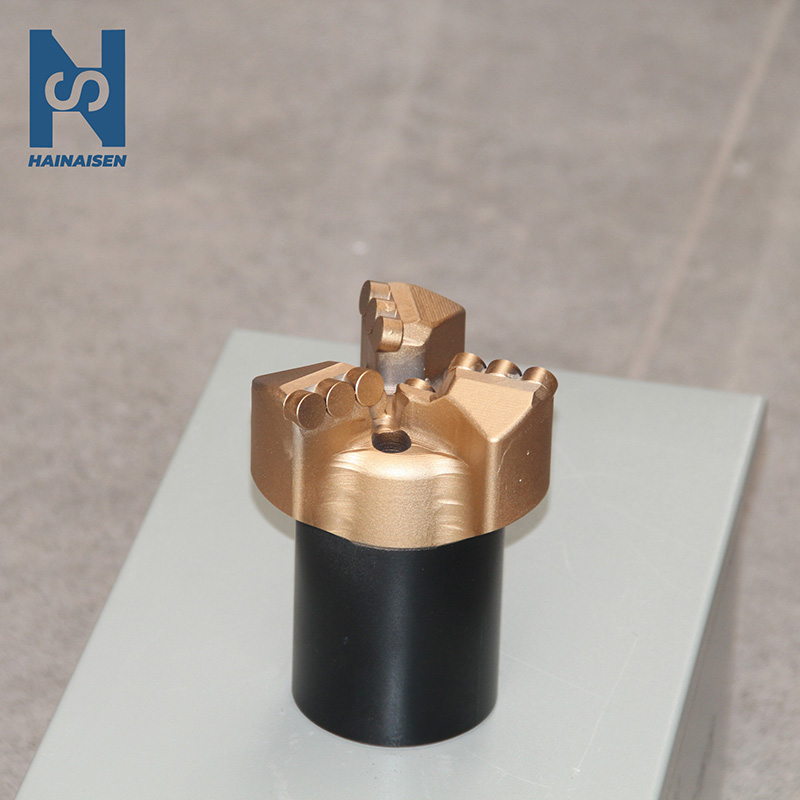 VIEW MOREThree Blades Steel Body PDC Bit
 VIEW MOREDiamond Drill Bits For Oil Rigs
logo 2_1777361643767.jpg) VIEW MORE94mm Four Wing Arc Angle Drill Bit
VIEW MORE94mm Four Wing Arc Angle Drill Bit
