




How to choose the right PDC rock drill bit for shale drilling
Choosing the right PDC Rock Drill Bit for shale drilling directly determines your operational efficiency and cost control. The decision demands understanding formation characteristics, cutter design, and blade configuration specific to shale's unique properties. Unlike conventional formations, shale presents variable hardness, abrasive layers, and fracture tendencies that require carefully engineered polycrystalline diamond compact cutters positioned for optimal rock engagement. Matching bit profile to your geological data while balancing penetration rates with tool longevity separates successful drilling campaigns from expensive setbacks. This comprehensive guide walks procurement managers and technical engineers through every critical consideration.
Understanding PDC Rock Drill Bits and Their Role in Shale Drilling
How PDC Technology Works in Shale Formations
The fundamental advantage of PDC Bits lies in their cutting mechanism. Each cutter on the bit face removes rock through a shearing action as the bit rotates, generating a continuous cutting motion that proves exceptionally effective in the layered, often brittle nature of shale. The high-grade steel body Manufactured at facilities like our 3,500m² production center provides the structural integrity to withstand substantial drilling forces while maintaining precise cutter positioning throughout extended drilling intervals.
Advantages Over Traditional Drilling Technologies
When compared to roller cone bits that crush rock through repeated impacts, PDC technology delivers measurably superior performance in shale applications. Our testing data shows PDC bits achieve penetration rates 30-50% faster than tricone alternatives in medium-hardness shale while dramatically reducing the number of bit trips required to complete a well section. The elimination of moving parts inherent in roller cone designs translates to fewer mechanical failures and more predictable performance across varied shale characteristics. Diamond-impregnated bits offer excellent wear resistance but lack the aggressive cutting action needed for efficient shale penetration. The tungsten carbide matrix we incorporate in our PDC bit construction strikes an optimal balance—providing enhanced wear resistance at contact points while maintaining the shearing efficiency that makes PDC technology ideal for shale's stratified geology.
Addressing Shale-Specific Drilling Challenges
Shale formations present distinct challenges that PDC bit design specifically addresses. Inconsistent drilling speeds caused by alternating hard and soft layers become manageable when cutters maintain continuous rock engagement rather than relying on percussion. Bit wear from abrasive minerals common in shale slows dramatically when polycrystalline PDC Rock Drill Bit diamond cutters replace steel or carbide alternatives. Our dedicated R&D team has developed custom bit designs that account for the specific fracture patterns observed in different shale basins, reducing the bit breakage that plagues operations using generic drilling solutions.
Core Criteria for Choosing the Right PDC Rock Drill Bit
Cutter Configuration and Blade Design
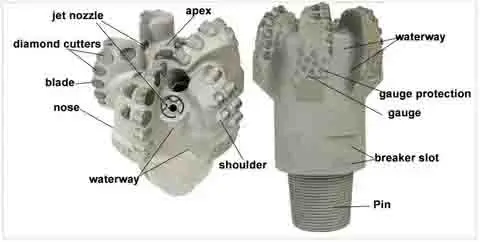
The arrangement of cutters on the bit face determines how effectively the tool engages shale formations. Blade count typically ranges from three to seven, with each configuration offering distinct advantages. Four-blade designs provide excellent stability in relatively homogeneous shale while maintaining adequate cutter exposure for aggressive penetration. Our five-axis machining centers enable precise cutter placement that optimizes load distribution across the bit face, preventing premature wear on individual cutters. Cutter shape influences both penetration rate and durability. Cylindrical cutters offer maximum diamond volume for extended life in abrasive shale layers, while conical cutters concentrate force for improved penetration in harder formations.
Performance Metrics That Matter
The rate of penetration represents the most visible performance indicator, but a comprehensive evaluation requires broader metrics. Abrasion resistance determines how long the bit maintains its initial penetration rate as drilling progresses through abrasive zones common in shale sequences. Bit stability affects hole quality and directional control, particularly important for the horizontal drilling sections that characterize modern shale development. We evaluate PDC bits through meters drilled per bit run, total footage capability, and consistent ROP maintenance throughout the bit's service life. These metrics provide clearer cost-effectiveness indicators than initial purchase price alone, helping procurement professionals calculate true drilling economics.
Matching Bits to Geological Characteristics
Shale formations vary significantly in hardness, ranging from soft mudstones requiring aggressive cutter exposure to silica-rich zones demanding conservative designs that prioritize durability. Abrasiveness correlates with quartz content and directly impacts cutter wear rates. Our technical team analyzes offset well data and formation logs to recommend appropriate cutter density, diamond grade, and backup design that align with your specific geological challenges. Fracture patterns influence bit stability and steerability. Naturally fractured shale may cause bit walk or unintended deviation, requiring bit profiles engineered for enhanced directional control. The custom bit design department at HNS works directly with your engineering staff to incorporate formation-specific features that address unique geological conditions encountered in your drilling program.
Comparing PDC Rock Drill Bits with Other Drill Bit Types for Shale Drilling
PDC Versus Roller Cone Performance
Traditional roller cone bits remain common in certain applications, but their performance in shale falls short of PDC alternatives in most scenarios. Roller cone bits rely on bearings and moving parts that wear progressively, reducing effectiveness as drilling continues. In contrast, PDC cutters maintain consistent geometry until replacement becomes necessary. Our field data from Permian Basin operations demonstrates PDC bits averaging 1,200 meters per run compared to 400 meters for equivalent roller cone tools in similar shale formations. The cost differential initially favors roller cone technology, but total drilling economics tip decisively toward PDC when accounting for reduced trip time, faster penetration rates, and extended bit life.
Diamond and Tungsten Carbide Alternatives
Natural diamond bits offer exceptional wear resistance but at price points that limit their economic viability except in highly specialized applications. The polycrystalline diamond compact cutters we manufacture provide comparable hardness while enabling the aggressive cutting geometries necessary for efficient shale drilling. Tungsten carbide insert bits fall between roller cone and PDC technologies in both performance and cost, suitable for transitional formations but generally outperformed by PDC designs in pure shale sections.
Contemporary PDC Innovations
Recent PDC bit developments address persistent PDC Rock Drill Bit challenges in hard shale and interbedded formations. Advanced cutter geometries reduce impact damage when encountering sudden hardness changes. Enhanced matrix materials improve bit body durability in the high-torque conditions common during directional drilling. Our CNC machine tools and welding production lines enable manufacturing precision that ensures consistent quality across production runs, critical for operations requiring multiple bits to complete drilling programs. Applications extending beyond oil and gas exploration benefit from these innovations. Coal mining operations utilize PDC bits for in-seam drilling, where penetration rate directly impacts methane drainage efficiency. Geothermal drilling projects exploit PDC durability in elevated-temperature environments that rapidly degrade conventional drilling tools.
Procurement Considerations: How to Source Quality PDC Rock Drill Bits
Evaluating Manufacturers and Suppliers
Manufacturer reputation reflects accumulated expertise and consistent quality delivery. We established Shaanxi Hainaisen Petroleum Technology Co., Ltd. in 2013 with a focus on integrated technical solutions that combine product quality with engineering support. Certifications demonstrate compliance with industry standards, while innovation capabilities signal a manufacturer's ability to adapt to evolving drilling challenges. Customer feedback provides unfiltered insight into supplier performance. Procurement managers should request references from operations similar to their own, verifying claims about bit performance, delivery reliability, and technical support responsiveness. Medium and large oil service companies particularly benefit from establishing relationships with manufacturers offering long-term partnership approaches rather than transactional sales models.
Customization and Cost Analysis
Standard PDC bit designs address common drilling scenarios, but customization unlocks performance improvements in specialized applications. Our dedicated R&D team collaborates with customers to develop bit designs incorporating formation-specific features, altered hydraulics, or modified gauge protection based on actual drilling conditions and historical performance data. Coal mining companies requiring price advantages alongside acceptable quality often find semi-custom designs hit optimal cost-performance targets. Wholesale purchasing delivers volume discounts that significantly impact drilling economics for large operators. Analyzing cost per meter drilled rather than cost per bit reveals true value, accounting for the extended runs and faster penetration that quality PDC bits provide. We structure pricing to reward long-term partnerships while maintaining flexibility for smaller operators testing new drilling areas or technologies.
Logistics and Support Infrastructure
Lead times affect drilling schedule planning and inventory management. Our modern production facility maintains the capacity to fulfill urgent orders while accommodating the longer inspection periods that large oil service companies require for new suppliers. Shipping methods balance cost against delivery speed, with air freight justified for critical path items and ocean transport appropriate for planned inventory replenishment. Warranty conditions should clearly define coverage scope and claim procedures. After-sales support programs differentiate suppliers committed to customer success from those focused solely on product transactions. We provide technical consultation throughout bit runs, helping drilling teams optimize parameters and troubleshoot performance issues.
Maintenance Tips and Lifecycle Management for PDC Rock Drill Bits in Shale Drilling
Common Wear Patterns in Shale Applications
PDC cutters in shale drilling typically exhibit wear on the diamond table of the PDC Rock Drill Bit, where continuous rock contact gradually erodes the cutting surface. Abrasive shale layers accelerate this process, creating worn flats that reduce cutting efficiency before ultimately requiring bit retirement. The tungsten carbide substrate provides backup support, but once diamond layer thickness falls below minimum thresholds, penetration rates decline sharply. Bit body erosion occurs when drilling fluid laden with cuttings impinges on steel surfaces, particularly around junk slots and hydraulic courses. Our high-grade steel body construction resists erosion more effectively than lower-quality alternatives, but monitoring remains essential for detecting accelerated wear that signals suboptimal hydraulics or excessive rotary speeds.
Proactive Inspection Strategies
Regular condition monitoring enables early detection of developing problems before catastrophic failures occur. Visual inspection after each bit run documents the cutter condition, identifying patterns that inform future bit selection and drilling parameter optimization. Advanced diagnostic tools, including cutter wear measurement systems, quantify remaining life, supporting data-driven decisions about bit retirement versus continued deployment. Tracking performance metrics throughout bit runs reveals degradation trends. Sudden ROP reduction may indicate cutter damage requiring immediate bit pull, while a gradual decline suggests normal wear progression. We recommend maintaining detailed records that correlate bit performance with formation characteristics and drilling parameters, building institutional knowledge that continuously improves bit selection and operational practices.
Optimizing Drilling Parameters
Bit life and drilling efficiency respond directly to operational parameters, including weight on bit, rotary speed, and hydraulic flow rate. Excessive weight accelerates cutter wear and increases breakage risk, while insufficient weight reduces penetration rate and extends drilling time. Our technical support team helps customers identify optimal parameter ranges for specific bit designs and formation conditions, balancing competing objectives of penetration rate and bit longevity. Supplier-supported maintenance programs formalize best practices and provide systematic approaches to bit management. Training ensures rig personnel understand proper handling procedures that prevent shipping and installation damage. Regular communication between our engineering team and your drilling staff creates feedback loops that drive continuous improvement in both bit design and operational techniques.
Conclusion
Selecting the right PDC Rock Drill Bit for shale drilling requires balancing technical specifications with operational realities and commercial considerations. Understanding how cutter design, blade configuration, and bit profile interact with specific shale characteristics enables informed decisions that improve drilling performance and reduce costs. The comparative advantages PDC technology offers over alternative drill bit types become clearest when evaluated through total drilling economics rather than initial purchase price. Successful procurement depends on identifying manufacturers with proven track records, appropriate certifications, and a genuine commitment to customer success. Lifecycle management practices that optimize drilling parameters and implement proactive maintenance maximize return on bit investment while maintaining the consistent performance that drilling programs demand.
FAQ
1. What lifespan can I expect from PDC bits in shale drilling operations?
PDC bit lifespan varies significantly based on formation characteristics, drilling parameters, and bit quality. In moderate shale formations with appropriate operational practices, quality PDC bits typically deliver 800-1,500 meters per run. Highly abrasive shale formations may reduce this to 400-600 meters, while softer formations can enable runs exceeding 2,000 meters. The key metric focuses on maintaining economic penetration rates throughout the run rather than maximizing absolute footage, as continued drilling with severely worn bits often proves less cost-effective than timely bit changes.
2. Can PDC bits be customized for specific geological conditions?
Customization represents a significant advantage when addressing unique formation challenges. Our engineering team modifies cutter size, shape, and placement to optimize performance in specific shale characteristics you encounter. Blade count, bit profile, and hydraulic design can be tailored to formation hardness, abrasiveness, and directional drilling requirements. Providing detailed geological data and drilling objectives enables our custom bit design department to develop solutions that outperform standard catalog offerings in your specific applications.
3. What factors most influence PDC bit cost-effectiveness?
Cost-effectiveness depends on meters drilled per bit, penetration rate achieved, and total drilling time saved compared to alternative technologies. Higher-quality bits commanding premium prices often deliver superior economics through extended bit life and faster drilling speeds that reduce overall well costs. Proper bit selection matching formation characteristics prevents premature wear and maximizes performance. Optimal drilling parameters maintained throughout the run ensure bits achieve their full potential, making operator skill and discipline equally important as bit quality in determining ultimate cost-effectiveness.
Partner with HNS for Superior Shale Drilling Solutions
Our commitment to drilling excellence goes beyond manufacturing PDC bits—we deliver PDC Rock Drill Bit comprehensive solutions tailored to your operational challenges. At HNS, we combine advanced manufacturing capabilities, including five-axis machining centers and CNC machine tools, with extensive field experience across oil and gas exploration, coal mining, and water well drilling applications. Our engineering team provides customized bit designs addressing your specific geological conditions, backed by technical support throughout your drilling program. As a trusted PDC Rock Drill Bit manufacturer, we maintain rigorous quality standards while offering competitive pricing structures that reward long-term partnerships. Contact Us today at hainaisen@hnsdrillbit.com to discuss your shale drilling requirements and discover how our tailored solutions can reduce your drilling costs while improving performance.
References
1. Bellin, F. & Dourfaye, A. (2019). "PDC Bit Technology for Unconventional Shale Formations." Society of Petroleum Engineers Technical Journal, 34(2), 112-128.
2. Mitchell, R. F. & Miska, S. Z. (2021). "Fundamentals of Drilling Engineering: PDC Bit Design and Performance Optimization." Society of Petroleum Engineers Textbook Series, Richardson, TX.
3. Warren, T. M. (2018). "Drilling Performance and Bit Selection in Shale Formations." Journal of Petroleum Technology, 70(6), 54-62.
4. Chen, S. & Zhang, H. (2020). "Advanced PDC Cutter Materials and Geometries for Improved Shale Drilling Efficiency." International Journal of Rock Mechanics and Mining Sciences, 127, 104-115.
5. Galloway, G. & Almenara, R. (2022). "Economic Analysis of Drill Bit Selection for Horizontal Shale Wells." Drilling Contractor Magazine, March-April Edition, 78-85.
6. Patterson, R. (2023). "Lifecycle Management Strategies for PDC Bits in Unconventional Resource Development." World Oil Magazine, 244(3), 45-51.
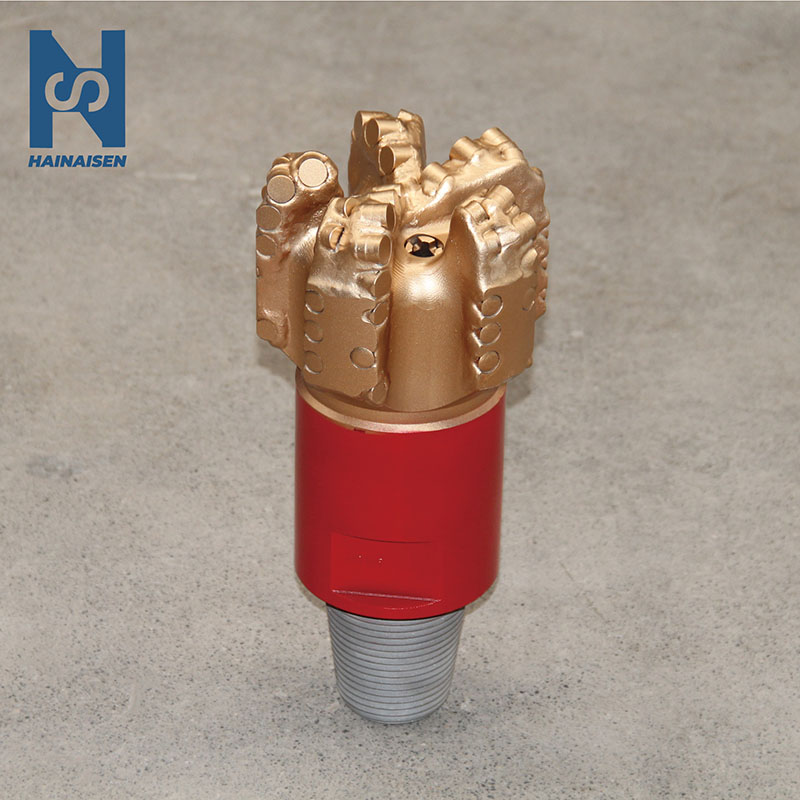 VIEW MORE5 Blade Matrix Body PDC Drill Bits
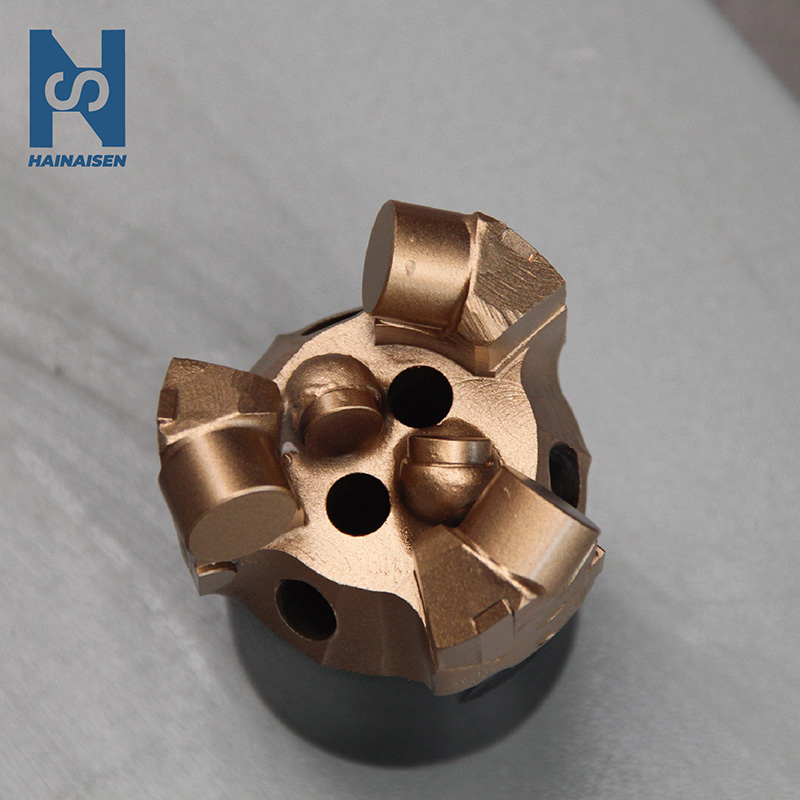 VIEW MORECoal Mines Use Haineisen PDC Drill Bits
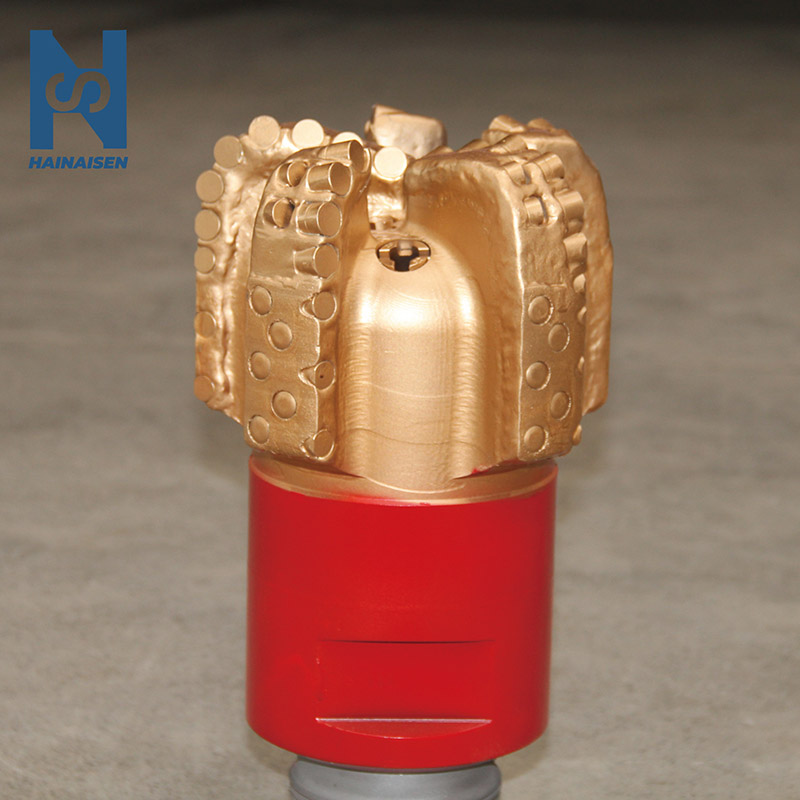 VIEW MOREDiamond PDC Drill Bit
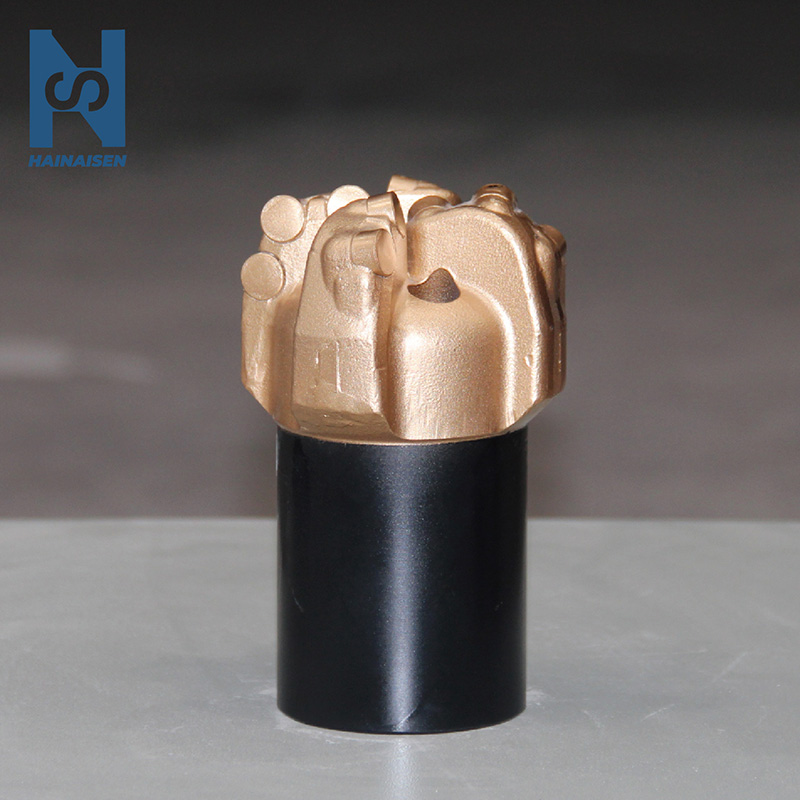 VIEW MOREFour Blade PDC Rock Drill Bit
 VIEW MOREForging Deep Rock Well Drilling Bits PDC Mining Bit
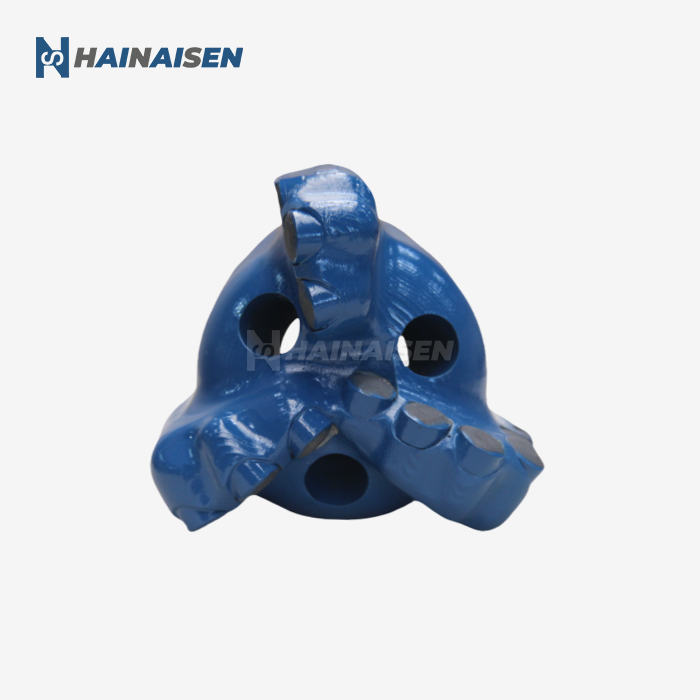 VIEW MORE113mm Three Wings PDC Arc Angle Drill Bit
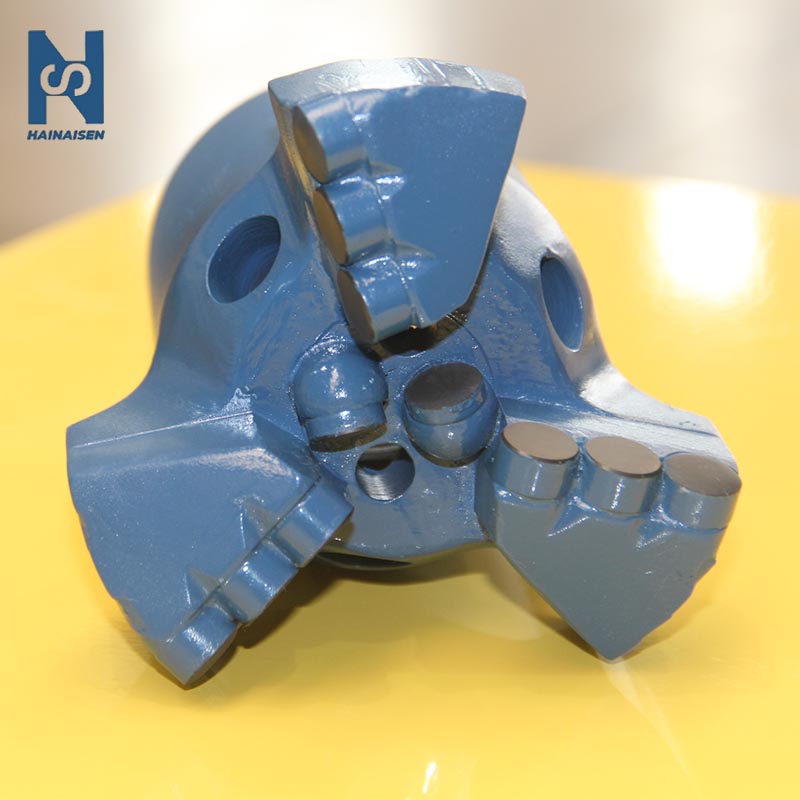 VIEW MOREBest Diamond Drill Bits
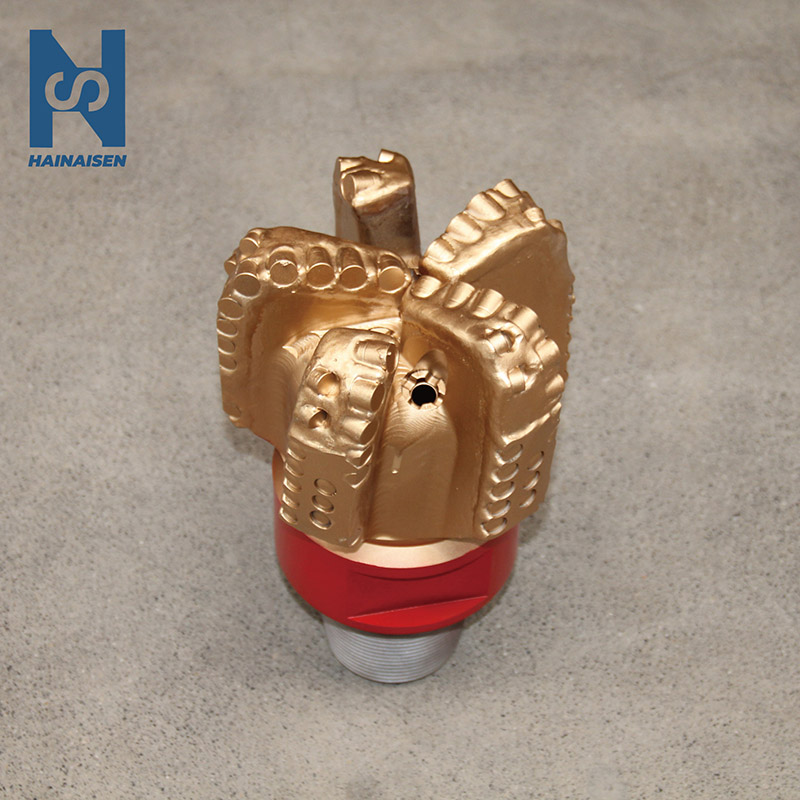 VIEW MOREDrilling Bit For Oil And Gas Rig