



Best PDC rock drill bits for hard rock formations
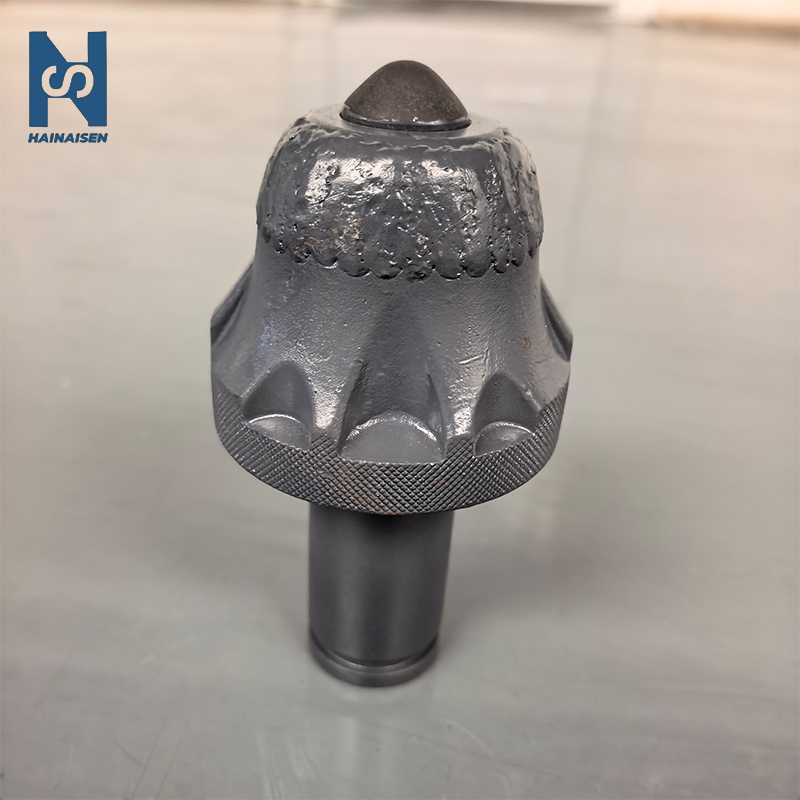
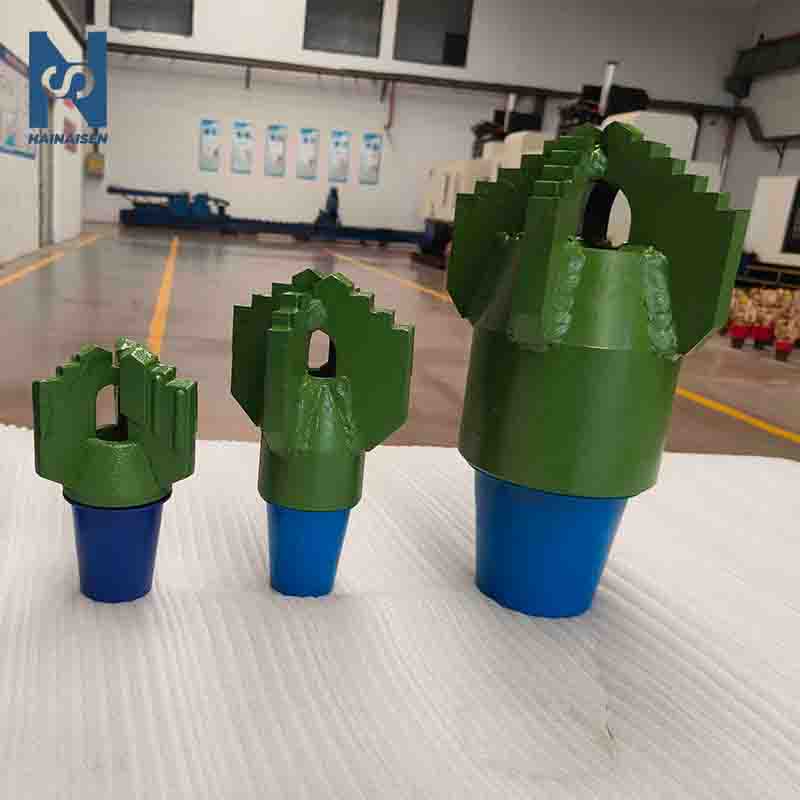
When looking at drilling tools for tough geological conditions, the PDC Rock Drill Bit is the most trusted choice for hard rock formations. These bits are made with polycrystalline diamond compact cutters bonded to a high-grade steel body. They have better penetration rates and longer useful lives than roller cone or tungsten carbide options. Choosing the right PDC bit has a direct effect on project timelines, equipment maintenance budgets, and the overall success of drilling. This is based on our work with oil service companies, coal mining operations, and water well drilling teams in multiple countries. This guide gives technical engineers and procurement managers useful information they can use to make smart decisions about where to buy things that meet both performance and cost goals.
Understanding PDC Rock Drill Bits and Their Advantages for Hard Rock
The Engineering Behind Polycrystalline Diamond Compact Technology
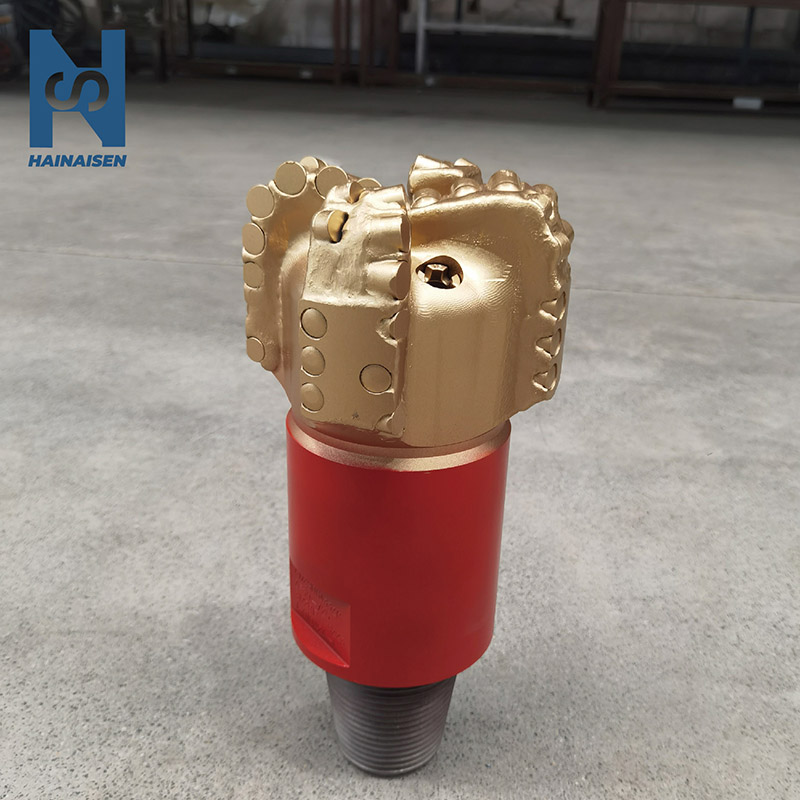
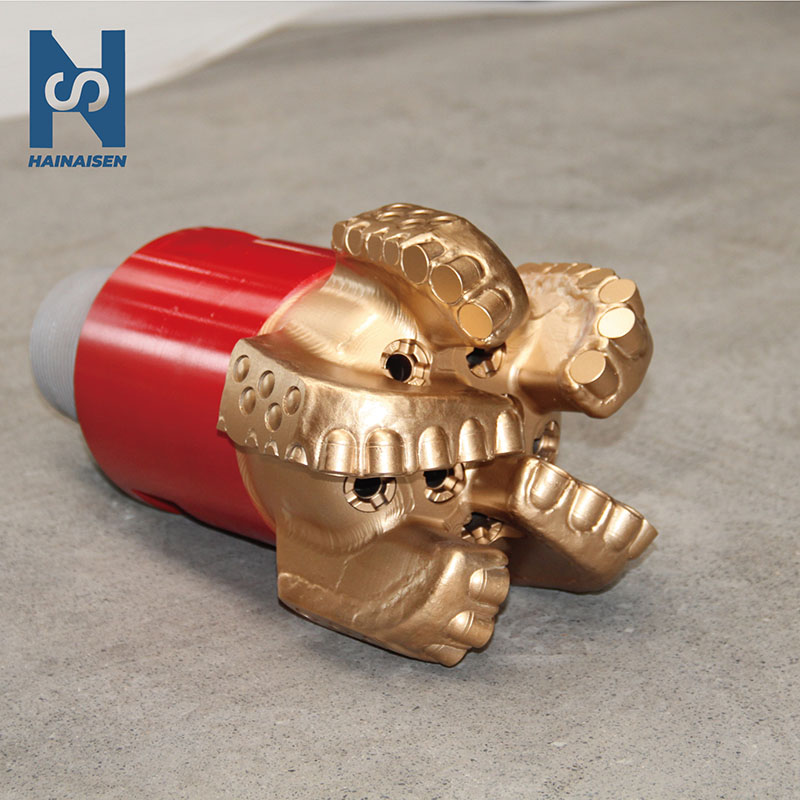
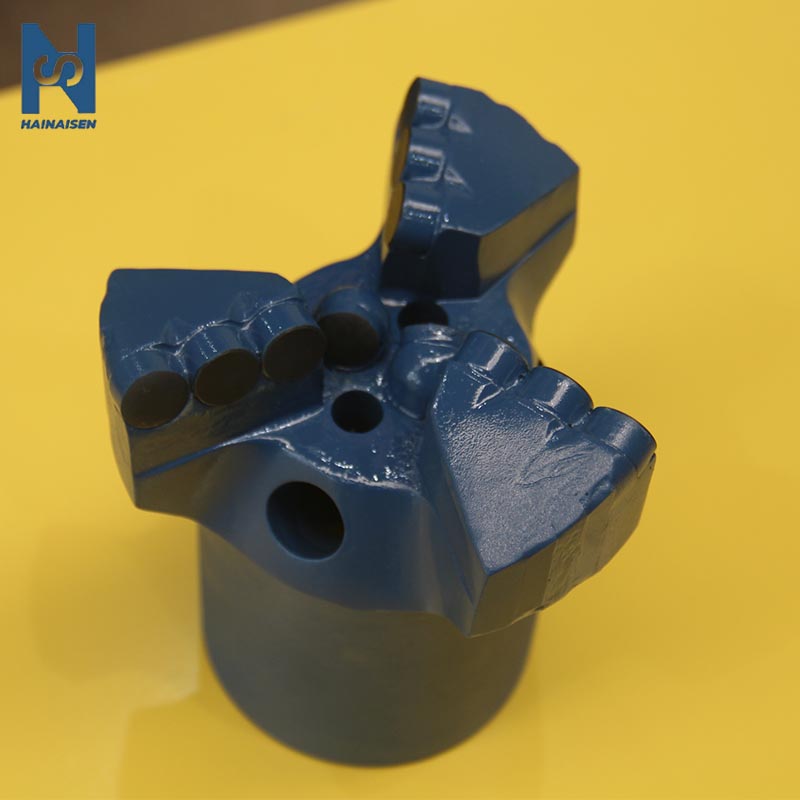
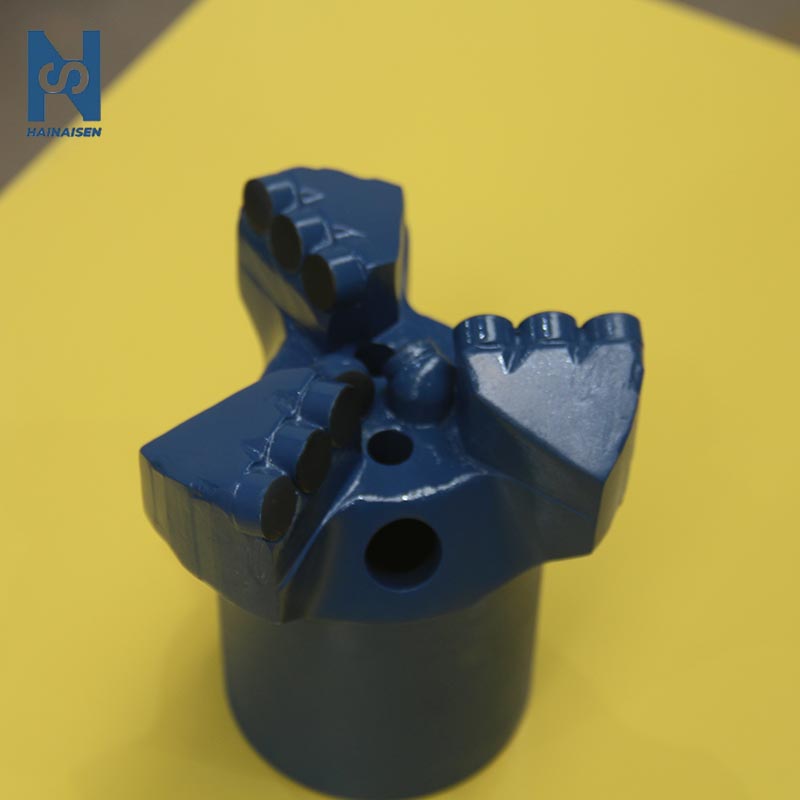
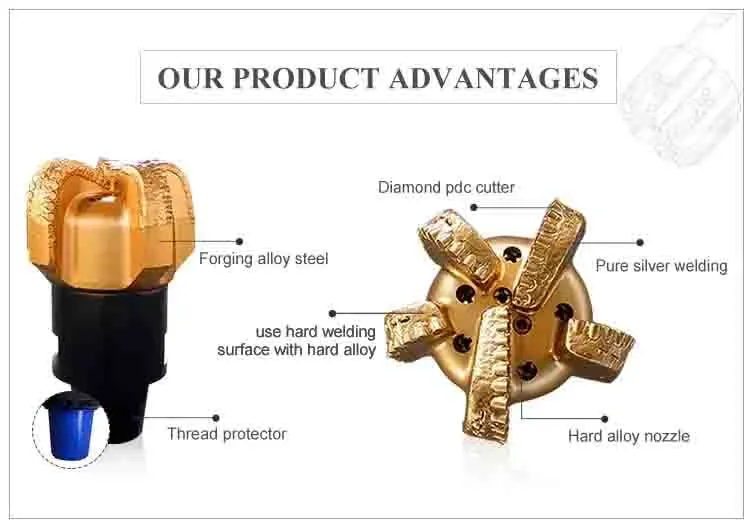
Polycrystalline diamond compact bits are a big step forward in the technology used for cutting. Instead of using crushing mechanisms like most tools, these bits have synthetic diamond cutters arranged on precisely designed blades that cut through rock formations with little energy loss. The diamond particles are heated and sintered under high pressure and temperature, making a material that keeps its cutting edge even when it hits rough sandstone, hard limestone, or crystalline granite. Our bits are made with a tungsten carbide matrix that gives them structure, while the PDC cutters do the actual rock cutting. This two-layer design makes sure that the bit body can handle high power and axial loads without affecting the cutter's view. The hydraulic flow channels built into the blade design make it easy to get rid of drill cuttings, which keeps the bit from balling and in constant touch with the face of the formation.
Measurable Performance Advantages in Demanding Applications
Polycrystalline diamond bits are useful for more than just saying they last a long time. Field data from horizontal directional drilling projects shows that these tools can drill through rock layers 40–60% faster than tricone bits in layers with a compression strength of more than 25,000 psi. This speed benefit directly leads to less time spent on the rig, less fuel use, and faster project completion. PDC technology also greatly reduces the need for maintenance. Roller cone bits need to have their bearings and seals checked and replaced more often. Diamond compact bits, on the other hand, don't have any moving parts that need to be serviced. When our coal mine clients switched from traditional bits to PDC alternatives, the life of their tools increased by 200 to 300 percent. Some bits could drill over 5,000 feet before they needed to be replaced. The longer service intervals make it easier to get tools to remote drilling sites, where it can be hard to get them.
Economic Impact on Drilling Operations
Cost analysis reveals compelling financial justification for PDC bit adoption. Although initial purchase prices run 20-40% higher than conventional alternatives, the total cost per foot drilled typically decreases by 30-50%. This calculation factors in reduced trip time, lower maintenance labor, decreased consumable usage, and extended bit life. Water well drilling teams particularly appreciate this economic profile, as the improved efficiency allows completion of more wells per quarter with existing equipment fleets.
Key Factors to Consider When Choosing PDC Rock Drill Bits for Hard Rock
Cutter Configuration and Blade Architecture
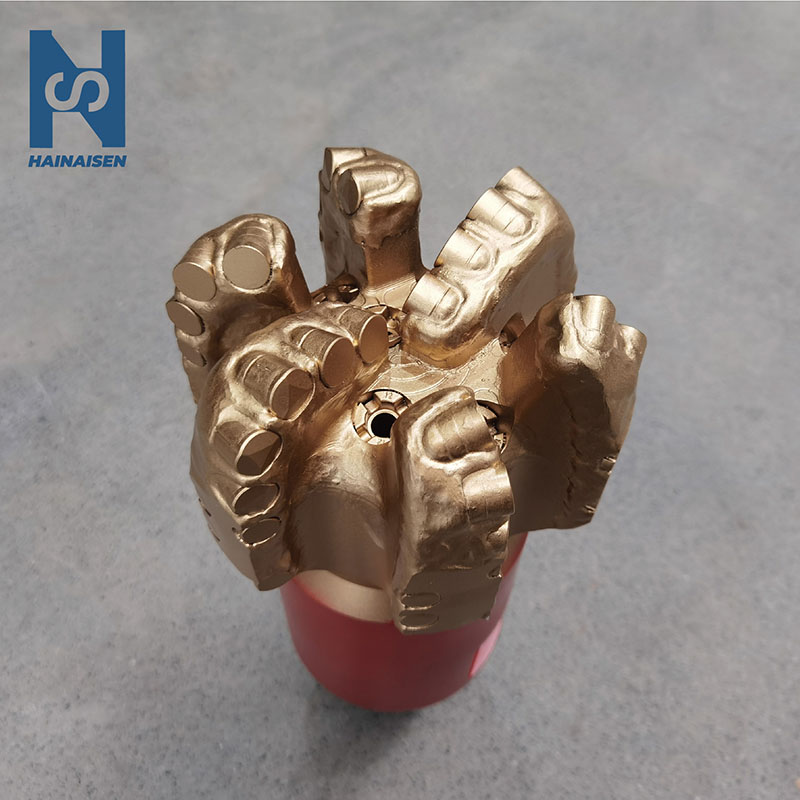
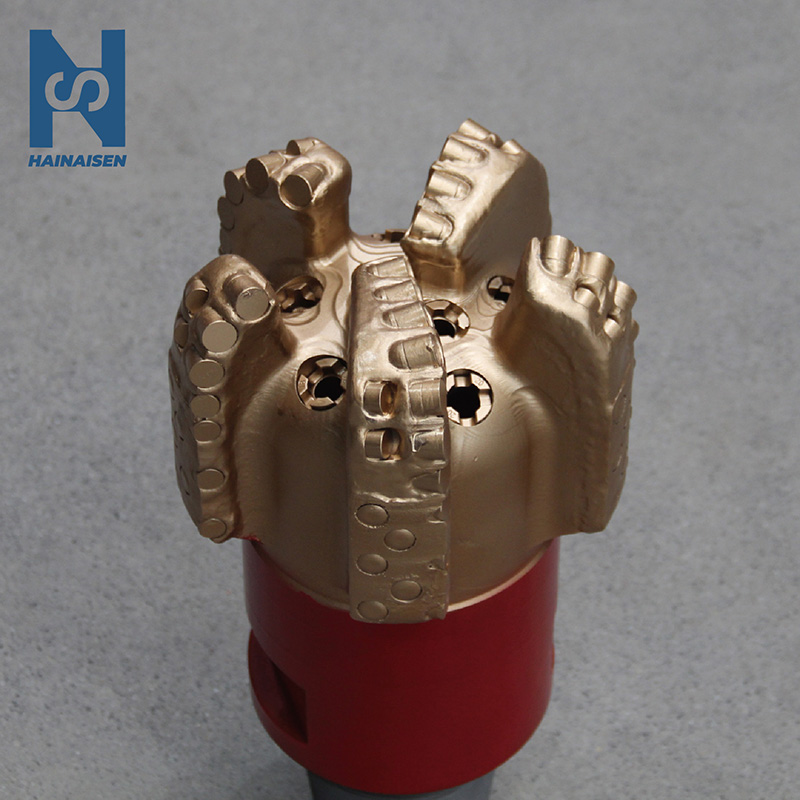
Selecting the optimal bit design requires matching the cutter arrangement to specific geological conditions. The number of blades directly affects stability and cutting aggressiveness—four-blade designs provide excellent balance between penetration rate and directional control, making them suitable for most hard rock applications. Six-blade configurations offer enhanced stability in interbedded formations where hardness varies significantly within short vertical intervals. Cutter size and exposure angle determine cutting efficiency and durability. Larger diameter cutters (16mm-19mm) withstand higher impact loads in fractured rock, PDC Rock Drill Bit, while smaller cutters (13mm-16mm) maintain sharper cutting edges in homogeneous formations. The back rake angle—typically ranging from 10 to 25 degrees—controls aggressiveness and cutter stress. Steeper angles increase penetration rate but reduce cutter lifespan, requiring careful consideration of formation characteristics and operational priorities.
Hydraulic Design and Cooling Efficiency
Effective hydraulic systems prevent premature bit failure by managing heat buildup and cutting removal. Nozzle placement and sizing determine flow velocity across cutter faces, with optimal designs maintaining fluid velocity above 200 feet per second to prevent cuttings accumulation. Our engineering team configures nozzle arrangements based on anticipated flow rates and mud weight specifications provided during the consultation phase. The bit's internal flow geometry influences pressure drop and energy transfer to the cutting structure. We design flow channels that minimize turbulence while maximizing cleaning effectiveness across all cutters. This attention to hydraulic optimization becomes critical in deep drilling applications where equivalent circulating density management affects wellbore stability. Technical specifications should always include pressure drop characteristics at expected flow rates to ensure compatibility with existing pump capacity.
Material Selection and Manufacturing Standards
The quality of raw materials directly determines tool performance and reliability. We source our PDC cutters from certified Manufacturers that maintain consistent diamond particle distribution and bonding integrity. Each cutter undergoes ultrasonic inspection to detect internal flaws that could lead to premature failure under cyclic loading conditions. Our bit bodies utilize AISI 4145 modified alloy steel, heat-treated to achieve the optimal balance between hardness and toughness. The tungsten carbide hardfacing applied to blade surfaces and gauge areas contains specific percentages of chromium and cobalt that provide abrasion resistance without becoming brittle. We maintain detailed material certificates for every production batch, ensuring full traceability for quality assurance purposes and warranty claims processing.
Comparing PDC Rock Drill Bits with Other Drill Bits for Hard Rock
Performance Metrics Across Different Bit Technologies
Understanding the performance spectrum of available drilling tools helps procurement professionals make evidence-based decisions. Tricone Roller Bits excel in extremely hard, fractured formations where impact crushing proves more effective than shearing action. However, their mechanical complexity introduces maintenance requirements and limits rotational speed, restricting penetration rates below 30 feet per hour in most hard rock applications. Natural diamond bits deliver exceptional hardness but require careful handling and prove economically viable only in specific high-value applications like core sampling or precise directional work. Matrix body PDC Bits combine the thermal stability of metal matrices with diamond cutting efficiency, offering a middle ground between steel body PDC tools and impregnated diamond bits for specialized geological conditions.
Application-Specific Considerations for Bit Selection
Directional drilling requirements influence bit selection significantly. Horizontal drilling in shale formations demands bits that maintain stability under high side loads while delivering consistent toolface control. Our asymmetric blade designs incorporate features that resist bit walk and improve steerability, addressing the specific challenges technical engineers encounter when planning horizontal wells with multiple trajectory changes. Vertical applications in hard rock benefit from more aggressive cutter configurations that maximize penetration rate without compromising hole quality. Foundation drilling for infrastructure projects requires gauge protection to maintain hole diameter specifications throughout the drilling interval. We configure gauge pad materials and dimensions based on anticipated lateral loads and formation abrasiveness, ensuring bits deliver acceptable hole quality metrics across their service life.
Top-Rated PDC Rock Drill Bits for Hard Rock Formations in 2026
Evaluating Quality Standards and Certification Requirements
Procurement managers serving oil service companies face stringent qualification processes that evaluate manufacturing capabilities, quality systems, and technical support infrastructure. ISO 9001 certification provides baseline assurance of process control, while API specifications establish performance benchmarks for petroleum industry applications. Our facility maintains both Certifications and undergoes annual audits that verify continued compliance with documented procedures. Beyond formal certifications, practical performance validation through field testing establishes credibility with technical engineers who specify drilling tools. We conduct controlled comparison tests where our bits drill alongside established brands under identical conditions, with independent data logging capturing penetration rates, vibration levels, and torque characteristics. This transparent approach builds confidence and provides the evidence-based documentation engineers require for internal approval processes.
Custom Design Capabilities for Specialized Requirements
Standard catalog products address 70-80% of drilling requirements, but unique geological conditions or operational constraints sometimes necessitate custom solutions. Our research and development team collaborates directly with clients to develop specialized bit designs that solve specific challenges. Recent projects include modified blade profiles for drilling through alternating limestone and sandstone sequences, and customized gauge lengths for directional wells with tight build rates. The custom design process typically requires 4-6 weeks from initial consultation to prototype delivery, PDC Rock Drill Bit with production scaling available once field validation confirms performance meets specifications. We maintain detailed engineering drawings and manufacturing specifications for custom designs, enabling repeat orders without recreating technical documentation. This approach proves particularly valuable for mining companies conducting long-term extraction operations in consistent geological formations.
Bulk Procurement and Supply Chain Reliability
Medium and large oil service companies require suppliers capable of supporting substantial ongoing demand with predictable delivery schedules. We maintain strategic inventory levels of common bit sizes and configurations, enabling shipment within 48 hours for standard specifications. Our production capacity supports monthly output exceeding 500 units, with expansion capability for customers presenting long-term purchase agreements. Quality consistency across production batches remains critical for establishing trust relationships. We implement statistical process control throughout manufacturing operations, with dimensional verification and non-destructive testing performed on every finished bit before packaging. This quality assurance investment prevents field failures that damage client relationships and create costly operational disruptions.
How to Purchase and Procure the Best PDC Rock Drill Bits for Hard Rock
Supplier Evaluation and Due Diligence Process
Identifying reliable suppliers requires systematic evaluation of technical capabilities, production infrastructure, and business stability. Site visits to manufacturing facilities reveal actual production conditions versus marketing claims. Observing machining operations, welding processes, and quality control procedures provides insights that specification sheets cannot convey. We welcome facility tours and encourage potential clients to inspect our 3,500 square meter production complex in Xi'an, where our 5-axis machining centers and CNC equipment demonstrate our manufacturing sophistication. Reference customers provide valuable perspectives on supplier performance under actual operating conditions. Speaking directly with technical engineers who use the bits daily uncovers practical considerations regarding performance consistency, technical support responsiveness, and warranty claim handling. We readily provide contact information for existing clients across coal mining, geological exploration, and water well drilling sectors who can share their experiences with our products and services.
Structuring Pricing and Contract Terms
Understanding pricing components helps procurement professionals negotiate favorable terms while ensuring suppliers maintain acceptable profit margins that support quality and service commitments. Bit pricing typically includes raw material costs, manufacturing labor, quality assurance activities, and logistics expenses. Volume discounts generally range from 8-15% for orders exceeding 50 units, with additional considerations for multi-year supply agreements that provide production planning visibility. Payment terms significantly impact cash flow for both parties. We offer flexible arrangements, including prepayment discounts, net 30 terms for established customers, and letter of credit options for international transactions. Warranty coverage typically extends 60-90 days from delivery, with specific performance guarantees documented through detailed inspection reports and operational logs. Clear documentation of warranty PDC Rock Drill Bit conditions prevents disputes and establishes mutual expectations regarding acceptable wear patterns and premature failure criteria.
Logistics and Inventory Management Strategies
Effective procurement balances inventory carrying costs against the risk of stockouts that halt operations. Water well drilling teams typically maintain minimal inventory and order as projects materialize, accepting longer lead times in exchange for reduced capital tied up in unused equipment. Coal mining companies often establish consignment inventory arrangements where suppliers maintain stock at the mine site, with payment triggered only when bits enter service. We support various inventory management approaches depending on client preferences and operational requirements. Our logistics partners provide tracked shipping with typical delivery times of 5-7 business days within the continental United States. International shipments require additional documentation and transit time, with our export team managing customs paperwork and arranging appropriate shipping methods based on urgency and cost considerations.
Versatile Applications Across Multiple Drilling Sectors
Our PDC drill bits serve diverse industrial segments, each with distinct performance requirements and operational constraints. Understanding these application-specific demands guides our product development and ensures we deliver tools optimized for actual field conditions rather than theoretical laboratory scenarios. In oil and gas exploration, our bits perform reliably in both offshore platform operations and onshore directional drilling projects. The harsh marine environment demands corrosion-resistant materials and robust construction that withstands saltwater exposure during transport and storage. Horizontal drilling through shale formations requires bits that maintain aggressive cutting action while managing the high temperatures generated during extended lateral sections. Our advanced PDC cutter grades incorporate thermal stability enhancers that preserve cutting efficiency even when bottom-hole temperatures exceed 300°F. Mining and mineral extraction operations present unique challenges related to formation variability and equipment durability expectations. Coal mining companies appreciate our bits' ability to drill through interbedded sandstone stringers while maintaining gauge in softer coal seams.
Conclusion
Selecting appropriate polycrystalline diamond compact bits for hard rock drilling directly influences operational efficiency, project costs, and completion timelines across multiple industrial sectors. The technical considerations outlined throughout this guide—cutter configuration, hydraulic design, material specifications, and application-specific requirements—provide procurement managers and technical engineers with a framework for making informed sourcing decisions. Understanding the performance advantages these tools deliver compared to conventional alternatives, combined with realistic assessments of total ownership costs rather than focusing solely on initial purchase prices, leads to optimal equipment selections that improve drilling operations. We've manufactured PDC bits for diverse applications since establishing our company in 2013, accumulating practical field experience that informs our product development and technical recommendations.
FAQ
1. What is the typical lifespan of a PDC bit in hard rock formations?
Bit lifespan varies significantly based on formation hardness, operational parameters, and bit design. In formations with compressive strength between 15,000-25,000 psi, quality PDC bits typically drill 2,500-5,000 feet before requiring replacement. Harder formations reduce footage expectations proportionally, while softer interbedded zones may extend operational life. Monitoring torque increases and penetration rate declines provides early indicators that bit performance is degrading, and replacement should be scheduled.
2. Can PDC bits be repaired or resharpened after initial use?
Unlike traditional bits with replaceable components, PDC bits cannot be effectively resharpened once diamond cutters wear beyond their design exposure. The synthetic diamond layer thickness limits reconditioning potential, and attempting to reshape cutters typically damages the diamond-carbide bond. However, premium bits with thick diamond tables may qualify for specialized refurbishment where worn cutters are replaced—a process economically viable only for larger diameter bits used in high-value applications.
3. How do I know when to replace a PDC bit during operations?
Several indicators signal the need for bit replacement. Penetration rate declining by 40-50% compared to initial performance suggests significant cutter wear. Increased torque requirements or erratic drilling behavior indicate damage to the cutting structure or gauge wear affecting hole stability. Excessive vibration often results from missing or damaged cutters, creating an imbalance. Monitoring drilling parameters continuously helps identify these warning signs before catastrophic bit failure occurs.
Partner with HNS for Your PDC Rock Drill Bit Requirements
Shaanxi Hainaisen Petroleum Technology Co., Ltd. combines advanced PDC Rock Drill Bit manufacturing capabilities with responsive technical support to deliver drilling solutions that meet your specific operational requirements. Our 3,500 square meter facility houses state-of-the-art machining centers and dedicated research and development teams capable of designing custom bit configurations for unique geological challenges. We understand that procurement decisions balance performance requirements, budget constraints, and delivery timelines. Reach out to our technical specialists at hainaisen@hnsdrillbit.com to discuss your hard rock drilling projects and explore how our experience as a trusted PDC Rock Drill Bit manufacturer can optimize your operational efficiency while controlling costs.
References
1. Bellin, F., and Doiron, H. H. (1988). "Polycrystalline Diamond Compact Bit Technology for Hard Rock Drilling Applications." Journal of Petroleum Technology, 40(10), 1281-1286.
2. Glowka, D. A. (1989). "Use of Single-Cutter Data in the Analysis of PDC Bit Designs: Part 2—Development and Use of the PDCWEAR Computer Code." Journal of Petroleum Technology, 41(8), 850-859.
3. Huang, S., and Liu, Y. (2013). "Performance Analysis of Polycrystalline Diamond Compact Bits in Hard Rock Formations." International Journal of Rock Mechanics and Mining Sciences, 62, 134-144.
4. Pessier, R. C., and Fear, M. J. (1992). "Quantifying Common Drilling Problems with Mechanical Specific Energy and Bit-Specific Coefficient of Sliding Friction." SPE Annual Technical Conference and Exhibition, Society of Petroleum Engineers Paper 24584.
5. Rafatian, N., Miska, S. Z., Ledgerwood, L. W., Yu, M., and Ahmed, R. (2010). "Experimental Study of MSE of a Single PDC Cutter Interacting with Rock Under Simulated Pressurized Conditions." SPE Drilling & Completion, 25(1), 10-18.
6. Winters, W. J., Warren, T. M., and Onyia, E. C. (1987). "Roller Bit Model with Rock Ductility and Cone Offset." SPE Annual Technical Conference and Exhibition, Society of Petroleum Engineers Paper 16696.