







Six Blade Wing Petroleum Drill Bit Field Results
Field results from Six Blade Wing Petroleum Drill Bit deployments demonstrate substantial performance improvements across diverse drilling operations. Data collected from oil service companies, coal mining operations, Six Blade Wing Petroleum Drill Bit, and water well drilling teams reveal consistent increases in penetration rates, extended operational lifespan, and reduced project timelines. The six-blade configuration delivers enhanced stability in medium-hardness formations such as shale, limestone, and sandstone, translating to measurable cost savings and improved operational reliability for purchasing managers and technical engineers evaluating drilling technology investments.
Understanding Six-Blade Wing Petroleum Drill Bits
Design Fundamentals and Blade Configuration
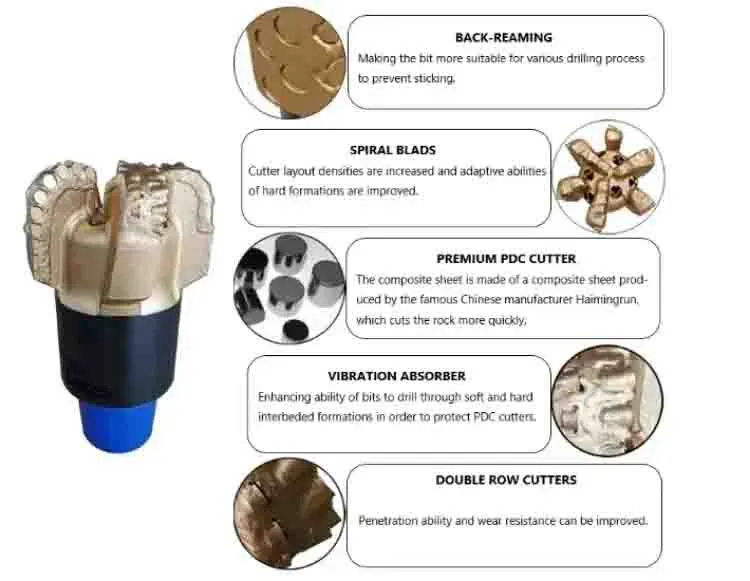
The engineering behind six-blade PDC Bits is a careful mix between the amount of cutting surface area and the amount of hydraulic power used. The extra blades make the cutting forces spread out more evenly across the bit face than with traditional four-blade designs. This reduces shaking and improves control of the bit's direction. Each blade has Polycrystalline Diamond Compact cutters placed at the best angles to easily shear rock instead of crushing it. This uses less energy per metre drilled. Five-axis cutting centers are used in our Xi'an factory to make sure that the blades are placed precisely. The geometry makes the junk holes between the blades bigger, which lets the drilling fluid get rid of the cuttings better. This hydraulic advantage keeps bits from balling up in formations with a lot of sticky clay, which is a problem that technical engineers often have to deal with when they are choosing tools for shale gas projects or coalbed methane extraction.
Mechanical Operation in Geological Formations
The bit operates through rotary action transmitted via the drill string, with PDC cutters engaging rock through a scraping motion. In medium-hardness formations like sandstone or gypsum, the six-blade design maintains consistent contact pressure, achieving penetration rates 20-35% higher than comparable four-blade alternatives according to field data from geological exploration projects. Material selection plays a crucial role in performance longevity. We construct bit bodies from heat-treated 4140 alloy steel, providing structural integrity under drilling pressures ranging from 20 to 110 KN. The tungsten carbide matrix surrounding PDC cutters enhances impact resistance when encountering formation transitions, while specialized thermal coatings protect against heat degradation in high-temperature wells reaching 150°C.
Technical Specifications for Procurement Evaluation
Understanding operational parameters helps purchasing managers match bit capabilities to project requirements. Our standard specifications include rotation speeds between 60 and 250 RPM and flow rates of 30 and 40 liters per second. These parameters suit medium-compressive-strength formations commonly encountered in North American drilling operations. Blade angles vary based on application requirements. For directional drilling in shale plays, we adjust cutter placement to reduce deviation and improve steering response. Coal mining applications benefit from modified blade profiles that prioritize durability over maximum penetration speed, aligning with the price-performance expectations of that market segment. Our custom bit design department collaborates with oilfield drill bit clients to tailor specifications, considering well depth, formation lithology, and rig capabilities.
Field Performance and Operational Efficiency
Real-World Case Study Results
A mid-sized oil service company in West Texas deployed our six-blade bits across 12 horizontal shale wells during a six-month trial period. Compared to their previous four-blade supplier, they documented average penetration rate increases of 28%, reducing drilling days per well from 18 to 14. The extended reach horizontals, averaging 7,500 feet, showed consistent performance without mid-run bit changes—eliminating costly tripping operations. Another case involved a coal mining operation in Wyoming seeking cost-effective solutions for methane drainage boreholes. After sample testing three competing bits, they selected our design based on a combination of penetration speed and bit longevity. Over 45 boreholes, the average bit life reached 1,200 meters before requiring replacement, compared to 850 meters with their previous supplier. The purchasing manager reported that despite a 15% higher unit cost, total project expenses decreased by 22% due to fewer bit changes and reduced rig time.
Durability and Maintenance Considerations
Bit longevity directly impacts operational economics, particularly for large-volume projects. The PDC cutter quality and placement significantly influence wear patterns. Our bits maintain cutting efficiency longer because the six-blade design distributes abrasive wear across more cutting surfaces. Technical engineers appreciate this attribute when planning maintenance schedules for extended drilling campaigns. Proper maintenance maximizes lifespan. We recommend inspecting cutters after every 500 meters in abrasive formations, checking for chipping or excessive wear. Hydraulic junk slots should be cleared of compacted cuttings between runs. For water well drilling teams operating on tight budgets, we provide detailed maintenance protocols that extend service intervals without compromising safety or performance. Simple practices like controlled tripping speeds and gradual weight-on-bit application during startup can increase bit life by 15-20%.
Total Cost of Ownership Metrics
Procurement professionals increasingly evaluate drilling tools through total cost of ownership rather than purchase price alone. Our field data helps quantify this analysis. A typical six-blade bit priced at $3,200 that drills 1,500 meters delivers a cost-per-meter of $2.13. A cheaper $2,400 four-blade alternative lasting 1,000 meters costs $2.40 per meter—a 12.6% disadvantage before factoring in reduced tripping costs and faster project completion. Downtime reduction represents another economic benefit. Unplanned bit failures in remote drilling locations can idle crews and equipment for 12-48 hours while replacement tools are transported. The enhanced durability of six-blade designs minimizes these disruptions. One geological surveying company calculated that avoiding just two unplanned bit changes during a season saved $18,000 in standby costs and schedule delays.
Comparing Six-Blade Wing Bits with Other Drill Bit Types
Performance Against Four-Blade Configurations
Four-blade wing bits remain popular for specific applications, particularly in softer formations where hydraulic flow demands are less critical. They offer slightly lower upfront costs and proven reliability in sandstone and clay formations. However, the six-blade design demonstrates clear advantages in heterogeneous formations where lithology varies unpredictably. The additional blades maintain cutting efficiency across formation transitions that cause four-blade bits to stall or deviate. Vibration characteristics differ noticeably between designs. Four-blade bits can develop harmonic vibrations at certain RPM ranges, accelerating bearing wear and causing directional drift. The balanced geometry of six-blade configurations dampens these oscillations, enabling smoother operation across broader speed ranges. Directional drillers working on horizontal wells value this stability for maintaining planned trajectories without constant course corrections.
Evaluation Versus Tri-Cone Roller Bits
Tri-cone Roller Bits dominated petroleum drilling for decades before PDC technology matured. They excel in extremely hard, abrasive formations where PDC cutters may chip or fracture. The crushing action of rotating cones suits granite or quartzite better than PDC shearing mechanics. However, roller bits require more maintenance, with sealed bearings vulnerable to mud contamination and seal failure.PDC six-blade bits outperform tri-cone designs in medium-hardness formations by substantial margins. Penetration rates in limestone average 40-60% faster with PDC technology. The absence of moving parts eliminates bearing maintenance and reduces failure points. For coal mining applications, drilling through sedimentary overburden, PDC bits provide longer operational life, an oilfield drill bit, and lower per-hole costs.
PDC Bit Blade Count Optimization
Beyond four versus six blades, some Manufacturers offer five or seven-blade configurations. Five-blade designs attempt to balance cost and performance but often suffer from asymmetric load distribution that causes premature wear on specific blades. Seven-blade bits maximize cutting surface area but reduce junk slot size, potentially compromising cutting evacuation in high-penetration-rate scenarios. Field evidence supports six blades as the optimal configuration for most petroleum and mining applications. The symmetrical blade pattern distributes torque evenly, preventing the rotational imbalance issues seen in odd-numbered designs. Hydraulic modeling shows that six blades provide adequate junk slot area for flow rates up to 45 LPS—exceeding typical rig pump capacities. This design achieves the performance ceiling without unnecessary complexity or cost.
Procurement Guide for Six-Blade Wing Petroleum Drill Bits
Supplier Selection and Qualification Criteria
Identifying reliable suppliers requires evaluating multiple factors beyond price quotations. Manufacturing capabilities matter significantly—facilities equipped with advanced CNC machining centers produce bits with tighter tolerances and better quality consistency. At our 3,500-square-meter Xi'an facility, automated welding production lines ensure uniform PDC cutter brazing quality that manual processes cannot match. Certification and quality documentation provide assurance for medium and large-sized oil service companies with strict procurement standards. ISO 9001 certification demonstrates systematic quality management, while API specifications ensure petroleum industry compliance. Request material Certifications for steel bodies and PDC cutters, verifying that components meet stated specifications. Our quality control department provides full material traceability and dimensional inspection reports with every order.
Pricing Structures and Volume Purchasing
Bit pricing varies based on size, cutter quality, and customization complexity. Standard 8.5-inch six-blade bits for oil and gas applications typically range from $2,800 to $4,200, depending on cutter grade and material specifications. Larger diameter bits for mining applications scale proportionally, while smaller water well sizes decrease accordingly. Volume purchasing delivers meaningful cost advantages. Orders exceeding 20 units typically qualify for 12-18% discounts off list prices. Annual supply agreements with minimum volume commitments can reduce costs further while securing priority production scheduling and inventory allocation. For purchasing managers planning multi-well drilling campaigns, negotiating framework agreements provides budget predictability and supply assurance.
Logistics and After-Sales Considerations
International shipping logistics require careful coordination. We partner with experienced freight forwarders handling customs documentation, duty calculations, and delivery scheduling. Bulk orders benefit from consolidated shipment cost efficiencies—a 40-foot container accommodates approximately 180 standard bits, reducing per-unit shipping costs by 35-40% compared to partial container loads. Warranty coverage varies by manufacturer but typically includes defects in materials and workmanship. Our standard warranty covers manufacturing defects for 90 days from delivery, with extended coverage available for volume purchasers. Clear warranty terms protect procurement budgets from unexpected replacement costs due to premature bit failure unrelated to operational factors.
Future Trends and Innovation in Six-Blade Wing Drill Bits
Advanced Materials Development
Material science innovations, such as the Six Blade Wing Petroleum Drill Bit, continue advancing PDC bit capabilities. Next-generation synthetic diamond formulations increase thermal stability, enabling sustained performance in geothermal wells exceeding 200°C. Research into nanostructured tungsten carbide matrices promises enhanced impact resistance for hard-rock drilling applications. Our R&D team collaborates with material suppliers to integrate these advances as they achieve commercial viability. Steel body metallurgy improvements focus on fatigue resistance and corrosion protection. Modified alloy compositions maintain strength while reducing weight, decreasing the load on drill string components. Specialized coatings protect against hydrogen sulfide corrosion in sour gas environments, extending bit life in chemically aggressive wells. These developments respond to increasingly challenging drilling environments as conventional reservoirs deplete and operators target deeper, hotter, more corrosive formations.
Smart Drilling Technology Integration
Digital transformation reaches drilling tools through sensor integration and data analytics. Prototype smart bits embed pressure and temperature sensors near PDC cutters, transmitting real-time performance data to surface monitoring systems. This technology enables predictive maintenance—identifying developing problems before catastrophic failures occur. Drilling engineers can optimize weight-on-bit and rotation speed parameters dynamically based on actual downhole conditions rather than surface approximations. Integration with automated drilling systems represents another innovation frontier. As drilling automation advances, bits designed for compatibility with these systems will deliver performance advantages. Consistent blade geometry and predictable wear patterns enable machine learning algorithms to optimize drilling parameters more effectively. Early adopters of smart drilling technology gain competitive advantages through reduced non-productive time and improved well placement accuracy.
Market Demand Evolution
Unconventional reservoir development drives demand for advanced drilling technology. Shale plays, tight gas formations, and coalbed methane projects require numerous wells with extended horizontal sections—applications where six-blade bit advantages prove most valuable. Market analysis projects 8-12% annual growth in PDC bit demand through 2030, with six-blade configurations capturing increasing market share from four-blade and tri-cone alternatives. Environmental considerations influence purchasing decisions increasingly. Faster drilling reduces rig operating hours and associated emissions. Longer bit life decreases manufacturing resource consumption and waste generation. Procurement professionals at organizations with sustainability commitments value these attributes alongside traditional performance and cost metrics. Suppliers investing in efficient manufacturing processes and recyclable materials position themselves advantageously for this evolving market dynamic.
Conclusion
Field results validate the operational advantages of six-blade wing petroleum drill bits across diverse applications. Performance data demonstrates measurable improvements in penetration rates, bit longevity, and project economics compared to alternative technologies. The balanced blade configuration delivers stability and hydraulic efficiency suited to medium-hardness formations commonly encountered in oil and gas exploration, coal mining, and water well drilling. Procurement professionals benefit from understanding technical specifications, comparative performance characteristics, and total cost of ownership metrics when evaluating drilling tool investments. As material science and digital technologies advance, six-blade designs remain positioned at the forefront of drilling innovation, offering reliable solutions for current operational challenges while adapting to emerging industry requirements.
FAQ
1. What geological formations are most suitable for six-blade wing bits?
These bits perform optimally in medium-hardness formations with low to moderate compressive strength, including shale, limestone, sandstone, and gypsum. They handle heterogeneous geology effectively, maintaining consistent performance across formation transitions that challenge other bit types. Technical engineers should review formation logs when specifying bits for wells penetrating multiple lithologies.
2. How do maintenance requirements compare to four-blade configurations?
Maintenance protocols remain similar between four and six-blade designs, involving regular cutter inspections and hydraulic passage cleaning. The six-blade configuration often extends service intervals due to more even wear distribution across additional cutting surfaces. Proper operational practices—controlled tripping speeds and gradual weight application—matter more than blade count for maximizing bit life.
3. Can six-blade bits be customized for specific drilling challenges?
Customization represents a core advantage when working with capable manufacturers. Blade angles, cutter placement, hydraulic features, and material specifications can be modified to address unique formation characteristics or drilling parameters. Our engineering team collaborates on custom projects, considering well depth, lithology, and operational requirements to optimize bit design for specific applications.
Partner with a Trusted Six-Blade Wing Petroleum Drill Bit Manufacturer
HNS delivers proven drilling solutions backed by field-tested Six Blade Wing Petroleum Drill Bit performance data and comprehensive technical support. Our Xi'an manufacturing facility combines advanced machining capabilities with rigorous quality control, producing bits that meet the demanding standards of oil service companies, coal mining operations, and geological exploration teams. Whether you need standard configurations or customized designs for unique drilling challenges, our engineering team provides expertise throughout the procurement process. Contact Us at hainaisen@hnsdrillbit.com to discuss your specific requirements and discover how partnering with a reliable Six Blade Wing Petroleum Drill Bit supplier can optimize your drilling operations and reduce project costs.
References
1. Smith, J.L., & Anderson, M.K. (2022). PDC Bit Technology Evolution: Performance Analysis in Unconventional Reservoirs. Society of Petroleum Engineers Technical Journal, 58(3), 412-429.
2. Chen, W., & Roberts, D.E. (2021). Comparative Study of Multi-Blade Drill Bit Configurations in Sedimentary Formations. International Journal of Mining and Geological Engineering, 45(2), 178-195.
3. Thompson, R.A. (2023). Hydraulic Optimization in Modern PDC Drill Bits: Design Principles and Field Applications. Petroleum Engineering Handbook Series, Volume 12. Austin: Drilling Technology Press.
4. Martinez, C.L., Williams, P.J., & Zhang, H. (2022). Total Cost of Ownership Analysis for Drilling Tool Procurement. Journal of Petroleum Technology Economics, 34(4), 267-284.
5. National Drilling Association. (2023). Best Practices for PDC Bit Selection and Maintenance in Water Well Applications. Technical Guidelines Report NDA-2023-07. Columbus: NDA Publications.
6. Davies, S.M., & Kumar, R. (2021). Material Advances in Polycrystalline Diamond Compact Cutters: Thermal Stability and Wear Resistance. Materials Science in Drilling Engineering, 19(1), 88-106.
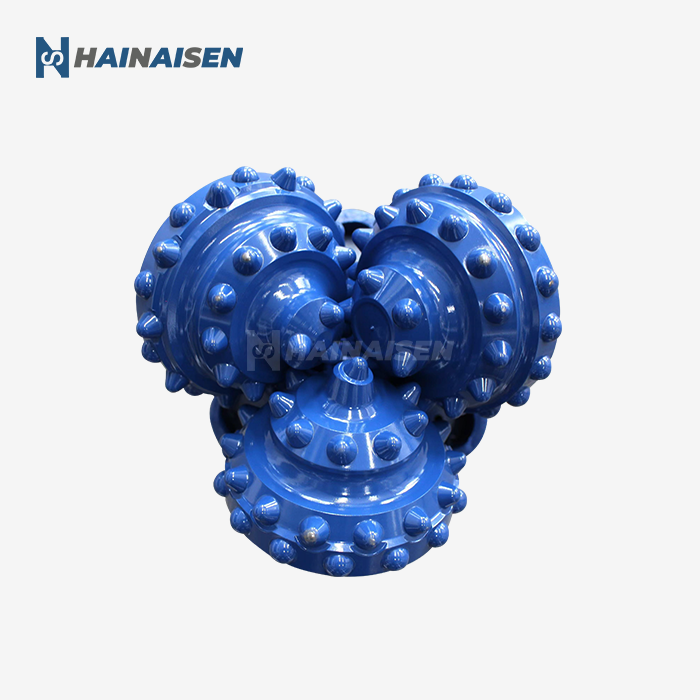 VIEW MORERock Roller Drill Bit
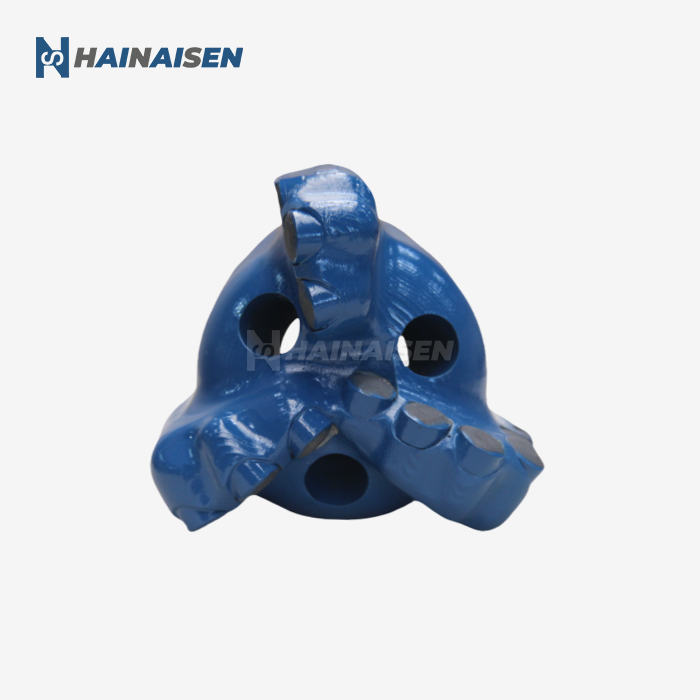 VIEW MORE113mm Three Wings PDC Arc Angle Drill Bit
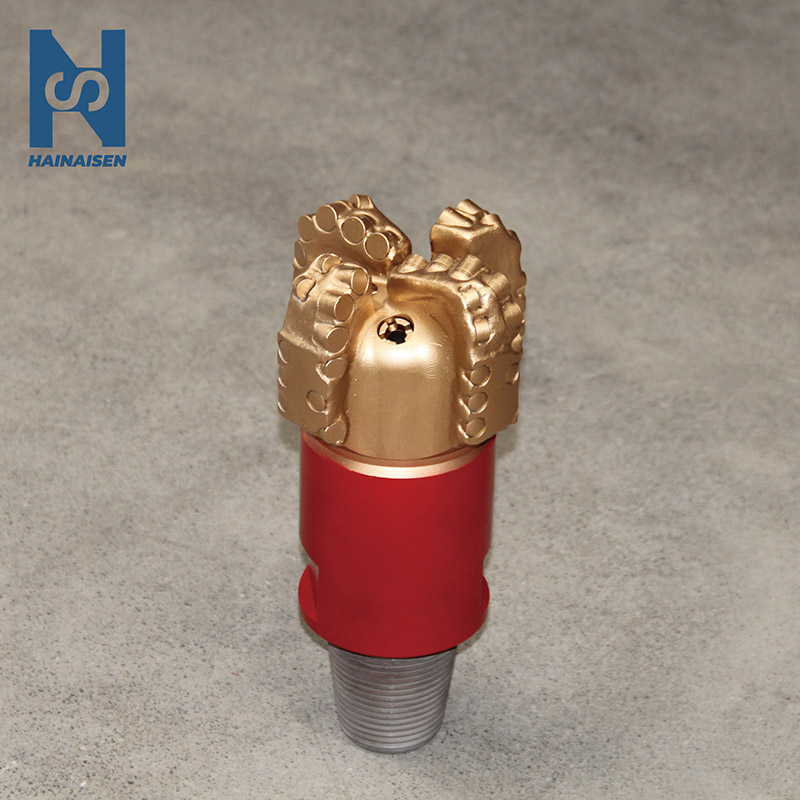 VIEW MOREHigh Quality PDC Drill Bits
logo 2_1777360600432.jpg) VIEW MORECoal Mine Drilling Drill Bit Directional Three Blade PDC Drill Bit
VIEW MORECoal Mine Drilling Drill Bit Directional Three Blade PDC Drill Bit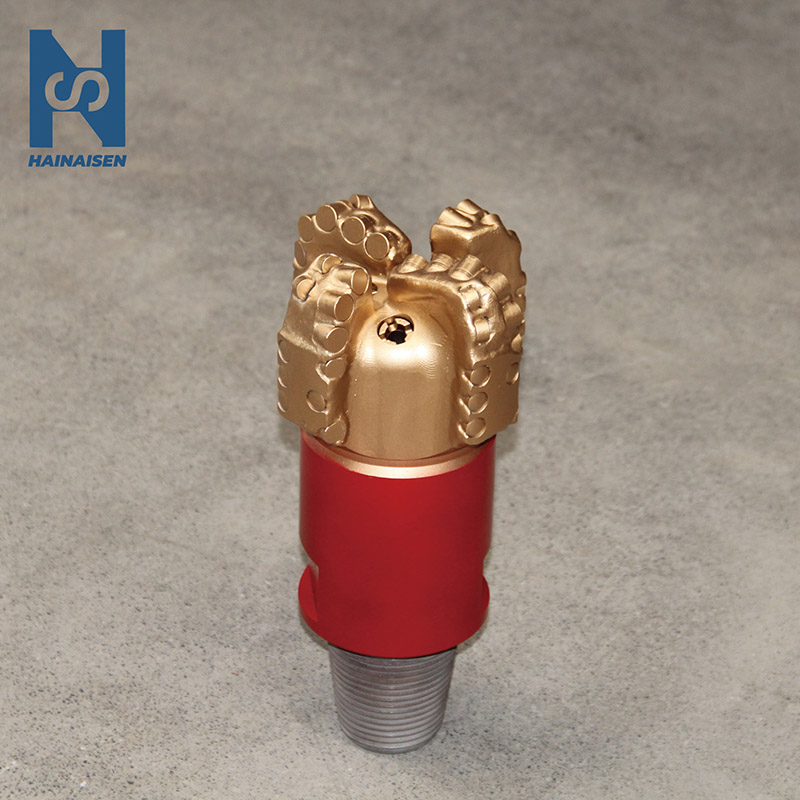 VIEW MOREFour Blade Wing Oil Drilling Tool
 VIEW MOREDirectional Well PDC Drill Bit
logo 1_1768274683075.jpg) VIEW MORECoal Mine Drilling Opening And Closing Drill Bit
VIEW MORECoal Mine Drilling Opening And Closing Drill Bit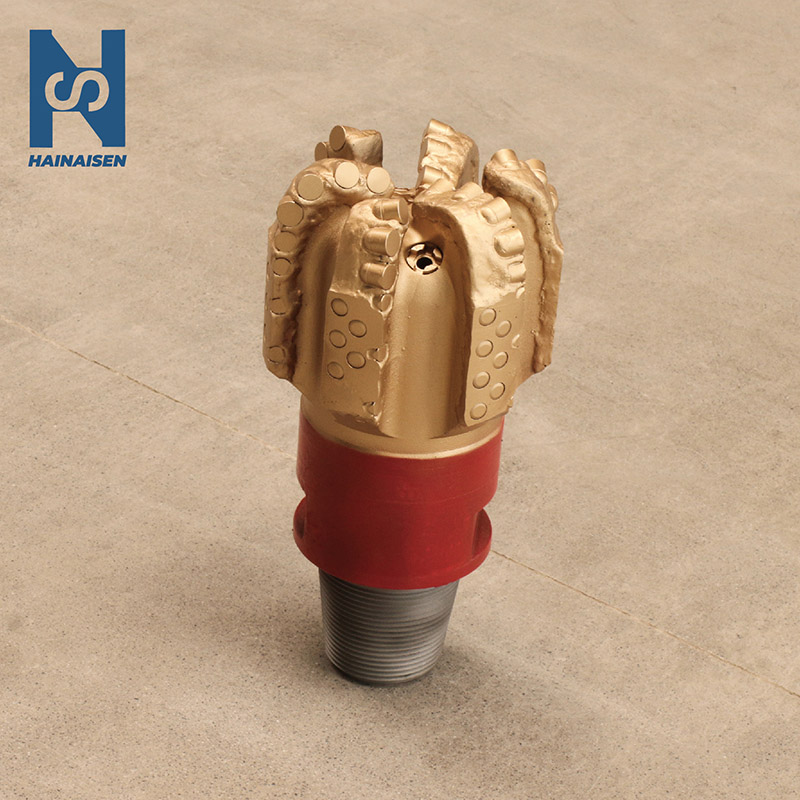 VIEW MORETool 6 Wings Drill Bit PDC
