




What materials are oilfield drill bits made of?
Oilfield drill bits are made from a mix of high-tech materials that Five Blade Wing Oil Drilling are designed to last in harsh drilling circumstances. Steel alloys are used for strength, tungsten carbide is used for resistance to pressure, and diamond-based composites like Polycrystalline Diamond Compact (PDC) are used for better cutting power. New Five-Blade Wing Oil. These materials are used in the best ways by drilling bits, and PDC cuts offer the best hardness and wear resistance. These choices about materials have a direct effect on how well they drill through different types of rock, how long they last, and how well they work generally.
Understanding the Materials Used in Oilfield Drill Bits
The materials used in oilfield drill bits represent decades of metallurgical research and field-tested innovation. Selecting the right material combination determines whether a drilling operation achieves cost-effective performance or faces expensive downtime and frequent bit replacements.
Steel Alloys as Structural Foundations
Steel alloys form the backbone of every drill bit, providing structural strength that supports the cutting elements during rotation and impact. High-grade steel alloys used in modern drill bits contain chromium, molybdenum, and nickel, which enhance corrosion resistance and toughness under high-pressure environments. The steel body must absorb shock loads while maintaining dimensional stability as temperatures fluctuate dramatically during drilling operations. Premium steel compositions reduce the risk of catastrophic failure when encountering unexpected geological changes.
Tungsten Carbide for Impact Absorption
Tungsten carbide inserts have become standard in drill bits designed for medium to hard formations. This material exhibits remarkable hardness—nearly three times that of steel—while maintaining sufficient toughness to resist fracture under impact loading. Tungsten carbide elements are strategically positioned on drill bit surfaces where abrasion is most severe, extending operational life significantly compared to steel-only designs. The material's thermal conductivity also helps dissipate heat generated during aggressive drilling.
PDC Cutters: The Diamond Advantage
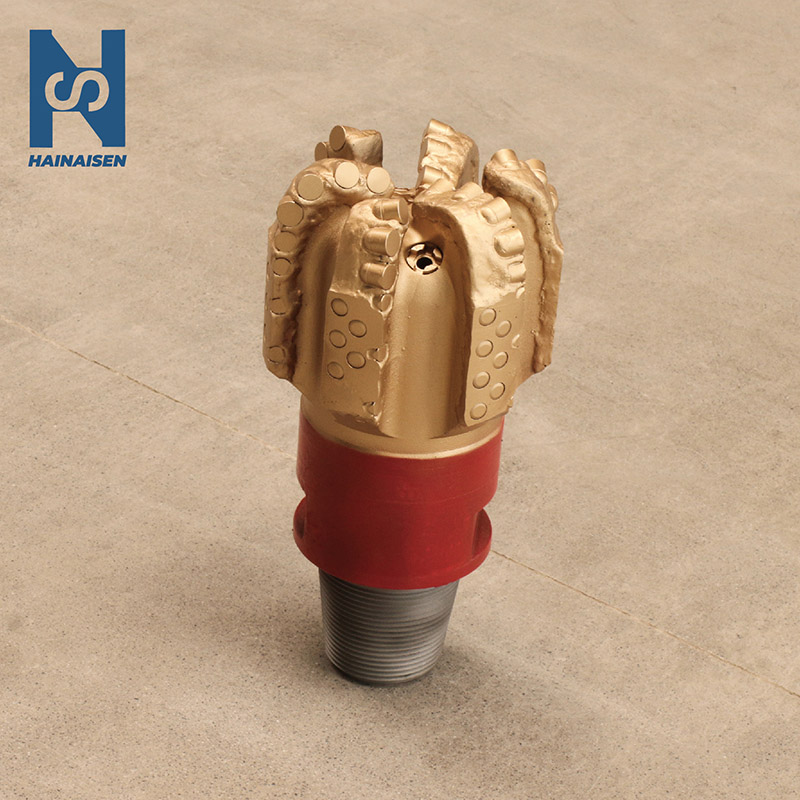
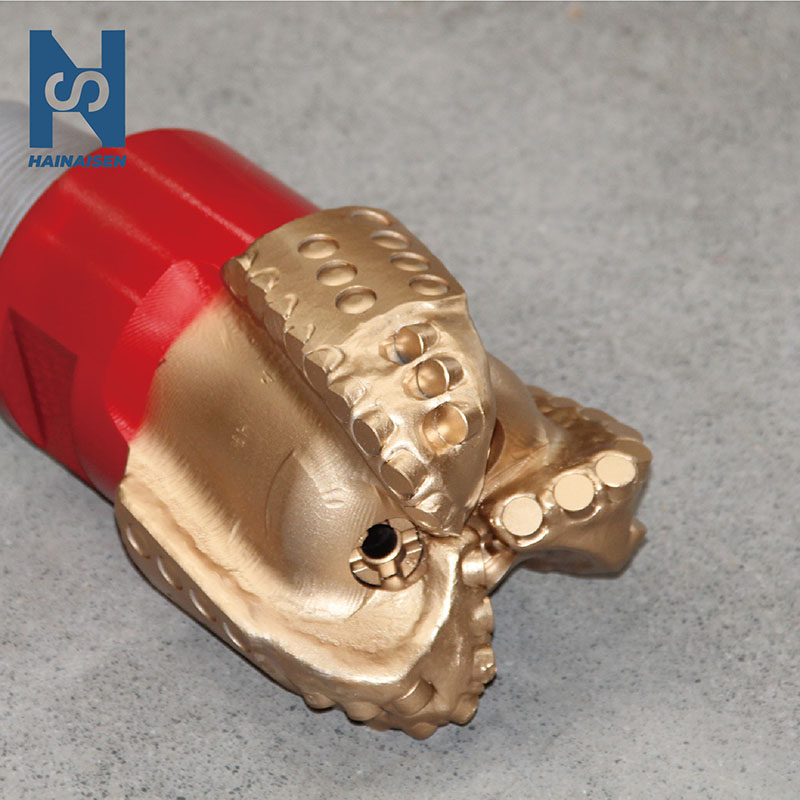
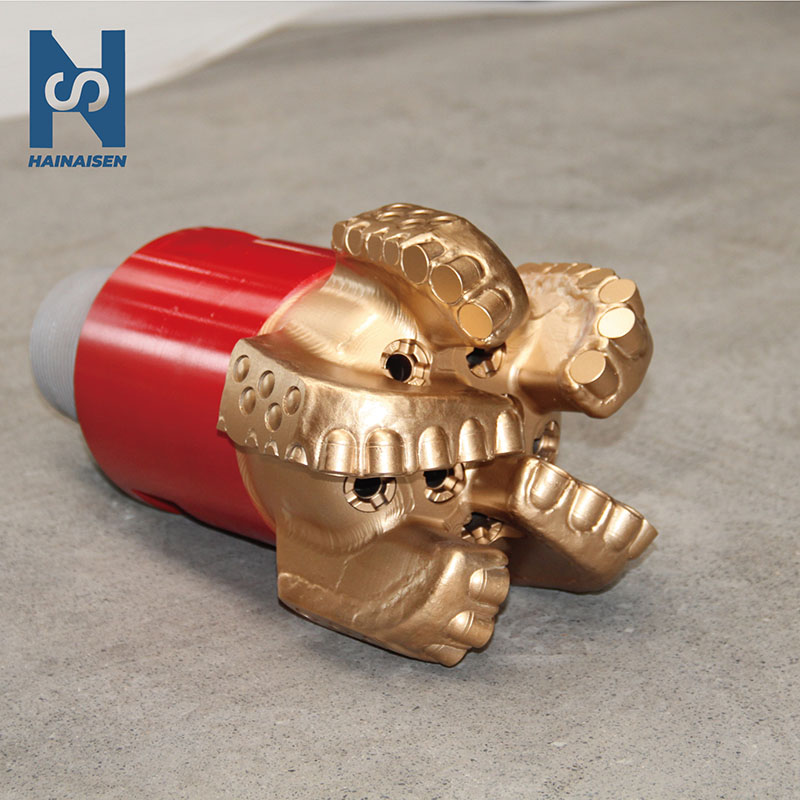
Polycrystalline Diamond Compact cutters, oil field drill bits, represent a quantum leap in drilling technology. These synthetic diamond structures bonded to carbide substrates deliver unmatched abrasion resistance and maintain sharp cutting edges far longer than conventional materials. PDC cutters work by shearing rock rather than crushing it, which reduces energy consumption and increases penetration speed. The diamond layer's exceptional hardness allows bits to maintain performance in formations that would quickly dull traditional cutters, making them ideal for extended drilling intervals.
Five Blade Wing Oil Drilling Technology Explained
The five-blade wing configuration has emerged as an optimal balance between cutting coverage and hydraulic efficiency. Understanding how this design maximizes material performance helps procurement professionals make informed decisions that directly impact drilling economics.
Structural Design Principles
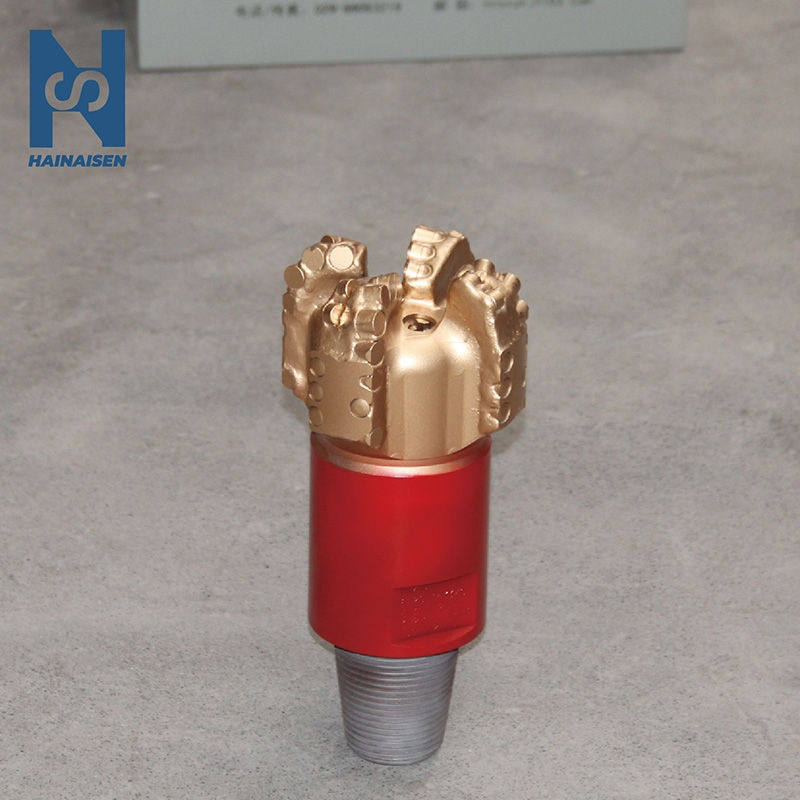
Five blade wing drill bits feature symmetrically arranged blades extending from a central body, each equipped with multiple PDC cutters. This configuration creates consistent cutting action across the bit face while maintaining structural integrity during rotation. The blade geometry is carefully calculated to distribute stress evenly, preventing premature failure of individual cutters. Each blade's positioning ensures that rock is engaged continuously, eliminating the "dead zones" that reduce penetration efficiency in some other designs. The spacing between blades creates optimized channels for drilling fluid circulation, which serves dual purposes: cooling the cutters and transporting rock cuttings away from the cutting face. Proper fluid dynamics prevent re-cutting of previously fragmented rock, which wastes energy and accelerates wear. The blade profile is engineered to generate stable torque characteristics, reducing harmful vibrations that can damage both the bit and downhole equipment.
Comparison with Traditional Blade Configurations
When compared to three-blade designs, five-blade configurations distribute cutting forces across more points of contact, reducing the load on individual cutters. This load distribution extends cutter life and maintains consistent performance as wear progresses. Four-blade designs offer certain advantages in softer formations, but the additional blade in five-wing configurations provides superior stability in heterogeneous rock layers where hardness varies unpredictably. Six-blade designs increase cutter count but can restrict fluid flow in smaller diameter bits, potentially causing inadequate cleaning of the bit face. The five-blade arrangement represents an engineering sweet spot where cutter density, hydraulic efficiency, and structural strength converge to deliver reliable performance across diverse drilling conditions. This versatility makes five-blade bits particularly attractive for operations requiring a single bit type to handle variable formations.
Operational Advantages in Challenging Formations
The mechanical dynamics of five blades working simultaneously create several performance benefits. Increased penetration rates result from the continuous cutting action, where rock is engaged by fresh cutters before it can fully recover from previous impacts. Enhanced stability minimizes lateral vibration, which protects bearing assemblies and extends the operational life of the entire bottom-hole assembly. Cost-effectiveness becomes apparent when evaluating total meters drilled per bit compared to alternatives. Field data consistently shows that five-blade wing bits achieve 20-35% greater footage in medium-hard formations than comparable four-blade designs. This performance advantage translates directly to reduced tripping time and lower per-meter drilling costs, critical factors for operations managing tight budgets or challenging access conditions.
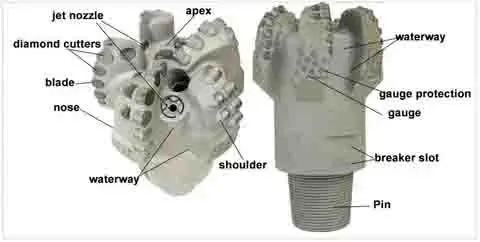
Material Selection Impact on Five-Blade Wing Drill Bit Performance
The relationship between material hardness and drilling efficiency is fundamental to achieving operational goals. Procurement managers who understand this connection can specify bits that deliver measurable performance improvements while controlling the total cost of ownership.
Hardness and Durability Correlation
Material hardness directly determines how effectively oil field drill bits' cutters penetrate rock and how long they maintain cutting geometry. PDC cutters with a diamond layer thickness of 2-3mm provide optimal performance in most applications, balancing initial cost with wear life. Thicker diamond layers extend bit life in extremely abrasive formations but increase upfront investment. The carbide substrate beneath the diamond layer must possess sufficient toughness to support the diamond without fracturing under impact loads. Durability extends beyond simple hardness measurements. The bonding between diamond particles and carbide substrate determines whether cutters can withstand thermal cycling and mechanical shock. Advanced manufacturing processes using precise temperature and pressure controls create stronger interfacial bonds, reducing the risk of delamination that prematurely ends bit life. These manufacturing details separate premium bits from economy alternatives in ways not immediately visible during purchase evaluation.
Performance in Varied Geological Conditions
Abrasive formations containing quartz or other hard minerals demand maximum wear resistance from cutting materials. PDC Bits excel in these environments, maintaining consistent performance where tungsten carbide inserts would require frequent replacement. Conversely, softer formations with high clay content can cause PDC cutters to "ball up" with sticky material, reducing cutting efficiency. Understanding formation characteristics allows operators to select material configurations optimized for specific geological challenges. Field case studies from West Texas Permian Basin operations demonstrate that properly specified five-blade wing PDC bits achieved 40% longer run times in interbedded sandstone and shale compared to conventional tungsten carbide bits. Similar performance improvements were documented in coalbed methane drilling operations in Wyoming, where abrasive coal seams quickly degraded alternative bit types. These real-world results validate the importance of material selection in achieving project economics.
Cost-Benefit Analysis for Long-Term Operations
The higher initial cost of PDC bits equipped with premium materials generates returns through reduced bit changes and increased footage per bit. Calculating the total cost of ownership requires accounting for rig time costs during tripping operations, which typically exceed the bit purchase price by factors of five to ten. A PDC bit costing three times more than a tungsten carbide alternative, but drilling twice the footage delivers substantial savings when tripping costs are included. Long-term operational relationships benefit most from this investment perspective. Drilling programs spanning multiple wells can amortize the learning curve associated with optimizing bit selection and operating parameters for specific materials. Operators who commit to premium material specifications and develop expertise in maximizing their performance achieve competitive advantages that compound over time, particularly in challenging drilling environments where marginal performance differences dramatically impact project timelines.
Buying Guide: Procuring Five-Blade Wing Oilfield Drill Bits
Navigating the procurement process requires technical knowledge and awareness of market dynamics. Purchasing managers can secure optimal value by systematically evaluating key factors that determine long-term bit performance and supplier reliability.
Material Quality Assessment Standards
To check the quality of the material, you must first understand the certification rules that control the making of drill bits. The American Petroleum Institute (API) sets the basic quality standards, and the International Association of Drilling Contractors (IADC) codes group bit designs by how well they work with different types of rock. By asking for proof of these Certifications, you can be sure that the bits you buy meet the standards for materials and building quality that are known in the industry. The HNS S123 standard, which is rated for medium-hard formations, makes it clear what performance levels are expected. Advanced suppliers offer material traceability documents that show where steel alloys, carbide grades, and diamond quality used in building come from and what they are made of. Because of this, technical teams can check that the materials that were ordered match the goods that were delivered. Testing the cutter roughness and bond strength in a separate lab is another way to be sure of the quality, but this level of quality assurance is usually only used for big purchases or important drilling jobs.
Supplier Evaluation Criteria
Supplier reliability includes the ability to make things, offer technical help, Five Blade Wing Oil Drilling, and provide service after the sale. Companies with research and development departments can make bit designs that are specifically designed to solve specific drilling problems. This gives them a competitive edge over standard catalogue goods. HNS has a building that is 3,500 square meters and has 5-axis machining centers and CNC machine tools. These machines allow for precise manufacturing that meets the exact tolerances needed for bit performance to be at its best. Warranty policies show how confident the supplier is in the reliability of the product. Comprehensive warranties that cover premature wear or manufacturing flaws keep purchase budgets safe from replacement costs that were not expected. It's just as important to have access to technical support. Suppliers who offer field engineering help during bit selection and operation troubleshooting add value beyond the actual product. Building partnerships with suppliers who see customer success as an important part of their business plan leads to better operational results.
Technical Compatibility Considerations
To make sure safe and effective operation, bit specifications must match the current rig equipment. API access rules, such as the 6-5/8 REG. The HNS S123 model's PIN makes sure that it works with normal drill strings. The bit size (12.25 inches/311 mm) has to match the planned well width. The bit's weight (95 kg) affects how it is handled and what tools are needed. The seven nozzles that make up the nozzle configuration determine the hydraulic flow characteristics, which must match the mud pump's capacity and the speed at which the cleaning is wanted. The performance qualities are directly affected by the cutter size and count. With 109 PDC cutters in 13mm and 16mm sizes, the HNS S123 has the right amount of aggressive cutting action for its formation grade. Higher cutter counts usually mean faster penetration rates, but if the drilling settings aren't set up correctly, each cutter may wear out faster. The length of the gauge (90 mm) affects the quality of the borehole and the ability to control its direction. Longer gauge parts make deviated wells more stable.
Conclusion
The choice of material has a big impact on how well a gas drill bit works, affecting how deep it goes, how long it lasts, and how much it costs to drill. When used with PDC cutters, five-blade wing configurations get better results in medium-hard rocks because they have better cutting action and wear resistance. It's helpful for procurement workers to know how steel alloys, tungsten carbide, and diamond-based materials improve the efficiency of drilling. The HNS S123 specification is an example of advanced engineering that combines the study of materials with the needs of real-world operations. Strategic material selection based on geographic conditions and cost analysis helps drilling operations get the most work done for the least amount of money. Putting money into high-quality materials and blade designs that have been used before sets the stage for reliable drilling performance.
FAQ
1. What materials work best for hard rock drilling?
PDC cutters with thick diamond layers (2.5-3mm) deliver optimal performance in hard rock formations. The diamond's extreme hardness maintains sharp cutting edges despite abrasive conditions, while the carbide substrate provides necessary impact resistance. Steel body alloys with enhanced toughness prevent structural failure under high-stress loading.
2. How often should five-blade wing bits be inspected?
Inspection intervals depend on formation abrasiveness and drilling parameters. Operations in moderately abrasive formations typically inspect bits every 100-150 operating hours. Visual examination should focus on cutter condition, gauge wear, and blade integrity. Early detection of wear patterns enables timely bit replacement before performance declines significantly.
3. Are custom materials available for unique drilling environments?
Reputable Manufacturers offer customization options addressing specific challenges. Specialized PDC formulations resist temperature extremes, while modified blade geometries optimize performance in interbedded formations. Custom solutions require detailed formation data and operational parameters to ensure designs meet performance expectations. HNS maintains a dedicated R&D team for custom bit design that addresses unique operational requirements.
Partner with HNS for Superior Five-Blade Wing Oil Drilling Solutions
Elevating your drilling performance starts with selecting the right Five Blade Wing Oil Drilling supplier who understands material science and operational demands. HNS combines over a decade of specialized experience with state-of-the-art manufacturing capabilities, producing drill bits that meet the exacting standards of oil and gas operations worldwide. Our 5-axis machining centers and advanced welding production lines ensure precision construction of PDC bits featuring optimized material specifications. Technical teams at HNS provide personalized consultations to match bit designs with your specific geological challenges and operational goals. Whether you're drilling in the Permian Basin or exploring new coalbed methane reserves, our S123 five-blade wing bits deliver proven performance backed by comprehensive technical support. Contact our engineering specialists at hainaisen@hnsdrillbit.com to discuss your project requirements and receive detailed specifications tailored to your operational needs.
References
1. Bourgoyne, A.T., Millheim, K.K., Chenevert, M.E., and Young, F.S. (1991). Applied Drilling Engineering. Society of Petroleum Engineers Textbook Series.
2. Winters, W.J., Warren, T.M., and Onyia, E.C. (1987). "Roller Bit Model with Rock Ductility and Cone Offset." SPE Annual Technical Conference and Exhibition, Society of Petroleum Engineers.
3. Bellin, F., Dourfaye, A., King, W., and Thigpen, M. (2010). "The Current State of PDC Bit Technology." World Oil Magazine, Vol. 231, No. 9, pp. 67-71.
4. Clayton, R.I., Chen, S., and Lefort, G. (2005). "New Bit Design, Cutter Technology Extend PDC Applications to Hard Rock Drilling." Oil & Gas Journal, Vol. 103, No. 17.
5. Pessier, R.C. and Fear, M.J. (1992). "Quantifying Common Drilling Problems with Mechanical Specific Energy and Bit-Specific Coefficient of Sliding Friction." SPE Annual Technical Conference and Exhibition, Society of Petroleum Engineers.
6. Glowka, D.A. (1989). "Use of Single-Cutter Data in the Analysis of PDC Bit Designs: Part 2—Development and Use of the PDCWEAR Computer Code." Journal of Petroleum Technology, Vol. 41, No. 8, pp. 850-859.
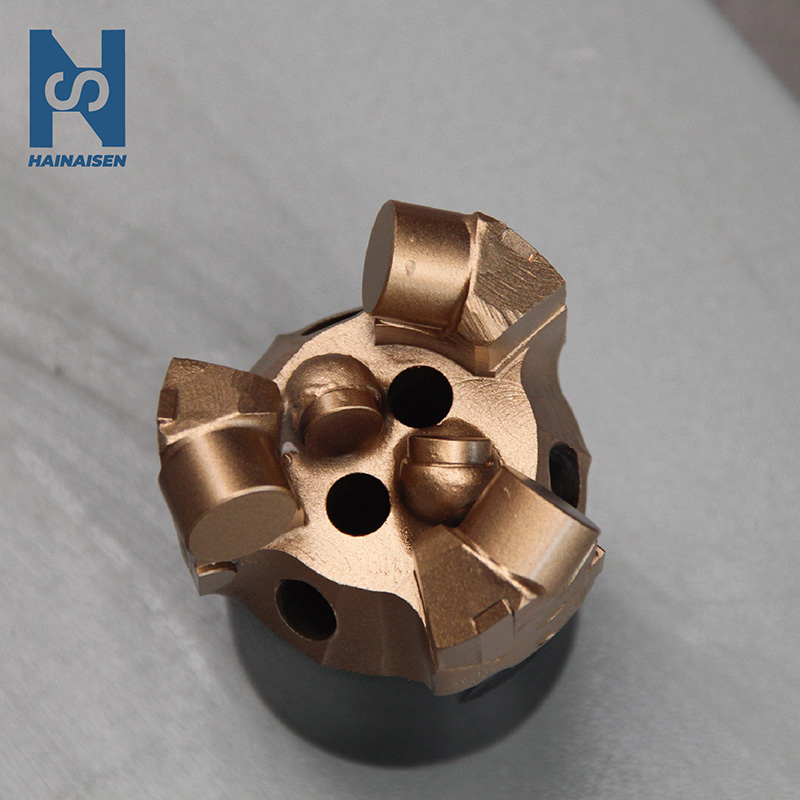 VIEW MORECoal Mines Use Haineisen PDC Drill Bits
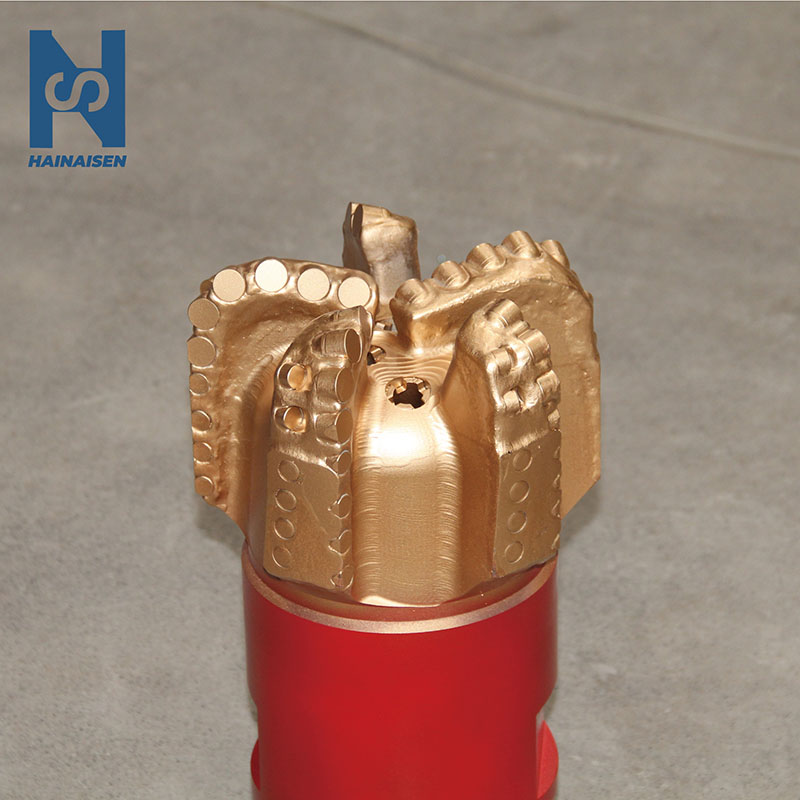 VIEW MORE5 Blades Steel Body High Performance PDC Rock Drill Bits
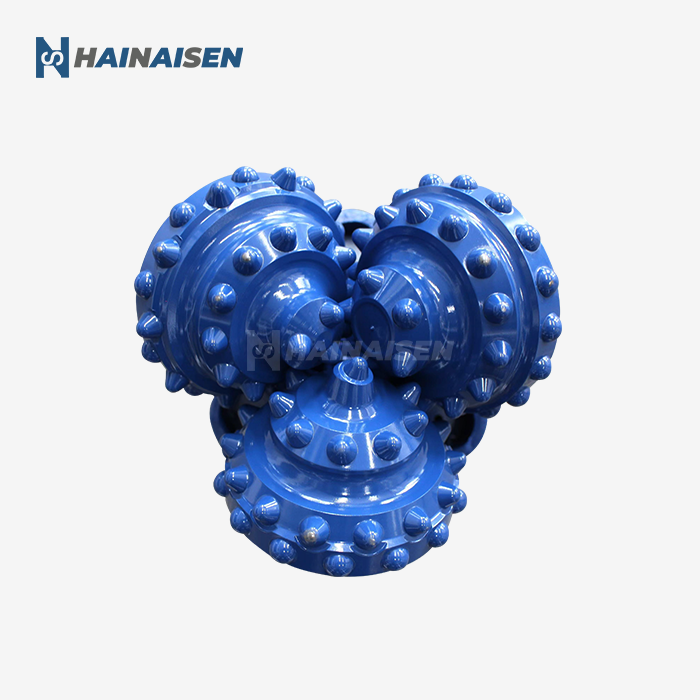 VIEW MOREHard Alloy Roller Drill Bit
 VIEW MORETool 6 Wings Drill Bit PDC
 VIEW MOREThree Blade Oil Drill Bit
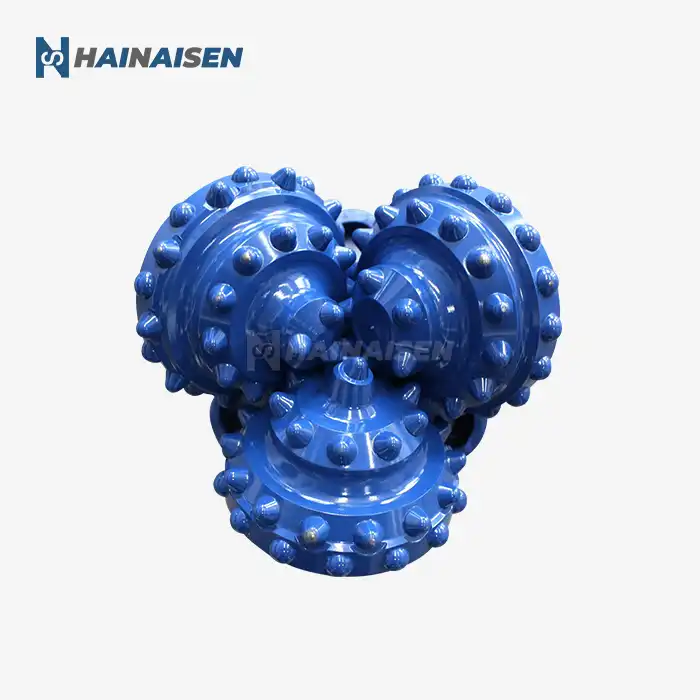 VIEW MORE5 1/2 Inch IADC 537 Tricone Rock Bit for Medium-Hard Formations
 VIEW MOREDiamond Oil Drill Bit
 VIEW MORE4 Wings Blades PDC Bit