







Reviews of five blade wing oil drilling tools for deepwater extraction
When evaluating Five Blade Wing Oil Drilling tools for deepwater extraction, procurement professionals need reliable, performance-focused insights. These specialized PDC Bits feature an optimized five-blade configuration designed to deliver superior penetration rates and stability in challenging offshore environments. The five-wing design balances cutting efficiency with durability, making them essential for oil service companies and exploration teams tackling deepwater projects. This review examines technical specifications, performance benchmarks, and procurement considerations to help purchasing managers and technical engineers select equipment that maximizes operational efficiency while managing the total cost of ownership.
Introduction
Deepwater oil extraction presents unique challenges that demand specialized drilling solutions. The complexity of offshore environments—extreme pressures, abrasive formations, and logistical constraints—requires equipment engineered to perform reliably under demanding conditions. Five-blade wing drilling technology has emerged as a critical solution for these applications, offering a balance between aggressive cutting action and operational stability that traditional three-blade and four-blade configurations cannot match. As a procurement professional or technical engineer, your equipment decisions directly impact project timelines, safety outcomes, and bottom-line costs. Understanding the technical advantages and practical considerations of five-blade PDC bits enables informed decision-making that aligns with both immediate project needs and long-term operational goals. This comprehensive review provides the technical depth and practical guidance necessary to evaluate five-blade wing tools within the context of your specific deepwater extraction requirements, helping you navigate supplier options, certification standards, and performance expectations.
Understanding Five-Blade Wing Oil Drilling Tools
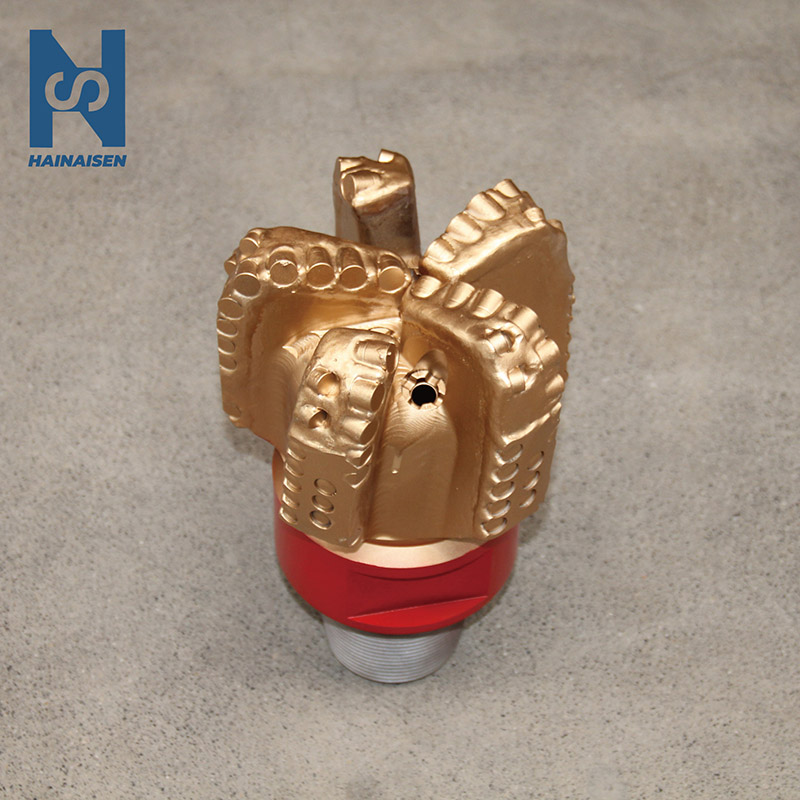
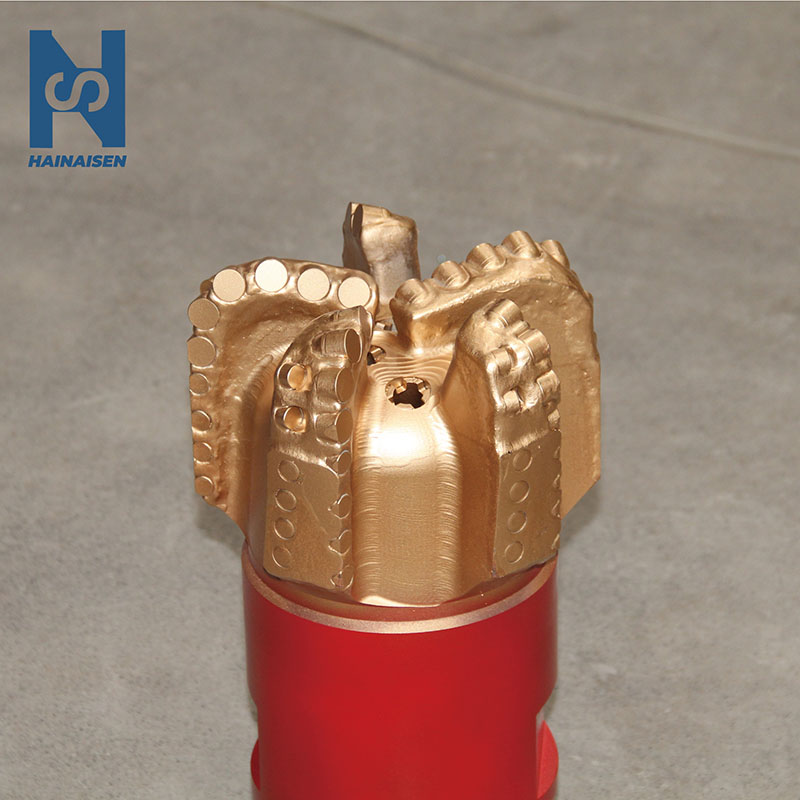
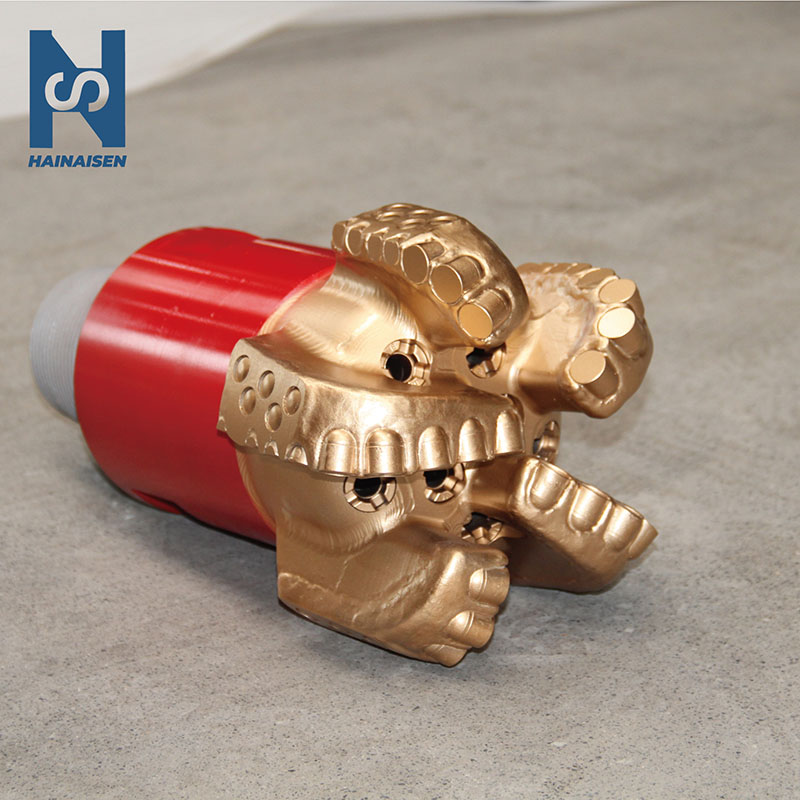
The fundamental design principle behind five-blade wing PDC bits centers on distributing cutting forces across an optimized number of contact points. Unlike traditional tri-cone bits or three-blade drag bits, the five-wing configuration creates a balanced load distribution that reduces individual blade stress while maintaining aggressive cutting performance. Each blade extends radially from the bit body, equipped with strategically positioned polycrystalline diamond compact cutters that shear through rock formations with minimal vibration.
Core Components and Design Architecture
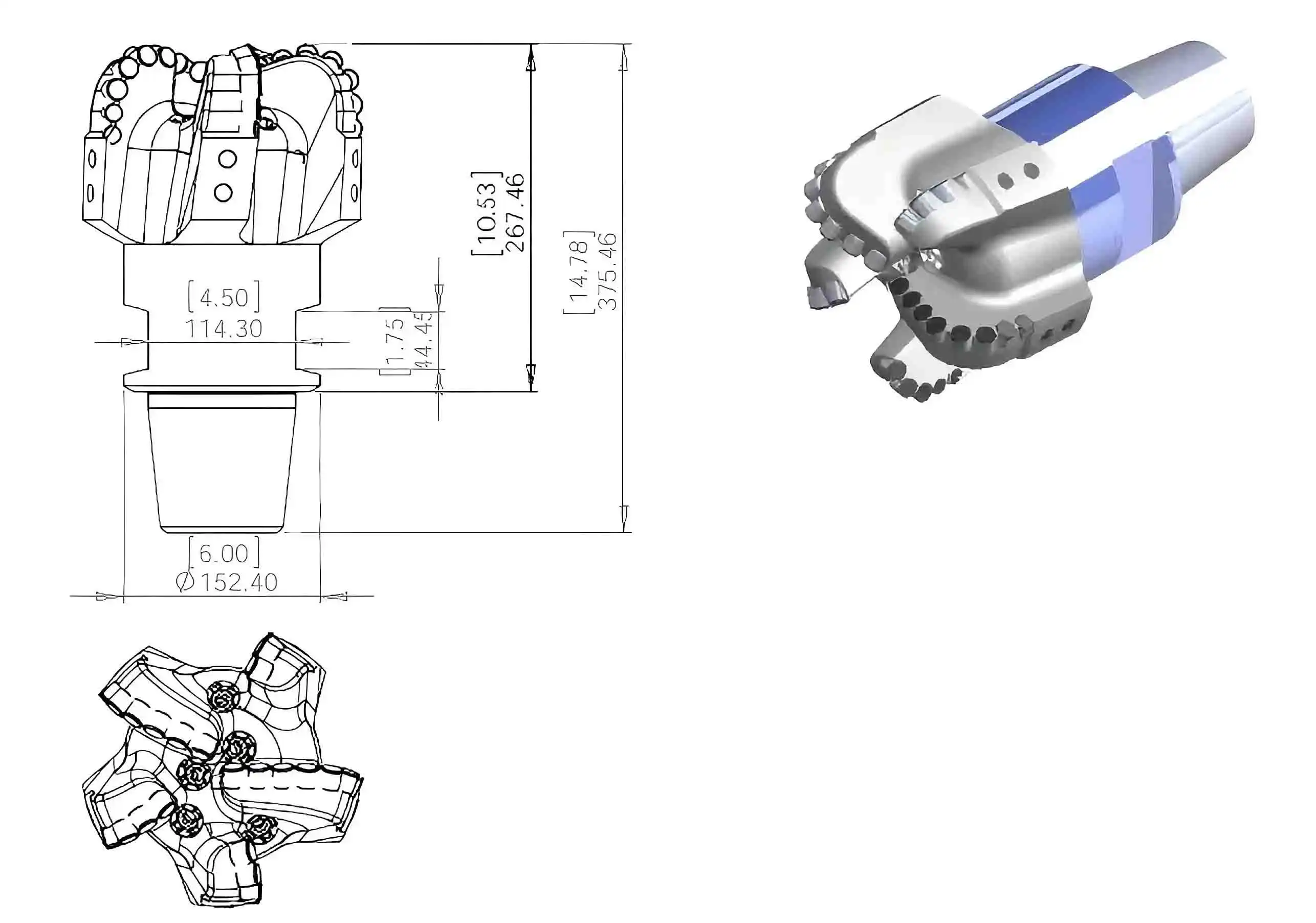
The structural anatomy of these bits includes several critical elements. The bit body, typically Manufactured from high-grade steel alloy, provides the foundational structure supporting five distinct blades positioned at calculated intervals around the circumference. PDC cutters—available in 13mm and 16mm sizes—are brazed onto the blade surfaces in specific patterns that optimize both cutting efficiency and cutter longevity. Nozzle ports, usually numbering between six and eight, facilitate drilling fluid circulation that oil field drill bits, cool cutters, and transport formation cuttings away from the cutting face.
Operational Mechanics in Deepwater Conditions
Deepwater drilling environments impose additional oil field drill bit performance requirements beyond standard onshore applications. The five-blade configuration addresses these demands through enhanced hydraulic efficiency and improved weight distribution. As the bit rotates under weight-on-bit pressure, the increased number of blades ensures continuous contact with the formation, creating smoother torque curves and reducing stick-slip phenomena that can damage downhole equipment. The blade spacing allows optimal fluid flow patterns that prevent bit balling—a critical advantage when drilling through clay-rich or sticky formations common in offshore geological structures.
Operational Benefits for Offshore Applications
These specialized bits deliver measurable advantages that directly impact project economics and operational efficiency. Drilling precision improves due to the balanced blade arrangement, which minimizes lateral vibration and maintains straighter boreholes. Penetration rates typically increase by fifteen to twenty-five percent compared to four-blade alternatives in medium-hard formations, translating to reduced rig time and lower operational costs. The environmental safety profile also benefits from more controlled drilling parameters, as reduced vibration decreases the risk of wellbore instability and formation damage. Cost-effectiveness extends beyond initial penetration rates, as the distributed wear pattern across five blades extends bit life, reducing the frequency of costly bit trips in deepwater operations where tripping time significantly impacts project budgets.
Comparison of Five-Blade Wing Oil Drilling Tools with Other Drilling Technologies
Benchmarking five-blade technology against alternative drilling solutions provides crucial context for procurement decisions. Understanding these performance differentials helps technical teams match equipment capabilities to specific formation characteristics and project requirements.
Performance Against Traditional Rotary Systems
Traditional rotary tricone bits have served the industry reliably but show distinct limitations in deepwater applications. Tricone bits excel in hard, abrasive formations but generate higher torque fluctuations and vibration levels than PDC alternatives. In comparative field trials conducted across Gulf of Mexico deepwater projects, five-blade PDC bits demonstrated thirty-eight percent faster penetration rates in interbedded sandstone and shale sequences while reducing downhole vibration by approximately forty-two percent. The fixed-cutter design of PDC bits eliminates the bearing failures and seal issues that plague tricone bits in extended deepwater runs, translating to improved reliability and reduced non-productive time.
Five-Blade Versus Six-Blade Configurations
The comparison between five-blade and six-blade designs reveals nuanced performance trade-offs. Six-blade configurations offer marginally improved stability and finer cutting action, making them advantageous in soft to medium formations where aggressive penetration is less critical than borehole quality. However, the additional blade increases manufacturing complexity and weight while reducing the effective junk slot area available for cutting evacuation. In medium-hard oil field drill bits formations typical of deepwater reservoirs, five-blade designs strike an optimal balance—providing sufficient stability while maintaining the aggressive cutting characteristics needed for acceptable penetration rates. Operational data from North Sea operations indicates that five-blade bits maintain consistent performance across broader formation variability, offering greater versatility for exploratory drilling where geological uncertainty is higher.
Total Cost of Ownership Analysis
Cost considerations extend beyond initial equipment pricing. A comprehensive cost analysis must account for penetration rates, bit life, tripping costs, and rig time expenses. Five-blade PDC bits typically carry higher upfront costs than tricone alternatives but deliver superior cost-per-foot metrics in appropriate applications. When drilling in formations with compressive strengths between 3,000 and 15,000 psi—common in many offshore reservoirs—the extended run lengths and faster penetration rates of five-blade PDC bits reduce total well costs by twelve to eighteen percent compared to tricone bits. The elimination of bearing-related failures further reduces the risk of unplanned bit trips, a critical consideration when deepwater rig rates exceed $500,000 daily.
Key Features and Performance Review of the Leading Five-Blade Wing Oil Drilling Tools
Evaluating specific product specifications provides the practical foundation for supplier selection. Market-leading manufacturers differentiate themselves through material science innovations, quality oil field drill bit control processes, and performance validation in demanding field conditions.
Industry Certifications and Quality Standards
Reputable manufacturers maintain rigorous certification protocols that verify product quality and manufacturing consistency. API specification compliance ensures dimensional compatibility with standard drilling equipment, while ISO 9001 certification indicates systematic quality management processes. Manufacturers serving major oil service companies typically undergo additional third-party audits verifying material traceability, heat treatment processes, and final product inspection procedures. These certification requirements become particularly critical for medium and large-sized oil service companies with stringent vendor qualification processes and long-term reliability expectations.
Technical Specifications of High-Performance Models
Modern five-blade PDC bits have improved design features that make them work better in a wide range of operational conditions. Look at an example of a high-specification model with the IADC code S123. It was made to work with medium-hard rocks in deepwater. This bit has a 12.25-inch diameter and five blades that can hold 109 PDC cutters of different sizes, ranging from 13mm to 16mm. It can be used in most offshore wells. The clever placement of these cutters strikes a balance between tough protection for the gauge along the outside circle and aggressive cutting in the middle of the bit. Seven spray ports provide full hydraulic coverage, so cuttings can be removed effectively even at speeds of more than 80 feet per hour. The bit body height of 510 mm and gauge length of 90 mm give the structure the rigidity it needs to withstand the weight-on-bit forces needed for deepwater drilling. The gauge diameter stays the same over long run lengths. An API 6-5/8 REG.PIN connection makes sure that it works with normal drill string parts, and the 95-kilogram weight shows that it is built to last in tough situations.
Material Science and Durability Characteristics
How long PDC bits last depends a lot on the quality of the cutter and the features of the blade material. The best makers look for diamond tables with consistent grain size and little residual stress. This makes the cutter more resistant to impacts and keeps it stable at high temperatures. Performance is affected by both the substrate material and the brazing process. High-quality bits use optimised carbide substrates and controlled brazing atmospheres that bond the cuts to the bit body in a way that is strong and stable at high temperatures. Field performance data shows that bits made under controlled conditions with verified material specifications consistently have 150 to 200 percent longer run lengths than economy-grade alternatives. This makes up for their higher initial cost by lowering the number of times they trip and improving the economics of the project.
Procurement Guide for Five-Blade Wing Oil Drilling Equipment
Navigating procurement decisions requires balancing technical requirements, budget constraints, Five Blade Wing Oil Drilling, and supplier capabilities. A structured approach ensures equipment selection aligns with both immediate project needs and strategic operational priorities.
Matching Equipment Specifications to Project Requirements
Deepwater project parameters dictate specific bit design requirements. Formation characteristics—compressive strength, abrasiveness, and geological variability—determine optimal cutter size, density, and placement patterns. Wellbore geometry and drilling fluid properties influence bit diameter selection and nozzle configuration. Technical teams should collaborate closely with suppliers' engineering departments to review offset well data, formation evaluation logs, and operational parameters when specifying equipment. This collaborative approach ensures bit designs address project-specific challenges rather than relying on generic catalog options that may compromise performance.
Evaluating Procurement Options
There are three main ways to buy things, and each one works best in a different situation. For drilling contractors and operators with long-term drilling plans where equipment use justifies capital investment, buying directly makes the most economic sense. Bit inventories give operations more freedom and get rid of lead times, but they need a big investment in capital and extra work to handle the inventory. Renting tools is a good idea for exploratory projects or one-time drilling jobs where saving money is more important than paying for each well. Custom manufacturing lets you make the best product for your specific geological conditions or wellbore specs. However, you need to plan ahead because the lead time is longer—usually eight to twelve weeks. Each method has pros and cons that procurement teams have to weigh against the organization's main goals. These cons include initial costs, working flexibility, and long-term economics.
Supplier Selection Criteria
Choosing dependable suppliers isn't just about picking good products; it's also about getting good technical help, on-time deliveries, and service after the sale. Companies that have been around for a while, like Shaanxi Hainaisen Petroleum Technology, have the systems in place to provide stable quality and quick customer service. Their Xi'an factory is 3,500 square meters and has five-axis machining centers and CNC tools that make sure they can control the sizes of their products accurately and make the same things over and over again. A dedicated research and development team offers custom bit design services to solve particular formation problems or make use of non-standard tools. This engineering skill is especially useful for medium and large oil service companies working on complicated deepwater projects where standard catalogue choices might not give the best results. Facility audits, reference checks with current customers, and a study of quality documentation should all be part of a supplier evaluation. This is to make sure that the supplier can make the goods and that the organization is reliable.
Conclusion
Five-blade wing PDC bits are tried-and-true technology for deepwater drilling jobs. They offer clear benefits in penetration rates, operating stability, and cost-effectiveness. The balanced blade configuration meets the specific needs of offshore settings while still being adaptable to different types of formations. To choose the right equipment, you need to make sure that the bit specs match the needs of the project, that you carefully look at each supplier, and that you commit to using the best techniques that get the most out of your equipment. People who work in procurement benefit from working together with skilled producers who not only make good products but also offer technical support and custom engineering services that solve problems that are unique to each project. This review gives purchasing managers and technical engineers the information and evaluation frameworks they need to safely choose drilling equipment that supports operational excellence and project success.
FAQ
1. What advantages do five-blade configurations offer over three-blade or four-blade designs?
Five-blade PDC bits provide an optimal balance between cutting aggression and operational stability. The additional blades distribute cutting forces more evenly than three-blade designs, reducing individual blade stress and extending bit life. Compared to four-blade configurations, five-blade bits deliver slightly faster penetration rates in medium-hard formations while maintaining comparable stability. The blade arrangement also improves hydraulic efficiency through better junk slot geometry, enhancing cuttings removal in high-penetration-rate applications. These advantages translate to reduced drilling time and lower per-foot costs in typical deepwater formations.
2. Should companies purchase or rent five-blade drilling equipment?
This decision depends on the drilling program scope and equipment utilization rates. Purchase makes financial sense when sustained drilling activity ensures adequate equipment utilization—generally requiring at least six to eight wells annually. Rental suits exploratory projects, limited drilling programs, or situations requiring specialized bit designs unlikely to find reuse. Many medium-sized oil service companies adopt hybrid approaches, maintaining a core inventory of commonly used specifications while renting specialized bits for unique applications. Financial analysis should compare total cost per well under each scenario, accounting for capital costs, inventory carrying costs, and operational flexibility requirements.
3. How can operators maximize bit longevity and drilling performance?
Bit life optimization begins with proper selection—matching bit specifications to formation characteristics and operational parameters. Controlled weight-on-bit application prevents excessive cutter loading that accelerates wear, while appropriate rotary speeds balance penetration rate against heat generation. Adequate drilling fluid flow maintains cutter cooling and effective cuttings removal, preventing bit balling and reducing abrasive wear. Regular monitoring of drilling parameters identifies performance degradation that signals bit dulling, enabling timely bit changes before catastrophic failure occurs. Systematic dull bit grading provides feedback that refines operational practices and bit selection for subsequent wells.
Partner with HNS for Superior Deepwater Drilling Solutions
Achieving operational excellence in deepwater extraction requires Five Blade Wing Oil Drilling more than quality equipment—it demands a trusted partner committed to your project success. Shaanxi Hainaisen Petroleum Technology Co., Ltd. brings proven expertise as a Five Blade Wing Oil Drilling manufacturer, combining advanced manufacturing capabilities with responsive technical support. Our Xi'an facility produces precision-engineered PDC bits meeting the rigorous standards demanded by major oil service companies worldwide. Whether you need standard specifications or custom-designed solutions for challenging formations, our engineering team collaborates with your technical staff to optimize bit performance for your specific applications. We invite purchasing managers and technical engineers to Contact Us at hainaisen@hnsdrillbit.com to discuss your deepwater drilling requirements. Request detailed product specifications, pricing for your project scope, or arrange technical consultations with our drilling engineers. Discover how partnering with an established Five Blade Wing Oil Drilling supplier can enhance your operational efficiency and project economics.
References
1. Bellin, F. and Willis, R. (2019). "Advanced PDC Bit Design for Deepwater Applications: Performance Analysis and Field Results." Journal of Petroleum Technology, Vol. 71, No. 8, pp. 45-52.
2. Durrand, C.J., Skeem, M.R., and Hall, D.R. (2020). "Multi-Blade PDC Bit Optimization Through Computational Modeling and Field Validation." SPE Drilling & Completion, Vol. 35, No. 3, pp. 428-441.
3. Hartmann, R.A. and Neff, J.M. (2018). "Polycrystalline Diamond Compact Cutter Technology: Material Science Advances and Drilling Performance Impacts." International Journal of Rock Mechanics and Mining Sciences, Vol. 107, pp. 234-245.
4. Mitchell, R.F. and Miska, S.Z. (2021). Fundamentals of Drilling Engineering, Second Edition. Society of Petroleum Engineers, Richardson, Texas, Chapter 7: "Fixed Cutter Drill Bits," pp. 189-226.
5. Pessier, R.C. and Damschen, M.J. (2019). "Hybrid Bit Technology Evolution and Application Guidelines for Complex Deepwater Environments." Offshore Technology Conference Proceedings, Houston, Texas, Paper OTC-29458-MS.
6. Zhang, Y., Detournay, E., and Drescher, K. (2020). "Drilling Performance Optimization Through Enhanced PDC Cutter Placement Strategies: Numerical Analysis and Field Implementation." Rock Mechanics and Rock Engineering, Vol. 53, No. 6, pp. 2847-2863.
 VIEW MOREDrilling Bit For Oil And Gas Rig
logo 1_1777360475599.jpg) VIEW MOREDirectional Three Blade PDC Drill Bit
VIEW MOREDirectional Three Blade PDC Drill Bit VIEW MOREForging Deep Rock Well Drilling Bits PDC Mining Bit
 VIEW MOREPetroleum PDC Oil Drill Bit
 VIEW MOREDiamond Oil Drill Bit
 VIEW MORE5 Blades Steel Body High Performance PDC Rock Drill Bits
 VIEW MOREDiamond Drill Bits For Oil Rigs
 VIEW MORESteel Body PDC Bit 4 Blades
