




What is the expected lifespan of a quality hard alloy roller bit?
When procurement managers and technical Hard Alloy Roller Drill Bit engineers ask about the expected lifespan of a quality Hard Alloy Roller Drill Bit, the answer depends on several critical factors. Under optimal operating conditions, these precision-engineered tools typically deliver between 40 and 150 hours of effective drilling time across various formations. The tungsten carbide components and high-strength steel construction enable superior wear resistance, while proper maintenance, appropriate drilling parameters, and formation characteristics significantly influence overall longevity. Understanding these variables helps procurement teams make informed investment decisions that balance upfront costs against long-term operational efficiency.
Introduction
When drilling for industrial purposes, the performance and longevity of cutting tools have a direct effect on project timelines, running costs, and the company's bottom line. Oil service companies, coal mines, and water well drilling teams all over the United States have to spend a lot of money on hard metal roller drill bits. Understanding how long these tools are expected to last is important for planning purchases and budgets, whether you're drilling through soft clay or difficult hard rock. Over the past ten years, we've worked with hundreds of drilling operations, and the most common question we get from purchasing managers is, "How long will this bit actually last in our specific application?" This guide answers that question in detail, giving purchasing managers technical information, real-world comparisons, and useful selection criteria that help them get the most out of their drilling investments. If you know what makes a bit last longer or shorter, you can make smart choices that will cut down on downtime, lower the cost of drilling by the metre, and help you build relationships with reliable suppliers that will help you reach your business goals.
Understanding Hard Alloy Roller Drill Bits and Their Lifespan
What Makes Hard Alloy Roller Bits Different
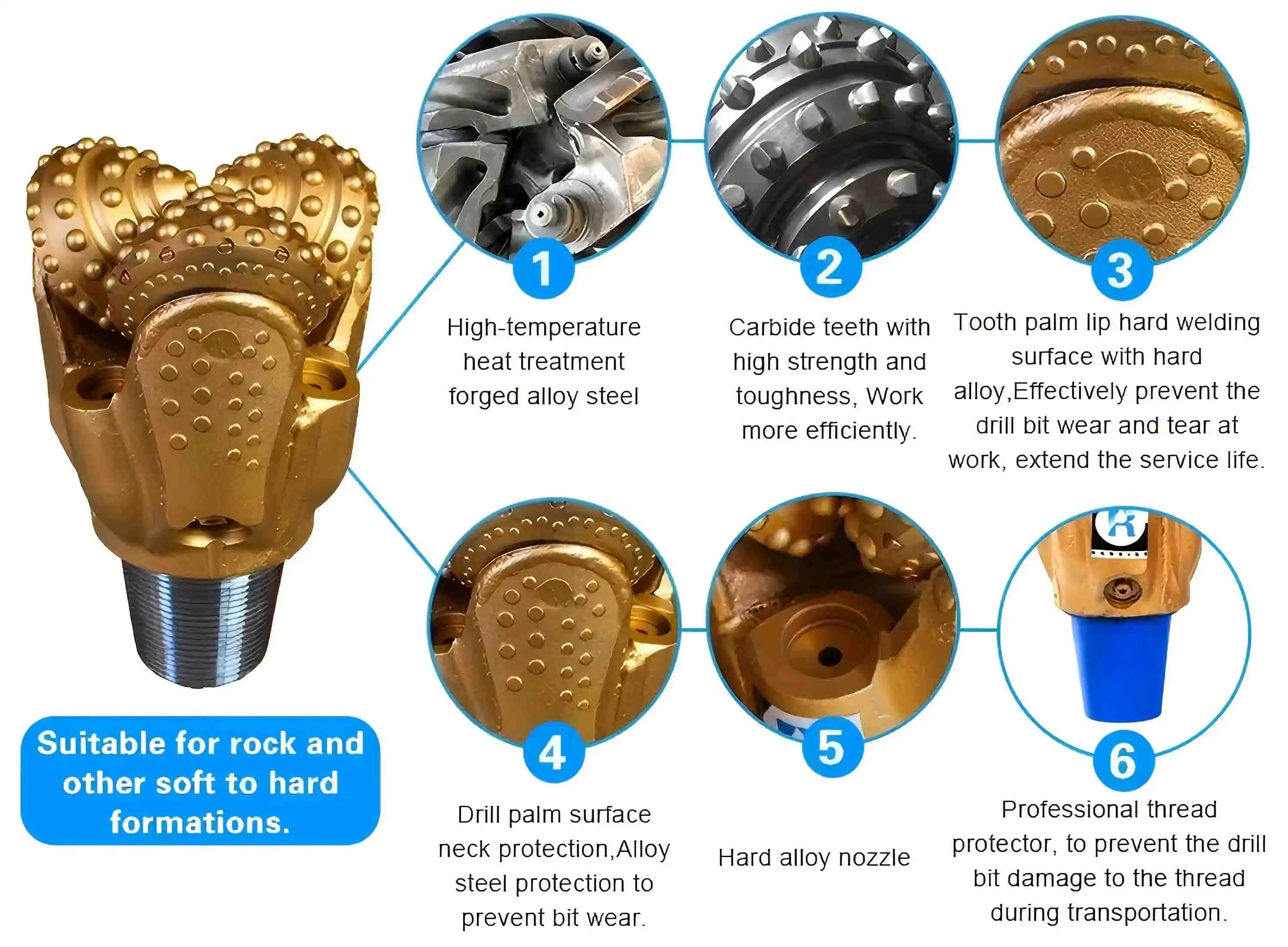
Hard alloy roller drill bits have many rotating cones that are fixed on bearings. Each cone has cutting teeth or inserts made of tungsten carbide and other materials that don't wear down easily. These bits are different from fixed-cutter designs because they break rock forms by crushing and chipping. Each cone rolls across the bottom of the hole as the drill string turns. The tungsten carbide inserts have very high hardness ratings and don't wear down easily, even in the roughest geological conditions. The high-strength steel body absorbs impact forces and keeps its shape over long drilling cycles. The term "hard alloy" refers to the tungsten carbide composition used in the cutting elements. This substance is very hard, almost as hard as real diamonds, but it is still tough enough to handle the repeated impact loading that happens during drilling operations. New sealing materials keep dirt and other things from getting into the bearing systems, which extends the life of these important internal parts. This way of thinking is shown by our 140mm Roller Bit, which has three blades, three nozzles, and a 3-1/2 REG.PIN connection. It weighs only 16 kg and works well in Level 1–12 strata grades.
Key Factors Influencing Bit Lifespan
Formation hardness is the most important factor that affects how long a drill bit lasts. Formations that are soft to medium allow cutting teeth to go through quickly and with little wear, roller cone bits, while formations that are very hard or coarse rock types speed up insert wear and bearing stress. The parameters that operators choose for drilling are also very important. For example, too much weight on the bit (WOB) can break inserts or overload bearings, and too little rotational speed lowers cutting efficiency and extends the time that cutting elements are in contact with rock surfaces. The quality of manufacturing determines the bit's basic durability before it even gets to the drill floor. Microcracking is less likely to happen with high-quality tungsten carbide that has a uniform grain structure. Precision cutting makes sure that the cone has the right shape and rotates evenly, which stops uneven wear patterns that shorten the life of the part. We use 5-axis machining centers and CNC machine tools at our 3,500m² factory in Xi'an to get specs that make our products work better and last longer. Each bit meets strict industry standards thanks to thorough material testing, strict quality control methods, and performance checks before shipping.
How Operational Variables Impact Durability
The weight on the bit, or drilling pressure, has a direct effect on how the cutting teeth interact with the formation material. The best WOB lets teeth cut through and remove rock quickly without using too much force, which could damage inserts or overload bearing assemblies. When drilling pressure goes above what is suggested, cutting teeth wear down faster, become dull, or break completely, which drastically reduces their useful life. Too little drilling pressure, on the other hand, makes the teeth rub against each other instead of cutting, creating too much heat and long-term contact that wears down carbide inserts through thermal stress and abrasion. Rotational speed impacts both the rate of rock removal and the frequency of impact loading on cutting structures. When drilling into soft, bendable materials like clay-rich layers, a faster turning speed directly boosts penetration rates with little extra wear because cutting teeth face less resistance. But when drilling in solid, very rough rock, the spinning speed needs to be slower because it takes longer to break up each piece of rock, which puts constant stress on the cutting elements. Going faster than the best rotation speed for a certain type of formation makes drilling less effective and speeds up bit wear, which shortens the total life of the drill.
Evaluating the Durability and Performance of Hard Alloy Roller Drill Bits
Comparative Analysis: Hard Alloy vs. Alternative Materials
When cutting elements are milled straight from the cone material, steel tooth bits are cheaper at first, but they don't last as long in hard or abrasive materials. When cutting through quartz-rich sandstones or other difficult rock, the steel teeth wear out quickly and often need to be replaced after only 20 to 30 hours of use. Hard alloy roller bits with tungsten carbide inserts last much longer in these conditions and can usually cut for two to three times as long before they wear out and need to be replaced. Tungsten carbide insert (TCI) technology has changed a lot in the last few decades, with new insert geometries and bonding methods improving both wear and impact resistance. Milled tooth designs work best in soft, uniform formations because their aggressive tooth profiles allow for faster penetration rates. Hard metal bits, on the other hand, are more useful in a wider range of formations. Our 140mm roller bit's 16 kg weight strikes the best balance between structural strength and ease of handling. The tungsten carbide inserts keep the cutting edges sharp during long drilling campaigns, where regular steel teeth would quickly become dull.
Recognizing Wear Patterns and Performance Degradation
Monitoring bit condition requires understanding common wear indicators that signal approaching service limits. Insert breakage appears as missing or fractured carbide elements, typically resulting from excessive impact loading or manufacturing defects. Excessive flattening of insert tops indicates abrasive wear that gradually reduces cutting efficiency, manifesting as declining penetration rates and increased drilling time per meter. Cone lock failures or bearing seizures represent catastrophic wear modes that immediately end bit functionality, usually resulting from seal failures that allow drilling fluid contamination into bearing assemblies. Declining drilling performance often precedes visible damage, providing early warning that bit replacement should be scheduled. Reduced rate of penetration despite maintaining consistent drilling parameters suggests dulled cutting structures that no longer efficiently remove formation material. Increased torque requirements indicate greater resistance as worn teeth struggle to penetrate rock, while abnormal vibration patterns signal unbalanced cone rotation or damaged bearing assemblies. Procurement teams that establish clear performance monitoring protocols can schedule bit changes proactively, avoiding catastrophic failures that risk downhole equipment damage or costly fishing operations.
Maintenance Practices That Extend Service Life
Regular inspection after each drilling interval identifies minor damage before it progresses to catastrophic failure. Cleaning bits thoroughly removes formation cuttings and debris that can mask developing problems or cause accelerated wear during subsequent drilling. Visual examination of insert condition, cone rotation smoothness, and seal integrity takes just minutes but provides valuable information about remaining useful life. Documenting observed wear patterns helps refine roller cone bits drilling parameters and bit selection for future operations, building institutional knowledge that improves overall drilling efficiency. Proper storage between drilling campaigns protects bits from environmental degradation and mechanical damage. Coating exposed metal surfaces with corrosion inhibitors prevents rust formation that weakens structural components, while storing bits in protective cases prevents accidental impacts that could damage inserts or bearings. Maintaining detailed service records for each bit enables analysis of lifespan trends across different formations, drilling parameters, and operational conditions. This data supports more accurate procurement planning and helps identify opportunities to optimize bit selection or adjust drilling practices for improved longevity.
Selection Criteria for Procuring Quality Hard Alloy Roller Drill Bits
Technical Specifications That Signal Quality
Material grade verification represents the foundation of quality assessment. Premium tungsten carbide exhibits consistent grain structure, appropriate cobalt binder content, and hardness values that match intended applications. Requesting material Certifications from suppliers ensures that cutting inserts meet specified standards rather than containing inferior substitutes that compromise durability. The manufacturing precision evident in cone geometry, insert placement, and bearing assembly directly influences balanced rotation and even wear distribution that maximizes operational lifespan. Design features such as nozzle configuration, seal technology, and cone profile significantly affect both drilling performance and longevity. Our three-nozzle design on the 140mm roller bit optimizes hydraulic cleaning of the bit face and wellbore bottom, preventing cuttings accumulation that reduces drilling efficiency and accelerates wear. Advanced sealing materials protect bearing assemblies from the abrasive drilling fluid environment, extending bearing life and preventing premature failure modes that account for a substantial percentage of bit retirements. Customizable connection types, including the 3-1/2 REG.PIN threading ensures compatibility with existing drill string equipment and enables proper torque transmission during operation.
Matching Bit Specifications to Application Requirements
Formation classification systems help procurement professionals select appropriate bit designs for specific drilling environments. Our hard alloy roller bits perform effectively across Level 1-12 strata, spanning soft clay formations through moderately hard limestone and sandstone. Soft formations (Levels 1-4) typically benefit from aggressive tooth profiles that maximize penetration rates, while harder formations (Levels 8-12) require more robust insert geometries that resist breakage under higher drilling pressures. Understanding your typical drilling environment enables more precise bit selection that optimizes both performance and lifespan. Application-specific requirements vary substantially across industries. Oil and gas exploration demands bits capable of sustained performance during deep well drilling through multiple formation types, often requiring 100+ hours of reliable operation. Coal seam exploration and mineral prospecting involve shorter drilling intervals but frequently encounter abrasive conditions that test insert wear resistance. Water well drilling teams working in sedimentary formations prioritize cost-effective solutions that deliver predictable performance across similar geological conditions. Matching bit specifications to these distinct operational profiles ensures appropriate performance expectations and cost-effectiveness throughout the bit's service life.
Evaluating Supplier Reliability and Support
Manufacturer reputation provides insight into consistent quality and long-term reliability that exceeds what technical specifications alone can reveal. Shaanxi Hainaisen Petroleum Technology Co., Ltd. has served the drilling industry since 2013, establishing a track record across oil and gas extraction, coal mining, geological surveying, and engineering machinery applications. Our dedicated research and development team specializes in custom bit design, accommodating unique structural requirements that standard catalog products cannot address. This engineering capability proves particularly valuable for specialized drilling operations requiring non-standard specifications or performance characteristics. Warranty terms and after-sales support significantly impact the total cost of ownership and operational risk. Comprehensive warranties demonstrate manufacturer confidence in product durability, while responsive technical support helps optimize drilling parameters and troubleshoot performance issues that affect bit longevity. Our rapid delivery timeframe of 5-7 business days minimizes inventory carrying costs and reduces operational delays when replacement bits are needed. Flexible payment terms, including T/T and L/C, accommodate different procurement workflows and financial preferences, simplifying the purchasing process for organizations of varying sizes.
Real-World Applications and Lifespan Expectations
Industry-Specific Performance Benchmarks
Oil and gas exploration operations drilling through hard rock, Hard Alloy Roller Drill Bit formations typically achieve 60-100 hours of effective service from quality hard alloy roller bits, depending on formation abrasiveness and drilling parameters. Offshore drilling operations face additional challenges from high-pressure environments and limited opportunities for bit changes, making durability particularly critical. Shale gas extraction involves drilling through interbedded formations with varying hardness characteristics, requiring bits that maintain performance across changing geological conditions without premature wear in any specific zone. Mining operations encounter different durability requirements based on application intensity. Coal seam exploration often involves drilling numerous shallow boreholes through relatively uniform geology, where hard alloy roller bits routinely deliver 80-120 hours of service before reaching retirement criteria. Mineral prospecting and hard rock mining expose bits to highly abrasive silicate minerals that accelerate insert wear, typically reducing operational lifespan to 40-70 hours depending on specific rock types encountered. Despite shorter absolute service hours, the cost-per-meter economics often favor hard alloy designs over less durable alternatives that require more frequent replacement.
Environmental Conditions and Formation Characteristics
The hardest rocks for drill bits to go through are those that are very rough and have quartz or other hard rocks in them. Because of microfracturing and slow material removal, cutting elements wear out quickly in these types of rock. Compared to harder rock types that aren't as rough, this makes them last 30–50% less long. Extreme temperatures that happen during deep drilling or geothermal uses can hurt both the seals and the inserts' ability to stick together. These important parts may break down more quickly if the bits aren't made to work in high temperatures. Water well drilling uses, on the other hand, usually have better operating conditions that make bits last longer. To get to deep groundwater or build artesian wells, drilling through sedimentary layers is not very rough or hard. The geology isn't as stable when it comes to oil and gas or mines. In these conditions, good, hard alloy roller bits can generally work for 100 to 150 hours. This makes them a very cost-effective choice for people who are building water wells. It is not too hard to drill the foundations for big buildings or to go through tunnels. The average service life is between 70 and 100 hours, but this depends on the geology and how it is used. The hardest rocks for drill bits to go through are those that are very rough and have quartz or other hard rocks in them. Because of microfracturing and slow material removal, cutting elements wear out quickly in these types of rock.
Emerging Technologies Enhancing Future Durability
New discoveries in material science keep making inserts that are more resistant to wear and better at absorbing impacts. New types of tungsten carbide that have better grain structures and binder systems keep their sharpness so they can cut through rock efficiently. They also don't microcrack. Advanced covering technologies, such as diamond-like carbon and ceramic mixtures, lower friction and wear, which makes inserts last even longer. These material improvements directly lead to longer operational hours between bit changes, which lowers overall drilling costs and improves the economics of the project. Digital monitoring technologies allow the bit state to be assessed in real time and performance to be optimised. Downhole sensors check for problems by measuring things like temperature, sound patterns, and how well the drilling is going. These sensors can spot problems before they become too big to fix. With this predictive maintenance feature, operators can make sure that each bit lasts as long as possible so that they don't need to be replaced too soon or have unexpected breakdowns that cause more downtime. The most efficient way to drill in the future will be to combine these technologies with traditional hard metal roller bit designs. This will combine tried-and-true mechanical designs with cutting-edge diagnostic tools.
Conclusion
The expected lifespan of a quality hard alloy roller bit ranges from 40 to 150 hours, depending on formation characteristics, operational parameters, and maintenance practices. Understanding these variables enables procurement professionals to make informed decisions that balance initial investment against long-term operational costs. Hard alloy roller bits with tungsten carbide inserts deliver superior durability compared to steel tooth alternatives, particularly in demanding applications involving hard or abrasive formations. Selecting appropriate bit specifications for your specific drilling environment, partnering with reliable suppliers who provide comprehensive technical support, and implementing proper maintenance protocols all contribute to maximizing bit longevity and optimizing your drilling investment.
FAQ
1. What is the typical lifespan for hard alloy roller bits in mining conditions?
Mining applications typically see 40-120 hours of effective drilling time, with significant variation based on rock hardness and abrasiveness. Coal seam exploration in relatively soft formations often achieves the higher end of this range, while hard rock mining with highly abrasive silicate minerals tends toward shorter service lives. Proper drilling parameter selection and regular maintenance substantially influence actual performance within this range.
2. Which maintenance practices most significantly improve bit durability?
Regular inspection after each drilling interval, thorough cleaning to remove formation debris, and proper storage between uses represent the most impactful maintenance practices. Monitoring drilling parameters to avoid excessive weight on bit or inappropriate rotational speeds prevents premature wear and catastrophic failures. Maintaining detailed service records helps identify optimization opportunities and refine future bit selection decisions.
3. How do drilling environments influence bit wear patterns?
Formation hardness and abrasiveness directly determine wear rates on cutting inserts, while drilling fluid properties affect bearing seal performance and cooling efficiency. Temperature extremes in deep wells or geothermal applications accelerate seal degradation and may affect insert bonding integrity. Understanding your specific drilling environment enables more accurate lifespan predictions and appropriate bit selection that matches anticipated conditions.
Optimize Your Drilling Investment with HNS Hard Alloy Roller Drill Bits
Shaanxi Hainaisen Petroleum Technology Co., Ltd. brings over a decade of Hard Alloy Roller Drill Bit specialized expertise in drilling tool manufacturing, combining advanced materials engineering with precision production capabilities. Our customizable hard alloy roller drill bits deliver proven durability across oil and gas exploration, mining operations, and infrastructure projects throughout the United States. Contact our technical team at hainaisen@hnsdrillbit.com to discuss your specific formation challenges and receive tailored recommendations that optimize both performance and operational costs. As a trusted Hard Alloy Roller Drill Bit supplier, we maintain competitive minimum order quantities starting at just 10 pieces with flexible delivery options and comprehensive quality assurance.
References
1. Curry, D. A., Fear, M. J., & Williamson, H. S. (2005). "Tricone Bit Selection and Optimization for Maximum Performance." Journal of Petroleum Technology, 57(8), 45-52.
2. Gerbaud, L., Menand, S., & Sellami, H. (2006). "PDC Bits: All Comes from the Cutter-Rock Interaction." IADC/SPE Drilling Conference Proceedings, Paper 98988.
3. Maurer, W. C. (1980). Advanced Drilling Techniques. Tulsa: PennWell Publishing Company.
4. Pessier, R. C. & Fear, M. J. (1992). "Quantifying Common Drilling Problems with Mechanical Specific Energy and Bit-Specific Coefficient of Sliding Friction." SPE Annual Technical Conference Proceedings, Paper 24584.
5. Samuel, G. R. & Miska, S. Z. (2013). "Factors Affecting Drill Bit Performance and Selection." Petroleum Engineering Handbook, Volume 2: Drilling Engineering, 423-468.
6. Warren, T. M. (1987). "Penetration Rate Performance of Roller Cone Bits." SPE Drilling Engineering, 2(1), 9-18.
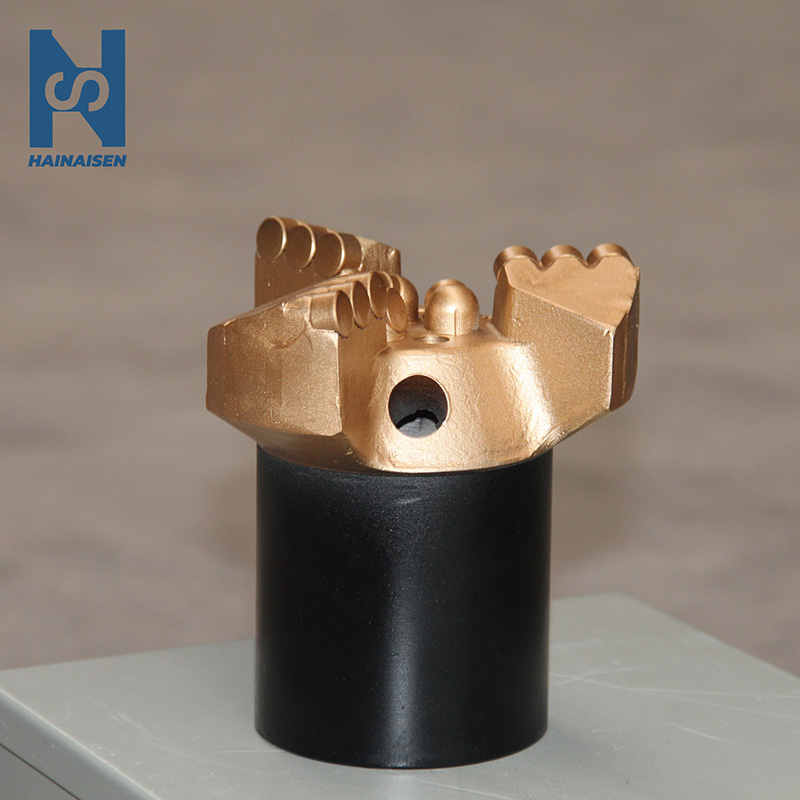 VIEW MORE113mm 3 Blades Steel Body PDC Bit
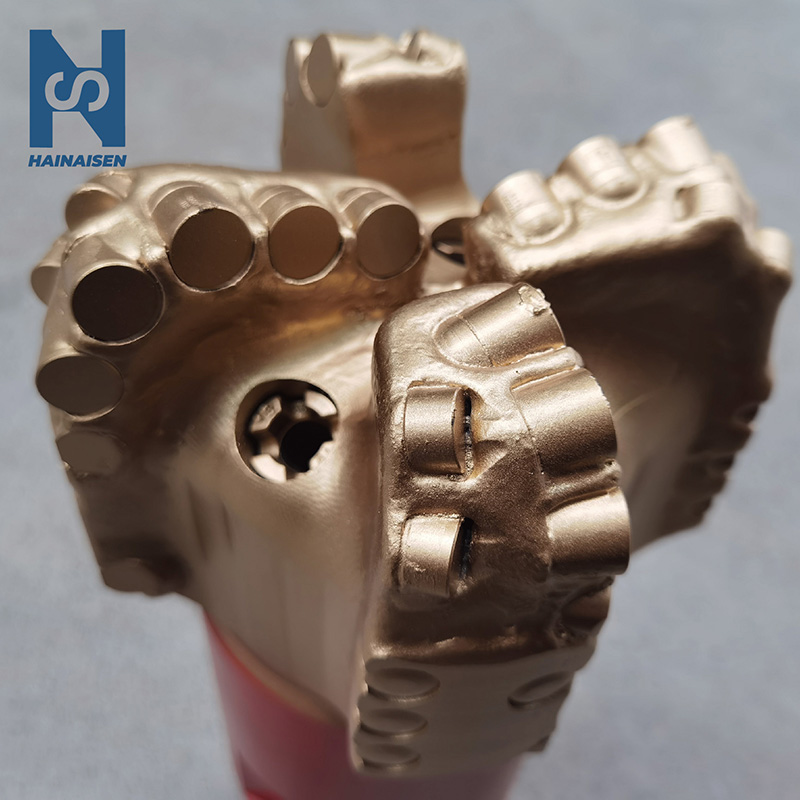 VIEW MOREFour Blade Wing Petroleum Drill Bit
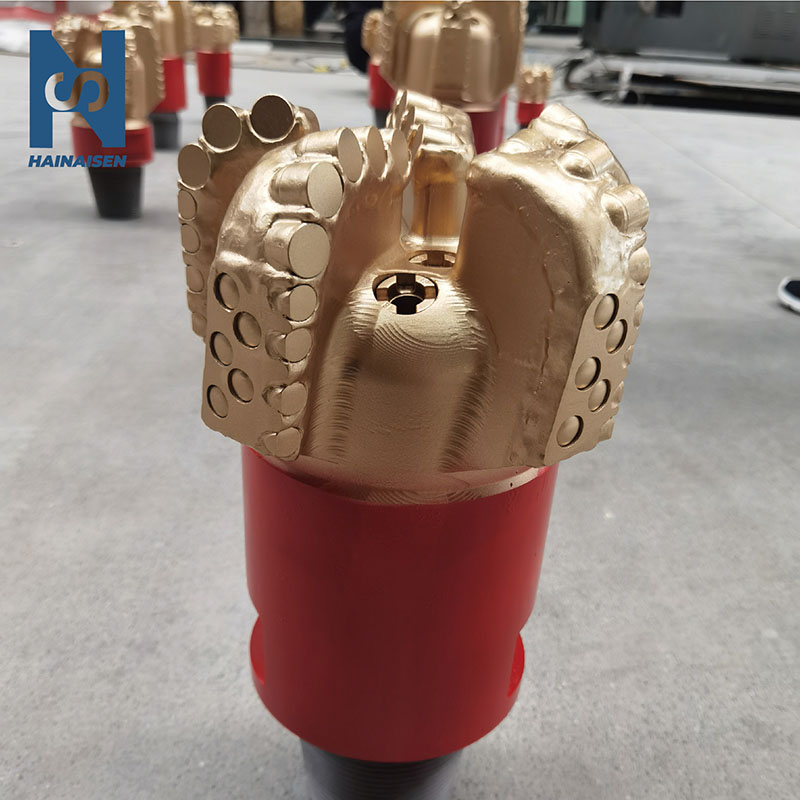 VIEW MOREFive Blade Oil Drill Bit
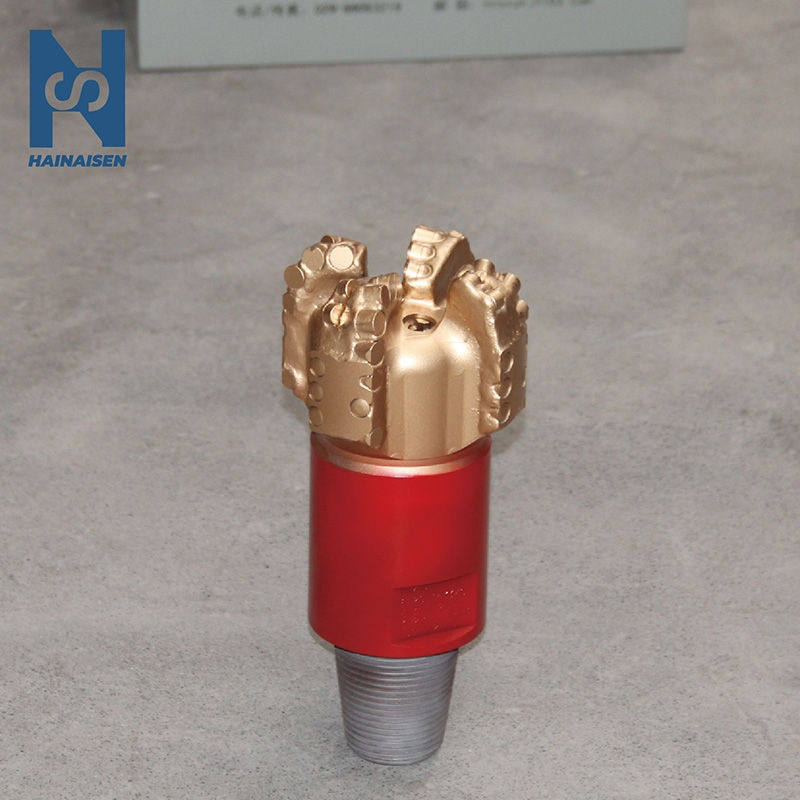 VIEW MORE4 Wings Blades PDC Bit
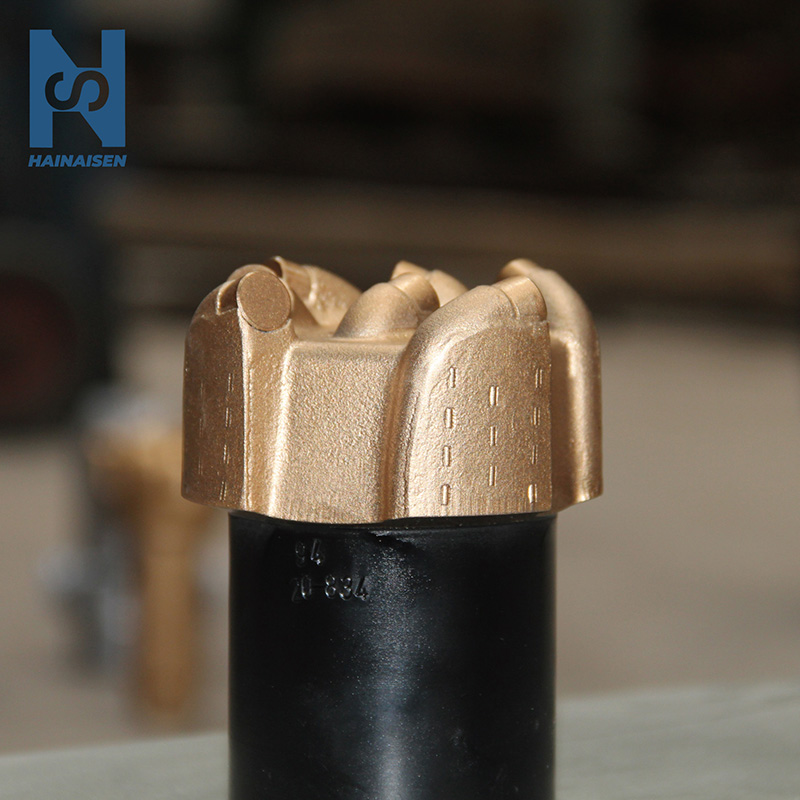 VIEW MOREPDC Flat Top Sintered Drill Bit
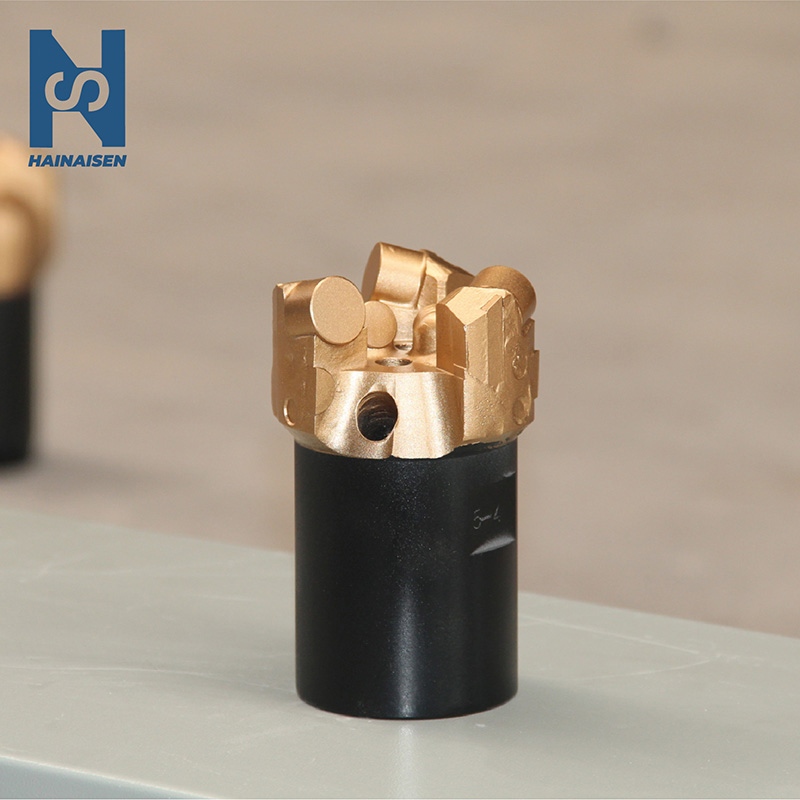 VIEW MORECoal Mining PDC Drill Bits
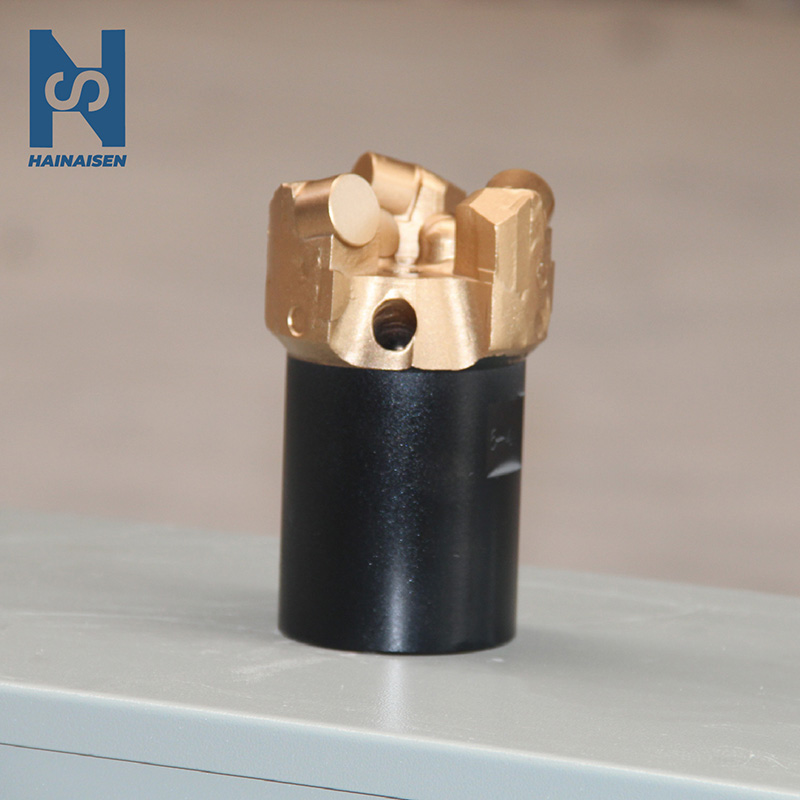 VIEW MORECoal Mining Use Diamond Drill Bit
 VIEW MORE30mm Half Blade Anchor Bit For Mine Coal Fields